10 Excellent Design Blogs for Endless Inspiration
10 excellent design blogs to follow for endless inspiration – that’s what this post is all about! Ever felt that creative well run dry? We’ve all been there. Finding fresh design inspiration can be a real struggle, but luckily, the internet is brimming with incredible blogs dedicated to sharing the latest trends, innovative techniques, and breathtaking projects.
Get ready to dive into a curated list of design blogs that will reignite your passion and fuel your creativity. Prepare to be amazed, inspired, and ultimately, a better designer!
This journey will take us through a selection of top-notch blogs, each with its unique focus and style. We’ll explore the criteria used to select these gems, examining factors like content quality, visual appeal, and community engagement. We’ll also discuss how you can effectively utilize these blogs to improve your own design skills and stay ahead of the curve in the ever-evolving world of design.
Introduction
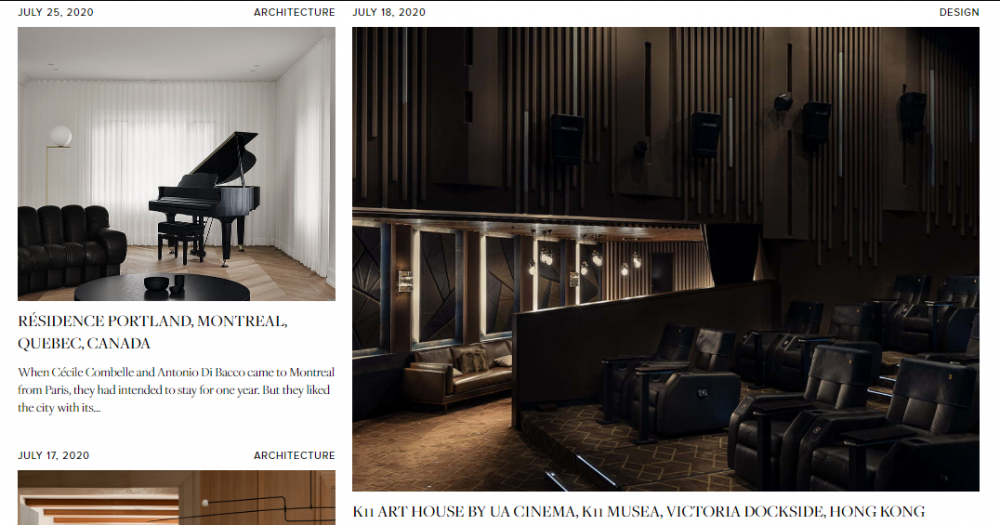
Source: thedesignstory.com
Excellent design isn’t just about aesthetics; it’s a harmonious blend of visual appeal, seamless functionality, and a positive user experience. It’s about creating something that not only looks good but also works effectively and intuitively, leaving the user feeling satisfied and engaged. A poorly designed website, for instance, might feature stunning visuals but be frustrating to navigate, ultimately failing to achieve its purpose.
Conversely, a beautifully designed product might be cumbersome to use, negating its aesthetic appeal. Truly excellent design bridges this gap, offering both form and function in a cohesive and user-centered way.Design principles play a crucial role in achieving this balance. Consistent application of these principles ensures a unified and effective design, regardless of the medium or context.
Three Key Design Principles
The following three design principles consistently contribute to excellent design outcomes: hierarchy, consistency, and accessibility. Hierarchy guides the user’s eye through the design, highlighting important information and creating a clear visual path. Consistency ensures a unified and predictable experience, preventing confusion and frustration. Accessibility ensures that the design is usable by people with disabilities, promoting inclusivity and expanding the potential audience.Hierarchy is achieved through visual cues like size, color, and placement.
For example, a website’s headline might be significantly larger and bolder than the body text, immediately drawing the user’s attention. Consistency involves maintaining a uniform style guide across all elements of the design, from typography and color palettes to spacing and layout. A consistent design creates a sense of order and professionalism. Accessibility means designing with diverse users in mind, incorporating features like alt text for images, sufficient color contrast, and keyboard navigation.
The Importance of Diverse Design Perspectives
Diverse design perspectives are essential for creating inclusive and impactful designs. Different backgrounds, experiences, and cultural understandings bring unique insights and perspectives to the design process. This diversity leads to more innovative and user-friendly solutions, catering to a wider range of needs and preferences. For example, a design team with members from different cultural backgrounds might create a product that is more culturally sensitive and resonates with a broader audience than a homogenous team.
Ignoring diverse perspectives can lead to designs that are exclusionary or even offensive, highlighting the critical importance of inclusive design practices.
Criteria for Blog Selection
Choosing the right design blogs to follow can significantly impact your creative journey. A well-curated list provides constant inspiration, fresh perspectives, and valuable insights into industry trends. My selection process involved a rigorous evaluation based on several key factors, ensuring the blogs offer both high-quality content and unique value.
Blog Selection Criteria
To ensure a diverse and high-quality list, I considered three primary criteria: content quality, niche specialization, and community engagement. Content quality assesses the accuracy, depth, and visual appeal of the blog posts. Niche specialization refers to the blog’s focus area (e.g., web design, illustration, UX/UI) and its expertise within that area. Finally, community engagement evaluates the blog’s interaction with its readers through comments, social media, and the overall sense of community it fosters.
Selected Design Blogs
The following table summarizes my top ten picks, highlighting their unique selling points and overall quality:
| Blog Name | Focus Area | Unique Selling Point | Overall Quality Rating |
|---|---|---|---|
| Design Milk | Design (broad focus) | Curated selection of high-quality design across various disciplines; strong visual appeal. | ★★★★★ |
| AIGA Eye on Design | Graphic Design, Design Thinking | Insights from the professional organization for design; thought leadership and industry trends. | ★★★★☆ |
| Smashing Magazine | Web Design, UX/UI | In-depth articles and tutorials; covers a wide range of web development and design topics. | ★★★★★ |
| Creative Bloq | Graphic Design, Illustration | Strong focus on tutorials and practical advice; caters to designers of all skill levels. | ★★★★☆ |
| The Next Web | Web Design, Technology | Focus on the intersection of design and technology; explores emerging trends and innovations. | ★★★★☆ |
| UX Collective | UX/UI Design | Community-driven platform; features articles from UX designers around the world. | ★★★★☆ |
| Dribbble | Graphic Design, Illustration, UI Design | Showcase of design work; excellent for visual inspiration and discovering new talent. | ★★★★☆ |
| Behance | Design (broad focus) | Similar to Dribbble, but with a broader scope and more in-depth project presentations. | ★★★★☆ |
| Fast Company Co.Design | Design (broad focus), Business | Focus on the business side of design; covers design strategy and innovation. | ★★★★☆ |
| Dezeen | Architecture, Interior Design | Focus on architecture and interior design; showcases innovative and inspiring projects. | ★★★★☆ |
Approaches to Design Blogging
Design blogs employ diverse approaches to engage their audiences. Tutorial-based blogs offer step-by-step guides and practical exercises, ideal for learning specific design skills. Inspirational blogs focus on showcasing stunning visuals and design trends, sparking creativity and providing aesthetic inspiration. Community-focused blogs prioritize interaction and collaboration, fostering a sense of belonging among designers. Each approach serves a unique purpose and caters to different learning styles and preferences.
Top 10 Design Blogs
Finding consistent inspiration in the ever-evolving world of design can be a challenge. Luckily, numerous talented designers and studios share their insights and projects online, offering a wealth of knowledge and creative fuel. This selection focuses on blogs that offer a diverse range of design perspectives, from branding and UI/UX to illustration and architecture. Each blog provides a unique approach and caters to a specific audience, ensuring there’s something for everyone, regardless of their design background or area of interest.
Top 10 Design Blogs: Detailed Descriptions
These ten blogs represent a diverse cross-section of the design world, offering insightful articles, stunning visuals, and practical advice. The frequency of posts and content type vary, reflecting the individual styles and priorities of each blog.
- Design Milk: This blog covers a broad spectrum of design, from furniture and interiors to product design and graphic design. Posts are frequent, typically several times a week, and include interviews, product spotlights, and trend reports. Their target audience is broad, encompassing design enthusiasts and professionals. A recent article showcasing their expertise is a deep dive into the resurgence of mid-century modern design in contemporary interiors, featuring examples from various designers and manufacturers.
- AIGA Eye on Design: The American Institute of Graphic Arts (AIGA) blog offers insightful articles on graphic design trends, industry news, and professional development. Posts are regular, usually several times a week, focusing on in-depth analysis and interviews with leading designers. The target audience is primarily graphic designers and design students. A recent article explored the ethical considerations of using AI in graphic design, highlighting the challenges and opportunities for the profession.
- Creative Bloq: This UK-based blog covers a wide range of design disciplines, including web design, graphic design, illustration, and photography. The frequency of posts is high, with multiple updates daily, and content includes tutorials, interviews, and showcases of inspiring projects. The target audience is broad, appealing to both amateur and professional designers. A recent article featured a comprehensive tutorial on mastering typography in Adobe Illustrator, complete with practical exercises and design examples.
- Smashing Magazine: Known for its in-depth articles on web design and development, Smashing Magazine provides high-quality content for experienced professionals. Posts are less frequent than some others, typically a few times a week, but are always substantial and insightful. The target audience is web designers and developers. A recent article provided a detailed analysis of the latest advancements in responsive web design, focusing on innovative techniques and best practices.
- Fast Company Co.Design: This blog focuses on the intersection of design and business, exploring the role of design in innovation and entrepreneurship. Posts are regular, appearing several times a week, and often feature interviews with influential designers and executives. The target audience includes design professionals, business leaders, and entrepreneurs. A recent article examined the design principles behind successful startup branding, highlighting case studies of companies that effectively leveraged design to build their brand identity.
- Dezeen: A leading source of news and opinion on architecture and design, Dezeen covers projects from around the world. The frequency of posts is very high, with multiple updates daily, and the content includes project showcases, interviews, and industry news. The target audience is architects, designers, and architecture enthusiasts. A recent article featured a detailed profile of a sustainable architectural project that utilizes innovative materials and construction techniques.
- The Dieline: Specializing in packaging design, The Dieline showcases innovative and creative packaging from around the globe. The frequency of posts is high, with several updates per week, and the content includes case studies, interviews, and trend reports. The target audience is packaging designers and brand strategists. A recent article featured a case study on the redesign of a popular beverage brand’s packaging, highlighting the design process and its impact on sales.
- UX Collective: This blog focuses on user experience (UX) design, providing articles, tutorials, and case studies on UX best practices. Posts are frequent, with several updates per week, and the content is aimed at helping designers improve their UX skills. The target audience is UX designers and those interested in learning more about UX design. A recent article examined the use of user research in improving the usability of mobile applications, including practical examples and tips.
- Little Big Details: This blog focuses on the small design details that can make a big difference in a project. Posts are less frequent than some others, typically a few times a week, but each post offers in-depth analysis and insightful observations. The target audience is designers of all levels, who appreciate attention to detail. A recent article provided a detailed analysis of the subtle design choices made in the branding of a new technology company, highlighting the effectiveness of their approach.
- Webdesigner Depot: This blog offers a wide range of content related to web design, including tutorials, articles, and resources. Posts are frequent, with multiple updates per week, and cover a wide variety of topics, from web design trends to coding techniques. The target audience is web designers and developers of all skill levels. A recent article explored the use of CSS animations to create engaging and interactive website experiences.
Content Style and Presentation
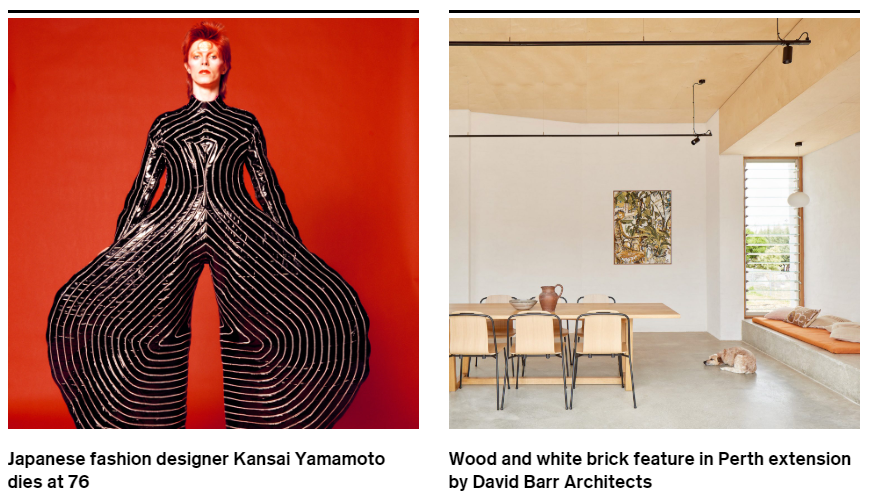
Source: thedesignstory.com
Finding amazing design inspiration is key, and those 10 excellent design blogs I mentioned? They’re a goldmine! But to really show off your design skills, you need to get your work seen, which is where getting it on with youtube comes in. Building a strong YouTube presence can massively boost your portfolio’s visibility, complementing the inspiration you glean from those fantastic design blogs.
So, check out those blogs, then learn how to leverage YouTube for success!
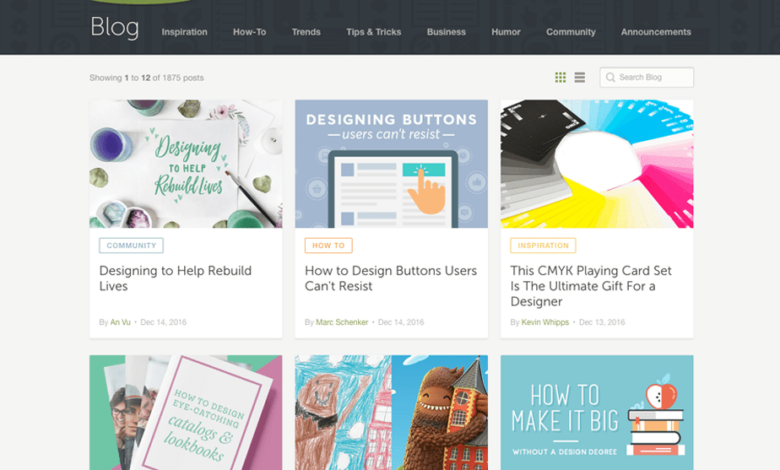
A design blog’s success hinges not only on the quality of its content but also on how that content is presented. A visually appealing and well-structured blog will keep readers engaged and coming back for more, while a poorly presented blog, no matter how insightful its content, risks being overlooked. The key lies in a harmonious blend of compelling writing and captivating visuals.Effective design blogs employ a variety of content formats to cater to diverse learning styles and maintain reader interest.
This multi-faceted approach ensures that the information is delivered in a way that is both informative and enjoyable.
Content Formats in Design Blogs, 10 excellent design blogs to follow for endless inspiration
Design blogs utilize a diverse range of formats to present information effectively. Articles provide in-depth explorations of specific design topics, offering analysis and insights. Case studies showcase real-world projects, allowing readers to learn from successful (and sometimes unsuccessful) implementations. Interviews with prominent designers offer unique perspectives and valuable professional advice. Finally, videos provide a dynamic and engaging way to present complex concepts or walkthroughs of design processes.
This variety keeps the content fresh and prevents reader fatigue.
Visual Presentation and Reader Experience
The visual aspects of a design blog are just as crucial as the written content. High-quality images, meticulously chosen to complement the text, are essential. Imagine a blog post about minimalist design accompanied by crisp, clean photographs of minimalist interiors and product designs. The images reinforce the core concepts, enhancing comprehension and engagement. Infographics, cleverly designed to present complex data in a visually appealing and easily digestible manner, further elevate the reader experience.
They transform potentially dry statistics into compelling visuals, making the information more memorable and accessible. A high-quality design blog typically features a consistent visual style, using a cohesive color palette, typography, and layout. This creates a professional and polished aesthetic that reflects the blog’s overall brand identity. Think of a clean, modern aesthetic with a limited, carefully selected color palette, using high-resolution images with ample white space to allow the content to breathe.
Importance of Clear Writing and Concise Explanations
Clarity and conciseness are paramount in design blogs. Design concepts can be complex, but effective communication requires distilling these complexities into clear, easily understandable language. Jargon should be minimized or clearly defined, ensuring accessibility for a broad audience. Long, rambling sentences should be avoided in favor of short, impactful statements that convey information efficiently. A well-written design blog uses strong verbs and avoids passive voice, creating a more engaging and dynamic reading experience.
Concise explanations ensure that readers grasp the key takeaways without being overwhelmed by unnecessary detail. The goal is to provide valuable insights in a way that is both informative and enjoyable, fostering a positive reading experience and encouraging readers to return for more.
Blog Community and Interaction
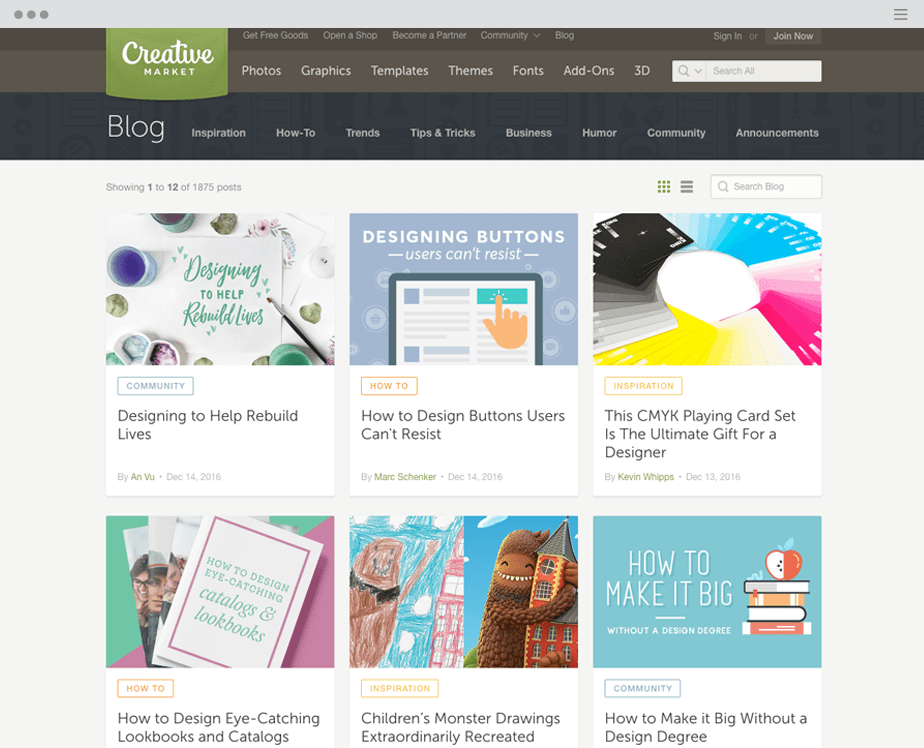
Source: googleapis.com
Engaging with the design blog community offers significant advantages for both readers and the bloggers themselves. It fosters a dynamic exchange of ideas, provides valuable feedback, and creates a sense of belonging within a shared passion for design. Active participation can lead to professional collaborations, mentorship opportunities, and a deeper understanding of design trends and practices.The benefits extend beyond individual growth.
A thriving community strengthens the blog itself, attracting new readers and contributing to its overall success. A well-moderated and interactive community can become a valuable resource, showcasing the blog’s authority and fostering a sense of trust among its audience.
Methods of Community Building
Design blogs employ various strategies to cultivate a vibrant community. Some focus on creating spaces for direct conversation, while others leverage social media platforms to expand their reach and engagement. The most effective methods often combine several approaches, creating a multifaceted ecosystem for interaction.
- Comment Sections: Many blogs utilize built-in comment sections, allowing readers to directly respond to posts. Well-moderated comment sections, where respectful dialogue is encouraged, can spark insightful discussions and create a sense of shared experience among readers.
- Social Media Integration: Integrating social media platforms like Instagram, Twitter, and Facebook allows blogs to extend their reach beyond their website. Readers can engage with posts through likes, shares, and comments, fostering a sense of community across different platforms. This also enables the blog to participate in broader design conversations happening online.
- Forums and Online Communities: Some blogs create dedicated forums or utilize existing online communities (like Reddit or Discord) to facilitate in-depth discussions on specific design topics. This provides a more structured environment for longer-form conversations and allows for deeper engagement with the blog’s content.
- Contests and Challenges: Hosting design contests or challenges can be an effective way to engage the community and showcase the talents of readers. This creates a sense of friendly competition and provides opportunities for feedback and collaboration.
- Email Newsletters: Regular email newsletters can keep readers engaged and informed about new content and community updates. Including opportunities for readers to respond or provide feedback in newsletters can foster a more personal connection with the blog and its audience.
Features Encouraging Interaction
Several features can significantly enhance community interaction on a design blog. These features aim to make it easier for readers to connect with each other and with the blog’s creators, fostering a more engaging and welcoming environment.
- Easy-to-Use Commenting Systems: A simple and intuitive commenting system is crucial for encouraging participation. The system should be easy to access and use, regardless of the user’s technical expertise.
- Responsive Moderation: Active moderation ensures respectful and productive conversations. Prompt responses to comments and questions show that the blog’s creators value their audience’s input.
- Opportunities for Reader-Submitted Content: Inviting readers to submit their own work, whether it’s design projects, tutorials, or articles, can significantly increase engagement and create a sense of ownership within the community.
- Regular Q&A Sessions: Holding regular Q&A sessions, either through live streams, forums, or dedicated blog posts, allows the blog’s creators to directly interact with readers and address their questions and concerns.
- Community Guidelines: Clear community guidelines help maintain a respectful and productive environment, outlining expectations for behavior and interaction within the community.
Inspiration and Practical Application
Design blogs aren’t just aesthetically pleasing collections of pretty pictures; they’re powerful tools for designers seeking inspiration and practical application in their work. They offer a curated glimpse into the creative processes of others, showcase innovative solutions to design challenges, and provide a constant stream of industry updates. By actively engaging with these resources, designers can significantly enhance their skills and expand their creative horizons.Design blogs serve as a rich source of inspiration, offering a diverse range of visual styles, innovative techniques, and creative problem-solving approaches.
For example, a designer struggling with the layout of a website might find inspiration in a blog post showcasing different approaches to navigation and information architecture. Similarly, a graphic designer facing a branding challenge could draw inspiration from case studies showcasing successful brand identities and their underlying design rationale. The key is to actively seek out projects and styles that resonate with your own design sensibilities and project goals.
Utilizing Design Blogs for Inspiration
Design blogs offer a wealth of material for designers to draw inspiration from. A blog post featuring a minimalist website design could inspire a designer to simplify their own work, focusing on essential elements and whitespace. Conversely, a blog post highlighting a bold and colorful design might encourage a designer to experiment with more vibrant color palettes and contrasting elements in their projects.
By actively browsing and analyzing different design styles and approaches, designers can identify trends, discover new techniques, and expand their creative vocabulary. This process of visual exploration can spark new ideas and help designers break free from creative ruts.
Practical Application of Blog Knowledge
The information gleaned from design blogs isn’t merely inspirational; it’s directly applicable to real-world design projects. For instance, a blog post discussing user experience (UX) best practices can be immediately incorporated into the design process, leading to the creation of more user-friendly interfaces. Similarly, a blog post detailing the latest advancements in responsive web design can guide a designer in creating websites that adapt seamlessly to various screen sizes and devices.
The practical application of this knowledge is crucial for creating effective and impactful designs.
Staying Current with Industry Trends
Design blogs play a vital role in keeping designers abreast of the latest industry trends and best practices. Blogs often feature articles discussing emerging technologies, innovative design tools, and evolving design principles. For example, a blog post discussing the increasing popularity of AI-powered design tools can prompt a designer to explore and integrate these tools into their workflow.
Staying informed about these trends is crucial for maintaining a competitive edge and producing cutting-edge designs. Design blogs act as a curated feed of information, filtering out the noise and highlighting the most relevant developments in the field.
Concluding Remarks: 10 Excellent Design Blogs To Follow For Endless Inspiration
So there you have it – ten incredible design blogs ready to fuel your creative fire! Remember, inspiration isn’t just about passively consuming content; it’s about actively engaging with the community, experimenting with new techniques, and letting the ideas flow. Don’t just read these blogs; let them inspire you to create your own stunning designs. Happy designing!
FAQ Insights
How often should I check these blogs for new content?
It depends on your schedule and the frequency of each blog’s posts. Some update daily, others weekly. A good strategy is to subscribe to their newsletters or follow them on social media for notifications.
Are these blogs suitable for beginners?
Absolutely! While some blogs delve into advanced techniques, many cater to various skill levels. Start with the blogs that seem most approachable and gradually explore more complex topics as your confidence grows.
How can I contribute to these design blog communities?
Many blogs encourage comments and discussions. Share your thoughts, ask questions, and participate in online forums. Following the blogs on social media also allows for interaction.
What if I don’t find a blog that perfectly matches my design niche?
That’s okay! Even blogs focused on different areas can offer valuable inspiration and insights. Look for common design principles and adapt the ideas to your specific needs.