Which Design Team Suits You?
Which design team suits you? Finding the right fit is crucial for your success and happiness. This isn’t just about skills; it’s about finding a team whose work style, communication preferences, and overall culture align with yours. We’ll explore different team structures, design styles, and project types to help you identify the perfect match.
This journey involves understanding your own design preferences – are you a minimalist or maximalist? Do you thrive in structured environments or prefer a more fluid approach? We’ll delve into self-assessment methods, questionnaires, and even real-world scenarios to illuminate the path towards finding your ideal design team.
Defining “Design Team”
Source: weekdone.com
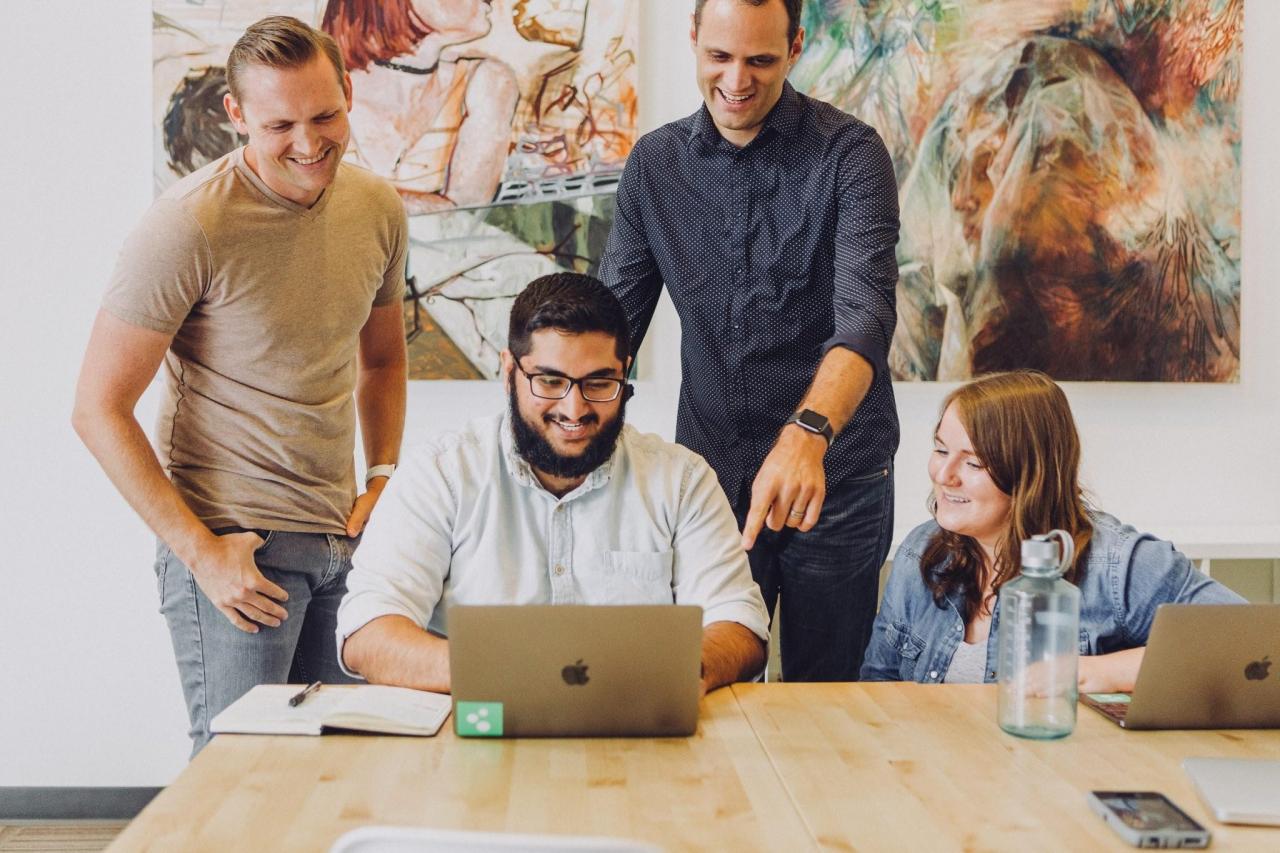
A design team is a collaborative group of individuals, each possessing specialized skills and expertise, working together to solve design problems and create innovative solutions. The team’s composition and focus vary widely depending on the project’s needs and the overall organizational goals. It’s a dynamic entity, constantly adapting to the challenges presented.The success of any design project hinges on the effective functioning of its design team.
This involves not just individual talent, but also a carefully orchestrated synergy of skills and a shared understanding of the project’s objectives. This synergy translates into a more efficient and creative process, ultimately leading to superior design outcomes.
Design Team Disciplines and Roles
Different design projects necessitate diverse skill sets. A typical design team might include individuals specializing in UX design, UI design, graphic design, and industrial design, each with distinct responsibilities. UX designers focus on user research, information architecture, and interaction design, ensuring a user-friendly and intuitive experience. UI designers translate the UX designs into visually appealing and functional interfaces.
Graphic designers concentrate on visual communication, creating logos, branding materials, and marketing collateral. Industrial designers focus on the physical form and functionality of products, considering ergonomics, manufacturing processes, and materials. Other roles, such as design researchers, content strategists, and design managers, may also be incorporated depending on project complexity.
Team Collaboration and Communication
Effective collaboration and communication are paramount for a successful design team. This involves establishing clear communication channels, using collaborative design tools, and fostering a culture of open feedback and constructive criticism. Regular meetings, shared design files, and transparent project management processes are essential for keeping everyone aligned and informed. Effective communication also involves active listening, empathy, and a willingness to compromise, allowing team members to leverage each other’s strengths and address potential conflicts proactively.
For example, a daily stand-up meeting could be used to quickly update the team on progress and address any immediate roadblocks. Using collaborative design tools like Figma or Adobe XD allows team members to work on the same designs simultaneously and provide real-time feedback.
Choosing the right design team is crucial, and it depends heavily on your project’s needs. If you’re looking to boost your YouTube presence, understanding the visual aspects is key, which is why I recommend checking out this great guide on getting it on with YouTube to learn more about effective YouTube strategies. Ultimately, finding a design team that aligns with your YouTube goals—and understands the platform’s visual language—will make all the difference.
Identifying Individual Design Preferences
Understanding your personal design preferences is crucial for finding your niche within a design team and maximizing your creative potential. It allows you to contribute effectively, collaborate harmoniously, and ultimately, create more impactful and satisfying work. This self-awareness helps you leverage your strengths and understand how you best interact within a collaborative environment.Identifying your preferred design styles isn’t about declaring yourself a “minimalist” or “maximalist” and sticking to it rigidly.
It’s about understanding your inclinations towards certain visual elements and approaches, which can then inform your design choices and project selections.
Design Styles and Aesthetics, Which design team suits you
Different design styles evoke different emotions and serve different purposes. Recognizing these styles and their underlying principles can help you identify your own preferences. The table below provides a glimpse into several prominent design styles.
| Style Name | Description | Characteristics | Example Projects |
|---|---|---|---|
| Minimalism | A style characterized by simplicity, clean lines, and a focus on essential elements. | Limited color palettes, simple typography, ample white space, functionality over ornamentation. | Apple product interfaces, some corporate branding materials. |
| Modern | A style emphasizing clean lines, geometric shapes, and a sense of order. Often incorporates bold colors and typography. | Bold colors, geometric shapes, strong visual hierarchy, sans-serif fonts, sleek aesthetics. | Modern architectural designs, contemporary furniture, some website layouts. |
| Vintage | A style that draws inspiration from past eras, incorporating elements of nostalgia and retro aesthetics. | Retro color palettes, vintage fonts (serif fonts often), textured backgrounds, distressed effects. | Clothing designs, album art, marketing materials for vintage products. |
| Art Deco | A style characterized by geometric patterns, luxurious materials, and a sense of opulence. | Geometric shapes, symmetrical layouts, rich color palettes (golds, blacks, deep blues), elegant typography. | Building designs, jewelry, posters from the Art Deco period. |
Methods for Self-Assessment
Self-assessment involves actively exploring your responses to different design elements. Start by gathering inspiration: browse design websites, magazines, and social media platforms. Pay attention to what catches your eye. What color palettes resonate with you? Do you gravitate towards simple, clean designs or more complex, layered ones?
Note down your reactions; this is valuable data. Experiment with creating your own designs, even small ones, to see what feels intuitive and satisfying. Analyze your existing work—what elements do you consistently use? What styles do you find yourself drawn to?
Questionnaire for Identifying Design Preferences and Working Styles
Answering the following questions honestly will provide insights into your preferred design approaches and working styles. Remember, there are no right or wrong answers; the goal is self-discovery.
| Question | Answer Options |
|---|---|
| What type of color palettes do you typically prefer? | Muted and earthy tones, Bright and vibrant colors, Monochromatic schemes, Complementary color schemes |
| What typography styles do you find most appealing? | Serif fonts, Sans-serif fonts, Script fonts, Display fonts |
| How do you approach problem-solving in design? | Start with a detailed plan, Iterative approach, Brainstorming and experimentation |
| Do you prefer working independently or collaboratively? | Independently, Collaboratively, A mix of both |
| What is your preferred design software? (If applicable) | Adobe Photoshop, Adobe Illustrator, Figma, Sketch, Other |
Matching Individual Preferences with Team Dynamics
Finding the right design team isn’t just about skill; it’s about synergy. A team’s structure significantly impacts how individual designers work and contribute. Understanding how individual preferences mesh with different team dynamics is crucial for maximizing productivity and fostering a positive work environment. This involves recognizing the strengths and weaknesses of various team structures and how they might either support or hinder a designer’s specific working style.
Different team structures cater to different personalities and working styles. The effectiveness of a team structure is directly linked to the individual preferences of its members. A mismatch can lead to frustration, decreased productivity, and ultimately, project failure. Conversely, a well-matched team, where individual preferences align with the team’s structure and processes, can lead to exceptional results and a highly motivated team.
Team Structures and Their Impact on Individual Preferences
Team structures vary widely, each with its own strengths and weaknesses. Three common structures are hierarchical, flat, and agile.
A hierarchical team features a clear chain of command, with decisions flowing top-down. This structure works well for designers who thrive in structured environments, prefer clear direction, and are comfortable following established processes. However, it can stifle creativity for designers who prefer autonomy and collaborative decision-making. For example, a designer who enjoys experimenting with new approaches might find a hierarchical structure too restrictive, leading to frustration and a feeling of being unheard.
In contrast, a flat team structure emphasizes collaboration and shared decision-making. All members have equal input, fostering a more democratic and creative environment. This suits designers who value collaboration, enjoy brainstorming sessions, and prefer a less formal, more flexible approach. However, a flat structure can be challenging for designers who prefer clear direction and struggle in less structured environments.
A designer who needs a clear task list and specific deadlines might find the lack of formal hierarchy confusing or overwhelming.
Agile teams are characterized by iterative development, flexibility, and continuous feedback. They are adaptable and responsive to change. This structure is well-suited for designers who enjoy working in fast-paced environments, appreciate frequent feedback, and are comfortable adapting to changing priorities. However, it can be challenging for designers who prefer a more structured and predictable workflow. For instance, a designer who values detailed planning and dislikes sudden changes might find the constant iteration of an agile team disruptive.
Matching Individual Preferences to Team Dynamics: A Flowchart
The following flowchart illustrates a process for matching individual preferences with suitable team dynamics. It is a simplified representation, and the actual process may involve more nuanced considerations.
Imagine a flowchart with the following steps:
- Start: Identify the designer’s preferences (e.g., preference for autonomy, level of comfort with ambiguity, preferred communication style, etc.).
- Assess Preferences: Analyze the identified preferences and categorize them (e.g., highly structured vs. highly flexible, collaborative vs. independent, etc.).
- Evaluate Team Structures: Consider the characteristics of different team structures (hierarchical, flat, agile). Compare the designer’s preferences with the requirements and dynamics of each structure.
- Match Preferences to Structure: Based on the assessment, determine which team structure best aligns with the designer’s preferences.
- End: Assign the designer to the most suitable team.
Assessing Team Culture and Values
Finding the right design team isn’t just about matching skills; it’s about finding a cultural fit. A team’s shared values and work style significantly impact individual productivity and overall project success. Understanding a team’s culture before joining is crucial for a positive and fulfilling experience.A positive and productive design team culture is characterized by several key aspects. Open communication fosters collaboration and prevents misunderstandings.
Mutual respect among team members creates a safe space for sharing ideas and constructive criticism. A culture of trust allows individuals to take risks and innovate without fear of judgment. Effective teamwork, where individual strengths complement each other, leads to higher quality work and improved efficiency. Finally, a shared commitment to excellence ensures that every member strives for the highest standards.
Key Aspects of a Positive Design Team Culture
These elements are interconnected and reinforce each other. For example, open communication facilitates mutual respect, which in turn strengthens trust and teamwork. A strong foundation of shared values and a commitment to excellence is essential for a thriving design team. The absence of even one of these elements can negatively impact the team’s overall performance and morale.
The Importance of Shared Values and Goals
Shared values and goals act as a unifying force within a design team. When team members share a common vision and understand their individual roles in achieving it, they are more likely to work collaboratively and effectively. This shared understanding reduces conflict and enhances productivity. For example, a team united by a shared commitment to user-centered design will consistently prioritize user needs in their design process, leading to more successful and user-friendly products.
Conversely, a team lacking a unified vision may struggle with conflicting priorities and inconsistent design approaches, resulting in suboptimal outcomes.
Assessing Individual Compatibility with Team Culture
Understanding how an individual’s work style aligns with a team’s culture is paramount. This assessment requires careful consideration of several factors. The following questions, reframed as statements, help evaluate this compatibility:
- The individual’s preferred communication style is compatible with the team’s communication norms (e.g., frequent meetings vs. asynchronous communication).
- The individual’s approach to problem-solving aligns with the team’s established methodologies (e.g., agile vs. waterfall).
- The individual’s level of comfort with feedback and criticism aligns with the team’s culture of constructive criticism and open dialogue.
- The individual’s work ethic and dedication to deadlines are consistent with the team’s overall work pace and expectations.
- The individual’s personal values and professional goals resonate with the team’s shared vision and objectives.
Evaluating Project Scope and Requirements
Understanding the project’s scope and requirements is paramount to building the right design team. A mismatch between team expertise and project demands can lead to delays, budget overruns, and ultimately, a subpar final product. Successfully aligning team composition with project needs requires a careful assessment of both.The type of design project significantly influences the ideal team composition. Different projects require different skill sets and levels of expertise.
A simple website redesign will have different needs than the design of a complex interactive installation, for example. This means that the team’s size, specializations, and even the team’s working style will vary depending on the project’s demands.
Project Types and Team Specializations
Different project types naturally lend themselves to different design team specializations. For instance, a project focusing on user interface (UI) design might primarily need interaction designers, visual designers, and UX writers. A project focused on branding might benefit from a team specializing in branding strategy, visual identity, and brand voice. Conversely, a large-scale architectural project will demand architects, structural engineers, and interior designers.Consider a project for a new mobile application: this might require UI/UX designers, front-end developers, and potentially, a project manager skilled in agile methodologies.
A graphic design project for a new product line, on the other hand, may need graphic designers specializing in packaging design, print production, and potentially marketing materials. A web design project for an e-commerce site would benefit from a team including front-end and back-end developers, UX/UI designers, and potentially specialists. These examples highlight the diversity of design projects and the need for tailored team composition.
Matching Skills to Project Demands
Once the project scope is defined, matching individual skills and expertise to specific tasks becomes crucial. This involves a thorough evaluation of each team member’s strengths and weaknesses, and aligning those strengths with the project’s requirements.For example, if a project requires extensive user research, a team member with proven experience in conducting user interviews and analyzing qualitative data should be assigned a key role.
Similarly, if the project involves complex visual design challenges, a designer with a strong portfolio in visual communication and typography would be a valuable asset. Effective task assignment minimizes potential bottlenecks and ensures efficient project completion. This process should also consider the individual’s ability to work collaboratively and communicate effectively within the team dynamic already established. A strong project manager can play a vital role in facilitating this process, ensuring everyone is working efficiently and their talents are appropriately utilized.
Considering Team Size and Communication Styles
Finding the right balance in team size and communication is crucial for any design project. A poorly structured team, regardless of size, can lead to missed deadlines, conflicts, and ultimately, a subpar final product. Effective communication, however, can be the glue that holds a team together, driving collaboration and fostering creativity.The optimal team size and communication strategy are highly dependent on the project’s complexity, timeline, and the specific skills required.
There’s no one-size-fits-all answer, but understanding the trade-offs inherent in different team structures is essential for success.
Small Versus Large Design Teams: Advantages and Disadvantages
Small design teams, typically consisting of 3-5 members, offer several advantages. They often boast improved communication flow, quicker decision-making, and a stronger sense of camaraderie. Members feel more invested in the project and have a clearer understanding of their individual roles and responsibilities. However, smaller teams may lack the diverse skillsets of larger teams and risk burnout from heavier workloads.
A single point of failure can significantly impact the project. Large design teams, conversely, benefit from a wider range of expertise and a greater capacity for handling complex projects. They can tackle multiple tasks concurrently and are less susceptible to individual burnout. However, communication becomes more complex, decision-making slows down, and maintaining team cohesion can be challenging. Coordination overhead increases significantly, potentially leading to conflicts and duplicated efforts.
Impact of Communication Styles on Team Effectiveness
Effective communication is paramount in design teams. Different communication styles – verbal, written, and visual – each have their strengths and weaknesses. Verbal communication, such as brainstorming sessions or quick feedback, facilitates immediate interaction and allows for nuanced discussions. However, it’s less suitable for documenting decisions or sharing information with geographically dispersed team members. Written communication, including emails, project documentation, and design specifications, provides a clear record of decisions and facilitates asynchronous collaboration.
It can be less effective, though, for quickly addressing urgent issues or fostering spontaneous creativity. Visual communication, such as mockups, prototypes, and presentations, is particularly powerful in design, allowing for quick comprehension and shared understanding of design concepts. However, it can lack the detail and context provided by verbal or written communication. A balanced approach that leverages the strengths of each style is crucial.
Communication Dynamics: Small, Close-Knit Team Versus Large, Distributed Team
Consider two scenarios: Team A is a small, close-knit team working in the same office on a website redesign. They communicate primarily through verbal discussions, impromptu whiteboard sessions, and quick email updates. Decisions are made relatively quickly, and the shared workspace fosters a sense of collaboration. Team B, however, is a large, distributed team working on a complex mobile application across multiple time zones.
They rely heavily on written communication – detailed project management software, email threads, and comprehensive documentation. Visual communication, such as screen recordings and annotated prototypes, is vital for bridging the geographical distance. Decision-making is more formalized, involving multiple reviews and approvals. While Team A benefits from immediate feedback and informal communication, Team B needs rigorous documentation and clear communication protocols to maintain efficiency.
Both approaches have their challenges, highlighting the need for communication strategies tailored to the specific team structure and project demands.
Illustrating Ideal Team Scenarios: Which Design Team Suits You
Finding the perfect design team is a bit like finding the perfect puzzle piece – the right shape, size, and color all matter. The ideal team isn’t just a collection of talented individuals; it’s a synergistic blend of personalities, skills, and working styles that complement each other and the project’s demands. This synergy is what leads to exceptional results.
Let’s explore three distinct scenarios to illustrate this.
Scenario 1: The Agile Innovators
This team focuses on a fast-paced, iterative design process for a new mobile application. The project involves developing a user-friendly interface for a fitness tracking app. The team consists of a UX researcher (Sarah), a UI designer (Mark), a front-end developer (David), and a project manager (Emily). Sarah’s deep understanding of user behavior guides the design decisions, while Mark translates that understanding into visually appealing and intuitive interfaces. David ensures the seamless integration of design and functionality, and Emily keeps the team on track and fosters collaboration.
Their workflow is highly collaborative, utilizing agile methodologies with daily stand-up meetings and regular sprint reviews. Communication is primarily through Slack and project management tools like Jira. Decisions are made collaboratively, leveraging Sarah’s user research insights, Mark’s design expertise, and David’s technical considerations. Disagreements are resolved through open discussion and compromise, guided by Emily’s facilitation. The team thrives on quick iterations, feedback loops, and a shared commitment to innovation.
Scenario 2: The Detail-Oriented Craftspeople
This team tackles a high-end branding project for a luxury watchmaker. The project demands meticulous attention to detail, a deep understanding of brand identity, and a commitment to exquisite visual aesthetics. The team includes a senior brand strategist (Anna), a lead graphic designer (Ben), a copywriter (Chloe), and a print production specialist (Daniel). Anna establishes the brand’s core values and messaging, while Ben translates this into a cohesive visual language. Chloe crafts compelling copy that aligns with the brand’s voice, and Daniel ensures the flawless execution of the design across various print materials.
Their workflow is more sequential, with each team member contributing their expertise in a specific phase. Communication happens through email, in-person meetings, and detailed design briefs. Decisions are often made by Anna, leveraging her extensive experience and understanding of the client’s needs. However, open communication and feedback are encouraged throughout the process. The team values precision, quality, and a shared commitment to creating a sophisticated and timeless brand identity.
Scenario 3: The Global Collaborative
This team is responsible for designing a globally accessible e-commerce website for a multinational corporation. The project requires a deep understanding of diverse cultures and user needs, along with expertise in localization and accessibility. The team is geographically dispersed, including a UX designer in London (Fiona), a UI designer in Tokyo (Greg), a back-end developer in San Francisco (Henry), and a project manager in New York (Isabella).
Their workflow relies heavily on digital collaboration tools such as video conferencing (Zoom, Google Meet), shared design platforms (Figma), and project management software (Asana). Communication is asynchronous, utilizing email, instant messaging, and project updates. Decisions are made through a combination of individual contributions and collaborative online reviews. Regular virtual meetings are crucial for maintaining team cohesion and addressing challenges arising from geographical distance and time zone differences.
The team’s success hinges on clear communication, well-defined roles, and a commitment to inclusive design principles.
Last Word
Source: cloudinary.com
Ultimately, finding the right design team is a personal quest. It’s about understanding your own strengths and weaknesses, your preferred working style, and the type of environment where you flourish. By carefully considering your preferences and the dynamics of different teams, you can significantly increase your chances of landing in a role that’s both fulfilling and productive. So, start exploring, and discover the design team that’s the perfect fit for you!
Popular Questions
What if I don’t fit neatly into one design style?
Many designers blend styles! Focus on your dominant preferences and look for teams that value diverse perspectives.
How important is salary when choosing a design team?
Salary is important, but a fulfilling work environment and opportunities for growth are equally valuable. Consider the whole package.
What if I don’t get along with a team member?
Open communication is key. Try to address concerns directly. If issues persist, consider seeking advice from a supervisor or HR.
Can I switch design teams within a company?
It depends on the company’s structure and opportunities. Networking and expressing your interests to management can help.