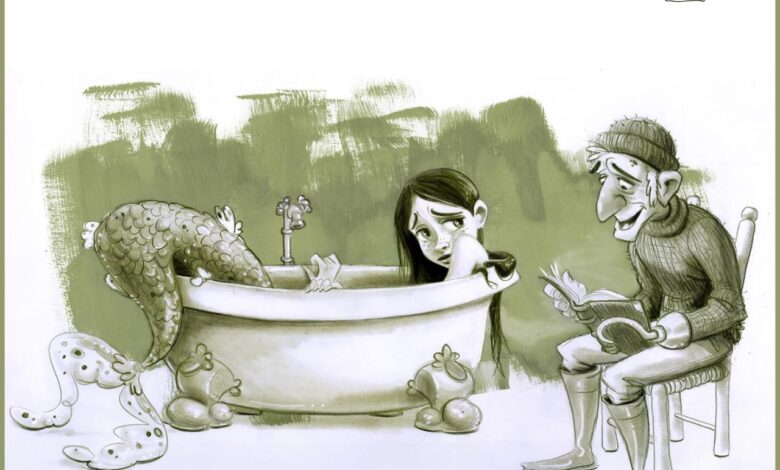
Character Design Sarah Beth Morgan
Character design Sarah Beth Morgan isn’t just about drawing; it’s about crafting narratives through visual storytelling. Her unique style, a blend of technical skill and evocative emotion, has captivated audiences and inspired fellow artists. This exploration dives deep into her distinctive aesthetic, examining the recurring motifs, character archetypes, and technical prowess that define her work. We’ll uncover the influences that shaped her vision and dissect how she uses subtle design choices to reveal compelling backstories and personalities.
From analyzing her color palettes and line work to understanding how she utilizes archetypes, we’ll uncover the secrets behind Sarah Beth Morgan’s captivating character designs. We’ll even take a peek at her potential inspirations and compare her style to other prominent character designers, offering a comprehensive look at her artistic journey and impact.
Sarah Beth Morgan’s Character Design Style
Source: behance.net
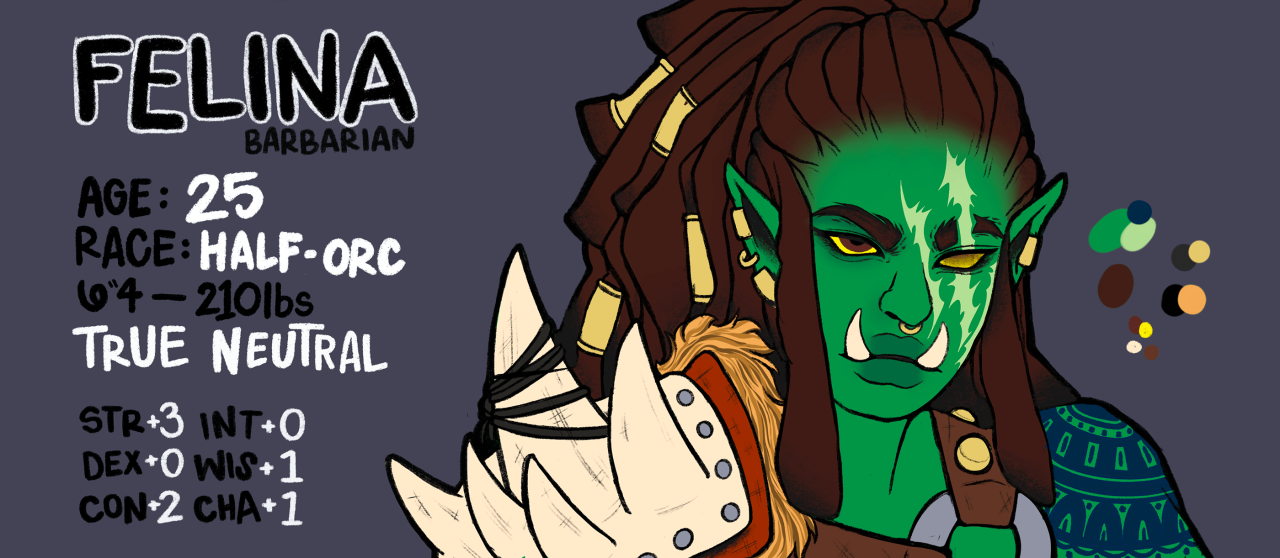
Sarah Beth Morgan’s character designs are instantly recognizable for their blend of whimsical charm and underlying darkness. Her style avoids overly saccharine sweetness, opting instead for a sophisticated balance between cute and unsettling, often employing a slightly melancholic palette and expressive linework. This creates characters that are both appealing and intriguing, leaving the viewer wanting to know more about their stories.
Sarah Beth Morgan’s Typical Aesthetic
Sarah Beth Morgan’s aesthetic is characterized by a distinctive use of color and line. She often employs muted, pastel palettes, occasionally punctuated by bolder, darker accents that highlight specific features or emotions. Her linework is fluid and expressive, conveying a sense of movement and personality even in static poses. Characters frequently possess oversized eyes, conveying a sense of vulnerability or wide-eyed wonder, often contrasted with sharp, angular features or clothing details that hint at a more complex inner life.
This juxtaposition of soft and sharp elements is a key component of her signature style.
Recurring Visual Motifs
Several visual motifs recur throughout Sarah Beth Morgan’s character designs. One prominent example is the use of flowing, almost ethereal fabrics, often draped in unconventional ways. These fabrics add a sense of movement and grace to the characters, but also subtly suggest a fragility or otherworldliness. Another recurring element is the incorporation of natural elements, such as flowers, vines, or insects, often subtly integrated into the character’s clothing or surroundings.
These natural motifs add a touch of whimsy and organic texture to the overall design, enhancing the ethereal quality. Finally, many of her characters feature unique hairstyles and accessories, which often contribute significantly to their overall personality and story. These range from elaborate headpieces to unconventional cuts and colors, adding a layer of individuality and personality to each character.
Comparison with Other Prominent Character Designers
While Sarah Beth Morgan shares some similarities with other character designers known for their whimsical style, her unique approach sets her apart. For instance, while designers like [Example Designer A] might focus on bright, saturated colors and overtly cute features, Sarah Beth Morgan’s palette is more subdued, and her designs often contain elements of subtle unease. Compared to [Example Designer B], known for their highly detailed and realistic style, Morgan’s style prioritizes expressive linework and impactful silhouettes over intricate detail.
This contrasts with the hyper-realistic rendering often seen in other contemporary designers. This allows her to create a distinct aesthetic that blends cuteness with a touch of darkness, creating characters that are both endearing and slightly unsettling.
Evolution of Sarah Beth Morgan’s Style
While a detailed chronological analysis of her stylistic evolution would require access to a comprehensive portfolio spanning her entire career, observational evidence suggests a consistent stylistic core throughout her work. Early examples might have featured slightly bolder color palettes or less emphasis on the melancholic undertones that are now so characteristic of her work. However, the core elements – the expressive linework, the use of flowing fabrics, and the blend of cute and unsettling features – remain constant, suggesting a refinement rather than a radical shift in her artistic approach over time.
Mood Board: Sarah Beth Morgan’s Design Style, Character design sarah beth morgan
Imagine a mood board composed of muted pastel colors – dusty rose, pale lavender, seafoam green – interspersed with deep indigo and charcoal accents. The textures would include soft, flowing fabrics like silk and chiffon, juxtaposed with rougher textures like worn wood and dried flowers. The overall feeling would be one of gentle melancholy, a sense of quiet wonder mixed with a subtle hint of unease.
Images would feature expressive eyes, oversized in some instances, conveying a sense of vulnerability and introspection. Floral motifs, intricate headpieces, and flowing garments would be present, all contributing to the overall ethereal and slightly unsettling atmosphere. The overall impression would be one of delicate beauty tinged with a hint of darkness, capturing the unique essence of Sarah Beth Morgan’s character design style.
Character Archetypes in Sarah Beth Morgan’s Work: Character Design Sarah Beth Morgan
Sarah Beth Morgan’s character designs, while diverse in their specific details, often gravitate towards a selection of recognizable archetypes. Understanding these archetypes and how she utilizes them – both adhering to and subverting expectations – provides valuable insight into her artistic process and the recurring themes within her work. This exploration will examine several prominent archetypes, analyzing their visual representation and any deviations from traditional portrayals.
The consistent use of specific archetypes isn’t a limitation, but rather a stylistic choice that allows Morgan to explore complex themes and emotions within a familiar framework. By tweaking familiar archetypes, she adds depth and nuance to her characters, making them more relatable and intriguing.
The Rebellious Heroine
This archetype frequently appears in Sarah Beth Morgan’s portfolio. The rebellious heroine is typically depicted as a young woman with a strong, independent spirit. Visually, this is often conveyed through clothing choices—think leather jackets, combat boots, and strategically ripped clothing. Her poses frequently suggest defiance or a subtle challenge to authority. However, Morgan subverts the archetype by often imbuing her rebellious heroines with unexpected vulnerabilities or quiet moments of introspection, preventing them from becoming one-dimensional stereotypes.
For example, in one piece, a character dressed in punk-inspired attire is shown holding a wilting flower, juxtaposing rebellion with a delicate emotional fragility.
The Enigmatic Sage
Morgan’s enigmatic sages are characterized by their wisdom and mysterious aura. They are often depicted as older individuals, their clothing flowing and often adorned with symbolic details hinting at their knowledge and experience. Their expressions are usually calm and thoughtful, and their poses are typically composed and deliberate. Unlike stereotypical sages who are always benevolent, Morgan’s versions often possess a hint of darkness or ambiguity, making their wisdom seem both alluring and slightly unsettling.
The visual representation includes deep, knowing eyes, perhaps accompanied by unusual jewelry or accessories hinting at hidden knowledge.
The Innocent Child
While present, this archetype is handled with a unique perspective. The innocent child is typically visually represented through soft color palettes, simple clothing, and childlike features. However, Morgan often subtly subverts the expectation of pure innocence by incorporating elements of unease or foreshadowing into the character’s design. This might involve a slightly unsettling expression, or an environment that contrasts with the child’s apparent innocence, hinting at hidden complexities or potential danger.
| Archetype | Description | Visual Characteristics | Subversion/Twist |
|---|---|---|---|
| Rebellious Heroine | Strong, independent young woman; defiant spirit. | Leather jackets, combat boots, ripped clothing; defiant poses. | Unexpected vulnerabilities; moments of introspection. |
| Enigmatic Sage | Wise, mysterious individual; calm and thoughtful demeanor. | Flowing clothing; symbolic details; calm, composed poses; deep, knowing eyes. | Hint of darkness or ambiguity; unsettling wisdom. |
| Innocent Child | Childlike features; apparent purity and innocence. | Soft colors; simple clothing; childlike features. | Subtle unease or foreshadowing; unsettling expression; contrasting environment. |
Technical Aspects of Sarah Beth Morgan’s Designs
Sarah Beth Morgan’s distinctive style isn’t just about character archetypes and compelling narratives; it’s deeply rooted in her skillful application of artistic techniques. Her approach to line work, color, and shading, coupled with her choice of digital versus traditional methods, contributes significantly to the overall impact of her character designs. This section delves into the technical prowess that underpins her creative vision.
Her technical skill is evident in the seamless blend of traditional artistic sensibilities with the capabilities of digital tools. This allows for a level of detail and control that enhances the expressiveness of her characters.
Line Work and Weight Variations
Sarah Beth Morgan demonstrates a mastery of line weight variation, using thicker lines to define form and create emphasis, and thinner lines for delicate details and softer features. For example, in a design featuring a powerful warrior woman, thicker lines might delineate her muscular physique and weapon, while finer lines could detail the intricate patterns on her armor or the subtle expression in her eyes.
This controlled variation adds depth and dynamism to her characters, making them feel both robust and nuanced. The subtle shifts in line weight help to guide the viewer’s eye and highlight key aspects of the design. Consider a scene depicting a character in intense emotion; heavier lines might accentuate furrowed brows and a clenched jaw, effectively communicating the character’s internal struggle.
Conversely, lighter lines could be used to emphasize the delicate trembling of hands, creating a subtle contrast that enhances the overall impact.
Color Palettes and Shading Techniques
Morgan’s color palettes are often thoughtfully chosen to evoke specific moods and amplify the character’s personality. She frequently employs complementary color schemes, strategically contrasting hues to create visual interest and highlight certain features. For instance, a character’s fiery red hair might be juxtaposed against cool blues and greens in their clothing, creating a visually striking and memorable design. Her shading techniques, whether achieved through subtle gradients or more dramatic chiaroscuro effects, add depth and realism to her characters.
She might use a combination of soft shading to suggest form and sharper, more defined shadows to create a sense of drama or mystery. This skillful use of light and shadow not only enhances the three-dimensionality of her characters but also adds emotional weight to their portrayal.
Digital vs. Traditional Methods and Software
While the exact specifics of her workflow remain undisclosed, it’s likely that Sarah Beth Morgan utilizes a combination of both digital and traditional methods. Many artists in her style often start with traditional sketches to establish basic composition and form, then refine and color their work digitally. This allows for the fluidity and spontaneity of traditional drawing combined with the precision and control offered by digital tools.
Considering the level of detail and precision in her work, it’s plausible that she employs software such as Adobe Photoshop or Clip Studio Paint. These programs provide artists with a comprehensive range of tools for digital painting, including customizable brushes, layers, and advanced color manipulation capabilities, allowing for a level of control that mirrors the nuanced expressiveness of traditional media.
The use of a digital graphic tablet would further enhance her precision and control.
Narrative and Storytelling in Character Design
Source: behance.net
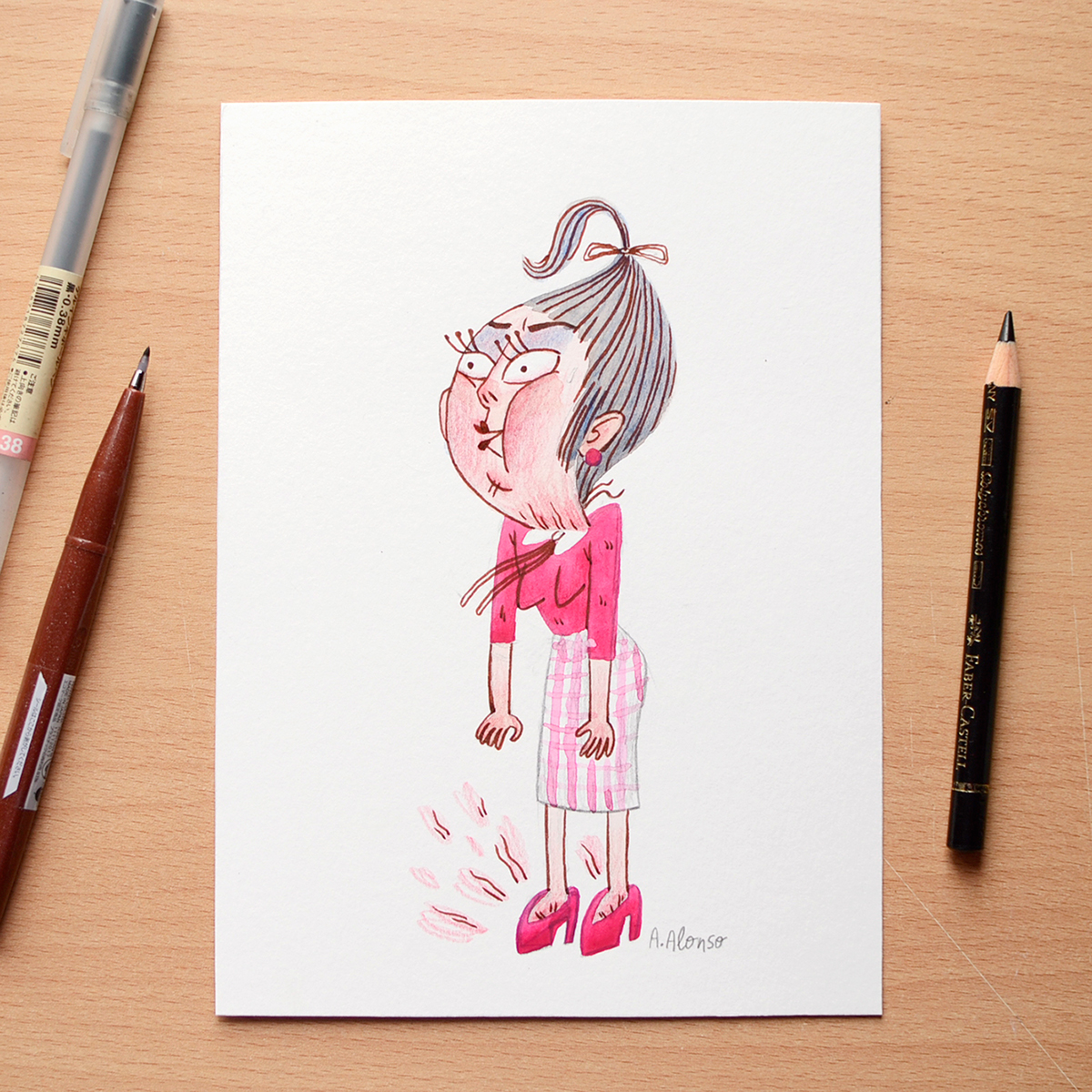
Sarah Beth Morgan’s character designs aren’t just aesthetically pleasing; they are crucial narrative tools, deeply interwoven with the stories they inhabit. Her designs actively contribute to the unfolding plot, revealing character arcs, foreshadowing events, and even subtly commenting on the thematic concerns of the narrative. This is achieved through a masterful blend of visual storytelling techniques, ranging from costume and posture to the most minute details of facial expression and body language.Her approach emphasizes visual shorthand – a single detail can speak volumes about a character’s personality, background, or even their inner turmoil.
This allows for a more immersive and engaging experience for the audience, who are actively participating in deciphering the visual cues embedded within her designs. The characters aren’t just passive recipients of the narrative; they actively contribute to it through their visual representation.
I’ve been obsessed with Sarah Beth Morgan’s character designs lately – the way she blends fantasy and realism is incredible! I’m thinking of creating a YouTube channel showcasing her work and maybe even tutorials, so I’ve been researching how to get started. That’s where this awesome article on getting it on with youtube comes in handy.
Hopefully, I can use their tips to build a successful channel dedicated to appreciating Sarah Beth Morgan’s amazing artistry.
Character Design as Narrative Device
Sarah Beth Morgan uses character design to advance the narrative in several key ways. For example, a character’s clothing might reflect their social standing, their profession, or even their current emotional state. A character’s posture can convey confidence, insecurity, or weariness. Even the subtle details, such as a character’s hairstyle or the condition of their attire, can reveal aspects of their backstory or personality.
Consider, for instance, a character with meticulously maintained clothing, contrasted against a character with tattered garments; this immediate visual distinction sets up an implicit narrative contrast between social class, possibly hinting at conflict or differing goals.
A New Character: The Weary Wanderer
To illustrate this, let’s design a new character in Sarah Beth Morgan’s style: The Weary Wanderer. This character would be a middle-aged woman, her face etched with the lines of hardship and experience. Her clothing would be practical but worn – sturdy boots, patched trousers, and a heavy cloak offering protection from the elements. Her posture would be slightly slumped, suggesting fatigue, but her eyes would retain a spark of determination, hinting at resilience.
Her hair, once vibrant, is now streaked with grey, and tied back in a practical style. A small, worn leather satchel hangs from her shoulder, suggesting a journey filled with both hardship and treasured memories. The overall effect would be one of quiet strength and enduring hope, immediately conveying a rich backstory and hinting at a compelling narrative arc.
This visual shorthand allows the audience to immediately grasp her essence without extensive exposition.
Clothing, Accessories, and Posture as Narrative Tools
Clothing, accessories, and posture are integral to Sarah Beth Morgan’s character design philosophy. Clothing choices often reflect a character’s social standing, occupation, and personality. A sharp suit might indicate a powerful executive, while tattered clothes could suggest poverty or a life of hardship. Accessories, such as jewelry or weaponry, further enhance the character’s identity and backstory. A character adorned with intricate jewelry might be wealthy or artistic, while a character carrying a weapon might be a warrior or a protector.
Posture plays a crucial role in conveying a character’s emotional state and confidence level. A confident character might stand tall with their shoulders back, while an insecure character might slouch or fidget.
Subtle Design Choices Revealing Personality and Backstory
Subtle design choices can dramatically impact a character’s perceived personality and backstory. For example, a character with a slight limp might suggest a past injury or trauma. A character with perpetually clenched fists could indicate underlying anxiety or aggression. A character’s choice of color palette can also be significant. Darker colors might suggest a brooding or mysterious personality, while brighter colors might suggest cheerfulness or optimism.
The careful placement of scars or tattoos can tell a story of past battles, relationships, or significant life events, offering a compelling visual narrative element. These subtle details work together to create a richer and more believable character, making them instantly relatable and memorable.
Influence and Inspiration
Sarah Beth Morgan’s distinctive character design style isn’t born in a vacuum; it’s a rich tapestry woven from diverse influences, both artistic and cultural. Understanding these sources illuminates the unique qualities of her work and reveals the thoughtful process behind her creations. Her designs are not mere imitations but rather a sophisticated synthesis, a creative dialogue with her inspirations, resulting in a wholly original aesthetic.Exploring these influences reveals a fascinating interplay between established artistic traditions and contemporary trends.
We’ll examine how these inspirations manifest in her character designs, from the subtle nuances of linework to the broader thematic choices. The impact of these influences is multifaceted, affecting everything from her color palettes and composition to her character’s overall emotional resonance.
Artistic Influences and Their Manifestation in Sarah Beth Morgan’s Work
The impact of specific artists and art movements is clearly visible in Sarah Beth Morgan’s work. Her designs frequently incorporate elements reminiscent of Art Nouveau’s flowing lines and organic forms, while also exhibiting a contemporary edge, suggesting a familiarity with modern graphic novel aesthetics. This blend creates a captivating tension between the classic and the contemporary. The use of bold silhouettes, reminiscent of Alphonse Mucha’s iconic posters, is often juxtaposed with a more detailed, almost painterly approach to texture and shading, showcasing a modern sensibility.
Cultural Influences Shaping Sarah Beth Morgan’s Character Designs
Beyond artistic influences, Sarah Beth Morgan’s work reflects a deep engagement with various cultures. Her designs sometimes incorporate elements of traditional Japanese woodblock prints, visible in the use of flat planes of color and strong graphic Artikels. These influences aren’t mere surface decorations; they inform the overall aesthetic and thematic resonance of her characters. The stylized simplicity of certain designs echoes the minimalist aesthetics of some Eastern art traditions, while others showcase a more elaborate, richly detailed style that draws upon the visual language of European folklore and mythology.
Specific Inspirations and Their Manifestation in Sarah Beth Morgan’s Designs
The following bullet points detail specific examples of how different inspirations manifest in Sarah Beth Morgan’s character designs:
- Alphonse Mucha (Art Nouveau): The flowing lines and stylized figures in Mucha’s work are echoed in the elegant poses and graceful lines of many of Morgan’s female characters. The emphasis on decorative elements and ornate detailing is also apparent.
- Japanese Woodblock Prints (Ukiyo-e): The flat planes of color and strong graphic Artikels seen in Ukiyo-e prints are reflected in the simplified forms and bold silhouettes of some of Morgan’s character designs. The use of vibrant, often contrasting colors further reinforces this influence.
- Modern Graphic Novels: The dynamic posing and expressive linework of contemporary graphic novels are evident in the energy and movement conveyed by Morgan’s character designs. The focus on storytelling through visual language is also a shared characteristic.
- European Folklore and Mythology: The costumes and iconography associated with European folklore and mythology often appear in Morgan’s designs, contributing to the rich narratives and symbolic depth of her characters. Think of the subtle details hinting at specific myths or legends.
Final Review
Source: behance.net
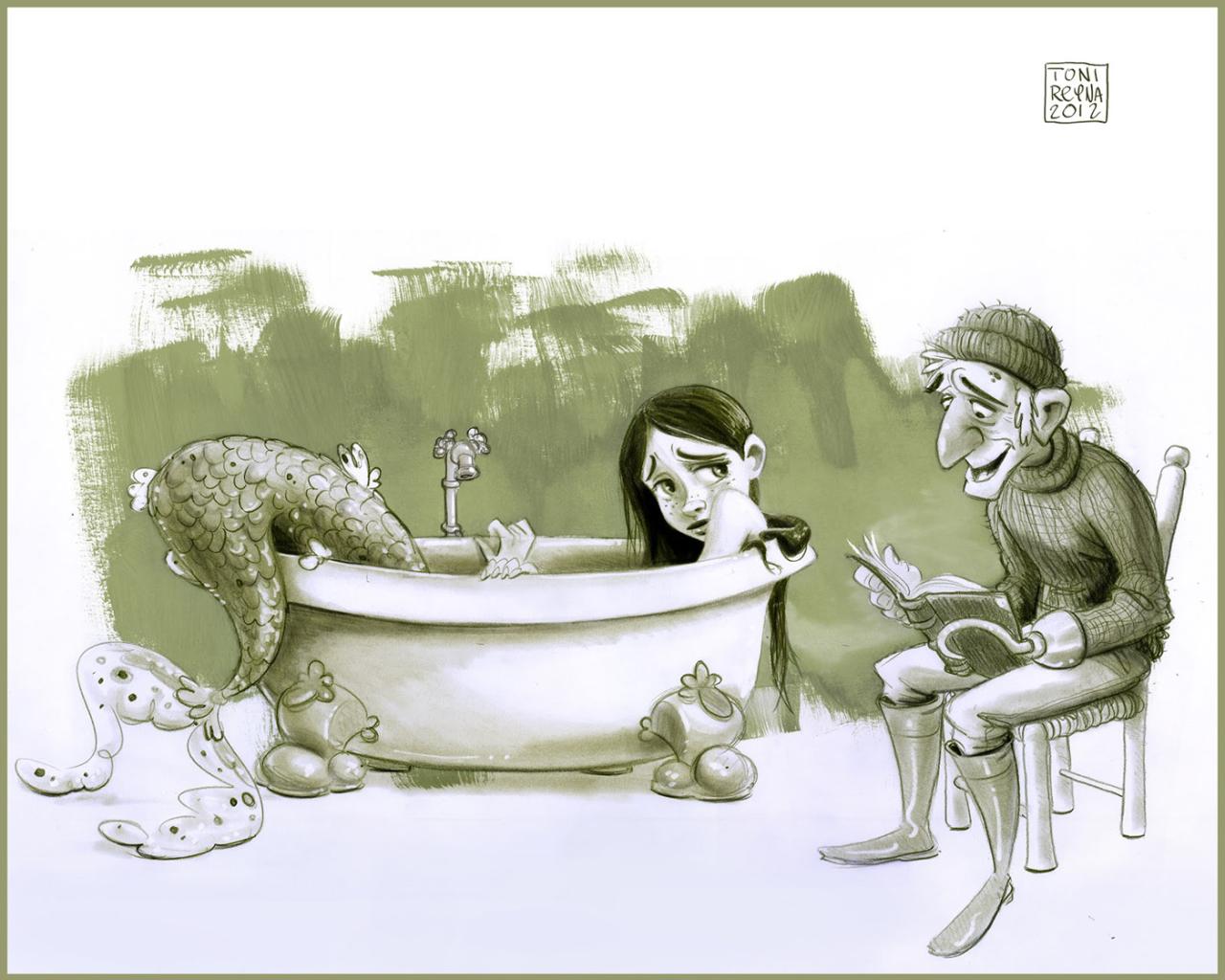
Sarah Beth Morgan’s character designs are more than just pretty pictures; they’re windows into compelling narratives. Through a masterful blend of technical skill and creative vision, she breathes life into her characters, revealing their personalities and backstories through subtle yet impactful design choices. Understanding her process, her influences, and her unique approach to character archetypes offers valuable insight for aspiring artists and design enthusiasts alike.
Her work serves as a testament to the power of character design in enriching storytelling and captivating audiences.
FAQ Guide
What software does Sarah Beth Morgan likely use?
While not explicitly stated, based on her style, she likely utilizes industry-standard digital painting software like Photoshop or Procreate, possibly alongside programs like Clip Studio Paint.
Does Sarah Beth Morgan primarily work digitally or traditionally?
Based on the typical style seen in her work, it’s highly probable she primarily works digitally, though traditional influences may be present.
Where can I find more of Sarah Beth Morgan’s work?
To find more of her work, I suggest searching her name on platforms like ArtStation, DeviantArt, or Behance. A quick Google search might also reveal her personal website or social media profiles.
What are some common themes in Sarah Beth Morgan’s character designs?
This would require further research into her specific portfolio to identify common themes. Look for recurring elements like clothing styles, color palettes, or character types to pinpoint consistent themes.