How to Design a Brand System
How to design a brand system? It’s more than just a logo, folks! Building a brand is like crafting a compelling story – one that resonates with your audience on a deep level. It’s about defining your core values, creating a visual identity that screams “you,” and crafting a voice that speaks directly to your ideal customer. This isn’t just about aesthetics; it’s about creating a lasting impression and building a loyal following.
We’ll explore every step, from nailing down your brand mission and personality to developing a killer visual identity and consistent messaging across all platforms. Get ready to learn how to build a brand that not only looks great but also truly represents who you are and what you stand for. We’ll cover everything from logo design and color palettes to typography and brand voice, ensuring your brand is cohesive and memorable.
Think of it as building a house – you need a strong foundation (brand identity) and beautiful finishing touches (visuals and messaging) to create something truly special.
Defining Brand Identity
Source: columnfivemedia.com
Crafting a strong brand identity is the cornerstone of successful branding. It’s more than just a logo; it’s the core essence of your business, expressed visually and verbally, and consistently communicated across all platforms. A well-defined brand identity ensures your message resonates with your target audience, fostering loyalty and driving business growth. Let’s delve into the key components.
Building a strong brand system involves crafting a consistent visual identity, from logo to color palette. But your brand needs to be seen, and that’s where effective promotion comes in; check out this great article on getting it on with youtube to learn how to boost your reach. Once you’ve nailed your online presence, you can further refine your brand system to reflect your successful YouTube strategy.
Brand Mission Statement
A concise brand mission statement articulates the fundamental purpose of your brand. It should clearly and succinctly answer the question: “Why does your brand exist?” It’s a guiding principle for all brand decisions. For example, a sustainable clothing company might have a mission statement like: “To create high-quality, ethically sourced apparel that minimizes environmental impact while empowering communities.” This statement is short, memorable, and clearly communicates the company’s values and goals.
Core Brand Values
Defining your core brand values is crucial for establishing the ethical and operational principles that guide your brand’s actions and decisions. These values should be authentic and reflect your brand’s true character. They serve as a compass, directing your choices and ensuring consistency in your brand messaging. A strong set of core brand values might include: Innovation, Sustainability, Customer Focus, Integrity, and Teamwork.
These values should inform every aspect of your business, from product development to customer service.
Brand Personality Description
Your brand’s personality is its human-like qualities, expressed through its tone of voice, visual style, and overall communication. Think of it as the character your brand embodies. Is it playful and quirky? Sophisticated and elegant? Rugged and dependable?
A detailed description should go beyond simple adjectives; it should paint a vivid picture of your brand’s character. For example, a brand personality description might be: “Our brand is friendly, approachable, and helpful, like a trusted neighbor always ready to lend a hand. We communicate with warmth and authenticity, valuing genuine connection over corporate jargon.”
Ideal Customer Persona
Understanding your ideal customer is paramount. A detailed customer persona helps you tailor your messaging and marketing efforts to resonate effectively with your target audience. This involves creating a fictional representation of your ideal customer, encompassing demographic information (age, location, income, education), psychographic characteristics (lifestyle, values, interests, attitudes), and their motivations (needs, desires, pain points). For instance, consider “Sarah,” a 32-year-old marketing professional living in a major city.
She values sustainability, ethical practices, and convenience. She’s interested in self-improvement and enjoys yoga and healthy eating. Her primary motivation is to find high-quality, sustainable clothing that fits seamlessly into her busy lifestyle. Understanding Sarah allows the brand to create marketing materials that directly address her needs and resonate with her values.
Visual Identity Development
Creating a strong visual identity is crucial for establishing brand recognition and communicating your brand’s personality effectively. It’s more than just a pretty logo; it’s a cohesive system of design elements that work together to create a unified and memorable brand experience. This section will delve into the key components of visual identity development, guiding you through the process of designing a logo, defining a color palette, establishing a typography system, and creating a set of brand icons.
Logo Concept Design
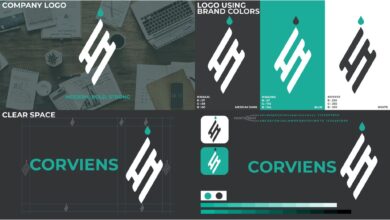
A logo is the cornerstone of your visual identity. It should be simple, memorable, and representative of your brand’s essence. For example, imagine a brand focused on sustainable coffee farming. Their logo might feature a stylized coffee bean integrated with a leaf, symbolizing both the product and the brand’s commitment to environmental responsibility. The logo should be versatile, working well in different sizes and applications, from a small favicon to a large billboard.
Consider different logo styles (e.g., minimalist, illustrative, emblem) to find the best fit for your brand. The logo should be tested across various backgrounds and contexts to ensure its readability and impact.
Color Palette Development
Color significantly impacts how your brand is perceived. Choosing the right color palette is essential for evoking specific emotions and aligning with your brand’s personality. For instance, a tech company might opt for a palette of blues and grays to convey trustworthiness and innovation, using hex codes like #007bff (primary blue), #6c757d (gray), and #28a745 (accent green). A playful brand might utilize brighter, more saturated colors, perhaps incorporating a vibrant orange (#ffa500) alongside a softer pastel yellow (#f0e68c).
Remember to consider color accessibility and ensure sufficient contrast for readability.
Typography System Design
Typography is about more than just choosing a font; it’s about establishing a consistent system for how text is used across all brand applications. Select a primary font that reflects your brand’s personality – a serif font might suggest tradition, while a sans-serif font might indicate modernity. For example, a primary font could be Playfair Display (#f9f9f9) for headings, conveying elegance and sophistication, and a secondary font like Open Sans (#222222) for body text, ensuring readability.
Define specific sizes and weights for different contexts: headings (H1-H6), body text, captions, and buttons. This consistency ensures brand recognition and readability across all platforms.
Icon Design
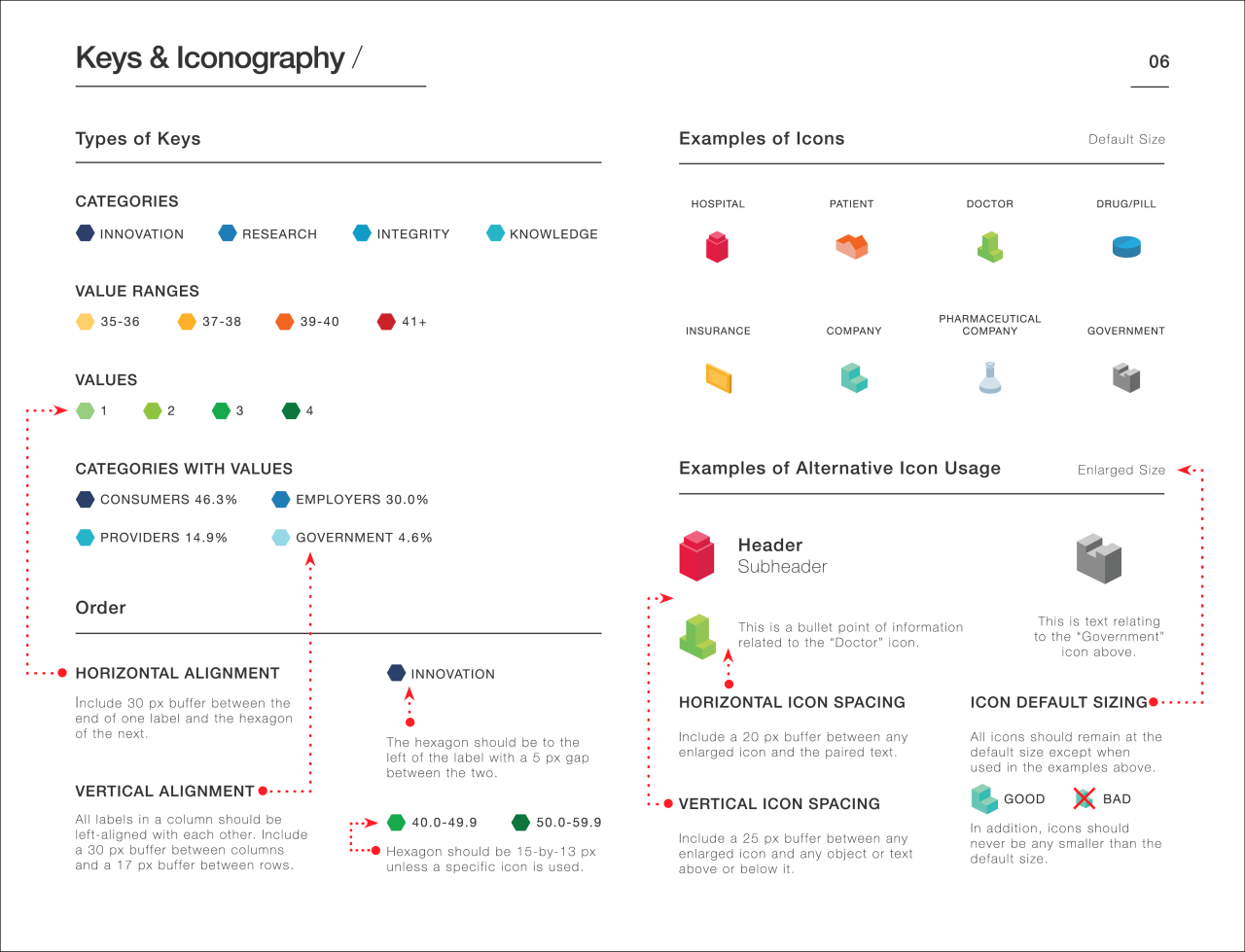
Icons are visual shortcuts that help communicate key information quickly and effectively. They should align with your overall visual style and be easily recognizable. For a fitness app, icons might include stylized representations of running shoes, dumbbells, and a heart rate monitor. Each icon should have a clear purpose and meaning, immediately conveying its function within the application or website.
Consider using a consistent style for your icons, maintaining uniformity in size, shape, and color to ensure a cohesive visual language.
Brand Voice and Messaging: How To Design A Brand System
Crafting a compelling brand voice and messaging strategy is crucial for connecting with your target audience and establishing a strong brand identity. It’s about more than just what you say; it’show* you say it, ensuring consistency across all platforms and touchpoints. A well-defined voice and messaging framework will guide your communication, ensuring a unified and memorable brand experience.
Your brand voice is the personality of your brand. It reflects your values, your target audience, and your unique selling propositions. Your messaging, on the other hand, focuses on the key benefits and features you offer, communicating why customers should choose you over the competition. Together, these elements create a powerful and resonant brand narrative.
Brand Voice Style Guide
A comprehensive style guide ensures consistency in your brand’s communication. This guide should detail the brand’s tone, style, and language preferences across different platforms. Consider the following aspects:
- Tone: Is your brand friendly and approachable, or professional and authoritative? Is it humorous, serious, or informative? Examples: Playful, Formal, Empathetic, Informative, Bold.
- Style: What is the overall style of your writing? Is it concise and direct, or descriptive and evocative? Does it use technical jargon or plain language? Examples: Concise, Conversational, Technical, Literary.
- Language: What type of vocabulary and sentence structure do you use? Do you use contractions? Do you prefer active or passive voice? Examples: Active voice, First person, Formal vocabulary, Informal vocabulary.
- Platform-Specific Considerations: Your voice might need slight adjustments depending on the platform. For example, your Twitter voice might be more informal and concise than your website copy.
Key Messaging Points
Developing concise and compelling key messaging points is vital for highlighting your brand’s unique selling propositions (USPs). These points should be memorable, easily understood, and consistently used across all marketing materials. They should focus on the benefits your product or service offers to the customer, not just its features.
- USP 1: [Example: “Superior Quality at an Affordable Price”] – Focus on the benefit to the customer.
- USP 2: [Example: “Unmatched Customer Service”] – Highlight what sets you apart from the competition.
- USP 3: [Example: “Sustainable and Eco-Friendly Practices”] – Showcase your commitment to values.
Brand Voice Application Examples, How to design a brand system
Applying your brand voice consistently across different platforms is essential. Here are some examples:
- Social Media Post: “[Using a playful tone] Just launched our new summer collection! ☀️ Get ready to shine! #SummerFashion #NewArrivals”
- Website Copy: “[Using a professional tone] Our team of experts provides unparalleled support and guidance, ensuring your success.”
- Advertising: “[Using a bold tone] Experience the difference. [Brand Name] – The leader in innovation.”
Brand Voice Comparison
Analyzing competitor voices helps to differentiate your brand. This table compares our hypothetical brand, “EcoChic,” with two competitors.
| Brand | Brand Voice |
|---|---|
| EcoChic | Friendly, approachable, informative, focused on sustainability and ethical practices. Uses inclusive language. |
| Competitor A | Formal, authoritative, emphasizes technical specifications and performance. |
| Competitor B | Playful, trendy, uses slang and internet culture references. |
Brand Guidelines and Application
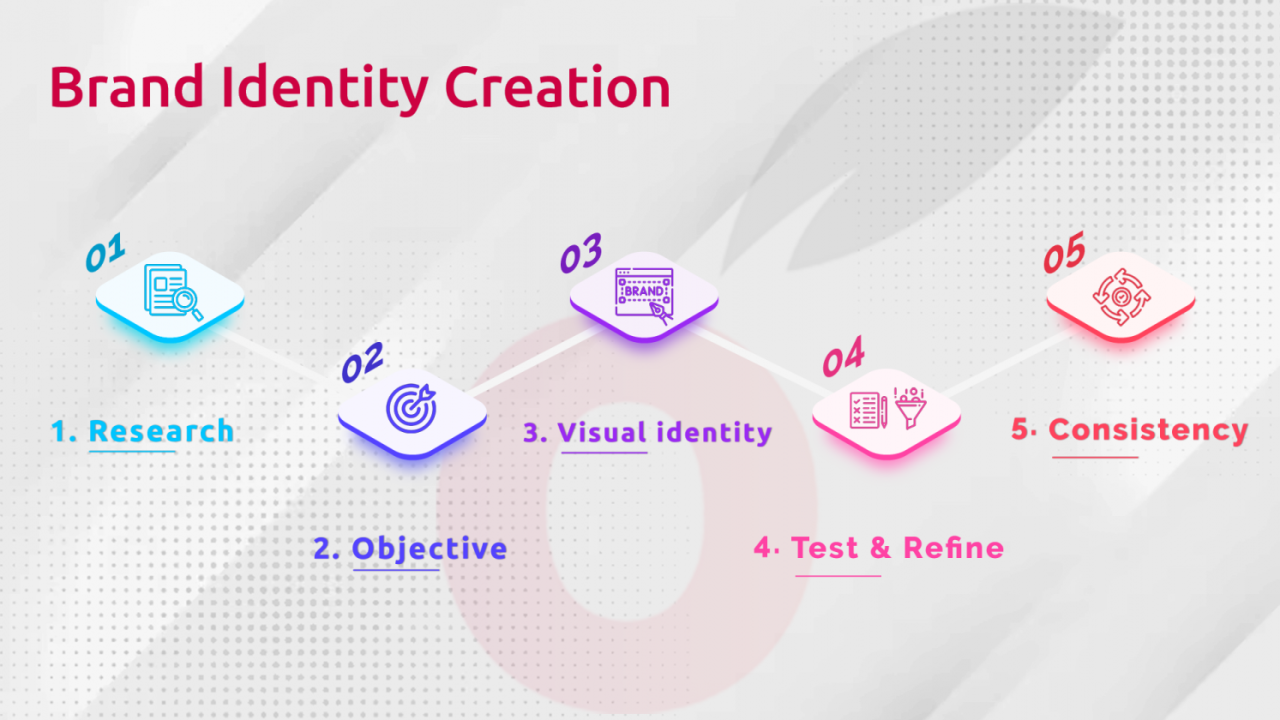
Creating a robust brand system is only half the battle; effectively implementing and maintaining it across all touchpoints is crucial for consistent brand recognition and customer experience. This involves developing comprehensive brand guidelines and meticulously applying them to every aspect of your marketing and communication efforts. Consistency is key to building a strong and recognizable brand.
Your brand guidelines act as the single source of truth for your brand, ensuring everyone – from marketing teams to external agencies – understands and adheres to the established brand identity. This document serves as a living, breathing guide that evolves alongside your brand, adapting to changing market trends and business needs. Without a clear and comprehensive guide, your brand risks becoming diluted and inconsistent, ultimately harming its reputation and market position.
Brand Style Guide Content
A comprehensive brand style guide should leave no stone unturned. It needs to be a detailed and visually rich document that covers every aspect of your brand’s visual and verbal identity. Think of it as your brand’s bible. Key sections should include:
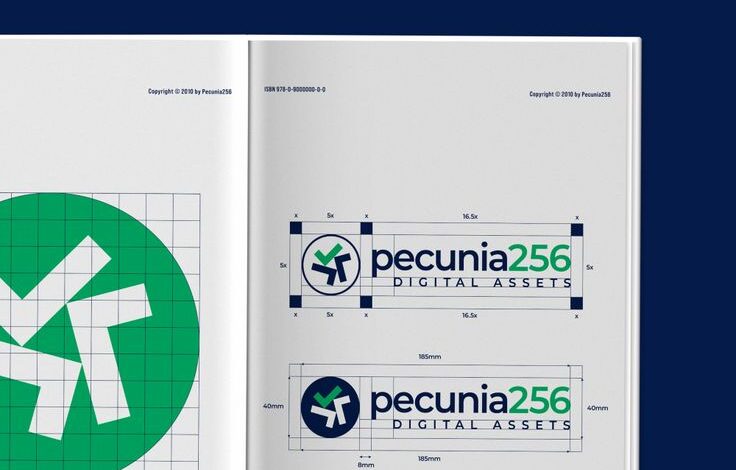
- Logo Usage: This section details acceptable logo variations (primary, secondary, and sub-marks), minimum size requirements, clear space, and prohibited uses (e.g., distortion, color alterations). Examples should be provided showcasing correct and incorrect logo usage. For instance, an example of incorrect usage might show the logo stretched horizontally, while a correct usage example shows the logo maintaining its original proportions and clear space.
- Color Palettes: This section defines the primary and secondary brand colors, including their HEX codes, CMYK values, and Pantone references. It should also specify color usage guidelines, such as background colors, text colors, and color combinations to avoid. A color palette chart with visual representations is essential. For example, the primary color could be a vibrant blue (#007bff), while a secondary color could be a softer grey (#6c757d) for contrast and readability.
- Typography: This section Artikels the chosen font families for headings, body text, and other elements, specifying font weights, sizes, and styles. It should also provide examples of appropriate font pairings and demonstrate how to use them effectively. For example, a clean sans-serif font like Open Sans might be used for body text, while a bolder serif font like Merriweather could be used for headings.
- Imagery: This section defines the brand’s visual style, including photography and illustration styles. It might specify preferred image resolutions, color schemes, and overall aesthetic. Examples of appropriate and inappropriate imagery should be provided. For example, high-quality, lifestyle photography might be preferred over overly stylized or artificial imagery.
- Brand Voice and Messaging: This section reiterates the brand’s personality, tone of voice, and key messaging. It should provide examples of appropriate and inappropriate language and messaging styles across various platforms. For instance, the tone might be described as friendly and approachable on social media, but more formal and professional in email communications.
Brand System Application Across Marketing Materials
Consistent application across all marketing materials is paramount. The brand guidelines should be meticulously followed in the creation of:
- Website: The website is often the first impression a customer has of your brand. Ensure the logo, color palette, typography, and imagery are all consistent with the brand guidelines. For example, the website’s hero image should align with the brand’s visual style guide, and the navigation menu should use the specified typography.
- Brochures: Brochures should mirror the website’s visual style and messaging. The layout, color choices, and typography should all be consistent with the brand guidelines. For example, a brochure might feature high-quality product photography that aligns with the brand’s visual style and uses the brand’s primary color palette throughout the design.
- Social Media: Social media profiles and posts should reflect the brand’s personality and tone of voice, while maintaining visual consistency. Profile pictures, cover images, and post graphics should adhere to the brand guidelines. For example, social media posts should use the brand’s specified colors and fonts, and images should maintain a consistent style.
Brand System Implementation Across Touchpoints
The brand system should extend beyond marketing materials to encompass all customer touchpoints. Here are some examples:
- Website: Consistent use of logo, color palette, typography, and imagery as Artikeld in the brand guidelines.
- Packaging: Product packaging should reflect the brand’s visual identity, using consistent colors, fonts, and imagery. For example, a product packaging might use the brand’s primary color as the background color and feature the logo prominently.
- Email Marketing: Emails should maintain consistent branding through the use of the brand’s logo, color palette, and typography in the header, footer, and throughout the email body. For example, the email signature should include the company logo and contact information, formatted using the brand’s designated font.
- Point-of-Sale Materials: In-store displays and promotional materials should align with the brand guidelines to maintain consistency in the physical space. For example, in-store signage might use the brand’s logo and color palette to maintain a cohesive brand experience.
- Customer Service Interactions: Customer service representatives should adhere to the brand’s voice and messaging guidelines in all communications, whether in person, on the phone, or via email. For example, customer service representatives should use a friendly and helpful tone, reflecting the brand’s personality as defined in the brand guidelines.
Brand Consistency Checklist
Maintaining brand consistency requires ongoing effort. A comprehensive checklist can help ensure all materials and interactions align with the brand guidelines.
This checklist should be reviewed regularly, and ideally before any new marketing material or communication is released. It’s a living document that should be updated as the brand evolves.
- Logo usage: Verify correct logo placement, size, and clear space.
- Color palette: Check for accurate color usage and consistency across all materials.
- Typography: Ensure correct font usage, sizes, and styles.
- Imagery: Review images for quality, style consistency, and brand alignment.
- Messaging: Verify that all communications reflect the brand’s voice and tone.
- Overall consistency: Ensure that all elements work together harmoniously to create a unified brand experience.
Brand Storytelling and Experience
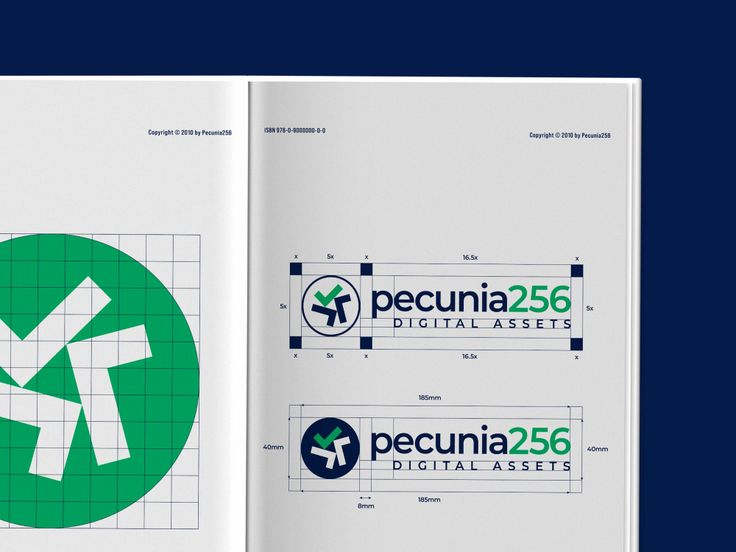
Source: pinimg.com
Crafting a compelling brand narrative and ensuring a consistent brand experience across all touchpoints is crucial for building customer loyalty and driving business success. A well-defined brand story resonates with your target audience, fostering a deeper connection and emotional engagement that transcends mere transactions. This goes hand-in-hand with a seamless brand experience, ensuring every interaction, from website browsing to customer service calls, reinforces the brand’s personality and values.A cohesive brand story and experience isn’t just about marketing; it’s about the entire customer journey and how your brand interacts with its audience at every step.
It’s about building trust, creating a community, and ultimately, making your brand memorable and desirable. This section will delve into the specifics of developing a brand narrative, mapping the customer journey, and ensuring consistency across all channels.
Developing a Brand Narrative
A strong brand narrative goes beyond simply stating what your company does; it articulates your brand’s purpose, values, and the problem it solves for its customers. It’s about weaving a story that connects with your audience on an emotional level, making them feel understood and valued. For example, consider a sustainable clothing brand. Their narrative might focus on the ethical sourcing of materials, the empowerment of local artisans, and the reduction of environmental impact.
This narrative isn’t just about selling clothes; it’s about communicating a commitment to social and environmental responsibility, which resonates with consumers who share those values. This narrative would be woven into their website copy, social media posts, and even the packaging of their products. The key is to be authentic and transparent; consumers can spot inauthenticity a mile away.
Designing a Customer Journey Map
A customer journey map visually represents the customer’s interaction with your brand from initial awareness to post-purchase engagement. It identifies all touchpoints – website, social media, customer service, physical stores, etc. – and highlights potential pain points or opportunities for improvement. Imagine a coffee shop creating a customer journey map. They’d consider the experience from the moment a customer sees their storefront, to ordering their drink, enjoying their coffee, and leaving a tip.
The map would identify moments of delight (perhaps a friendly barista) and potential friction points (a long queue). By mapping the journey, the coffee shop can pinpoint areas to optimize, improving the overall customer experience and fostering loyalty. This map could be represented visually with different stages and associated emotions or experiences.
Communicating the Brand Story Through Various Channels
Consistent messaging across all channels is essential. Your brand story should be woven into every aspect of your communication strategy. For a handcrafted jewelry brand, their story might emphasize the artistry and craftsmanship behind each piece. This story would be communicated through high-quality product photography on their website, detailed descriptions highlighting the materials and techniques used, engaging social media content showcasing the artisans, and even the packaging design, which could be elegant and reflect the brand’s commitment to quality.
The key is to ensure that every interaction reinforces the core brand narrative and values.
Ensuring Consistent Brand Experience Across Touchpoints
Consistency is key to creating a cohesive and memorable brand experience. Every touchpoint should reflect the brand’s personality, values, and messaging. Imagine a luxury hotel chain. Their brand experience should be consistent across all locations, from the moment a guest books their stay online to their check-out experience. This consistency would extend to the hotel’s website design, the staff’s demeanor, the quality of the amenities, and even the scent of the lobby.
A lack of consistency can confuse and frustrate customers, undermining the brand’s overall image and potentially damaging its reputation. Therefore, maintaining a consistent brand experience across all channels is crucial for establishing brand recognition and trust.
Final Thoughts
Designing a brand system is a journey, not a sprint. It requires careful planning, creative vision, and a deep understanding of your target audience. But the payoff is huge: a cohesive brand that resonates with your customers, builds trust, and ultimately drives business growth. Remember, your brand is more than just a logo; it’s the sum total of every interaction a customer has with your company.
By meticulously crafting every element, from your website copy to your social media presence, you create a unified and memorable brand experience that sets you apart from the competition. So go forth, and build something amazing!
FAQ
What’s the difference between a brand and a logo?
A logo is a visual element of your brand, like a symbol or graphic. Your brand is much broader – it encompasses your mission, values, personality, and overall customer experience.
How much should I budget for brand design?
It depends on your needs and the scope of the project. Expect to invest significantly, as a strong brand foundation is crucial for long-term success. Research different designers and agencies to get a range of quotes.
How long does it take to design a brand system?
The timeline varies depending on the complexity of the project. Expect several weeks to a few months, involving several rounds of revisions and feedback.
Can I do this myself?
While you can certainly attempt some aspects yourself, creating a truly effective brand system often requires professional expertise. Consider your skills and time constraints before deciding.