iOS14 Home Screen Icons A Style Guide
iOS14 home screen icons: They’re more than just app shortcuts; they’re a reflection of your personality, a canvas for your creativity. This post dives deep into the world of iOS 14 home screen customization, exploring everything from aesthetic trends and personalization techniques to accessibility considerations and the evolution of home screen design. Get ready to transform your iPhone’s home screen from ordinary to extraordinary!
We’ll cover the hottest icon pack styles, show you how to master widgets, and even reveal some pro tips for creating a truly unique and visually stunning layout. Whether you’re a design novice or a seasoned pro, this guide has something for everyone. Prepare to unlock the full potential of your iOS 14 home screen and express yourself like never before!
iOS 14 Home Screen Icon Aesthetics
Source: idownloadblog.com
Okay, so I’ve been obsessed with customizing my iOS14 home screen icons lately – it’s a surprisingly fun way to personalize my phone. I even found myself needing some inspiration, so I checked out some YouTube tutorials, like this great guide on getting it on with YouTube for maximizing video content. Seriously, the tips helped me organize my apps better and create a more visually appealing home screen.
Now, back to perfecting those icon arrangements!
The release of iOS 14 brought a wave of customization options to the forefront, and nowhere was this more apparent than on the home screen. Users suddenly had the power to dramatically alter the look and feel of their devices, leading to a flourishing of creative and aesthetically diverse home screen designs. This exploration delves into the visual trends, popular styles, and design considerations that shaped the iOS 14 home screen aesthetic.
Visual Trends in iOS 14 Home Screen Icon Arrangements, Ios14 home screen icons
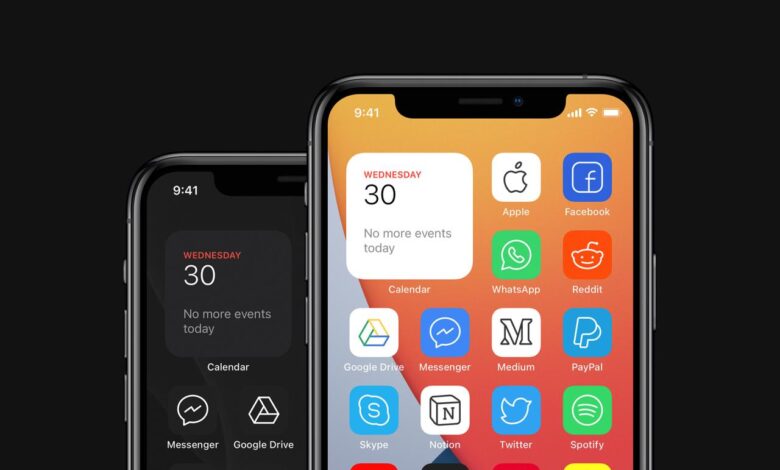
The shift to iOS 14 saw a significant move away from the default, somewhat homogenous look. Several key visual trends emerged. A popular approach was the use of consistent icon packs, creating a unified and cohesive look. Another significant trend involved the strategic placement of widgets, integrating them seamlessly into the overall design rather than treating them as afterthoughts.
The use of color palettes, often monochromatic or employing a limited color scheme, became increasingly prevalent, adding a sense of visual harmony. Finally, the strategic use of negative space—empty areas around icons and widgets—gained popularity, contributing to a cleaner and less cluttered appearance.
Comparison of Popular iOS 14 Icon Pack Styles
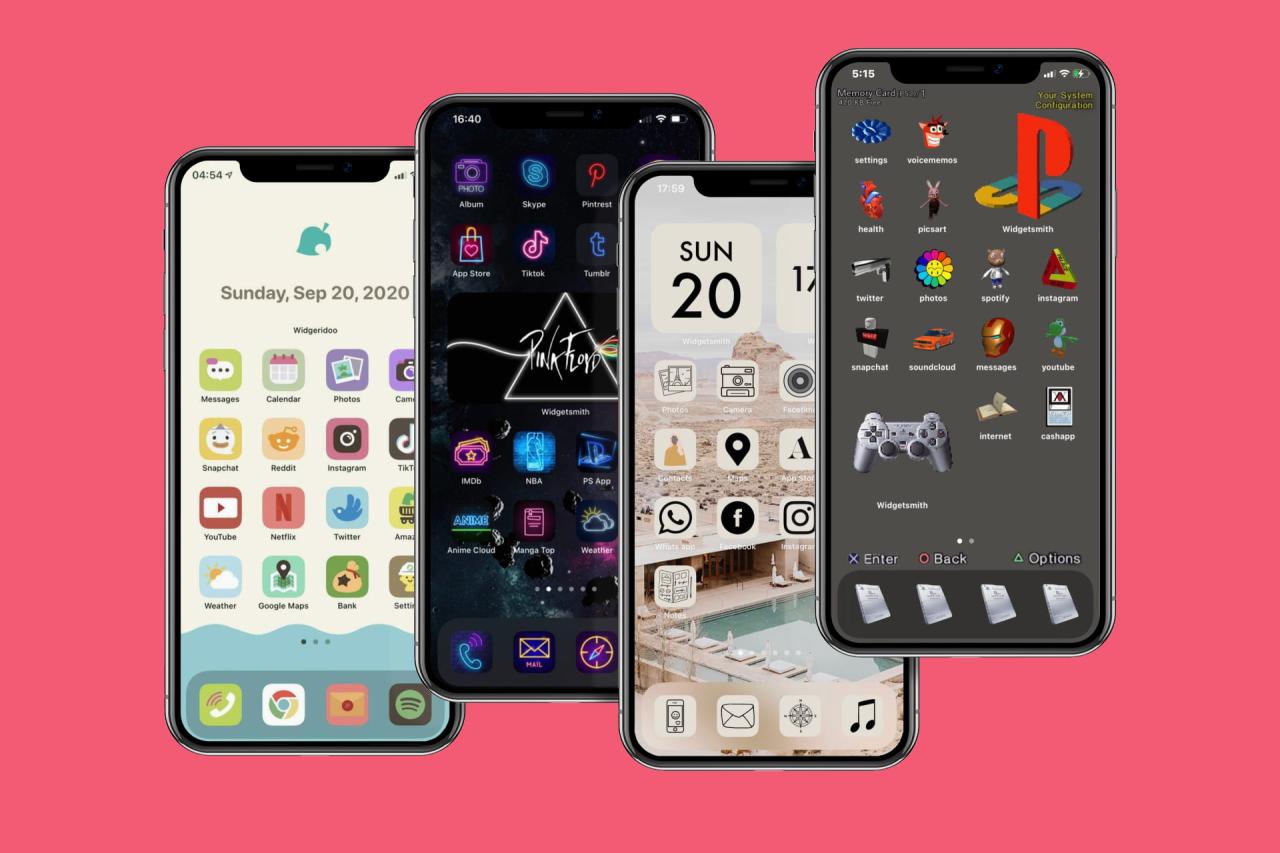
Several distinct styles of icon packs gained traction within the iOS 14 community. The “minimalist” style, characterized by simple shapes, muted colors, and a focus on clarity, was extremely popular. This contrasted sharply with the “realistic” style, which featured icons that looked more like real-world objects, often with intricate details and textures. A third style, the “gradient” style, used smooth color transitions within the icons themselves to add depth and visual interest.
Each style offered a unique aesthetic, appealing to different tastes and preferences. The minimalist style prioritized clean lines and functionality, while the realistic style prioritized detail and visual richness. The gradient style offered a balance, combining a sense of depth with a streamlined look.
Examples of Distinct Home Screen Layouts
Here are three distinct home screen layouts showcasing different aesthetic approaches:
| Layout | Color Palette | Icon Shapes | Widget Usage |
|---|---|---|---|
| Minimalist | Muted blues and grays, accented with a single bold color (e.g., a deep teal). | Rounded squares with subtle drop shadows for depth. | A single, large weather widget placed centrally, with smaller widgets for calendar and reminders subtly integrated into the layout. |
| Vibrant | Bright, saturated colors like oranges, yellows, and pinks, with a neutral background. | Circular icons with bold Artikels. | Multiple widgets used, with varying sizes and colors, creating a dynamic and energetic feel. A focus on visually contrasting widgets and icons. |
| Monochromatic | Various shades of a single color (e.g., deep purples). | Square icons with slightly rounded corners, consistent size and spacing. | Minimal widget use; focus on clean lines and visual uniformity. Widgets are subtle and blend into the overall design. |
Impact of Icon Size and Spacing on Visual Appeal
The size and spacing of icons significantly influence the overall aesthetic. Smaller, tightly spaced icons can create a densely packed, information-rich look, while larger, more widely spaced icons lead to a cleaner, more spacious feel. Finding the right balance depends on personal preference and the overall design goal. Too much spacing can feel empty, while too little can feel cluttered and overwhelming.
Consistent spacing is crucial; inconsistent spacing creates a visually jarring effect. The size of icons should also be considered in relation to the size of widgets and the overall screen dimensions to maintain visual harmony and avoid disproportionate elements.
Customization and Personalization Techniques
Source: futurecdn.net
So you’ve mastered the basics of iOS 14 home screen aesthetics, and now you’re ready to dive into the truly rewarding aspects: customization and personalization. This is where your home screen truly becomesyours*, reflecting your personality and streamlining your workflow. We’ll explore powerful techniques to transform your iPhone’s interface from a simple app launcher into a personalized digital masterpiece.
The iOS 14 home screen offers a surprisingly deep level of customization. By intelligently combining widgets, thoughtfully arranging icons, and utilizing icon masking techniques, you can create a home screen that is both beautiful and functional. Let’s explore the tools and techniques that will help you achieve this.
Effective Widget Usage
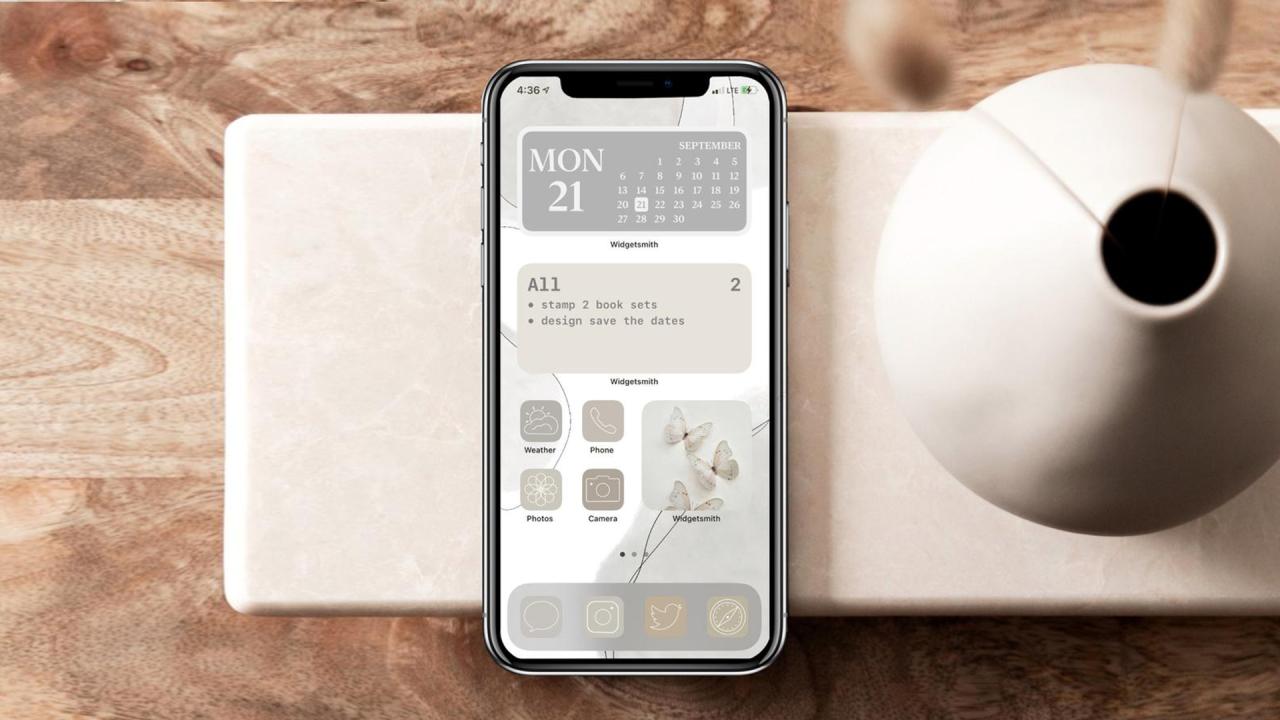
Widgets are your secret weapon for a dynamic and informative home screen. They provide at-a-glance access to frequently used information, without needing to open an app. To effectively use widgets, consider their size and placement. Larger widgets offer more information, but consume more screen real estate. Smaller widgets are ideal for quick checks and maintaining visual balance.
Experiment with different widget sizes and arrangements to find the optimal configuration for your needs. For example, a larger calendar widget might be ideal on the left side, followed by smaller widgets showing weather, news headlines, and battery life.
Creating a Cohesive Home Screen Layout
A visually appealing home screen requires careful consideration of color palettes, icon styles, and overall arrangement. Begin by selecting a consistent color scheme, perhaps based on a favorite theme or color family. Then, choose app icons that complement this scheme. Consider using icon packs or custom icon masking to unify the look of your apps. For instance, if your chosen color palette is pastel, select app icons that use a consistent style with pastel colors or a clean minimalist design.
Arrange your apps logically, grouping similar apps together for intuitive access. You could group communication apps, productivity apps, and entertainment apps into distinct sections, separated visually by using empty spaces or different widget sizes.
Icon Masking and Alternative Icon Apps
Icon masking allows you to replace the default app icons with custom images, dramatically altering the visual style of your home screen. This technique requires using third-party apps, often involving creating custom PNG files to overlay your chosen images. Alternatively, there are apps that offer pre-made icon packs with consistent styles, simplifying the process. Using a consistent icon style, like a flat minimalist style or a more illustrated style, contributes significantly to a polished and cohesive look.
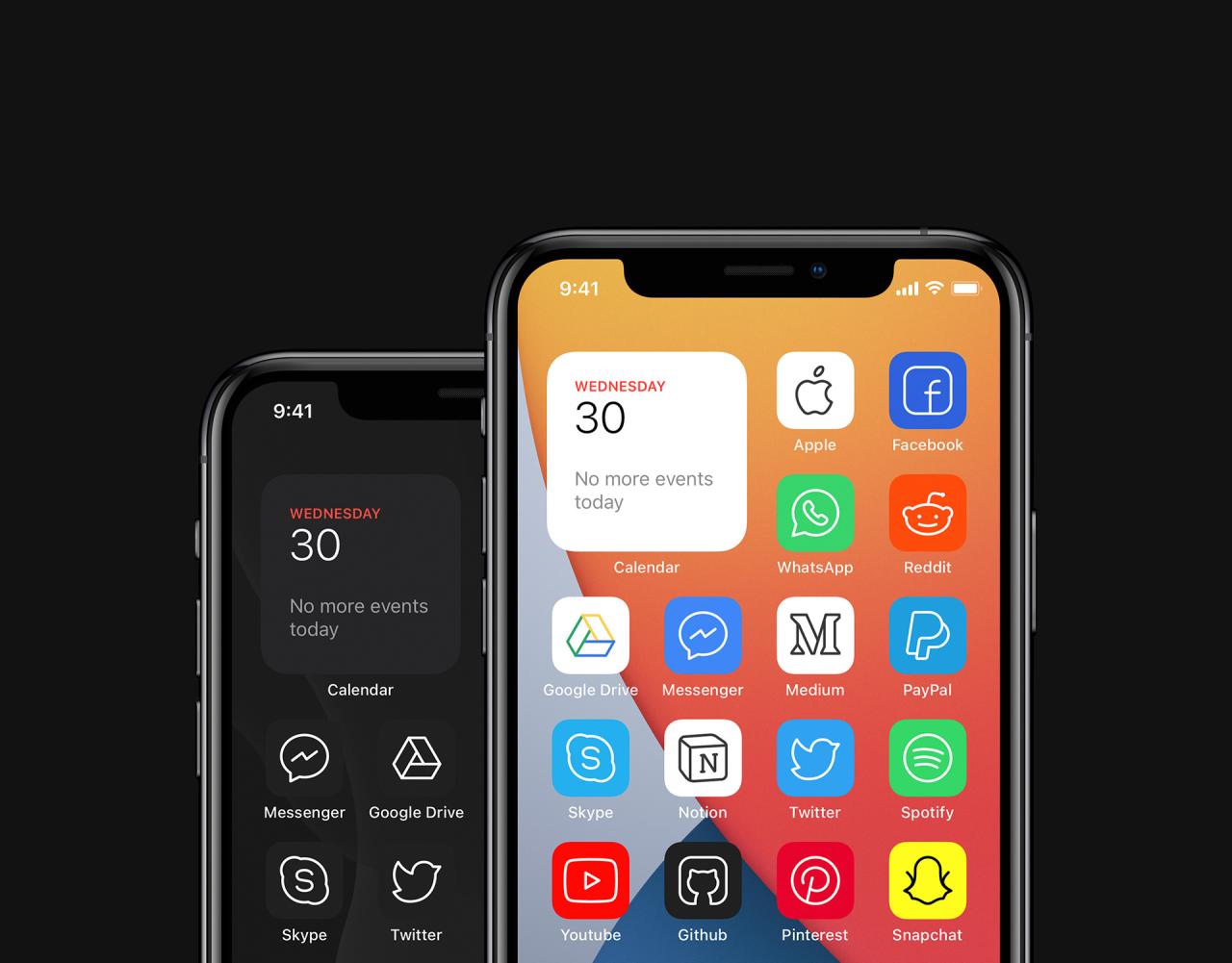
For example, you could use a minimalist icon pack where all icons are simple line drawings of the app’s function, creating a uniform and clean appearance.
iOS 14 Home Screen Customization Apps
Several apps enhance the customization capabilities of your iOS 14 home screen. These apps often offer features beyond what’s built into the system.
Choosing the right app depends on your specific needs and preferences. Some focus on icon customization, while others provide advanced widget management or layout tools.
- Widgetsmith: Offers extensive widget customization options, allowing you to create personalized widgets for various data sources.
- Shortcuts: While not strictly a home screen customization app, Shortcuts allows for creating custom widgets that trigger specific actions or display custom information.
- Icon Pack Apps (various): Many apps offer pre-designed icon packs in various styles (e.g., minimalist, colorful, themed) to replace your default app icons. These often come with instructions on how to apply them.
Impact of iOS 14 Home Screen Features
iOS 14 brought a significant overhaul to the iPhone home screen, impacting how users organize their apps and interact with their devices. These changes weren’t merely cosmetic; they fundamentally altered the way users manage their digital lives, offering both increased flexibility and new challenges in terms of organization and aesthetics.The introduction of widgets, redesigned app icons, and the App Library were the key players in this transformation, reshaping the home screen experience in ways unseen in previous iOS iterations.
Let’s delve into the specifics of these changes and their impact.
App Library’s Influence on Home Screen Management
The App Library, a new feature introduced in iOS 14, automatically organizes all apps on a user’s iPhone into categorized folders. This drastically changed home screen management strategies. Before iOS 14, users had to manually organize their apps into folders, often resulting in cluttered home screens, especially for users with many apps. The App Library provided a centralized, automated solution, allowing users to declutter their home screens by moving less frequently used apps into the App Library.
This shift allowed for a more minimalist and personalized home screen experience, focusing on apps used most often. For example, a user might choose to keep only their most used communication and productivity apps on their home screen, relegating games and less frequently used utilities to the App Library. The immediate visual impact is a cleaner, less overwhelming home screen.
Comparison of iOS 14 Home Screen with Previous Versions
Prior to iOS 14, the home screen’s primary function was the display and organization of apps. Users had limited options for personalization beyond custom folder creation and wallpaper selection. iOS 14, however, introduced significant personalization capabilities through widgets. Previous iOS versions offered limited widget functionality, typically restricted to a small, less customizable area. iOS 14 expanded widget capabilities, allowing users to place widgets of varying sizes directly on their home screens, interspersed with app icons.
This level of customization allows for a far more dynamic and functional home screen. The difference is striking; the iOS 14 home screen becomes a dynamic dashboard displaying information and quick access tools alongside applications, a significant departure from the purely app-centric design of previous versions.
Impact of Different Widget Sizes on Home Screen Layout
The introduction of different widget sizes in iOS 14 profoundly affected home screen layout and functionality. Small widgets, such as a simple calendar or weather display, can be seamlessly integrated among app icons without disrupting the overall aesthetic. Larger widgets, on the other hand, demand more screen real estate and require careful consideration of their placement. A large widget, such as a smart home control panel, might necessitate a rearrangement of apps to maintain balance and visual appeal.
The choice of widget size directly impacts the overall visual balance and functionality of the home screen. For example, a user might choose to dedicate an entire screen to larger widgets for productivity, creating a dedicated workspace on their home screen, while keeping other screens for apps and smaller widgets. This demonstrates how the flexible widget sizes offer a level of customization unseen in previous iOS iterations.
Home Screen Icon Trends and Their Evolution
Source: behance.net
The iOS 14 update unleashed a wave of creativity, transforming the once-static home screen into a canvas for self-expression. This wasn’t just about rearranging apps; it was about crafting a visual identity, a digital reflection of personality. The resulting trends reveal fascinating insights into how we interact with our technology and how social media amplifies these aesthetic choices.The influence of social media on iOS home screen design is undeniable.
Platforms like Instagram and Pinterest became showcases for meticulously curated home screens, inspiring millions with their visually stunning arrangements and widget integrations. This created a feedback loop: users sought inspiration, replicated styles, and then innovated upon them, leading to a constant evolution of trends.
Social Media’s Impact on iOS 14 Home Screen Aesthetics
The rise of “aesthetic” home screens on platforms like Instagram and Pinterest significantly impacted iOS 14 design choices. Users were drawn to cohesive themes, often built around color palettes, icon styles, and widget designs. The desire to create visually appealing and shareable home screens drove trends towards minimalist designs, vibrant color schemes, and the use of custom icon packs.
Influencers played a key role, showcasing their own curated home screens and tutorials, further popularizing specific styles. This led to a rapid spread of design trends, with specific icon packs and widget styles becoming incredibly popular within short periods. The constant sharing and feedback on social media fostered a sense of community, where users could exchange ideas and find inspiration.
A Timeline of iOS Home Screen Customization
The evolution of iOS home screen customization reflects the changing capabilities of the operating system and the evolving aesthetic preferences of users.
Early iOS Versions (iOS 1-4): Limited customization. Users could arrange apps, create folders, and use a few basic wallpapers. The focus was primarily on functionality.
iOS 5-7: Introduction of Notification Center and subtle improvements to folder organization. Customization remained relatively basic, primarily focused on app arrangement and wallpaper selection.
iOS 8-10: Widgets were introduced, adding a layer of personalized information to the home screen. Users could choose from a limited selection of pre-installed widgets. This opened up new possibilities for personalization, although the design options remained relatively constrained.
iOS 11-13: Further refinement of widgets and the introduction of more customizable features. The ability to create more intricate widget arrangements started to emerge, though still within the system’s design limitations.
iOS 14 and beyond: The introduction of widgets on the home screen and the ability to use custom app icons marked a turning point. Users gained unprecedented control over the look and feel of their home screens, leading to the explosion of creative designs and trends we see today.
Examples of Creative iOS 14 Home Screen Designs
The flexibility of iOS 14 allowed for a wide range of creative expressions.
A minimalist home screen, featuring a muted color palette of grays and blues, with icons uniformly sized and spaced. This design prioritizes clarity and a sense of calm. The use of a matching widget set further enhances the cohesive look.
A vibrant and playful home screen, utilizing a bright, colorful palette and a variety of custom icons to create a visually engaging experience. The mix of icon styles and shapes adds visual interest.
A highly organized and functional home screen, leveraging widgets extensively to display key information at a glance. The layout is meticulously planned, prioritizing ease of access and efficiency. This design uses a grid system to organize information effectively.
A themed home screen, such as one dedicated to a particular hobby or interest, uses custom icons and widgets to reflect that theme consistently. The cohesive design creates a strong visual identity. For example, a home screen themed around travel might use icons depicting airplanes, maps, and landmarks.
Accessibility Considerations
Creating a beautiful and personalized iOS 14 home screen is fantastic, but it’s crucial to ensure that design choices don’t inadvertently exclude users with disabilities. Accessibility features are built into iOS, but thoughtful design choices can significantly enhance the user experience for those with visual, motor, or other impairments. This section will explore how to make your iOS 14 home screen more accessible.
Icon Size and Contrast
Larger icons are easier to see and select, particularly for users with low vision. iOS allows for adjustments to the display size, which affects icon size. Encouraging the use of larger text and display sizes ensures better visibility. Furthermore, sufficient contrast between icons and their background is vital. High contrast between icon colors and the background color makes icons more distinguishable, reducing eye strain and improving visibility for users with visual impairments.
For example, using a dark icon on a light background, or vice-versa, creates strong contrast. Avoid using icons with low color saturation or those that blend too closely with the background.
Optimizing Icon Arrangement for Motor Skill Limitations
Users with motor skill limitations, such as tremors or limited dexterity, may find it challenging to accurately tap small icons or those clustered closely together. Strategic icon placement is crucial. Arrange frequently used apps in easily accessible locations, such as the top rows or the dock. Avoid placing important apps too close to the edges of the screen, where accidental touches are more likely.
Grouping related apps together logically can also reduce the need for extensive screen navigation. For instance, communication apps (Messages, Phone, FaceTime) could be grouped together, while productivity apps (Mail, Calendar, Notes) could be in another area. This improves usability by reducing the travel distance on the screen for users with limited motor control.
Using Assistive Technologies
iOS offers various built-in assistive technologies that can further enhance accessibility. VoiceOver, for instance, provides auditory feedback, describing icons and their location on the screen. Zoom allows users to magnify parts of the screen for better visibility. Switch Control enables users to interact with the device using external switches or other alternative input methods. By being aware of these technologies and designing with them in mind, you can create a home screen that is more inclusive and usable for a wider range of users.
Encouraging users to explore and utilize these features can dramatically improve their iOS experience. The accessibility options within iOS settings are a powerful tool for personalizing the device to meet individual needs.
Closure: Ios14 Home Screen Icons
So there you have it – a comprehensive look at the art and science of iOS 14 home screen icon customization. From minimalist elegance to maximalist chaos, the possibilities are truly endless. Remember, your home screen is a personal statement, so don’t be afraid to experiment, to break the rules, and to create something that truly reflects you. Happy customizing!
Popular Questions
Can I use widgets on all my home screens?
Yes, you can add widgets to any of your iOS 14 home screens.
How do I change the size of my widgets?
You can resize most widgets by long-pressing on them and then choosing a different size option from the menu that appears.
Are there any limitations to the number of apps I can place on my home screen?
While there’s no strict limit, practicality and visual appeal will dictate how many apps you can comfortably fit. The App Library helps manage excess apps.
What if I don’t like the default app icons?
You can use third-party apps to change the look of your app icons or even create custom icons.