
Lets Be Human Together A Journey of Connection
Lets be human together – Let’s be human together – it sounds simple, right? But what does it truly mean to embrace our shared humanity in a world often fractured by differences? This exploration dives deep into the core of what connects us, examining empathy, collaboration, and the celebration of our beautiful diversity. We’ll uncover how fostering understanding can build bridges, overcome challenges, and ultimately create a more compassionate world for all of us.
From personal interactions to global initiatives, we’ll explore the profound impact of prioritizing human connection. We’ll delve into practical strategies for cultivating empathy, navigating conflict, and building meaningful relationships – because truly, the power of human connection is the foundation upon which a better world is built.
The Meaning of “Let’s Be Human Together”

Source: infinitus.ai
The phrase “Let’s be human together” is a simple yet profound call for empathy, understanding, and connection in all aspects of our lives. It transcends cultural boundaries and speaks to our shared humanity, emphasizing the importance of recognizing our commonalities despite our differences. It’s an invitation to build a world based on compassion, cooperation, and mutual respect.The core message encourages a shift from individualistic perspectives to a more collective consciousness.
It implies acknowledging our shared vulnerabilities, celebrating our diverse strengths, and working together to overcome challenges. This sentiment holds true on personal, societal, and global levels.
Personal Applications of “Let’s Be Human Together”
This phrase encourages mindful interactions in our daily lives. It promotes active listening, genuine understanding, and forgiveness in personal relationships. For example, choosing to empathize with a friend going through a difficult time, rather than judging them, embodies this principle. Similarly, practicing self-compassion – acknowledging our own imperfections and treating ourselves with kindness – is an integral part of “being human together.” It fosters healthier relationships, both with ourselves and others, built on a foundation of acceptance and support.
Societal Implications of “Let’s Be Human Together”, Lets be human together
At a societal level, “Let’s be human together” advocates for social justice, equity, and inclusion. It calls for recognizing and addressing systemic inequalities, fostering a sense of community, and working towards a society where everyone feels valued and respected. The phrase encourages active participation in civic life, promoting dialogue and collaboration to solve shared problems. For instance, volunteering in community initiatives, advocating for marginalized groups, and supporting policies that promote social justice are all practical applications of this idea.
The Civil Rights Movement in the US serves as a powerful example of people coming together to fight for human rights and equality.
Global Perspectives on “Let’s Be Human Together”
The phrase’s meaning resonates across cultures, albeit with nuances depending on the specific context. While the core message of empathy and connection remains universal, the ways in which this is expressed and acted upon may vary. In some collectivist cultures, the emphasis on community and interdependence might be more pronounced, while in individualistic cultures, the focus might be on individual responsibility and contribution to the collective good.
However, the underlying principle of recognizing our shared humanity and working together remains a constant. The global efforts to combat climate change demonstrate a collective understanding of the need for international cooperation to address a shared challenge.
Visual Representation of “Let’s Be Human Together”
The visual representation would be a vibrant, interconnected web of diverse human figures, each unique in appearance and attire, yet connected by luminous threads of light. The figures would be depicted in various activities – laughing, working together, helping each other – symbolizing the multifaceted nature of human interaction. The background would be a rich tapestry of global landscapes, highlighting the interconnectedness of humanity and our shared planet.
The overall mood would be one of hope, optimism, and mutual respect, conveying the positive and collaborative essence of the phrase. The colors would be warm and inviting, using a blend of earthy tones and bright, cheerful hues to reflect the diversity and vibrancy of human life.
Empathy and Understanding
Empathy, the ability to understand and share the feelings of another, is the cornerstone of meaningful human connection. Without it, our interactions become transactional, lacking the depth and resonance that make life truly fulfilling. Understanding, while related, goes a step further, encompassing not just feeling what others feel, but also grasping their perspectives, motivations, and experiences. Together, empathy and understanding build bridges across differences and create a foundation for compassion and collaboration.Empathy’s role in fostering human connection is multifaceted.
It allows us to connect with others on a deeper level, moving beyond superficial interactions to forge genuine bonds. When we demonstrate empathy, we show others that we care, that we are listening, and that we value their experiences. This, in turn, builds trust and strengthens relationships, both personal and professional. A lack of empathy, on the other hand, can lead to misunderstandings, conflict, and feelings of isolation.
Strategies for Improving Empathy in Daily Interactions
Cultivating empathy requires conscious effort and practice. It’s not simply an innate trait; it’s a skill that can be honed over time. One effective strategy is active listening – truly paying attention to what others are saying, both verbally and nonverbally. This includes observing body language, tone of voice, and emotional cues. Another important strategy is to practice perspective-taking – consciously trying to see the world from another person’s point of view.
This involves considering their background, experiences, and beliefs, and acknowledging that their perspective may differ from your own. Finally, regularly engaging in acts of kindness and compassion can also foster empathy. Helping others, showing compassion, and volunteering are all excellent ways to develop a more empathetic outlook.
Comparing and Contrasting Approaches to Cultivating Understanding
Different approaches exist for cultivating understanding, each with its own strengths and limitations. One approach focuses on cognitive understanding – learning about different cultures, beliefs, and perspectives through education and exposure. This approach is valuable for broadening one’s knowledge and reducing prejudice, but it can lack the emotional depth of empathetic understanding. Another approach emphasizes emotional understanding – developing the ability to share and understand the feelings of others through personal experiences and interactions.
This approach is crucial for building genuine connections, but it can be limited by personal biases and preconceived notions. A truly holistic approach to cultivating understanding integrates both cognitive and emotional elements, recognizing the importance of both knowledge and empathy in building meaningful relationships.
A Scenario Demonstrating the Positive Impact of Empathy
Imagine a scenario where a teacher notices a student consistently withdrawing from class participation. Instead of simply dismissing the behavior as laziness or disinterest, the teacher utilizes empathy. She takes the time to speak with the student privately, actively listening to their concerns. She learns that the student is struggling with a family crisis at home and is feeling overwhelmed and isolated.
By demonstrating empathy and understanding, the teacher is able to provide the student with the support they need, helping them to feel safe, heard, and understood. This empathetic approach fosters a stronger teacher-student relationship and positively impacts the student’s academic performance and overall well-being. The teacher’s understanding transcends simply acknowledging the student’s poor performance; it addresses the underlying emotional cause.
Collaboration and Shared Responsibility
Let’s be human together isn’t just a catchy phrase; it’s a call to action demanding collective effort. Building a better world, fostering empathy, and promoting understanding require collaborative action and a shared sense of responsibility. This isn’t about individual heroism, but about the power of collective action.
Benefits of Collaborative Efforts
Collaborative efforts significantly amplify our ability to achieve common goals. When individuals pool their diverse skills, perspectives, and resources, the resulting synergy often exceeds the sum of individual contributions. For example, consider the development of complex software: a team of programmers, designers, and testers working together can create a far superior product than any one person could alone.
The sharing of knowledge and the cross-pollination of ideas lead to innovation and more efficient problem-solving. Moreover, collaboration fosters a sense of shared ownership and commitment, increasing the likelihood of project success. The collective intelligence and diverse viewpoints contribute to more robust and creative solutions.
Challenges in Collaborative Work and Solutions
While collaboration offers immense benefits, challenges can hinder its effectiveness. Communication breakdowns, conflicting priorities, and unequal distribution of workload are common obstacles. To overcome these, clear communication channels, well-defined roles and responsibilities, and effective conflict resolution mechanisms are crucial. Utilizing project management tools, establishing regular meetings, and fostering a culture of open communication can mitigate these challenges. Furthermore, ensuring equitable distribution of work and recognizing individual contributions are essential for maintaining team morale and productivity.
Addressing these challenges proactively is key to harnessing the full potential of collaborative efforts.
Hypothetical Collaborative Project
Let’s imagine a community project centered around “Let’s Be Human Together.” The project aims to create a series of short films showcasing acts of kindness and empathy within the community. Different teams would be responsible for scriptwriting, filming, editing, and marketing. Each team, comprised of volunteers with varying skills, would share the responsibility for their assigned tasks, fostering a sense of collective ownership and shared success.
The final product, a series of uplifting films, would not only entertain but also inspire others to embrace empathy and kindness, directly reflecting the project’s core theme.
Shared Responsibility in Different Settings
The following table illustrates how shared responsibility fosters community in various contexts:
| Setting | Responsibility | Outcome | Impact |
|---|---|---|---|
| Neighborhood Watch | Residents monitor their surroundings and report suspicious activity. | Increased safety and security. | Stronger community bonds and increased sense of belonging. |
| School Fundraising | Parents, teachers, and students collaborate to raise funds for school improvements. | New equipment or resources for the school. | Enhanced school environment and improved learning outcomes. |
| Environmental Cleanup | Volunteers work together to clean up a local park or beach. | Improved environmental conditions. | Increased community pride and environmental awareness. |
| Community Garden | Neighbors share the responsibility of planting, maintaining, and harvesting produce. | Fresh produce for the community. | Enhanced social interaction and a sense of shared accomplishment. |
Overcoming Differences and Celebrating Diversity: Lets Be Human Together
Embracing our shared humanity necessitates acknowledging and celebrating the rich tapestry of differences that make us unique. Overcoming conflict and fostering inclusivity are crucial steps in building a truly connected world. This requires understanding different approaches to conflict resolution, recognizing the enriching power of diversity, and actively creating inclusive environments.
Different Approaches to Conflict Resolution Emphasizing Human Connection
Effective conflict resolution hinges on prioritizing empathy and understanding. Instead of focusing solely on finding a “winner” or imposing a solution, approaches like restorative justice prioritize repairing relationships and addressing the underlying causes of conflict. This involves active listening, acknowledging each party’s perspective, and collaboratively searching for solutions that meet everyone’s needs to the greatest extent possible.
In contrast, a more traditional adversarial approach, while sometimes necessary, often leaves lingering resentment and fails to foster genuine connection. The key difference lies in the intention: restorative approaches aim to strengthen relationships, while adversarial approaches often prioritize winning the argument.
Examples of How Diversity Enriches Human Experience
Diversity, in all its forms – cultural, racial, ethnic, religious, and socioeconomic – enriches our collective experience in countless ways. Exposure to different perspectives challenges assumptions, fosters creativity, and promotes innovation. For instance, a diverse team working on a project will likely generate a wider range of ideas and solutions than a homogenous one. Similarly, the culinary arts, music, literature, and visual arts are all demonstrably richer and more vibrant due to the contributions of people from diverse backgrounds.
Let’s be human together, remembering our shared experiences and vulnerabilities. Connecting authentically is key, and sometimes that means finding new ways to share our stories; for me, that’s involved learning the ropes of online video, which is why I’ve been diving into this awesome guide on getting it on with YouTube. Ultimately, though, it all comes back to that human connection – sharing our passions and finding common ground.
Let’s be human, together.
The global spread of ideas and cultural practices, facilitated by increased connectivity, is a testament to the enriching power of diversity. Consider the fusion of musical genres, the global popularity of diverse cuisines, and the cross-cultural exchange of literary and artistic styles.
Methods for Fostering Inclusivity and Celebrating Differences
Fostering inclusivity requires conscious effort and a commitment to creating equitable environments. This involves actively listening to marginalized voices, challenging biases, and implementing policies and practices that promote equal opportunity. Creating spaces where everyone feels safe to express their unique perspectives is paramount. This can involve implementing diversity and inclusion training, establishing clear anti-discrimination policies, and promoting diverse representation in leadership positions.
Furthermore, celebrating cultural events and traditions through festivals, community gatherings, and educational initiatives can further strengthen a sense of belonging and shared identity.
A Narrative Illustrating the Beauty of Human Diversity
Imagine a vibrant marketplace bustling with activity. A weaver from a remote mountain village displays her intricately patterned textiles, each thread a story of her ancestral heritage. Nearby, a musician from a coastal town plays lively tunes on a traditional instrument, drawing a crowd with the infectious rhythm. A young chef, inspired by her family’s culinary traditions, serves up a fusion dish, a delicious blend of flavors from different continents.
These individuals, though distinct in their origins and practices, are united by their shared presence in this vibrant community. Their differences, far from being divisive, enrich the atmosphere, creating a tapestry of sounds, sights, and flavors that would be impossible without the unique contributions of each. The marketplace becomes a microcosm of humanity, showcasing the beauty and strength of diversity.
Building a More Humane World
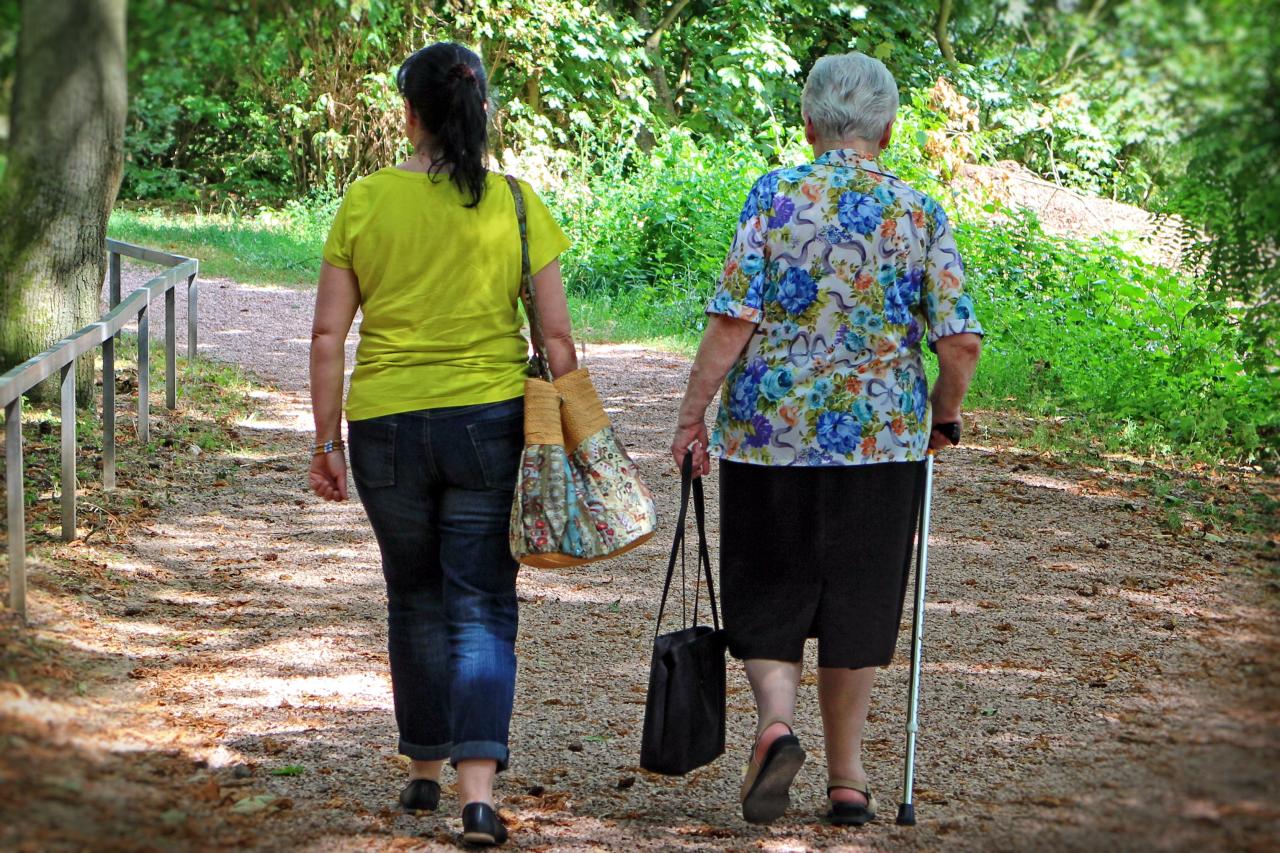
Source: pxhere.com
We’ve explored the meaning of “Let’s Be Human Together,” delving into empathy, understanding, and shared responsibility. Now, let’s translate these concepts into tangible actions, focusing on how we can actively build a more compassionate and humane world for everyone. This requires a multifaceted approach, encompassing individual actions, societal shifts, and a careful consideration of technology’s dual role.
Practical Steps for Individual Compassion
Building a more compassionate world starts with each of us. Small, consistent acts of kindness ripple outwards, creating a positive feedback loop. This isn’t about grand gestures; it’s about daily choices that reflect our commitment to human connection. We can actively listen to others without judgment, offering support and understanding during challenging times. Simple acts like holding a door open, offering a genuine compliment, or volunteering our time can make a significant difference in someone’s day and, cumulatively, in our communities.
Furthermore, consciously choosing to challenge prejudice and discrimination wherever we encounter it, even in seemingly small ways, helps to create a more inclusive and equitable environment. This active participation in building a more just and compassionate society is crucial for lasting positive change.
Societal Impact of Prioritizing Human Connection
Prioritizing human connection at a societal level yields profound benefits. Studies have shown a strong correlation between strong social connections and improved mental and physical health. Communities with a high degree of social cohesion tend to exhibit lower crime rates, better educational outcomes, and increased economic prosperity. When we foster a culture that values empathy and understanding, we create an environment where individuals feel safe, supported, and empowered to thrive.
This, in turn, strengthens the social fabric and promotes overall well-being. For example, initiatives promoting community engagement, such as neighborhood watch programs or community gardens, have been shown to foster stronger social bonds and a greater sense of belonging. This increased social capital translates into a more resilient and vibrant community.
Technology’s Dual Role in Human Connection
Technology presents a double-edged sword regarding human connection. While social media platforms can connect us across geographical boundaries and facilitate the formation of online communities, they can also contribute to feelings of isolation, comparison, and a distorted sense of reality. The curated nature of online profiles often obscures the complexities of human experience, leading to unrealistic expectations and a sense of inadequacy.
Conversely, technology can be a powerful tool for fostering connection. Video conferencing allows for face-to-face interaction across distances, online learning platforms promote collaboration and knowledge sharing, and telehealth services improve access to healthcare for remote communities. The key lies in mindful and responsible technology use, prioritizing authentic human interaction over superficial online engagement.
A Program Promoting Human Connection in a Rural Community
This program, titled “Bridging the Gap,” aims to strengthen human connection within a rural community facing challenges related to isolation and limited access to social activities.
- Community Dinners: Monthly potluck dinners providing a relaxed environment for residents to connect and share experiences.
- Skills Sharing Workshops: Workshops where residents can teach and learn from each other, fostering collaboration and mutual support.
- Intergenerational Activities: Activities designed to connect younger and older generations, bridging age gaps and fostering mutual respect.
- Mentorship Program: Pairing experienced residents with newcomers or those needing support, creating a sense of belonging and guidance.
- Community Garden: A shared garden space promoting collaboration, healthy living, and opportunities for social interaction.
The Power of Human Connection

Source: buddymantra.com
We are inherently social creatures. Our well-being, both mental and physical, is profoundly intertwined with the quality and quantity of our relationships. Strong human connections aren’t just nice to have; they are fundamental to a fulfilling and healthy life. This section will explore the profound impact of human connection, examining its benefits, the consequences of its absence, and strategies for fostering meaningful bonds.The psychological and emotional benefits of strong human relationships are numerous and well-documented.
These connections provide us with a sense of belonging, purpose, and security. Feeling loved and accepted boosts self-esteem and reduces feelings of loneliness and isolation. Strong social support networks act as buffers against stress, helping us cope with life’s inevitable challenges more effectively. Studies have shown a correlation between strong social ties and improved cardiovascular health, a stronger immune system, and even increased longevity.
The simple act of sharing a laugh with a friend or receiving a comforting hug can release endorphins, creating a natural sense of well-being.
Negative Consequences of Social Isolation
Social isolation, the lack of meaningful connections with others, carries significant negative consequences. Prolonged isolation is linked to increased risk of depression, anxiety, and other mental health disorders. It can also negatively impact physical health, contributing to higher rates of chronic illness and premature mortality. Individuals experiencing social isolation often report feelings of hopelessness, worthlessness, and a diminished sense of self.
This isolation can create a vicious cycle, making it increasingly difficult to form new connections. For example, an elderly person living alone with limited social interaction may experience a decline in both their physical and mental health, leading to further withdrawal and isolation. Similarly, someone who has experienced social rejection or bullying may develop a fear of social interaction, further exacerbating their isolation.
Strategies for Building and Maintaining Meaningful Connections
Building and maintaining meaningful connections requires effort and intentionality. It’s about actively nurturing relationships and creating opportunities for genuine interaction. This could involve making a conscious effort to spend quality time with loved ones, engaging in shared activities, and practicing active listening. Joining clubs or groups based on shared interests can provide opportunities to meet like-minded individuals and build new friendships.
Volunteering is another excellent way to connect with others while contributing to a cause you care about. Furthermore, being mindful of nonverbal communication, showing empathy, and offering genuine support are crucial elements in building strong and lasting relationships. Open and honest communication, even during disagreements, is essential for maintaining healthy connections.
A Reflection on Human Connection
The touch of a hand, a whispered word,A shared laugh, a song unheard,These threads of connection, fine and strong,Weave through our lives, where we belong.In moments of joy, or sorrow’s deep,Human connection, secrets to keep,A solace found, a comfort near,Banishing shadows, calming fear.
Closing Summary
Ultimately, “Let’s be human together” isn’t just a phrase; it’s a call to action. It’s an invitation to step outside our comfort zones, to embrace vulnerability, and to actively participate in building a more humane and interconnected world. By understanding and celebrating our shared humanity, we unlock the potential for profound positive change, not only in our own lives but in the lives of those around us and the world at large.
Let’s choose connection, choose empathy, and choose to build a better tomorrow, together.
Question & Answer Hub
What if I struggle with empathy?
It’s a skill that can be learned! Practice active listening, try to understand others’ perspectives, and challenge your own biases. Resources like books and workshops on emotional intelligence can also be helpful.
How can I contribute to a more humane world on a small scale?
Start small! A simple act of kindness, a thoughtful gesture, or offering support to someone in need can make a big difference. Building positive relationships within your own community is a powerful way to spread compassion.
Isn’t technology isolating us more than connecting us?
Technology has both positive and negative effects. While it can sometimes create distance, it also offers incredible opportunities for connection – think online communities, virtual support groups, and global collaborations. It’s about using technology mindfully and prioritizing genuine human interaction.