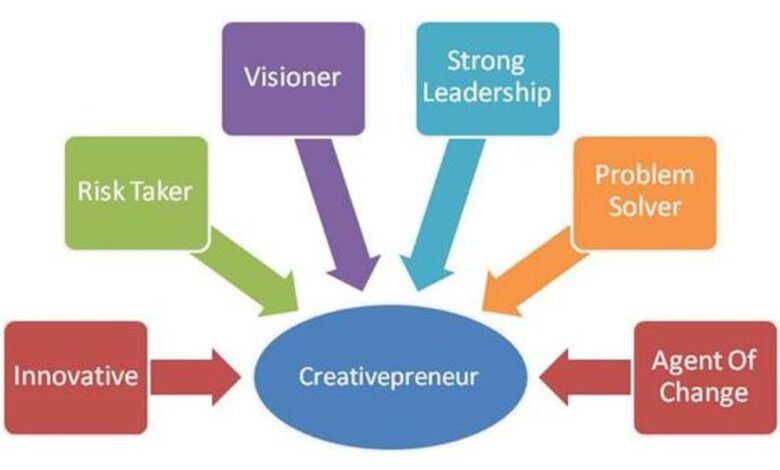
Marketing Tips Creative Entrepreneurs
Marketing Tips Creative Entrepreneurs: This post dives deep into the exciting world of marketing for creative entrepreneurs, exploring strategies to build your brand, connect with your audience, and ultimately, thrive. We’ll cover everything from understanding your ideal customer to mastering social media, crafting compelling content, and measuring your success. Get ready to unleash your inner marketing guru!
Whether you’re a painter, a photographer, a writer, a musician, or anything in between, the principles of effective marketing are crucial to your success. This isn’t about selling out; it’s about connecting with people who appreciate your unique talents and sharing your passion with the world. We’ll explore practical, actionable steps you can take right now to boost your visibility and grow your business.
Let’s get started!
Understanding Your Creative Audience

Source: createhype.com
Knowing your audience is the cornerstone of successful marketing for any creative entrepreneur. Without a clear understanding of who you’re trying to reach, your marketing efforts will likely fall flat, wasting valuable time and resources. Defining your ideal customer profile (ICP) is crucial for crafting effective messaging and choosing the right marketing channels.
Ideal Customer Profile for Creative Entrepreneurs, Marketing tips creative entrepreneurs
The ideal customer profile for a creative entrepreneur isn’t a single person, but rather a collection of shared characteristics and needs. It’s a detailed description of your perfect client, encompassing demographics (age, location, income), psychographics (values, lifestyle, interests), and buying behavior (how they make purchasing decisions, where they spend their money). For example, a freelance graphic designer might target small businesses with a strong online presence and a need for visually appealing branding materials.
This ICP would then inform all marketing decisions.
Three Distinct Audience Segments and Their Needs
Let’s imagine a jewelry designer crafting handcrafted pieces. We can identify three distinct audience segments:
- Segment 1: Luxury Consumers: This segment values exclusivity, high-quality materials, and unique designs. They are willing to pay a premium for handcrafted items that reflect their sophisticated taste and status. Their needs include a sense of prestige, exceptional customer service, and a brand story that resonates with their values.
- Segment 2: Trend-Conscious Millennials: This segment is interested in stylish, on-trend pieces at a more accessible price point. They are active on social media and value authenticity and ethical sourcing. Their needs include affordability, trendy designs, and a brand that aligns with their values (e.g., sustainability, fair trade).
- Segment 3: Gift-Givers: This segment is looking for unique and meaningful gifts for special occasions. They value convenience, ease of purchase, and beautiful presentation. Their needs include easy-to-navigate websites, gift-wrapping options, and inspiring gift ideas.
Three Different Marketing Messages Tailored to Each Segment
- Luxury Consumers: “Indulge in the artistry of handcrafted luxury. Each piece is a testament to exquisite craftsmanship and timeless elegance.” (Focuses on exclusivity and quality)
- Trend-Conscious Millennials: “Express your unique style with our handcrafted jewelry. Ethically sourced, sustainably made, and perfectly on-trend.” (Highlights ethical sourcing, affordability, and trendiness)
- Gift-Givers: “Find the perfect handcrafted gift for every occasion. Browse our curated collection of unique and meaningful pieces, beautifully presented for effortless gifting.” (Emphasizes convenience and gift-giving aspects)
Marketing Channel Comparison
The most effective marketing channels will vary depending on the target audience. Here’s a comparison for our jewelry designer example:
| Channel | Cost | Reach | Engagement |
|---|---|---|---|
| High-end print magazines (e.g., Vogue) | High | Niche, high-income | High (if the magazine aligns with the brand) |
| Instagram Influencer Marketing | Medium-High | Broad, trend-conscious | Medium-High (depends on influencer selection) |
| Etsy Shop & Targeted Facebook Ads | Low-Medium | Broad, gift-givers & others | Medium (requires ad optimization) |
Leveraging Social Media for Creative Businesses
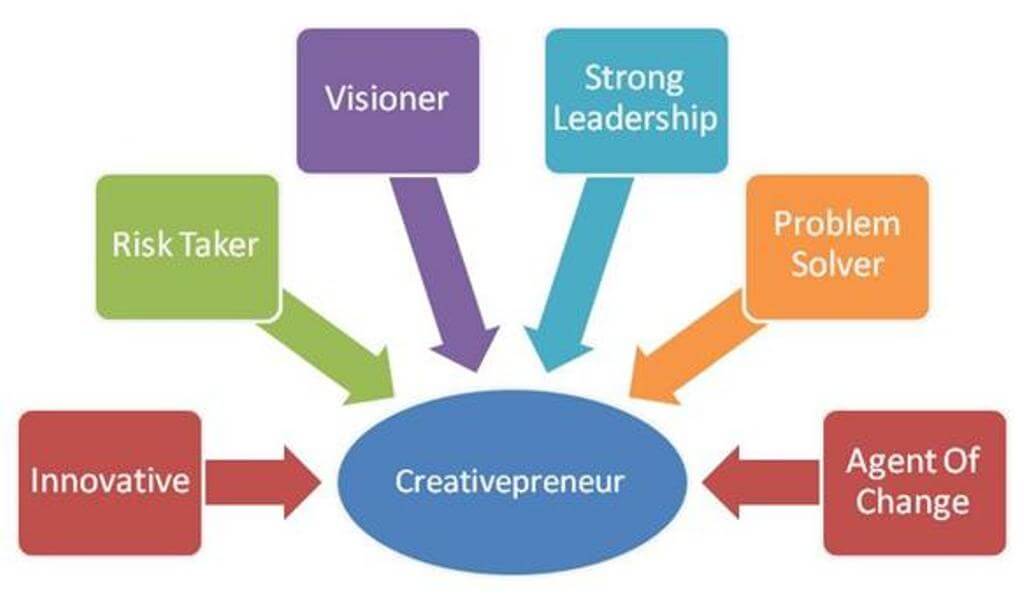
Source: bisnisukm.com
Social media is no longer optional for creative entrepreneurs; it’s a vital tool for reaching your audience, building your brand, and driving sales. Understanding which platforms best suit your creative style and target market is key to maximizing your social media impact. This post will explore the nuances of Instagram, Pinterest, and TikTok, offering strategies for effective content creation and engagement.
Instagram, Pinterest, and TikTok: A Comparative Analysis
Each platform offers a unique environment for showcasing creative work. Instagram excels at visually driven content, fostering a sense of community through its Stories and Reels features. Its strong emphasis on high-quality imagery and short-form video makes it ideal for artists, photographers, and designers who want to present their work in a polished and engaging manner. Pinterest, on the other hand, is a powerful visual search engine.
It’s perfect for driving traffic to your website or online store, as users actively search for ideas and inspiration. Its focus on “pinning” images makes it a strong choice for those with visually rich portfolios, such as crafters, interior designers, and fashion designers. TikTok’s strength lies in its short, attention-grabbing video format. It’s a platform for creative expression and viral trends, allowing you to connect with a broad audience through entertaining and engaging content.
It’s particularly well-suited for showcasing behind-the-scenes glimpses of your creative process or demonstrating your skills in a dynamic way. The best choice depends heavily on your specific creative niche and target audience.
Sample Instagram Post: New Product Launch
Imagine you’re launching a new line of handcrafted ceramic mugs. Your Instagram post could look like this:
(Image Description
Three handcrafted ceramic mugs in earthy tones – a deep terracotta, a soft cream, and a muted sage green – are artfully arranged on a light-colored wooden table. Natural light streams in from a nearby window, highlighting the texture and detail of the mugs.)* Caption: “Introducing our new Autumn Hues collection! 🍂🍁 These handcrafted ceramic mugs are perfect for cozy nights in.
Each mug is uniquely designed and glazed, adding a touch of warmth and personality to your morning coffee or evening tea. Shop the collection now via the link in our bio! #handcrafted #ceramics #mugs #autumn #newcollection #shopsmall #handmadewithlove #pottery #fallvibes #supportsmallbusiness”
Month-Long Social Media Content Calendar
A content calendar helps maintain consistency and plan your posts in advance. Here’s a sample calendar focusing on Instagram:
| Week | Monday | Tuesday | Wednesday | Thursday | Friday | Saturday | Sunday |
|---|---|---|---|---|---|---|---|
| 1 | Behind-the-scenes process video | Customer testimonial | Product highlight reel | New product announcement | User-generated content repost | Weekend sale announcement | Inspirational quote/image |
| 2 | Product tutorial video | Q&A session via stories | Collaborate with influencer | Blog post promotion | Showcase customer work | Giveaway announcement | Weekend mood board |
| 3 | Highlight key features of a product | Run a poll on Instagram stories | Showcase your workspace | Partner with another business | Share a client success story | Weekend sale | Inspirational image |
| 4 | Share a customer review | Run an Instagram live session | Product flatlay image | Promote a workshop or class | Offer a discount code | Thank you post | Share your personal journey |
Strategies for Increasing Social Media Engagement
To boost engagement, consider these strategies:
- Run contests and giveaways: Incentivize participation with prizes relevant to your brand.
- Engage with comments and messages: Respond promptly and thoughtfully to build relationships.
- Use relevant hashtags: Increase your post’s visibility to a wider audience.
- Collaborate with other creators: Expand your reach and tap into new audiences.
- Utilize Instagram Shopping and other shoppable features: Streamline the purchase process for your followers.
Email Marketing for Creative Businesses
Email marketing remains a powerful tool for creative entrepreneurs, offering a direct line of communication with potential and existing customers. Unlike fleeting social media posts, emails land directly in inboxes, allowing for a more sustained and personalized engagement. By strategically crafting email sequences and segmenting your audience, you can nurture leads, build brand loyalty, and ultimately drive sales.
Email Sequence to Nurture Leads and Convert Customers
A well-structured email sequence is crucial for converting leads into paying customers. This involves a series of automated emails triggered by specific actions, such as signing up for your newsletter or downloading a free resource. The goal is to provide value at each stage, gradually building trust and showcasing your expertise. A typical sequence might include a welcome email, a series of educational emails offering valuable content related to your offerings, a case study showcasing your work, and finally, a promotional email offering a discount or special offer.
Each email should be carefully designed to resonate with your audience and move them closer to a purchase. For example, a photographer might send a welcome email, followed by emails showcasing different photography styles, a blog post about choosing the right photographer, and finally, an email promoting a special offer on a photoshoot package.
Three Email Subject Lines to Increase Open Rates
Subject lines are critical for grabbing attention and driving open rates. They need to be concise, intriguing, and relevant to the recipient. Here are three examples:
- Intriguing Question: “Ever Wondered How to [Solve a Problem Related to Your Niche]?” This sparks curiosity and invites the reader to open the email to find the answer.
- Personalized Offer: “Exclusive Offer for [Name], Just for You!” This creates a sense of exclusivity and personalization, making the recipient feel valued.
- Benefit-Driven: “Unlock [Benefit] with This Simple Technique!” This highlights the immediate benefit the recipient will gain by opening the email, emphasizing the value proposition.
Benefits of Segmenting Email Lists for Creative Businesses
Segmenting your email list allows you to tailor your messaging to specific audience groups, increasing engagement and conversion rates. Instead of sending generic emails to everyone, you can create targeted campaigns based on demographics, interests, purchase history, or engagement level. For example, you could segment your list into “beginners,” “intermediate,” and “advanced” users of your creative software, sending each segment tailored content relevant to their skill level.
This personalization significantly improves the effectiveness of your email marketing efforts, as messages resonate more deeply with individual needs and preferences. The result is higher open rates, click-through rates, and ultimately, more sales.
Using Email Marketing to Promote Workshops or Online Courses
Email marketing is an ideal channel for promoting workshops or online courses. You can use email sequences to build anticipation, provide information about the course content, highlight testimonials, and offer early bird discounts or payment plans. A series of emails might include an announcement email, a detailed course Artikel email, an email featuring student testimonials, and a final email with a limited-time offer.
This approach allows you to nurture leads and encourage sign-ups by providing valuable information and building excitement around your offering. For example, a graphic design workshop could be promoted through a series of emails showcasing the benefits of the workshop, instructor credentials, student work examples, and finally, a call to action with a limited-time discount code.
Building a Strong Brand Identity for Creative Entrepreneurs
Building a strong brand identity is crucial for creative entrepreneurs. It’s more than just a logo; it’s the overall impression you make on your audience, influencing their perception of your value and trustworthiness. A well-defined brand identity ensures consistency across all your platforms, fostering recognition and loyalty. This allows you to stand out in a crowded marketplace and attract your ideal clients.
Key Elements of a Strong Brand Identity
A strong brand identity rests on several fundamental pillars. These elements work together to create a cohesive and memorable impression. Ignoring any one of them risks diluting your brand’s message and impact.
- Logo: Your logo is the visual cornerstone of your brand. It should be memorable, easily recognizable, and reflect the essence of your business. Consider its versatility across different platforms and sizes.
- Color Palette: Colors evoke emotions and associations. Choose colors that align with your brand’s personality and resonate with your target audience. A limited, carefully selected palette ensures consistency and visual harmony.
- Typography: Font choices significantly impact readability and brand perception. Select fonts that reflect your brand’s personality – a playful script for a whimsical brand, a bold sans-serif for a modern one. Consistency in font usage is key.
- Voice: Your brand’s voice is how you communicate with your audience. Is it friendly and approachable, professional and authoritative, or quirky and humorous? Maintaining a consistent voice across all platforms strengthens brand recognition and builds trust.
Creating a Brand Style Guide
A brand style guide is a comprehensive document outlining all aspects of your brand identity. It serves as a central reference point for maintaining consistency across all your marketing materials and communications. This prevents inconsistencies and ensures a unified brand experience for your customers.
- Logo Usage: Specify acceptable variations of your logo, minimum size requirements, and clear space guidelines.
- Color Palette: Include the precise color codes (HEX, RGB, CMYK) for your brand colors, along with their appropriate usage.
- Typography: Detail the fonts used for headings, body text, and other elements, including font sizes and weights.
- Voice and Tone: Define your brand’s personality, tone of voice, and preferred language style. Provide examples of acceptable and unacceptable language.
- Imagery and Photography: Artikel guidelines for image style, including preferred color palettes, composition, and editing styles.
Comparison of Brand Identities
Let’s compare the brand identities of two successful creative entrepreneurs (hypothetical examples for illustrative purposes): Entrepreneur A (Illustrative Example): A minimalist jewelry designer. Their brand uses a muted color palette of creams, greys, and muted golds. The typography is clean and elegant, using a serif font for a sophisticated feel. Their voice is understated and sophisticated, focusing on the craftsmanship and quality of their materials.
Their logo is a simple, geometric design. Entrepreneur B (Illustrative Example): A vibrant children’s book illustrator. Their brand uses a bright and playful color palette, incorporating bold primary colors. The typography is fun and whimsical, using a combination of playful script and bold sans-serif fonts. Their voice is energetic and engaging, appealing directly to children and their parents.
Their logo is a playful illustration of a friendly animal character.
Mood Board for an Ideal Brand Identity
My ideal brand identity (hypothetical example) would be represented by a mood board featuring:* Imagery: Images of sun-drenched landscapes, natural textures like wood and stone, and minimalist architectural designs. These evoke a sense of calm, sophistication, and natural beauty.
Colors
A palette of warm neutrals, such as creamy beige, soft greys, and earthy browns, accented with pops of deep teal and terracotta. These colors convey a sense of groundedness and elegance.
Textures
Smooth, polished surfaces contrasted with the rough texture of natural materials like wood and stone. This creates visual interest and a sense of luxury. The overall feel would be sophisticated, yet approachable and inviting.
Collaborations and Partnerships for Creative Growth
Collaborating with other businesses can be a game-changer for creative entrepreneurs. It’s a powerful strategy to expand your reach, access new audiences, and ultimately boost your brand’s visibility and profitability. Strategic partnerships offer a synergistic effect, where the combined efforts result in a much greater impact than individual campaigns could achieve. This post explores the benefits of collaboration and provides a practical framework for building successful partnerships.Strategic partnerships offer numerous advantages for creative entrepreneurs.
Cross-promotion leverages the existing audiences of both businesses, leading to increased brand awareness and potential customer acquisition. Collaborations also provide opportunities for skill-sharing, resource pooling, and the creation of innovative products or services that neither partner could achieve alone. Moreover, partnerships can build credibility and trust, enhancing the perceived value of each brand involved.
Potential Collaboration Partners for a Creative Entrepreneur
For a freelance graphic designer specializing in branding for small businesses, three ideal partners could include a copywriter, a web developer, and a social media manager. The copywriter could provide compelling brand messaging, the web developer could ensure the brand’s visual identity translates seamlessly online, and the social media manager could help amplify the brand’s presence across various platforms. Each partner brings a unique skill set that complements the graphic designer’s expertise, creating a comprehensive offering for clients.
Benefits of Cross-Promotion and Collaborative Marketing Campaigns
Cross-promotion involves mutually promoting each other’s products or services to respective audiences. For instance, the graphic designer could feature the copywriter’s services on their website and social media, while the copywriter could recommend the graphic designer to their clients. This reciprocal promotion increases exposure for both businesses, reaching a broader audience than either could reach independently. Collaborative marketing campaigns can take many forms, such as joint webinars, co-created content (like an ebook or infographic), or shared social media contests.
These campaigns create a sense of community and build stronger relationships with customers. The combined marketing budgets can also lead to a higher return on investment. For example, a joint webinar with the copywriter could reach both their client bases, reducing individual marketing costs and maximizing reach.
Strategies for Finding and Approaching Potential Collaboration Partners
Finding suitable partners requires a strategic approach. Networking at industry events, attending workshops, and actively engaging in online communities are effective ways to identify potential collaborators. Analyzing competitors and their partnerships can also provide valuable insights. Once potential partners are identified, a thoughtful approach is crucial. Begin by researching the partner’s business, understanding their target audience, and assessing the potential synergy.
Then, propose a collaboration that clearly Artikels the mutual benefits, deliverables, and timelines. A well-crafted proposal demonstrates professionalism and increases the chances of a successful partnership. For instance, a formal email outlining the proposed collaboration, including a detailed project plan, and outlining the value proposition for both parties will be far more effective than a casual suggestion.
Collaborative Project Plan: Graphic Designer and Copywriter
This plan Artikels a collaborative project between a freelance graphic designer and a copywriter, focusing on creating branding packages for small businesses.
| Role | Responsibilities | Timeline |
|---|---|---|
| Graphic Designer | Develops brand logo, color palette, typography, and visual style guide. Creates marketing collateral (brochures, social media templates). | Weeks 1-4 |
| Copywriter | Develops brand messaging, including tagline, website copy, and social media captions. Creates marketing copy for brochures and other materials. | Weeks 2-5 |
| Both | Client meetings, project brainstorming, feedback review, final presentation. | Ongoing |
This collaborative approach ensures a cohesive brand identity, combining strong visuals with compelling messaging, resulting in a more comprehensive and effective branding package for clients.
Measuring and Analyzing Marketing Results: Marketing Tips Creative Entrepreneurs
Understanding whether your marketing efforts are paying off is crucial for any creative entrepreneur. Without data-driven insights, you’re essentially throwing darts in the dark, hoping something sticks. Tracking key metrics and analyzing the results allows for strategic adjustments, maximizing your return on investment (ROI) and ensuring your marketing budget is working as hard as you are.
Key Performance Indicators (KPIs) for Creative Businesses
Choosing the right KPIs is vital for effective measurement. Focusing on the wrong metrics can lead to misinterpretations and ineffective strategies. Three particularly insightful KPIs for creative entrepreneurs are website traffic, conversion rates, and customer lifetime value (CLTV). Website traffic provides a broad overview of your online presence and reach. Conversion rates tell you how effectively your marketing is driving desired actions (e.g., purchases, newsletter sign-ups).
CLTV helps understand the long-term value of each customer, guiding decisions on customer retention strategies.
Analyzing Marketing Channel Performance Using Analytics
Analytics platforms offer a wealth of information about your marketing channels. By comparing the performance of different channels – such as social media, email marketing, and paid advertising – you can identify which are most effective in reaching your target audience and generating conversions. For example, if your Instagram campaigns consistently generate higher conversion rates than your Facebook ads, you might allocate more budget to Instagram.
So, you’re a creative entrepreneur looking for killer marketing tips? Video marketing is HUGE, and one of the best platforms to leverage is YouTube. Check out this awesome guide on getting it on with YouTube to learn how to create engaging content that’ll attract your ideal clients. Mastering YouTube is a serious game-changer for boosting your brand visibility and ultimately, your sales.
Analyzing click-through rates (CTR), engagement rates, and cost-per-acquisition (CPA) across channels provides a comprehensive understanding of their effectiveness.
Strategies for Improving Marketing ROI Based on Data Analysis
Data analysis reveals areas for improvement. If your email marketing campaigns have low open rates, you might need to refine your subject lines and email content. If your website traffic is high but conversions are low, you might need to optimize your website design or landing pages. A/B testing different marketing materials (e.g., website copy, ad creatives) allows you to identify what resonates best with your audience, leading to improved ROI.
Regularly reviewing your analytics and making data-driven adjustments is essential for continuous optimization.
Tools and Platforms for Tracking Marketing Performance
Several tools facilitate the tracking and analysis of marketing performance. Google Analytics is a free and widely used platform providing detailed website traffic data. Social media platforms (like Facebook, Instagram, and Twitter) offer built-in analytics dashboards showing engagement metrics. Email marketing platforms (like Mailchimp or ConvertKit) track email open rates, click-through rates, and conversions. More advanced platforms like Adobe Analytics or Mixpanel offer sophisticated features for tracking user behavior and campaign performance.
Choosing the right tools depends on your specific needs and budget.
Final Summary
Marketing your creative business shouldn’t feel like a chore – it should be an exciting journey of self-discovery and connection. By understanding your audience, leveraging the power of social media and content marketing, and building a strong brand identity, you can create a thriving business that reflects your passion and values. Remember, consistency and authenticity are key. So go forth, share your creativity, and watch your business bloom!
FAQ
What’s the best social media platform for creative entrepreneurs?
There’s no single “best” platform. It depends on your niche and audience. Instagram is great for visuals, Pinterest for discovery, and TikTok for short, engaging videos. Experiment to see what works best for you.
How much should I be spending on marketing?
Your marketing budget should be a percentage of your revenue, starting small and scaling as you grow. Focus on free or low-cost strategies initially, like organic social media and content marketing, before investing in paid advertising.
How do I measure my marketing ROI?
Track key metrics like website traffic, social media engagement, email open rates, and sales conversions. Use analytics tools to understand which channels are driving the best results and adjust your strategy accordingly.
What if I don’t have a large budget for marketing?
Focus on free and low-cost strategies like building a strong social media presence, creating valuable content, and networking with other creatives. Leverage free tools and resources available online.