Why Web Designers Should Use a Proxy
Why web designers should use a proxy? It’s a question that deserves more than a cursory glance. In today’s interconnected world, web designers face unique challenges – from geographical restrictions on accessing design resources to concerns about online privacy and security. A proxy server acts as a crucial intermediary, offering a powerful toolkit to overcome these hurdles and streamline the design workflow.
This post dives deep into the practical benefits and considerations surrounding proxy use for web designers, helping you navigate the complexities and harness the power of this often-overlooked tool.
From bypassing frustrating website blocks to enhancing your online security and improving website testing, a proxy server can significantly boost your efficiency and peace of mind. We’ll explore how proxies mask your IP address, allowing you to access region-locked resources and test your designs from various locations. We’ll also discuss the ethical implications of using proxies and provide practical tips for selecting a secure and reliable service.
Get ready to unlock a new level of control and security in your design process!
Geolocation & IP Address Masking
Source: halodoc.io
Navigating the digital world as a web designer often requires accessing resources and testing websites across different geographical locations. This is where the strategic use of a proxy server becomes incredibly valuable, offering a powerful solution for managing geolocation and masking your IP address. Let’s delve into how proxies can enhance your workflow and protect your online security.
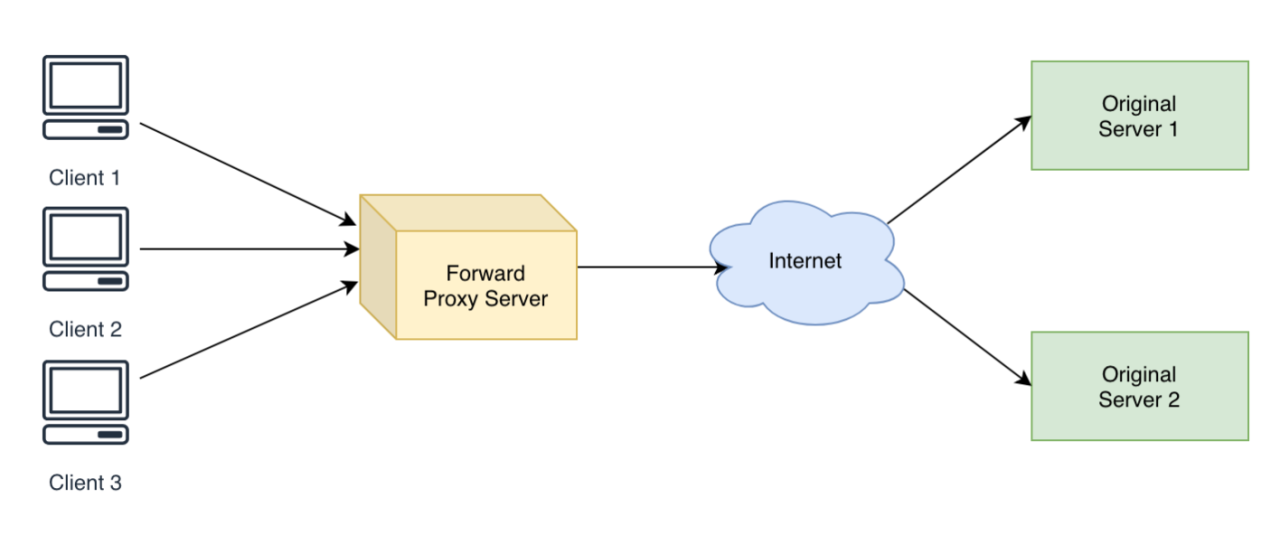
Proxies act as intermediaries between your computer and the internet. Instead of your computer’s IP address being directly visible to websites and services, the proxy’s IP address is shown. This simple act has profound implications for geolocation and online security.
Geolocation Restrictions and Design Workflow, Why web designers should use a proxy
Using a proxy allows you to bypass geolocation restrictions imposed by certain design resources or websites. For example, a stock photo site might only offer certain licenses or pricing in specific regions. By using a proxy server located in a different country, you can effectively change your apparent location and access these resources without limitations. Similarly, testing your website’s responsiveness across various regions becomes significantly easier, ensuring a consistent user experience regardless of location.
| Location | IP Address (Before Proxy) | IP Address (After Proxy) | Impact on Design Workflow |
|---|---|---|---|
| United States | 192.0.2.1 | 103.21.244.1 | Access to US-only design resource unlocked. |
| United Kingdom | 192.0.2.1 | 87.116.240.156 | Website testing in UK region simplified. |
| Australia | 192.0.2.1 | 103.21.244.177 | Ability to check localized content for Australian users. |
| Japan | 192.0.2.1 | 114.137.110.1 | Testing website functionality on Japanese browsers and networks. |
IP Address Masking and Online Security
Masking your IP address with a proxy server significantly enhances your online security, particularly when working on sensitive design projects. Your actual IP address remains hidden, protecting your personal information from potential threats like data breaches or targeted attacks. This is especially crucial when dealing with client projects or collaborating with remote teams, ensuring that your work remains confidential.
Imagine a simple illustration: Your computer (represented by a small box labeled “Your Computer”) is connected to a larger box labeled “Proxy Server.” The proxy server, in turn, connects to the internet. When you request information from a website, the request goes through the proxy server first. The website receives the proxy server’s IP address, not your computer’s.
This effectively masks your true location and protects your IP address from direct exposure.
Drawbacks of Using Proxies for Geolocation
While proxies offer numerous benefits, it’s important to acknowledge potential drawbacks. Inconsistent results can occur due to proxy server performance or limitations in the proxy’s ability to accurately mimic a specific location. Some services might actively block requests from known proxy servers, restricting access to certain resources. It is crucial to choose a reliable proxy provider to mitigate these issues.
Bypassing Website Blocks & Access Restrictions

Web design inspiration can come from anywhere, but geographical restrictions or targeted website blocks can sometimes hinder your access to crucial resources. A proxy server acts as an intermediary between your computer and the website, masking your IP address and allowing you to bypass these limitations. This opens up a world of design possibilities, granting access to tools, tutorials, and design communities that might otherwise be unavailable.
Proxies are particularly helpful when dealing with region-locked content. For example, a specific design software might only offer its beta version in certain countries, or a valuable design resource might be restricted to users within a particular geographic area. Using a proxy server with an IP address from the allowed region effectively masks your location, allowing you to access these restricted resources.
Web designers often need to test their sites across various locations and IP addresses, which is where a proxy comes in handy. Understanding how different internet connections impact your design is crucial, and sometimes that means seeing how your site looks on a YouTube video, as explained in this great article on getting it on with youtube.
By using a proxy, you can mimic these different conditions and ensure your design performs consistently regardless of the user’s location and internet speed. Ultimately, proxies help designers build better, more robust websites.
Another scenario involves accessing design inspiration from websites blocked by your workplace or educational institution. A proxy can circumvent these internal network restrictions, enabling you to research and learn without limitations.
Ethical Considerations of Bypassing Website Restrictions
While proxies offer powerful capabilities, it’s crucial to consider the ethical implications of bypassing website restrictions. Using a proxy to access content you’re not authorized to view, such as copyrighted material or premium resources without paying, is unethical and potentially illegal. Respecting copyright laws and terms of service is paramount. Always ensure you’re only using a proxy to access content that you are legitimately entitled to view.
Misusing proxies to violate a website’s terms of service or engage in malicious activities can have serious consequences.
Comparison of Proxy Types and Effectiveness in Bypassing Blocks
Understanding the different types of proxies and their capabilities is crucial for effective bypassing of website restrictions. Different proxy types offer varying levels of anonymity and functionality.
The choice of proxy type depends on the specific website restrictions and your privacy needs. Some websites are more adept at detecting and blocking proxy traffic than others.
- HTTP Proxies: These are the most common type, primarily used for web browsing. They are relatively simple to set up and use but offer limited anonymity and are often easily detected by websites employing sophisticated anti-proxy measures. Their effectiveness in bypassing blocks is moderate.
- SOCKS Proxies: SOCKS proxies offer greater flexibility and anonymity than HTTP proxies. They can handle various protocols, including HTTP, FTP, and SMTP, making them more effective at bypassing restrictions. However, they might require more technical expertise to configure.
- Anonymous Proxies: These proxies mask your IP address, but the website might still be able to detect that you are using a proxy. Their effectiveness varies greatly depending on the website’s anti-proxy measures.
- High Anonymity Proxies: These proxies provide a higher level of anonymity, making it more difficult for websites to identify that you are using a proxy. They are generally more effective at bypassing blocks, but they are often more expensive and harder to find.
Enhanced Privacy & Security: Why Web Designers Should Use A Proxy
Using a proxy server for your web design work offers significant advantages in terms of privacy and security, shielding your activities and data from prying eyes. While the benefits of geolocation masking and bypassing restrictions are clear, the enhanced protection of your personal information and browsing habits is equally crucial. This section delves into the crucial aspects of securing your online presence while using a proxy.Protecting your sensitive data and online identity is paramount in today’s digital landscape.
A reliable proxy server acts as a crucial intermediary, safeguarding your web design workflow from various threats. By understanding the selection process and potential risks, you can effectively leverage the security benefits of proxies.
Selecting a Secure and Reliable Proxy Service
Choosing the right proxy service is essential for maximizing the security benefits. A poorly configured or compromised proxy can negate the advantages and even introduce new vulnerabilities. Therefore, careful consideration of several key factors is necessary before committing to a provider.
- Reputation and Reviews: Research the proxy provider thoroughly. Check independent reviews and testimonials from other users to gauge their reliability and track record of security breaches.
- Encryption Protocols: Ensure the proxy provider uses strong encryption protocols like HTTPS to protect your data in transit. Look for providers explicitly mentioning support for TLS 1.2 or higher.
- Logging Policy: A strict no-logs policy is vital. A provider that logs your browsing activity defeats the purpose of using a proxy for privacy. Verify their claims by carefully reviewing their privacy policy.
- Location and Jurisdiction: Consider the location of the proxy server and the legal jurisdiction it operates under. Data privacy laws vary significantly across countries.
- Customer Support: Reliable customer support is crucial in case of technical issues or security concerns. Check the provider’s support channels and response times.
- Price and Features: While cost is a factor, prioritize security features over cheap options. Consider features like dedicated IP addresses for enhanced security and anonymity.
Potential Security Risks Associated with Using Proxies
While proxies offer significant security advantages, they are not without potential risks. Understanding these risks allows you to mitigate them effectively.Compromised proxies are a major concern. If the proxy server itself is insecure or has been hacked, your data could be intercepted or misused. Data breaches from the proxy provider can expose your browsing history, IP address, and other sensitive information.
Choosing a reputable provider with robust security measures is crucial to minimize this risk. Additionally, using a free proxy often exposes you to greater risks due to lower security standards and potentially malicious intent from the provider.
Proxy Server Protection of Web Designer’s Browsing Activity
A proxy server acts as an intermediary between your computer and the websites you visit. This intermediary role is key to protecting your privacy.
Data Flow Without a Proxy: Your computer directly connects to the website. Your IP address and other identifying information are visible to the website and any third-party trackers it uses. The website receives your requests directly and sends the response back to your computer. All this data travels openly across the network.
Data Flow With a Proxy: Your computer connects to the proxy server. Your request is sent to the proxy server, which then forwards it to the website. The website receives the request from the proxy server’s IP address, not yours. The website sends the response to the proxy server, which then forwards it to your computer. Your actual IP address remains hidden from the website and third-party trackers.
Illustrative Flowchart (textual representation):
Without Proxy: Computer –> Website (Your IP visible)
With Proxy: Computer –> Proxy Server –> Website –> Proxy Server –> Computer (Your IP hidden)
Improved Website Testing & Performance Monitoring
Using a proxy server significantly enhances your website testing capabilities, allowing for a more comprehensive and realistic assessment of performance across diverse user environments. By simulating various network conditions and geographic locations, you can identify and address potential bottlenecks before your website goes live, ultimately leading to a smoother and more satisfying user experience.
Proxies enable you to control network parameters like bandwidth and latency, mimicking the conditions users experience in different parts of the world or with varying internet connections. This is crucial for identifying performance issues that might only appear under specific network constraints. For instance, a website that loads quickly on a high-bandwidth connection might become sluggish for users with limited bandwidth, a problem easily uncovered through proxy-based testing.
Simulating Network Conditions During Website Testing
Setting up a test using a proxy to simulate different network conditions involves several steps. First, you’ll need to select a proxy server that offers customizable network settings. Many commercial proxy services allow you to adjust parameters such as latency (delay in data transmission) and bandwidth (data transfer rate). You then configure your browser or testing tools (like Selenium or Cypress) to route traffic through this chosen proxy.
This is usually done by specifying the proxy server’s IP address and port in your browser’s network settings or within the configuration files of your testing framework. Finally, you run your website performance tests, monitoring metrics such as page load time, time to first byte (TTFB), and other relevant performance indicators. By systematically altering the proxy’s simulated network conditions, you can observe how your website responds to different levels of bandwidth and latency, pinpointing potential performance bottlenecks.
For example, you might simulate a low-bandwidth connection (e.g., 512kbps) to see how images and videos load, or a high-latency connection (e.g., 500ms) to assess the impact on interactive elements.
A/B Testing and Geographic User Data Gathering
Proxies are invaluable for A/B testing and collecting user data from various geographical locations. In A/B testing, you can use different proxies to target specific user segments based on their geographical location. This allows you to see how different versions of your website perform in various regions, accounting for cultural differences and local network conditions. Similarly, gathering user data through proxies provides a more accurate representation of your global user base, avoiding biases caused by regional network variations.
For instance, if your analytics are primarily based on users connecting directly, you might miss performance issues affecting users in regions with slower internet speeds. Using proxies to simulate these conditions gives you a more holistic view.
Website Performance Comparison: Direct Access vs. Proxy Access
The following table compares website performance when accessed directly versus through a proxy server. Note that these are example values and will vary depending on the website, proxy server, and network conditions.
| Direct Access | Proxy Access (Simulating 256kbps, 200ms Latency) |
|---|---|
| Page Load Time: 1.5 seconds | Page Load Time: 4.2 seconds |
| Time to First Byte (TTFB): 0.2 seconds | Time to First Byte (TTFB): 0.8 seconds |
| Responsiveness: Excellent | Responsiveness: Moderate (noticeable delays) |
Scraping Data & Content Aggregation
Web scraping, the automated extraction of data from websites, offers immense potential for market research, price comparison, and content aggregation. However, leveraging proxies for this task introduces a complex interplay of technical considerations and legal and ethical responsibilities. Understanding these aspects is crucial for responsible and effective web scraping.
Legal and Ethical Considerations of Using Proxies for Web Scraping
Using proxies for web scraping doesn’t inherently change the legality or ethics of the scraping itself. The legality hinges on the website’s terms of service, robots.txt directives, and applicable copyright laws. Scraping data that is explicitly prohibited or violates copyright is illegal, regardless of whether proxies are used. Ethically, respect for website owners’ wishes and avoiding overloading their servers are paramount.
Responsible scraping involves adhering to robots.txt guidelines, respecting rate limits, and avoiding actions that could negatively impact the website’s performance or availability. Furthermore, the use of scraped data should be transparent and comply with data privacy regulations like GDPR or CCPA, depending on the data’s origin and intended use. For example, scraping personal information without consent is a serious ethical and legal breach.
Steps Involved in Using a Proxy for Web Scraping
Selecting the right proxy server is a critical first step. Factors to consider include location, anonymity level (rotating proxies are often preferred to avoid IP bans), and speed. Many proxy providers offer different tiers of service catering to varying needs and budgets. After selecting a suitable proxy, the scraping process itself involves several stages: First, you’ll need to choose a scraping library or framework, such as Beautiful Soup (Python) or Cheerio (Node.js).
These tools allow you to parse HTML or XML content efficiently. Then, you integrate your chosen proxy into your scraping script, ensuring your requests are routed through the proxy server. This typically involves configuring your HTTP client library to use the proxy’s IP address and port. Finally, you define your scraping logic to extract the specific data you need from the website’s HTML structure, carefully adhering to the website’s robots.txt and terms of service.
Potential Limitations and Challenges When Using Proxies for Web Scraping
Despite the benefits, using proxies for web scraping presents challenges. Rate limiting, where websites restrict the number of requests from a single IP address within a given time frame, is a common obstacle. Proxies can mitigate this to an extent by distributing requests across multiple IP addresses, but excessive scraping can still lead to IP bans, even with rotating proxies.
Another challenge is maintaining the quality and accuracy of scraped data. Websites frequently update their structure and content, requiring constant adjustments to your scraping scripts. Furthermore, some websites employ sophisticated anti-scraping techniques, including CAPTCHAs and honeypots, which can hinder automated scraping efforts. Overcoming these challenges often requires a combination of techniques, including sophisticated proxy management, robust error handling in your scraping scripts, and regular updates to adapt to website changes.
For instance, a website might employ a CAPTCHA system to identify and block automated requests; in such a case, integrating a CAPTCHA-solving service into your scraping process might be necessary, although this adds complexity and cost.
Conclusion

Source: techbullion.com
Ultimately, the decision of whether or not to use a proxy for web design work is a personal one, based on your specific needs and priorities. However, understanding the benefits – from enhanced privacy and security to improved website testing and the ability to bypass geographical restrictions – is essential for any modern web designer. By carefully weighing the pros and cons and selecting a reputable proxy service, you can leverage this powerful tool to optimize your workflow, protect your data, and create exceptional designs.
So, are you ready to explore the world of proxies and elevate your design game?
Detailed FAQs
What are the different types of proxies?
There are several types, including HTTP, SOCKS4, SOCKS5, and more. HTTP proxies are generally simpler to use and suitable for basic tasks, while SOCKS proxies offer greater flexibility and can handle various protocols.
Is using a proxy always legal?
Generally yes, but it’s crucial to respect the terms of service of the websites you access and avoid using proxies for illegal activities like scraping copyrighted material without permission.
How do I choose a reliable proxy service?
Look for services with a strong reputation, good customer support, and transparent pricing. Consider factors like speed, location options, and security features.
Can proxies slow down my internet speed?
Potentially, yes. The speed depends on the proxy server’s location, load, and your own internet connection. A high-quality, well-maintained proxy service should minimize this impact.