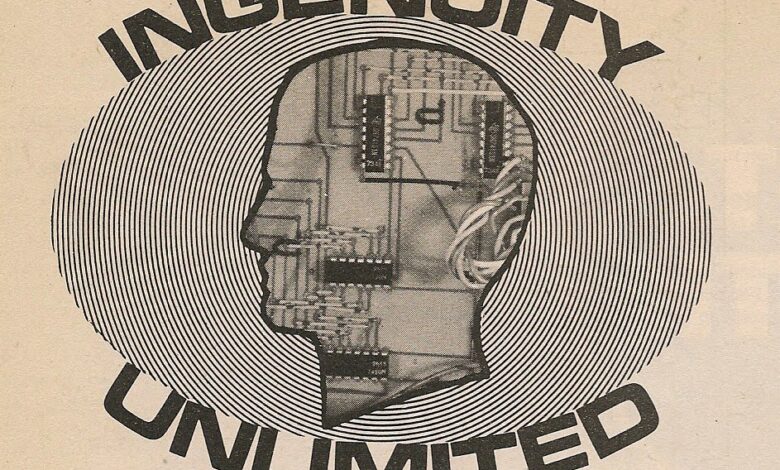
70s Graphic Design Trends A Retro Rewind
70s graphic design trends weren’t just about bell bottoms and platform shoes; they were a vibrant explosion of color, shape, and typography that reflected the era’s social and cultural shifts. Think bold geometric patterns, psychedelic swirls, and a playful use of typefaces that screamed individuality. This groovy journey delves into the key elements that defined this iconic design period, from the avocado-green palettes to the hand-drawn lettering that made it so unforgettable.
Prepare to be transported back to a time when design was bold, unapologetic, and totally radical.
We’ll explore the dominant color palettes, the distinctive typography and lettering styles, the prevalent use of geometric shapes and patterns, and the characteristic photographic and illustrative techniques. We’ll also touch upon the psychology behind the color choices and the impact these design elements had on the overall aesthetic of the time. Get ready for a blast from the past!
Retro Colors and Palettes
The 1970s was a decade of bold experimentation in graphic design, and this extended to the color palettes used. Moving away from the more muted tones of previous decades, the 70s embraced vibrant, sometimes clashing, hues that reflected the era’s optimistic yet slightly psychedelic spirit. These colors weren’t just aesthetically pleasing; they also conveyed specific cultural and social messages.
Dominant Color Palettes of the 1970s
The 70s saw a rise in earthy tones, bright primaries, and unexpected pairings that created a unique visual language. Think avocado greens, burnt oranges, mustard yellows, and browns, often combined with shocking pinks, bright blues, and deep purples. These palettes reflected a back-to-nature movement alongside a burgeoning counter-culture that embraced bold self-expression. The use of brown and orange was influenced by the popularity of wood paneling and earth tones in interior design, while the brighter colors reflected the vibrancy of pop art and the psychedelic movement.
Examples of Popular 1970s Color Combinations
Several color combinations dominated 70s graphic design. One popular pairing was Avocado Green and Harvest Gold, often seen in kitchen appliances and home décor. Mustard Yellow combined with Burnt Orange created a warm, earthy feel, while combinations of Brown, Orange, and Teal offered a more sophisticated, yet still distinctly 70s, aesthetic. The use of shocking pink alongside deep purples or teal blues created a dramatic contrast, typical of the decade’s adventurous spirit.
Psychological Impact of 1970s Color Choices
The psychological impact of these color choices is multifaceted. Earthy tones like brown and avocado green evoked feelings of stability and connection to nature, reflecting a societal shift towards environmental awareness. The bright, primary colors, on the other hand, conveyed energy, optimism, and a sense of freedom, aligning with the counter-culture movement’s emphasis on individuality and self-expression. The unexpected juxtapositions of colors, often considered clashing by today’s standards, created a sense of playful unconventionality, reflecting the era’s experimental nature.
A 1970s Inspired Color Palette
Here’s a color palette inspired by the dominant hues of the 1970s, presented in a responsive HTML table:
| Color Name | Hex Code | Color Name | Hex Code |
|---|---|---|---|
| Avocado Green | #508040 | Harvest Gold | #DAA520 |
| Mustard Yellow | #FFDB58 | Burnt Orange | #CC5500 |
| Shocking Pink | #FF69B4 | Teal Blue | #008080 |
Typography and Lettering Styles: 70s Graphic Design Trends
The 1970s saw a vibrant explosion of typographic styles, reflecting the decade’s eclectic and often rebellious spirit. From bold, geometric sans-serif fonts to swirling, psychedelic scripts, the typography of the era mirrored the diverse artistic movements and cultural shifts happening around the world. This period saw a fascinating interplay between traditional typefaces and newly emerging experimental approaches, creating a visually rich and memorable aesthetic.
The 70s typography scene was characterized by a willingness to experiment and push boundaries. This era embraced both the clean lines of modernism and the expressive freedom of more handcrafted styles, often blending the two in unexpected and exciting ways. The use of color, particularly bold and contrasting palettes, played a significant role in enhancing the impact of these typographic choices.
Prevalent Typeface Families
The 70s witnessed the continued popularity of several established typeface families, alongside the emergence of new designs that captured the zeitgeist. Classic serif fonts like Times New Roman and Baskerville found their place in more traditional applications, while newer, bolder designs began to gain traction in advertising and popular culture. Sans-serif fonts like Helvetica and Univers, known for their clean lines and readability, were widely adopted for their modern appeal, representing a move towards a more streamlined aesthetic.
Other notable families included Futura, Gill Sans, and Akzidenz-Grotesk, each contributing to the diverse typographic landscape of the decade.
Serif and Sans-serif Font Usage
Serif and sans-serif fonts occupied distinct yet sometimes overlapping roles in 1970s design. Serif fonts, with their delicate flourishes, often lent a sense of sophistication and tradition, suitable for formal documents and high-end publications. Conversely, sans-serif fonts, characterized by their clean, unadorned strokes, conveyed a sense of modernity and efficiency, frequently used in corporate branding and minimalist designs.
However, the boundaries between these categories often blurred; designers creatively combined both styles within a single piece, creating visual tension and contrast to reflect the decade’s complex atmosphere. The use of bold weights and unconventional pairings further pushed the boundaries of traditional typographic conventions.
Distinctive Lettering Styles
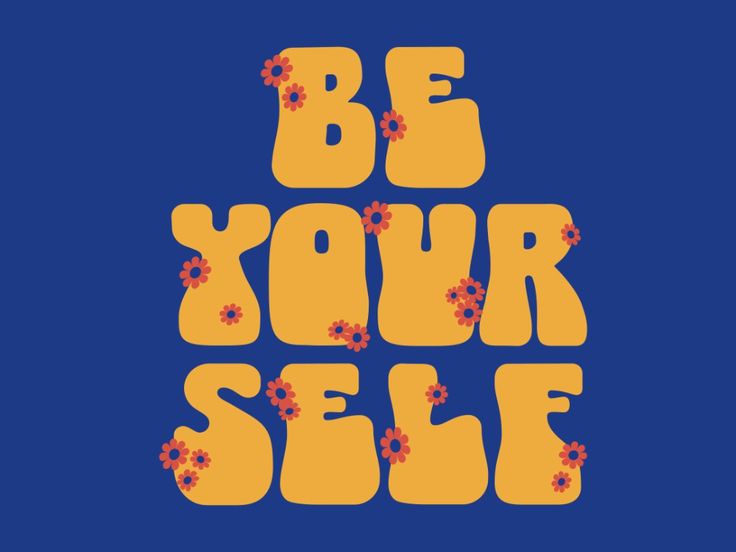
The 70s saw the flourishing of distinctive lettering styles that mirrored the decade’s artistic trends. Psychedelic lettering, heavily influenced by the counterculture movement, featured flowing, organic forms, often incorporating vibrant colors and distorted perspectives. These fonts mimicked the hallucinatory effects often associated with psychedelic art, reflecting the period’s exploration of altered states of consciousness. In contrast, Art Deco-inspired fonts, with their geometric shapes and elegant lines, evoked a sense of glamour and sophistication, referencing the Art Deco movement of the 1920s and 30s.
This stylistic juxtaposition showcased the 70s’ fascination with both retro styles and forward-thinking design.
Techniques for Creating Custom Lettering
Custom lettering played a pivotal role in shaping the unique visual identity of 70s design. Hand-drawn lettering, often characterized by its personal touch and expressive quality, was frequently used to create logos, posters, and album art. The imperfections inherent in hand-drawn lettering added a sense of authenticity and immediacy, reflecting the anti-establishment sentiment of the time. Airbrushing, another popular technique, allowed for the creation of smooth gradients and soft, ethereal effects, adding a distinctive visual texture to lettering.
These handcrafted techniques contrasted sharply with the precision of digitally-produced fonts, emphasizing the human element within design.
Examples of 70s Typography Styles
- Psychedelic Script: Imagine swirling, interconnected letters in vibrant hues of orange, purple, and green, with elements that appear to melt or flow into one another. Think of album art for bands like Jimi Hendrix or Grateful Dead, with letters that seem to vibrate with energy.
- Bold Sans-serif Headlines: Picture stark white, uppercase lettering in a bold sans-serif font like Helvetica or Univers, set against a contrasting background of deep brown or burnt orange. This style conveyed a sense of strength and directness, often seen in advertising campaigns.
- Art Deco-inspired Lettering: Envision elegant, geometric lettering with sharp angles and stylized flourishes, reminiscent of the Jazz Age. Think of stylized numerals and lettering with a metallic sheen, perhaps incorporating gold or silver accents, reminiscent of posters advertising luxury goods.
- Hand-drawn Logotypes: Visualize a logo featuring a custom-designed typeface, with a slightly uneven, hand-drawn quality. Perhaps a logo for a boutique or a small business, showcasing a unique personality and a sense of handcrafted authenticity.
- Airbrushed Lettering: Picture lettering with soft, blended edges and a subtle, almost hazy appearance, created using an airbrush technique. This style often featured gradients and a sense of movement, often seen on album covers or promotional materials.
Geometric Shapes and Patterns
The 1970s saw a surge in the use of geometric shapes and patterns in graphic design, reflecting the era’s fascination with bold, structured aesthetics and a departure from the more organic forms of previous decades. This stylistic choice wasn’t merely decorative; it conveyed a sense of order, modernity, and even optimism in a time of significant social and political change.
The clean lines and precise forms offered a stark contrast to the often-chaotic backdrop of the era.Geometric shapes, primarily circles, squares, and triangles, were not simply used individually but were skillfully combined to create dynamic and visually striking compositions. These combinations often resulted in unexpected and exciting visual effects, moving beyond the simple and predictable. The interplay of these basic shapes allowed designers to create a sense of depth, movement, and visual interest within their work.
This deliberate arrangement and manipulation of shapes were key to the distinctive 70s aesthetic.
Geometric Shape Combinations in 70s Design
The strategic juxtaposition of circles, squares, and triangles created a sense of visual tension and energy. For instance, a sharp-edged square might be softened by the curves of a circle, or a triangle might be used to break up the monotony of a repeating square pattern. This careful balancing of shapes resulted in designs that were both structured and playful.
Think of logos that utilized overlapping circles and squares to create a sense of interconnectedness or posters that employed triangles to direct the viewer’s eye towards a central point. The interplay between positive and negative space, often created through the arrangement of these geometric shapes, also played a significant role in the overall impact of the design.
Repeating Geometric Patterns in 70s Design
Repeating geometric patterns were ubiquitous in 70s design, contributing significantly to the era’s visual rhythm and overall aesthetic. These patterns, often incorporating variations in color and scale, added a layer of texture and visual interest to designs. They were used extensively in everything from wallpaper and textiles to album covers and advertising campaigns. The repetition itself created a sense of stability and order, contrasting with the often-complex arrangements of the shapes within the patterns.
The patterns were not merely decorative; they were integral to the overall design, often reflecting the themes or messages being conveyed.
Groovy fonts and bold colors defined 70s graphic design, a total vibe shift from the previous decade. Thinking about how to showcase that retro aesthetic online? Well, you should check out this awesome guide on getting it on with youtube to learn how to create engaging video content. After all, mastering YouTube is key to sharing your passion for 70s design with a wider audience.
Examples of Geometric Elements in 70s Design Materials
The use of geometric shapes and patterns extended across a wide range of design materials. Logos frequently featured simple, bold geometric forms, often incorporating color gradients that added to their visual appeal. Consider the iconic logos of many companies founded or redesigned during this period; many still echo the minimalist, geometric style of the era. Posters, often used for political or social messaging, employed geometric shapes to create a sense of urgency and impact.
The strong, bold lines and shapes helped to convey information quickly and effectively. Even packaging design embraced geometric forms, using them to create a sense of modernity and sophistication.
A 1970s Inspired Geometric Pattern
Imagine a pattern composed of overlapping squares and circles in shades of burnt orange, avocado green, and mustard yellow – quintessential 70s colors. The squares, slightly larger than the circles, are arranged in a staggered grid, with the circles nestled in the spaces between the squares. Some squares are filled with a solid color, while others have a smaller, contrasting-colored square within them.
The circles are sometimes solid, and sometimes feature a thin, contrasting Artikel. The overall effect is a vibrant, yet balanced, pattern that captures the playful yet structured nature of 70s design. The slightly imperfect alignment of the shapes adds to the organic feel, preventing the design from becoming overly rigid. This pattern could easily be applied to wallpaper, fabric, or even as a background element in a poster or website design, instantly evoking the spirit of the 1970s.
Photographic Styles and Techniques
Source: pinimg.com
The 1970s saw a fascinating evolution in photographic styles, heavily influencing graphic design. Moving away from the stark perfection of earlier decades, 70s photography embraced a more raw, sometimes gritty aesthetic, reflecting the social and cultural shifts of the time. This stylistic shift mirrored the broader design trends of the era, emphasizing bold colors and a sense of dynamic energy.The use of color and contrast in 70s photography was often dramatic.
Think vibrant, saturated hues alongside deep shadows, creating a high-impact visual experience. This wasn’t always about realism; instead, it frequently served to evoke a specific mood or feeling, often one of nostalgia, rebellion, or even surrealism. The interplay between light and dark wasn’t merely technical; it became a powerful compositional tool.
Color and Contrast in 70s Photography
Color photography in the 70s frequently employed bold, sometimes almost garish, color palettes. Think rich oranges, deep browns, and vibrant greens, often contrasted with stark whites or blacks. This approach was a departure from the more muted tones of previous decades. High contrast, with strong highlights and deep shadows, was a defining characteristic, adding depth and drama to images.
This high contrast was often used to create a sense of dynamism and energy, reflecting the spirit of the times. Consider album covers from bands like Fleetwood Mac or Pink Floyd; their photography often showcased this high-contrast, saturated color approach.
Photographic Techniques of the 1970s
Several photographic techniques contributed to the distinctive look of 70s imagery. The use of filters, for example, was common, creating soft focus effects or altering color tones. A grainy texture, often a result of film stock or processing techniques, added to the raw, authentic feel. Soft focus, intentionally blurring parts of the image, was also used to create a dreamlike or romantic atmosphere.
These techniques were not merely technical imperfections; they were stylistic choices, adding to the overall aesthetic.
Integration of Photography and Graphic Design
Photography wasn’t simply an illustration; it was integral to the overall design. Photographs were often incorporated into posters, album covers, and magazine layouts, seamlessly blending with other graphic elements like typography and geometric shapes. The interplay between photographic imagery and graphic design elements created a cohesive and powerful visual statement. For instance, a poster might feature a highly stylized photograph overlaid with bold typography and geometric shapes, creating a visually arresting piece that captured the zeitgeist of the era.
Example: A 1970s Promotional Poster
Imagine a promotional poster for a new rock album. The photograph depicts a close-up of a young woman’s face, her expression a mix of defiance and vulnerability. The lighting is dramatic, with harsh shadows accentuating her cheekbones and eyes. Her hair is styled in a long, flowing mane, typical of the era, and she wears a simple, yet striking, outfit – perhaps a flowing bohemian dress or a leather jacket.
The overall color palette is rich and saturated, with deep browns and oranges dominating the image, punctuated by sharp highlights on her face and hair. The grain of the film stock is visible, adding to the raw, authentic feel. The composition is tightly framed, focusing attention on the subject’s face and expression. The photograph is overlaid with the album title, rendered in a bold, sans-serif typeface, perhaps in a vibrant orange or yellow, echoing the dominant colors in the photograph.
Geometric shapes, such as bold squares or circles, might be subtly incorporated into the design, further enhancing the overall visual impact. The overall effect is one of raw energy, capturing the spirit of rebellion and self-expression that characterized the 1970s.
Illustrative Styles and Techniques
Source: in.th
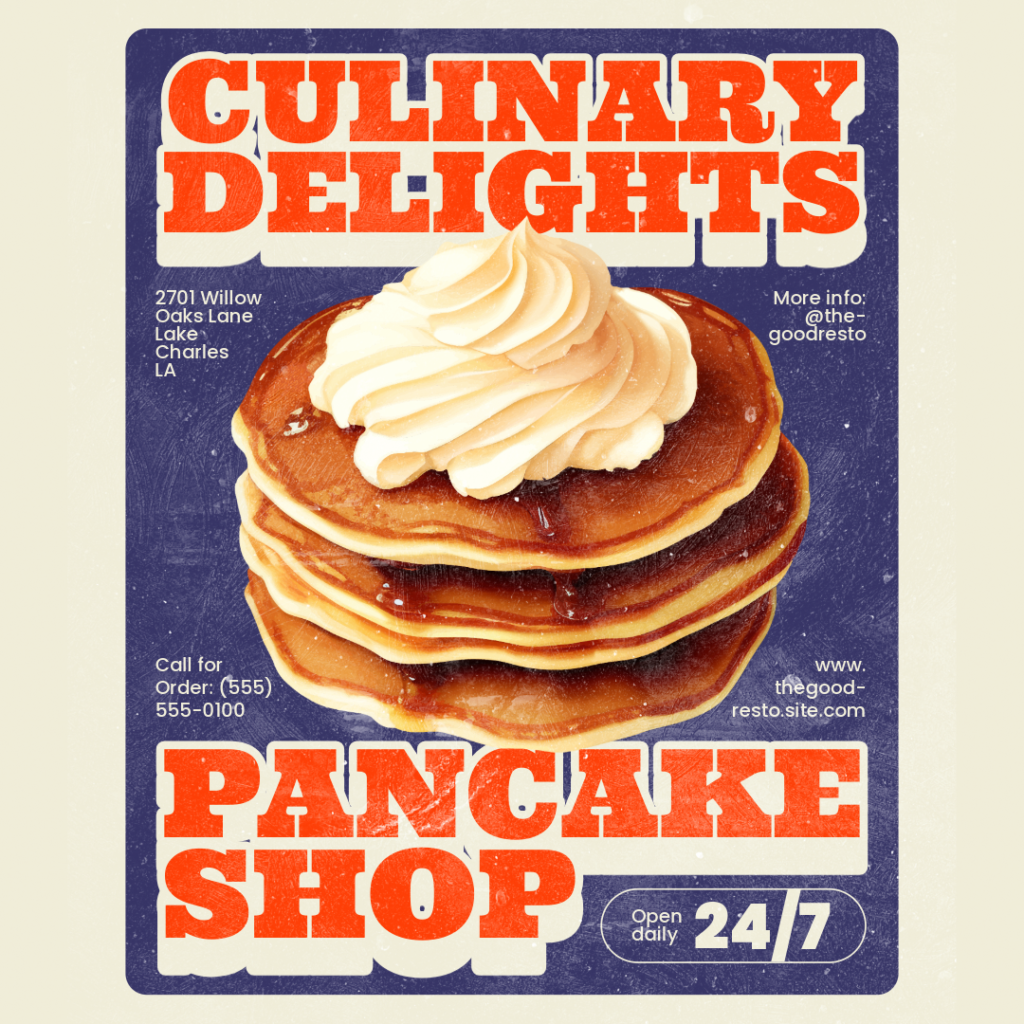
The 1970s witnessed a vibrant explosion of illustrative styles, reflecting the decade’s counter-cultural movements, technological advancements, and evolving social landscape. These styles weren’t just decorative; they were integral to conveying the spirit of the era, appearing everywhere from album art to advertising campaigns and beyond. The techniques used were as diverse as the styles themselves, reflecting both traditional methods and emerging technologies.The dominant illustrative styles of the 70s drew heavily from existing movements, but with a distinctly ’70s twist.
Psychedelic art, with its swirling patterns, intense colors, and distorted imagery, continued to influence design, albeit often in a more refined and less chaotic manner than its 60s counterpart. Pop Art’s bold graphics and use of everyday imagery remained prevalent, but frequently incorporated a more nostalgic or retro feel. Simultaneously, a resurgence of Art Nouveau and Art Deco elements added a layer of elegance and sophistication to many illustrations.
These styles often overlapped and blended, resulting in a uniquely eclectic aesthetic.
Psychedelic and Pop Art Influences in 70s Illustration
Psychedelic art’s influence in the 1970s was less about the raw energy of the 60s and more about a refined, almost decorative application of its core elements. Think less swirling chaos, more controlled bursts of color and pattern. Pop Art, on the other hand, maintained its bold simplicity, often featuring recognizable imagery, but with a distinctly 70s color palette and a sometimes ironic or nostalgic twist.
For example, a pop art depiction of a vintage car might use muted earth tones instead of the bright primary colors of the 60s. The contrast lies in the intention; Psychedelic art aimed to evoke altered states of consciousness, while Pop Art aimed to elevate everyday objects to the level of high art, often with a commentary on consumerism.
Illustrative Techniques of the 1970s
The creation of 70s illustrations involved a variety of techniques. Hand-drawing remained a cornerstone, with artists using pens, pencils, markers, and paints to create their artwork. Airbrushing gained immense popularity, allowing for smooth gradients and seamless blends of color, particularly in advertising and album art. Collage also played a significant role, allowing artists to combine different textures and materials to create unique and layered effects.
These techniques were often combined; for example, an artist might create a hand-drawn sketch, then use airbrushing to add color and refine the details, and finally incorporate collage elements for added texture.
Applications of 70s Illustrations
Illustrations found their way into a wide range of design applications in the 1970s. Album covers, particularly in the progressive rock and folk genres, frequently featured elaborate and surreal illustrations that reflected the music’s themes and mood. Advertising campaigns utilized illustrations to create memorable and eye-catching visuals, often incorporating the bold colors and geometric shapes characteristic of the era.
Magazines and newspapers also employed illustrations, using them to add visual interest to articles and stories. Even product packaging frequently featured illustrations, contributing to the overall aesthetic of the product.
A Groovy Flower Child Illustration, 70s graphic design trends
Imagine a vibrant illustration of a flower child, sitting cross-legged in a sun-drenched meadow. Her long, flowing hair is a cascade of browns and oranges, interspersed with daisies and sunflowers, painted with a loose, almost impressionistic style. Her clothing is a patchwork of earthy tones and bright paisley patterns, rendered with meticulous detail, suggesting a hand-stitched quality. The airbrushing technique is evident in the smooth gradients of color in her clothing and the soft, hazy background, depicting rolling hills and a clear blue sky.
Fine lines, created with a pen, add definition to the individual flower petals and the intricate patterns on her clothing. The overall effect is one of relaxed peacefulness, yet with a strong sense of vibrancy and individuality, perfectly encapsulating the spirit of the era. The style blends elements of Psychedelic art (the free-flowing hair and organic forms) with Pop Art’s bold use of color and pattern.
End of Discussion
Source: blogspot.com
The 1970s left an undeniable mark on graphic design, influencing trends even today. Its bold experimentation with color, typography, and form continues to inspire modern designers. From the groovy optimism of psychedelic art to the clean lines of geometric shapes, the 70s aesthetic remains a testament to a time of creative freedom and self-expression. So next time you see a design with a retro vibe, remember the decade that dared to be different and made bold, unforgettable statements through its visuals.
FAQ Resource
What was the impact of the counter-culture movement on 70s graphic design?
The counter-culture movement heavily influenced 70s design, promoting individualism, experimentation, and a rejection of traditional norms. This led to the rise of psychedelic art, bold typography, and unconventional layouts.
Were computers used in 70s graphic design?
While computers existed, their use in graphic design was limited. Most designs relied on hand-drawn illustrations, airbrushing, and traditional printing techniques.
How did 70s graphic design differ from the preceding decades?
70s design broke away from the more restrained styles of previous decades. It embraced vibrant colors, playful typography, and bold geometric shapes, reflecting a more optimistic and expressive cultural mood.
What are some examples of iconic 70s graphic design?
Iconic examples include album covers by artists like Jimi Hendrix and Pink Floyd, posters for movies and concerts, and advertisements featuring bold colors and geometric shapes.