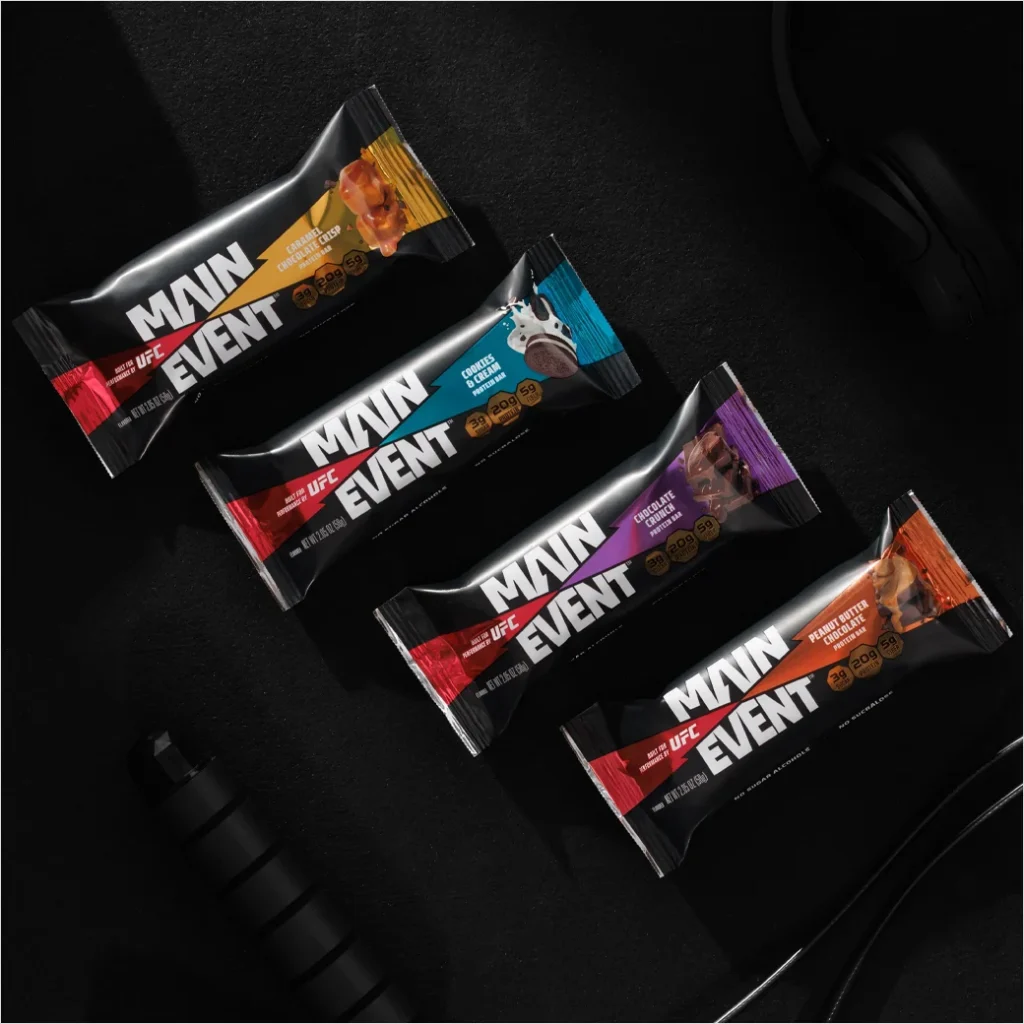

The Ultimate Fighting Championship (UFC), the world’s premier mixed martial arts organization, has officially entered the performance nutrition sector with the unveiling of a brand-new product line titled "Main Event." Developed as a strategic partnership between the combat sports giant and Phoenix, Arizona-based FoodStory Brands, the debut offering introduces a series of high-protein snack bars designed to mirror the nutritional demands of elite athletes. The launch signifies a major commercial expansion for the UFC, translating its high-octane brand identity into a consumer-packaged goods (CPG) format that targets fitness enthusiasts, martial arts practitioners, and everyday consumers seeking functional sports nutrition.
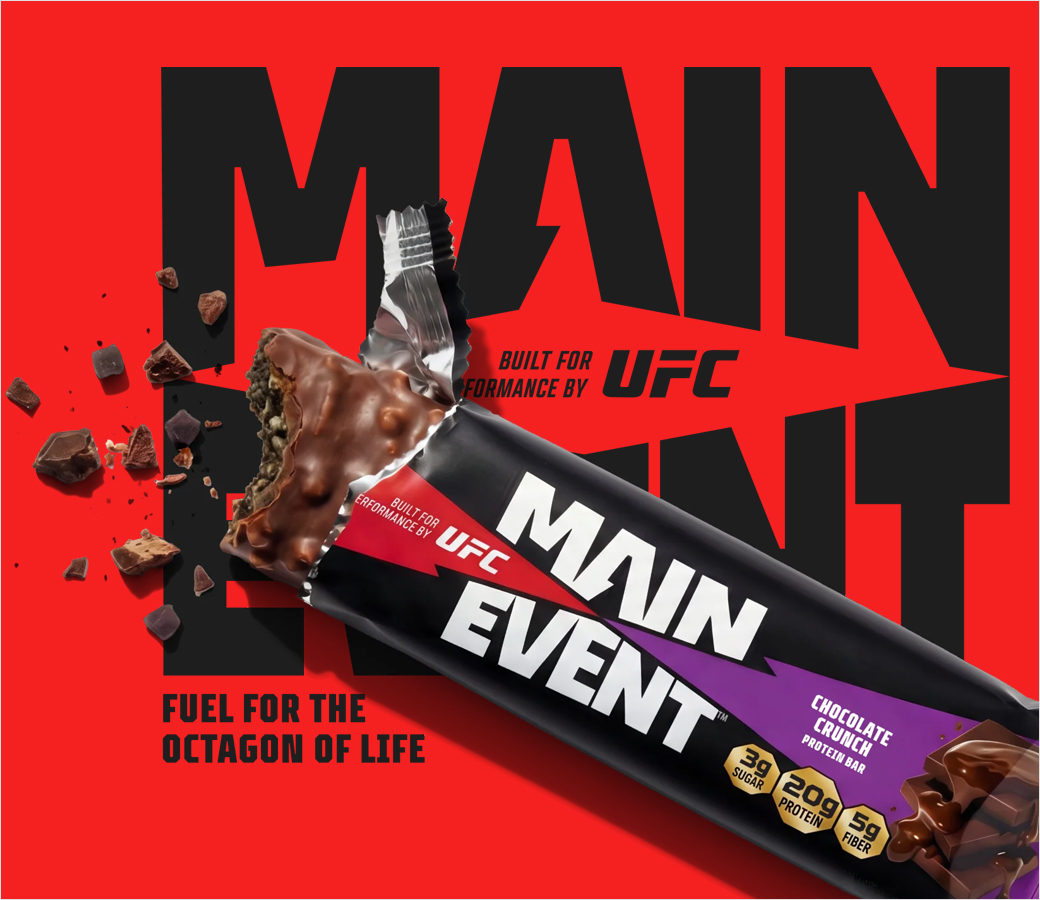
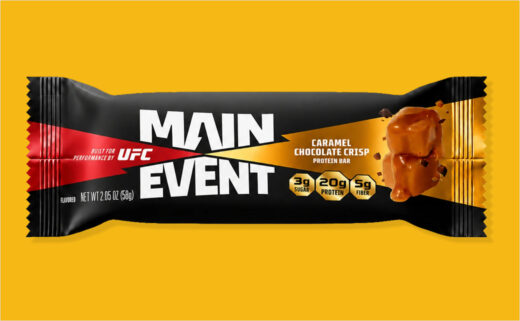
The initial rollout of the Main Event product line features four distinct, flavor-forward varieties: Chocolate Crunch, Cookies & Cream, Peanut Butter Chocolate, and Caramel Chocolate Crisp. Each bar is formulated to deliver a reported 20 grams of premium protein, aligning with standard industry benchmarks for muscle recovery and post-workout nutritional replenishment. Beyond the basic protein content, the formulation process involved extensive research and development aimed at balancing macronutrients, dietary fiber, and functional ingredients to support sustained energy and physical recovery.
Science-Backed Formulation and the Role of the UFC Performance Institute
A central pillar of the Main Event brand strategy is its direct lineage to the UFC Performance Institute (UFC PI). Serving as the combat sports organization’s state-of-the-art research, training, and recovery facility, the UFC PI has built a global reputation for applying sports science, advanced analytics, and nutritional protocols to professional fighters competing at the highest levels of mixed martial arts.
Unlike standard celebrity or sports-licensed nutritional products that often rely solely on branding without specialized formulation, the Main Event protein bars were developed in close collaboration with the UFC PI’s internal team of sports scientists, dietitians, and physical preparation experts. This institutional backing is designed to grant the product immediate credibility within the crowded and highly competitive functional food market.
Dr. Duncan French, senior vice president of the UFC PI, emphasized the rigorous standards applied during the creation of the brand. When the development team set out to construct Main Event, the objective was deliberately positioned away from producing a generic, mass-market protein bar. According to Dr. French, every individual macronutrient, gram of fiber, and functional component was intentionally selected and subjected to strict vetting protocols. The goal was to deliver genuine physiological utility that could effectively support human performance under rigorous physical demands.
Echoing these sentiments, Jordan Jedeikin, executive vice president of business development at FoodStory Brands, highlighted the collaborative nature of the partnership. By leveraging the deep expertise of the UFC PI staff, the joint venture aimed to transcend the traditional boundaries of convenience snacking, ultimately positioning the product as a comprehensive daily performance tool rather than a mere confectionery alternative.
Chronology of the UFC Brand Expansion and CPG Strategy
The arrival of the Main Event product line does not happen in a vacuum; it represents the latest milestone in a calculated, multi-decade evolution of the UFC’s commercial portfolio. Since its acquisition by Zuffa in 2001, and its subsequent multi-billion-dollar sale to Endeavor in 2016, the organization has aggressively transformed from a niche, controversial fighting league into a mainstream global sports entertainment conglomerate.
Over the past decade, the UFC has diversified its revenue streams significantly. Key historical milestones in this expansion include:
- The Global Expansion of the UFC Performance Institute: Following the opening of the flagship facility in Las Vegas, Nevada, in 2017, the organization expanded its scientific footprint by opening secondary state-of-the-art facilities internationally, such as the UFC PI Shanghai in 2019. These centers laid the groundwork for proprietary internal research regarding athlete weight management, recovery, and nutrition.
- Media Rights and Global Broadcasting Dominance: Securing landmark multi-year media rights agreements—most notably the historic broadcast partnership with ESPN in the United States—cemented the UFC’s weekly presence in millions of households, dramatically expanding its total addressable market for consumer goods.
- Apparel and Equipment Monopolies: High-profile global licensing deals, including long-term uniform and apparel partnerships with major athletic brands like Reebok and later Venum, proved that the UFC logo held immense commercial sway over consumer purchasing habits outside of pay-per-view buy rates.
- The Launch of Main Event (Autumn 2026): Representing the culmination of years of internal nutritional data collection from elite fighters, the UFC officially introduces its own co-branded performance nutrition line in collaboration with FoodStory Brands, targeting domestic retail channels across the United States.
Market Implications and Competitive Positioning
The functional food and sports nutrition market is a multi-billion-dollar industry experiencing steady global growth. Driven by increasing consumer awareness regarding health, fitness, preventive wellness, and high-protein dietary habits, supermarket shelves and specialty supplement stores are saturated with protein bars, shakes, and functional snacks. Brands ranging from legacy supplement companies to mainstream confectionery giants continually vie for retail shelf space and consumer loyalty.
Entering this landscape with a combat-sports-themed brand presents both unique advantages and distinct challenges. On one hand, the UFC possesses a fiercely loyal, highly engaged demographic of fans who skew young, active, and fitness-oriented. The brand equity associated with toughness, discipline, and peak physical conditioning provides Main Event with an authentic marketing narrative that resonates deeply with gym-goers and athletes. Furthermore, the operational backing of FoodStory Brands ensures robust supply chain management, distribution logistics, and retail placement capabilities across major American grocery and convenience store chains.
Conversely, the protein bar segment is notoriously crowded and characterized by low consumer switching costs. Shoppers frequently experiment with new flavors and formulations, but long-term brand retention depends heavily on taste texture, price point, and actual nutritional efficacy. By focusing explicitly on a 20-gram protein profile across four distinct mainstream flavor profiles—Chocolate Crunch, Cookies & Cream, Peanut Butter Chocolate, and Caramel Chocolate Crisp—Main Event has positioned itself squarely in the most popular and fiercely contested sector of the market.
Broader Industry Impact and Future Outlook
The launch of the Main Event brand by the UFC and FoodStory Brands highlights a broader trend in modern sports business: the transition of sports leagues into lifestyle and consumer product ecosystems. Major sports organizations increasingly recognize that their intellectual property extends far beyond live event ticket sales, sponsorship banners, and television broadcast rights. By cultivating direct-to-consumer physical products backed by internal scientific authority—such as the UFC PI—these organizations can monetize their brand equity on a daily basis, meeting consumers in grocery aisles and kitchens worldwide.
As the new product line rolls out across American retail locations throughout the autumn season, industry analysts will closely monitor consumer reception, repeat purchase rates, and potential retail expansion into international markets. If Main Event successfully captures consumer share in the competitive functional food sector, it could pave the way for a broader portfolio of UFC-branded nutritional supplements, beverages, and wellness products in the years to come.