
The annual initiative to harmonize the web platform, known as Interop, has officially opened its call for proposals for the 2027 cycle as of September 3, 2026. This project represents a collaborative effort between major browser vendors—including Google, Apple, Microsoft, and Mozilla—to address the fragmentation that has historically plagued web development. By focusing on specific areas where browser implementations diverge, the Interop project seeks to ensure that developers can build websites that function consistently across all modern engines, effectively reducing the time spent on "browser-specific" debugging and polyfilling.
The Evolution of Web Interoperability
The Interop project emerged from a collective recognition that the web’s growth was being stifled by inconsistencies. While standard-setting bodies like the W3C define how web technologies should behave, the actual implementation of these standards by different browser engines often varied, leading to a frustrating experience for developers. Starting with initial efforts like Compat 2021, the project evolved into the Interop series, which uses a data-driven approach to select focus areas.
By 2026, the project had matured into a highly structured ecosystem. The current iteration, Interop 2026, has seen remarkable success. According to the latest reports from the Web Platform Tests (WPT) dashboard, browser vendors are achieving record-breaking alignment. As of early September 2026, major browsers—Chrome, Edge, Firefox, and Safari—are tracking toward near-universal compliance with the selected 2026 focus areas, with many scores reaching into the high 90th percentile. This level of synchronization is unprecedented in the history of the browser wars.
The Proposal Process and Selection Criteria
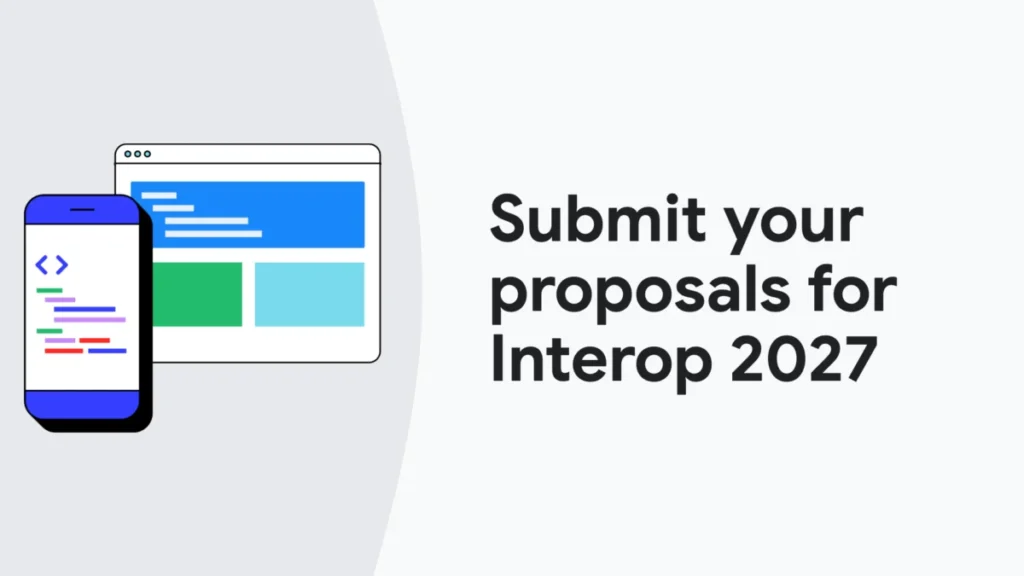
The call for proposals for 2027 is the critical first step in defining the next year of web development priorities. Interested parties, including individual developers, framework maintainers, and enterprise stakeholders, are invited to submit their suggestions via the official GitHub repository for web-platform-tests. The submission window is narrow, closing strictly on September 23, 2026.
For a proposal to be considered viable, it must meet rigorous criteria designed to ensure the feasibility of the work. The project steering committee emphasizes three primary pillars for a successful submission:
- Specification Maturity: The feature in question must have a stable, finalized specification. Proposals for experimental or "bleeding-edge" features that lack a consensus from the standards community are generally rejected, as the project is intended to solidify existing standards rather than create new ones.
- Browser Implementation History: Ideally, a feature should already have at least one stable implementation in a major browser. This serves as a proof of concept and ensures that the technical requirements are well-understood by at least one engine team.
- Robust Test Suites: The core mechanism of Interop is the test suite. If a feature lacks comprehensive, automated tests, it cannot be effectively evaluated for interoperability. Proposals that include existing test infrastructure or a clear plan to build it are significantly more likely to succeed.
The selection process itself is a transparent, collaborative endeavor. After the September 23 deadline, the steering committee, which consists of representatives from the major browser vendors, will review all submissions. They evaluate proposals based on developer demand—often cross-referencing industry surveys like the State of CSS—and the technical readiness of the browser engines to implement the changes within the following year.
Data-Driven Development: The Role of Developer Signals
A significant shift in the Interop selection process over the last three years has been the reliance on "developer signals." Rather than relying solely on the internal priorities of browser vendors, the committee now actively monitors public feedback loops. Platforms such as the developer signals repository and the annual State of CSS survey have become primary sources for identifying pain points in the current web platform.
For instance, if a specific CSS layout property or a JavaScript API consistently ranks in the top 20 requested features among web developers, it is prioritized during the selection phase. This shift has turned Interop from an internal vendor negotiation into a community-responsive roadmap. Developers are encouraged to use tools like webstatus.dev to verify which technologies are currently flagged as having high interoperability friction. By surfacing these metrics, the committee ensures that the labor of the browser vendors is directed toward the features that provide the highest utility to the broader development community.
Chronology of the Interop 2027 Cycle
The timeline for the 2027 cycle is designed to allow for thorough preparation before the new year begins:
- September 3, 2026: Official launch of the call for proposals.
- September 3–23, 2026: Submission period for community proposals.
- Late September – October 2026: Review and validation phase by the Interop steering committee.
- November 2026: Discussion and negotiation regarding the 2027 focus area selection.
- January 2027: Official announcement of the Interop 2027 focus areas and the start of the implementation cycle.
This structured timeline ensures that by the time January arrives, browser vendors have already aligned their engineering resources to address the selected features, allowing for immediate progress throughout the year.
Strategic Implications and Industry Impact
The implications of the Interop project for the global software industry are substantial. By reducing cross-browser inconsistencies, the project effectively lowers the barrier to entry for new web applications. When developers can write code once and expect it to run predictably on all major browsers, the "browser tax"—the overhead cost of testing, debugging, and patching for specific engine quirks—diminishes.

This efficiency is particularly critical for enterprise-level applications and complex frameworks. Large-scale web platforms, which often support millions of users across disparate hardware and software environments, rely heavily on the predictability of the underlying platform. A successful Interop year translates to reduced maintenance costs, improved security (as standardized features are often better audited), and a faster pace of innovation, as developers spend less time on legacy compatibility and more time on user-facing features.
Furthermore, the project serves as a model for "coopetition." While the companies involved are fierce competitors in the browser market, the Interop project forces them to align on the foundational layers of the web. This creates a rising tide that lifts all boats, ensuring that the web remains a viable, competitive platform against proprietary app stores and closed ecosystems.
How to Contribute
Participation in the Interop 2027 project is not limited to those who submit formal proposals. The steering committee explicitly encourages the broader community to participate in the vetting process. Developers are invited to review the existing list of submissions on GitHub, provide feedback, and "like" or comment on proposals that align with their own professional challenges.
Sharing the call for proposals on social media and within technical communities is also vital. The more visibility a proposal receives, the clearer the "developer signal" becomes to the steering committee. By contributing their voices to this process, developers help ensure that the browser vendors remain focused on the issues that matter most to the people actually building the modern web.
As the industry moves toward the 2027 cycle, the success of the project will once again be measured not just by the number of features implemented, but by the tangible improvement in the day-to-day lives of web developers. The collaboration between vendors and the developer community remains the strongest safeguard for the health and longevity of the open web. Interested parties can find the full documentation, the proposal guide, and the submission portal through the official Web Platform Tests repository.