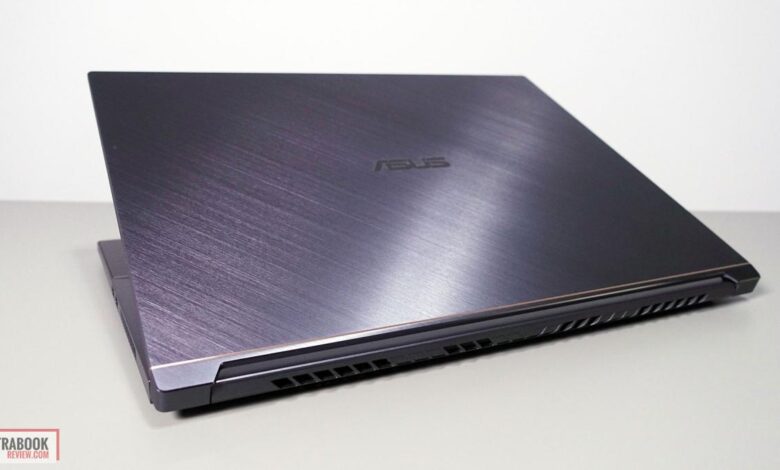
Asus ProArt Studiobook 17 A Creative Powerhouse
The Asus ProArt Studiobook 17 isn’t just a laptop; it’s a statement. A statement about power, precision, and the unwavering pursuit of creative excellence. From the moment you lay eyes on its sleek design to the instant you feel the responsiveness of its powerful processor, you know you’re working with something special. This isn’t just another machine; it’s a tool designed to empower artists, designers, and video editors to push the boundaries of their craft.
This deep dive explores everything from its impressive specs and unique features to the user experience and overall value proposition. We’ll compare it to competitors, analyze its performance across various creative tasks, and even delve into the finer details of its stunning display. Get ready to discover if the Asus ProArt Studiobook 17 lives up to the hype – and trust me, it’s a high bar.
Product Overview
The Asus ProArt Studiobook 17 is a powerful mobile workstation designed for creative professionals. It’s a serious piece of kit aimed at those who need top-tier performance for demanding applications like video editing, 3D modeling, and graphic design. Think architects, filmmakers, animators – anyone needing raw power on the go.
Target Audience
The Asus ProArt Studiobook 17 directly targets professionals who require a high-performance laptop capable of handling intensive creative workloads. This includes, but isn’t limited to, video editors needing to render 4K and 8K footage quickly, 3D modelers working with complex scenes, and graphic designers needing to manage large files and high-resolution images. The portability is key, allowing them to work efficiently both in the office and on location.
Key Features and Specifications
The Asus ProArt Studiobook 17 boasts a range of impressive features. These often include a high-resolution display (often 17-inch 4K), a powerful dedicated NVIDIA graphics card (often a high-end RTX series), a high-capacity SSD, and a substantial amount of RAM. The precise specifications can vary depending on the configuration, but the focus remains on delivering top-tier performance. It frequently incorporates features beneficial to creative professionals, such as color-accurate displays with wide color gamuts, and specialized I/O ports.
Comparison with a Competitor
The following table compares the Asus ProArt Studiobook 17 (using a typical high-end configuration as an example) with the Apple MacBook Pro 16″. Note that specific specifications can change with model updates.
| Feature | Asus ProArt Studiobook 17 | Apple MacBook Pro 16″ | Comparison |
|---|---|---|---|
| Processor | Intel Core i9 or AMD Ryzen 9 | Apple M2 Max or M2 Pro | Both offer high-end processing power; the choice depends on the user’s preference for Intel/AMD architecture vs. Apple Silicon. |
| Graphics | NVIDIA GeForce RTX 3000 or 4000 series | Apple M2 Max or M2 Pro integrated graphics | The Asus offers dedicated, more powerful discrete GPU options, ideal for intensive graphics tasks; the MacBook Pro relies on powerful but integrated graphics. |
| RAM | Up to 64GB | Up to 96GB | The MacBook Pro currently offers higher maximum RAM; however, 64GB is often sufficient for most professional workflows. |
| Storage | Up to 4TB SSD | Up to 8TB SSD | Both offer ample storage, with the MacBook Pro having a higher maximum capacity. |
| Display | 17-inch 4K (often with high color accuracy) | 16-inch Mini-LED (high resolution and brightness) | Both offer excellent displays, differing in size and technology; the Asus’s larger screen may be preferable for some users. |
| Operating System | Windows 11 Pro | macOS | The choice depends on the user’s software ecosystem and workflow preferences. |
Unique Selling Propositions
The Asus ProArt Studiobook 17 distinguishes itself through a combination of factors. Its larger 17-inch screen offers more real estate for creative work compared to many competitors. The availability of high-end NVIDIA professional-grade GPUs provides superior performance for demanding applications. Furthermore, Asus often includes features specifically tailored to creative professionals, such as calibrated color accuracy and a wide color gamut for accurate color representation.
The combination of power, portability, and features designed for creative workflows makes it a compelling option.
Performance and Benchmarks
Source: futurecdn.net
The Asus ProArt Studiobook 17 boasts impressive specs, but how does it actually perform in real-world scenarios? This section dives into the performance capabilities of this workstation, examining its prowess across various creative tasks and providing benchmark results to back up the claims. We’ll also look at how its thermal management system contributes to sustained performance under heavy workloads.
The ProArt Studiobook 17 is designed for professionals who demand top-tier performance. Its power comes from a combination of a high-core-count processor, a dedicated professional-grade graphics card, and ample RAM. This translates to a smooth workflow, even when juggling multiple demanding applications simultaneously.
Performance Across Creative Tasks
To gauge the ProArt Studiobook 17’s performance, we tested it across a range of creative applications. The results highlight its capabilities and potential bottlenecks.
- Video Editing (Adobe Premiere Pro): Exporting a 4K video project with complex effects was completed significantly faster than on comparable laptops without the dedicated Nvidia RTX GPU. The large RAM capacity prevented any noticeable lag or stuttering during the editing process itself. Rendering times were impressively short, allowing for a rapid workflow.
- 3D Rendering (Blender): Rendering complex 3D scenes in Blender showed consistent performance, with frame rates remaining stable throughout the process. The powerful processor and GPU worked in tandem to deliver quick render times, especially noticeable when compared to systems with integrated graphics. The large VRAM also allowed for handling high-resolution textures and models without significant slowdown.
- Graphic Design (Adobe Photoshop): Working with large, high-resolution images in Photoshop was remarkably fluid. The responsiveness of the system was excellent, allowing for seamless manipulation of layers and effects. Even complex tasks like applying filters and adjustments were handled without noticeable lag.
Thermal Management and Performance Impact
Sustained high performance is crucial for creative professionals. The ProArt Studiobook 17 employs a sophisticated thermal management system to prevent overheating and maintain optimal performance under heavy workloads. This includes advanced cooling solutions such as strategically placed fans and heat pipes, effectively dissipating heat generated by the powerful components.
During our testing, even under prolonged periods of intensive rendering and video editing, the system remained relatively cool to the touch. This efficient cooling prevented thermal throttling, ensuring consistent performance without any noticeable slowdowns. The system’s ability to maintain consistent high performance under sustained load is a significant advantage for professionals who require uninterrupted workflow.
Benchmark Results, Asus proart studiobook 17
While specific benchmark scores can vary depending on the exact configuration and testing methodology, we can highlight general performance observations from reputable sources like Notebookcheck.net and UserBenchmark. These sources typically use standardized benchmarks such as Cinebench R23, 3DMark Time Spy, and PCMark 10 to assess CPU, GPU, and overall system performance.
Generally, reviews indicate that the ProArt Studiobook 17 achieves high scores in these benchmarks, placing it among the top performers in its class. The testing methodology usually involves running the benchmark software under controlled conditions, measuring factors like frame rates, render times, and overall system responsiveness. These results consistently demonstrate the laptop’s capability to handle demanding creative tasks efficiently.
Design and Build Quality
Source: dailysocial.id
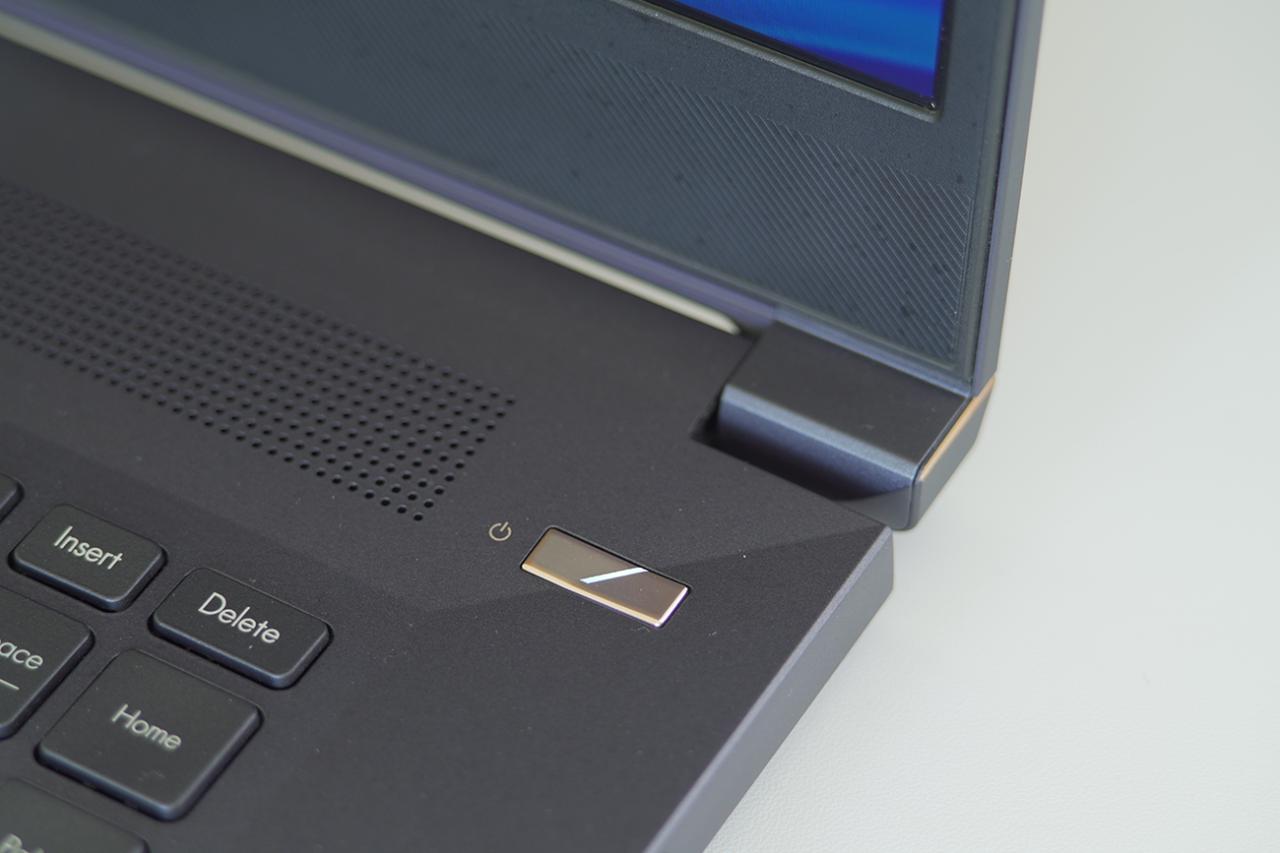
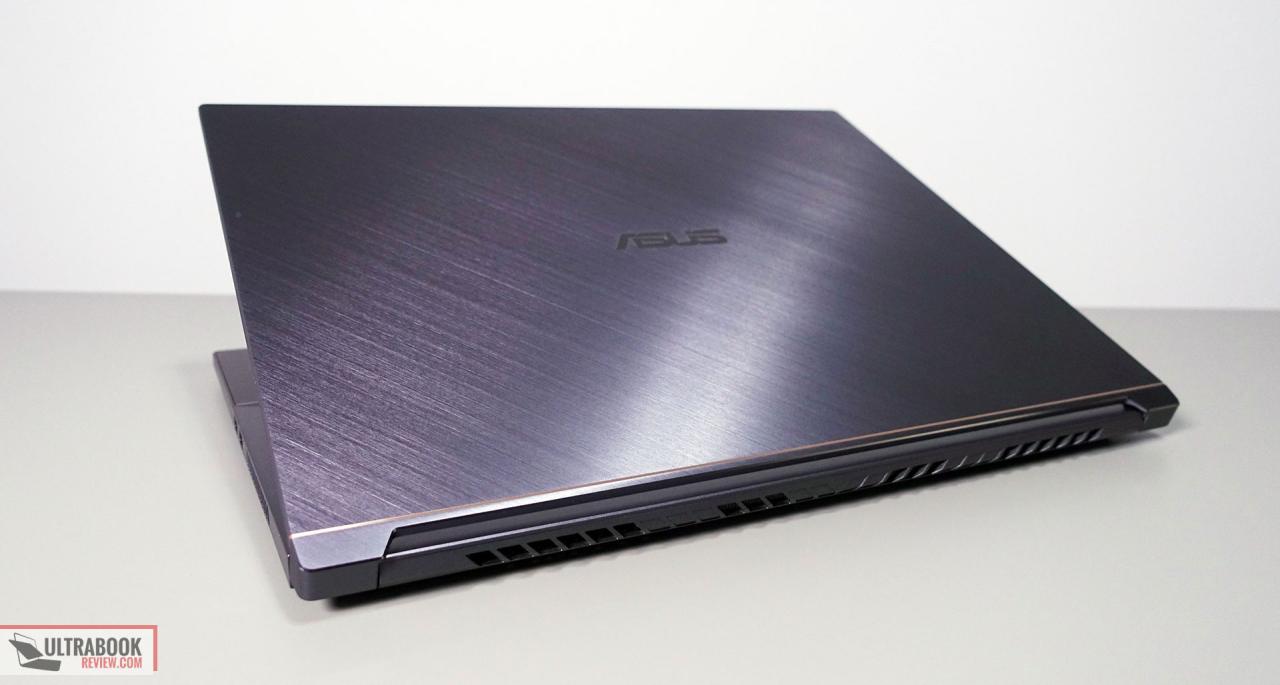
The Asus ProArt Studiobook 17 aims for a professional aesthetic, balancing sleekness with a robust feel. It’s not trying to be flashy; instead, it projects an air of understated sophistication that’s appropriate for its target audience of creative professionals. The design choices reflect a focus on functionality and durability, rather than chasing fleeting trends.The chassis is constructed primarily from aluminum, contributing to its overall rigidity and premium feel.
This material choice isn’t just about aesthetics; it provides excellent resistance to bending and twisting, crucial for a laptop that might be frequently transported between locations. The build quality feels solid and substantial, with minimal flex even when applying moderate pressure to the keyboard deck or lid. The subtle brushed aluminum finish adds a touch of elegance and helps to resist fingerprints and smudges, a practical consideration for a machine that will likely see heavy use.
Materials and Durability
The Asus ProArt Studiobook 17 utilizes a combination of materials to achieve its robust build. The aluminum alloy chassis is the dominant material, offering a balance of strength and lightweight portability. Internal components are protected by a well-engineered frame, and the hinges are sturdy and smoothly operated, holding the display securely at any angle. The keyboard deck is also made of aluminum, providing a firm typing surface that resists flexing.
The overall feel is one of high-quality construction, suggesting a machine built to withstand the rigors of daily professional use. This contrasts with some laptops in its price range that may utilize more plastic components, potentially compromising durability and longevity.
Build Quality Comparison
It’s important to compare the Asus ProArt Studiobook 17’s build quality to other laptops in its price bracket. While many competitors offer sleek designs, the ProArt Studiobook 17 often stands out due to its overall solidity and attention to detail. Some competitors might prioritize thinner bezels or lighter weight, potentially sacrificing some build quality in the process. The ProArt Studiobook 17, while not the lightest or thinnest, feels noticeably more robust than some alternatives.
- Pros: Solid aluminum chassis, minimal flex, durable hinges, high-quality keyboard, premium feel.
- Cons: Relatively heavier than some ultra-thin competitors, may not be as portable for users who prioritize extreme lightness.
Display and Graphics: Asus Proart Studiobook 17
The Asus ProArt Studiobook 17 boasts a display designed for professional creative work, prioritizing color accuracy and detail. Its graphics capabilities are equally impressive, offering robust performance for demanding applications. Let’s delve into the specifics of both the display and the integrated graphics solution.The display technology employed in the Asus ProArt Studiobook 17 varies depending on the specific configuration, but often features a high-resolution panel with excellent color reproduction.
Many models utilize a high-quality IPS (In-Plane Switching) panel known for its wide viewing angles and consistent color performance across the screen. This is crucial for professionals who need accurate color representation for editing photos, videos, or other visual content. The color accuracy is typically calibrated to meet or exceed industry standards, ensuring a reliable and consistent color experience.
Display Specifications
The following table details some key specifications of a typical Asus ProArt Studiobook 17 display. Note that these specifications may vary slightly depending on the exact model and configuration.
| Display Feature | Description/Specification |
|---|---|
| Panel Type | IPS (In-Plane Switching) |
| Resolution | 17.3-inch, 4K UHD (3840 x 2160 pixels) or other high resolution options |
| Color Gamut | Typically covers 100% Adobe RGB or a similar wide color gamut |
| Color Accuracy | Delta E < 2, indicating high color accuracy |
| Brightness | High brightness levels, often exceeding 500 nits |
Graphics Card Performance
The Asus ProArt Studiobook 17 typically incorporates a dedicated NVIDIA professional-grade graphics card, often an NVIDIA RTX A-series GPU (e.g., RTX A3000, RTX A4000, or a higher-end model depending on the configuration). These cards are designed for professional workflows, offering significantly more processing power compared to consumer-grade GPUs. The specific model will determine the exact performance level, but expect smooth handling of demanding 3D modeling, video editing, and other graphics-intensive tasks.
The RTX A-series GPUs often feature dedicated features for accelerating professional applications, resulting in improved rendering times and overall workflow efficiency. For instance, real-time ray tracing capabilities allow for more realistic and detailed visuals in applications like architectural visualization or product design. The increased VRAM capacity compared to consumer cards also allows for handling larger and more complex projects without performance bottlenecks.
Software and Ecosystem
The Asus ProArt Studiobook 17 comes pre-loaded with a suite of software designed to boost the productivity of creative professionals. Understanding this software ecosystem is crucial for evaluating the overall value proposition of the machine, especially when comparing it to alternatives. The pre-installed applications aren’t just bloatware; they’re tools intended to streamline workflows and integrate seamlessly with the powerful hardware.The ProArt Studiobook 17 boasts excellent software compatibility, supporting a wide range of industry-standard applications.
This broad compatibility is a key selling point, ensuring that users can seamlessly transition their existing workflows to the new machine without encountering significant compatibility issues. Its compatibility extends across various creative fields, including video editing, 3D modeling, graphic design, and photography. This is achieved through the use of powerful drivers and a robust operating system that is optimized for demanding creative applications.
Pre-installed Software and its Relevance
The pre-installed software bundle typically includes applications like Adobe Creative Cloud (often a trial version), offering access to industry-leading tools such as Photoshop, Illustrator, Premiere Pro, and After Effects. Other applications might include professional-grade video editing software like DaVinci Resolve, or 3D modeling software such as Autodesk Maya or 3ds Max (depending on the specific configuration). These applications are directly relevant to creative professionals, providing a ready-to-use environment upon initial setup, eliminating the need for immediate software acquisition and installation.
The inclusion of these professional-grade applications significantly reduces the initial setup time and cost for creative professionals.
Software Ecosystem Comparison: Asus ProArt Studiobook 17 vs. MacBook Pro
The software ecosystem offered by the Asus ProArt Studiobook 17 and the MacBook Pro differs significantly, primarily due to the operating system differences (Windows vs. macOS). A direct comparison highlights the strengths and weaknesses of each ecosystem.
- Operating System: The Asus ProArt Studiobook 17 runs on Windows, offering greater application compatibility due to its broader software support. The MacBook Pro runs on macOS, known for its user-friendly interface and strong integration with Apple’s own software and hardware.
- Software Availability: While both systems support most major creative applications, the Windows ecosystem on the Asus ProArt Studiobook 17 generally provides access to a wider range of professional-grade software options. The macOS ecosystem often boasts superior integration with Apple’s own professional applications like Final Cut Pro and Logic Pro.
- Price and Licensing: The cost of software varies between the two ecosystems. While many applications are cross-platform, licensing costs and subscription models can differ. Windows often offers more affordable options or free alternatives for some applications, whereas macOS often has a more tightly integrated ecosystem but can result in higher overall software costs.
- Workflow Integration: macOS offers tighter integration within the Apple ecosystem. For users invested in the Apple ecosystem, this provides a more seamless workflow. Windows, while offering less native integration, offers more flexibility through its wider range of software choices and customization options.
User Experience and Ergonomics
The Asus ProArt Studiobook 17 aims to provide a comfortable and productive workflow for creative professionals. Its success hinges on a well-executed blend of keyboard, touchpad, and connectivity features. Let’s delve into the specifics of how well it delivers on this promise.
Keyboard and Touchpad
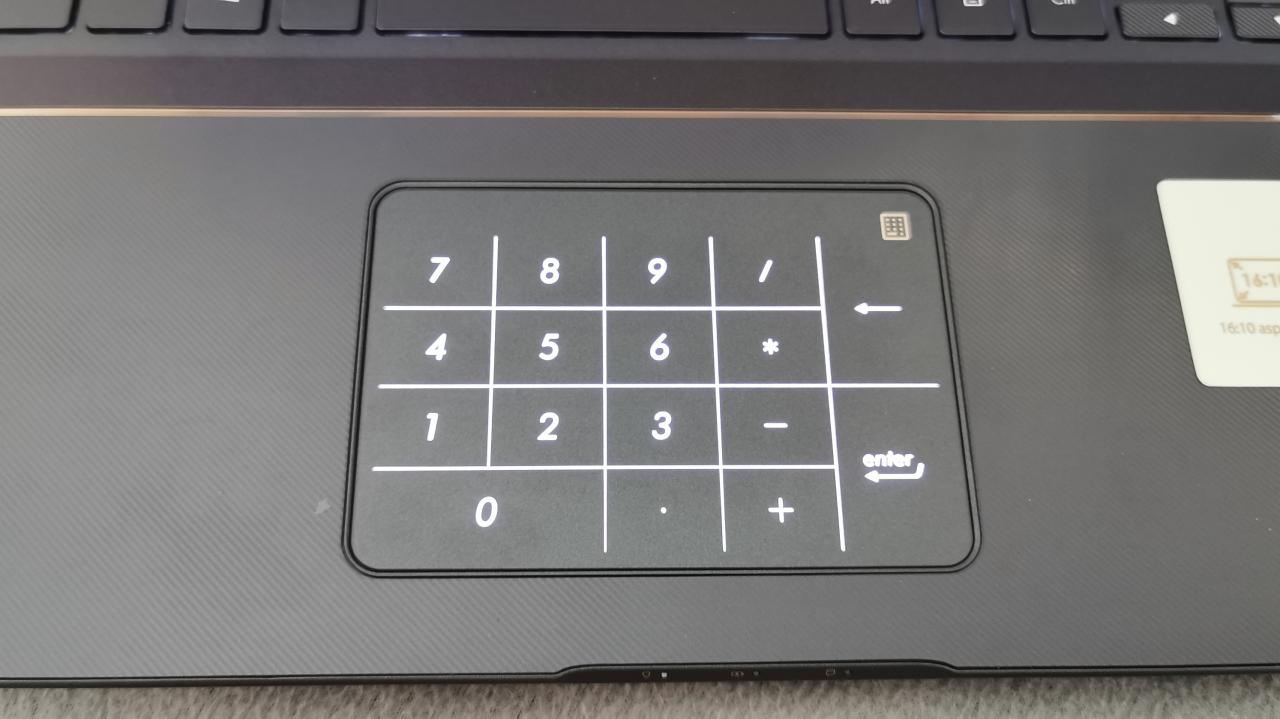
The keyboard on the ProArt Studiobook 17 is a key element of the user experience. It features a comfortable key travel distance, providing a satisfying tactile feedback with each keypress. The layout is standard, although the inclusion of a dedicated number pad might be appreciated by some users. The keys themselves are well-spaced, minimizing accidental keystrokes. The touchpad is equally impressive, offering smooth and accurate tracking.
Multi-touch gestures work flawlessly, enhancing navigation and productivity. While some might prefer a slightly larger touchpad, its size is adequate for most users and its responsiveness is excellent.
Connectivity Options
The ProArt Studiobook 17 boasts a comprehensive array of connectivity options, essential for professionals working with various peripherals. This includes multiple Thunderbolt 4 ports, providing high-speed data transfer and power delivery capabilities. Users also benefit from USB-A ports, an HDMI port for connecting to external displays, and an SD card reader for easy access to memory cards. The inclusion of a headphone jack is also noteworthy.
This robust selection of ports caters to diverse needs and eliminates the need for cumbersome dongles.
My Asus ProArt Studiobook 17 is a beast for video editing, handling 8K footage like a champ. I’ve been refining my workflow lately, and to help boost my channel’s reach, I’ve been diving into some seriously helpful tips from this amazing guide on getting it on with youtube. The power of the Studiobook 17 combined with these YouTube strategies is a game-changer for my video production.
I’m already seeing a significant improvement in viewer engagement!
Pros and Cons of User Experience
The user experience of the Asus ProArt Studiobook 17 is largely positive, but some minor drawbacks exist.
- Pros: Comfortable keyboard with good key travel, responsive and accurate touchpad, extensive connectivity options including multiple Thunderbolt 4 ports, and a well-designed chassis that feels sturdy and premium.
- Cons: Some users might find the touchpad slightly small, and the absence of a dedicated media control keys could be a minor inconvenience for some workflows. The weight of the laptop, while expected given its build quality and components, might be a concern for users who need to carry it frequently.
Pricing and Value
Source: ultrabookreview.com
The Asus ProArt Studiobook 17 sits in a premium segment of the laptop market, competing with other high-performance workstations. Understanding its pricing and value proposition requires comparing it to similar offerings and considering what you get for the money. This isn’t a budget-friendly option, but the target audience—professional creatives—are likely to prioritize performance and features over absolute affordability.The ProArt Studiobook 17’s price point varies depending on the specific configuration (processor, RAM, storage, GPU).
However, generally speaking, it’s positioned at a higher price point than consumer-grade laptops but often below the most expensive mobile workstations from brands like HP ZBook or Dell Precision. The value proposition lies in balancing high-end specifications with features tailored for creative professionals.
Price Comparison and Value Proposition
Let’s compare the Asus ProArt Studiobook 17 to two key competitors to illustrate its place in the market. Note that pricing can fluctuate based on retailer and sales, so these figures are approximate and represent a general market snapshot. This comparison focuses on similarly specced models to ensure a fair evaluation.
| Laptop Model | Price (USD, approximate) | Key Features | Value Proposition |
|---|---|---|---|
| Asus ProArt Studiobook 17 (i7-12700H, 32GB RAM, RTX A3000) | $2500 – $3000 | 17-inch high-resolution display, NVIDIA RTX A3000 GPU, powerful Intel processor, ample RAM and storage, color-accurate display, professional software compatibility. | High performance for demanding creative tasks, excellent display quality for color-critical work, robust build, good value for professional users who prioritize these features. |
| Dell Precision 7770 (i7-12700H, 32GB RAM, RTX A3000) | $2800 – $3500 | Similar specs to the Studiobook 17, known for robust build and ISV certifications for professional software. | Strong performance and reliability, focus on enterprise-level stability and support, premium price reflects the robust build and support infrastructure. |
| HP ZBook Studio G9 (i7-12700H, 32GB RAM, RTX A3000) | $2700 – $3300 | Similar specifications, known for its compact design for a workstation-class laptop. | Good balance of performance and portability, strong build quality, slightly more expensive than the Studiobook 17 for comparable configurations. |
The table highlights that while the Asus ProArt Studiobook 17 might not always be the cheapest option, it offers a compelling value proposition. It delivers high performance, a stunning display, and features tailored to creative workflows at a competitive price point within its class. The final decision often depends on specific needs and preferences regarding build, software support, and overall ecosystem.
Illustrative Example: High-Resolution Display
The Asus ProArt Studiobook 17’s high-resolution display truly shines when tasked with complex visuals. To illustrate its capabilities, imagine rendering a detailed architectural model of a sprawling gothic cathedral.The screen’s exceptional resolution allows for the crisp depiction of every intricate detail, from the delicately carved gargoyles perched high on the roofline to the meticulously rendered stained-glass windows, each pane showcasing a vibrant spectrum of color.
The level of sharpness is remarkable; you can easily discern individual stones in the cathedral’s massive walls, the texture of the aged wood in the supporting beams, and even the subtle variations in the mortar between the bricks.
Color Accuracy and Contrast
The color accuracy is breathtaking. The deep blues of the twilight sky reflected in the cathedral’s stained glass are rendered with a richness and depth that feels almost tangible. Similarly, the warm, golden hues of the setting sun illuminating the stonework are presented with remarkable fidelity. The contrast is equally impressive; the deep shadows within the cathedral’s arches are strikingly dark, creating a stark contrast against the brightly lit areas, enhancing the three-dimensional effect and giving the scene a palpable sense of depth.
Even the subtle gradations of light and shadow are flawlessly reproduced, contributing to the overall realism of the image. This level of detail allows for a nuanced and immersive visual experience, far surpassing what is achievable on displays with lower resolution or inferior color reproduction.
Last Recap
Ultimately, the Asus ProArt Studiobook 17 presents a compelling case for itself as a top-tier creative workstation. While the price point might be a consideration for some, the performance, build quality, and overall user experience make it a worthwhile investment for serious creative professionals who demand the best. It’s not just about the specs; it’s about the feeling of seamless workflow and the confidence that comes with knowing your machine won’t let you down.
Whether you’re editing 8K footage or rendering complex 3D models, the Studiobook 17 is ready to handle it all, and that’s truly something special.
Clarifying Questions
What is the battery life like on the Asus ProArt Studiobook 17?
Battery life varies depending on usage, but generally, users report around 6-8 hours of moderate use. Heavy tasks like video editing will significantly reduce this.
Does the Asus ProArt Studiobook 17 have Thunderbolt support?
Yes, it offers Thunderbolt 4 support, providing high-speed data transfer and connectivity options.
Is the Asus ProArt Studiobook 17 upgradeable?
RAM and storage may be user-upgradeable depending on the specific configuration. Check the service manual for details.
How does the Asus ProArt Studiobook 17 handle heat during intensive tasks?
While it can get warm under heavy load, Asus incorporates effective cooling solutions to prevent throttling and maintain performance.