Best of Pitch Videos Secrets to Success
Best of Pitch Videos isn’t just about slick visuals and catchy tunes; it’s about crafting a narrative that resonates deeply with your audience. This post dives into the heart of what makes a pitch video truly memorable, exploring everything from visual storytelling techniques and audio design to narrative structure and platform optimization. Get ready to unlock the secrets to creating pitch videos that not only grab attention but also convert viewers into believers.
We’ll dissect successful pitch videos, examining the elements that separate the wheat from the chaff. We’ll look at different styles, from the power of animation to the emotional connection of live-action, and discuss how to choose the right approach for your message and target audience. We’ll also delve into the crucial aspects of audio and music, showing you how to use sound design to amplify the emotional impact of your video and create a truly immersive experience.
Ultimately, this guide aims to equip you with the knowledge and tools to craft pitch videos that achieve your goals, whether it’s securing funding, attracting investors, or simply boosting brand awareness.
Defining “Best Of” Pitch Videos
Source: beverlyboy.com
So, what exactly makes a pitch video truly stand out from the crowd? It’s more than just slick visuals and a charismatic presenter; it’s about crafting a compelling narrative that resonates with your audience and leaves a lasting impression. The “best of” pitch videos aren’t just selling a product or service; they’re selling a vision, a solution, and a future.The common characteristics of highly effective pitch videos hinge on a potent combination of factors.
They’re concise, focusing on delivering key information efficiently. They’re visually engaging, employing high-quality visuals and dynamic editing to maintain viewer interest. Crucially, they’re emotionally resonant, connecting with the audience on a deeper level than simply stating facts and figures. Successful videos also demonstrate a clear understanding of the target audience, tailoring the message and tone to resonate specifically with their needs and aspirations.
Key Differentiators Between Successful and Unsuccessful Pitch Videos
A successful pitch video clearly articulates a problem and presents a compelling solution. Unsuccessful videos often lack a clear focus, rambling through unrelated information or failing to address the core value proposition. Successful videos also maintain a consistent brand identity throughout, reinforcing the message and creating a cohesive experience. Conversely, unsuccessful videos might lack a unified visual style or messaging, leaving the viewer confused and unengaged.
The difference often boils down to meticulous planning, strategic storytelling, and a deep understanding of the target audience. Successful videos are meticulously crafted, while unsuccessful ones often appear rushed or poorly conceived.
Types of Pitch Videos and Their Strengths
Several types of pitch videos exist, each with its unique strengths. A product demo video excels at showcasing the features and benefits of a product in a tangible way. An investor pitch video is designed to concisely convey the potential for return on investment, emphasizing market opportunity and financial projections. A brand story video focuses on building emotional connections with the audience, highlighting the company’s values and mission.
The choice of video type depends entirely on the intended audience and the specific goals of the pitch. For example, a startup seeking seed funding would likely opt for an investor pitch video, whereas an established company launching a new product might prefer a product demo video.
Storytelling Approaches in Successful Pitch Videos
Successful pitch videos employ various storytelling approaches, but they all share a common thread: a clear narrative arc. Some utilize a problem/solution structure, highlighting a prevalent issue and presenting the product or service as the ideal solution. Others employ a customer testimonial approach, showcasing the positive experiences of satisfied clients. A third approach might focus on a compelling origin story, emphasizing the journey and the passion behind the product or service.
The most effective approach often blends several elements, creating a rich and multifaceted narrative that keeps the audience engaged from start to finish. For instance, a video might begin with a compelling problem statement, transition to a product demo showcasing the solution, and conclude with strong customer testimonials to solidify the impact. This multi-pronged approach offers a well-rounded and convincing pitch.
Analyzing Visual Elements
A compelling pitch video isn’t just about the words; it’s about the visual experience. The right visuals can captivate your audience, clarify complex ideas, and leave a lasting impression. Understanding how to leverage visual elements is crucial for creating a top-performing pitch. This section will delve into the key aspects of visual design in successful pitch videos.
Visual Element Comparison Across Top-Performing Videos
The choice of visual style significantly impacts a pitch video’s effectiveness. Different approaches cater to various audiences and messaging strategies. The table below compares the use of animation, live-action, and screen recordings in high-performing videos.
| Visual Style | Strengths | Weaknesses | Example Use Cases |
|---|---|---|---|
| Animation | Engaging, memorable, can simplify complex concepts, cost-effective for abstract ideas | Can feel less realistic, may not be suitable for all audiences or products, production time can be lengthy for high quality | Explaining complex software, showcasing futuristic technology, conveying brand personality |
| Live-Action | Authentic, relatable, builds trust, allows for emotional connection | More expensive to produce, requires more planning and coordination, may not be suitable for abstract concepts | Showcasing product demos, featuring testimonials, highlighting team members |
| Screen Recordings | Simple, cost-effective, ideal for demonstrating software or online platforms | Can be less engaging if not well-edited, lacks the emotional impact of live-action or animation | Software tutorials, showcasing website functionality, illustrating a process |
Effective Visual Storytelling Techniques
Visual storytelling goes beyond simply showing images; it’s about crafting a narrative through visuals. Effective techniques include using compelling imagery to evoke emotion, employing metaphors and symbolism to communicate complex ideas, and strategically using transitions to maintain flow and build anticipation. For example, a video pitching a sustainable energy solution might open with a shot of a polluted city, transitioning to a clean, green energy source, visually demonstrating the problem and the proposed solution.
Another example could involve using animated charts to visually represent growth projections, making data more accessible and engaging.
Color Palettes and Typography Choices
Color palettes and typography play a crucial role in setting the tone and mood of a pitch video. A vibrant color palette might be suitable for a playful brand, while a more muted palette could be appropriate for a sophisticated, professional brand. Similarly, typography choices should reflect the brand’s personality and message. A modern sans-serif font might convey innovation, while a classic serif font might project trustworthiness.
For example, a video pitching a luxury product might utilize a sophisticated color palette of deep blues and golds, paired with an elegant serif typeface, while a video for a tech startup might use bright, bold colors and a modern sans-serif font.
Visual Pacing and Editing, Best of pitch videos
Visual pacing and editing are critical for maintaining audience engagement. Fast cuts can create excitement and energy, while slower pacing allows for more detailed explanations or emotional moments. Effective editing ensures a smooth flow, avoiding jarring transitions or unnecessary pauses. Consider the impact of different editing styles. For example, a video showcasing a fast-paced, innovative technology might use rapid cuts and dynamic transitions, while a video highlighting a more traditional product might employ a slower, more deliberate pace.
Strategic use of music and sound effects further enhances the overall impact.
Examining Audio and Music
Crafting a truly compelling “Best Of” pitch video requires more than just stunning visuals; the audio landscape is equally crucial in establishing the right mood, conveying information effectively, and leaving a lasting impression. A well-executed audio strategy can elevate your video from good to unforgettable, while a poorly planned one can quickly derail even the most visually impressive content.
Let’s delve into the elements that make audio integral to a successful pitch.
The synergy between visuals and audio is paramount. Imagine a breathtaking montage of product features accompanied by jarring, discordant music – the impact would be severely diminished. Conversely, a simple, well-paced slideshow paired with a captivating voice-over and supportive music can be incredibly effective. This interrelation underscores the need for a carefully considered approach to both visual and audio components.
Voice-Over Narration in Engaging Pitch Videos
Voice-over narration serves as the glue that binds the visual elements together, providing context, explaining complex ideas, and guiding the viewer through the narrative. A skilled narrator can inject personality and emotion into the video, making it more relatable and memorable. Consider the difference between a monotone, robotic voice and a warm, engaging tone – the latter will undoubtedly hold the viewer’s attention far more effectively.
The choice of voice should align with the brand’s personality and the overall tone of the pitch. A serious, corporate pitch might benefit from a sophisticated, authoritative voice, while a playful, innovative product might call for a more energetic and charismatic delivery. The pacing and inflection of the narration are also critical, ensuring a natural flow that keeps the audience engaged.
Music Styles and Their Suitability for Various Pitch Videos
The choice of music significantly impacts the overall feel and message of your pitch video. Upbeat, energetic music is ideal for showcasing innovative or dynamic products, creating a sense of excitement and momentum. Think of a tech startup showcasing its groundbreaking software – a driving, electronic soundtrack would perfectly complement the fast-paced visuals. Conversely, a more sophisticated, classical or acoustic soundtrack might be more appropriate for a luxury brand or a product emphasizing elegance and refinement.
For instance, a high-end jewelry company would likely opt for a subtle, ambient score that reflects the brand’s image. Matching the music genre to the product’s target audience and its key selling points is crucial for creating resonance.
Effective Sound Design Techniques for Enhancing Emotional Impact
Sound design goes beyond simply adding background music; it encompasses a range of techniques to amplify the emotional impact of your video. Strategic use of sound effects, such as subtle whooshes, clicks, or even the gentle patter of rain, can subtly guide the viewer’s attention and enhance the overall experience. For example, a short, sharp sound effect could emphasize a key product feature, while a longer, more ambient sound could create a sense of calm and serenity.
The careful layering of these sounds can significantly contribute to the overall atmosphere and emotional resonance of the pitch. Consider using sound effects that mirror the visual action on screen for a truly immersive experience.
Audio Clarity and Mixing in Professional-Quality Pitch Videos
Crystal-clear audio is non-negotiable in a professional pitch video. Poor audio quality can instantly detract from the overall presentation, regardless of the quality of the visuals. This requires careful attention to microphone technique, recording environment, and post-production mixing. Background noise should be minimized, and the voice-over should be clearly audible and well-balanced with any background music or sound effects.
Professional mixing ensures that all audio elements blend seamlessly, creating a harmonious and immersive soundscape that enhances the overall viewing experience. Imagine trying to understand a presenter speaking over loud background noise – the experience would be frustrating and ineffective. A clean, well-mixed audio track eliminates this problem, allowing the viewer to focus on the message being conveyed.
Structuring the Narrative
Source: gumlet.io
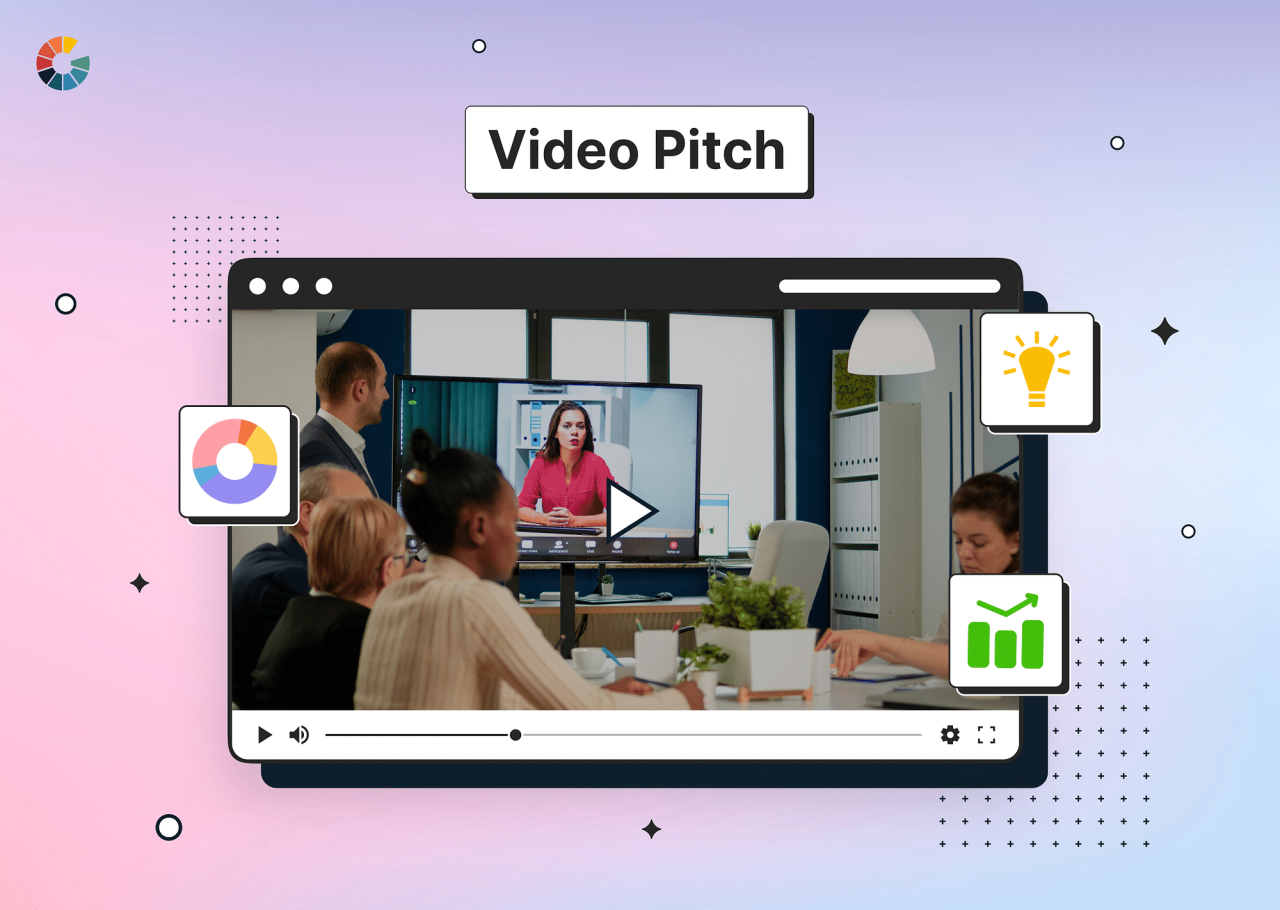
Crafting a compelling narrative is crucial for a successful pitch video. It’s not just about showcasing your product or service; it’s about connecting with your audience on an emotional level and persuading them to take action. A well-structured narrative guides the viewer through your message, making it memorable and impactful. Think of it as storytelling, but with a clear business objective.A strong pitch video narrative needs a clear beginning, middle, and end, much like any good story.
This structure helps maintain viewer engagement and ensures your key message resonates. Ignoring this can lead to a disjointed and confusing video that fails to persuade.
Step-by-Step Guide to Structuring a Compelling Pitch Video Narrative
The process of building a compelling narrative for a pitch video can be broken down into several key steps. First, identify your core message. What’s the single most important thing you want your audience to remember? Then, develop a storyline that supports this message, leading the viewer logically to your call to action. Finally, ensure every element of the video— visuals, audio, and pacing—reinforces your narrative.
- Identify your core message: What’s the one key takeaway you want viewers to leave with?
- Define your target audience: Who are you trying to reach? Understanding their needs and pain points will help tailor your message.
- Choose a narrative structure: Select a structure that best suits your message and audience (examples below).
- Develop your storyline: Artikel the key points of your story, ensuring a logical flow from beginning to end.
- Create a compelling script: Write a script that is concise, engaging, and easy to understand.
- Select visuals and music: Choose visuals and music that support your narrative and enhance the emotional impact.
- Include a strong call to action: Clearly state what you want viewers to do after watching the video.
Examples of Different Narrative Structures
Different narrative structures can be employed effectively, depending on the product or service and the target audience.
- Problem/Solution: This classic structure starts by highlighting a problem the audience faces and then presents your product or service as the solution. For example, a video for a new productivity app might start by showing the frustration of juggling multiple tasks and then demonstrate how the app simplifies things.
- Story-Driven: This approach uses a compelling story to connect with the audience on an emotional level and build credibility. A video for a sustainable clothing brand might tell the story of the founder’s journey and their commitment to ethical practices.
- Testimonial-Based: This structure relies on the power of social proof. It showcases positive feedback from satisfied customers, building trust and credibility. A software company might feature testimonials from clients who have seen significant improvements after using their product.
Creating a Clear and Concise Message
Clarity and conciseness are paramount. Avoid jargon and technical terms your audience may not understand. Focus on the benefits of your product or service, not just its features. Use strong visuals and concise language to get your message across quickly and effectively. A good rule of thumb is to keep your message simple enough for a child to understand, but relevant enough for your target audience.
The Importance of a Strong Call to Action
The call to action (CTA) is the final piece of your narrative puzzle. It’s the opportunity to direct viewers towards the next step you want them to take. This could be visiting your website, signing up for a newsletter, making a purchase, or contacting you for more information. Make your CTA clear, concise, and visually prominent. For example, a button with text like “Learn More,” “Shop Now,” or “Get Started” can be highly effective.
A weak or absent CTA leaves viewers unsure of what to do next, undermining the entire video’s impact.
Platform and Audience Considerations: Best Of Pitch Videos

Source: rectv.it
Crafting a compelling “Best Of” pitch video isn’t just about showcasing your best work; it’s about strategically tailoring that showcase to the specific platform and audience you’re targeting. Understanding these factors is crucial for maximizing impact and achieving your desired results. Ignoring these elements can lead to a fantastic video that simply fails to connect with its intended viewers.Platform requirements significantly impact the creation process.
Different platforms have varying specifications regarding video length, aspect ratio, and file formats. For instance, a short, snappy video optimized for TikTok might not work on YouTube, where longer, more in-depth content often performs better. Similarly, LinkedIn audiences might respond better to a professional, polished presentation than a more informal, humorous approach suitable for Instagram. Adapting your video to fit the platform’s native environment is key to its success.
Crafting killer pitch videos is all about grabbing attention fast, and that’s where understanding YouTube’s algorithm comes in. To really nail those best-of pitch videos, you need a solid strategy, and that’s why I highly recommend checking out this awesome guide on getting it on with youtube ; it’s a game-changer for boosting your video’s visibility. Once you’ve mastered YouTube’s secrets, creating those show-stopping best-of pitch videos will be a breeze!
Platform Requirements and Video Optimization
Platform requirements directly influence several aspects of video production. Length limitations necessitate concise storytelling, while aspect ratio considerations impact composition and visual design. For example, a video optimized for Instagram’s square format would need to be re-edited for YouTube’s widescreen format to avoid unnecessary black bars. Understanding these nuances ensures your video looks and feels native to the platform, improving viewer experience and engagement.
File size limitations also play a crucial role, influencing compression strategies and potentially affecting video quality.
Audience Segmentation and Tailored Messaging
Different audience segments require distinct approaches. A pitch video targeting potential investors will differ greatly from one aimed at consumers. Investors prioritize ROI and financial projections, while consumers are more concerned with the product’s value proposition and its benefits to them. Consider your target audience’s demographics, interests, and existing knowledge of your product or service when crafting your narrative and visual style.
For example, a tech-savvy audience might appreciate a video showcasing technical specifications, whereas a less technical audience would benefit from a simpler, more visually driven approach.
Impact of Different Video Platforms
The platform itself plays a significant role in a pitch video’s success. YouTube, for instance, is a vast repository of content, requiring strong optimization and compelling thumbnails to stand out. LinkedIn, on the other hand, leans towards a more professional and business-oriented audience, making a polished and formal presentation crucial. Instagram prioritizes visual appeal and short, engaging content, making brevity and visual storytelling paramount.
Understanding the unique characteristics of each platform and adapting your video accordingly is crucial for effective outreach and engagement. A video that thrives on YouTube might fail to resonate on LinkedIn, and vice-versa.
Best Practices for Platform Optimization
Understanding how to optimize your pitch video for different platforms is key to maximizing its reach and impact. Here are some best practices:
- YouTube: Optimize title, description, and tags with relevant s. Create a compelling thumbnail. Consider longer video length and in-depth explanations.
- LinkedIn: Maintain a professional tone and style. Focus on business value and ROI. Use high-quality visuals and professional-sounding audio.
- Instagram: Utilize short, engaging video clips. Prioritize strong visuals and compelling storytelling. Employ relevant hashtags and engaging captions.
- TikTok: Create short, attention-grabbing videos. Leverage trending sounds and challenges. Focus on creative visual storytelling and quick, impactful messaging.
- Facebook: Utilize targeted advertising to reach specific demographics. Consider a mix of video lengths and formats. Engage with comments and feedback.
Illustrative Examples
Pitch videos, when done well, are miniature works of art, balancing information with engagement. Let’s look at some examples that showcase different approaches to visual storytelling and their impact on a viewer’s understanding and emotional connection. These examples highlight the power of diverse visual styles in achieving effective communication.
Animated Pitch Video: Explaining a Complex Algorithm
This example focuses on a pitch video for a new, complex data compression algorithm. Instead of relying on dense technical jargon, the video uses a playful, almost whimsical animation style. Imagine vibrant, almost neon colors—think electric blues, hot pinks, and bright greens—against a dark background. The animation itself is a blend of 2D and 3D elements, with simplified, almost cartoonish representations of data streams morphing and condensing as the algorithm processes them.
The narrative approach is metaphorical. We see a chaotic jumble of colorful shapes representing uncompressed data slowly being organized and streamlined into a neat, compact package. The visual metaphors, combined with a clear, concise voiceover explaining the process in layman’s terms, make a complex topic surprisingly accessible and engaging. The use of playful sound effects further enhances the viewer experience, creating a memorable and positive association with the algorithm.
Live-Action Pitch Video: Connecting Emotionally with a Social Cause
This pitch video, promoting a charity focused on providing clean water to developing communities, relies heavily on live-action footage. The filming style is documentary-like, employing handheld cameras to create a sense of immediacy and authenticity. We see close-up shots of children’s faces, their expressions reflecting both hardship and hope. The editing techniques are deliberate, using slow-motion shots to emphasize emotional moments and quick cuts to maintain a dynamic pace.
The emotional arc is carefully crafted. It begins with scenes depicting the harsh realities of water scarcity—dry, cracked earth, exhausted individuals carrying heavy water containers—then shifts to show the transformative impact of the charity’s work—children laughing as they drink clean water, families thriving in newly irrigated fields. The music is understated yet powerful, underscoring the emotional weight of the scenes without being overly sentimental.
The video effectively connects with the audience on an emotional level, leaving a lasting impression and encouraging viewers to contribute.
Unique Visual Style: A Pitch Video for a Sustainable Fashion Brand
This pitch video for a sustainable fashion brand employs a distinctive visual style that sets it apart. The overall aesthetic is minimalist and earthy. The color palette is muted, featuring natural tones like beige, olive green, and deep browns. The video utilizes slow, deliberate camera movements, often focusing on the textures of the clothing and the natural materials used in their production.
Instead of fast-paced cuts and flashy effects, the video relies on a sense of calm and serenity. The visuals are interspersed with shots of idyllic landscapes and artisans working with natural materials, emphasizing the brand’s commitment to sustainability and craftsmanship. This unique visual approach, distinct from the fast-paced, highly-saturated aesthetic often seen in fashion advertising, creates a sense of sophistication and authenticity, attracting a target audience that values quality and environmental consciousness.
The video’s memorable aesthetic directly reflects the brand’s values, enhancing viewer engagement and fostering brand loyalty.
Epilogue
Creating a truly effective pitch video is a blend of art and science. It’s about understanding your audience, crafting a compelling narrative, and utilizing the power of visuals and audio to create an unforgettable experience. By mastering the techniques discussed in this post – from strategic storytelling and impactful visuals to optimized platform delivery – you can elevate your pitch videos from ordinary to extraordinary.
So go forth, create, and watch your message resonate!
FAQ Insights
What’s the ideal length for a pitch video?
There’s no one-size-fits-all answer. It depends on your message, platform, and audience. Shorter videos (under 60 seconds) are generally best for grabbing attention, while longer videos allow for more in-depth explanations.
How much should I budget for a professional pitch video?
Costs vary wildly depending on complexity, length, and production quality. Expect to invest anywhere from a few hundred dollars for a simple DIY video to thousands for a high-end professionally produced piece.
What’s the best way to measure the success of my pitch video?
Track key metrics like views, watch time, engagement (likes, comments, shares), and website traffic from the video. Ultimately, success is defined by achieving your specific goals – whether that’s increased leads, funding, or brand awareness.