Get a Graphic Design Job Your Ultimate Guide
Get a graphic design job? It sounds daunting, right? But landing your dream role isn’t about luck; it’s about strategy. This isn’t just another how-to guide; it’s a roadmap built on real-world experience and actionable steps. We’ll cover everything from building a killer portfolio that screams “hire me!” to mastering the interview process and navigating the ever-evolving landscape of graphic design.
Think of this as your personal mentor, guiding you through each stage of the job hunt. We’ll dissect the crucial elements: crafting a compelling portfolio, targeting the right companies, acing interviews, and building a strong network. We’ll also explore the exciting world of freelancing and side projects – opportunities to build your skills and experience while earning extra income.
Get ready to transform your job search from overwhelming to empowering!
Building a Strong Portfolio
Landing that dream graphic design job hinges significantly on showcasing your skills effectively. A compelling portfolio isn’t just a collection of your work; it’s a strategic presentation of your abilities, tailored to impress potential employers and demonstrate your understanding of design principles and user experience. Think of it as your personal design manifesto, a visual testament to your talent.A well-structured portfolio is crucial for demonstrating your design capabilities and securing interviews.
It should be easy to navigate, visually appealing, and effectively communicate your unique skills and design philosophy. Remember, your portfolio is often the first, and sometimes only, impression you make on a prospective employer.
Portfolio Website Design
Designing a user-friendly portfolio website is paramount. This online space should be your primary showcase, easily accessible to recruiters and potential clients. Aim for a clean, minimalist design that allows your work to shine. Include five diverse projects that highlight your versatility. For example, you might include a branding project, a website design, a print design piece (like a poster or brochure), an illustration project, and a user interface (UI) design.
Each project page should feature high-quality images, detailed descriptions of your process, and the results achieved. Focus on user experience (UX) by ensuring easy navigation, quick loading times, and a responsive design that adapts seamlessly to different screen sizes. Think about the user journey – how will a potential employer interact with your website and what information do you want them to take away?
Print Portfolio Brochure
Complement your online presence with a physical portfolio brochure. This tangible representation of your work allows for a more personal and tactile experience. Select one standout project from your website and delve deeper into the design process. This brochure should include a detailed breakdown of your design decisions, from initial concepts to final execution. Include sketches, mood boards, and any other relevant materials that illustrate your design thinking.
The high-quality printing and overall design of the brochure itself should reflect your attention to detail and professional standards. This tangible portfolio acts as a conversation starter and leaves a lasting impression.
Demonstrating Software Proficiency
Your portfolio should clearly demonstrate your expertise in relevant design software. Mention the specific software used for each project (e.g., “Adobe Photoshop for image manipulation, Adobe Illustrator for vector graphics, Figma for UI/UX design”). Within the project descriptions on your website and in your brochure, highlight specific features or techniques you employed, showcasing your mastery of the tools.
For example, you might mention your use of advanced layer styles in Photoshop, your skill in creating complex vector illustrations in Illustrator, or your proficiency in prototyping interactive designs in Figma. This showcases not just your design skills but also your technical capabilities.
Portfolio Organization and Targeting
Organize your portfolio to highlight your strongest skills and target specific job types. If you’re aiming for a UI/UX design role, prominently feature your UI/UX projects. If you’re targeting branding roles, showcase your branding work. Categorize your projects logically, making it easy for viewers to find relevant examples. Use strong s in your project descriptions and website copy to improve search engine optimization () and increase the visibility of your portfolio.
Tailor your portfolio’s presentation to the specific requirements of each job application; a generic portfolio might not be as effective as one specifically tailored to a company’s needs and aesthetic preferences.
Targeting Job Applications

Source: nzcareerexplorer.com
Landing your dream graphic design job requires more than just a killer portfolio; it demands a strategic approach to your job search. This involves identifying the right companies, crafting compelling applications, and presenting yourself effectively. Let’s break down how to maximize your chances of success.
Ten Companies with Excellent Graphic Design Opportunities
Choosing where to apply is crucial. Targeting companies known for their design-centric culture and opportunities significantly increases your chances. Here are ten companies, along with reasons for their appeal:
- Adobe: A global leader in creative software, offering diverse roles and a strong design community.
- Airbnb: Known for its visually stunning website and app, requiring talented designers to maintain its brand identity.
- Dropbox: Focuses on clean and intuitive design, providing opportunities for designers who excel in user experience (UX).
- Google: A tech giant with a vast design team working on a wide range of projects, from branding to user interfaces.
- Spotify: Requires designers to create visually engaging and user-friendly experiences for its music streaming platform.
- Netflix: Uses strong visuals in its marketing and platform design, making it a great place for designers interested in entertainment.
- Apple: Renowned for its minimalist and elegant design aesthetic, offering opportunities for designers who appreciate simplicity.
- Nike: A global brand with a strong visual identity, needing designers who can create compelling marketing materials.
- IBM: While known for technology, IBM increasingly emphasizes design thinking and employs numerous graphic designers.
- Facebook (Meta): A social media giant with a massive design team responsible for the visual appeal of its various platforms.
Three Unique Cover Letters
A generic cover letter won’t cut it. Tailoring your cover letter to each specific job description demonstrates your understanding of the role and company. Here are three examples, focusing on different skill sets:
Cover Letter 1: Focus on Branding and Identity
Dear [Hiring Manager Name],
I am writing to express my keen interest in the Brand Designer position advertised on [Platform]. My passion for crafting compelling visual identities, coupled with my experience in developing brand guidelines and collateral, aligns perfectly with your requirements. In my previous role at [Previous Company], I successfully redesigned [Project Example], resulting in a [Quantifiable Result, e.g., 15% increase in brand awareness].
My proficiency in Adobe Creative Suite, particularly Illustrator and Photoshop, allows me to execute designs efficiently and effectively. I am confident I can make a significant contribution to your team.
Sincerely,
[Your Name]
Landing a graphic design job can be tough, requiring a strong portfolio and networking skills. But did you know building a YouTube presence can significantly boost your chances? Check out this awesome guide on getting it on with YouTube to learn how to showcase your work and connect with potential employers. A well-crafted channel can make you stand out from the crowd and ultimately land that dream design job.
Cover Letter 2: Focus on UX/UI Design
Dear [Hiring Manager Name],
I am excited to apply for the UX/UI Designer position at [Company Name]. My experience in designing user-centered interfaces and conducting user research resonates strongly with the job description. In my previous project for [Previous Client], I improved the website’s usability by [Quantifiable Result, e.g., reducing bounce rate by 20%]. My skills in Figma, Sketch, and prototyping tools, combined with my understanding of UX principles, make me a strong candidate.
I am eager to contribute to [Company Name]’s innovative design culture.
Sincerely,
[Your Name]
Cover Letter 3: Focus on Motion Graphics
Dear [Hiring Manager Name],
I am writing to express my interest in the Motion Graphics Designer role. My expertise in creating engaging animated content, from short explainer videos to social media ads, directly addresses your needs. My portfolio showcases my ability to create dynamic visuals using After Effects and Premiere Pro, resulting in [Quantifiable Result, e.g., a 30% increase in video engagement].
I am passionate about storytelling through motion and confident in my ability to enhance [Company Name]’s visual communication.
Sincerely,
[Your Name]
A Visually Appealing Resume
Your resume should reflect your design skills. Instead of a standard text-heavy format, consider a visually engaging design that showcases your creativity. Use a clean layout, strong typography, and a color palette consistent with your personal brand. Highlight key projects with brief descriptions and strong visuals (thumbnails of your work). Include quantifiable achievements whenever possible (e.g., “Increased website traffic by 15%”).
Keep it concise and easy to scan.
Entry-Level vs. Senior Graphic Design Roles
Entry-level roles typically require a strong portfolio demonstrating fundamental design skills and a willingness to learn. Senior roles demand extensive experience, leadership skills, and a proven track record of successful projects. Entry-level positions often focus on assisting senior designers and working on smaller projects, while senior roles involve managing teams, leading design initiatives, and making strategic design decisions.
Senior roles typically require a deeper understanding of design strategy, client management, and project management.
Mastering the Interview Process
Landing that dream graphic design job isn’t just about a killer portfolio; it’s about acing the interview. This is your chance to showcase not only your skills but also your personality and passion for design. Preparation is key, and understanding what to expect can significantly boost your confidence and performance.
Common Interview Questions and Strong Answers
Preparing thoughtful responses to common interview questions is crucial. Generic answers won’t cut it; you need to demonstrate your unique skills and experience. Here are five common questions and example answers that highlight specific accomplishments and demonstrate your problem-solving abilities.
- Question: “Tell me about yourself.” Answer: “I’m a highly creative and detail-oriented graphic designer with five years of experience in branding and marketing materials. My recent project for [Client Name] involved redesigning their website, resulting in a 20% increase in user engagement. I’m passionate about creating visually compelling designs that effectively communicate a brand’s message, and I’m always eager to learn new techniques and technologies.”
- Question: “Why are you interested in this position?” Answer: “I’ve been consistently impressed by [Company Name]’s innovative work in [Specific area of their work], particularly the [mention a specific project]. The opportunity to contribute my skills to such a forward-thinking team, specifically working on [mention a specific aspect of the job description], is incredibly exciting.”
- Question: “Describe your design process.” Answer: “My design process is iterative and collaborative. I begin with thorough research and client brief analysis, followed by sketching and brainstorming. I then create multiple design concepts, presenting them to the client for feedback before refining the chosen design based on their input and my own design principles. Throughout the process, I prioritize clear communication and maintain a high level of attention to detail.”
- Question: “What are your strengths and weaknesses?” Answer: “My strengths lie in my ability to quickly grasp complex design challenges and deliver creative solutions under pressure. I’m also highly proficient in Adobe Creative Suite and possess excellent communication skills. A weakness I’m actively working on is time management – I’m learning to prioritize tasks more effectively using project management tools like Asana.”
- Question: “Where do you see yourself in five years?” Answer: “In five years, I see myself as a valuable member of your team, contributing to high-impact projects and mentoring junior designers. I’m eager to continue developing my skills in [Specific area] and potentially take on more leadership responsibilities.”
Showcasing Personality and Design Philosophy
The interview isn’t just about technical skills; it’s about demonstrating your personality and how your design philosophy aligns with the company’s culture. Prepare anecdotes that illustrate your creativity, problem-solving abilities, and collaborative spirit. For example, you might discuss a time you overcame a design challenge or how you worked effectively within a team to achieve a common goal.
Highlighting your passion for design and your unique approach to creative problem-solving will leave a lasting impression.
Questions to Ask the Interviewer
Asking insightful questions demonstrates your genuine interest and initiative. These questions should be tailored to the specific company and role.
- What are the biggest challenges facing the design team currently?
- What opportunities are there for professional development and growth within the company?
- Can you describe the team’s collaborative process and how designers interact with other departments?
- What are the company’s design principles and how are they applied in practice?
- What are the next steps in the hiring process?
Handling Salary Expectations and Career Goals
Addressing salary expectations and career goals requires a professional and confident approach. Research industry standards for similar roles in your location to establish a realistic salary range. Instead of stating a fixed number, you can express your salary expectations as a range, indicating your flexibility. When discussing career goals, align them with the company’s vision and demonstrate your ambition to grow within the organization.
For example, you might mention your interest in taking on leadership roles or specializing in a particular area of design.
Networking and Building Connections
Landing your dream graphic design job isn’t solely about a killer portfolio and interview skills; it’s also about who you know. Networking effectively opens doors, provides valuable insights, and can even lead to unexpected opportunities. Building a strong professional network is a continuous process, requiring proactive engagement and genuine connection-building.
The graphic design field thrives on collaboration and shared knowledge. Networking allows you to tap into this rich ecosystem, learning from experienced professionals, discovering new trends, and ultimately, increasing your chances of securing a fulfilling position. It’s about building relationships, not just collecting contacts.
Effective Networking Strategies for Graphic Designers, Get a graphic design job
Implementing a strategic approach to networking will significantly increase your chances of finding a great job. Three effective strategies stand out: active participation in industry events, engaging within online communities, and leveraging informational interviews.
- Attending Industry Events: Conferences, workshops, and portfolio reviews offer invaluable opportunities to meet potential employers, collaborators, and mentors. These events provide a chance to showcase your work, discuss your career aspirations, and learn about current industry trends. Imagine attending a design conference, engaging in insightful conversations with art directors from leading agencies, and exchanging business cards with potential employers.
The connections you make at such events can be pivotal.
- Joining Online Communities: Online platforms like Behance, Dribbble, and LinkedIn offer vibrant communities of graphic designers. Actively participate in discussions, share your work, provide constructive feedback to others, and engage with posts related to your areas of interest. For example, regularly commenting on relevant design articles on LinkedIn and participating in design challenges on Behance can help you establish yourself as a valuable member of the community and increase your visibility.
- Informational Interviews: Reaching out to established graphic designers for informational interviews is a powerful networking tactic. These conversations allow you to learn about their career paths, gain valuable insights into the industry, and potentially uncover hidden job opportunities. Remember to prepare thoughtful questions and express genuine interest in their experiences and advice.
Building a Professional Online Presence
Your online presence is often the first impression potential employers have of you. A strong online profile showcases your skills, experience, and personality, making you more approachable and memorable. Maintaining a professional presence across multiple platforms is crucial.
- LinkedIn: A well-crafted LinkedIn profile, including a professional headshot, a compelling summary highlighting your skills and experience, and relevant work samples, is essential. Actively engage with industry news and discussions, and connect with individuals in your desired field.
- Behance: Showcase your best graphic design work on Behance. Use high-quality images, provide detailed descriptions of your projects, and maintain a consistent aesthetic. Regularly update your portfolio to demonstrate your continued growth and development.
Reaching Out to Potential Employers or Mentors
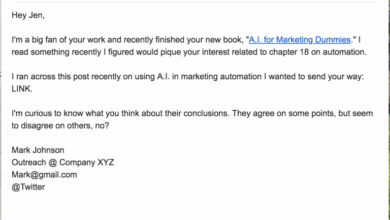
Directly reaching out to potential employers or mentors requires a thoughtful and personalized approach. Avoid generic emails; instead, tailor your message to the specific individual and their work.
- Research: Before reaching out, research the individual and their work. Understand their design style, their company’s projects, and their contributions to the industry.
- Personalized Email Template: Craft a concise and professional email expressing your admiration for their work and your interest in learning more about their experience or potential opportunities. Highlight your relevant skills and experience, and offer to connect for a brief informational interview.
Examples of Effective Networking Emails
Here are examples of effective email subject lines and message body templates:
- Subject Line Example 1: “Graphic Designer – Inspired by Your Work at [Company Name]”
- Subject Line Example 2: “Informational Interview Request – Aspiring Graphic Designer”
- Email Body Example:
Dear [Name],
My name is [Your Name], and I’m a graphic designer with a passion for [mention area of design]. I’ve been following your work at [Company Name] for some time now, and I’m particularly impressed by [mention a specific project or accomplishment]. Your innovative approach to [mention a specific design technique or principle] resonates strongly with my own design philosophy.
I’m reaching out to request a brief informational interview. I’d be grateful for the opportunity to learn more about your career path and gain insights into the graphic design industry. Would you be available for a quick chat sometime in the coming weeks?
Thank you for your time and consideration.
Sincerely,
[Your Name]
[Your Portfolio Link]
Freelancing and Side Projects: Get A Graphic Design Job
Source: website-files.com
Freelancing and taking on side projects are invaluable tools for aspiring and established graphic designers alike. They offer a fantastic way to build your portfolio, hone your skills, and even generate income while you search for a full-time position. This section will explore the practical aspects of freelancing, including proposal writing, marketing your services, and weighing the pros and cons of this career path.
We’ll also examine how strategically chosen side projects can significantly enhance your design career.
Sample Freelance Proposal
This proposal Artikels the design services I will provide for [Client Name]’s [Project Name] project. My goal is to create visually appealing and effective designs that meet your specific needs and objectives.
Project: [Project Name]
-Design of a new logo and branding guidelines for a [Client Industry] company.
Scope of Work: This project will include the creation of three logo concepts, revisions based on your feedback, and the development of a comprehensive brand style guide including color palettes, typography specifications, and logo usage guidelines.
Timeline:
- Week 1: Initial consultation and mood board creation.
- Week 2: Presentation of three logo concepts.
- Week 3: Revisions and final logo selection.
- Week 4: Development and delivery of the brand style guide.
Pricing: The total cost for this project is $
1500. This includes all design work, revisions, and the final brand style guide. Payment will be split into two installments: 50% upon project commencement and 50% upon project completion.
Next Steps: Please let me know if you have any questions or would like to proceed with this project. I look forward to hearing from you soon.
Marketing Plan for Freelance Graphic Design Services
A successful marketing plan for freelance graphic design services requires a multi-faceted approach. It’s crucial to leverage both online and offline strategies to reach your target audience effectively.
Online Strategies:
- Create a professional website: Showcase your best work and highlight your skills and experience. Include a clear call to action, such as a contact form or email address.
- Utilize social media: Regularly share your work on platforms like Instagram, Behance, and Dribbble. Engage with other designers and potential clients.
- Network online: Join relevant online communities and forums to connect with other professionals and find potential clients.
Offline Strategies:
- Networking events: Attend industry events and conferences to meet potential clients and collaborators.
- Print marketing materials: Create business cards and brochures to distribute at networking events and leave with potential clients.
- Local partnerships: Collaborate with local businesses to offer your services.
Advantages and Disadvantages of Freelancing
Freelancing offers many benefits but also presents certain challenges. Understanding both sides is crucial for making an informed decision.
Advantages:
- Flexibility: Set your own hours and work from anywhere.
- Variety of projects: Work on diverse projects that keep you engaged and challenged.
- Potential for higher income: Earn more by setting your own rates and taking on multiple projects.
Disadvantages:
- Income instability: Income can fluctuate depending on the number of projects you secure.
- Marketing and self-promotion: You are responsible for finding your own clients.
- Administrative tasks: Manage your own finances, invoicing, and client communication.
Examples of Successful Side Projects
Side projects can significantly boost your portfolio and skillset. They allow you to experiment with new techniques and styles, and demonstrate your creativity and problem-solving abilities.
Examples include designing a personal brand, creating a series of illustrations based on a personal theme (e.g., travel, nature), redesigning a website for a non-profit organization, or developing a personal app with a unique visual design. These projects, even if unpaid, demonstrate initiative and passion, and provide tangible examples of your skills for potential employers and clients. A well-executed personal branding project, for instance, showcases your ability to create a cohesive visual identity, while a pro bono website redesign demonstrates your understanding of user experience and design principles within a real-world context.
Last Recap
So, there you have it – your comprehensive guide to landing that graphic design job. Remember, securing your dream role isn’t a sprint, it’s a marathon. Focus on building a strong foundation, honing your skills, and consistently putting yourself out there. Embrace the challenges, celebrate the wins, and never stop learning. The graphic design world is vast and exciting – go out there and make your mark!
Key Questions Answered
What if my portfolio isn’t huge?
Focus on quality over quantity. A few strong, diverse projects showcasing your skills are better than many mediocre ones. Highlight your process and the problem you solved in each project.
How do I negotiate salary?
Research industry standards for similar roles in your location. Know your worth and be prepared to justify your salary expectations based on your skills and experience. Be confident but also flexible.
What are some common interview pitfalls to avoid?
Avoid speaking negatively about previous employers, rambling, or not asking insightful questions. Practice answering common questions beforehand and be prepared to showcase your personality.
Should I specialize in a particular area of design?
Specialization can be beneficial, but early in your career, a diverse portfolio showcasing multiple skills is often an advantage. As you gain experience, you can focus on your preferred niche.