How to Choose the Right Typography for Your Logo Design
How to choose the right typography for your logo design? It’s a question every designer grapples with! Your logo’s typeface is more than just letters; it’s the silent voice of your brand, instantly communicating personality, values, and even sophistication. Get it wrong, and you risk confusing or even alienating your target audience. Get it right, and you’ve crafted a visual cornerstone for lasting brand recognition.
This post dives deep into the art and science of selecting the perfect font for your logo, exploring everything from brand identity to avoiding common design pitfalls.
We’ll explore the nuances of serif and sans-serif fonts, the impact of font weight and style, and the crucial role of legibility and scalability across various platforms. We’ll also delve into the magic of color-typography harmony and how to tailor your font choices to resonate with your specific target audience. Prepare to unlock the power of typography and create a logo that truly sings!
Understanding Your Brand Identity
Choosing the right typography for your logo is crucial; it’s the visual voice of your brand. Before diving into font styles, you need a clear understanding of your brand’s identity. This involves defining its core values, personality, and target audience. A well-chosen typeface will subtly (or sometimes boldly!) communicate these aspects to your customers, creating a lasting impression.
Let’s imagine we’re designing logos for three different companies: “Playful Paws,” a pet toy company; “Apex Consulting,” a serious business consultancy; and “Luxe Lavender,” a high-end aromatherapy brand. Each brand possesses a unique personality that demands a distinct typographic approach.
Brand Identity and Typographic Styles
The core values and personality of each brand will dictate the most appropriate typographic style. Consider the following:
Playful Paws (Pet Toy Company): This brand is all about fun, energy, and approachability. A playful script font or a rounded sans-serif font would effectively convey this personality. Think whimsical and inviting.
Apex Consulting (Business Consultancy): This brand needs to project professionalism, competence, and trustworthiness. A clean, classic serif font or a minimalist sans-serif font would be ideal. The typography should communicate stability and expertise.
Luxe Lavender (High-End Aromatherapy): This brand focuses on luxury, sophistication, and serenity. An elegant serif font or a refined script font would reflect its high-end image. The typography should exude calm and elegance.
Logo Concepts Using Different Font Families
Below are three distinct logo concepts, each designed to represent a different brand personality using appropriate typography:
| Playful Paws | Apex Consulting | Luxe Lavender | Description |
|---|---|---|---|
|
Imagine a logo featuring a playful, slightly rounded sans-serif font like “Bubblegum Sans” in a bright, cheerful color. The word “Paws” might be slightly larger and stylized, with a playful icon of a paw print incorporated. The overall effect is lighthearted and engaging. |
Envision a logo with a clean, classic serif font like “Garamond” in a dark, sophisticated color like navy blue or charcoal grey. The font is simple, straightforward, and easily legible. The logo might include a subtle graphic element, like a stylized upward-pointing arrow to represent growth and progress. The overall impression is one of competence and stability. |
Picture a logo using an elegant serif font like “Didot” in a deep purple or a soft lavender color. The font is refined and sophisticated, with a slight flourish. The word “Lavender” might be written in a slightly stylized script, adding to the sense of luxury. The overall aesthetic is calming, elegant, and high-end. |
These three logo concepts demonstrate how different typographic styles can effectively communicate the unique personality of each brand. The choice of font family, weight, and color all contribute to the overall message and brand identity. |
Choosing the Right Font Style
Source: pinimg.com
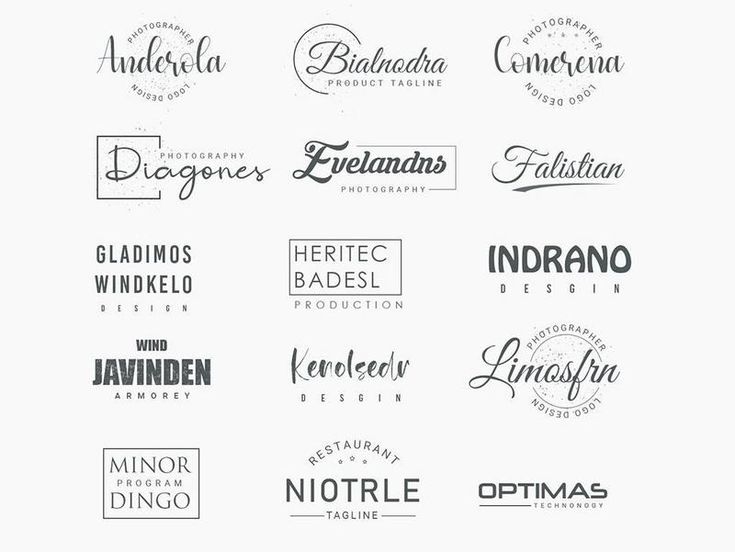
Picking the perfect font for your logo is crucial; it’s the visual voice of your brand. The right font can communicate professionalism, playfulness, sophistication, or any number of other qualities instantly. Getting it wrong can lead to a logo that’s forgettable or even actively repels your target audience. Let’s delve into the key aspects of font selection to ensure your logo makes a lasting impression.
Serif and Sans-Serif Fonts
The fundamental choice in typography often lies between serif and sans-serif fonts. Serif fonts possess small decorative strokes (serifs) at the ends of their letterforms, while sans-serif fonts lack these embellishments. This seemingly small difference significantly impacts the overall feel of a logo.Serif fonts, like Times New Roman or Garamond, often project a sense of tradition, elegance, and sophistication. They are frequently used for logos of established companies, law firms, or luxury brands where a classic and timeless feel is desired.
Imagine the logo for a prestigious law firm – a serif font would likely be the perfect choice to convey trustworthiness and experience.Conversely, sans-serif fonts, such as Helvetica or Arial, generally convey modernity, minimalism, and cleanliness. They are popular choices for tech companies, startups, and brands aiming for a contemporary and approachable image. Think of the logos for many tech giants – the clean lines of a sans-serif font perfectly complement their sleek and modern branding.
The choice between serif and sans-serif is often a reflection of the brand’s personality and target audience.
Font Weight and Readability
Font weight significantly impacts logo readability and visual appeal. Options range from light to regular to bold, each conveying a distinct message. A light weight font can appear delicate and airy, suitable for brands emphasizing grace and subtlety. However, using a light weight in a small logo might compromise readability. A regular weight offers a balanced approach, suitable for most applications.
A bold weight commands attention and can be ideal for brands aiming for a strong and impactful presence, but overuse can lead to a logo that feels aggressive or overwhelming. The key is to strike a balance between visual impact and readability; your logo should be easily recognizable even at small sizes.
Impact of Font Styles
The style of a font – condensed, extended, or other variations – can dramatically alter the perception of your logo. Different styles can communicate specific brand attributes effectively.
- Condensed fonts, like those used in the FedEx logo (the negative space forming an arrow cleverly integrated within the wordmark), create a sense of speed, dynamism, and efficiency. They are often used for brands associated with movement, technology, or fast-paced industries.
- Extended fonts, by contrast, often convey a sense of openness, spaciousness, and stability. They can be effective for brands that want to project a feeling of calm, trust, or expansiveness. Think of a logo for a nature-based company; an extended font might evoke the feeling of wide-open spaces.
- Italicized fonts can add a touch of elegance, sophistication, or even playfulness, depending on the specific font and context. However, overuse can lead to decreased readability, so it’s crucial to use it judiciously.
Font Legibility and Scalability
Choosing a font for your logo is about more than just aesthetics; it’s about ensuring your brand is easily recognizable and understood, regardless of where it’s displayed. A beautifully designed logo is useless if nobody can read it. This is where legibility and scalability become crucial considerations. Your logo might grace a tiny website favicon, or it might be emblazoned across a massive billboard – it needs to be equally clear and impactful at both extremes.Font legibility refers to how easily the characters of a typeface can be identified and read.
Scalability, on the other hand, is how well the font maintains its clarity and readability when its size is adjusted. A font that looks sharp and crisp at one size might become blurry and illegible when scaled up or down. Therefore, selecting a font that excels in both areas is paramount for a successful logo design.
Font Legibility at Various Sizes
Legibility is paramount across all scales. Imagine your logo as a tiny favicon – if the font is too thin or ornate, it will become a jumbled mess. Conversely, a logo on a billboard needs to be easily readable from a distance. Serif fonts, with their small flourishes, can struggle at smaller sizes, while sans-serif fonts often fare better.
However, even sans-serif fonts can lose clarity at extremely small or large sizes. Experimentation and careful selection are key to finding a font that remains legible across your intended range of applications. Think about the practical applications: will your logo appear on business cards, social media profiles, merchandise, and large format print materials? Each application demands a different level of legibility.
A font that performs well in one context might fail miserably in another.
Testing Font Scalability
Testing the scalability of your chosen font involves examining its performance across different sizes and mediums. Start by creating several versions of your logo in various sizes, from very small to very large. View these versions on different devices (desktops, tablets, smartphones) and in different contexts (print, web). Pay close attention to how the characters appear: do they remain crisp and clear?
Do any details become muddled or distorted? Do the kerning (spacing between letters) and tracking (spacing between words) remain consistent? If you notice any degradation in clarity or readability, you may need to reconsider your font choice or make adjustments to its size and spacing. Consider using online font testing tools or even printing out different sizes to physically assess the legibility.
Picking the perfect font for your logo is crucial; it sets the tone for your brand. Think about your target audience and the message you want to convey – is it sleek and modern, or rustic and charming? To build a strong online presence, you’ll also want to consider how your logo will look across different platforms, which is why understanding the basics of video marketing, as outlined in this helpful guide on getting it on with youtube , is important.
Ultimately, your logo typography should be memorable and easily readable, even at small sizes.
Scalability Demonstration
Here’s a mock-up demonstrating the scalability of the font “Open Sans,” a popular choice for its readability and versatility. Note that this is a simplified example; in real-world applications, you’d conduct more extensive testing.
| Tiny (8px) | Small (12px) | Medium (16px) | Large (24px) |
|---|---|---|---|
| Open Sans | Open Sans | Open Sans | Open Sans |
Remember that this table provides a visual representation. The actual appearance might vary slightly depending on your screen resolution and browser settings. The key takeaway is the need for comprehensive testing to ensure your logo remains legible and impactful across various applications.
Color and Typography Harmony
Choosing the right font is only half the battle in logo design. The color you pair it with can make or break the overall impact. A poorly chosen color can clash with your font, making your logo look unprofessional and confusing, while a well-chosen color can elevate your typography, making it memorable and impactful. The relationship between color and typography is a delicate dance, requiring careful consideration of both aesthetic appeal and brand message.Color psychology plays a significant role in this harmony.
The feeling evoked by a color directly influences how we perceive the typography. For example, a bold, black font paired with a bright, vibrant yellow might convey a sense of energy and optimism, while the same font paired with a deep navy blue might suggest sophistication and trustworthiness. Understanding how different color combinations affect the perception of your brand is key to creating a cohesive and effective logo.
Effective Color-Typography Combinations
Successful color-typography pairings often rely on the principles of contrast and complementarity. High contrast combinations, such as black text on a white background or white text on a black background, are highly legible and often used for their clarity and boldness. They are a classic and reliable choice, especially for brands that want to convey strength and simplicity.
Conversely, complementary color combinations, which use colors opposite each other on the color wheel (e.g., red and green, blue and orange), can create visually striking and memorable logos. However, care must be taken to ensure sufficient contrast for legibility. For instance, a dark teal font on a muted coral background could be both stylish and readable.
Logo Design Example: “Sunrise Coffee”
Let’s imagine we’re designing a logo for a new coffee shop called “Sunrise Coffee.” We want to convey a feeling of warmth, energy, and optimism.
We chose a custom script font for “Sunrise,” with a slightly playful yet elegant feel, evoking a sense of handcrafted quality. The font is a warm, slightly burnt orange, mirroring the color of a sunrise. The word “Coffee” is set in a simpler, sans-serif font in a deep brown, representing the rich color of the coffee itself. The brown provides a grounding element, balancing the lighter orange. The overall color palette is warm and inviting, successfully reflecting the brand’s name and the feeling associated with a sunrise and a good cup of coffee. The contrast between the two fonts is subtle but effective, creating visual interest without sacrificing readability. The orange draws the eye to the name, while the brown provides a stable base.
Considering the Target Audience

Source: logoglo.com
Your logo is the face of your brand, and choosing the right typography is crucial for making a strong first impression. But the ideal typeface isn’t a one-size-fits-all solution; it heavily depends on who you’re trying to reach. Understanding your target audience—their age, lifestyle, values, and aspirations—will guide you towards typography choices that resonate and build a powerful connection.Different typographic styles evoke different feelings and associations.
A playful script font might perfectly suit a children’s toy company, while a bold sans-serif font could project strength and reliability for a financial institution. Ignoring your target audience’s preferences can lead to a logo that feels out of sync with your brand, potentially alienating potential customers.
Typography Choices for Different Age Groups
The age of your target audience significantly impacts font selection. Younger audiences, for example, often respond well to modern, minimalist, or even quirky typefaces. Older demographics may prefer more classic and established fonts that convey trustworthiness and experience. Consider the following:A children’s clothing brand might utilize a rounded, playful sans-serif font like Bubblegum Sans or a whimsical script font reminiscent of handwriting.
This creates a sense of fun and approachability, appealing to both children and their parents. In contrast, a law firm might opt for a sophisticated serif font like Garamond or Didot, conveying professionalism and authority to a more mature clientele. These fonts exude tradition and stability, reassuring clients of the firm’s expertise and reliability. The visual difference between a playful, rounded font and a traditional serif is striking, and each communicates a distinctly different message.
Typography and Perceived Formality
A font’s perceived formality or informality plays a significant role in how your brand is perceived. Serif fonts, with their delicate flourishes, often project a sense of tradition, elegance, and sophistication. Sans-serif fonts, on the other hand, are typically associated with modernity, minimalism, and simplicity. Script fonts, with their flowing, handwritten appearance, can communicate personality, creativity, and a more personal touch.Consider the contrast between a luxury watch brand using a refined serif font like Bodoni to emphasize its high-end image and a tech startup using a clean, modern sans-serif font like Helvetica to convey innovation and efficiency.
The choice reflects the brand’s personality and its intended relationship with its customers. A serif font suggests a long history and established quality, while a sans-serif font suggests innovation and forward-thinking. The impact of these choices on brand perception is considerable.
Typography Tailored to Specific Demographics
Beyond age, other demographic factors influence typography choices. A brand targeting a younger, tech-savvy audience might utilize a geometric sans-serif font or a bold, unconventional display typeface. This reflects the dynamism and forward-thinking nature of the target group. In contrast, a brand aiming for a more conservative and established audience might opt for a classic serif or a refined sans-serif font to project trustworthiness and dependability.
The subtle yet impactful differences in font choices help shape the brand’s identity and appeal to the intended audience. For instance, a streetwear brand might use a bold, graffiti-inspired font to connect with its target demographic, while a high-end fashion house might choose a more elegant and refined serif typeface to communicate luxury and sophistication. The contrast highlights how different font choices cater to the specific values and aesthetics of diverse target audiences.
Avoiding Common Typography Mistakes: How To Choose The Right Typography For Your Logo Design
Choosing the right typography for your logo is crucial for brand recognition and memorability. A poorly chosen font can undermine even the most brilliant design concept, leading to a logo that’s difficult to read, lacks impact, or simply looks unprofessional. Let’s explore some common pitfalls and how to avoid them. Understanding these mistakes will help you create a logo that is both aesthetically pleasing and effectively communicates your brand message.
Many designers, even experienced ones, fall prey to common typography traps. These often stem from a lack of understanding of font characteristics, brand identity, or target audience preferences. The consequences can range from a logo that is difficult to reproduce at small sizes to one that simply fails to resonate with the intended consumers. Let’s examine three prevalent mistakes and their solutions.
Using Too Many Fonts, How to choose the right typography for your logo design
One of the most frequent errors is incorporating too many different fonts into a single logo. This creates visual clutter and diminishes the overall impact. A logo should ideally utilize one or, at most, two fonts to maintain a clean and cohesive look. Using more than two fonts can result in a chaotic and unprofessional appearance, making it difficult for viewers to connect with your brand.
The key is to select fonts that complement each other and work harmoniously within the overall design.
- Mistake: Imagine a logo for a coffee shop called “The Daily Grind.” The logo uses three different fonts: a script font for “The Daily,” a bold sans-serif for “Grind,” and a thin serif font for a tagline, “Your Daily Dose of Awesome.” This creates a visually jarring effect, with no clear hierarchy or visual connection between the elements.
- Correction: A revised logo might use a single, slightly quirky serif font for “The Daily Grind,” maintaining consistency and readability. The tagline could be integrated subtly, perhaps using a smaller version of the same font or a slightly lighter weight of the same font. This creates a unified and professional appearance.
Poor Font Choice for Scalability
Logos need to be versatile, appearing equally sharp on a business card, website banner, or social media profile. Selecting a font that doesn’t scale well will result in a logo that looks blurry or distorted at smaller sizes. This is particularly important for digital applications and social media where logos often appear at small dimensions. Choosing fonts with clean lines and simple forms helps ensure they remain legible and attractive at any size.
- Mistake: Consider a logo for a tech startup called “InnovateTech.” The logo uses a highly decorative script font that is visually striking at large sizes but becomes illegible and muddled when scaled down to fit a website favicon or mobile app icon.
- Correction: A more suitable logo would utilize a clean, geometric sans-serif font like Open Sans or Montserrat. These fonts maintain their clarity and readability at all sizes, ensuring the logo remains recognizable and professional across various platforms.
Ignoring Brand Personality
The chosen typography should directly reflect the brand’s personality and values. A playful script font might be perfect for a children’s toy company, but entirely inappropriate for a law firm. The font choice must align with the brand’s overall image and target audience to create a consistent and impactful message. Ignoring this crucial aspect can lead to a disconnect between the logo and the brand identity.
- Mistake: A logo for a luxury jewelry brand, “Gemstone Elegance,” uses a chunky, informal sans-serif font. This clashes with the brand’s image of sophistication and refinement.
- Correction: A more fitting logo would employ a refined serif font, perhaps with subtle flourishes, to convey elegance and high quality. This choice better aligns with the brand’s image and target audience, enhancing brand recognition and trust.
Outcome Summary
Source: ebizfiling.com
Choosing the right typography for your logo design is a journey, not a destination. It requires careful consideration of your brand identity, target audience, and the practical aspects of legibility and scalability. By understanding the interplay of font styles, weights, colors, and the overall brand message, you can create a logo that’s not only visually stunning but also powerfully effective.
Remember, your logo is often the first impression you make – make it count!
FAQ Corner
What’s the difference between serif and sans-serif fonts?
Serif fonts have small decorative strokes at the ends of their letters (like Times New Roman), often conveying a more traditional or classic feel. Sans-serif fonts lack these strokes (like Arial), appearing cleaner and more modern.
How can I test my logo’s scalability?
Resize your logo to different sizes – from tiny favicons to large billboard dimensions. Check for legibility and ensure the design remains visually appealing at all scales.
What are some common typography mistakes to avoid?
Using illegible fonts, ignoring brand consistency, and choosing fonts that clash with your brand’s personality are common pitfalls.
Should I use a trendy font for my logo?
Trends come and go. Prioritize timelessness and a design that reflects your brand’s core values over fleeting fads. A classic design will age better.