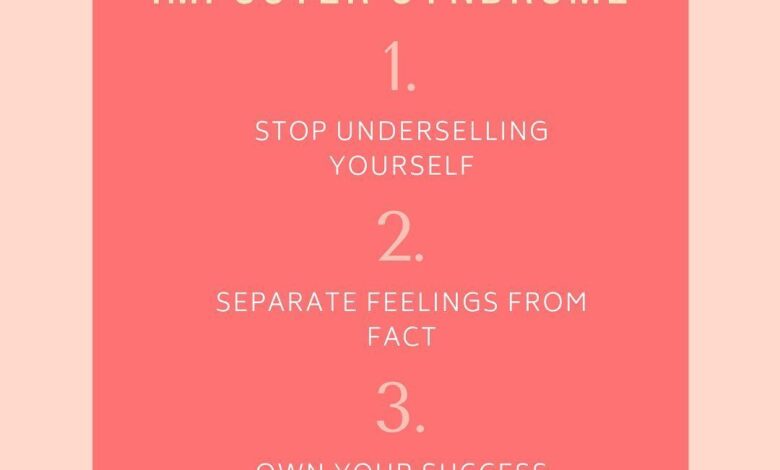
Impostor Syndrome for Creatives A Creatives Struggle
Impostor syndrome for creatives: It’s that nagging feeling of being a fraud, even when surrounded by evidence of your success. We creatives, with our inherently vulnerable work, are especially susceptible. Whether you’re a writer wrestling with self-doubt after finishing a manuscript, a visual artist questioning your talent before a gallery showing, or a musician plagued by anxiety before a performance, this pervasive feeling can cripple your creativity and impact your well-being.
This post delves into the unique challenges creatives face and offers practical strategies for navigating this common, yet often unspoken, struggle.
The pressure to be constantly innovative, the fickle nature of creative industries, and the relentless comparison to others fueled by social media all contribute to this pervasive sense of inadequacy. We’ll explore how to identify impostor syndrome, understand its impact, and develop coping mechanisms that will allow you to unleash your full creative potential and embrace your talent without letting self-doubt hold you back.
Defining Impostor Syndrome in Creative Fields

Source: reachoutrecovery.com
Impostor syndrome, that nagging feeling of being a fraud despite evidence of success, hits creatives particularly hard. The subjective nature of creative work, coupled with the often precarious nature of creative careers, creates a fertile ground for self-doubt and anxiety. Unlike more objective fields, where success is often measured by quantifiable metrics, creative achievement is frequently judged on subjective opinions and ephemeral trends.
Impostor syndrome hits creatives hard; that nagging feeling you’re a fraud despite any success. But building a YouTube channel, as detailed in this awesome guide on getting it on with YouTube , can actually help combat it. Seeing your work reach an audience, getting feedback (even criticism!), can slowly chip away at those self-doubts and build genuine confidence.
It’s a journey, but worth it.
This makes it easier to dismiss accomplishments as luck or coincidence rather than a reflection of genuine skill.The unique manifestations of impostor syndrome in creative fields stem from the constant pressure to be innovative, original, and commercially successful. Creatives often grapple with intense self-criticism, comparing their work to others’ perceived achievements, leading to feelings of inadequacy and a persistent fear of being exposed as a phony.
This self-doubt can manifest as procrastination, perfectionism, and an overwhelming fear of failure, ultimately hindering productivity and creative output.
Impostor Syndrome Across Creative Professions
While the core experience of impostor syndrome is similar across creative disciplines, its specific expressions vary. Writers might struggle with the belief that their work is derivative or insufficiently compelling, constantly second-guessing their choices and fearing negative reviews. Visual artists might obsess over technical imperfections, comparing their skills to those of masters, while musicians might worry about their performance ability, fearing they will be exposed as lacking genuine talent.
These anxieties, while distinct in their expression, all share the common thread of deep-seated self-doubt and a fear of being revealed as an imposter.
Societal Pressures and Industry Standards
Societal pressures and industry standards significantly exacerbate impostor syndrome in creative fields. The highly competitive nature of many creative industries, fueled by social media’s constant showcasing of “successful” individuals, creates an environment where creatives are constantly bombarded with images of seemingly effortless success. This curated reality can lead to unrealistic expectations and feelings of inadequacy. Furthermore, the subjective nature of creative evaluation, often dependent on the whims of critics, curators, or consumers, leaves creatives vulnerable to external validation, further fueling their self-doubt.
The emphasis on originality and innovation also contributes to the problem; the pressure to constantly produce groundbreaking work can be overwhelming, leaving many creatives feeling perpetually inadequate.
Self-Doubt and Anxieties in Creative Work
Creatives frequently experience specific self-doubts and anxieties related to their skills and talent. These include concerns about their originality, the fear of producing work that is not commercially viable, and the persistent worry that their success is merely a fluke. They might struggle with the pressure to constantly reinvent themselves, fearing that their creative well will run dry.
The inherent uncertainty of creative careers, with fluctuating income and unpredictable project timelines, can also contribute to feelings of instability and self-doubt, reinforcing the sense of being an imposter. The constant need for self-promotion and networking can also add to the pressure, leading to feelings of inadequacy and self-consciousness. For example, a graphic designer might constantly worry that their designs are not innovative enough, while a filmmaker might fear that their vision lacks originality or impact.
The Impact of Impostor Syndrome on Creative Work
Impostor syndrome, that nagging feeling of being a fraud despite evidence of success, significantly impacts the creative process. It’s not just a matter of feeling insecure; it actively interferes with the ability to generate ideas, execute projects, and ultimately, thrive as a creative professional. This pervasive self-doubt can manifest in various ways, hindering the flow of creativity and leading to frustration and burnout.
The creative process, inherently vulnerable to self-criticism, becomes a battlefield when fueled by impostor syndrome. The initial spark of inspiration, that crucial first step, can be stifled by the fear of inadequacy. The inner critic, amplified by impostor syndrome, whispers doubts about talent and ability, leading to procrastination and a reluctance to even begin. This self-sabotage prevents the exploration of new ideas and the development of existing ones.
Self-Doubt’s Influence on Creative Output
Self-doubt, a hallmark of impostor syndrome, manifests in various ways that directly hinder creative work. Procrastination becomes a coping mechanism—delaying the inevitable confrontation with the perceived lack of skill. Perfectionism, while seemingly a positive trait, becomes a paralyzing force. The fear of failure leads to endless revisions and an inability to declare a project “finished,” resulting in wasted time and energy.
This constant striving for unattainable perfection can lead to creative blocks, where the individual becomes overwhelmed and unable to produce anything at all. Imagine a writer struggling to start a new chapter, paralyzed by the fear that it won’t be good enough, or a painter unable to put brush to canvas, convinced their work will be judged as amateurish.
These are tangible examples of self-doubt crippling the creative process.
Strategies for Overcoming Impostor Syndrome’s Negative Impacts
Creatives can employ several strategies to mitigate the negative effects of impostor syndrome on their workflow. One crucial step is to actively challenge negative self-talk. Replacing self-critical thoughts with more realistic and positive affirmations can gradually shift the internal narrative. Another effective approach is to focus on the process rather than the outcome. By celebrating small victories and acknowledging progress, creatives can build confidence and reduce the pressure to achieve immediate perfection.
Seeking feedback from trusted peers or mentors can also provide valuable perspective and reassurance. This external validation can help counter the internal voice of self-doubt. Finally, setting realistic goals and breaking down large projects into smaller, manageable tasks can make the creative process feel less daunting and more achievable. Remember, progress, not perfection, is the key.
Impostor Syndrome and Creative Burnout
The constant struggle with self-doubt inherent in impostor syndrome significantly increases the risk of creative burnout. The relentless pressure to prove oneself, coupled with the fear of failure, can lead to exhaustion and a loss of passion for one’s creative work. The lines between the symptoms often blur, making it crucial to recognize both conditions and address them appropriately.
| Symptom | Burnout | Impostor Syndrome | Overlap |
|---|---|---|---|
| Exhaustion | Physical and emotional depletion; feeling drained and overwhelmed. | Mental fatigue from constant self-criticism and doubt; feeling inadequate. | Feeling utterly depleted and worthless due to perceived inadequacy. |
| Cynicism/Detachment | Loss of enthusiasm and interest in work; feeling detached and apathetic. | Feeling disconnected from one’s creative abilities and doubting one’s talent. | Feeling cynical about one’s abilities and losing passion due to self-doubt. |
| Reduced Professional Efficacy | Decreased productivity and performance; difficulty completing tasks. | Procrastination and perfectionism leading to delays and incomplete projects. | Inability to perform effectively due to both exhaustion and self-doubt. |
| Physical Symptoms | Headaches, sleep disturbances, digestive problems. | Anxiety, increased heart rate, difficulty concentrating. | Physical manifestations of stress stemming from both burnout and self-doubt. |
Identifying and Addressing Impostor Syndrome
Impostor syndrome, that nagging feeling of being a fraud despite evidence of success, is surprisingly common among creatives. It’s a thief, silently stealing joy and confidence, leaving behind self-doubt and anxiety. Understanding its manifestations and developing effective coping strategies is crucial for creatives to thrive and produce their best work. This section will explore practical tools and techniques to identify and manage impostor syndrome.
Common Thought Patterns and Behaviors in Creative Impostor Syndrome
Creative individuals experiencing impostor syndrome often exhibit specific thought patterns and behaviors. They might downplay their achievements, attributing success to luck or external factors rather than their own skill and talent. They might excessively self-critique, focusing intensely on perceived flaws and imperfections, often magnifying minor errors while overlooking significant accomplishments. Perfectionism, a common trait among creatives, can fuel impostor syndrome, as the unattainable ideal prevents genuine self-acceptance.
Procrastination and avoidance of feedback, even positive feedback, are also telltale signs, stemming from a deep-seated fear of exposure and judgment. Finally, a constant need for external validation, seeking reassurance from others to combat internal self-doubt, can be a significant indicator.
A Self-Assessment Tool for Creative Impostor Syndrome
To gauge your own level of impostor syndrome, consider the following statements. Rate each statement on a scale of 1 to 5, with 1 being “strongly disagree” and 5 being “strongly agree.” A higher total score suggests a higher level of impostor syndrome.
| Statement | 1 | 2 | 3 | 4 | 5 |
|---|---|---|---|---|---|
| I often feel like a phony or fraud. | |||||
| I attribute my successes to luck rather than my abilities. | |||||
| I am constantly afraid of being exposed as a fraud. | |||||
| I excessively criticize my work, even when others praise it. | |||||
| I avoid seeking feedback on my work. | |||||
| I feel like I don’t deserve my accomplishments. | |||||
| I constantly compare myself to others and feel inadequate. | |||||
| I have difficulty accepting compliments. | |||||
| I often procrastinate on projects due to fear of failure. | |||||
| I crave constant external validation for my work. |
This self-assessment is a starting point. A higher score might indicate a need for further exploration and professional guidance.
Coping Mechanisms and Strategies for Managing Impostor Syndrome
Addressing impostor syndrome requires a multi-faceted approach. Developing effective coping mechanisms involves cultivating self-compassion, challenging negative self-talk, and practicing mindfulness.
- Mindfulness Techniques: Mindfulness practices, such as meditation and deep breathing exercises, can help to ground you in the present moment, reducing the intensity of anxious thoughts and feelings. Focusing on your breath and body sensations can create a sense of calm and stability.
- Self-Compassion Exercises: Treat yourself with the same kindness and understanding you would offer a friend struggling with similar feelings. Acknowledge your imperfections and vulnerabilities without judgment. Practice self-soothing techniques, such as engaging in activities you enjoy.
- Journaling: Regularly writing down your thoughts and feelings can help you identify negative thought patterns and challenge their validity. This can also help track your progress in managing impostor syndrome.
- Seeking Support: Talking to a trusted friend, family member, therapist, or mentor can provide valuable emotional support and perspective. Sharing your experiences can reduce feelings of isolation and shame.
- Celebrating Successes: Actively acknowledge and celebrate your accomplishments, no matter how small. Keep a record of your achievements to counteract negative self-talk and build self-confidence.
Reframing Negative Self-Talk
Negative self-talk is a cornerstone of impostor syndrome. Instead of accepting self-critical thoughts as facts, challenge their validity. For example, if you think “My work is terrible,” ask yourself: “What evidence supports this belief?” Often, the evidence is minimal or biased. Replace negative statements with more realistic and positive ones. For instance, replace “I’m a failure” with “I’m learning and growing, and this project is a valuable learning experience.” This reframing process takes time and practice, but it’s a powerful tool for shifting your self-perception and boosting productivity.
For example, a designer might initially think, “This logo is awful, I’m a terrible designer,” but could reframe this as, “This logo needs some adjustments. I can learn from this and create an even better version.” This shift in perspective allows for growth and improvement instead of self-criticism and stagnation.
Building Confidence and Self-Efficacy

Source: vecteezy.com
Impostor syndrome can feel like a relentless shadow, dimming the brilliance of your creative work. But building confidence and self-efficacy isn’t about magically erasing self-doubt; it’s about actively cultivating a stronger, more resilient inner voice. This involves recognizing your accomplishments, seeking support, and developing healthy coping mechanisms. The journey to greater confidence is a process, not a destination, and every step forward, no matter how small, contributes to a more empowered you.The creative journey can often feel isolating, but it doesn’t have to be.
Building a supportive network is crucial in combating the insidious whispers of impostor syndrome. Sharing your experiences with others who understand the unique challenges of creative work can normalize your feelings and provide valuable perspective.
The Importance of Seeking Support and Mentorship from Other Creatives
Connecting with other creatives offers invaluable support. Mentors can provide guidance, feedback, and encouragement, helping you navigate challenges and celebrate successes. Peer support groups offer a safe space to share experiences, receive constructive criticism, and learn from others’ journeys. The shared understanding within these communities can significantly lessen the isolating effects of impostor syndrome. For example, a writer struggling with self-doubt might find solace and practical advice in a writers’ workshop, learning from established authors and connecting with fellow writers facing similar struggles.
Similarly, a visual artist could benefit from joining an art collective, receiving feedback on their work and building confidence through collaborative projects.
Celebrating Small Wins and Acknowledging Achievements
It’s easy to focus on what we haven’t achieved, fueling the fire of impostor syndrome. However, actively celebrating small wins, no matter how insignificant they may seem, is a powerful antidote. Finishing a draft, completing a piece of artwork, or receiving positive feedback – these are all significant milestones that deserve recognition. Keeping a journal documenting these achievements can serve as a tangible reminder of your progress and capabilities.
For instance, if you’re a musician, celebrating the completion of a song, even if it’s not perfect, is a significant achievement. Similarly, a designer finishing a website mockup, even if it needs revisions, is a step closer to the final product. This consistent acknowledgement helps shift the focus from perceived failures to actual progress.
Setting Realistic Goals and Expectations
Perfectionism is a common breeding ground for impostor syndrome. Setting unrealistic goals only intensifies self-criticism and fuels feelings of inadequacy. Instead, focus on setting small, achievable goals that build upon each other. Breaking down larger projects into manageable tasks makes the overall goal less daunting and provides a sense of accomplishment with each completed step. For example, instead of aiming to write a novel in a month, a writer could set a goal of writing 500 words a day.
This approach allows for consistent progress without the overwhelming pressure of a massive, unrealistic target. Similarly, a photographer might set a goal of taking one compelling photo each week, rather than aiming for a perfect portfolio overnight.
The Role of Positive Self-Talk and Affirmations
Positive self-talk and affirmations are powerful tools for reshaping negative thought patterns. Repeating positive statements to yourself can gradually shift your internal dialogue from self-criticism to self-compassion. These affirmations should be specific and tailored to your creative field and personal challenges.
- My creativity is a valuable asset.
- I am capable of producing high-quality work.
- I am worthy of recognition for my creative talents.
- I embrace challenges as opportunities for growth.
- I trust my creative instincts and abilities.
The Role of External Validation and Success
The creative journey is often fraught with the seductive allure of external validation. We crave recognition, awards, and the sweet taste of public approval. But this reliance on outside forces to measure our self-worth can be a double-edged sword, leading to crippling self-doubt and hindering our creative process. Understanding the complexities of this relationship is crucial for navigating the challenges of a creative career.The pursuit of external validation often stems from a deep-seated insecurity about our own abilities.
We look to others – critics, audiences, social media followers – to confirm our talent and worth. This constant need for external affirmation can be incredibly draining and ultimately unsatisfying. The fleeting nature of online praise, for example, can leave us feeling empty and perpetually chasing the next “like” or comment. It’s a vicious cycle: the more we seek external validation, the less we trust our own internal compass.
The Pitfalls of Social Media Comparison
Social media platforms, while offering incredible opportunities for connection and exposure, are also breeding grounds for comparison and self-doubt. The curated, often unrealistic, portrayals of success we see online can trigger feelings of inadequacy. We see only the highlights, the polished final product, and rarely the struggles, setbacks, and countless hours of work that went into its creation. This skewed perspective can lead to unhealthy comparisons, fueling feelings of envy, frustration, and a diminished sense of self-worth.
The constant exposure to others’ achievements can easily overshadow our own progress and accomplishments, fostering a sense of inadequacy and hindering our creative flow. It’s important to remember that what we see online is often a carefully constructed narrative, not a true reflection of reality.
Defining Success on Your Own Terms, Impostor syndrome for creatives
True creative success is not defined by external metrics like follower count, awards, or sales figures. It’s about aligning your work with your values and finding fulfillment in the process itself. This means identifying your own unique definition of success – what truly matters to you in your creative journey. Perhaps it’s about expressing yourself authentically, pushing your creative boundaries, or making a positive impact on others.
Focusing on these intrinsic rewards allows you to detach from the pressures of external validation and find lasting satisfaction in your work. This shift in perspective empowers you to create authentically, driven by your passion rather than the approval of others.
Intrinsic vs. Extrinsic Motivation in Creative Pursuits
Imagine two circles, one labeled “Intrinsic Motivation” and the other “Extrinsic Motivation.” The “Intrinsic Motivation” circle is vibrant and full of color, depicting images of personal fulfillment, creative exploration, self-expression, and the joy of the creative process itself. It shows a person deeply engaged in their art, lost in a state of flow, completely absorbed in the act of creation.
In contrast, the “Extrinsic Motivation” circle is smaller and less vibrant. It depicts external rewards such as money, fame, awards, and social media likes. Arrows point from the “Extrinsic Motivation” circle towards the “Intrinsic Motivation” circle, illustrating how relying heavily on external validation can overshadow the inherent joy and satisfaction derived from the creative process. The arrows represent the potential for external validation to diminish or distort the experience of intrinsic motivation.
A healthy creative life thrives on a strong foundation of intrinsic motivation, with external validation serving as a welcome bonus rather than the primary driver.
Concluding Remarks
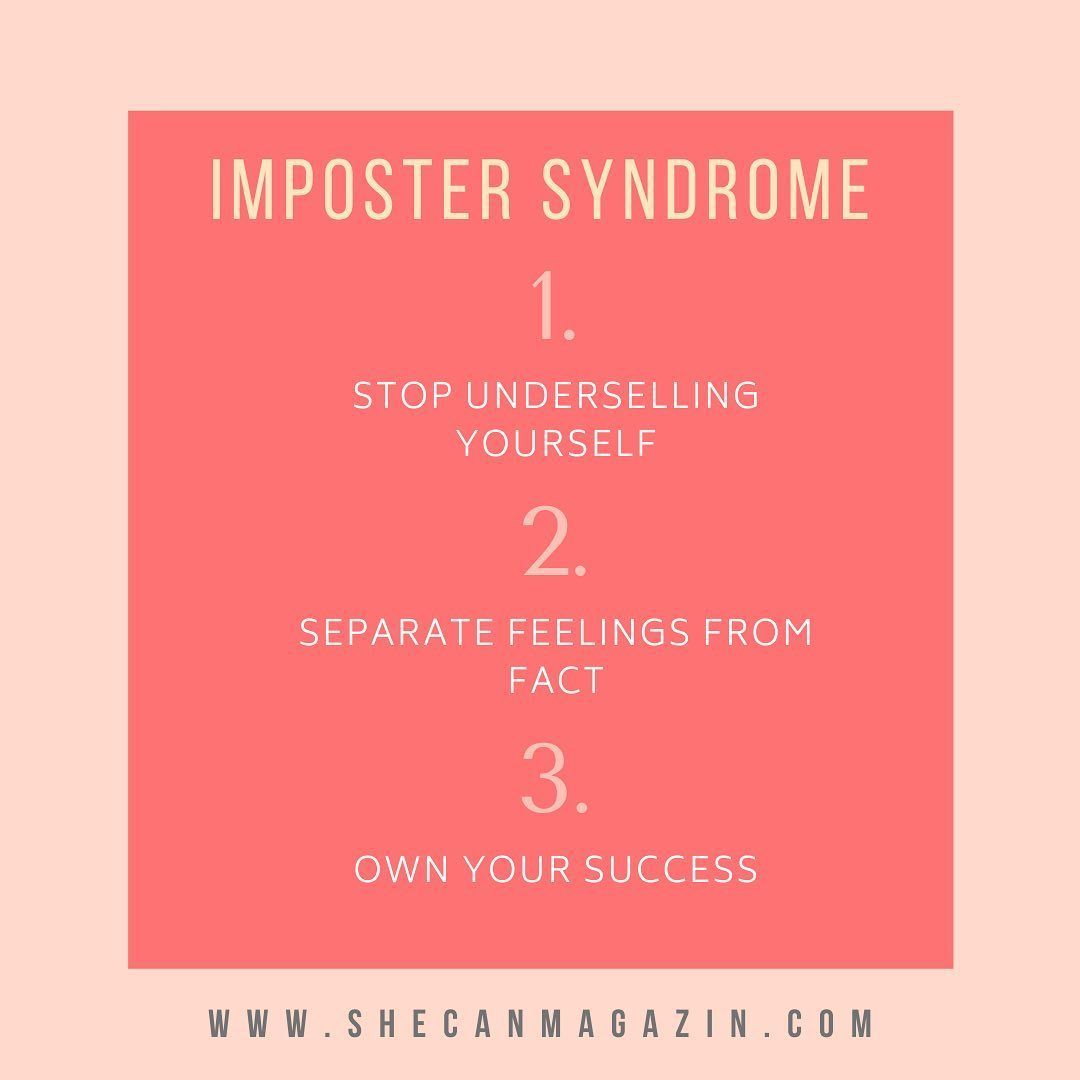
Source: pinimg.com
Ultimately, overcoming impostor syndrome as a creative is a journey, not a destination. It requires self-compassion, consistent effort, and a willingness to challenge your negative self-talk. By understanding the roots of your self-doubt, actively practicing self-care, and celebrating your achievements – no matter how small – you can build a stronger foundation of self-belief and create a more sustainable and fulfilling creative life.
Remember, your unique perspective and talent are valuable; don’t let the imposter within silence your voice.
Questions Often Asked: Impostor Syndrome For Creatives
What’s the difference between impostor syndrome and perfectionism?
While related, they’re distinct. Impostor syndrome is the feeling of being a fraud despite evidence of success. Perfectionism is the drive for flawlessness, often stemming from fear of failure. Perfectionism can
-fuel* impostor syndrome, as the unattainable standard makes success feel undeserved.
How can I tell if I’m experiencing impostor syndrome or just normal self-doubt?
Normal self-doubt is temporary and focused on specific tasks. Impostor syndrome is a persistent, pervasive feeling of being fundamentally inadequate, even when you’ve achieved significant things. It’s a feeling of being “exposed” as a fake at any moment.
Is impostor syndrome more common in certain creative fields?
While it affects all creatives, fields with high competition and subjective evaluation (like freelance writing or fine arts) might see higher rates. The pressure to constantly innovate and the reliance on external validation can intensify the feeling.