Personal Branding Guide Graphic Designers
Personal branding guide graphic designers – Personal Branding Guide for Graphic Designers: So, you’re a graphic designer, brimming with talent and ready to take on the world. But how do you make sure the world notices
-you*? This isn’t just about creating stunning visuals; it’s about crafting a compelling brand that reflects your unique skills, style, and aspirations. This guide will walk you through building a personal brand that attracts clients, showcases your expertise, and helps you thrive in a competitive market.
We’ll explore everything from defining your core brand elements and building a killer online presence to networking effectively, showcasing your best work, and consistently growing your brand. Get ready to transform yourself from a talented designer into a sought-after brand!
Defining a Personal Brand for Graphic Designers
Source: behance.net
Building a strong personal brand is crucial for graphic designers in today’s competitive market. It’s more than just a logo; it’s about crafting a consistent and compelling narrative that showcases your unique skills, style, and value proposition to potential clients. A well-defined brand helps you stand out from the crowd, attract ideal projects, and command higher rates.
Core Elements of a Strong Personal Brand
A successful personal brand for a graphic designer rests on several key pillars. First, a clear and concise brand message articulates your unique selling proposition – what makes you different and better than the competition. Second, a consistent visual identity, encompassing your logo, color palette, typography, and overall aesthetic, reinforces your brand message across all platforms. Third, a well-curated online presence, including a professional website and active social media profiles, showcases your work and expertise to a wider audience.
Finally, consistent communication and engagement with your target audience builds trust and fosters long-term relationships.
Reflecting Unique Skills and Style in a Personal Brand, Personal branding guide graphic designers
Your personal brand should authentically reflect your individual skills and stylistic preferences. If you specialize in minimalist design, your brand should embody that simplicity. If you’re known for vibrant and bold illustrations, your brand should showcase that energy. This authenticity resonates with clients who appreciate your specific expertise and aesthetic sensibility. Consider using a portfolio website that showcases your best work, organized by style or client type.
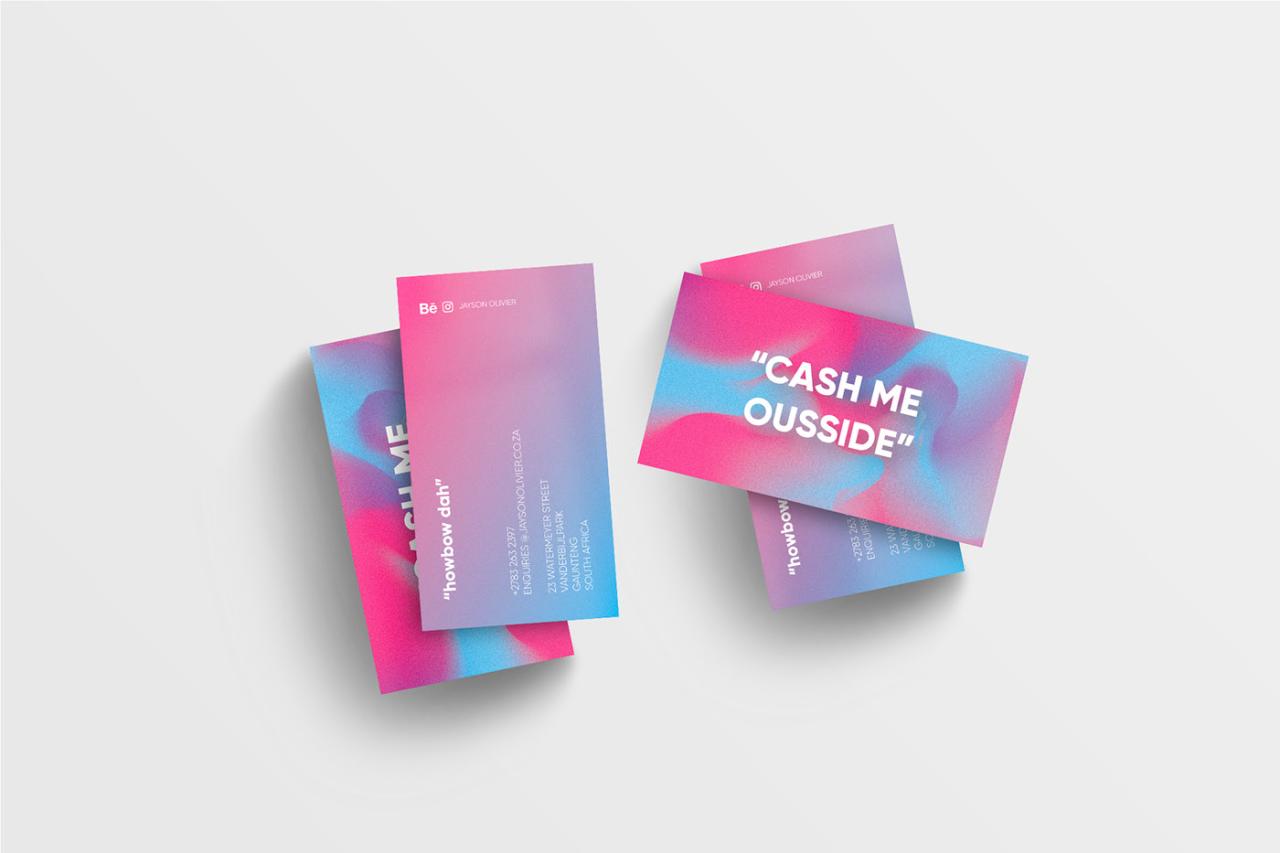
A consistent visual style across your website, social media, and even business cards will strengthen your brand recognition.
Examples of Successful Personal Brands
Many graphic designers have successfully built strong personal brands. For example, consider the minimalist and sophisticated branding of a designer specializing in corporate identity. Their website might feature clean typography, a muted color palette, and high-quality images of their work. This immediately communicates their professional approach and expertise in branding. In contrast, a designer specializing in children’s book illustration might have a more playful and colorful brand, using whimsical fonts and bright imagery.
This reflects their target audience and creative style. The key is to ensure your brand’s visual language directly correlates with the type of design work you specialize in.
Comparative Analysis of Personal Branding Approaches
| Branding Style | Target Audience | Key Strengths | Examples |
|---|---|---|---|
| Minimalist & Modern | Corporate clients, tech startups | Clean, professional, timeless | A designer with a simple logo, monochromatic color scheme, and a focus on typography |
| Bold & Vibrant | Creative agencies, entertainment companies | Energetic, memorable, attention-grabbing | A designer with a bright color palette, unconventional typography, and dynamic imagery |
| Rustic & Handcrafted | Small businesses, eco-conscious brands | Authentic, personal, approachable | A designer with a logo incorporating natural elements, earthy tones, and a handwritten font |
| Elegant & Sophisticated | Luxury brands, high-end clients | Premium, refined, exclusive | A designer with a refined logo, a sophisticated color palette (e.g., gold, black), and high-quality photography |
Building an Online Presence
Your online presence is your digital storefront, showcasing your skills and attracting potential clients. A strong online strategy is crucial for any graphic designer looking to build a successful career. It’s about more than just having a website; it’s about crafting a cohesive and engaging experience that reflects your brand and resonates with your target audience.Essential Platforms for a Graphic Designer’s Online Presence
Portfolio Website
A professional website is the cornerstone of your online presence. It serves as a central hub to showcase your best work, highlight your skills, and provide contact information. Think of it as your personalized gallery, allowing potential clients to explore your style and capabilities before reaching out. A well-designed website should be easy to navigate, visually appealing, and optimized for different screen sizes.
Consider using a platform like Squarespace or Wix for ease of use, or employing a custom-built solution for more control over design and functionality. High-quality images are critical – invest in professional photography if needed.
Social Media Platforms
Social media offers a powerful way to connect with potential clients and showcase your personality. Platforms like Instagram, Behance, and Pinterest are particularly well-suited for visual professionals. Instagram allows for visually driven content, short-form video, and engaging storytelling. Behance provides a professional portfolio platform, while Pinterest is excellent for showcasing mood boards and inspirational work. LinkedIn is crucial for networking and connecting with industry professionals.
Remember to tailor your content to each platform’s specific audience and format.
Optimizing a Portfolio Website to Attract Clients
Creating a visually stunning portfolio is only half the battle. Optimizing your website for search engines and user experience is just as important.
Search Engine Optimization ()
involves optimizing your website’s content and structure to rank higher in search engine results. Use relevant s in your website copy, image alt text, and page titles. Ensure your website is mobile-friendly and loads quickly. Regularly update your content to keep it fresh and relevant. Consider using tools like Google Search Console and SEMrush to track your website’s performance.
User Experience (UX)
Your website should be easy to navigate and visually appealing. Use high-quality images and a clean, uncluttered design. Make sure your contact information is easily accessible. Include a clear call to action, encouraging visitors to contact you or request a quote. Gather feedback from friends or colleagues to identify areas for improvement.
Content Creation Strategies for Social Media
Social media success depends on consistent, engaging content. Focus on creating visually appealing posts that highlight your work and personality.
Visual Appeal
Prioritize high-quality images and videos. Use consistent branding elements, such as colors, fonts, and logos. Experiment with different visual styles to keep your feed fresh and interesting. Consider using design tools like Canva to create eye-catching graphics.
Engagement
Interact with your followers by responding to comments and messages. Ask questions to encourage conversation. Run contests or giveaways to boost engagement. Use relevant hashtags to increase the visibility of your posts. Share behind-the-scenes content to humanize your brand and build a connection with your audience.
Post consistently, aiming for a regular schedule to maintain audience engagement.
Maintaining a Consistent Brand Identity Across All Online Platforms
A consistent brand identity reinforces your professional image and builds trust with potential clients.
- Use the same logo and color palette across all platforms.
- Maintain a consistent tone of voice in your writing.
- Use high-quality images and videos that align with your brand aesthetic.
- Ensure your website and social media profiles have consistent messaging and branding.
- Regularly review and update your brand guidelines to ensure consistency.
Networking and Client Acquisition
Landing your dream graphic design clients isn’t just about having a stunning portfolio; it’s about effectively connecting with the right people. Building a strong network, both online and offline, is crucial for consistent project flow and career growth. This section will explore effective strategies for networking and acquiring clients, transforming your connections into profitable collaborations.
Effective Networking Strategies for Graphic Designers
Networking is a two-way street. It’s about building genuine relationships, offering value, and positioning yourself as a reliable and creative problem-solver. Don’t just focus on what you can gain; think about how you can help others. This approach fosters trust and leads to mutually beneficial partnerships. Effective strategies encompass both online and offline interactions.
Key Platforms and Events for Client Connections
Several online and offline platforms offer fertile ground for connecting with potential clients. Online, platforms like Behance, Dribbble, and LinkedIn are essential for showcasing your work and engaging with other professionals. Attend industry conferences and workshops, both locally and nationally, to meet potential clients and collaborators face-to-face. Local business networking events can also yield surprising opportunities. Remember to actively participate in online communities relevant to your niche, responding to questions and offering insightful comments to build your reputation.
Approaching Potential Clients and Presenting Services
Approaching potential clients requires a professional and confident approach. Start by researching the client and their business. Understand their needs and tailor your pitch to address those specific needs. A concise and compelling email or introductory message is key. Highlight your unique skills and how you can help them achieve their goals.
Always provide a clear and detailed proposal outlining the project scope, timeline, and pricing. Follow up consistently, but avoid being overly pushy.
Client Acquisition Methods Comparison
| Method | Cost | Time Investment | Effectiveness |
|---|---|---|---|
| Networking Events (in-person) | Moderate (event fees, travel) | High (preparation, attendance, follow-up) | High (builds strong relationships, personalized interaction) |
| Online Portfolio (Behance, Dribbble) | Low (website hosting, potentially paid promotion) | Moderate (portfolio creation, maintenance, content updates) | Moderate to High (wide reach, showcases skills, passive lead generation) |
| LinkedIn Networking | Low (free platform, potential paid features) | Moderate (profile optimization, engagement, connection building) | Moderate (professional networking, targeted outreach) |
| Cold Emailing | Low (email service cost) | High (research, crafting emails, follow-up) | Low to Moderate (high volume needed, low response rate, but can be effective for targeted campaigns) |
Showcasing Your Work
Your portfolio is your most powerful tool for attracting clients. It’s not just a collection of your projects; it’s a curated presentation of your skills, style, and the value you bring to potential clients. A compelling portfolio will clearly demonstrate your understanding of design principles and your ability to translate client needs into effective visual solutions.Creating a strong portfolio requires careful consideration of how you present your work.
It’s about showcasing not only the final product but also the journey you took to get there. This approach allows potential clients to understand your design process and see the thought behind your choices.
Portfolio Structure and Content
A well-structured portfolio should be easy to navigate and visually appealing. Organize your projects chronologically or by category (e.g., branding, web design, illustration). Each project should have a concise title and a brief overview explaining the project’s goals and your role. High-quality images are crucial; ensure your work is presented in a way that accurately reflects its quality.
Avoid overcrowding the page with too much information; keep it clean and focused. Consider using a consistent visual style across your portfolio to reinforce your brand identity. For example, a portfolio showcasing minimalist designs should maintain a minimalist aesthetic itself.
Presenting Case Studies
Case studies provide in-depth insights into your design process and the impact of your work. For each project, include a detailed description of the client’s brief, your approach to the design challenge, the design solutions you implemented, and the results achieved. Use strong visuals – before and after shots, wireframes, mood boards, and other relevant materials – to illustrate your process and highlight the effectiveness of your solutions.
Quantifiable results, such as increased website traffic or brand awareness, are particularly compelling. For example, a case study for a website redesign could show a comparison of pre- and post-redesign website analytics, highlighting increased user engagement and conversion rates.
Utilizing Testimonials and Client Feedback
Positive testimonials from satisfied clients add significant credibility to your portfolio. Include quotes that highlight your professionalism, creativity, and the positive impact of your work. Consider using a variety of testimonials to showcase different aspects of your skills and experience. If you have permission, include client logos to further enhance your credibility. For example, a testimonial could say, “Working with [Your Name] was a pleasure.
Their design solutions were innovative and exceeded our expectations. We saw a significant increase in brand recognition after launching our new logo.” Ensure you obtain written permission from your clients before using their testimonials.
Tips for Photographing Your Work
High-quality photography is essential for showcasing your work online. Use good lighting to avoid shadows and ensure your images are sharp and well-focused. Choose a neutral background that doesn’t distract from your work. For printed materials, use a scanner or high-resolution camera to capture crisp, clear images. Maintain consistency in your photography style across your portfolio for a professional look.
For example, use a consistent background color or a similar lighting setup for all your photographed work. Edit your images to ensure they are consistent in terms of color and brightness.
Maintaining and Growing Your Brand
Source: behance.net
Building a successful personal brand as a graphic designer isn’t a one-time effort; it’s an ongoing process of refinement and adaptation. Just like any thriving business, your brand needs consistent nurturing to stay relevant, attract new clients, and maintain a strong reputation within the competitive design landscape. This involves proactive strategies for updating your skills, engaging with your audience, and adapting to the ever-evolving industry trends.Consistent brand maintenance is crucial for long-term success.
Ignoring your brand can lead to stagnation, missed opportunities, and a decline in client interest. Regularly evaluating and updating your brand ensures you remain competitive, resonate with your target audience, and effectively communicate your unique value proposition. This proactive approach allows for controlled growth and ensures your brand remains a valuable asset in your career.
Strategies for Consistent Brand Improvement
Maintaining a strong personal brand requires a multi-faceted approach. Regularly reviewing your portfolio and website content is essential. Identify outdated projects or designs and consider replacing them with your most recent and impressive work. This demonstrates growth and keeps your online presence fresh and relevant. Furthermore, consistently creating new content, such as blog posts, case studies, or social media updates, showcases your expertise and keeps your audience engaged.
Participating in industry events and workshops can also provide valuable insights and networking opportunities, further enhancing your brand’s visibility and credibility. Finally, seeking feedback from clients and peers offers valuable perspectives on how to improve your brand’s messaging and overall impact.
Monitoring Online Reputation
Your online presence significantly impacts your professional reputation. Regularly monitoring your online brand reputation is crucial for identifying and addressing any negative feedback or misinformation. Utilizing online reputation management tools can help track mentions of your name and brand across various platforms. Actively engaging with online reviews and comments, both positive and negative, demonstrates professionalism and allows you to address concerns directly.
This proactive approach fosters trust and strengthens your credibility with potential clients. Ignoring negative feedback can damage your reputation, while effectively managing it showcases your commitment to client satisfaction and professional integrity.
So you’re a graphic designer crafting your personal brand? Awesome! Building a strong online presence is key, and that means more than just a killer website. To really boost your visibility, check out this guide on getting it on with youtube – it’s a game-changer for showcasing your skills and connecting with potential clients. Then, armed with that YouTube knowledge, you can refine your personal branding guide even further!
Adapting to Industry Trends and Client Needs
The graphic design industry is constantly evolving, with new software, techniques, and design trends emerging regularly. Staying abreast of these changes is crucial for maintaining a relevant and competitive brand. Regularly exploring design blogs, attending industry conferences, and experimenting with new software are effective methods for staying current. Furthermore, actively seeking feedback from clients regarding their needs and preferences helps tailor your services to meet their evolving expectations.
This adaptability not only ensures your services remain in demand but also enhances your ability to offer innovative and effective solutions. For example, the rise of sustainable design practices necessitates designers to adapt their approach, showcasing their commitment to environmentally conscious design solutions.
Resources for Staying Informed
Staying updated on industry best practices is essential for maintaining a competitive edge. There are numerous resources available to help graphic designers stay informed.
- Design Blogs and Websites: Sites like Awwwards, Behance, and Dribbble showcase cutting-edge design work and provide valuable insights into current trends.
- Industry Publications: Magazines and online publications dedicated to graphic design offer articles, interviews, and tutorials on the latest techniques and technologies.
- Professional Organizations: Organizations such as the AIGA (American Institute of Graphic Arts) offer resources, networking opportunities, and educational programs.
- Online Courses and Workshops: Platforms like Skillshare, Udemy, and Coursera provide a wealth of online courses on various graphic design aspects.
- Conferences and Workshops: Attending industry conferences and workshops offers valuable networking opportunities and insights into the latest trends.
Visual Identity and Branding Elements
Your visual identity is the cornerstone of your personal brand as a graphic designer. It’s the visual representation of your skills, personality, and the kind of clients you want to attract. A strong visual identity ensures consistency and memorability, setting you apart in a competitive field. This involves carefully choosing and consistently using key branding elements across all platforms.
Logo Design
A well-designed logo is crucial. It should be memorable, versatile (working well in different sizes and contexts), and reflective of your brand personality. Consider whether you need a logomark (a symbolic image), a logotype (a text-based logo), or a combination mark. For instance, a minimalist geometric logo might suit a designer specializing in modern branding, while a more hand-drawn logo could appeal to someone focused on artisanal design.
The logo should be easily reproducible and scalable without losing its clarity. Think about the potential for different variations – a primary logo, a secondary logo for smaller applications, and a submark for even more concise use.
Color Palette Selection
Your color palette is integral to your brand’s personality and aesthetic. Colors evoke emotions and associations; choosing carefully will guide your brand perception. For example, a palette of deep blues and greens might suggest trustworthiness and stability, while vibrant oranges and yellows could convey energy and creativity. Limit your palette to a few key colors (typically 3-5) to maintain consistency and avoid visual clutter.
Ensure your colors are accessible, considering color blindness and readability against different backgrounds. A designer specializing in children’s books might opt for a playful, bright palette, while one working with corporate clients might choose a sophisticated, muted palette.
Typography Choices
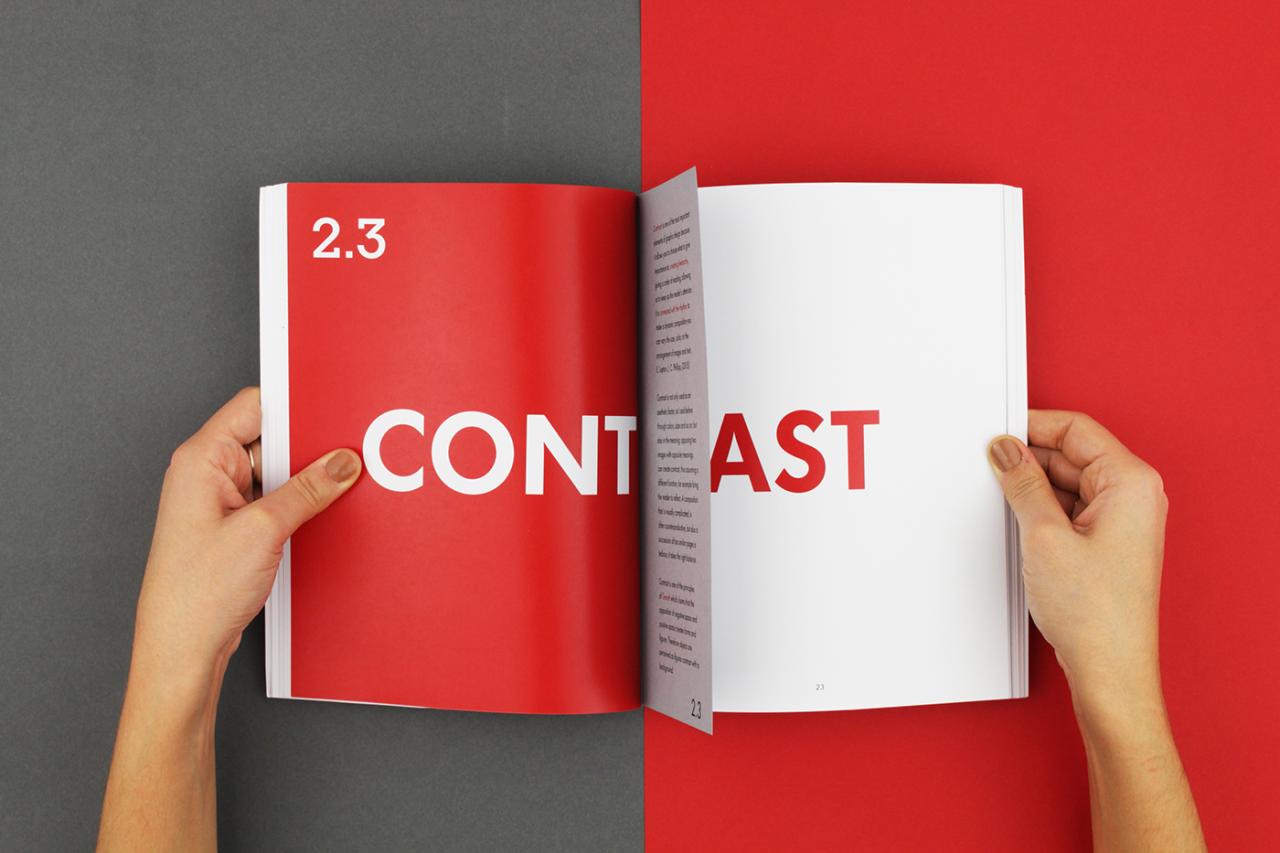
Typography plays a significant role in conveying your brand’s personality and professionalism. Font choices should align with your brand aesthetic and be easy to read across all platforms. Consider using a combination of fonts – a primary font for headings and a secondary font for body text – to create visual hierarchy and interest. Ensure sufficient contrast between text and background for readability.
A designer specializing in luxury brands might select elegant serif fonts, while one focusing on technology might use clean sans-serif fonts.
Consistent Branding Across Platforms
Maintaining consistency in your visual branding across all platforms (website, social media, business cards, portfolio) is paramount. This reinforces brand recognition and creates a unified and professional image. Inconsistent branding can confuse potential clients and dilute your brand message. Using the same logo, color palette, and typography across all channels is crucial. For example, if your website uses a specific font and color scheme, your social media profiles should reflect this consistency to build a cohesive brand experience.
Examples of Effective Visual Branding
Consider the branding of renowned designers like Paula Scher, known for her bold typography and vibrant color palettes. Her work often incorporates strong geometric shapes and a sense of dynamism, reflecting her creative personality and design style. Conversely, a designer with a more minimalist approach might emulate the clean lines and restrained color palettes often seen in the work of designers associated with Scandinavian design.
These examples demonstrate how different visual styles can effectively communicate the designer’s personality and design ethos.
Design Styles and Suitability
| Style | Target Audience | Pros | Cons |
|---|---|---|---|
| Minimalist | Tech companies, luxury brands | Clean, modern, timeless | Can feel impersonal, limited expressiveness |
| Vintage/Retro | Fashion, food, hospitality | Nostalgic, unique, charming | Can appear dated, may not appeal to all |
| Modern/Geometric | Technology, architecture, corporate | Clean, sophisticated, professional | Can be cold, lack of personality if not carefully executed |
| Hand-drawn/Illustrative | Children’s books, crafts, food | Unique, personal, approachable | Can be inconsistent, difficult to reproduce consistently |
Crafting a Compelling Narrative: Personal Branding Guide Graphic Designers
Your personal brand isn’t just a logo; it’s a story. It’s the narrative that connects you with potential clients on an emotional level, differentiating you from the sea of other graphic designers. A compelling narrative humanizes your brand, making it memorable and trustworthy. It’s about showcasing your passion, expertise, and the unique value you bring to the table.A well-crafted personal brand story articulates your unique value proposition, highlighting what sets you apart and why clients should choose you.
It’s about more than just listing your skills; it’s about showing how those skills translate into tangible results for your clients. Think about the problem you solve for your clients and the positive impact you create. This narrative should be woven throughout your online presence and marketing materials.
Communicating Your Unique Value Proposition
Effectively communicating your unique value proposition requires clarity and focus. Avoid vague statements; instead, pinpoint the specific benefits you offer. Consider what makes your design approach distinctive. Are you known for your minimalist aesthetic? Your expertise in branding for startups?
Your ability to deliver projects under tight deadlines? Highlight these strengths in your narrative, using concrete examples of successful projects. Quantifiable results, such as increased website traffic or brand recognition for past clients, are particularly persuasive. For instance, instead of saying “I’m a creative graphic designer,” you might say, “I help startups establish a strong visual identity that attracts their target audience and boosts brand awareness by an average of 25% within the first six months.”
Examples of Compelling Brand Narratives
While specific details of successful designers’ narratives are often kept private for competitive reasons, we can examine general principles. Imagine a designer who specializes in eco-conscious branding. Their narrative might focus on their passion for sustainability, showcasing projects that helped environmentally focused businesses communicate their values effectively to a wider audience. Another designer might emphasize their collaborative approach, highlighting their ability to build strong relationships with clients and seamlessly integrate their design solutions into a client’s overall marketing strategy.
The key is to identify a common thread—a passion, a skill, a value—and let that thread guide the story.
Sample Personal Brand Narrative
Let’s craft a narrative for a hypothetical graphic designer, Anya Petrova. Anya is a freelance graphic designer specializing in vibrant, playful branding for children’s products. Her narrative could begin: “As a child, I was captivated by the power of illustration to transport you to another world. This passion led me to pursue graphic design, and today, I channel that same energy into creating memorable brands for children’s products.
I believe that every child deserves a brand that sparks joy and ignites imagination. My designs aren’t just visually appealing; they’re carefully crafted to resonate with children and parents alike, reflecting the unique personality and values of each product. I’ve worked with clients ranging from small artisan toy makers to established publishing houses, consistently exceeding expectations and delivering results that have led to increased sales and brand recognition.
My aspiration is to continue using my skills to bring a touch of magic to the world of children’s products, one vibrant design at a time.”
Last Recap
Building a strong personal brand as a graphic designer isn’t a one-time project; it’s an ongoing journey of self-discovery, refinement, and adaptation. By consistently honing your skills, showcasing your work, and actively networking, you’ll not only attract more clients but also establish yourself as a leader in your field. Remember, your brand is a reflection of you – make it shine!
FAQs
How often should I update my online portfolio?
Aim to add new projects every few months to keep your portfolio fresh and relevant. Regular updates demonstrate your ongoing activity and skill development.
What’s the best way to handle negative online reviews?
Respond professionally and empathetically, acknowledging the client’s concerns and outlining the steps you’ve taken to address the issue. A well-handled negative review can actually build trust.
How much should I invest in professional headshots for my brand?
A professional headshot is a worthwhile investment. It’s your visual representation, so ensure it’s high-quality and reflects your brand’s personality. The cost varies, but it’s a small price to pay for a lasting impression.
Should I specialize in a niche area of graphic design?
Specialization can be beneficial, helping you target a specific audience and become known for your expertise. However, it’s also important to maintain some flexibility to cater to diverse client needs.