Smucker Up Start a Podcast Now
Smucker up start a podcast – Smucker Up: Start a Podcast Now – that’s the challenge, and this blog post is your roadmap! We’re diving deep into the delicious world of podcasting, exploring everything from niche selection and content strategy to technical know-how and savvy marketing. Whether you dream of sharing your love of jam, interviewing podcasting gurus, or building a community around your unique passion, this guide will equip you with the tools and inspiration to launch your own successful podcast.
From crafting compelling episode formats and mastering the art of podcast promotion to navigating the legal and ethical landscapes of audio broadcasting, we’ll cover it all. We’ll even help you figure out how to make some money from your hard work! Get ready to transform your passion into a profitable and fulfilling venture.
Podcast Content Strategy
Developing a robust content strategy is crucial for a podcast’s success. A well-defined plan ensures consistent, engaging content that resonates with your target audience and keeps them coming back for more. This involves carefully considering episode formats, topic selection, and a comprehensive promotion strategy. The following Artikels a potential strategy for the “Smucker Up” podcast.
Episode Formats
Three distinct episode formats can cater to diverse audience preferences and maintain listener interest. Variety keeps the podcast fresh and engaging, attracting a wider range of listeners.
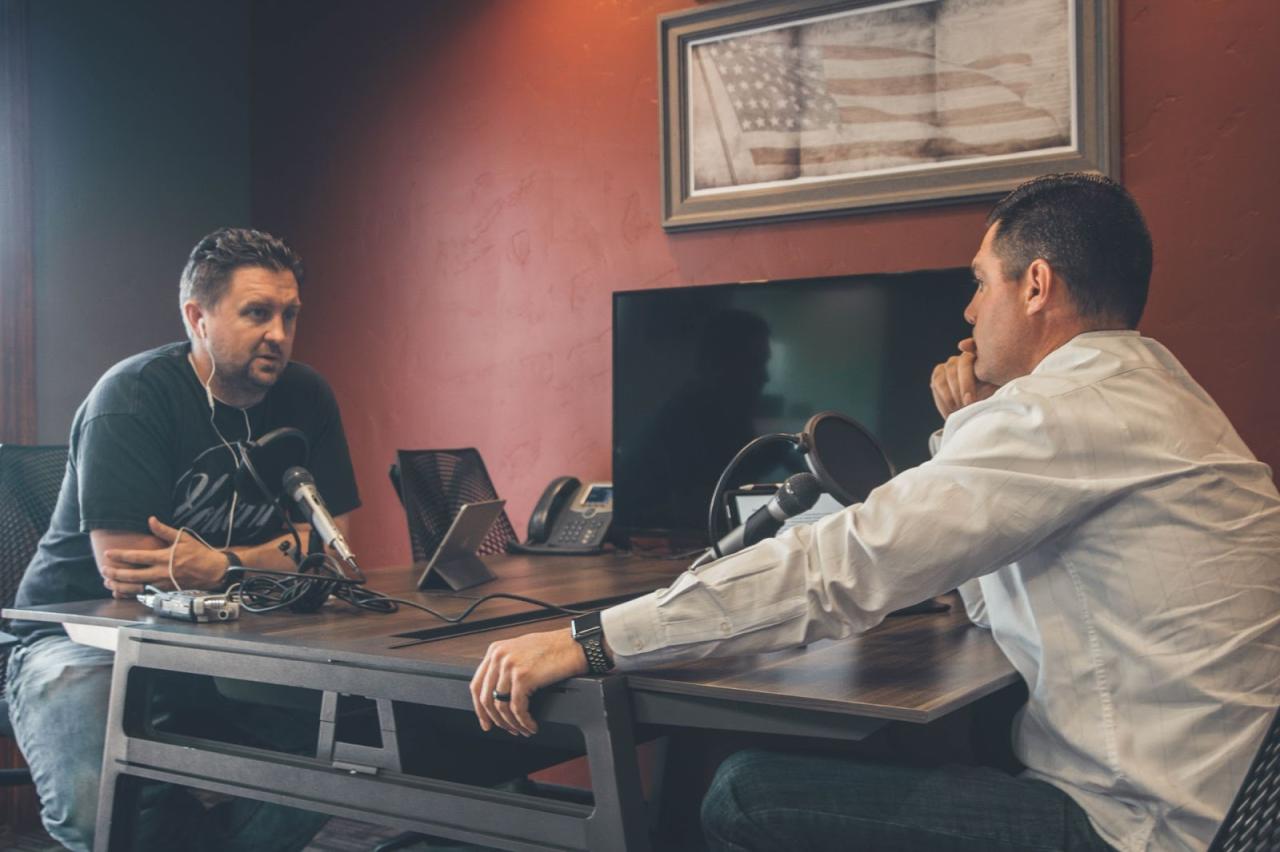
- Solo Interviews: In these episodes, the host engages in in-depth conversations with successful individuals in relevant niches. This format allows for personal stories, valuable insights, and actionable advice.
- Expert Panel Discussions: These episodes bring together multiple experts in a specific field for a dynamic discussion on a trending topic. This format offers diverse perspectives and a more comprehensive understanding of the subject matter.
- “How-To” Tutorials/Workshops: These episodes provide practical, step-by-step guidance on specific skills or tasks relevant to the target audience. This format offers tangible value and actionable steps listeners can implement immediately.
Episode Topic Examples, Smucker up start a podcast
The following examples illustrate potential episode topics for each format, assuming a focus on personal development and entrepreneurship:
- Solo Interviews: “Building a Million-Dollar Business from Scratch” featuring a successful entrepreneur; “Overcoming Imposter Syndrome” featuring a prominent thought leader in personal development; “The Power of Networking” featuring a renowned career coach.
- Expert Panel Discussions: “The Future of Remote Work”; “Effective Strategies for Time Management”; “Building a Strong Personal Brand.”
- “How-To” Tutorials/Workshops: “Creating a Winning Business Plan”; “Mastering the Art of Public Speaking”; “Negotiating Your Salary Effectively.”
Social Media Promotion Methods
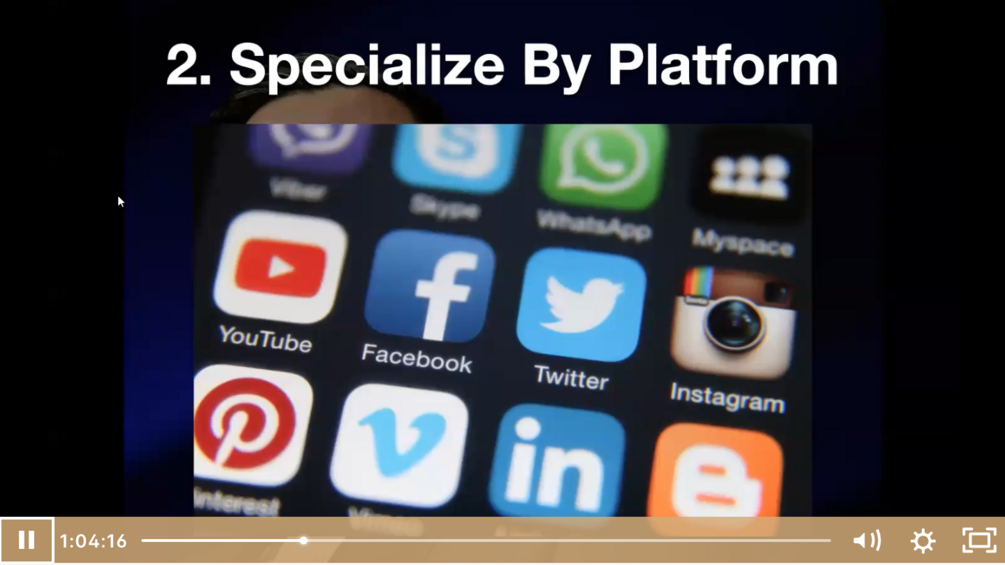
Effective promotion is key to reaching a wider audience. A multi-faceted approach leveraging different social media platforms maximizes reach and engagement.
- Teaser Clips & Behind-the-Scenes Content: Short, engaging video clips or audio snippets shared on platforms like Instagram, TikTok, and YouTube Shorts can generate excitement and anticipation before the episode’s release. For example, a short clip of an interviewee sharing a powerful quote or a sneak peek of a workshop activity.
- Interactive Polls & Q&A Sessions: Engage listeners directly through polls and Q&A sessions on platforms like Instagram Stories and Twitter. Ask questions related to the episode’s topic, encouraging interaction and discussion. For example, a poll asking listeners about their biggest time management challenge before a time management episode.
- Collaborations & Cross-Promotions: Partner with other podcasters or influencers in related niches to cross-promote episodes and reach a broader audience. This can involve guest appearances on each other’s podcasts or joint social media campaigns. For example, a collaboration with a personal finance podcast to promote an episode on budgeting for entrepreneurs.
One-Month Content Calendar
A well-structured content calendar ensures consistent releases and efficient planning.
| Date | Episode Topic | Format | Social Media Promotion |
|---|---|---|---|
| October 1st | Building a Million-Dollar Business from Scratch (Solo Interview) | Solo Interview | Teaser clips on Instagram & TikTok, Q&A session on Twitter |
| October 8th | The Future of Remote Work (Expert Panel) | Expert Panel Discussion | Poll on LinkedIn about remote work challenges, behind-the-scenes content on Instagram Stories |
| October 15th | Creating a Winning Business Plan (How-To Tutorial) | “How-To” Tutorial | Short video tutorial snippets on YouTube Shorts, collaboration with a business coaching account on Instagram |
| October 22nd | Overcoming Imposter Syndrome (Solo Interview) | Solo Interview | Teaser clips on Instagram & TikTok, Q&A session on Twitter |
| October 29th | Effective Strategies for Time Management (Expert Panel) | Expert Panel Discussion | Poll on LinkedIn about time management strategies, behind-the-scenes content on Instagram Stories |
Technical Aspects of Podcasting
Launching a successful podcast requires more than just great content; it demands a solid understanding of the technical side. From recording and editing to hosting and distribution, mastering these aspects is crucial for delivering a high-quality listening experience and reaching a wider audience. This section will delve into the key technical elements involved in creating and launching your podcast.
Necessary Equipment for Recording and Editing
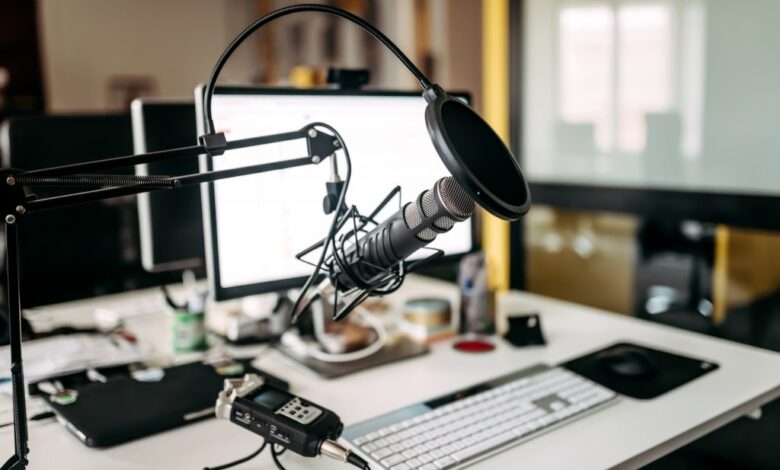
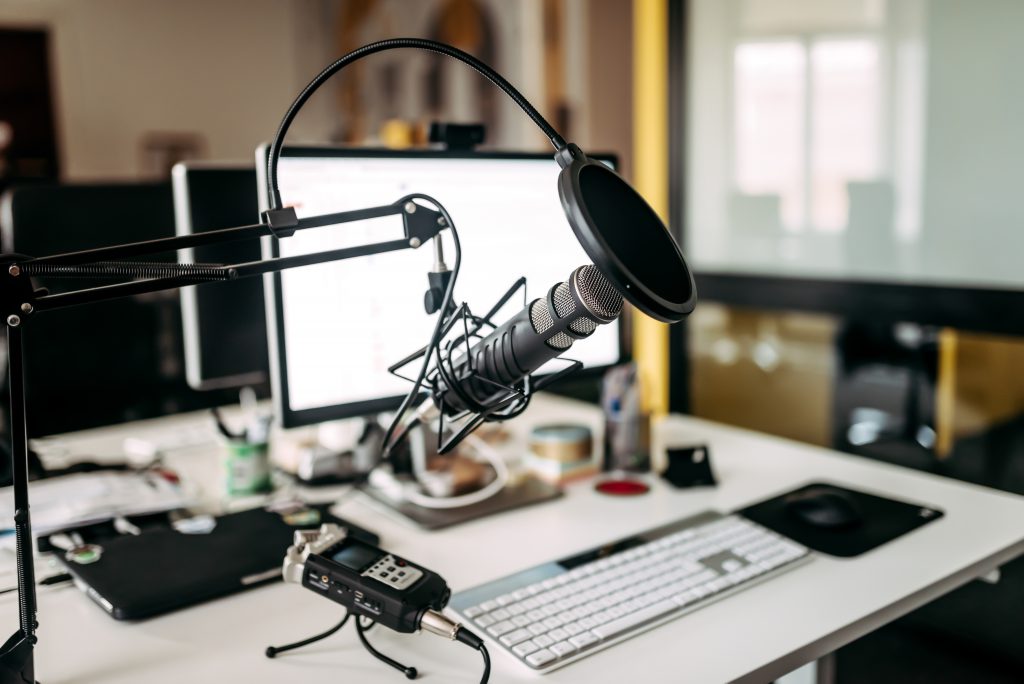
High-quality audio is paramount for a successful podcast. While you can achieve decent results with basic equipment, investing in better tools significantly enhances the professional sound of your production. A good microphone is the cornerstone of this process. Dynamic microphones, like the Shure SM7B, are popular for their robustness and ability to handle loud sounds, while condenser microphones, such as the Rode NT1-A, are known for their sensitivity and clarity, often preferred for quieter environments.
So you’re thinking of launching your “Smucker Up” podcast? Awesome! Building a loyal audience takes work, and video promotion is key. That’s why I recommend checking out this fantastic guide on getting it on with youtube to boost your podcast’s visibility. Understanding YouTube’s algorithm will help you reach potential listeners and grow your “Smucker Up” community much faster.
A pop filter is essential to reduce plosives (harsh sounds from “p” and “b” consonants). Headphones, ideally closed-back ones to prevent audio bleed into the microphone, are crucial for monitoring your recording. Finally, a digital audio workstation (DAW) is needed for editing, and a computer with sufficient processing power ensures smooth operation. Investing in these key pieces of equipment ensures a significant improvement in audio quality.
Podcast Hosting Platforms
Choosing the right podcast hosting platform is vital for distribution and management. These platforms store your audio files, generate RSS feeds (required for podcast directories), and often offer analytics to track your podcast’s performance. Popular options include Libsyn, Buzzsprout, and Podbean. Each platform offers varying features, pricing tiers, and levels of support. Factors to consider include storage space, bandwidth, analytics capabilities, and the ease of use of the interface.
For example, Libsyn is known for its robust features and extensive analytics, while Buzzsprout is often praised for its user-friendly interface and straightforward pricing. Carefully evaluating these factors helps you select the platform that best suits your needs and budget.
Submitting a Podcast to Major Directories
Once your podcast is ready, submitting it to major directories like Apple Podcasts, Spotify, Google Podcasts, and others expands your reach significantly. The process generally involves creating an account on each platform and submitting your RSS feed. This RSS feed, generated by your hosting platform, contains all the necessary metadata about your podcast, including its title, description, artwork, and episode details.
Each directory has its own submission guidelines, so it’s crucial to carefully review them before submitting. Successful submission ensures your podcast appears in search results and is discoverable by a much larger audience.
Comparison of Podcast Editing Software
Audacity and GarageBand are two popular choices for podcast editing. Audacity is a free, open-source option known for its versatility and extensive features, including noise reduction, equalization, and effects processing. However, its interface can feel less intuitive than some paid options. GarageBand, included with Apple devices, offers a more user-friendly interface and integrates seamlessly with the Apple ecosystem. While it offers a good range of features, it lacks some of the advanced capabilities found in professional-grade software like Audacity.
The choice depends on your budget, technical skills, and the complexity of your editing needs. Both offer adequate tools for producing high-quality podcasts, especially for beginners.
Marketing and Promotion
Launching a successful podcast requires a robust marketing strategy tailored to your specific niche. Understanding your target audience and utilizing the right channels are crucial for building a loyal listener base and achieving your podcast goals. This section Artikels a comprehensive marketing plan, encompassing social media promotion, graphic design, and collaborative strategies.
Marketing Plan Development
A successful marketing plan hinges on identifying your target audience. For example, a podcast about personal finance for young adults will have a different marketing approach than one focused on advanced investment strategies for experienced professionals. The former might leverage platforms like TikTok and Instagram, emphasizing relatable content and quick, digestible information. The latter might focus on LinkedIn and professional networking events, highlighting expertise and credibility.
Your marketing efforts must align with where your target audience spends their time online and offline. Consider factors like demographics, interests, and online behavior when choosing your channels and crafting your messaging. For instance, if your audience is primarily female professionals aged 30-45, you’ll likely find greater success with targeted advertising on platforms like Facebook and Pinterest.
Social Media Posts
Here are three social media posts promoting a hypothetical podcast episode titled “Unlocking Your Financial Potential,” focusing on budgeting and saving strategies:
- Post 1 (Instagram): Image: A vibrant graphic with a woman smiling confidently while looking at her laptop, showcasing a budgeting app. Text: “Feeling overwhelmed by finances? Our latest episode of [Podcast Name] breaks down simple budgeting strategies to unlock your financial potential! Link in bio! #personalfinance #budgeting #moneymanagement #financialliteracy”
- Post 2 (Twitter): Text: “Learn how to take control of your finances and reach your financial goals! Listen to our latest episode on budgeting and saving: [Podcast Link] #financialfreedom #savingstips #budgetinghacks”
- Post 3 (Facebook): Image: A visually appealing infographic summarizing key takeaways from the episode. Text: “Stop living paycheck to paycheck! Our new episode on [Podcast Name] provides actionable tips for creating a budget that works for YOU. Listen now: [Podcast Link] #personalfinancetips #savingmoney #budgeting101”
Promotional Graphic Design
The visual appeal of your promotional materials is paramount. Here are descriptions of promotional graphics tailored to three different podcast niches:
- Podcast Niche: Personal Finance: The graphic features a clean, modern design with a calming color palette of greens and blues. The central image is a stylized graph showing upward financial growth. Text includes the podcast name, episode title (“Unlocking Your Financial Potential”), and a clear call to action (“Listen Now!”).
- Podcast Niche: True Crime: The graphic uses a darker, more mysterious color scheme with deep blues, purples, and blacks. The central image is a stylized silhouette of a detective or a cryptic symbol. Text includes the podcast name, episode title (e.g., “The Case of the Missing Heirloom”), and a tagline like “Unravel the mystery.”
- Podcast Niche: Health & Wellness: The graphic uses bright, optimistic colors like oranges, yellows, and greens. The central image features a healthy-looking person engaging in a wellness activity (yoga, meditation, etc.). Text includes the podcast name, episode title (e.g., “Mindful Eating for Weight Loss”), and a call to action (“Tune In!”).
Collaboration Strategies
Expanding your reach involves collaborating with other podcasters and influencers. Here are three effective strategies:
- Guest Appearances: Appear as a guest on podcasts within your niche or related fields. This exposes your podcast to a new audience. For example, a personal finance podcast could collaborate with a career coaching podcast.
- Cross-promotion: Partner with other podcasters to mutually promote each other’s episodes. This could involve mentioning each other’s podcasts during your shows, sharing social media posts, or creating joint marketing campaigns. For instance, two podcasts focusing on different aspects of healthy living could cross-promote their episodes to reach a wider audience.
- Joint Podcasts/Series: Create a limited-series podcast or a single episode in collaboration with another podcaster. This allows for diverse perspectives and introduces your podcast to a completely new listener base. For example, a history podcast could team up with a travel podcast to create a series exploring historical travel destinations.
Podcast Monetization Strategies
Source: gumroad.com
Launching a podcast about Smucker’s and the journey of starting a podcast offers several exciting avenues for monetization. The key is to align monetization strategies with the podcast’s content and target audience, ensuring a seamless and valuable experience for listeners. This section explores three viable options, analyzing their pros and cons and providing a sample sponsorship proposal.
Direct Advertising
Direct advertising involves selling ad space within your podcast episodes. This can range from short, pre-recorded ads read by you or a voice actor, to longer sponsored segments integrated more naturally into the show’s flow. The success of this strategy hinges on attracting advertisers who align with your audience and podcast’s theme.
- Advantages: Relatively straightforward to implement, potential for high revenue if you attract high-paying sponsors, allows for direct control over ad content and placement.
- Disadvantages: Requires a significant audience to attract advertisers, can be time-consuming to find and manage sponsors, listener annoyance if ads are poorly integrated or too frequent.
Affiliate Marketing
Affiliate marketing involves recommending products or services relevant to your podcast’s content and earning a commission on sales generated through unique affiliate links. For a podcast about starting a podcast and featuring Smucker’s, this could involve recommending podcasting equipment, editing software, or even Smucker’s products themselves.
- Advantages: Relatively low-risk, aligns well with content, can generate passive income, allows for natural integration into the podcast flow.
- Disadvantages: Requires finding appropriate affiliate programs, commission rates can be low, relies on listeners clicking affiliate links and making purchases.
Sponsorships
Securing sponsorships involves partnering with brands to create dedicated segments or integrate their products/services into your podcast’s content. This can be more lucrative than direct advertising, offering opportunities for creative collaborations and mutually beneficial partnerships. A successful sponsorship requires a strong proposal showcasing the podcast’s audience, reach, and engagement.
Sample Sponsorship Proposal
To: [Potential Sponsor – e.g., a company selling podcasting equipment]
From: [Your Podcast Name]
Subject: Sponsorship Opportunity: Reach a Passionate Audience of Aspiring Podcasters
Date: October 26, 2023
We are pleased to present a sponsorship opportunity for [Your Podcast Name], a rapidly growing podcast dedicated to helping individuals launch and grow successful podcasts. We currently average [Number] downloads per episode, with a highly engaged audience of aspiring podcasters who are actively seeking tools and resources to improve their craft. A sponsorship with [Your Podcast Name] offers your company unparalleled access to this niche market.
We propose a [Duration] sponsorship package, including [Specifics of sponsorship – e.g., dedicated ad spots, mention of your product during specific segments, social media promotion]. We are confident that this partnership will be mutually beneficial, driving brand awareness and generating leads for your company while providing value to our listeners.
For a detailed proposal, please contact us at [Your Contact Information].
Podcast Budget (One Year)
| Item | Cost |
|---|---|
| Podcast Hosting | $100 |
| Microphone & Audio Interface | $300 |
| Editing Software | $100 (one-time purchase or annual subscription) |
| Marketing & Promotion (Social Media Ads, etc.) | $500 |
| Music & Sound Effects Licenses | $50 |
| Contingency Fund | $200 |
| Total | $1250 |
Legal and Ethical Considerations
Source: scalingwithsystems.com
Launching a successful podcast requires more than just great content; it necessitates a strong understanding of the legal and ethical landscape. Navigating copyright laws, brand mentions, and audience expectations are crucial for long-term sustainability and avoiding potential pitfalls. Ignoring these aspects can lead to legal battles, damaged reputation, and ultimately, the failure of your podcast.
Copyright Permissions for Music and Sound Effects
Using copyrighted music or sound effects without permission is a serious infringement. This can result in hefty fines, lawsuits, and the removal of your podcast from hosting platforms. Securing the necessary licenses, either through royalty-free music libraries or direct agreements with copyright holders, is paramount. Sites offering royalty-free music often have clear licensing terms, specifying how the music can be used, including podcast usage.
For specific tracks, contacting the copyright holder directly to negotiate a license is necessary. Failing to obtain proper authorization can lead to Content ID claims on platforms like YouTube, resulting in muted audio or even takedown notices. Always prioritize legal compliance to protect your podcast and avoid costly consequences.
Legal Implications of Brand Mentions
Discussing specific brands or products in your podcast carries legal implications, particularly if it constitutes an endorsement or advertisement. While mentioning a brand casually might not be problematic, actively promoting a product requires disclosure and potentially legal agreements. The Federal Trade Commission (FTC) in the United States, and similar regulatory bodies in other countries, have guidelines on influencer marketing and endorsements.
These regulations mandate clear disclosure of any sponsored content or affiliate relationships. Failure to disclose paid partnerships can result in penalties and damage your credibility with your audience. Transparency is key to maintaining ethical standards and avoiding legal repercussions. Always carefully review relevant regulations and consult with legal professionals if necessary.
Ethical Considerations for Podcasters
Ethical podcasting involves more than just legal compliance. It encompasses responsibility towards your listeners and the broader community. Three key ethical considerations include:
First, accuracy and truthfulness are essential. Presenting false information or misleading your audience can severely damage your credibility and trust. Always strive to verify information before sharing it on your podcast. If you are unsure about a fact, acknowledge it and cite your sources. Second, respect for privacy is paramount.
Avoid sharing personal information about individuals without their explicit consent. This includes guests on your show, as well as listeners who may contact you. Third, fairness and balance are crucial, particularly when discussing controversial topics. Present different perspectives and avoid biased or inflammatory language. Strive to create a respectful and inclusive environment for your listeners.
Consider the potential impact of your words and actions on your audience and the wider community.
Handling Negative Feedback or Criticism
Negative feedback is inevitable, even for the best podcasts. Developing a robust plan for handling criticism is essential for maintaining a healthy online presence and fostering a positive community. A proactive approach involves creating a feedback mechanism, such as a dedicated email address or social media channel, for listeners to share their thoughts. Respond to negative feedback in a timely and professional manner, acknowledging the listener’s concerns and addressing their points respectfully.
While you don’t have to agree with all criticism, a thoughtful response demonstrates your commitment to your audience. Avoid engaging in arguments or personal attacks. Focus on constructive dialogue and learning from feedback to improve your podcast. Publicly addressing negative feedback transparently can actually build trust and credibility with your audience.
Concluding Remarks: Smucker Up Start A Podcast
Source: klikindomaret.com
Launching a podcast can feel daunting, but with the right planning and execution, it’s entirely achievable. Remember, the key is finding your niche, creating engaging content, and consistently promoting your show. This guide has provided a solid foundation; now it’s time to roll up your sleeves, smucker up, and get started! Don’t forget to share your podcast journey – we’d love to hear about your successes and challenges along the way.
Essential FAQs
What equipment do I REALLY need to start?
A decent microphone (USB mics are great for beginners!), headphones, and recording software are essential. You can upgrade later, but starting simple is key.
How long does it take to create a podcast episode?
It varies wildly! From recording to editing and publishing, expect to spend anywhere from a few hours to a full day per episode, depending on your complexity and editing skills.
How do I get my podcast onto Apple Podcasts and Spotify?
Once you have a podcast host (like Libsyn or Buzzsprout), they’ll guide you through submitting your podcast to various directories. It’s usually a straightforward process.
What if nobody listens to my podcast?
Don’t get discouraged! Building an audience takes time and effort. Focus on creating quality content, consistent promotion, and engaging with your listeners.