
Stock Imagery for the 21st Century A Visual Revolution
Stock imagery for the 21st century isn’t just about finding the perfect picture; it’s about reflecting our evolving world. From the stark, posed shots of the past to the diverse and authentic imagery we crave today, the changes are dramatic. Technological leaps, like AI image generation, are reshaping the industry, while a growing demand for inclusivity is pushing creators to challenge stereotypes and embrace authentic representation.
This journey through the evolution of stock photography explores the impact of technology, the fight for authentic representation, and the future of visual storytelling.
We’ll delve into the fascinating shifts in photographic styles, the rise of AI tools, the complexities of licensing and copyright in the digital age, and the crucial role of user experience in navigating the vast world of stock image websites. We’ll also explore how successful campaigns leverage stock imagery to create powerful narratives and examine the ethical considerations shaping this ever-changing landscape.
Evolution of Stock Imagery
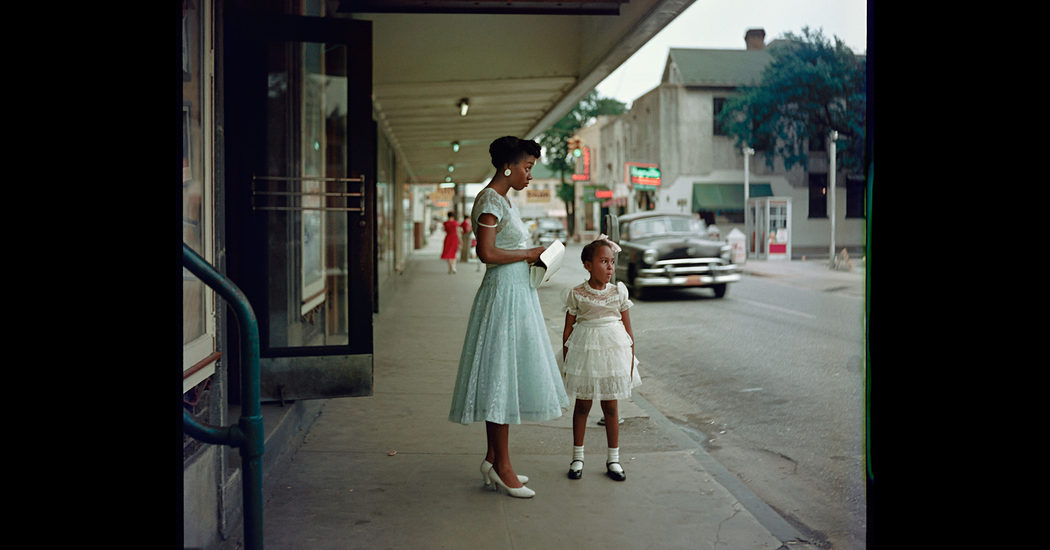
Source: nyt.com
Stock photography, once a niche industry catering primarily to print media, has undergone a dramatic transformation in the 21st century. This evolution is marked by shifts in photographic styles, technological advancements, a broader representation of models and subjects, and evolving aesthetic preferences, all reflecting the changing times and the ever-increasing demands of a digitally driven world.The shift from 20th-century stock imagery to its 21st-century counterpart is readily apparent.
20th-century stock photos often featured overly posed, artificial scenes, characterized by a somewhat dated and often unrealistic aesthetic. Think stiff smiles, unnatural lighting, and a general lack of authenticity. The emphasis was on clear, easily categorized images that served a functional purpose. In contrast, 21st-century stock imagery prioritizes authenticity, natural light, and a more diverse range of subjects and settings.
The goal is to evoke emotion and convey a specific mood or feeling, moving beyond the purely functional to the emotionally resonant.
Technological Advancements in Image Creation and Distribution
The digital revolution has fundamentally reshaped the landscape of stock photography. The advent of high-resolution digital cameras, sophisticated image editing software (like Adobe Photoshop and Lightroom), and readily available online platforms have democratized the creation and distribution of stock images. Previously, creating high-quality stock photos required specialized equipment and extensive darkroom processing. Now, many aspiring photographers can create professional-quality images with relatively accessible technology.
Furthermore, the internet has enabled instant global distribution, replacing the slower, more cumbersome methods of the past. Platforms like Shutterstock, iStock, and Getty Images provide a vast library of images accessible to anyone with an internet connection, facilitating instant access to a diverse range of visual content.
Diversity of Models and Subjects
A significant evolution in stock imagery is the increased diversity of models and subjects. 20th-century stock photography often lacked representation, featuring predominantly white, middle-class individuals. This lack of diversity reflected societal biases and limited the scope of visual storytelling. The 21st century has seen a growing push for inclusivity and representation. Stock photography now features a wider range of ethnicities, ages, body types, and abilities, striving to reflect the multifaceted nature of modern society.
This shift is not only ethically important but also commercially driven, as businesses increasingly recognize the value of diverse imagery in connecting with a broader audience.
Changing Aesthetic Preferences
Aesthetic preferences in stock photography have also evolved significantly. The artificial, overly posed style of the 20th century has largely given way to a more natural, authentic aesthetic. Images now often feature candid shots, genuine emotions, and realistic settings. The rise of social media has influenced this shift, with platforms like Instagram promoting a more authentic and relatable style of visual content.
The emphasis is on creating images that feel genuine and relatable, rather than staged and artificial. This includes a preference for natural lighting, less saturated colors, and a more minimalist approach in many cases, mirroring trends in broader visual culture. For example, the popularization of flat lay photography reflects a preference for clean, simple compositions, often used to showcase products or lifestyles.
Authenticity and Representation in Modern Stock
The evolution of stock photography isn’t just about higher resolution or more diverse subject matter; it’s about a fundamental shift in how we represent ourselves and the world around us. The demand for authentic and diverse representation reflects a growing awareness of the biases embedded within older stock imagery and a desire for visuals that accurately reflect the complexity and richness of human experience.
This move towards authenticity challenges the traditional, often homogenous, portrayals that have long dominated the industry.The increasing demand for authentic and diverse representation in stock photography stems from a widespread recognition that previous collections fell short in accurately reflecting the global population. This has led to a growing need for imagery that is inclusive, representative, and avoids perpetuating harmful stereotypes.
Criticisms of Older Stock Photo Collections
Older stock photo collections often faced significant criticism for their lack of diversity. Images frequently featured overwhelmingly white, thin, able-bodied individuals, reinforcing narrow beauty standards and excluding vast segments of the population. The underrepresentation of people of color, individuals with disabilities, LGBTQ+ individuals, and people from diverse socioeconomic backgrounds created a skewed and unrealistic portrayal of the world.
This lack of representation not only perpetuated harmful stereotypes but also limited the creative possibilities for designers and marketers seeking to create inclusive campaigns. For example, finding images depicting a diverse team working together in a modern office was often difficult, forcing designers to settle for less representative options or invest heavily in custom photography.
Examples of Inclusive Stock Photography
Several stock photography platforms are now actively promoting inclusive imagery. For instance, one might find images depicting a family with two mothers happily interacting with their child, a group of friends with varying physical abilities enjoying a day at the beach, or a business meeting where individuals from diverse ethnic backgrounds collaborate effectively. These images move beyond tokenistic representation and show genuine human connection and interaction.
A particularly powerful example might be a photo of a woman in a wheelchair confidently leading a business presentation, directly challenging the stereotypical portrayal of disability as a limitation. Another could depict a multi-generational family gathering, with individuals representing a wide range of ages and ethnicities, engaged in lively conversation and sharing a meal – a scene rich with authentic human interaction, rather than a staged, artificial setting.
A Hypothetical Stock Image Campaign: Body Positivity and Neurodiversity
A hypothetical stock image campaign promoting body positivity and neurodiversity could feature a series of images depicting individuals of all shapes, sizes, and abilities engaging in everyday activities. One image might show a group of diverse women of different body types confidently posing in workout attire, celebrating their bodies and fitness. Another could depict a neurodivergent individual passionately working on a creative project, showcasing their unique talents and contributions.
A third image could feature a family with a child who has autism happily playing in a park, highlighting the joy and normalcy of their family life. These images would aim to challenge negative stereotypes and promote positive representations of body image and neurodiversity, providing designers and marketers with authentic visuals to use in their campaigns. The campaign’s success would hinge on the genuine representation of the subjects, avoiding overly polished or idealized portrayals and focusing instead on capturing natural expressions and moments.
Stock imagery in the 21st century needs to be authentic and engaging, moving beyond the tired tropes of the past. To truly connect with your audience, especially on video platforms, you need high-quality visuals. That’s why understanding how to effectively use YouTube is crucial; check out this guide on getting it on with youtube to learn more.
Mastering this will help you leverage the power of stock imagery to create compelling YouTube content and make your visuals truly stand out.
The images would be carefully curated to avoid perpetuating harmful stereotypes, ensuring that individuals with disabilities or neurodivergent conditions are depicted with respect and dignity.
The Impact of AI on Stock Photography

Source: depositphotos.com
The rise of artificial intelligence is dramatically reshaping the landscape of stock photography, impacting both the creation and consumption of images. AI tools are no longer just assisting photographers; they’re becoming significant players in the entire process, from generating entirely new images to enhancing existing ones with unprecedented speed and efficiency. This shift presents both exciting opportunities and significant challenges for the industry.AI tools are changing the creation and editing of stock images in several key ways.
Sophisticated algorithms can now generate photorealistic images from text prompts, allowing for rapid creation of diverse imagery tailored to specific needs. Furthermore, AI-powered editing tools offer advanced capabilities for image upscaling, noise reduction, object removal, and style transfer, significantly streamlining the post-production workflow. This automation reduces the time and cost associated with traditional photography and editing, potentially democratizing access to high-quality stock imagery.
AI-Generated Stock Photography: Advantages and Disadvantages
AI-generated stock photography offers several compelling advantages. The speed and cost-effectiveness are undeniable. Generating thousands of variations of an image is significantly faster and cheaper than employing human photographers. Furthermore, AI can create images that would be difficult, expensive, or impossible to capture using traditional methods, such as highly stylized scenes or images featuring impossible combinations of objects.
However, AI-generated imagery also presents disadvantages. The potential for copyright infringement and the difficulty in guaranteeing originality are significant concerns. Furthermore, AI models are trained on existing datasets, which can lead to biases and a lack of genuine creativity. The output may lack the subtle nuances and emotional depth often found in images created by human photographers.
Finally, the potential for misuse, such as creating deepfakes or generating images for malicious purposes, is a serious ethical consideration.
Comparison of AI-Generated and Human-Created Stock Images
While AI-generated images are rapidly improving in quality, they still often lack the artistic flair and originality of images created by skilled human photographers. Human photographers possess the ability to capture unique moments, convey emotions effectively, and compose images with a sense of artistry that is difficult for current AI models to replicate. However, AI excels in generating consistent, high-resolution images based on specific parameters, something that can be challenging and time-consuming for human photographers.
The key difference often lies in the “soul” of the image – the intangible quality that makes a photograph truly memorable. While AI can create technically perfect images, human photographers often infuse their work with a unique perspective and emotional resonance.
Cost-Effectiveness of AI vs. Human Photographers
| Factor | AI-Generated Images | Human-Created Images |
|---|---|---|
| Initial Cost (Software/Hardware) | Moderate (depending on software choice) | Low (if using existing equipment) to High (for professional equipment) |
| Per-Image Cost | Very Low (often negligible after initial investment) | High (including photographer fees, location costs, post-production) |
| Time to Production | Very Fast (seconds to minutes per image) | Slow (days to weeks depending on complexity) |
| Scalability | Extremely High (easily generate thousands of images) | Limited (dependent on photographer availability and time) |
Licensing and Copyright in the Digital Age
Navigating the world of stock photography requires a solid understanding of licensing and copyright. The digital age, with its ease of sharing and reproduction, has amplified the importance of these legal frameworks, making it crucial for both creators and users to be aware of the implications. Misunderstandings can lead to costly legal battles and reputational damage.The various licensing models available for stock photography offer different levels of usage rights.
Understanding these nuances is key to avoiding infringement.
Stock Image Licensing Models
Several licensing models govern the use of stock photography. Royalties-free licenses grant users the right to use an image for a one-time fee, without paying additional royalties for each use. However, restrictions may apply regarding the context of use, such as prohibiting use on competing products. Rights-managed licenses, on the other hand, involve negotiating usage rights with the copyright holder, often based on factors such as the image’s intended use, duration of use, and distribution channels.
This model typically involves higher costs but offers greater flexibility and control. Creative Commons licenses offer a range of usage permissions, from attribution-only to non-commercial use, providing a flexible middle ground between fully free and fully restricted usage. Each model requires careful consideration of the intended use to avoid infringement.
Attribution and Copyright Compliance Online
Ensuring proper attribution and copyright compliance in the online world presents unique challenges. The ease of copying and sharing digital content makes it easier than ever to unintentionally infringe on copyright. Websites and social media platforms often lack robust mechanisms for automatically verifying image licenses. This necessitates a proactive approach from users, requiring careful selection of images from reputable sources and diligent adherence to the specific licensing terms.
Using a watermark on images can serve as a visual reminder of the copyright and can deter unauthorized use, but it doesn’t replace the need for proper licensing. Furthermore, reverse image searches can be used to verify the originality and proper licensing of an image before use, providing an additional layer of protection.
International Copyright Frameworks
Copyright laws governing stock image usage vary across countries. While many nations adhere to similar principles, specific regulations regarding fair use, exceptions, and enforcement mechanisms can differ significantly. For example, the length of copyright protection can vary, as can the permissible uses under the doctrine of fair use. International collaborations and treaties, such as the Berne Convention, aim to harmonize copyright laws globally, but significant variations remain.
Businesses operating internationally must be aware of these variations and ensure their image usage complies with the laws of each relevant jurisdiction. Failing to do so can result in legal action and penalties that vary widely based on the country’s legal system.
Hypothetical Copyright Infringement Dispute and Resolution
Imagine a small business, “Coffee Corner,” uses a stock image of a coffee cup from a royalty-free site for their website without carefully reviewing the license. The license, however, restricts commercial use unless a specific extended license is purchased. The copyright holder, “PhotoPro,” discovers the unauthorized use and issues a cease-and-desist letter. Coffee Corner, initially unaware of the violation, could resolve the dispute by immediately removing the image, paying a licensing fee for past use, and potentially agreeing to a settlement to compensate PhotoPro for damages.
This avoids a costly and time-consuming lawsuit. In more severe cases involving widespread infringement or willful disregard for copyright, legal action may be unavoidable, potentially leading to substantial financial penalties and reputational damage for the infringing party.
Trends and Future Directions
The stock imagery landscape is in constant flux, driven by technological advancements, evolving aesthetic preferences, and a growing awareness of ethical considerations. Understanding these trends is crucial for photographers, agencies, and businesses alike to navigate the future of visual content. This section explores emerging trends, the transformative role of AI and VR, ethical implications, and the integration of sustainable practices in stock photography.
Several key trends are shaping the future of stock imagery. We’re seeing a move away from overly polished, generic images towards more authentic and inclusive representations of people and situations. This includes a rise in diverse models, realistic depictions of everyday life, and a focus on genuine emotions. Furthermore, specific styles are gaining traction, such as minimalist photography, bold graphic designs, and images reflecting current social and environmental issues.
The Expanding Role of AI and Virtual Reality
AI is rapidly transforming the stock photography industry, impacting both the creation and distribution of images. AI-powered tools are now used for image enhancement, editing, and even generation. Platforms are using AI to improve search functionality, allowing users to find precisely what they need more efficiently. For example, Adobe Sensei, integrated into Adobe Stock, uses AI to analyze image content and suggest relevant s, improving searchability.
Virtual reality (VR) is also beginning to play a role, offering immersive experiences and the potential for creating entirely new types of stock content, such as 360° panoramic images and interactive VR environments. Imagine a future where architects can explore building designs through VR stock imagery, or marketers can create immersive virtual tours using readily available 3D models and textures.
Ethical Considerations in Stock Photography
Ethical considerations are increasingly important in stock photography. This includes ensuring accurate and respectful representation of diverse cultures and demographics, avoiding harmful stereotypes, and obtaining proper model releases. The use of AI-generated images also raises ethical questions about copyright, authenticity, and the potential for bias in algorithms. For instance, the training data used to create AI-generated images can reflect existing societal biases, potentially perpetuating harmful stereotypes if not carefully addressed.
Responsible agencies and photographers are actively working to address these concerns by implementing strict ethical guidelines and promoting transparency in their practices. This includes careful vetting of images to ensure they align with ethical standards and avoiding the use of images that could be considered exploitative or offensive.
Sustainable Practices in Stock Photography, Stock imagery for the 21st century
The environmental impact of photography production is becoming a significant concern. Sustainable practices are being integrated into stock photography, focusing on reducing energy consumption, minimizing waste, and promoting responsible travel. This can involve using energy-efficient equipment, opting for digital workflows to reduce paper usage, and choosing locations that minimize travel impact. For example, photographers might choose to work locally, reducing their carbon footprint associated with travel.
Additionally, there’s a growing emphasis on using recycled and eco-friendly materials in studio setups and promoting responsible disposal of equipment at the end of its life cycle. These sustainable practices are not only ethically responsible but can also enhance the brand image of photographers and agencies committed to environmental stewardship.
The User Experience of Stock Image Websites: Stock Imagery For The 21st Century

Source: pixabay.com
Finding the perfect image shouldn’t be a frustrating scavenger hunt. A good stock photography website needs to be intuitive, efficient, and visually appealing, making the process of finding and licensing images a seamless experience for users, from casual bloggers to professional designers. The design and functionality of these platforms directly impact user satisfaction and ultimately, their success.
Design Elements of Successful Stock Photography Websites
Successful stock photography websites prioritize a clean and uncluttered design. Navigation should be straightforward, with clear categorization and prominent search bars. High-quality image previews, displayed in a visually appealing grid or gallery format, are crucial. The use of whitespace effectively separates elements, preventing visual overload. A consistent brand identity, including a recognizable logo and color scheme, helps to build trust and recognition.
Furthermore, effective use of filters and sorting options allows users to quickly narrow down their search results. For example, a website might offer filters for image orientation, color palette, and even subject matter s, significantly enhancing the user experience. A robust image preview system, allowing users to zoom in and assess image quality before purchasing, is also essential.
Finally, a clear and concise pricing structure, easily accessible from any page, fosters transparency and builds confidence.
Search and Filtering Capabilities of Popular Stock Image Platforms
Several popular stock image platforms offer varying degrees of sophistication in their search and filtering capabilities. Shutterstock, for instance, boasts a powerful search engine, supplemented by robust filtering options based on image orientation, color, license type, and other relevant metadata. Adobe Stock, integrated with Adobe Creative Cloud, provides seamless integration into the user’s workflow and offers similar advanced search and filtering features.
iStock, known for its extensive collection, provides a more streamlined search experience, focusing on searches and basic filtering. The difference lies in the level of granularity offered. Platforms like Shutterstock and Adobe Stock provide more granular control, enabling users to refine searches based on a broader range of criteria, leading to more precise results. Conversely, simpler platforms prioritize ease of use over extensive filtering, potentially leading to a larger initial pool of results that users must then sift through manually.
The Importance of User Reviews and Ratings in the Selection of Stock Images
User reviews and ratings play a vital role in guiding users toward high-quality images. They provide valuable insights into the usability and overall quality of images, beyond the visual appeal alone. Positive reviews can indicate an image’s suitability for a specific purpose, such as high resolution for print or a specific emotional tone. Conversely, negative reviews can highlight potential issues, such as low resolution or copyright infringement concerns.
Websites that prominently display user ratings and reviews alongside image previews enable informed decision-making. This feature fosters a sense of community and transparency, allowing users to learn from the experiences of others and make more confident purchasing decisions. The aggregation of user feedback, especially in the form of star ratings, offers a quick visual representation of the image’s quality and suitability, saving users time and effort.
Mock-up of a User Interface for a Stock Photography Website
Imagine a website with a clean, minimalist design. The homepage features a large, high-resolution image showcasing the diversity of the platform’s collection. A prominent search bar sits at the top, flanked by intuitive filter options: “Orientation,” “Color,” “License,” and “Subject.” Below the search bar, curated collections are displayed in visually appealing thumbnails, categorized by theme or style (e.g., “Nature,” “Technology,” “Abstract”).
Individual image pages display the image in high resolution, with zoom functionality. Below the image are user ratings (star rating and number of reviews), detailed metadata (s, orientation, resolution), and licensing options. The checkout process is streamlined and secure, offering various payment options. A user profile section allows users to save favorite images, manage their licenses, and access their purchase history.
The overall experience is intuitive and visually pleasing, making the process of finding and purchasing stock images effortless and efficient.
Case Studies of Successful Stock Image Campaigns
Stock imagery, once relegated to generic and uninspired visuals, has evolved into a powerful tool for crafting compelling marketing and advertising campaigns. Successful campaigns leverage stock photos and videos not merely as fillers, but as integral components of a cohesive brand narrative, enhancing emotional connection and message clarity. This section explores several examples demonstrating the effective utilization of stock imagery across diverse industries.
Dove’s “Real Beauty” Campaign
Dove’s “Real Beauty” campaign, launched in the early 2000s, is a prime example of how stock imagery, when carefully selected and curated, can challenge conventional beauty standards and resonate deeply with audiences. Instead of relying on conventionally attractive models, the campaign utilized diverse stock photos and videos showcasing women of different ages, shapes, and ethnicities. This deliberate choice to move away from idealized beauty, reflected in the realistic portrayal of the women in the stock imagery, fostered a sense of authenticity and inclusivity, resulting in a highly successful campaign that significantly impacted public perception of beauty.
The campaign’s visual impact lay in its rejection of airbrushed perfection, opting for images that felt relatable and genuine, connecting with consumers on an emotional level.
Airbnb’s Global Marketing Campaigns
Airbnb’s global marketing consistently uses stock imagery to highlight the unique experiences offered through its platform. Instead of focusing solely on the properties themselves, their campaigns emphasize the atmosphere and activities associated with travel and exploration. They effectively use stock imagery to depict diverse locales, showcasing vibrant local cultures, stunning landscapes, and authentic interactions with people from around the world.
This approach moves beyond simply showing a room or house; it sells the feeling of exploration and connection that travel provides, appealing to a broad target audience seeking unique and immersive experiences. The visual elements – bright colors, diverse individuals engaging in local activities, and captivating landscapes – all work together to evoke a sense of adventure and belonging.
Technology Companies Utilizing Stock Imagery
Technology companies often use stock imagery to represent concepts like innovation, collaboration, and connectivity. A common approach involves images depicting diverse teams working together on projects, using modern technology, and celebrating successes. The visual elements in these campaigns are often characterized by clean lines, bright colors, and a futuristic aesthetic, reflecting the image they want to project. This style of imagery resonates with the target audience because it conveys a sense of dynamism, progress, and forward-thinking innovation.
For example, a tech startup launching a new app might use stock photos of diverse people collaborating in a modern office space, emphasizing teamwork and creativity.
Key Elements of a Successful Stock Image Campaign
The effective use of stock imagery hinges on several key elements. Careful consideration of these factors is crucial for maximizing impact and achieving campaign objectives.
| Element | Description | Example |
|---|---|---|
| Target Audience | Understanding the demographics, interests, and values of the target audience is crucial for selecting relevant imagery. | A campaign targeting millennials might use vibrant, contemporary imagery, while a campaign targeting older demographics might utilize more classic or timeless visuals. |
| Brand Consistency | Imagery should align with the overall brand identity, maintaining a consistent visual style and message across all platforms. | Using a consistent color palette and visual style ensures brand recognition and reinforces the brand message. |
| Emotional Resonance | Images should evoke specific emotions or feelings that connect with the audience on a deeper level. | Images of happy families might be used in a campaign promoting family-friendly products. |
| High-Quality Images | Using high-resolution, professionally shot images ensures visual appeal and avoids a cheap or amateurish look. | Investing in high-quality stock images is essential for maintaining a professional image. |
| Appropriate Licensing | Ensuring proper licensing and usage rights for all images is crucial to avoid legal issues. | Carefully reviewing the license agreement for each image before using it in a campaign is vital. |
Concluding Remarks
The evolution of stock imagery mirrors the evolution of society itself. From its early, often homogenous representations to today’s diverse and authentic portrayals, stock photography reflects our growing understanding of inclusivity and representation. The rise of AI adds another layer of complexity, raising questions about originality, copyright, and the future of the profession. Ultimately, the success of stock imagery in the 21st century hinges on its ability to authentically reflect our world while adhering to ethical standards and promoting responsible usage.
It’s a visual narrative that’s constantly being written, and we’re all part of the story.
Questions Often Asked
What are the ethical considerations surrounding AI-generated stock images?
Concerns include potential copyright infringement if AI training data is used without permission, the lack of human creativity and artistic expression, and the potential for AI-generated images to perpetuate existing biases present in the training data.
How can I ensure I’m using stock images legally?
Always carefully review the license terms associated with each image. Understand the difference between royalty-free and rights-managed licenses and ensure your usage complies with the terms. Proper attribution is also crucial, especially if required by the license.
What are the best practices for searching for stock images?
Use specific s, explore different search platforms, and utilize advanced filtering options to refine your results. Pay attention to image quality, resolution, and the overall aesthetic to find the perfect fit for your project.
How do I choose a reliable stock image website?
Look for sites with a large selection of high-quality images, user-friendly interfaces, clear licensing information, and strong customer support. Read reviews and compare features before committing to a particular platform.