Types of Graphic Design Careers
Types of graphic design careers offer a vibrant and ever-evolving landscape of creative opportunities. From the traditional artistry of print design to the cutting-edge innovation of digital and UX/UI design, the field caters to a wide range of skills and interests. This journey through the diverse world of graphic design will explore the various specializations, required skill sets, and career paths available to those passionate about visual communication and branding.
We’ll delve into the specifics of print design, examining roles like packaging and book design, and then transition to the dynamic realm of digital design, encompassing web design, UI/UX design, and motion graphics. We’ll also uncover the crucial role of branding and identity design, exploring how designers craft compelling brand narratives and visual identities. Beyond these core areas, we’ll uncover the exciting niche specializations like illustration, typography, and environmental graphic design, each with its unique demands and rewards.
Finally, we’ll discuss the burgeoning freelance and entrepreneurial landscape, offering insights into building a successful independent design practice. The future of graphic design, shaped by emerging technologies and AI, will also be explored, highlighting the importance of continuous learning and adaptability in this dynamic field.
Introduction to Graphic Design Careers

Source: idntimes.com
Graphic design is a multifaceted field encompassing the art and practice of planning and projecting ideas and experiences with visual and textual content. It’s about communicating information effectively and creatively through various media, from logos and websites to packaging and advertising campaigns. Graphic designers use typography, imagery, color, and layout to create visually appealing and impactful designs that achieve specific goals for their clients or employers.Graphic design has evolved dramatically since its inception.
Early forms, seen in signage and printmaking, laid the foundation for modern practices. The advent of photography and photolithography in the 19th century significantly expanded the possibilities, allowing for mass production of visually rich materials. The 20th century witnessed the rise of iconic design movements like Art Deco and Bauhaus, shaping the aesthetics and principles still relevant today.
The influence of graphic design is pervasive, shaping everything from corporate branding and political campaigns to cultural movements and societal trends. Its impact can be seen across various industries, including marketing, advertising, publishing, entertainment, and technology.
The Influence of Technology on Graphic Design
Technology has revolutionized the graphic design profession. The introduction of desktop publishing software in the 1980s democratized design, making it accessible to a wider range of individuals and businesses. Programs like Adobe Photoshop, Illustrator, and InDesign became industry standards, enabling designers to create and manipulate images, typography, and layouts with unprecedented precision and efficiency. The rise of the internet and digital media further transformed the field, creating new opportunities in web design, user interface (UI) design, and user experience (UX) design.
Digital tools have also broadened the scope of design projects, enabling interactive elements, animation, and motion graphics to enhance the visual experience. For example, the development of vector graphics software allowed for the creation of scalable logos that could be used across multiple platforms without loss of quality, a significant improvement over previous raster-based methods. Similarly, the emergence of 3D modeling and animation software has opened up new avenues for graphic designers in areas such as game design and product visualization.
The ongoing evolution of artificial intelligence (AI) is also starting to impact the field, with AI-powered tools assisting with tasks like image generation and design optimization, though human creativity remains central to the process. For instance, tools that assist with image upscaling and noise reduction are already commonplace, freeing up designers to focus on the creative aspects of their work.
Print Design Careers
Source: blogspot.com
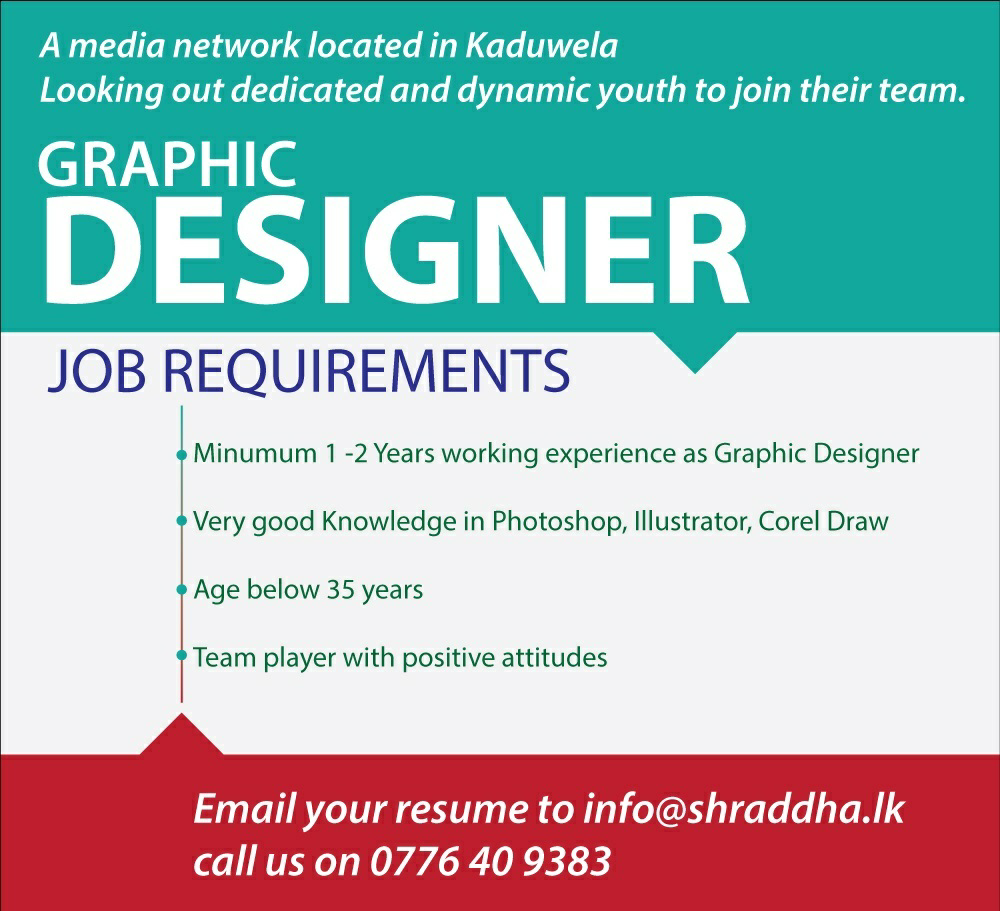
Print design, a cornerstone of the graphic design world, focuses on creating visually appealing and effective designs for physical media. From brochures and posters to packaging and books, print designers are responsible for translating concepts into tangible, high-impact materials that engage audiences in the offline world. This field offers a diverse range of specializations, each demanding a unique skillset and offering different career paths.
Roles and Responsibilities of a Print Designer
Print designers wear many hats. Their primary role involves conceptualizing and creating visually compelling designs for print materials. This includes understanding the client’s brief, conducting thorough research, developing design concepts, creating mockups, and overseeing the printing process. They also manage the selection of appropriate fonts, colors, and images to ensure brand consistency and visual appeal. Collaboration is key; print designers often work closely with marketing teams, copywriters, and printers to ensure the final product meets expectations and is technically feasible for production.
They also frequently handle project management tasks, including budgeting and scheduling.
Skills Required for Success in Print Design
Success in print design demands a potent blend of creative and technical skills. A strong understanding of design principles, including typography, color theory, layout, and composition, is paramount. Proficiency in industry-standard software such as Adobe InDesign, Illustrator, and Photoshop is essential for executing designs effectively. Print designers also need to understand pre-press production techniques, such as color profiles (CMYK vs.
So you’re thinking about a career in graphic design? The options are vast, from branding and web design to illustration and UX/UI. But did you know that many graphic designers are finding success creating engaging content for YouTube? Check out this awesome guide on getting it on with youtube to see how you can leverage your skills.
Ultimately, understanding the visual landscape of YouTube can open up exciting new avenues within your chosen graphic design career path.
RGB) and bleed, to ensure accurate reproduction. Excellent communication skills are vital for collaborating with clients and other team members. Problem-solving skills are crucial for navigating challenges in design and production. Finally, a keen eye for detail is indispensable for catching errors before printing.
Print Design Specializations
The following table compares different print design specializations, highlighting key skills, typical clients, and job outlook. The job outlook is based on general industry trends and may vary depending on specific geographic location and economic conditions. For example, the packaging design field has seen strong growth due to increased e-commerce and consumer demand for attractive and functional packaging.
Conversely, while book design remains relevant, the shift towards digital reading has impacted the overall demand to some extent, though specialized book design for niche markets remains strong.
| Specialization | Key Skills | Typical Clients | Job Outlook |
|---|---|---|---|
| Packaging Design | Understanding of structural design, material science, branding, and printing techniques. | Consumer goods companies, food and beverage brands, cosmetic companies. | Strong, driven by e-commerce and brand awareness. |
| Book Design | Typography expertise, layout design, understanding of book production, and knowledge of editorial style guides. | Publishers, authors, educational institutions. | Stable, though potentially impacted by digital trends; niche markets offer growth. |
| Brochure & Catalog Design | Strong layout skills, understanding of visual hierarchy, and ability to convey information concisely. | Businesses, marketing agencies, non-profit organizations. | Moderate, dependent on marketing budgets and business growth. |
| Poster & Print Advertising Design | Strong visual communication skills, understanding of target audiences, and ability to create impactful designs. | Advertising agencies, marketing departments, event organizers. | Moderate, tied to advertising spending and marketing trends. |
Digital Design Careers
The digital landscape offers a vibrant and ever-evolving array of career paths for graphic designers. Unlike print design, which focuses on tangible outputs, digital design encompasses a wider range of mediums and skills, demanding adaptability and a keen understanding of user experience. From crafting visually appealing websites to creating engaging animations, digital designers are essential in shaping how we interact with technology.
Digital Design Roles
Digital design isn’t a monolithic field; it’s a diverse ecosystem of specialized roles. Web designers focus on the visual aspects of websites, ensuring they are aesthetically pleasing and user-friendly. UI/UX designers delve deeper into the user experience, focusing on the overall usability and functionality of digital products. Motion graphics designers bring movement and animation to digital content, creating engaging visuals for videos, advertisements, and websites.
Other roles include UX writers, who focus on the textual content within digital interfaces, and front-end developers, who bring the design to life using code.
Web Design versus UI/UX Design
While both web design and UI/UX design are crucial for a successful digital product, their focuses differ significantly. Web designers concentrate primarily on the visual appeal and layout of a website, ensuring it’s attractive and easy to navigate. They work with elements like typography, color palettes, and imagery to create a cohesive and engaging online experience. UI/UX designers, on the other hand, take a more holistic approach.
They consider the entire user journey, from initial interaction to task completion. This includes information architecture, user research, interaction design, and usability testing to optimize the user experience. In essence, web designers focus on the “what it looks like,” while UI/UX designers focus on the “how it works” and “how users feel” while interacting with the product.
Software Proficiency for Digital Designers, Types of graphic design careers
Proficiency in design software is paramount for success in any digital design role. The specific software used can vary depending on the specialization, but a solid foundation in the following is generally expected:
The following software proficiency is essential for a successful career in digital design:
- Adobe Photoshop: For image editing, retouching, and creating digital assets.
- Adobe Illustrator: For vector graphics, logo design, and creating scalable illustrations.
- Adobe InDesign: For page layout and design, often used for creating digital publications and brochures.
- Adobe After Effects: For motion graphics and animation.
- Figma or Sketch: For UI/UX design, prototyping, and collaboration.
- Adobe XD: Another popular tool for UI/UX design and prototyping.
Branding and Identity Design Careers
Branding and identity design is a crucial aspect of graphic design, focusing on creating a unique and memorable visual representation for a company, product, or service. It’s about more than just a logo; it encompasses the entire visual language and messaging that communicates a brand’s values, personality, and promise to its target audience. These designers are responsible for crafting a cohesive brand experience across all platforms, ensuring consistency and impact.Brand identity creation is a strategic process that goes far beyond simply designing a logo.
It involves in-depth research, understanding the target audience, defining the brand’s core values and personality, and translating these into a visual system that resonates with consumers. This process often begins with market research to understand the competitive landscape and identify opportunities for differentiation. Then, a brand strategy is developed, outlining the brand’s mission, vision, and values. This strategy serves as the foundation for all subsequent design decisions.
The Brand Identity Creation Process
The process of creating a brand identity typically involves several key stages. First, a comprehensive brand analysis is conducted to understand the client’s business, target audience, and competitive landscape. This analysis informs the development of a brand strategy, which Artikels the brand’s core values, personality, and messaging. Next, the visual identity is designed, encompassing elements such as the logo, color palette, typography, and imagery.
This visual system is then applied consistently across all brand touchpoints, including website, packaging, marketing materials, and social media. Finally, the brand guidelines are documented to ensure consistency in future applications. This ensures the brand remains cohesive and recognizable across all platforms.
Key Elements of a Successful Brand Identity System
A successful brand identity system is characterized by several key elements. A strong logo is fundamental, serving as a visual shorthand for the brand. It should be memorable, versatile, and appropriate for the brand’s personality. A consistent color palette helps establish brand recognition and evokes specific emotions and associations. The typography used should reflect the brand’s personality and be legible and aesthetically pleasing.
Imagery and iconography should be carefully chosen to support the brand’s message and create a consistent visual language. Finally, a comprehensive brand voice and tone guide ensures consistent messaging across all platforms, reinforcing brand personality and values. These elements work together to create a unified and impactful brand experience.
Examples of Different Branding Strategies
Different branding strategies cater to various market needs and brand personalities. For instance, a luxury brand like Chanel employs an elegant and sophisticated branding strategy, utilizing high-quality imagery, classic typography, and a refined color palette. In contrast, a playful brand like Innocent Smoothies might adopt a vibrant and quirky approach, using bright colors, fun illustrations, and a friendly tone of voice.
A tech company like Apple, on the other hand, often emphasizes minimalism and innovation in its branding, utilizing clean lines, simple typography, and high-quality product photography. These examples demonstrate how different branding strategies can effectively communicate a brand’s unique personality and target audience.
Specialized Graphic Design Careers
Stepping beyond the broader categories of print and digital design, we delve into the fascinating world of specialized graphic design roles. These niche areas demand a high level of skill and often a deep passion for a particular visual style or communication method. While requiring focused expertise, these specializations offer unique creative outlets and often command higher earning potential.
These specialized fields aren’t just about applying existing design principles; they’re about mastering specific techniques and styles to achieve unique visual outcomes. The demand for skilled professionals in these areas is consistently high, driven by the ever-evolving needs of businesses and organizations across diverse sectors.
Illustration
Illustration is the art of creating images to communicate ideas, tell stories, or evoke emotions. It can range from whimsical children’s book illustrations to detailed scientific diagrams or powerful editorial cartoons. Successful illustrators need a strong understanding of visual storytelling, character design, and composition, coupled with technical proficiency in various software and traditional mediums. They often work on a freelance basis, collaborating with publishers, advertising agencies, and other clients.
Educational pathways typically involve a fine arts degree with a focus on illustration or a portfolio-based approach for experienced artists. Career progression can involve building a strong portfolio, networking with potential clients, and potentially specializing in a specific illustration style, like vector illustration or digital painting.
Typography
Typography focuses on the art and technique of arranging type to make written language legible, readable, and appealing. It’s more than just choosing fonts; it’s about understanding the nuances of letterforms, kerning, leading, and tracking to create visually harmonious and effective text layouts. A skilled typographer needs a deep understanding of typeface design, printing processes, and the psychological impact of type on the reader.
Typical projects include designing custom typefaces, creating branding guidelines for companies, and designing layouts for books, magazines, and websites. Educational paths often include graphic design degrees with a strong typography component or specialized courses in type design. Career progression may involve specializing in a particular area like type design or becoming a senior typographer leading teams on large-scale projects.
Infographics
Infographics are visual representations of information, data, or knowledge intended to present complex data in an easily digestible format. They use a combination of visuals, text, and design elements to communicate information clearly and concisely. A successful infographic designer needs strong data visualization skills, design sensibility, and the ability to translate complex data sets into compelling visuals. Typical projects include creating infographics for websites, reports, presentations, and social media.
Educational pathways often involve a background in graphic design, data visualization, or journalism. Career progression might involve specializing in data visualization techniques or moving into leadership roles within design agencies or data-driven companies.
Environmental Graphic Design
Environmental graphic design (EGD) focuses on enhancing the built environment through visual communication. This encompasses wayfinding systems, signage, murals, and other design elements that improve the user experience within a space. A successful EGD professional needs a strong understanding of spatial design, user experience (UX), and environmental psychology, alongside strong graphic design skills. Typical projects include designing wayfinding systems for hospitals or museums, creating signage for public spaces, or designing interior graphics for corporate offices.
Educational pathways typically involve degrees in graphic design, environmental design, or architecture. Career progression often involves specializing in a particular area of EGD or moving into project management or leadership roles within design firms.
| Specialized Role | Required Skills | Typical Projects | Educational Pathways |
|---|---|---|---|
| Illustration | Drawing skills, storytelling, character design, digital painting, software proficiency (Photoshop, Illustrator) | Children’s book illustrations, editorial cartoons, website graphics, branding mascots | Fine Arts degree (Illustration focus), portfolio-based approach |
| Typography | Understanding of typefaces, kerning, leading, tracking, printing processes, design principles | Custom typeface design, branding guidelines, book/magazine layouts, website typography | Graphic Design degree (Typography focus), specialized type design courses |
| Infographics | Data visualization, design principles, information architecture, software proficiency (Illustrator, InDesign) | Website infographics, reports, presentations, social media graphics, data dashboards | Graphic Design degree, data visualization courses, journalism background |
| Environmental Graphic Design | Spatial design, UX design, environmental psychology, wayfinding principles, signage design | Wayfinding systems, signage, murals, interior graphics, exhibition design | Graphic Design degree, Environmental Design degree, Architecture degree |
Freelancing and Entrepreneurship in Graphic Design
The allure of being your own boss, setting your own hours, and choosing your projects is a powerful draw for many graphic designers. Freelancing offers a path to independence and potentially higher earning potential, but it also presents unique challenges and requires a distinct skill set beyond just design proficiency. This section explores the advantages and disadvantages of freelance graphic design, essential business skills, and effective client acquisition strategies.Freelancing provides significant flexibility and control over one’s career trajectory.
However, it also demands a high degree of self-discipline and business acumen.
Advantages and Disadvantages of Freelance Graphic Design
The freelance lifestyle offers numerous benefits, including the ability to work from anywhere with an internet connection, set your own hours, and choose projects that align with your interests and skills. Conversely, the income can be inconsistent, requiring diligent financial planning and marketing efforts. The lack of employee benefits, such as health insurance and paid time off, is also a considerable factor.
- Advantages: Flexibility, autonomy, potential for higher earning, project variety, location independence.
- Disadvantages: Inconsistent income, self-promotion and client acquisition responsibilities, lack of employee benefits, isolation, managing finances and taxes independently.
Essential Business Skills for Freelance Designers
Success as a freelance graphic designer hinges not only on design talent but also on strong business acumen. Effective time management, financial literacy, and marketing skills are crucial for navigating the complexities of self-employment. Without these skills, even the most talented designer may struggle to thrive.
- Time Management: Freelancers must effectively manage their time to meet deadlines and balance multiple projects. Techniques like time blocking and prioritization are essential.
- Financial Management: Accurate invoicing, tracking expenses, budgeting, and understanding tax obligations are crucial for maintaining financial stability. Using accounting software and consulting with a tax professional are highly recommended.
- Marketing and Sales: Freelancers must actively market their services to attract clients. This includes building a strong online portfolio, networking, and utilizing online platforms like social media and freelance marketplaces.
- Client Communication: Clear and consistent communication with clients is vital for managing expectations, resolving issues, and building strong working relationships. This includes responding promptly to emails and clearly outlining project scopes and timelines.
Strategies for Marketing and Acquiring Clients
Building a strong client base is paramount for a freelance graphic designer’s success. A multi-faceted approach combining online and offline strategies is most effective.
- Online Presence: A professional website showcasing your best work is essential. Utilizing platforms like Behance and Dribbble to build your portfolio and connect with potential clients is also crucial. Active engagement on social media platforms like Instagram and LinkedIn can also drive client acquisition.
- Networking: Attending industry events, joining professional organizations, and actively engaging with other designers can lead to valuable connections and referrals.
- Freelance Marketplaces: Platforms like Upwork and Fiverr can provide access to a wider pool of potential clients, although competition can be fierce.
- Direct Outreach: Identifying potential clients directly and pitching your services can be highly effective, especially for targeting businesses in your niche.
The Future of Graphic Design Careers
Source: blogspot.com
The graphic design landscape is in constant flux, driven by technological advancements and evolving consumer expectations. While the core principles of design remain vital—clarity, communication, and aesthetics—the tools and methods used to achieve these goals are undergoing a dramatic transformation. This evolution presents both challenges and exciting opportunities for aspiring and established graphic designers.The integration of artificial intelligence (AI) and automation is arguably the most significant force reshaping the industry.
This isn’t about AI replacing designers entirely, but rather about AI becoming a powerful tool augmenting their capabilities. This shift necessitates a focus on adaptability and a commitment to continuous learning to remain competitive and relevant.
Emerging Trends and Technologies
Several key technological trends are profoundly influencing graphic design. The rise of AI-powered design tools, such as those offering automated logo generation or image upscaling, is changing how designers approach their work. Simultaneously, the metaverse and extended reality (XR) technologies, including virtual reality (VR) and augmented reality (AR), are creating entirely new avenues for creative expression and design application.
Designers are now tasked with crafting immersive experiences and interactive interfaces, requiring a new skill set beyond traditional print and digital design. Furthermore, the increasing demand for personalized and data-driven design solutions is pushing designers to master data visualization and user experience (UX) principles. For example, the ability to create dynamic, personalized marketing materials based on user data is becoming increasingly important.
This necessitates a deeper understanding of data analysis and its application to design.
AI and Automation’s Influence on Career Paths
The impact of AI on graphic design careers is not about job displacement but about job transformation. While some routine tasks, like basic image editing or logo variations, might be automated, the need for human creativity, critical thinking, and strategic design remains paramount. New career paths are emerging that leverage AI as a tool. For instance, “AI Design Prompter” is a potential role focusing on effectively guiding and refining AI-generated designs, ensuring they align with branding and creative goals.
“UX/UI Designer for Immersive Experiences” focuses on designing intuitive and engaging interfaces for VR/AR applications. “Data Visualization Specialist for Design” is a role combining design skills with data analysis to create compelling and insightful visualizations. These roles require a blend of traditional design skills and a strong understanding of AI capabilities and data analysis techniques. The successful graphic designer of the future will be one who can effectively collaborate with AI tools, leveraging their capabilities to enhance their own creative process.
Adaptability and Continuous Learning
In a rapidly evolving field, adaptability and continuous learning are not merely beneficial—they are essential for survival. Designers must embrace new technologies, software, and design paradigms. This means actively seeking out opportunities for professional development, such as attending workshops, taking online courses, or participating in industry events. Staying updated on design trends, emerging technologies, and best practices is crucial.
Furthermore, cultivating strong problem-solving skills and a flexible mindset will allow designers to adapt to changing client needs and market demands. The ability to learn new software quickly and effectively integrate it into one’s workflow is a key differentiator in the future of graphic design. For example, a designer might need to quickly learn a new 3D modeling software to create assets for a metaverse project or master a new AI design tool to improve efficiency.
Continuous learning is no longer a choice; it is a necessity for long-term success in this dynamic field.
Illustrative Examples of Graphic Design Projects
This section showcases three diverse graphic design projects, highlighting the creative process, client collaboration, and technical skills involved in each. These examples demonstrate the breadth and depth of work undertaken by graphic designers across various industries. We’ll explore a logo design, an infographic, and a website redesign, emphasizing the key decisions and outcomes.
Successful Logo Design Project: “Coffee Corner” Cafe
The Coffee Corner cafe, a new local business, approached us needing a logo that reflected their brand identity: friendly, approachable, and high-quality coffee. The design process began with thorough client consultation. We discussed their target audience (young professionals and students), their brand values (freshness, community, and sustainability), and their competitors’ branding. We created several initial concepts, incorporating elements like coffee beans, mugs, and stylized lettering.
The client favored a design featuring a simple, yet elegant, coffee cup icon combined with a handwritten-style font that evoked a sense of warmth and approachability. Several iterations were developed, incorporating client feedback on font weight, color palette (earthy browns and warm oranges), and overall visual balance. The final logo was versatile, working effectively across different applications, from business cards and signage to social media profiles and packaging.
The success of the project is measured by the client’s satisfaction and the logo’s effectiveness in representing the cafe’s brand identity.
Complex Infographic Design: Global Water Consumption
This infographic visualized complex data on global water consumption, highlighting disparities between regions and usage sectors. The challenge was to present a large dataset in a clear, concise, and engaging manner. We started by structuring the data hierarchically, identifying key trends and patterns. We then chose a visual style that combined charts (stacked bar charts for regional comparison, and pie charts for sectoral breakdown) with illustrative elements (icons representing different water uses like agriculture, industry, and domestic).
A color scheme was selected to enhance readability and highlight key data points. For example, we used a gradient scale to represent water scarcity levels, with darker shades indicating higher scarcity. The infographic utilized clear labels, concise text, and a logical flow to guide the viewer’s eye. The success of this infographic lies in its ability to effectively communicate complex information in an easily digestible format, enabling viewers to quickly understand the global water crisis and its underlying causes.
Successful Website Redesign Project: “EcoTravel Adventures”
EcoTravel Adventures, a sustainable tourism company, needed a website redesign to improve user experience and boost online bookings. The original website was outdated, visually unappealing, and difficult to navigate. Our redesign focused on enhancing user experience (UX) and search engine optimization (). We conducted user research to understand visitor behavior and pain points. This involved user surveys and usability testing of the existing website.
Based on this research, we redesigned the website’s information architecture, creating a more intuitive navigation structure. The visual design was modernized, using high-quality images and a responsive design to ensure optimal viewing across all devices. We implemented clear calls-to-action, simplified the booking process, and integrated a blog to enhance content marketing. The success of the redesign is evident in increased website traffic, improved conversion rates (more bookings), and positive user feedback.
The website’s improved UX and resulted in a significant boost to the company’s online presence and profitability.
End of Discussion: Types Of Graphic Design Careers
The world of graphic design is a vast and exciting field, offering a diverse range of career paths for creatives of all types. Whether you’re drawn to the tactile nature of print design, the innovative challenges of digital design, or the strategic thinking required for branding, there’s a place for you. By understanding the different specializations, developing the necessary skills, and embracing the ever-evolving technological landscape, you can forge a fulfilling and successful career in this dynamic and rewarding profession.
Remember, continuous learning and adaptability are key to thriving in this ever-changing industry.
Commonly Asked Questions
What is the average salary for a graphic designer?
Salaries vary greatly depending on experience, location, specialization, and employer. Entry-level positions may start lower, while experienced designers in high-demand areas can earn significantly more.
What education is needed to become a graphic designer?
While a formal degree (Bachelor’s in Graphic Design or related field) is beneficial, many successful designers have built their careers through self-teaching, online courses, and apprenticeships. A strong portfolio is crucial regardless of formal education.
How competitive is the graphic design field?
The field is competitive, particularly for entry-level positions. Building a strong portfolio, networking, and showcasing unique skills and specializations are essential for standing out.
What software skills are essential for graphic designers?
Proficiency in Adobe Creative Suite (Photoshop, Illustrator, InDesign) is almost universally required. Other valuable skills include knowledge of Figma, Sketch (for UI/UX), and various video editing software depending on the specialization.