
Unlock Your Creative Voice Find Your Expression
Unlock your creative voice – Unlock your creative voice: It’s a phrase that whispers promises of self-discovery and artistic freedom. But what does it
-really* mean? This journey isn’t just about painting masterpieces or writing bestsellers; it’s about identifying your unique style, overcoming those pesky creative blocks, and sharing your authentic self with the world. It’s about finding the confidence to express yourself in a way that feels genuine and powerful, no matter your chosen creative outlet.
Get ready to explore the tools and techniques that will help you unleash your inner artist.
We’ll dive deep into understanding what makes your creative voice unique – exploring the nuances of personal style, examining how different creative fields showcase individuality, and even creating a visual roadmap to help you pinpoint your own creative signature. Then, we’ll tackle those frustrating creative blocks, head-on, offering practical strategies and exercises to reignite your inspiration. We’ll cover essential skill development, finding lasting motivation, and finally, sharing your amazing work with the world.
This is your guide to unlocking a wellspring of creativity – are you ready?
Understanding Your Creative Voice
Finding and expressing your creative voice is a journey of self-discovery, a process of honing your unique perspective and translating it into tangible creative work. It’s about understanding what makes your artistic expression different from everyone else’s, and then using that difference to create something authentic and meaningful. This involves identifying your personal style, preferences, and the ways you approach creative challenges.
Your creative voice is a multifaceted thing, shaped by a complex interplay of your personality, experiences, skills, and the influences that have shaped you. It’s not just about your technical skill; it’s also about the emotional resonance, the underlying message, and the unique way you choose to communicate your ideas. This unique blend is what makes your work recognizable and memorable.
Identifying your creative voice involves introspection and experimentation, a willingness to explore different styles and techniques until you find the one that truly resonates with you.
Identifying Personal Style and Preferences, Unlock your creative voice
Understanding your creative preferences involves a deep dive into your personal history and artistic inclinations. Consider the types of art that resonate most deeply with you. What themes or subjects repeatedly draw your attention? What styles or techniques do you find yourself naturally gravitating towards? Do you prefer vibrant colors or muted tones?
Do you favor clean lines or chaotic energy? Experimentation is key. Try different mediums, styles, and techniques to see what feels most natural and expressive. Keep a journal to track your creative process, noting your successes and challenges, your inspirations, and the emotional responses your work evokes in you. This self-reflection will help illuminate your unique creative fingerprint.
Creative Voice Across Disciplines
The manifestation of a creative voice differs dramatically across various creative fields. Consider the stark contrast between a minimalist painter, whose work might focus on subtle color variations and precise brushstrokes, and a graffiti artist, who utilizes bold colors, layered textures, and aggressive lines to make a statement. A novelist might craft intricate, multi-layered narratives, while a poet might favor concise, emotionally charged imagery.
A musician might create complex orchestral arrangements, while another might focus on simple, heartfelt melodies. Each artist employs their unique skills and sensibilities to express their creative vision in a way that is distinctly their own.
Visual Representation of a Creative Voice
Imagine a vibrant kaleidoscope. At its center, a single, clear light represents the core self – the artist’s fundamental personality and values. Radiating outwards are multicolored rays, each representing a different aspect of the creative voice: experiences (represented by shades of blue, reflecting memories and life events), technical skills (shown as sharp, defined lines in shades of red, representing precision and mastery), preferred style (depicted by swirling patterns in shades of yellow and green, reflecting unique artistic choices), and emotional resonance (represented by the intensity and brightness of the colors, showing the emotional depth and impact of the work).
The overall effect is a dynamic, constantly shifting image, reflecting the ever-evolving nature of the creative process and the artist’s unique voice.
Overcoming Creative Blocks
Creative blocks are a frustrating reality for anyone who works creatively. That sudden halt in inspiration, that feeling of being completely stuck – it’s a common experience, and it doesn’t mean you’re lacking talent. Understanding the causes and implementing effective strategies is key to navigating these periods and reigniting your creative spark. This isn’t about magically producing brilliant ideas on demand, but about building resilience and developing a toolkit to help you move forward when you feel creatively stalled.
Creative blocks often stem from a combination of factors, including pressure, self-doubt, fear of failure, and a lack of new stimuli. They can manifest as writer’s block, artist’s block, or a general inability to generate innovative ideas in any creative field. Overcoming these blocks requires a multi-pronged approach that combines practical techniques with a shift in mindset.
Strategies for Overcoming Self-Doubt and Creative Blocks
Self-doubt is a significant contributor to creative blocks. It whispers insidious lies, convincing you your ideas are worthless, your skills inadequate, and your efforts futile. To combat this, it’s crucial to cultivate self-compassion and challenge negative self-talk. Remember that every creative individual experiences moments of doubt; it’s part of the process. Focusing on small wins, celebrating progress, and seeking positive feedback from trusted sources can significantly bolster your confidence and help you push past those self-limiting beliefs.
Journaling about your creative process, both successes and struggles, can also help to identify patterns and gain a clearer perspective on your progress.
Techniques for Generating New Ideas
Breaking free from creative ruts requires actively seeking out new experiences and perspectives. This could involve exploring different environments, engaging with diverse art forms, or collaborating with others. Techniques like brainstorming, mind mapping, and freewriting can help to unlock unexpected ideas. Brainstorming encourages generating a large quantity of ideas without judgment, while mind mapping visually organizes those ideas to reveal connections and patterns.
Freewriting involves writing continuously for a set period without editing, allowing the subconscious to flow freely. Another effective method is to actively seek inspiration from unexpected sources – a scientific article, a conversation overheard, or a piece of music.
The Role of Experimentation and Risk-Taking
Experimentation and risk-taking are vital for developing a unique creative voice. Stepping outside your comfort zone, trying new techniques, and embracing failure as a learning opportunity are crucial for growth. Don’t be afraid to experiment with different styles, mediums, or approaches. The process of experimentation itself can lead to unexpected breakthroughs and discoveries. Risk-taking involves pushing boundaries, challenging conventions, and expressing your ideas authentically, even if it means facing criticism.
This willingness to take creative risks is what ultimately allows you to develop your own unique style and perspective.
A Step-by-Step Guide to Overcoming Creative Obstacles
Overcoming creative blocks often requires a structured approach. The following steps provide a framework for navigating common challenges and reigniting your creative flow.
- Identify the Block: Pinpoint the specific obstacle hindering your creativity. Is it self-doubt, lack of inspiration, or something else?
- Remove Distractions: Create a conducive environment for creativity. Minimize interruptions and distractions.
- Engage in Creative Activities: Even if it feels forced, engage in activities related to your creative field. This could be sketching, writing, playing music, or any other relevant activity.
- Seek Inspiration: Actively seek inspiration from diverse sources. Visit museums, read books, listen to music, or engage in conversations with others.
- Embrace Imperfection: Allow yourself to create without the pressure of perfection. Focus on the process of creation rather than the end result.
- Celebrate Small Wins: Acknowledge and celebrate your progress, no matter how small it may seem. This helps to build confidence and momentum.
- Seek Feedback: Share your work with trusted individuals and seek constructive feedback. This can help identify areas for improvement and gain new perspectives.
- Rest and Recharge: Ensure you’re getting enough rest and taking breaks to avoid burnout. A well-rested mind is a more creative mind.
Developing Creative Skills
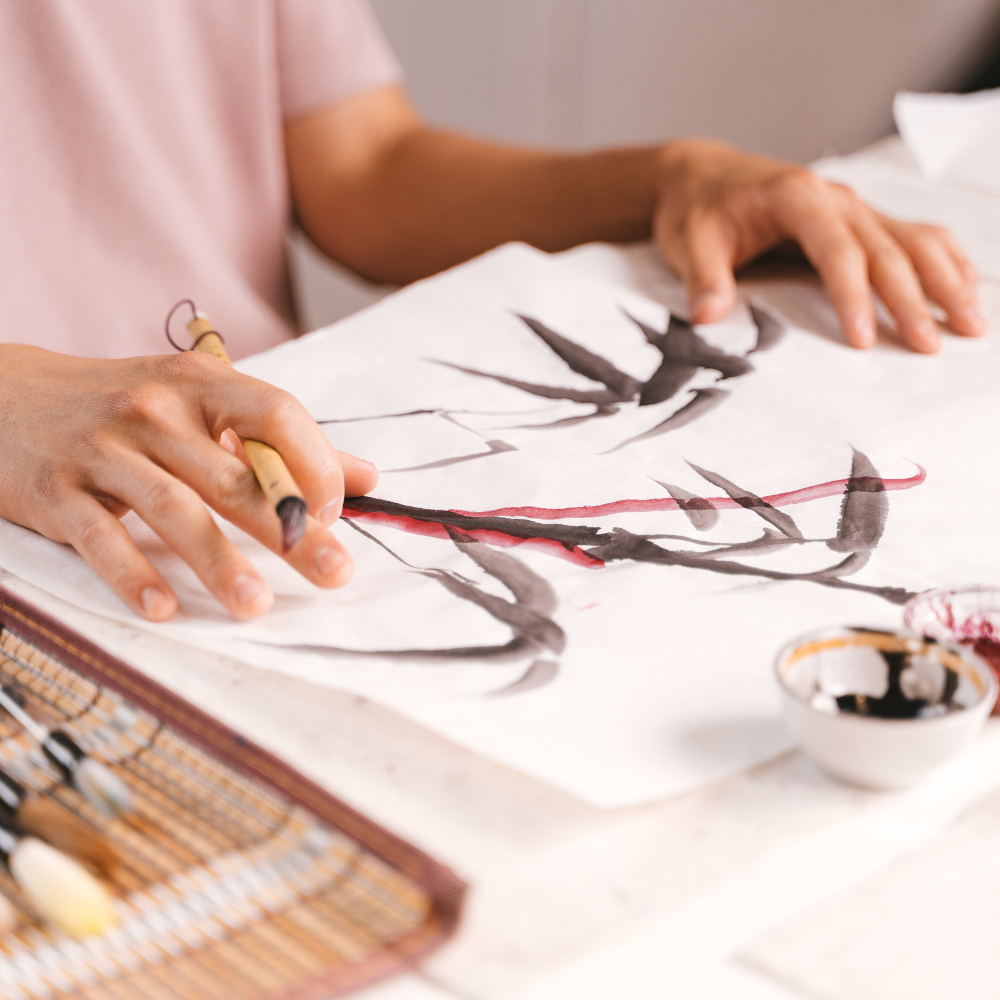
Source: creativitychronicles.com
Unlocking your creative voice isn’t just about inspiration; it’s about cultivating the skills that allow you to express yourself effectively. Developing these skills is an ongoing journey, a process of refinement and growth that strengthens your unique perspective and allows your voice to resonate more powerfully. It’s about building a toolbox of techniques and approaches that you can draw upon to tackle any creative challenge.
Several key skills are essential for developing a strong creative voice. These skills are interconnected and build upon each other, creating a synergistic effect that amplifies your creative potential. Mastering them requires dedicated practice and a willingness to experiment, to embrace failure as a learning opportunity, and to constantly refine your approach.
Essential Creative Skills
The following skills are fundamental for nurturing a strong creative voice. They are not mutually exclusive; rather, they work together to enable effective and impactful creative expression. Developing each of these areas will contribute to a richer, more nuanced, and ultimately more authentic creative voice.
| Skill Name | Resource Type | Description | Example |
|---|---|---|---|
| Idea Generation | Book | “The Idea Generator: 1000 Ways to Generate Ideas” by Michael Michalko – Offers a comprehensive range of brainstorming techniques and prompts to stimulate creativity. | Using mind-mapping to visually connect seemingly unrelated ideas to spark new concepts. |
| Storytelling | Online Course | Masterclass with Margaret Atwood – A renowned author teaches the craft of storytelling, covering narrative structure, character development, and creating compelling plots. | Analyzing the narrative structure of a successful short story to identify key elements. |
| Visual Communication | Workshop | Local art center workshop on design principles – Hands-on learning focusing on color theory, composition, and typography to enhance visual storytelling. | Experimenting with different color palettes to convey specific emotions in a visual project. |
| Critical Thinking | Online Course | Coursera course on critical thinking – Develops analytical and problem-solving skills, essential for evaluating ideas and refining creative work. | Objectively evaluating the strengths and weaknesses of a creative project, identifying areas for improvement. |
| Technical Proficiency | Software Tutorials | Adobe Photoshop tutorials on YouTube – Learn specific software skills needed for your chosen creative field (e.g., graphic design, video editing, digital painting). | Mastering the use of layers and masking techniques in Photoshop to create complex visual effects. |
| Self-Editing & Revision | Book | “Self-Editing for Fiction Writers” by Renni Browne and Dave King – Provides a practical guide to identifying and fixing common writing problems. | Identifying and resolving inconsistencies in tone or style within a creative writing piece. |
Approaches to Skill Development
Different approaches to skill development exist, each with its own advantages and disadvantages. Structured learning, such as formal courses or workshops, provides a systematic framework and expert guidance. However, self-directed learning through books, online resources, and practice offers flexibility and personalized pacing. A blended approach, combining structured learning with self-directed exploration and practice, often yields the best results.
For example, a structured course on illustration might teach fundamental techniques and principles, while independent practice through personal projects allows for experimentation and the development of a unique style. Similarly, reading books on writing can provide theoretical knowledge, but consistent writing practice is essential for refining one’s craft.
Consistent Practice and Creative Voice Refinement
Consistent practice is the cornerstone of developing a strong creative voice. Regular engagement with your chosen creative medium, whether it’s writing, painting, music, or design, allows you to experiment, refine your technique, and discover your unique style. It’s through this iterative process of creation, feedback, and revision that your creative voice emerges and matures.
Imagine a sculptor refining a clay figure. Each adjustment, each removal of excess material, brings the vision closer to realization. Similarly, consistent creative practice allows for the gradual refinement of your ideas, the honing of your skills, and the emergence of your distinctive creative voice. The more you practice, the more confident and fluent your expression becomes.
Finding Inspiration and Motivation
Unlocking your creative voice isn’t just about technique; it’s about fueling the fire of inspiration and maintaining the momentum to create. Finding consistent motivation is a journey, not a destination, requiring a proactive approach to nurture your creative spirit. This section explores diverse avenues for inspiration, strategies for cultivating a supportive environment, the crucial role of self-care, and the transformative power of constructive feedback.
Inspiration can strike from the most unexpected places. It’s crucial to actively seek it out and cultivate an environment conducive to creative exploration. The following strategies are designed to help you tap into your wellspring of ideas and keep your creative engine running smoothly.
Diverse Sources of Inspiration
Inspiration isn’t limited to a single source; it’s a rich tapestry woven from various experiences and stimuli. Actively seeking diverse inputs can significantly enrich your creative process and prevent creative stagnation.
- Nature: A walk in the woods, the ocean’s vastness, the intricate details of a flower – nature provides endless visual and sensory stimulation.
- Art and Culture: Visiting museums, attending concerts, exploring different art forms (painting, sculpture, music, literature, film) can spark new ideas and perspectives.
- Travel: Experiencing new cultures, environments, and people broadens your horizons and provides a wealth of fresh perspectives.
- People-watching: Observing human interactions in public spaces can inspire character development, plot ideas, and social commentary.
- Books and Movies: Immerse yourself in different genres and storytelling styles to expand your creative vocabulary and discover new narrative techniques.
- Music: Different genres can evoke emotions and ideas, influencing mood and pace in your creative work.
- Personal Experiences: Reflect on past events, emotions, and relationships for material that resonates deeply.
- Current Events: News and social issues can provide compelling themes and narratives for creative exploration.
Cultivating a Supportive Creative Environment
Your surroundings significantly impact your creative output. Creating a space that fosters creativity and minimizes distractions is essential for consistent productivity.
This involves dedicating a specific area for creative work, free from clutter and interruptions. It could be a dedicated studio, a quiet corner of your home, or even a specific café with a conducive atmosphere. Surrounding yourself with inspiring objects, like artwork, plants, or meaningful items, can further enhance the creative ambiance. Moreover, connecting with other creatives through workshops, online communities, or informal gatherings can provide support, inspiration, and accountability.
The Importance of Self-Care and Well-being
Creativity thrives on a healthy mind and body. Neglecting self-care can lead to burnout and hinder creative output. Prioritizing physical and mental well-being is paramount to sustaining creative energy.
This includes getting enough sleep, maintaining a balanced diet, exercising regularly, and practicing mindfulness or meditation. Engaging in activities you enjoy outside of your creative work can help prevent burnout and replenish your creative reserves. Regular breaks, mindful moments, and time spent in nature are crucial for maintaining a healthy creative flow.
The Impact of Feedback and Critique on Refining a Creative Voice
Constructive criticism is a powerful tool for refining your creative voice. While feedback can be challenging to receive, it’s invaluable for growth and improvement. Seeking feedback from trusted sources, such as mentors, peers, or beta readers, can provide objective perspectives and identify areas for refinement.
Unlocking your creative voice is a journey, not a destination, and finding the right platform to share your unique perspective is key. If video’s your medium, then check out this awesome guide on getting it on with YouTube to learn how to build your audience. Ultimately, consistent creation and sharing are crucial for truly unlocking that inner artist and connecting with others who resonate with your vision.
It’s important to differentiate between constructive criticism, which offers specific suggestions for improvement, and destructive criticism, which is solely focused on negativity. Learning to discern between the two is vital for growth. Embracing feedback as an opportunity for learning and improvement, rather than a personal attack, is key to using it effectively in honing your creative voice. Remember that your creative voice is a journey of continuous refinement.
Sharing Your Creative Work: Unlock Your Creative Voice

Source: creativitychronicles.com
Sharing your creative work can feel daunting, but it’s a crucial step in the creative process. Putting your creations out there allows you to connect with others, receive feedback, and potentially even build a career. This process involves careful planning, strategic platform selection, and a commitment to building a supportive community.
A well-structured plan ensures your work reaches the right audience effectively. This isn’t about bombarding everyone with your art; it’s about targeted engagement.
A Step-by-Step Plan for Sharing Creative Work
This plan Artikels a systematic approach to sharing your creative projects, ensuring a gradual and effective rollout.
- Preparation: Refine your work. Ensure it’s polished and represents your best effort. This might involve seeking feedback from trusted friends or mentors before public release.
- Platform Selection: Choose platforms relevant to your creative field. Consider your target audience and the platform’s strengths. For example, Instagram is great for visual art, while platforms like DeviantArt cater to a broader range of digital art.
- Content Creation: Craft compelling descriptions and titles for your work. High-quality images or videos are essential. Think about s that people might search for when looking for similar art.
- Scheduling and Promotion: Develop a content calendar. Consistency is key. Share your work across chosen platforms at regular intervals. Engage with comments and messages.
- Community Building: Interact with other creators. Join online groups and forums relevant to your field. Provide constructive feedback to others; it’s a great way to build connections.
- Feedback and Iteration: Actively solicit and respond to feedback. Use constructive criticism to improve your future work.
Examples of Platforms and Methods for Showcasing Creative Projects
Different platforms cater to different creative mediums and audiences. Choosing the right platform is critical for maximizing your reach.
- Social Media (Instagram, Pinterest, TikTok): Ideal for visual arts, short videos, and quick updates. These platforms rely heavily on visual appeal and engaging captions.
- Online Portfolios (Behance, DeviantArt, ArtStation): These platforms are designed specifically for showcasing creative work. They often provide features for organizing projects and building a professional online presence.
- Personal Website: A personal website offers complete control over your brand and presentation. It allows you to curate your work and present it in a cohesive manner.
- Etsy or similar marketplaces: For those selling their creative work, online marketplaces provide a platform to reach a broad customer base.
- Art Exhibitions and Galleries (Physical and Online): Participating in exhibitions, either physical or virtual, can provide significant exposure and credibility.
Building a Creative Community and Seeking Constructive Criticism
Engaging with others is crucial for growth and support within the creative field. This fosters collaboration and provides valuable feedback.
Joining online communities, attending workshops, and participating in critique sessions can help build a supportive network. Remember that constructive criticism, while sometimes difficult to hear, is invaluable for improvement. Focus on the feedback’s intent, not the delivery.
Strategies for Effective Self-Promotion
A presentation on this topic would cover various aspects of self-promotion, emphasizing authenticity and ethical practices.
The presentation would include sections on: defining your target audience, crafting a compelling brand narrative, utilizing social media effectively, networking strategically, building an email list, creating high-quality content, and understanding the value of collaborations. Real-world examples of successful self-promotion strategies from various creative fields would be highlighted. Ethical considerations and avoiding overly aggressive self-promotion techniques would also be discussed.
The importance of consistency and patience in building a reputation would be stressed. Finally, the presentation would conclude with actionable steps and resources to help creators implement effective self-promotion strategies.
Final Thoughts
Unleashing your creative voice is a journey, not a destination. It’s about embracing the process, celebrating your unique perspective, and consistently nurturing your artistic spirit. Remember that self-doubt is a normal part of the creative process, but it shouldn’t define you. By actively working through creative blocks, honing your skills, seeking inspiration, and sharing your work fearlessly, you’ll not only develop a powerful creative voice but also discover a deeper understanding of yourself.
So, take a deep breath, embrace the adventure, and let your creativity soar!
Answers to Common Questions
What if I don’t consider myself “artistic”?
Creativity isn’t limited to traditional art forms. Everyone has a creative spark; it’s about finding your unique way to express it, whether through writing, cooking, problem-solving, or any other avenue.
How long does it take to develop a strong creative voice?
There’s no set timeline. It’s a continuous process of learning, experimenting, and refining your style. Be patient with yourself and enjoy the journey.
What if I’m afraid of sharing my work?
Start small! Share with trusted friends or family, join online communities, and gradually build your confidence. Remember, vulnerability is key to growth.
Where can I find more support and community?
Online forums, workshops, and local art groups are great places to connect with other creatives and receive feedback.