
The Paradigm Shift in Search: Defining AEO and GEO
The fundamental shift in search behavior, largely propelled by advancements in artificial intelligence, necessitates a clear understanding of specialized optimization strategies. At its core, Answer Engine Optimization (AEO) is dedicated to structuring content to facilitate its appearance as direct answers within search results. This encompasses optimizing for features such as Google’s featured snippets, "People Also Ask" sections, and the concise, short answers provided by AI systems in response to specific queries. The goal of AEO is to be the authoritative, succinct source that directly resolves a user’s question, often negating the need for a click-through to the original website.
Conversely, Generative Engine Optimization (GEO) focuses on enhancing brand citations and references within AI-generated summaries and conversational chatbot responses. Platforms like Google AI Overviews, Perplexity, and ChatGPT frequently synthesize information from various sources to provide comprehensive answers. GEO aims to ensure that when these generative AI models compile summaries or offer recommendations, a brand’s products, services, or expertise are credibly cited and highlighted. In the simplest terms, AEO optimizes for direct answers, while GEO optimizes for authoritative citations within AI-synthesized content. This distinction is crucial because while both aim for visibility, their mechanisms and desired outcomes differ, demanding tailored strategic approaches.
The Evolution of Search: From Blue Links to AI Overviews
The trajectory of online search has been one of continuous evolution, moving from a list of "10 blue links" to an increasingly sophisticated ecosystem powered by AI. Initially, Search Engine Optimization (SEO) primarily focused on achieving high organic rankings for websites, driving traffic through direct clicks on these traditional links. The subsequent rise of rich snippets, knowledge panels, and "People Also Ask" boxes marked an early phase of "answer engine" functionality, where search engines began extracting direct answers from web pages to serve users more efficiently. This period laid the groundwork for what we now identify as AEO, emphasizing content clarity, structure, and directness.

The advent of large language models (LLMs) and conversational AI tools like ChatGPT in late 2022, followed by Google’s integration of Generative AI (e.g., AI Overviews, formerly Search Generative Experience), ushered in the current, more profound transformation. These generative engines go beyond extracting snippets; they synthesize information, provide comprehensive summaries, and often act as a conversational interface for users. This development gave birth to GEO, recognizing the new imperative of being cited within these AI-generated narratives, even if no direct click occurs.
Consumer behavior data underscores the significance of this shift. According to the HubSpot Consumer Trends Report, a substantial 72% of surveyed consumers indicated their intention to rely more heavily on AI-powered search for their shopping decisions. This statistic highlights a growing comfort and preference for AI-assisted discovery, positioning AI overviews and chatbot responses as critical touchpoints in the customer journey. While direct click-through rates to AI tools currently hover around 1.3% of total search activity, as reported by Datos’ "State of Search Q3 2025," this seemingly modest figure belies the profound influence these tools exert on pre-click brand perception and decision-making. The influence of AI extends far beyond direct clicks, shaping user perceptions and guiding subsequent search or purchasing actions.
A Detailed Comparison: AEO, GEO, and Traditional SEO
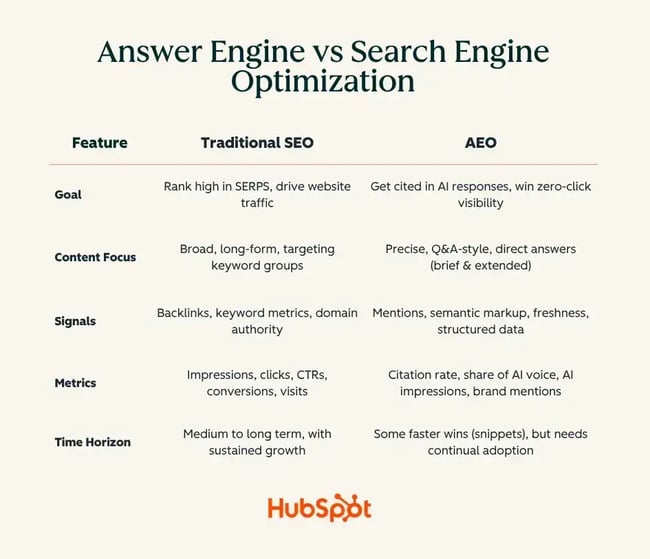
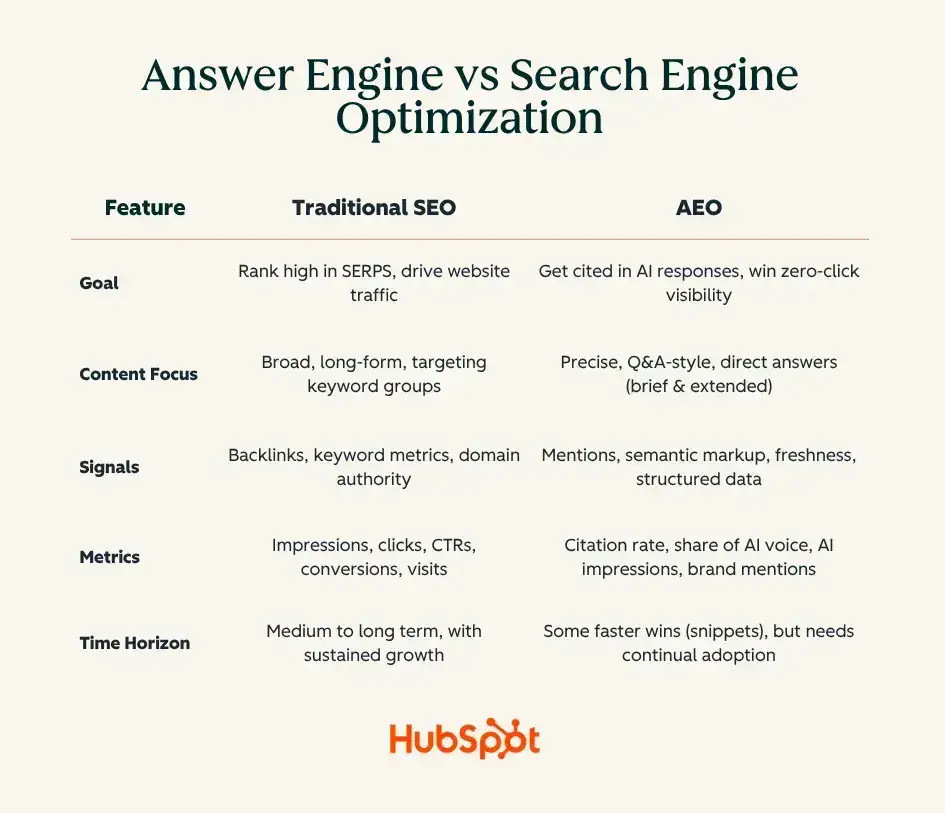
To fully grasp the contemporary digital marketing landscape, it is essential to understand the unique characteristics and overlapping functions of AEO, GEO, and traditional SEO. While all three fall under the broader umbrella of improving online visibility, their primary objectives, manifestations, and optimization focuses vary significantly.
Traditional SEO remains foundational, primarily aiming to earn organic rankings and drive traffic to websites via the traditional "blue links" in search engine results pages (SERPs). Its core pillars include:
- Relevance: Ensuring content aligns with user queries.
- Authority: Building credibility through backlinks and domain reputation.
- Technical Performance: Optimizing site speed, mobile-friendliness, and crawlability.
- Best Use Case: Long-term acquisition and sustained organic traffic growth.
Answer Engine Optimization (AEO) specifically targets direct answers in search results. Its goal is to position website content as the definitive, extracted response to a user’s query.
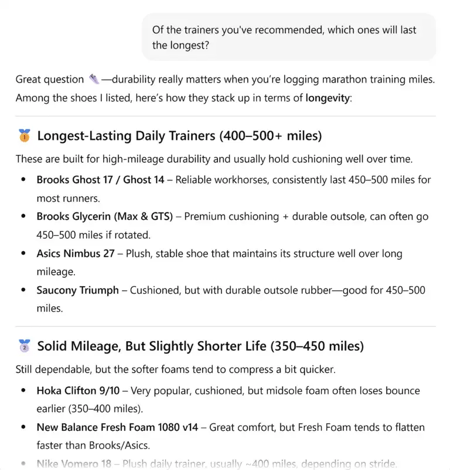
- Primary Goal: Deliver direct answers in search.
- How It Shows Up: Featured snippets, "People Also Ask" sections, voice search results, and AI short answers.
- What It Optimizes For: Clarity, structured formatting, comprehensive question coverage, and conciseness.
- Best Use Case: High-intent, question-driven queries where users seek immediate information.
Generative Engine Optimization (GEO) focuses on earning brand citations and mentions within AI-generated summaries and conversational responses. This strategy acknowledges that users may receive comprehensive answers without ever visiting a website.
- Primary Goal: Earn brand citations in AI summaries.
- How It Shows Up: Google AI Overviews, ChatGPT responses, Perplexity AI summaries, and other conversational AI platforms.
- What It Optimizes For: Authority, entity clarity, unique and quotable insights, and verifiable data.
- Best Use Case: Research queries and informational discovery where AI synthesizes information from multiple sources.
The interplay between these three is crucial. A strong SEO foundation—technical health, relevant content, and backlinks—enhances a website’s overall authority, making it a more credible source for both answer engines and generative AI. AEO then refines this content for direct extractability, improving its chances of appearing in snippets and short answers. Finally, GEO builds upon this by ensuring the brand’s unique value propositions and data points are consistently presented and widely corroborated, increasing the likelihood of being cited by generative AI models. Neglecting any one of these pillars risks incomplete visibility in the multifaceted modern search landscape.
The Indispensable Dual Strategy: Why Brands Need Both AEO and GEO
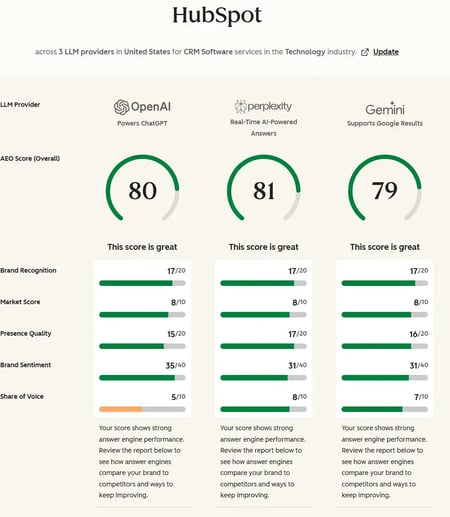
In the current digital ecosystem, where AI-powered search is rapidly becoming a primary mode of information discovery, relying solely on traditional SEO is no longer sufficient. Brands that wish to maintain competitive visibility and influence consumer decisions must strategically integrate both AEO and GEO. The data from the HubSpot Consumer Trends Report, indicating that 72% of consumers plan to increase their reliance on AI search for shopping, underscores this urgent need.
The necessity for both AEO and GEO stems from the distinct roles they play in the AI-driven buyer’s journey. AEO ensures that when a user poses a direct question, the brand’s content is precisely structured to provide the most accurate and readily extractable answer. This directness positions the brand as an immediate authority. For instance, if a user asks "What is Answer Engine Optimization?", an AEO-optimized page would immediately define it clearly and concisely, making it eligible for a featured snippet or an AI’s short answer.
GEO, on the other hand, addresses the more complex, research-oriented queries where AI models synthesize information from numerous sources to create comprehensive summaries or recommendations. In these scenarios, the goal is not just to provide an answer but to be recognized as a credible, quotable source. When a user asks "What are the best CRM tools for small businesses?", a brand optimized for GEO would have its features, benefits, and positive mentions consistently structured across its own site and external sources, increasing its chances of being cited within Google AI Overviews or ChatGPT’s recommendations.
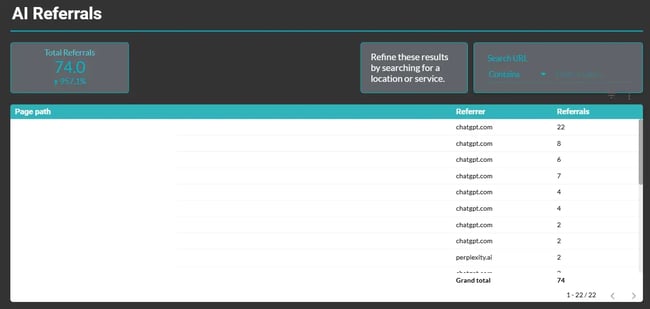
From a strategic perspective, this dual approach ensures comprehensive brand visibility. Without AEO, a brand risks being overlooked for direct, high-intent queries that AI systems are designed to answer instantly. Without GEO, a brand may miss out on being part of the generative AI’s curated knowledge base, thereby losing influence during critical research and comparison phases, even if users don’t click directly. Personal experience, as noted by industry experts, confirms that leads originating from generative tools like ChatGPT often result from a brand’s visibility across both answer and generative engines. These leads tend to be warmer and more qualified because the AI has already pre-vetted the information, aligning it with the user’s specific needs. Therefore, AEO and GEO are not optional enhancements but essential layers for future-proofing a brand’s digital presence.
Core Tactics for AI-Powered Visibility
Achieving success in both AEO and GEO requires a concerted effort grounded in several foundational content and technical practices. While their manifestations differ, the underlying strategies often overlap, reinforcing each other to build robust AI-friendly content.
- Answer-First Content Structuring: This tactic involves prioritizing the most direct and concise answer to a user’s question at the very beginning of a content section, before delving into supporting details, examples, or broader context. This mirrors the journalistic "inverted pyramid" style, where the most critical