
Henri & Hélène stands as a compelling testament to the intersection of personal narrative and professional design within the competitive landscape of the modern hospitality industry. Conceived as a contemporary French bistro, the establishment serves as both a culinary destination and a study in brand storytelling. By drawing inspiration from the quintessential neighborhood cafés of Paris, the restaurant aims to revive the simple, profound pleasure of communal dining. The project, which recently underwent a comprehensive visual identity overhaul led by the design firm Goodside, illustrates how strategic branding can elevate a restaurant’s market position while maintaining the warmth and intimacy required for a neighborhood staple.
The Genesis of a Culinary Concept
The foundation of Henri & Hélène is deeply rooted in personal significance. Named after the chef’s two children, the restaurant is built upon the premise of family-oriented hospitality—a sentiment that informs everything from its service philosophy to its physical environment. In an era where many fine-dining establishments are distancing themselves from traditional service models, Henri & Hélène has intentionally chosen to embrace the "neighborhood bistro" archetype.
This choice is not merely aesthetic but strategic. Market data from the National Restaurant Association indicates that post-pandemic dining trends favor "approachable luxury" and "community-centric" venues. Diners are increasingly seeking spaces that offer high-quality, elevated French cuisine without the prohibitive atmosphere often associated with traditional white-tablecloth establishments. By situating itself within this niche, Henri & Hélène effectively bridges the gap between high-end culinary craft and the accessibility of a local café.
Chronology of Development and Design Integration
The development of the brand identity was a multi-phased process that occurred over several months, focusing on translating the chef’s personal vision into a cohesive visual language.
- Initial Concept Phase (Months 1–2): The chef and the design team at Goodside established the core values of the brand: warmth, playfulness, and historical reverence. The primary goal was to avoid the sterile, minimalist tropes often seen in modern restaurant branding.
- Design Development (Months 3–5): Goodside began drawing inspiration from the Belle Époque period, specifically looking at late 19th and early 20th-century French typography and editorial design. This period was selected for its association with the golden age of Parisian café culture.
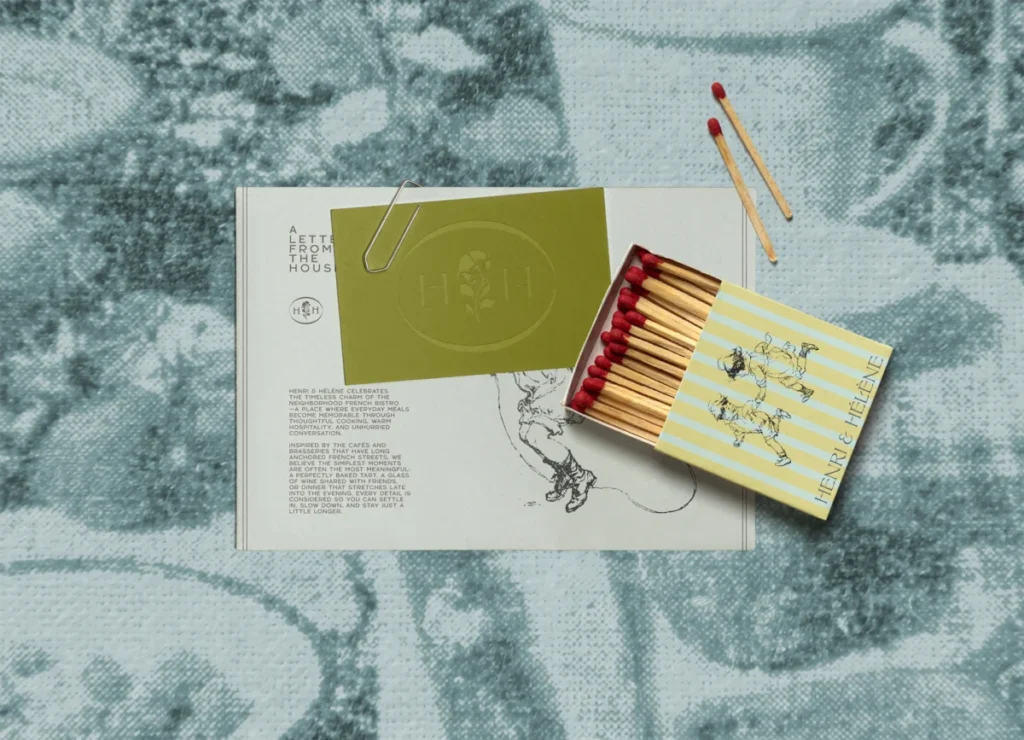
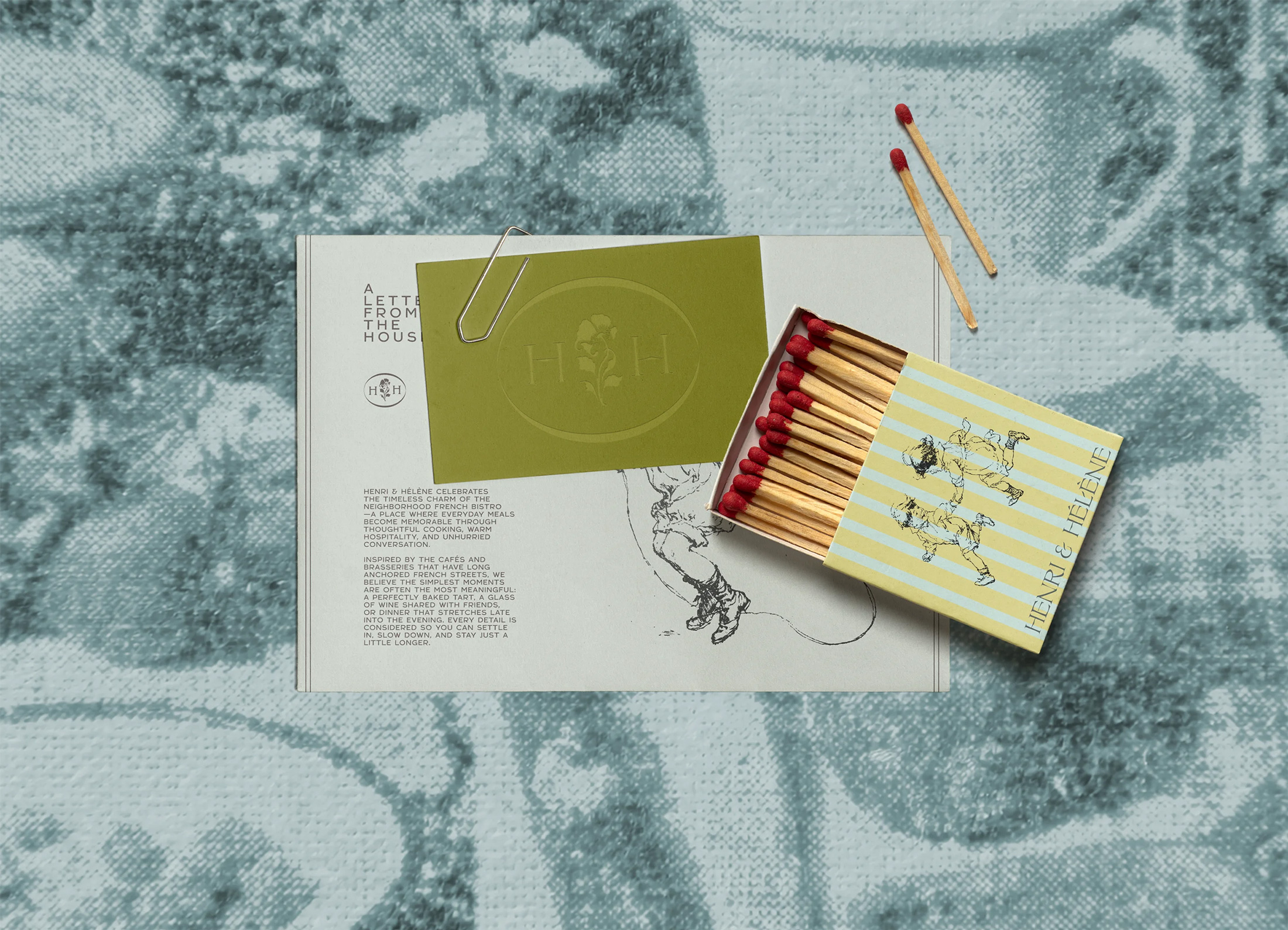
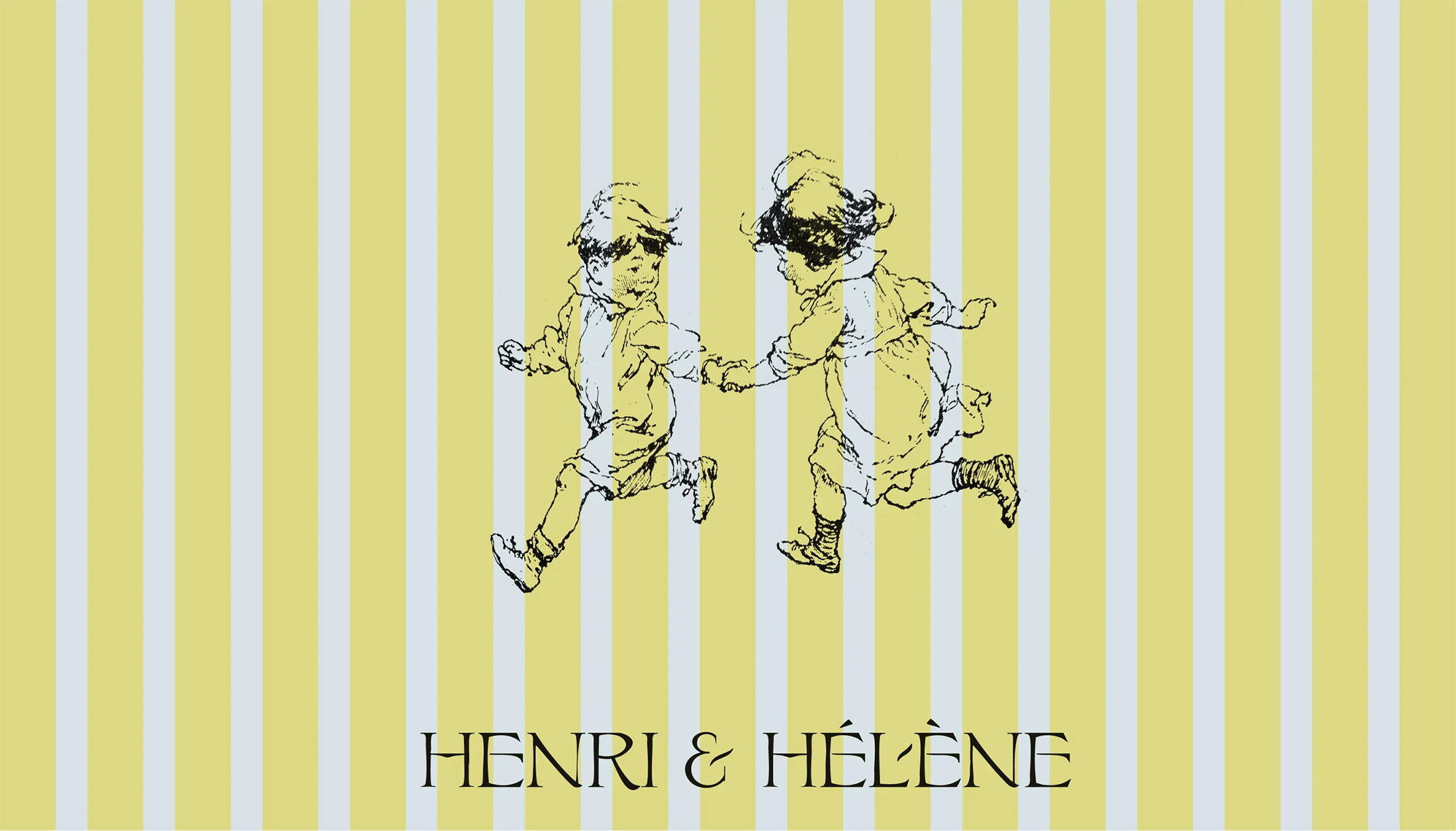
- Asset Creation (Months 6–8): The team developed a suite of custom illustrations, specifically hand-drawn engravings of the restaurant’s namesakes, Henri and Hélène. These illustrations were integrated into all physical touchpoints, including menus, matchbooks, signage, and coasters.
- Final Implementation (Month 9): The brand identity was rolled out across the physical space and digital platforms, ensuring that the transition from print to physical experience was seamless.
Analyzing the Visual Language
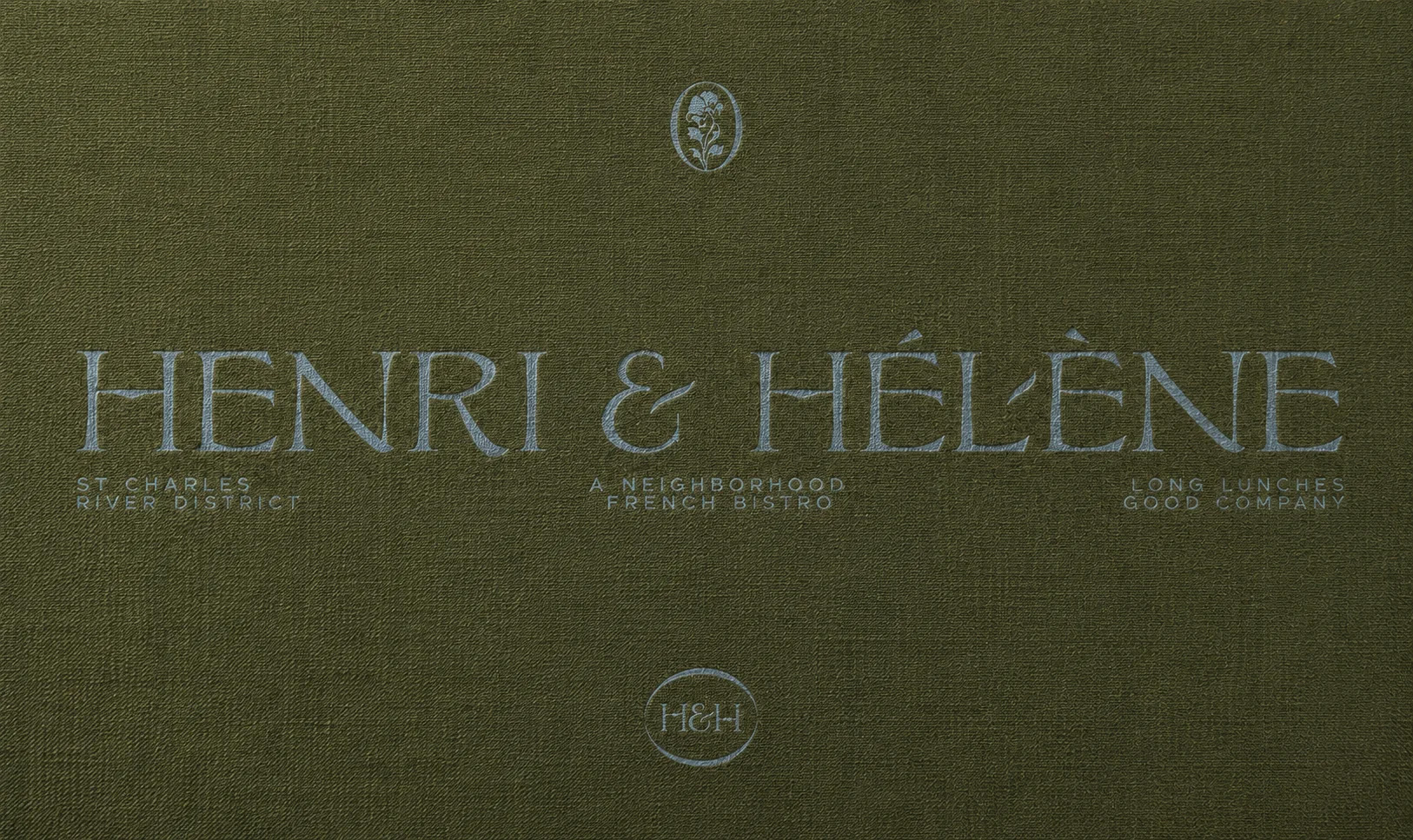
The visual identity created by Goodside functions as a bridge between nostalgia and modernity. The design team utilized a soft palette reminiscent of the French coastline—muted blues, sandy beiges, and warm, off-white tones—which provides a calming sensory experience for the diner. This is a deliberate departure from the high-contrast, aggressive branding often used by trendy urban eateries.
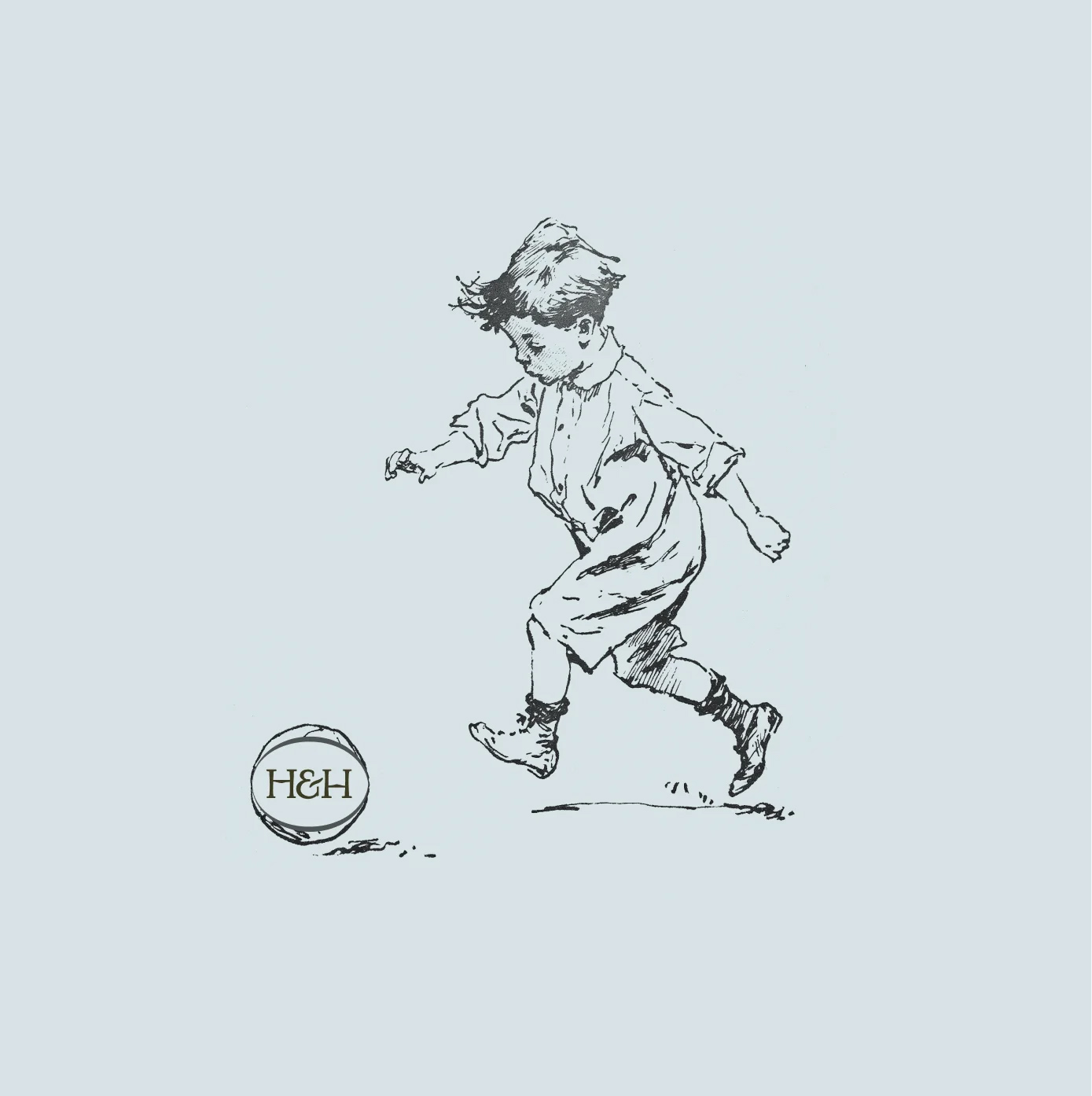
The typography selection serves as a critical component of this strategy. By employing Belle Époque-inspired fonts, the design evokes a sense of historical authority and timelessness. However, the application of this typography on contemporary materials and the inclusion of playful, hand-drawn engravings prevent the brand from appearing like a museum piece. Instead, the design feels "refreshingly contemporary," a balance that allows the restaurant to remain relevant in a fast-paced market.
According to design industry analysis, the use of custom, hand-drawn elements in restaurant branding has been shown to increase customer engagement. When a patron holds a menu or a coaster that features original, thoughtful artwork, it creates a tactile connection that digital marketing cannot replicate. This "ephemera," as the design team refers to it, serves as a silent ambassador for the restaurant’s values, communicating quality and attention to detail long before the food arrives at the table.

The Economics of Atmosphere
From an operational standpoint, the branding of Henri & Hélène is a calculated investment in "place-making." In the hospitality sector, the cost of customer acquisition is high; therefore, retention through brand loyalty is paramount. By creating an environment that feels welcoming and consistent, the owners have cultivated a space that encourages repeat visits.
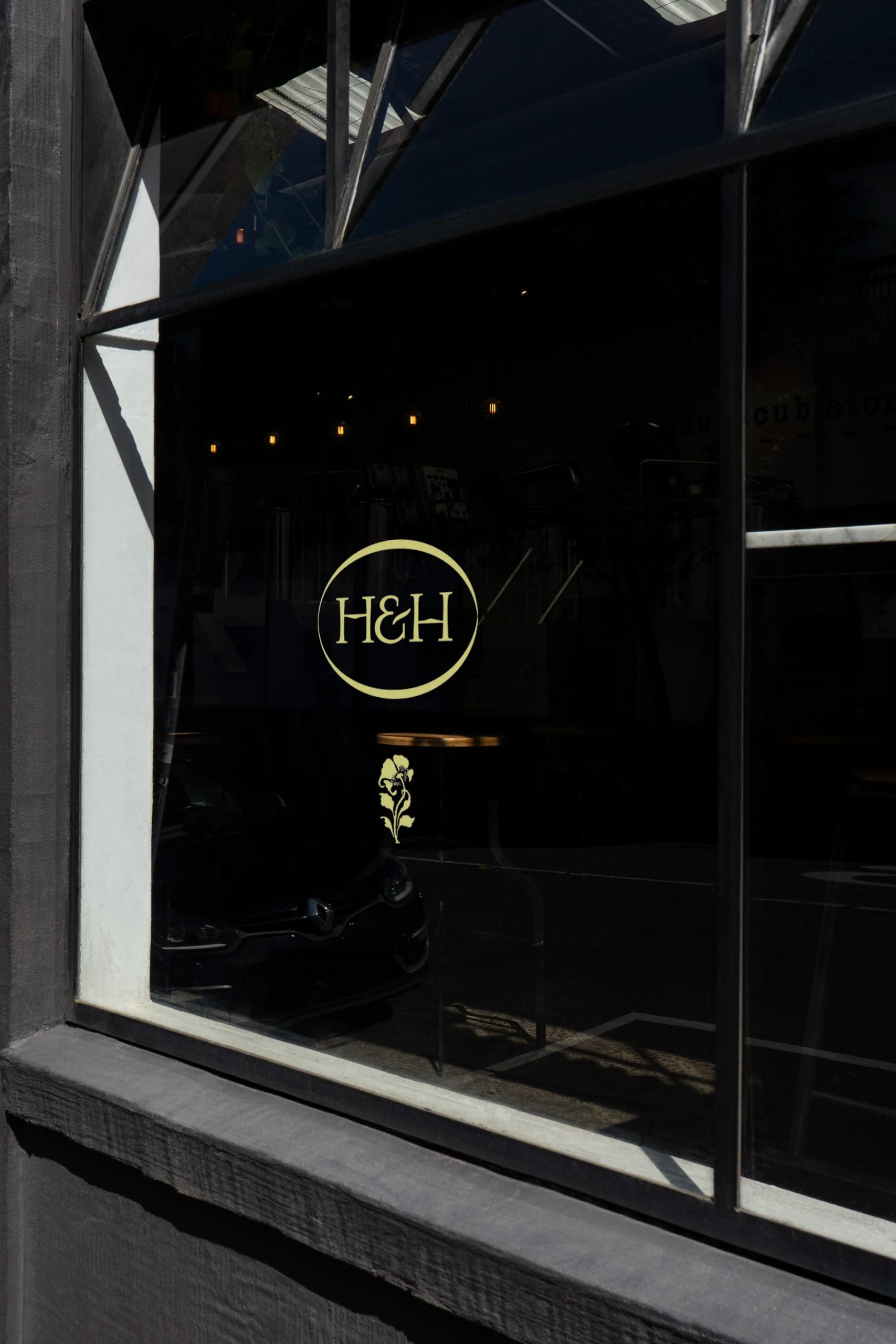
The "warm and playful" setting mentioned in the restaurant’s manifesto is supported by the physical design choices made during the rebranding. Lighting, material selection (such as the use of natural woods and textured papers), and the layout of the space all contribute to the psychological comfort of the guest. Studies in environmental psychology suggest that diners are likely to spend more time—and consequently, more money—in establishments where the design facilitates a sense of belonging and relaxation.
Professional Perspectives on Brand Storytelling
Industry experts have noted that Henri & Hélène’s approach is a textbook example of "authentic branding." In the competitive restaurant world, where many brands feel manufactured or overly corporate, a narrative rooted in family and heritage provides a distinct competitive advantage.
"The success of a bistro today relies on its ability to tell a story that feels true," notes a consultant specializing in restaurant identity. "When you name a place after your children, you are making a promise to the community that the business is a labor of love. When that promise is supported by a visual identity that is as thoughtful as the menu, you create a powerful brand ecosystem."
The integration of the namesakes into the visual identity—through the aforementioned engravings—further cements this narrative. It provides a human face to the business, making the brand feel approachable and relatable. This humanization of the brand is particularly effective in a post-digital world, where consumers are actively seeking out authentic, human-centric experiences.
Broader Implications for the Bistro Market
The trajectory of Henri & Hélène offers a template for other small-to-medium-sized hospitality businesses. The key lessons include:
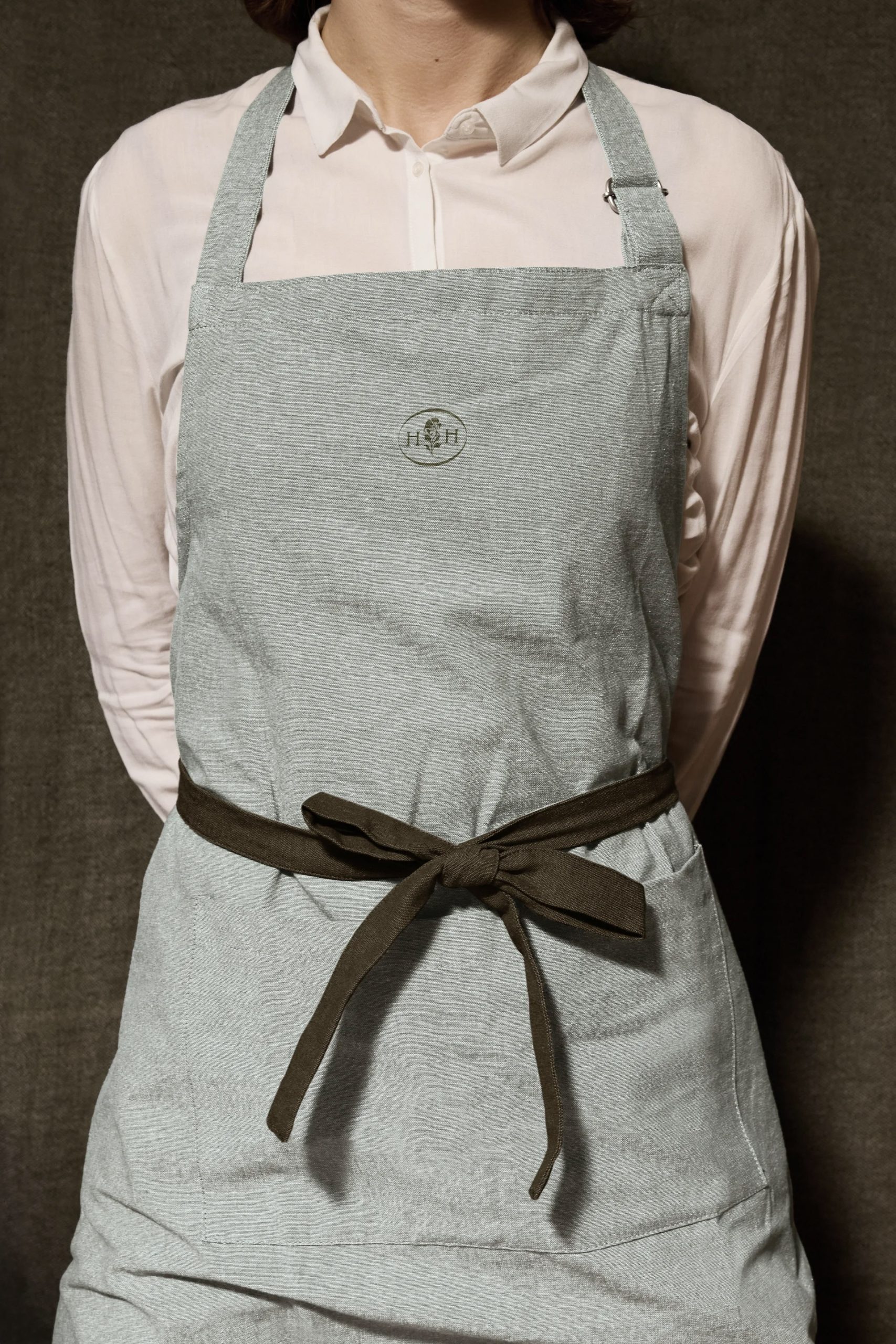
- Consistency is Key: The brand identity must be present in every interaction, from the website to the physical menu and the staff uniforms. A fragmented brand experience often leads to a diluted perception of quality.
- Heritage Over Trends: While it is tempting to chase current design trends (such as brutalist or hyper-minimalist aesthetics), basing a brand on historical and personal foundations provides longevity. The Belle Époque aesthetic will likely remain relevant long after current design fads have passed.
- The Importance of Ephemera: Small, printed materials like matchbooks and coasters are often overlooked, but they serve as the "take-home" memory of the dining experience. Investing in high-quality, beautifully designed ephemera allows the brand to live on in the customer’s home, serving as a reminder to return.
Conclusion
Henri & Hélène represents a thoughtful convergence of culinary intent and graphic design. By prioritizing a cohesive, historically informed, and deeply personal brand identity, the restaurant has successfully carved out a unique space within the competitive bistro market. As the industry continues to evolve, the success of such projects underscores the necessity of building a brand that is not only visually striking but also emotionally resonant. For Henri & Hélène, the result is a neighborhood institution that successfully balances the nostalgia of a bygone era with the refreshing, contemporary needs of today’s diner. The project serves as a reminder that in the world of hospitality, the most effective marketing is a clear, authentic, and beautifully executed story.