Tag: future

  • Vietnamese Creative Developer mChanh Shines on Global Stage with Award-Winning Portfolio and Vision for the Future

    Vietnamese Creative Developer mChanh Shines on Global Stage with Award-Winning Portfolio and Vision for the Future

    Ho Chi Minh City, Vietnam – Chanh, widely known by his professional moniker mChanh, a distinguished creative developer based in Ho Chi Minh City, has rapidly ascended to prominence within the global digital design and development community. Over the past three years, Chanh has carved a niche for himself by crafting immersive, animation-rich web experiences that have garnered significant international acclaim, including multiple prestigious Awwwards, FWA, and CSSDA accolades. His journey, marked by a relentless pursuit of innovation and a commitment to pushing the boundaries of web interactivity, positions him as a leading figure in the burgeoning creative technology scene, particularly in Southeast Asia. Currently operating as a freelance professional, mChanh is actively seeking new collaborations and projects that align with his visionary approach to web development.

    The Genesis of a Creative Path: Chanh’s Journey to Digital Excellence

    Chanh’s foray into the world of creative development was sparked during his final year of university. It was then that he encountered a paradigm shift in web design – dynamic, visually striking websites that transcended conventional static pages. This discovery led him to platforms like Awwwards and Codrops, which showcase the pinnacle of web creativity, igniting a passion that would redefine his career trajectory. He recognized an opportunity to blend technical prowess with artistic expression, a path less trodden at the time, especially within the Vietnamese market.

    A Single DM, a First SOTD, and the Start of Chanh M. Ho’s Creative Journey | Codrops

    Initially, his pursuit was driven by pure curiosity and a desire to master the craft. The landscape for animation-driven web projects in Vietnam was nascent, yet Chanh’s determination remained unwavering. A pivotal moment arrived when he connected with Huy Phan within a design community. Reaching out with a direct message, Chanh expressed his eagerness to apply his emerging skills to an animation-centric project. This initiative proved fruitful, as Huy Phan entrusted him with the development of his very first portfolio website. This collaboration marked a significant turning point, demanding months of intense learning and problem-solving. The successful launch of Huy Phan’s portfolio not only brought Chanh his inaugural Site of the Day (SOTD) award from Awwwards but also validated his unconventional career choice. This initial success was a powerful testament to his capabilities and the potential for creative web development in the region. Following this milestone, Chanh further honed his skills during a tenure at D2 Studio, under the mentorship of Michael B. Luong, before transitioning into full-time freelance work, a move that has allowed him greater autonomy and the ability to engage with diverse, high-impact projects.

    A Portfolio of Distinction: Showcasing Award-Winning Innovation

    mChanh’s portfolio is a testament to his expertise in building sophisticated, animation-driven web experiences. Each project highlights a unique challenge and a successful implementation of cutting-edge web technologies, earning widespread recognition from leading industry bodies.

    1. Huy Phan’s Portfolio (2022): The Breakthrough Project
    The Huy Phan’s Portfolio, launched in 2022, represents Chanh’s foundational success in creative development. This project was his first deep dive into a website heavily focused on animation and motion. Despite his nascent experience with GSAP (GreenSock Animation Platform), a powerful JavaScript library for professional-grade animation, Chanh embraced the challenge. The entire site was meticulously built using plain HTML, CSS, and Vanilla JavaScript, eschewing modern bundlers or complex tooling. This "learn-as-I-built" approach underscored his dedication to mastering core web technologies while delivering complex visual narratives. Remarkably, Chanh managed to bring approximately 80% of Huy Phan’s original, ambitious vision to life, a significant achievement given the constraints and his evolving skill set. The project’s enduring quality, maintaining its functionality and aesthetic appeal years after its launch, speaks volumes about its robust development. Its success was crowned with multiple accolades, including Awwwards Site of the Day (SOTD) and Developer Awards, FWA Favourited of the Day (FOTD), and CSSDA Website of the Day (WOTD) and Website of the Month (WOTM). These awards are highly coveted within the creative web industry, signifying exceptional design, technical execution, and user experience.

    A Single DM, a First SOTD, and the Start of Chanh M. Ho’s Creative Journey | Codrops

    2. WON .J You Studios (2025): Narrative-Driven Speed and Elegance
    In 2025, Chanh showcased his ability to deliver high-quality projects at an accelerated pace with WON .J You Studios. This project was completed in a remarkably short two and a half months, encompassing both design and development phases. The core of the website revolved around storytelling, necessitating an intensive focus on scroll-based animations to guide users through a narrative journey. Chanh identified the scrolling sequence on the homepage as the most intricate and challenging aspect, requiring meticulous orchestration of visual elements. The final output was praised for its fluidity, distinctiveness, and unconventional approach, which together created a memorable user experience. The technical stack for this project leveraged Next.js, a React framework known for its performance and developer experience, alongside GSAP for intricate animations and SCSS for efficient, modular styling. A notable aspect of WON .J You Studios was its entirely static page setup, devoid of any CMS or backend infrastructure, demonstrating an elegant solution for content delivery that prioritizes speed and security. This project too earned significant industry recognition, securing Awwwards SOTD and Dev Awards, FWA FOTD, and CSSDA WOTD. Chanh collaborated with Huy Phan and Thinh Doo on this project, highlighting the power of collective expertise.

    3. MIUX Studio (2025): Mastering Seamless Page Transitions
    The MIUX Studio project, also launched in 2025, stands out for its exceptionally smooth and elegant page transitions, a hallmark of sophisticated web design. This project presented Chanh with the challenge of implementing two distinct transition types within a single Next.js application, a first for him. The image flip transition, in particular, proved to be a complex undertaking. Initially, Chanh observed that slow network conditions could disrupt the effect if the next page’s image failed to load promptly. His innovative solution involved a multi-stage approach: first, flipping the image to a fullscreen state, then transitioning to the new page, patiently awaiting the complete loading of the actual image asset, and only then completing the flip to its final position on the new page. This meticulous handling of asynchronous loading ensured a robust and flawless user experience under varying network conditions. The integrated design and development culminated in a polished, high-quality project that Chanh expressed genuine pride in. The technology stack mirrored the advanced nature of the project, utilizing Next.js, GSAP, SCSS, Prismic (a headless CMS for flexible content management), and Vercel for optimized deployment. Collaborators Huy Phan and Thinh Doo were instrumental in this project’s success, which also received Awwwards SOTD and Dev Awards, FWA FOTD, and CSSDA WOTD.

    4. Eislab (2025): A Milestone in Professional Growth
    The Eislab project, Chanh’s inaugural endeavor of 2025, marked a significant personal and professional milestone. It not only secured his second Awwwards Site of the Day (SOTD) award but also solidified his standing in the creative development community. This project was particularly noteworthy as it represented Chanh’s first experience working with Next.js in conjunction with PrismicIO, a modern headless CMS. Navigating the integration of these new technologies while maintaining a clean project structure and codebase presented considerable learning opportunities and challenges. The successful delivery of Eislab underscored his rapid adaptability and commitment to continuous learning. Among his favorite elements were the distinctive curved slider on the "About Us" page and the intricate menu animation, both exemplifying his attention to detail and flair for engaging interactivity. Eislab was another collaborative effort, with Huy Phan and QuangDinh contributing to its success. Its impressive list of awards – Awwwards SOTD and Dev Awards, FWA FOTD, and CSSDA WOTD – further cemented its status as a benchmark project.

    Workflow, Core Stack, and Inspirations: The Pillars of Chanh’s Craft

    A Single DM, a First SOTD, and the Start of Chanh M. Ho’s Creative Journey | Codrops

    Chanh’s success is rooted in a well-defined workflow and a strategic selection of tools. His core stack is robust and tailored for creating highly dynamic and performant web experiences. For front-end development, he primarily relies on Next.js, a React framework that offers server-side rendering and static site generation capabilities, enhancing performance and SEO. GSAP remains his go-to library for crafting complex, timeline-based animations, allowing for unparalleled control and fluidity. Styling is meticulously handled with SCSS, a powerful CSS preprocessor that facilitates modular and maintainable stylesheets. For content management, he frequently integrates Prismic, a headless CMS, which decouples content from presentation, offering flexibility and scalability. Deployment is streamlined through Vercel, a platform optimized for Next.js applications, ensuring fast and reliable hosting. At the fundamental level, he maintains a strong command of Vanilla JavaScript, HTML, and CSS, recognizing their importance as the bedrock of web development.

    Beyond technical tools, Chanh emphasizes the critical role of inspiration and continuous learning. Platforms like Awwwards and Codrops, which first captivated him, continue to serve as vital sources for staying abreast of the latest trends, techniques, and groundbreaking projects in the creative web space. This commitment to observing and internalizing industry best practices fuels his innovative spirit and ensures his work remains at the forefront of digital design.

    Future Horizons: Growth, Global Reach, and Impact in Vietnam

    Chanh’s future goals are clear and ambitious: sustained growth, deeper engagement with the industry, and expanding his technical repertoire. He explicitly aims to seek more opportunities for collaboration with diverse professionals, recognizing the invaluable learning that stems from shared experiences and different perspectives. A significant area of planned expansion includes delving deeper into WebGL and 3D technologies, which represent the next frontier in immersive web experiences. Mastering these complex domains will enable him to create even more captivating and interactive digital environments. Furthermore, improving his spoken English is a strategic goal, aimed at dissolving communication barriers and opening up broader international collaboration opportunities, thereby elevating his global presence.

    A Single DM, a First SOTD, and the Start of Chanh M. Ho’s Creative Journey | Codrops

    Beyond his personal development, Chanh harbors a profound hope for the Vietnamese creative market. He envisions a future where the local industry becomes more open, enthusiastic, and supportive of creative web development. His own success serves as a powerful testament to the talent and potential within Vietnam, and he aspires for his journey to inspire a new generation of developers to explore and embrace the creative side of the web. This vision aligns with the global trend of increasing demand for unique, branded digital experiences, positioning Vietnamese developers to play a significant role if the local ecosystem continues to foster innovation and skill development. The continued rise of freelance professionals like Chanh also signifies a broader shift in the digital economy, where specialized skills and a strong portfolio can transcend geographical limitations, fostering a more interconnected global workforce.

    Gratitude, Community, and the Call for Collaboration

    In his concluding remarks, Chanh expressed profound gratitude to everyone who has provided opportunities and support throughout his journey. He specifically acknowledged Codrops for the platform to share his story, underscoring the vital role of community spotlights in inspiring and connecting developers worldwide. He hopes his narrative will serve as a beacon for aspiring creative developers in Vietnam, demonstrating that passion, perseverance, and skill can lead to global recognition.

    Chanh remains an advocate for collaboration and community engagement. He believes that aligning ideas and combining diverse talents can lead to truly groundbreaking digital creations. Individuals or organizations with innovative concepts are encouraged to reach out to explore potential partnerships. His work can be further explored on his comprehensive portfolio website, mchanh.dev, and he welcomes direct communication via email at [email protected]. Additionally, he maintains an active presence on professional and social platforms, including LinkedIn and Instagram (@mchanh.dev), fostering connections within the broader design and development ecosystem.

    A Single DM, a First SOTD, and the Start of Chanh M. Ho’s Creative Journey | Codrops

    Beyond his professional life, Chanh’s passion for customization extends to his hobby of modifying Vespas. This pastime reflects a deeper philosophy: an obsession with detail, style, and injecting personality into every endeavor, whether it’s a digital interface or a classic scooter. This blend of technical rigor and creative expression defines mChanh, a developer who is not only shaping the digital landscape but also inspiring a new generation of creative talent from Vietnam to leave their indelible mark on the world.

  • Generative Engine Optimization: Navigating the AI-Powered Future of Search Visibility

    Generative Engine Optimization: Navigating the AI-Powered Future of Search Visibility

    Despite what recent headlines might suggest, the concept of artificial intelligence (AI) is not entirely new. Its theoretical foundations and early technological prototypes trace back to the 1950s. However, the emergence of generative AI in the 2010s represents a truly transformative shift, ushering in an era of AI tools capable of creating original content and synthesizing complex information. This new landscape has profoundly impacted consumer search behavior, making advanced marketing strategies like Generative Engine Optimization (GEO) not just popular, but increasingly indispensable for businesses aiming to maintain digital visibility.

    This evolution in search necessitates a comprehensive understanding of how AI systems interact with web content. Rather than generating widespread "generative trauma," this shift presents a strategic opportunity for marketing teams to adapt and thrive. By unpacking the principles and best practices of generative AI SEO, businesses can effectively navigate the changes, address unknowns, and gain a competitive edge in an increasingly AI-driven digital world.

    The Evolving Landscape of Digital Search

    8 generative engine optimization best practices your strategy needs

    Traditionally, Search Engine Optimization (SEO) has focused on optimizing websites to rank higher in search engine results pages (SERPs), primarily by aligning with algorithms designed to identify relevance and authority. The goal was to appear prominently in a list of resources. The subsequent rise of Answer Engine Optimization (AEO) targeted direct-answer features such as Google’s featured snippets, knowledge panels, and voice assistant responses, aiming for quick, concise answers.

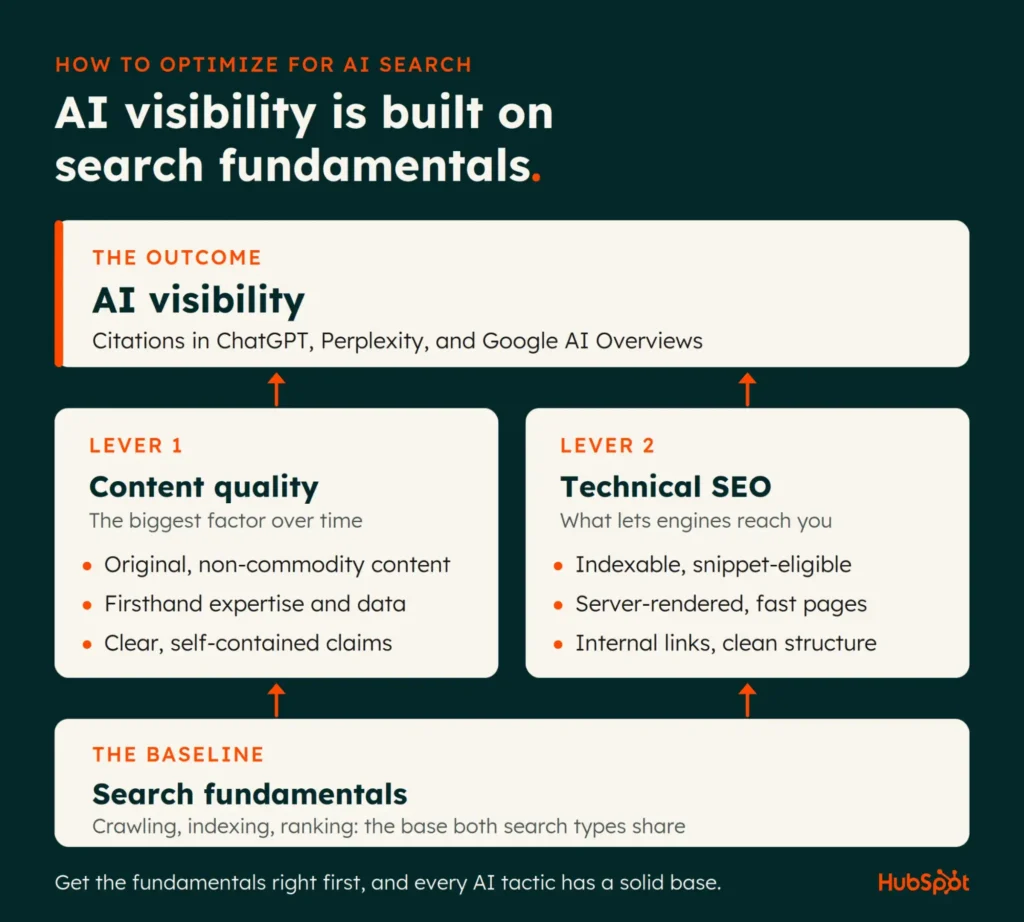
    Generative Engine Optimization (GEO) represents the latest frontier, specifically designed for AI-powered search tools like ChatGPT, Gemini, Perplexity, and AI Overviews embedded within traditional search engines. Unlike SEO, which provides a list of links, or AEO, which offers a direct, often pre-formatted answer, GEO aims to position content so that AI systems select it as a reliable source for synthesizing original responses. When a user poses a question to a generative AI tool, these systems scan vast amounts of web content to construct a coherent answer, often citing the foundational sources. GEO ensures that a website’s content is not only discoverable but also understood and deemed credible enough to be explicitly referenced by these AI models. In essence, while SEO gets a website onto the party guest list (the SERP), GEO secures a VIP seat and a direct shoutout from the DJ (a citation from the AI).

    The Imperative for Generative Engine Optimization

    It is crucial to understand that GEO is not a replacement for traditional SEO but rather an extension, vital for a digital ecosystem where AI plays an ever-larger role in information discovery. Marketers who embrace this evolution early stand to gain a significant advantage. While BrightLocal research indicates that Google still accounts for 61% of all general searches, AI platforms are rapidly gaining traction as primary research destinations. A GWI study reveals that 31% of Gen Z individuals already predominantly use AI platforms or chatbots for online information retrieval. Furthermore, Gartner predicts that by the end of the current year, 40% of all B2B queries will be handled by answer engines.

    8 generative engine optimization best practices your strategy needs

    The growing prevalence of voice assistants like Siri and Alexa further underscores this shift. Users increasingly seek synthesized, actionable answers, often delivered verbally, rather than a lengthy list of links. Generative engines are designed to fulfill this need by providing direct, authoritative responses with clear sources. Failure to invest in GEO now risks marginalizing a business from a rapidly expanding segment of information consumption. This challenge, however, is an opportunity for businesses to elevate their content quality and strategic approach. AI tools inherently prioritize high-quality, trustworthy information, meaning that robust GEO strategies demand a commitment to delivering superior value in content. Platforms like HubSpot’s Content Hub can assist in this by facilitating the creation of structured, well-organized content that aligns with GEO best practices.

    Pillars of Effective Generative Engine Optimization

    To ensure content is primed for citation by generative AI, several best practices can be implemented immediately:

    1. Lead with Clear, Direct Answers:
    Generative AI systems prioritize resources that convey information directly and concisely. Content should be structured such that the core answer to a target question appears early in each section, ideally within the first 300 words, before expanding with further context and details. This approach mirrors the "inverted pyramid" style of journalism, where the most critical information is presented at the outset. For example, HubSpot’s use of concise "summaries" at the beginning of articles exemplifies this strategy. Adopting this clarity-first, depth-second writing style ensures that AI can easily extract and accurately utilize key information. Tools like HubSpot’s Content Hub can help enforce this structure through templates.

    8 generative engine optimization best practices your strategy needs

    2. Be Specific About Entities:
    Vague references can confuse AI systems. When discussing complex topics involving multiple entities—people, places, companies, or concepts—it is essential to be explicitly clear. For instance, instead of "The company launched it in 2024," writing "HubSpot launched Content Hub AI in 2024" eliminates ambiguity and ensures AI accurately attributes details. Specificity in language minimizes misinterpretation by AI models, significantly increasing the likelihood of accurate citation.

    3. Optimize Technical Website Elements:
    Beyond on-page content, the technical health and organization of a website are critical for GEO. Strong technical SEO signals to AI systems that a site is reliable and well-maintained.

    • Implement Schema Markup: Schema markup is structured data that provides context to AI systems about the content’s nature. According to Schema.org statistics, pages with properly implemented schema are processed more accurately due to reduced ambiguity. Focusing on "Article," "Organization," "FAQ," and "Breadcrumb" schema types can provide the most immediate impact. Google’s Rich Results Test is an invaluable tool for validating schema implementation.
    • Ensure Site Speed and Functionality: Both AI systems and traditional search engines view site performance as a trust signal. Slow or broken websites are often deprioritized, as they suggest lower quality and a poor user experience. Tools like Google PageSpeed Insights and GTmetrix help identify and rectify performance issues, focusing on Core Web Vitals, mobile responsiveness, and overall site stability. HubSpot’s CMS can automate many of these technical requirements.
    • Optimize Metadata: While metadata traditionally influences search result pages, GEO-optimized metadata aids generative search in quickly understanding and accurately summarizing content. Well-crafted meta titles and descriptions act as foundational signals for AI systems, helping them to interpret content and retrieve information efficiently.

    4. Establish Unquestionable Credibility:
    AI systems actively assess the credibility of sources before citing them. The E-E-A-T framework (Experience, Expertise, Authoritativeness, and Trustworthiness), long a cornerstone of Google’s Quality Rater Guidelines, remains paramount in the AI age. Strong E-E-A-T signals dramatically increase citation likelihood. This involves:

    • Author Bios and Credentials: Clearly displaying author expertise and qualifications.
    • Citations and References: Linking to reputable, primary sources, and academic research.
    • Transparency: Providing clear "About Us" pages, contact information, and editorial policies.
    • Original Research and Data: Publishing unique insights, studies, and proprietary data.

    5. Showcase Deep Subject Matter Expertise:
    AI tools evaluate subject matter expertise by looking for comprehensive and thorough coverage across a website.

    8 generative engine optimization best practices your strategy needs
    • Comprehensive Content: Research by Clearscope indicates that detailed content (over 2,500 words with extensive topic coverage) receives 3.2 times more AI citations than shorter, superficial pieces. Similarly, Semrush found that comprehensive, well-sourced content earns 77.2% more backlinks. Going deep on a topic, providing diverse perspectives, and offering actionable insights signals true expertise to AI.
    • Pillar Pages and Topic Clusters: Structuring content around pillar pages that cover core topics extensively, supported by cluster content that delves into specific sub-aspects, demonstrates holistic understanding. Strategic internal linking between these pieces reinforces their thematic connection, signaling comprehensive coverage to AI and search engines.

    6. Include Images, Videos, and Other Visual Content:
    Visual content significantly enhances AI citation rates. A study from Princeton and Georgia Tech found that content with relevant images, charts, and videos garnered 40% more AI citations than text-only content. Visuals not only engage human audiences but also help AI systems understand context, signal thoroughness, and demonstrate a commitment to accessibility. This includes using high-quality images, informational graphics, explanatory videos, and ensuring all visual elements have descriptive alt text and captions.

    7. Write Like a Real Person to a Real Person:
    AI systems are trained on conversational questions and natural language. Content that is overly formal, excessively technical, or stuffed with keywords can be harder for AI to interpret accurately. Adopting a conversational, engaging style—as if explaining a concept to a knowledgeable colleague—is more effective for GEO. This style also improves human readability and overall content performance. If AI tools are used for content generation, rigorous human editing and "humanization" are crucial to inject unique perspectives, brand voice, and original value, preventing the content from being flagged as generic or unoriginal.

    8. Publish Regularly and Keep Content Fresh:
    Content freshness is a critical factor for GEO, as AI systems prefer recent and up-to-date information. Content Marketing Institute’s 2024 research showed that organizations publishing weekly or more often had AI citation rates 67% higher than those publishing monthly or less frequently. Implementing a robust content refresh strategy, including regular content audits, updating statistics, expanding on existing topics, and publishing new material, ensures continued relevance and increases the likelihood of AI citation. Content untouched for over 18 months is significantly less likely to be cited.

    Mitigating Common Generative Engine Optimization Pitfalls

    8 generative engine optimization best practices your strategy needs

    While the opportunities in GEO are vast, several common pitfalls can hinder success:

    • Vague or Inconsistent Referencing: Switching between different names for the same entity or using ambiguous pronouns confuses AI systems, preventing accurate identification and citation. The solution lies in consistent and specific naming conventions throughout the content.
    • Skipping or Incorrect Schema Markup: Failure to implement schema markup, or doing so incorrectly, deprives AI systems of critical context. Regular validation using tools like Google’s Rich Results Test is essential to ensure proper implementation.
    • Citing Questionable or Outdated Sources: Relying on unreliable or old sources diminishes content credibility in the eyes of AI. Prioritizing primary, reputable, and current research is paramount.
    • Publishing Unedited AI-Written Content: Directly publishing AI-generated content without human oversight, unique insights, or brand voice leads to generic output that AI systems recognize and deprioritize. Human editing adds the unique value that generative AI rewards.
    • Neglecting Content Updates: Stale content is passed over by AI in favor of fresher sources. A proactive content refresh schedule is vital to maintain relevance.
    • Omitting Author Credentials and Authority Signals: Content published without clear author expertise or organizational background is perceived as less trustworthy by AI. Comprehensive author bios, organizational "About Us" pages, and clear editorial policies build confidence.
    • Lack of Performance Tracking: Implementing GEO tactics without measuring their impact (AI citations, traffic from AI platforms, brand mentions) means an inability to optimize and improve. Establishing clear KPIs and using analytics tools is crucial.
    • Over-Optimizing for Specific AI Platforms: Tailoring content too narrowly for one AI tool is risky in a rapidly evolving landscape. A holistic approach based on universal principles of quality, clarity, and credibility offers greater long-term resilience.

    The Future of Search: A Unified Approach

    Generative Engine Optimization is not intended to replace traditional SEO; rather, it complements and expands upon it. The fundamental criteria for success across SEO, AEO, and GEO—quality content, credible sources, technical excellence, and user value—remain consistent. The primary distinction lies in the outcome: SEO aims for ranking in search results, while GEO targets citations within synthesized AI responses. The most effective strategy integrates both, leveraging GEO best practices to simultaneously strengthen traditional SEO performance.

    The timeline for seeing GEO results can vary, typically ranging from 4 to 12 weeks. Quick wins might appear in 2-4 weeks through schema and clear answers, while broader authority and comprehensive coverage yield results in 2-3 months. Long-term gains, such as consistent domain authority and significant AI platform traffic, develop over 6+ months. Unlike traditional SEO, which can take longer for ranking shifts, GEO can show results faster due to the continuous updating of AI source preferences, but sustainable performance still demands a long-term commitment to quality.

    8 generative engine optimization best practices your strategy needs

    To maximize AI citations, a combination of content depth, source authority, and technical quality is key. Research from Arizona State University in 2024 highlighted these as the strongest predictors, rather than mere keyword stuffing or link volume. A tactical approach involves optimizing high-authority content first to build momentum, extending reliability signals to newer content.

    For those new to schema, prioritizing Article, Organization, FAQ, and Breadcrumb schema types offers the most significant initial impact for GEO, providing AI systems with essential structural and contextual information. Subsequent expansion can include more specialized schema types relevant to specific industries or content formats.

    The core principles of GEO are universal, but implementation should be tailored to organizational size and resources. Enterprise workflows may emphasize advanced technical integrations, AI governance, and large-scale content audits, while SMBs might focus on leveraging integrated content platforms and building expertise within a smaller team. The ultimate goal, regardless of scale, is to produce trustworthy, well-structured content that AI systems readily cite.

    Generating Generative Success

    8 generative engine optimization best practices your strategy needs

    While AI, particularly generative AI, might feel like a new and daunting frontier due to its unprecedented accessibility and capabilities, the fundamental principles of digital visibility remain largely consistent. The established SEO playbook is not obsolete; much of generative engine optimization is rooted in the same core tenets of quality and relevance.

    The path to generative success involves a strategic focus on optimizing critical content, solidifying technical foundations (such as schema and unambiguous language), and maintaining a consistent commitment to delivering fresh, expert, and valuable information. Organizations that approach GEO as a strategic imperative, rather than a mere tactical checkbox, will not only maintain but enhance their digital visibility as the search landscape continues its dynamic evolution. HubSpot’s Content Hub, with its integrated tools, offers a streamlined pathway for creating, optimizing, and measuring AI-ready content, empowering businesses to thrive in this new era of search.

  • Google’s Product Feed Strategy Points To The Future Of Retail Discovery

    Google’s Product Feed Strategy Points To The Future Of Retail Discovery

    The catalyst for this renewed focus is a broader transformation within Google’s retail infrastructure. As detailed in a recent episode of Google’s "Ads Decoded" podcast, the company is repositioning the Google Merchant Center not merely as a repository for ad assets, but as the central "backbone" of its entire commerce experience. This shift suggests that product data is becoming the primary language through which Google’s AI understands a merchant’s inventory, influencing visibility across Search, YouTube, Maps, Lens, and emerging AI-powered search interfaces.

    The Transformation of Merchant Center into Retail Infrastructure

    The historical view of the Merchant Center as a "side task" for PPC managers is being replaced by a vision of the platform as foundational retail infrastructure. Nadja Bissinger, General Product Manager of Retail on YouTube, recently described product feeds as the essential framework powering both organic and paid experiences. This perspective marks a significant departure from the past, where "organic" (SEO) and "paid" (PPC) were managed as entirely separate entities with distinct data requirements.

    Google’s 2025 retail insights provide a staggering look at the scale of this ecosystem. According to the company, consumers now engage in shopping journeys across Google platforms more than one billion times per day. These journeys are no longer linear; a consumer might start with a visual search on Google Lens, move to a product review on YouTube, and eventually finalize a purchase through a Search result. Because these touchpoints are diverse and increasingly visual, the data required to support them must be more robust than a simple title and price.

    The rise of Google Lens is perhaps the most potent example of this shift. With over 20 billion visual searches occurring monthly, and approximately one in four of those searches carrying explicit commercial intent, the importance of high-quality imagery and detailed product attributes has never been higher. When a user snaps a photo of a product in the real world, Google’s AI relies on the structured data within the Merchant Center—such as material, color, pattern, and brand—to match that image with a purchasable product. Without a comprehensive feed, a merchant effectively becomes invisible to 5 billion commercial visual searches every month.

    A Chronology of Google’s Commerce Evolution

    To understand the weight of these changes, one must look at the timeline of Google’s commerce strategy over the last several years. In the mid-2010s, the focus was almost entirely on the transition from traditional text ads to Product Listing Ads (PLAs). During this era, feed optimization was largely about "feed health"—ensuring products weren’t disapproved.

    By 2020, Google introduced free listings, allowing merchants to appear in the Shopping tab without ad spend. This was the first major signal that the Merchant Center feed was intended for more than just paid media. In 2022 and 2023, the rollout of Performance Max (PMax) further integrated the feed into YouTube, Display, and Gmail, automating where products appeared based on machine learning.

    Now, in 2025, we are entering the "AI-First" era of retail. The introduction of "AI Max for Search" (formerly Dynamic Search Ads) and the integration of product data into the Search Generative Experience (SGE) represent the next phase. In this environment, Google is moving away from manual keyword matching. Instead, the AI analyzes the product feed to determine relevance. The chronology shows a clear trajectory: Google is removing the manual levers of campaign management and replacing them with a requirement for high-fidelity data inputs.

    The Financial and Strategic Motivation Behind the Push

    Google’s push for better product data is not merely a technical preference; it is a financial necessity driven by shifting consumer habits and competition from platforms like Amazon and TikTok Shop. In its Q4 2025 earnings release, Alphabet reported a 17% growth in Google Search and a combined YouTube revenue of over $60 billion across ads and subscriptions. To maintain this growth, Google must ensure that its shopping experiences are as frictionless as those of its competitors.

    Structured data allows Google to understand the "what," "where," and "how" of a product:

    • The What: Detailed attributes (size, gender, age group, material) help the AI match products to highly specific long-tail queries.
    • The Where: Inventory and local availability data power Google Maps and "near me" searches, capturing the growing demand for omnichannel shopping.
    • The How: Promotion and shipping data allow Google to highlight value propositions (e.g., "Free Delivery," "Sale Ends Sunday") directly in the search results, increasing click-through rates.

    By forcing merchants to provide better data, Google improves the user experience. A user who finds exactly what they are looking for via an AI-generated search result is more likely to return to Google for their next purchase, thereby securing Google’s ad revenue stream.

    The Shift from Standard Search to AI Max

    One of the most telling aspects of Google’s current messaging is the relative silence regarding traditional "Standard Search" campaigns. During the "Ads Decoded" podcast, Global Product Lead for Retail Solutions Firas Yaghi emphasized campaign types like Performance Max, Demand Gen, and AI Max for Search.

    While standard keyword-based search campaigns remain a tool for brand protection and high-intent terms, they are no longer the centerpiece of Google’s growth narrative. The "keyword-less" technology behind AI Max suggests a future where the product feed, rather than a list of keywords, dictates search coverage. This represents a significant risk for advertisers who have perfected their keyword strategies but neglected their product data. In the near future, the most sophisticated bidding strategy will not be able to compensate for a product feed that lacks depth.

    Industry Reactions and Expert Analysis

    The digital marketing community has begun to recognize that feed management is no longer a "set-and-forget" task. Industry experts are increasingly viewing the feed as a strategic lever. Marketer Menachem Ani recently noted that optimizing a product feed can cause campaigns to "work harder" without a single bid adjustment. This sentiment is echoed by other professionals who argue that feed quality is now a core part of media strategy rather than a hygiene task.

    Zhao Hanbo, an industry practitioner, described the Merchant Center as evolving from "ad ops plumbing" into "core infrastructure for AI commerce." This distinction is vital. Plumbing is something you fix when it leaks; infrastructure is something you build upon to grow.

    However, this transition presents organizational challenges. In many large retail companies, the teams responsible for the product feed (often IT or e-commerce operations) are siloed from the teams responsible for ad performance (marketing). This disconnect can lead to "expensive" mistakes, such as missing attributes that prevent products from appearing in AI-led placements or visual searches.

    Strategic Implications for Retailers

    As Google continues to expand its e-commerce surfaces, the definition of "winning" in retail advertising is changing. Winning will not come from minor budget shifts or ad copy tweaks; it will come from the quality of the data foundation.

    For retailers to adapt, they must move beyond an "outdated scorecard." Traditionally, the value of a feed was measured by the Return on Ad Spend (ROAS) of Shopping campaigns. Today, the impact is broader. A high-quality feed influences:

    1. Organic Discoverability: Increasing free listing traffic through better titles and attributes.
    2. Visual Engagement: Capturing high-intent users on Google Lens and YouTube Shorts.
    3. Conversion Uplift: Google reports a 33% conversion uplift for advertisers using Demand Gen with product feeds, proving that data richness directly impacts the bottom line.
    4. Local Traffic: Driving foot traffic to physical stores through accurate local inventory data.

    Conclusion: The Path Forward for PPC Professionals

    For PPC managers, the path forward involves a shift in role from "campaign optimizer" to "data strategist." This requires a closer coordination between paid media, SEO, merchandising, and product development teams. Marketing professionals must advocate for the importance of the feed within their organizations, demonstrating how missing data points—like a missing "color" attribute or a low-resolution image—directly translate to lost revenue.

    Google is building a future where retail is visual, automated, and omnipresent. In this future, the product feed is the fuel. Those who continue to treat Merchant Center as a secondary maintenance task will likely find themselves losing visibility as the search landscape evolves. Conversely, those who treat product data as a high-priority, ongoing optimization will be best positioned to capture the next generation of AI-driven consumer demand. The message from Google is clear: the most structured, high-quality data foundations will be the ones that win the commerce battles of the next decade.

  • The Future of Content Belongs to the Tastemakers

    The Future of Content Belongs to the Tastemakers

    The landscape of digital content creation is undergoing a profound transformation, driven by the proliferation of artificial intelligence tools that have democratized the ability to generate polished copy at an unprecedented scale. While AI can readily produce blog posts, social media campaigns, video scripts, thought leadership essays, white papers, and podcasts across myriad formats and channels, the longevity and impact of this output are increasingly being called into question. In this new era, where content creation has become a readily accessible commodity, the true differentiator for brands seeking to capture and retain audience attention lies not in sheer volume, but in the nuanced and strategic application of "taste."

    This shift from quantity to quality, from mere production to discerning curation, is fundamentally redefining the role of content teams. Historically, success was often measured by an organization’s capacity to produce content faster, more efficiently, and in higher volumes. However, as AI-powered tools lower the barrier to entry for content generation, this competitive edge has significantly dulled. The current market is saturated with competent, fluent content that, while technically sound, often lacks the distinctiveness and strategic depth to resonate with audiences. The critical missing ingredient, according to industry analysts and leading content strategists, is human judgment – the ability to make informed decisions about what content deserves to exist, what will truly engage, and what will ultimately be forgotten.

    The Ascendancy of Judgment in a Commoditized Content World

    The ease with which AI can generate content has led to a situation where "good enough" is no longer sufficient. This accessibility has inadvertently transformed content into a commodity, much like raw materials. The challenge for brands now is to move beyond the superficial competence offered by automation and infuse their content with genuine insight and strategic direction. This is where "taste" – understood not as subjective preference but as a sophisticated exercise in discernment – becomes paramount.

    Taste, in this context, represents the ability to consistently distinguish what is relevant and impactful from what is extraneous or forgettable. It is the faculty that enables content teams to identify ideas with true potential and to refine them into pieces that are not only well-crafted but also genuinely advance a brand’s message and connect with its target audience. This involves making difficult choices, such as selecting only a handful of the most promising concepts from a dozen viable options, or instinctively reframing a piece of content to ensure its authenticity and strategic alignment.

    The traditional metrics for content success, such as pageviews and open rates, can be misleading in this evolving landscape. While a high volume of AI-generated content might initially appear to perform well, these metrics often lag behind the gradual erosion of audience interest and brand credibility. Accenture’s research highlights the detrimental effect of content overload, revealing that 74% of empowered consumers have abandoned purchases due to feeling overwhelmed. This phenomenon extends to content consumption; audiences crave clarity and value, and they will disengage if bombarded with generic or irrelevant material. The seductive nature of publishing more content can mask a deeper problem: the slow dilution of a brand’s message and the loss of audience trust, a decline that may not become evident in lagging analytics until significant damage has already been done.

    Defining "Taste" Beyond Subjectivity

    While "taste" might sound inherently subjective, in the realm of content strategy, it translates into concrete principles and a clear understanding of a brand’s identity and objectives. It transcends the basic adherence to brand guidelines, which dictate how content should sound, by addressing the more fundamental question of what content is worth creating in the first place.

    Creative taste involves a sharp sense of what resonates and what falls flat. Organizations that possess this quality understand their unique voice so intimately that they are less susceptible to chasing fleeting trends or mimicking competitors. Their content stands out because it is authentic and strategically aligned, even in an environment where content is not only competing with other brands but also with AI-generated answers in search results.

    Brands that effectively leverage taste recognize that not every piece of content will appeal to every segment of their audience. They understand that being opinionated, when it serves the overarching strategy, can be a powerful differentiator. The safest content, often characterized by its generic nature, is frequently the least memorable. Conversely, content that takes a stance, offers a unique perspective, or addresses a specific need with precision is far more likely to capture and hold attention.

    Cultivating Taste: A Framework for Scalable Creativity

    The challenge for organizations is to cultivate this critical "taste" without stifling the creativity that fuels compelling content. This requires a structured approach that balances shared standards with individual judgment.

    1. Demonstrate, Don’t Just Dictate: The most effective way to instill taste is through tangible examples. Compiling a curated collection of a brand’s most successful content, accompanied by detailed annotations explaining why each piece works, provides a far more valuable reference point than abstract principles alone. This "taste library" serves as a practical guide for content teams, illustrating desired outcomes and effective approaches.

    2. Establish Clear, Guiding Principles: While taste is not a rigid checklist, clear editorial principles can help codify what constitutes valuable content. These principles should offer direction without prescribing every detail, allowing for interpretation and adaptation. An example, such as "We explain, we don’t lecture," sets a clear standard for tone and approach while leaving room for creative execution. These principles act as a compass, guiding teams towards strategic objectives while still allowing for experimentation and personalization of messaging within defined boundaries.

    The optimal balance lies in establishing shared standards that provide a consistent framework, coupled with the essential human discretion of experienced professionals. The system provides the structure; the people provide the judgment. This symbiotic relationship ensures that content remains strategically aligned, creatively vibrant, and authentically representative of the brand.

    The Enduring Wisdom of Editors in the Age of AI

    As the volume of potential content continues to explode, the need for experienced human judgment becomes even more pronounced. Senior editors and creative directors function as crucial filters, evaluating planned output not just for errors or stylistic consistency, but for its inherent value and originality. They are the arbiters of whether a piece of content truly says something new and meaningful.

    These editorial leaders do more than enforce style guides; they determine whether content is worthy of public consumption. They set the standard for what is strategically sound and creatively compelling, bridging the gap between high-level business objectives and the nuanced execution of creative work.

    From a business perspective, investing in strong editorial leadership is a proactive risk management strategy. Every piece of mediocre content that reaches an audience represents a cost – in terms of lost audience attention, diluted brand reputation, and wasted internal resources. Leaders who effectively prevent such content from being published are safeguarding the brand’s most valuable assets, which can be exceedingly difficult to recover once diminished.

    Taste as a Strategic Creative Advantage

    In conclusion, the future of content belongs to those teams that can confidently assert, "This is us, this is not, and this is worth your time." As content creation tools become more sophisticated and accessible, taste will remain the essential thread that binds a brand’s narrative, ensuring coherence, credibility, and distinctiveness.

    The sheer volume of content will continue to increase, presenting both challenges and opportunities. However, organizations that recognize and cultivate editorial judgment as a strategic asset will be the ones whose content continues to hold relevance and impact years from now. Building this editorial capability is not an accidental byproduct of an organization’s operations; it requires deliberate investment in experienced leadership, robust systems, and an unwavering commitment to prioritizing quality over quantity. By embracing taste and judgment, brands can transform their content from a mere output into a formidable competitive advantage.

    Frequently Asked Questions (FAQs)

    How do I build "taste" into my team if we don’t have a senior editor?

    Even without a dedicated senior editor, establishing "taste" guidelines is achievable. Begin by identifying five to ten pieces of content your team considers its strongest work and meticulously document the reasons for their success. This collection will serve as your team’s "taste" reference set. Subsequently, formulate two to three clear editorial principles that guide decision-making while allowing for creative latitude. Regularly revisit and update this reference set and refine the principles, ideally on a quarterly basis, to ensure they remain relevant and effective.

    How do I convince leadership that publishing less content is the right move?

    Present a new perspective to leadership by highlighting the potential for excessive content to weaken the brand and erode audience trust. Additionally, emphasize how overproduction can strain resources and lead to team burnout. Back this argument with data, connecting the idea of reduced output to tangible results. Analyze recent performance metrics—pipeline generation, engagement rates, or earned media—and compare them to the total content output. Often, a small fraction of content drives the majority of results, providing concrete evidence to support your case for a more judicious approach.

    How long does it take to see results after shifting from volume to judgment?

    A full quarter is a reasonable timeframe to expect tangible results from a shift in focus from content volume to editorial judgment. The first month is dedicated to reviewing past work and establishing clear standards. In the second month, the team applies these newly defined standards to ongoing projects. By the third month, you should begin to observe improvements such as enhanced engagement, a reduction in revisions, and clearer strategic priorities. This period will solidify the team’s understanding of what constitutes valuable and impactful content. Crucially, ensure this timeline is agreed upon with leadership before implementation.

Grafex Media
Privacy Overview

This website uses cookies so that we can provide you with the best user experience possible. Cookie information is stored in your browser and performs functions such as recognising you when you return to our website and helping our team to understand which sections of the website you find most interesting and useful.