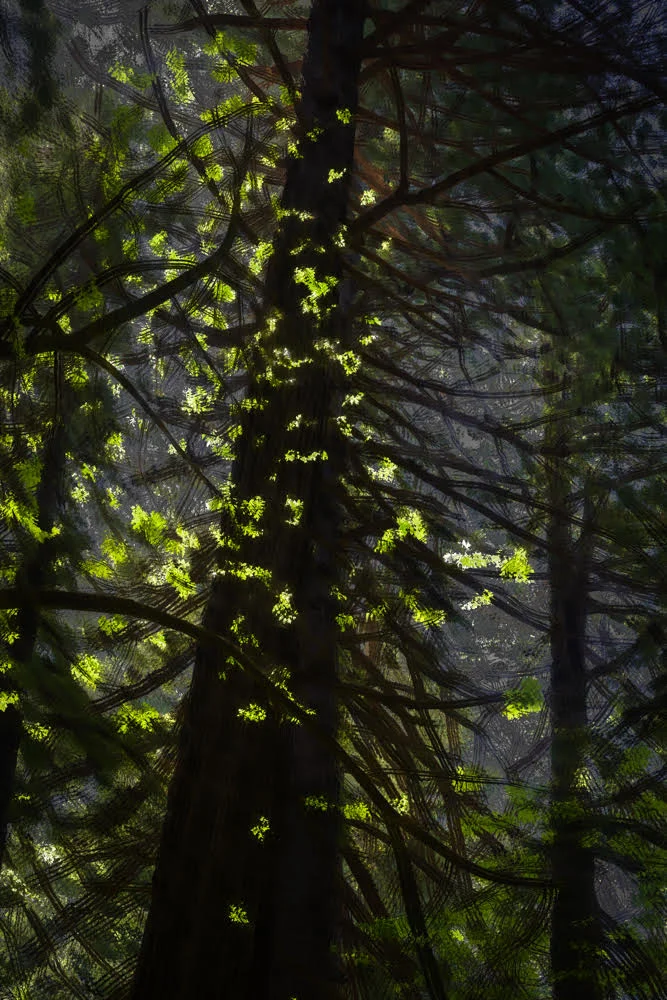

The intersection of physical geography and spiritual resonance has long captivated artists, philosophers, and travelers. In contemporary fine art photography, this ancient fascination finds profound expression in the work of director and photographer Lev L. Spiro. Best known for his extensive career in film and television direction, Spiro has cultivated a parallel mastery in capturing what Celtic spiritual traditions define as "thin places"—geographical locations where the perceived boundary between the ordinary physical world and the sacred or otherworldly dissolves. Through his critically acclaimed series, including "Thin Places" and his latest long-exposure project, "Elemental," Spiro examines how deliberate sensory receptivity can transform standard landscape documentation into deeply emotional, transcendent visual storytelling.
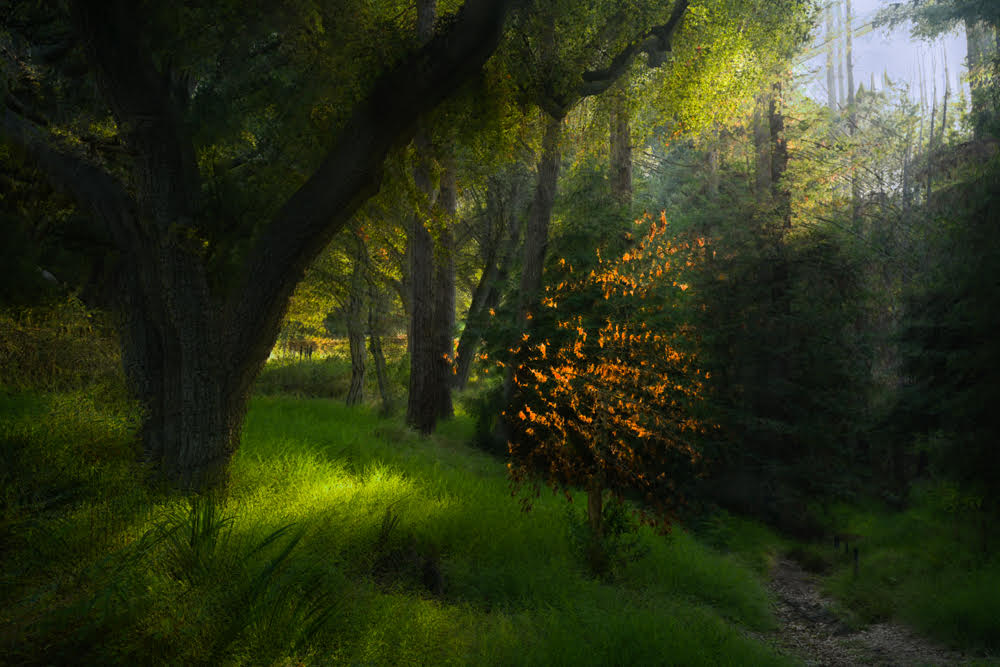
This artistic exploration has recently expanded into educational programming, notably through Spiro’s sold-out workshop, "Thin Places: Photography and the Sacred in Nature," hosted by the Santa Fe Workshops. The overwhelming public response to the curriculum underscores a broader cultural shift among contemporary visual artists: a growing desire to move beyond technical perfection toward more contemplative, expressive compositions.
Historical and Cultural Context of Thin Places
The terminology of the thin place originates deep within Celtic Christian and pre-Christian mythology, particularly rooted in the folklore of Ireland, Scotland, and Wales. Traditionally, these locations were believed to be physical coordinates on Earth where eternity and temporality intersect. Historically, ancient societies identified these zones in secluded natural settings—deep woodlands, isolated mountain summits, coastal cliffs, and mist-shrouded lakes—where the standard hum of human existence yielded to a profound, often humbling silence.

While the phrase carries explicit theological roots, its modern secular application resonates widely. Psychologists and environmental philosophers frequently reference similar phenomena to describe moments of acute awe, cognitive restructuring, and deep psychological grounding triggered by immersion in wilderness environments. Spiro’s personal introduction to this concept mirrors this modern transition. He encountered the early emotional precursors of these spaces during his formative adolescent years, spending his eleventh through thirteenth summers at an Outward Bound-style wilderness camp in Vermont. Away from the urban and suburban landscape, these extended periods in deep nature instilled an early understanding of spatial awe long before he possessed the formal vocabulary to define it.
Chronology and Evolution of Spiro’s Photographic Practice
Lev L. Spiro’s transition from narrative screen direction to fine art nature photography did not occur overnight; it represents a systematic evolution in perceptual training. While maintaining a prolific career directing episodic television and feature films, Spiro immersed himself in the technical and philosophical tenets of mid-century American photography.

Early influences proved foundational to his methodology. Spiro explicitly draws upon the teachings of legendary photographers Minor White and Paul Caponigro, both of whom championed the concept of equivalence—the idea that a photograph can function as a metaphor for an internal emotional state. Furthermore, Spiro studied under master photographer Sam Abell, absorbing the critical discipline of learning to "be stopped" by the environment rather than aggressively hunting for picturesque vistas.
This philosophy directly informs his working chronology:

- Foundational Perceptual Training: Years dedicated to slowing down, observing subtle shifts in natural light, form, texture, and time.
- The "Thin Places" Series: An initial focused body of work captured primarily during the liminal hours—the two hours immediately following sunrise and the two hours preceding sunset—when natural illumination transforms familiar terrain into evocative, moody tableaux.
- The "Elemental" Series: A recent evolution in his portfolio characterized by the deliberate use of long exposures. This phase requires rigorous technical setup, including heavy tripods, specialized lenses, and dense neutral density (ND) filters ranging from six to ten stops, specifically optimized to capture the fluid dynamics of running water and shifting cloud formations.
Methodology: Receptivity Versus Pursuit
A central tenet of Spiro’s artistic philosophy, and a core pillar of his educational framework, is the distinction between photographing a place and experiencing it. In professional landscape photography, practitioners frequently rely on pre-visualization—scouting locations with rigid parameters regarding composition, weather, and lighting.
Spiro challenges this deterministic approach by advocating for radical receptivity. He instructs his students to abandon the urge to merely describe a geographic location. Instead, the objective is to cultivate heightened perception—an acute sensory awareness of subtle environmental data, including wind direction, shifting shadow patterns, tactile foliage textures, and temporal rhythms.

This methodology often introduces logistical friction in the field. Spiro notes the frequent irony of embarking on a meticulously planned technical shoot—such as setting up heavy equipment for a long-exposure water study for the "Elemental" series—only to be intercepted by an unexpected, fleeting atmospheric occurrence that demands a total reconfiguration of camera parameters. Embracing these interruptions forms the crux of his teaching: true artistic breakthroughs occur when the photographer possesses the flexibility to abandon predetermined outcomes in favor of immediate, authentic engagement with the landscape.
Educational Impact and the Santa Fe Workshops Phenomenon
The commercial and critical success of Spiro’s pedagogical offerings highlights a significant trend within modern photographic education. His workshop, "Thin Places: Photography and the Sacred in Nature," organized through the prestigious Santa Fe Workshops, has achieved consecutive sellouts accompanied by extensive waitlists.

Industry analysts attribute this popularity to a market saturation of technically flawless, highly saturated landscape imagery generated by modern digital sensors and accessible editing software. As technical barriers to entry lower, accomplished photographers increasingly seek advanced conceptual frameworks that elevate their portfolios from mere documentation to personal expression.
According to participant feedback and course evaluations, the primary takeaway for attendees is not a technical camera setting, but an internal shift. The curriculum demonstrates that sacred or thin places are not exclusive geographic anomalies guarded by isolation; rather, they are perceptual states unlocked through patience, active attention, and emotional availability.

Broader Implications for Environmental Aesthetics
Spiro’s work and teachings intersect with contemporary conversations surrounding environmental conservation and human psychology. By framing nature not merely as a resource or a recreational backdrop, but as an interactive space capable of fostering profound psychological depth, his imagery encourages a renewed ethos of stewardship.
In his field practice, Spiro maintains a strict "leave no trace" policy, emphasizing that genuine interaction with thin places requires absolute physical respect for the ecosystem. Whether navigating untouched wilderness or traversing lands holding deep cultural significance for Indigenous communities, the photographer’s role is framed as that of a quiet observer rather than an exploitative consumer.

As contemporary society becomes increasingly urbanized and digitally mediated, explorations like those undertaken by Lev L. Spiro provide a vital cultural bridge. By translating the intangible sense of awe into tangible fine art prints, his work invites audiences to pause, recalibrate their perception of time and space, and rediscover the quiet, enduring presence of the natural world.