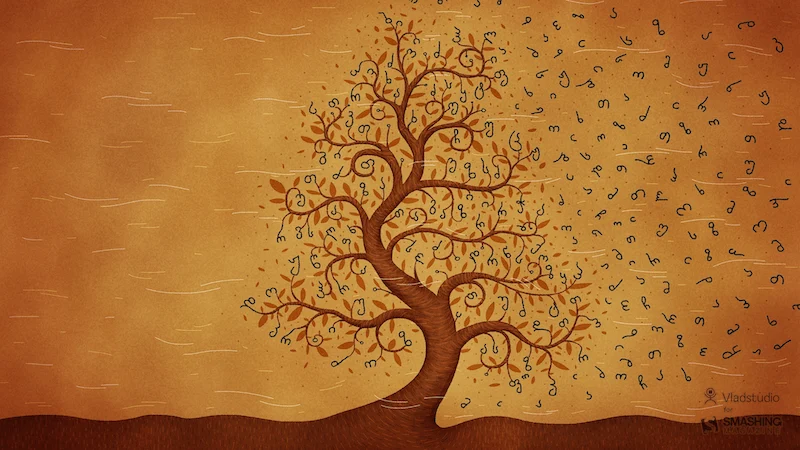

As the calendar turns to November, the global creative community has once again united to address the psychological and aesthetic challenges posed by the transition into late autumn. For more than 15 years, the Smashing Magazine project has curated a monthly digital exhibition, providing high-resolution desktop wallpapers designed by artists from around the world. This initiative, which functions as both a community-building exercise and a functional design resource, provides free, accessible art to millions of remote workers, students, and professionals seeking to customize their digital environments.
The November 2026 collection arrives at a time when workplace wellness research suggests that the physical and digital environment plays a significant role in mitigating Seasonal Affective Disorder (SAD) and productivity slumps. As daylight hours shorten in the Northern Hemisphere, the integration of vibrant, curated imagery serves as a low-cost, effective intervention for improving employee morale in remote and office-based settings alike.
A Chronology of the Monthly Creative Tradition
The origins of this monthly design showcase date back to the mid-2000s, emerging from a need to bridge the gap between abstract web design and functional, user-centric desktop utilities. Over the last decade and a half, the project has evolved from a small community hobby into a sophisticated global network. Each month, the editorial team issues a call for submissions, which are then vetted for technical quality, artistic merit, and thematic resonance.
The timeline for each release follows a rigorous, predictable cycle:
- The Solicitation Phase: Designers from across the globe submit their work, often months in advance.
- The Editorial Selection: The team reviews submissions to ensure a balance of styles, ranging from minimalism and abstract geometry to illustrative storytelling.
- The Distribution Phase: High-resolution assets are finalized for a variety of screen ratios, including ultrawide monitors and mobile devices.
- The Publication: The collection is released on the first of each month, serving as a symbolic "refresh" for users’ digital workspaces.
Analyzing the November 2026 Design Trends
The current collection reflects a diverse range of regional cultural influences. Designers from countries as varied as Serbia, France, Spain, Lithuania, India, and the United States have contributed work that addresses the unique atmospheric quality of the month.
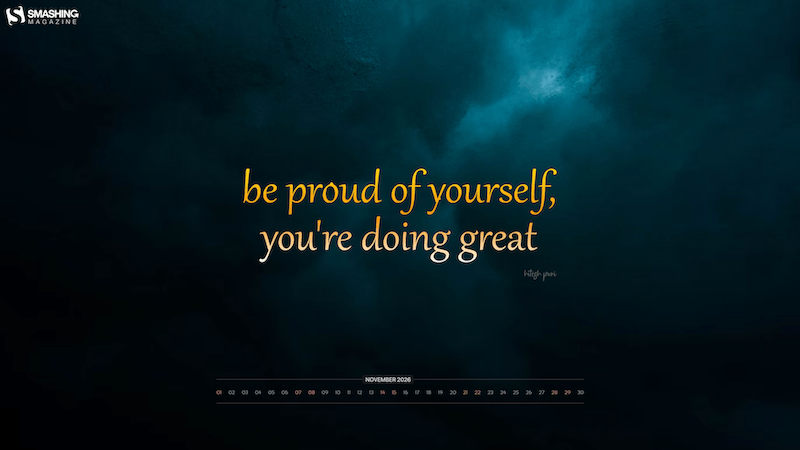
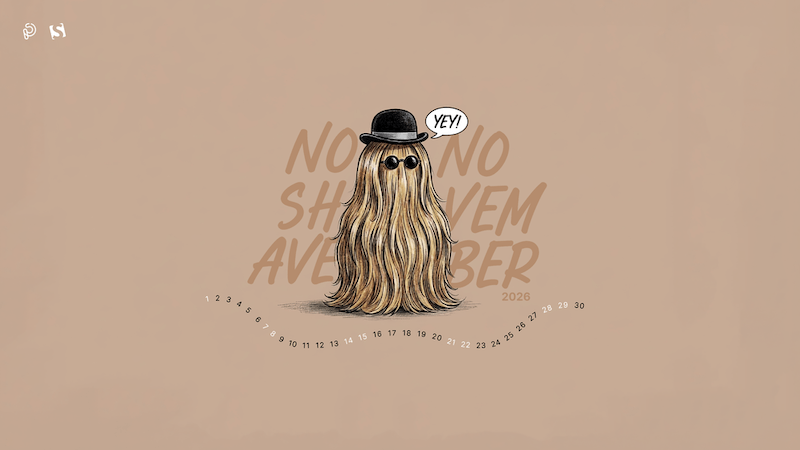
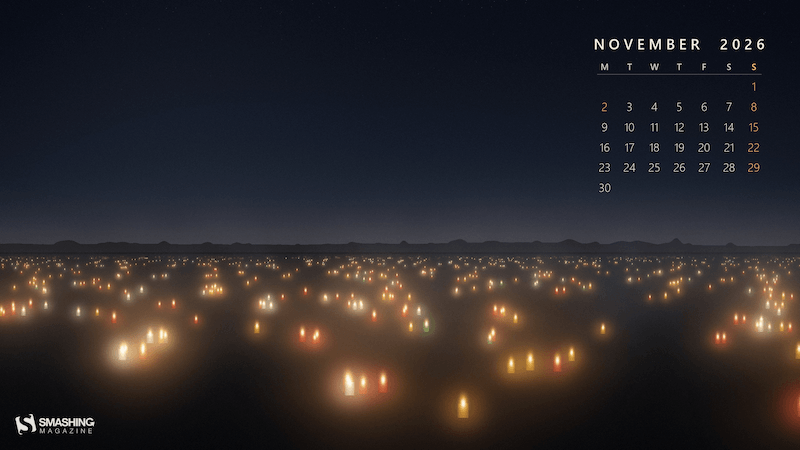
A notable trend in this year’s collection is the movement toward "cozy minimalism." For example, Justas Arbatauskis’s "Candlelight November" leverages the cultural tradition of remembrance prevalent in Lithuania, utilizing warm, low-light palettes to evoke a sense of quiet reflection. In contrast, PopArt Studio’s "From Spooky to Scruffy" leans into the pop-culture phenomenon of "No-Shave November," highlighting how digital design often mirrors contemporary social trends.
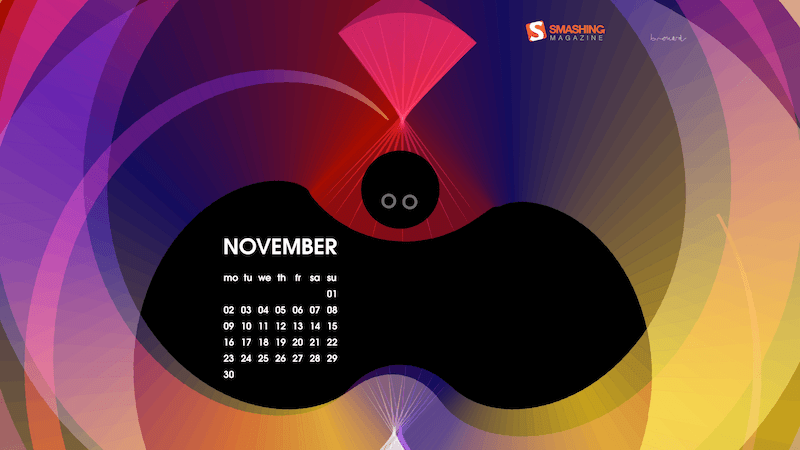
Other contributors have opted for mathematical or scientific themes. Philippe Brouard, an artist from France, noted that his piece "One More Bat" was born from playing with parametric curves, demonstrating how generative art continues to intersect with traditional graphic design. This interplay between algorithmic precision and human-centric themes is a hallmark of modern digital artistry.
The Psychological Impact of Digital Environments
The importance of this initiative is supported by broader research into environmental psychology. Studies have consistently shown that the "desktop" serves as the primary digital workspace for millions of individuals. Researchers at the University of Exeter’s School of Psychology have found that enriched environments—those that contain plants, art, and personal touches—can increase productivity by up to 15%.

By offering a rotating selection of high-quality, free wallpapers, this project allows users to curate their digital environment with minimal technical effort. The psychological impact of shifting from a "gray, rainy" default desktop to one featuring high-contrast autumnal colors or soothing landscapes can act as a subtle "nudge" in behavioral economics, helping users psychologically transition from the high-intensity productivity of summer to the more introspective, lower-light winter months.

Global Participation and Community Feedback
The inclusivity of this initiative is central to its longevity. By removing financial barriers to entry and providing an international platform, the project has fostered a unique ecosystem of amateur and professional designers.
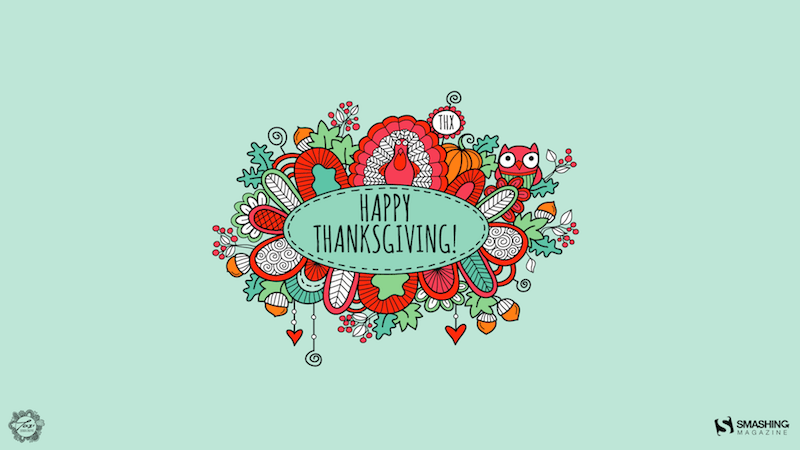
"We are always looking for creative talent," states the editorial team. "This post wouldn’t be possible without your wonderful support." This sentiment is reflected in the high volume of recurring contributors. Artists like Veronica Valenzuela and the team at PopArt Studio have become pillars of the community, consistently delivering work that aligns with the changing seasons while maintaining a distinct, recognizable aesthetic.
The feedback loop is institutionalized through a "Join In" program, which provides clear documentation for artists interested in future features. This ensures a constant influx of fresh perspectives, preventing the collection from becoming stagnant or overly reliant on a single regional style.
Broader Industry Implications and Future Directions
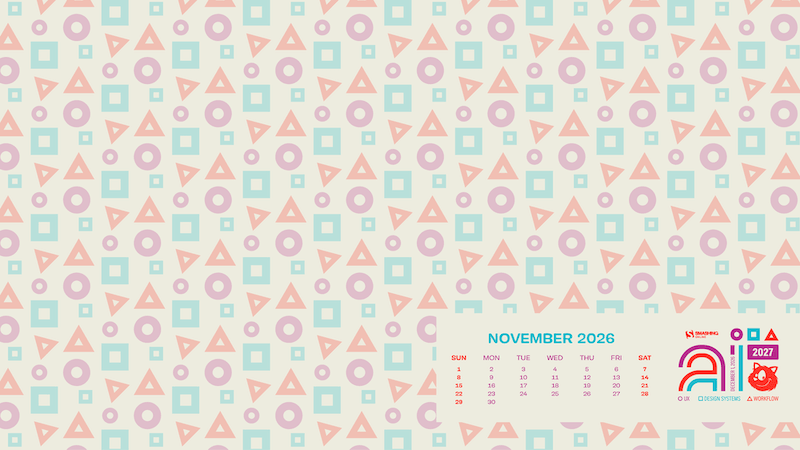
The integration of artificial intelligence in design is also becoming a point of discussion within the community. The inclusion of the "AI in 2027" concept piece by the Smashing Magazine team reflects a forward-looking approach to the evolving landscape of digital creation. The upcoming AI 2027 Conference, slated for December 1, 2026, signals that the organization is actively pivoting toward the intersection of human creativity and machine-assisted design.

This shift has significant implications for the future of digital art. As AI tools become more prevalent, the value of human-curated collections—those that favor intentionality, cultural context, and personal narrative—will likely increase. The current wallpaper collection serves as a case study for this transition, where the artistic "intent" behind a piece—such as the memory of home or the observation of nature—remains the primary driver of its appeal, regardless of the tools used to create it.
Sustainability and Digital Connectivity
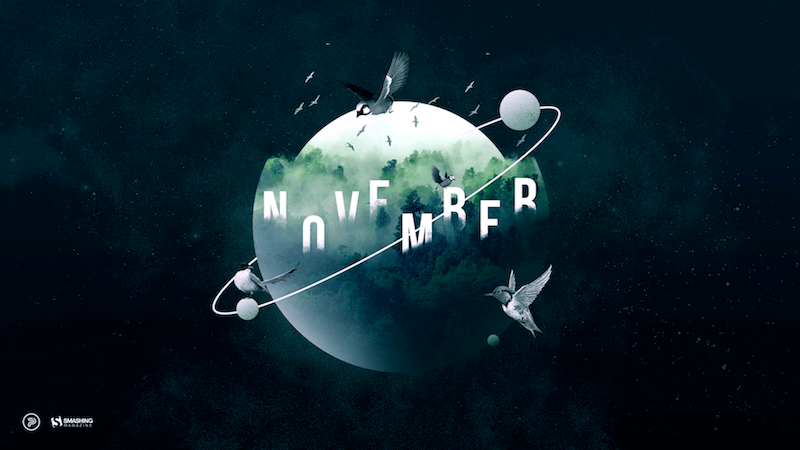
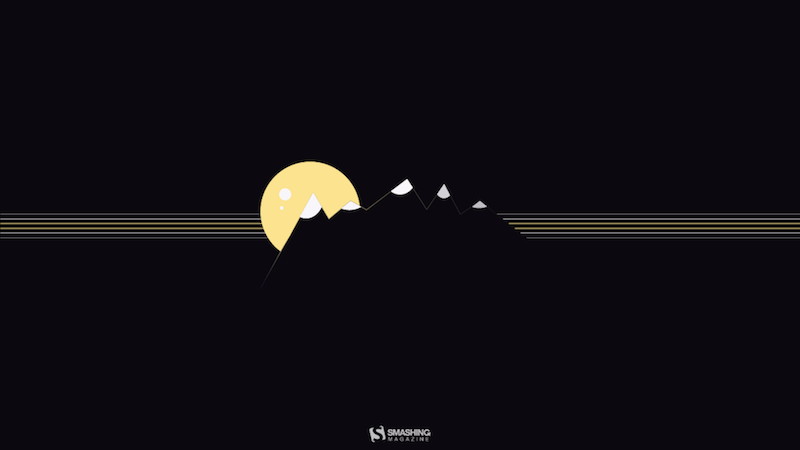
Beyond the aesthetic benefits, the project touches upon themes of sustainability and global connectivity. In "Outer Space," a design from PopArt Studio, the theme of planetary preservation is juxtaposed with the concept of space exploration. This thematic depth encourages users to think beyond their immediate desktop, prompting reflections on environmental stewardship.
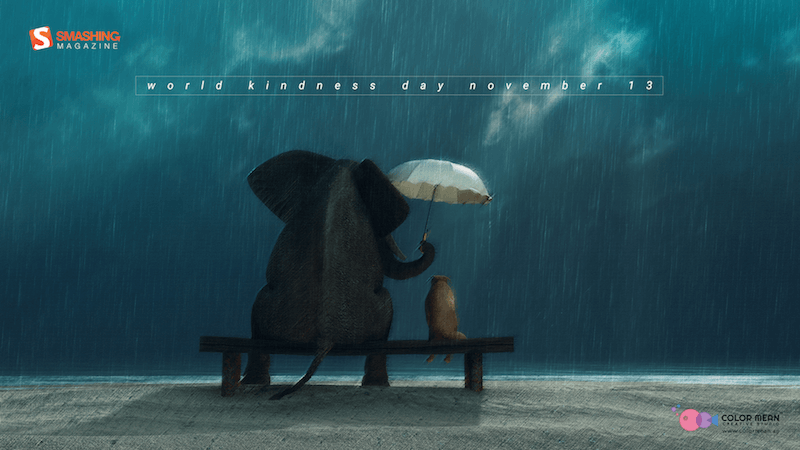
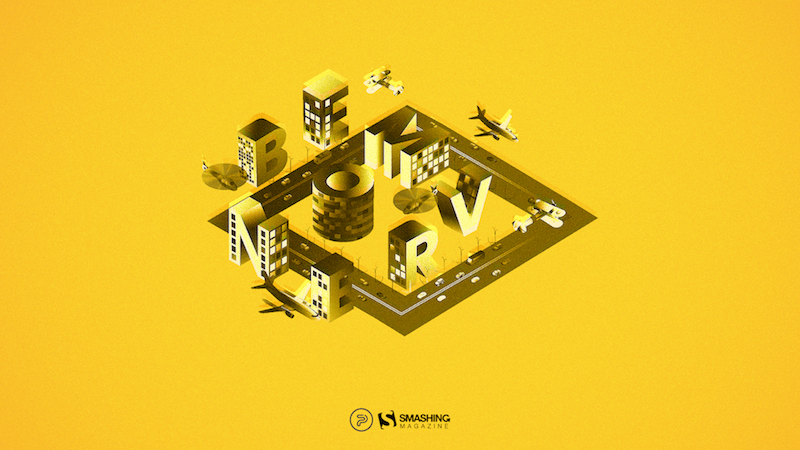
Similarly, the "International Civil Aviation Day" design serves as a reminder of the logistics that keep the world connected. By highlighting such events, the collection transforms the desktop wallpaper from a mere background image into an educational tool, briefly connecting the user to global milestones and cultural observations.
Conclusion
The November 2026 collection stands as a testament to the power of community-driven design. By synthesizing diverse global perspectives, the initiative provides a necessary antidote to the monotony that can often define the work week in late autumn. As the project looks toward its next iteration, it remains committed to the principle that high-quality, accessible design is a vital component of the modern digital experience.

For those interested in participating in the upcoming December cycle, the submission window is open, with a publication date scheduled for November 30. As the industry continues to navigate the complexities of AI, remote work, and the digital divide, initiatives that emphasize human creativity and global collaboration will undoubtedly continue to play a pivotal role in shaping the digital landscape. Whether through the lens of a "kind soul," a "spooky" transition, or the first icicles of winter, the project ensures that the digital workspace remains a place of inspiration, reflection, and continuous renewal.