
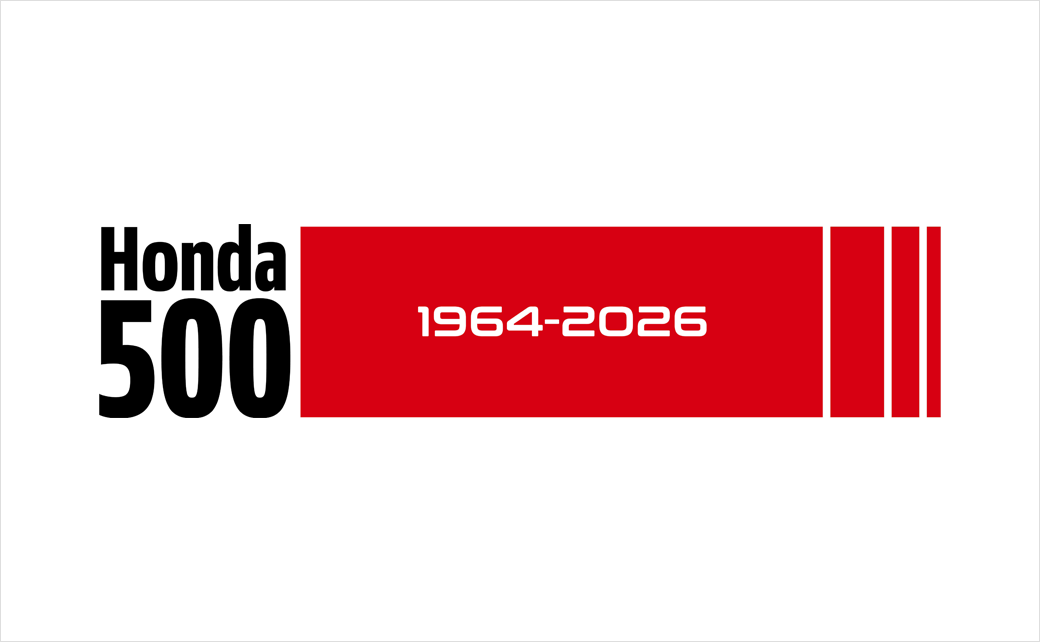
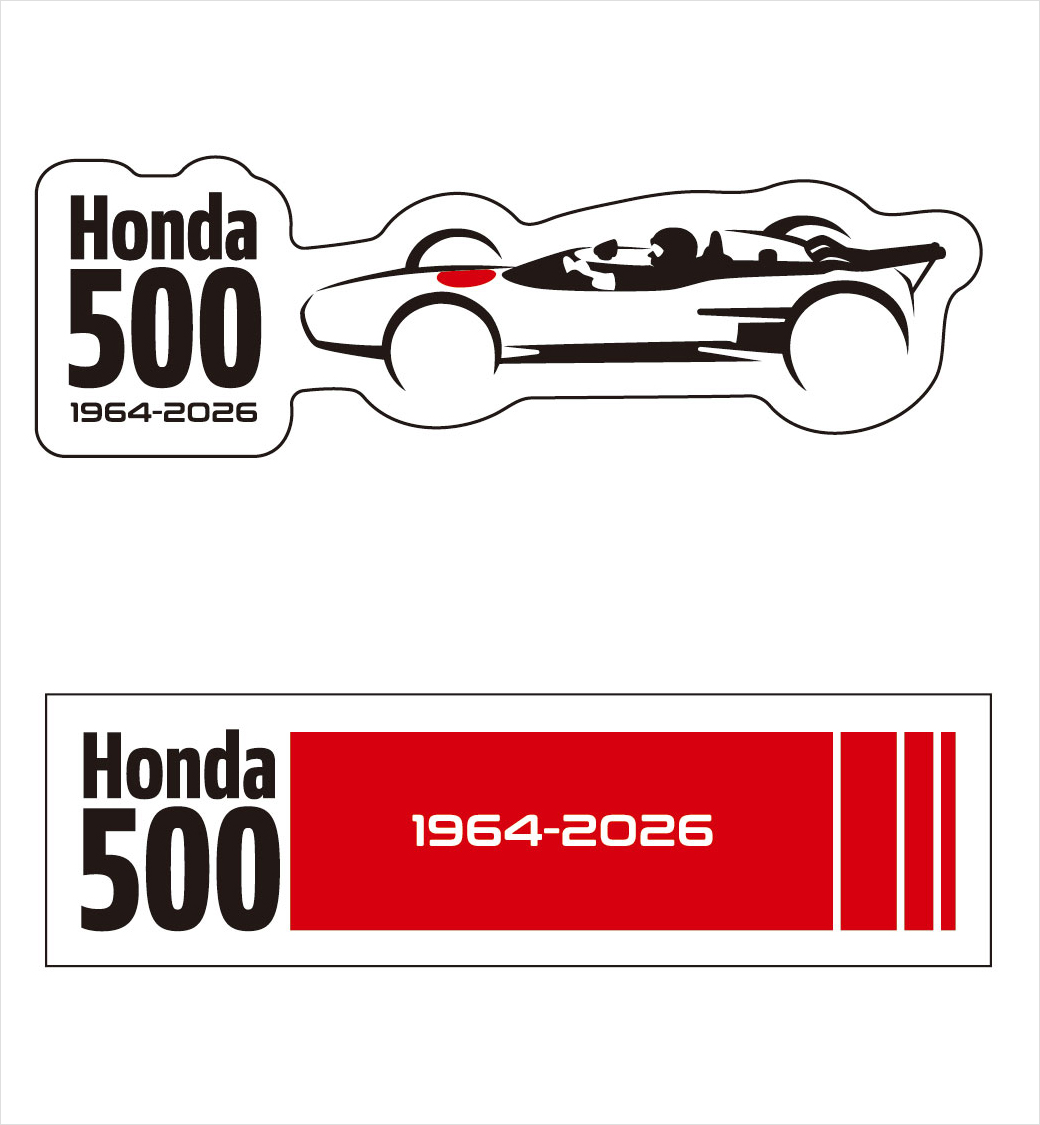
Honda is reaching a monumental milestone in its illustrious motorsport history this weekend as it prepares to contest its 500th Formula 1 Grand Prix. The landmark achievement will be officially commemorated at the United States Grand Prix, hosted at the sweeping Circuit of the Americas (COTA) in Austin, Texas. To mark this historic chapter in top-tier motorsport, the Japanese manufacturer has unveiled a bespoke ‘Honda500’ commemorative logo, which will take center stage across team liveries, personnel apparel, and a limited-edition consumer merchandise line.
As the reigning era of Formula 1 continues to showcase hyper-competitive engineering, Honda’s journey to the half-century-of-centuries mark underscores its enduring legacy, technological resilience, and relentless pursuit of internal combustion and hybrid excellence. The celebration in Austin bridges Honda’s deep-rooted racing heritage with its contemporary status as a premier power unit supplier in the modern paddock.
The Austin Showcase: Liveries, Uniforms, and Global Branding
The pinnacle of this weekend’s celebrations will unfold on the track, where Honda’s current Formula 1 partner, the Aston Martin F1 team, will prominently display the commemorative ‘Honda500’ branding. The distinctive logo has been thoughtfully integrated into the aerodynamic lines of the team’s race-day liveries, ensuring global visibility to millions of television viewers and trackside spectators at the Texas venue.
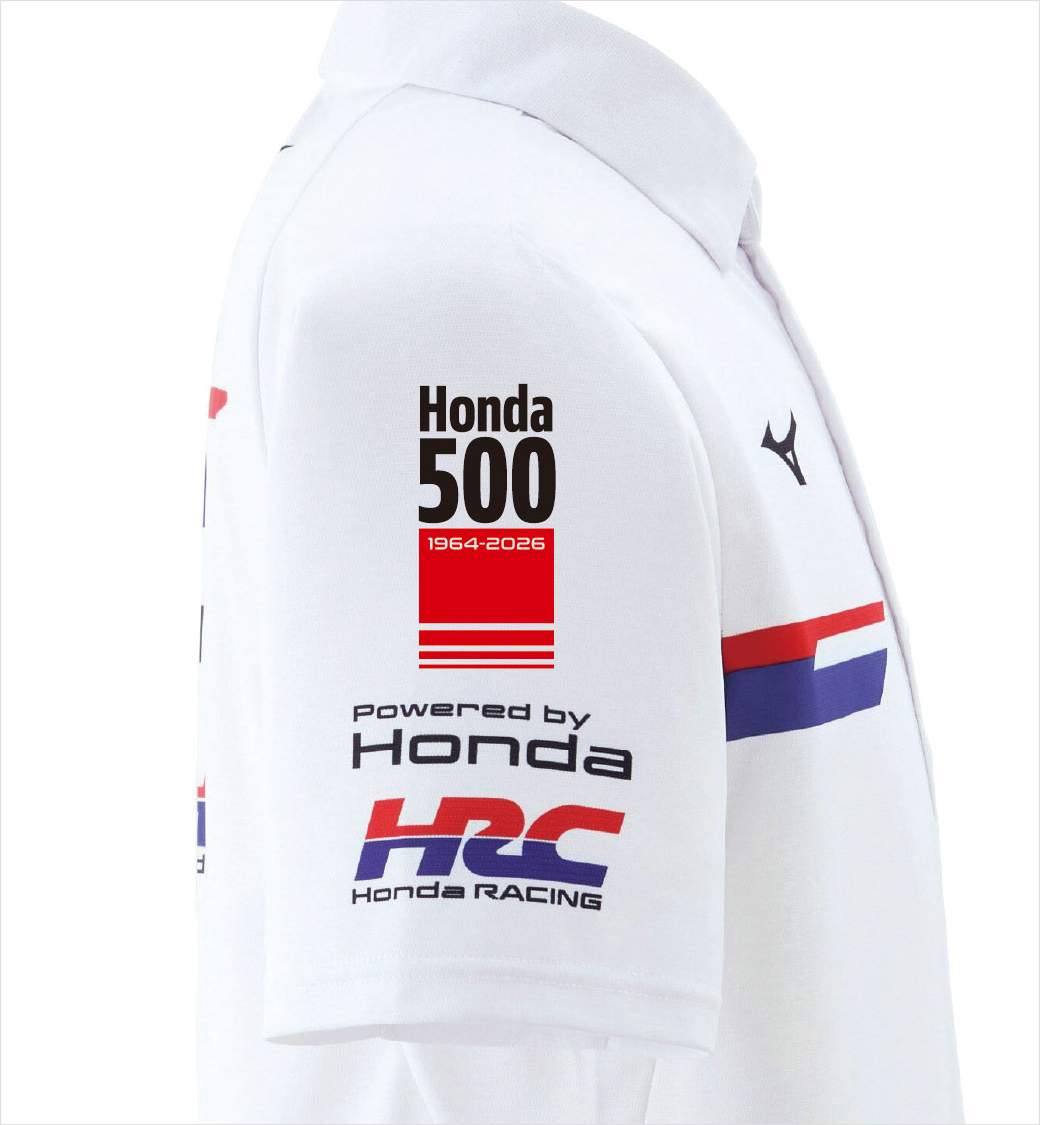
Beyond the cars themselves, the visual tribute extends directly to the paddock and pit wall. Honda Racing Corporation (HRC) engineers and trackside technical personnel stationed at the Circuit of the Americas will don specialized uniforms emblazoned with the official Honda500 insignia.
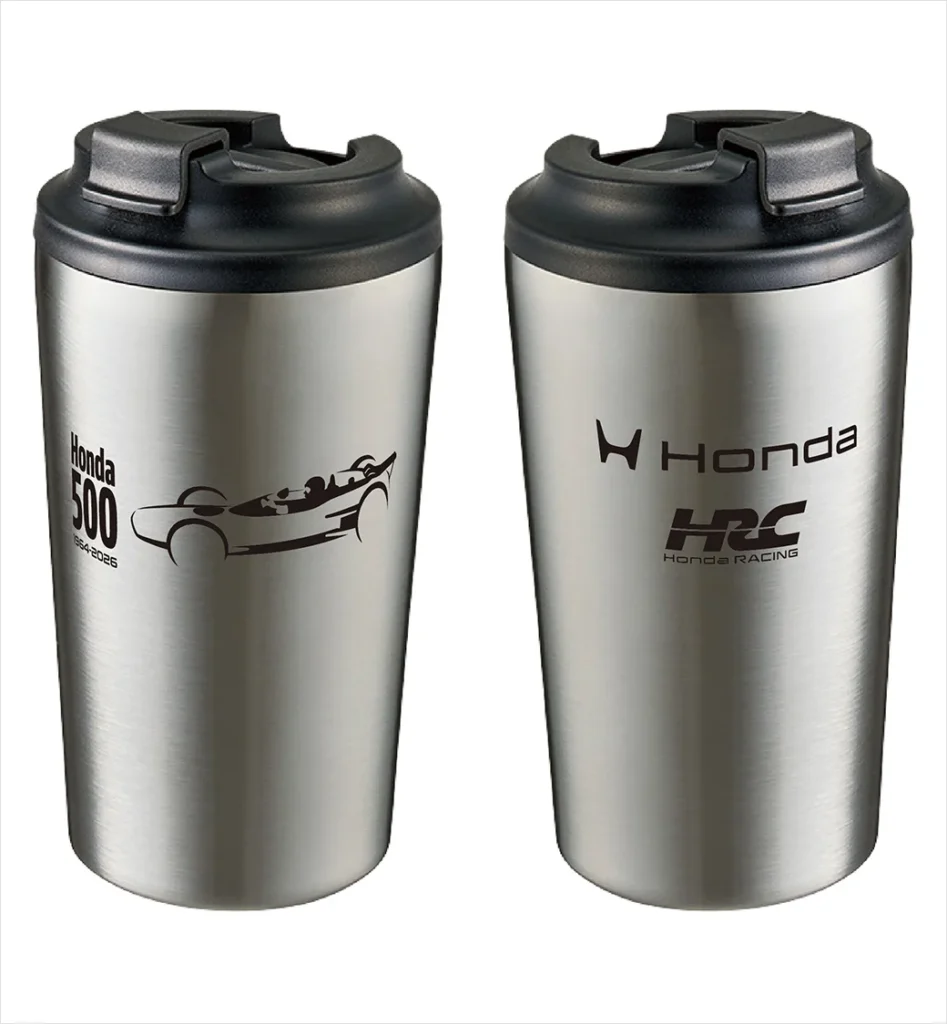
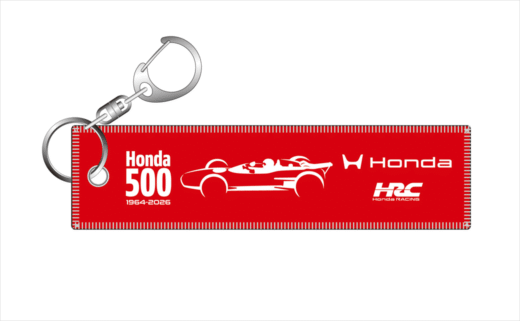
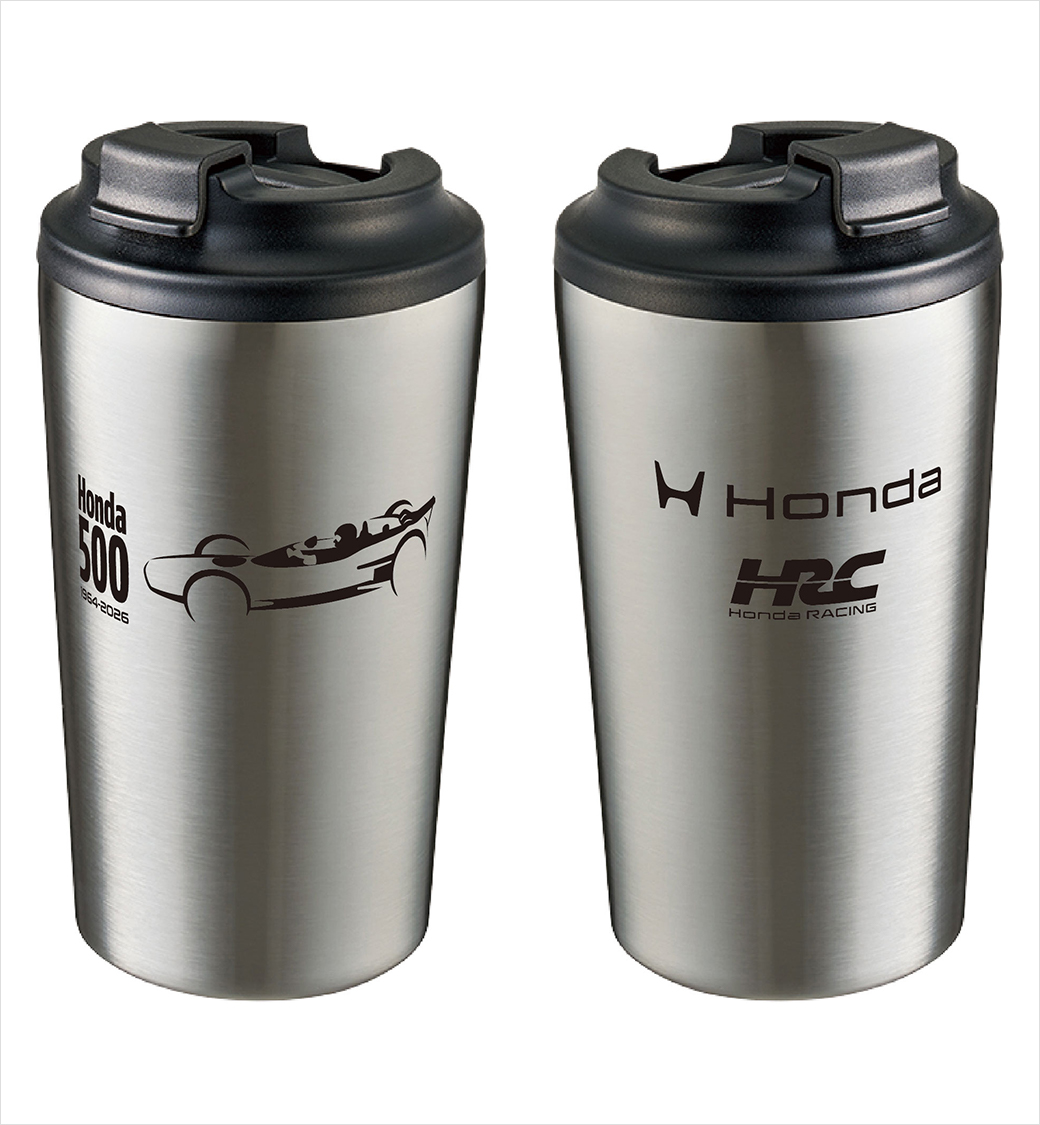
Recognizing the immense global fanbase that has supported the brand through decades of triumph and heart-break, Honda is extending the celebration well beyond the Texas circuit. In Japan, the company is rolling out an exclusive collection of consumer products featuring the Honda500 logo. Fans and automotive enthusiasts will have access to commemorative items including stainless steel tumblers, collectible keychains, and premium decals. Furthermore, a high-grade Mizuno Honda500 commemorative replica uniform—exact in design and material to the garments worn by the HRC engineers in the Austin pit lane—will be made available for purchase, allowing devotees to wear a tangible piece of motorsport history.
A Six-Decade Odyssey: Chronology of Honda in Formula 1
Honda’s relationship with Formula 1 is a sweeping saga that spans over sixty years, defined by bold technological gambles, fierce independence, and extraordinary championship success.
The Japanese manufacturer’s baptism by fire in the pinnacle of motorsport occurred at the 1964 German Grand Prix, held at the daunting Nürburgring Nordschleife. Entering as a fully integrated factory team—building both the chassis and the engine—Honda demonstrated its engineering prowess remarkably early in its tenure. Just one year after its debut, at the 1965 Mexican Grand Prix, American driver Richie Ginther secured Honda’s maiden F1 victory, piloting the iconic RA272. This historic win not only marked Honda’s arrival as a global competitive force but also represented the first-ever Formula 1 Grand Prix victory for an Asian automotive manufacturer.
Following initial successes, Honda withdrew from the sport as a constructor at the end of the 1968 season, only to return in the 1980s in a dominant capacity as an engine supplier. This era cemented the brand’s legendary status in Formula 1 folklore. Partnering with powerhouse teams like Williams and McLaren, Honda-powered cars pulverized the competition. Most notably, the late 1980s saw the legendary pairing of McLaren and Honda secure four consecutive Constructors’ and Drivers’ World Championships between 1988 and 1991, driven by icons such as Ayrton Senna and Alain Prost. The turbocharged and naturally aspirated V6 and V10 powerplants developed by Honda during this era are widely regarded as some of the greatest engineering feats in motorsport history.
The subsequent decades witnessed a fluctuating cycle of full factory team operations—such as the transition from BAR to Honda Racing F1 Team in the mid-2000s—followed by a corporate withdrawal prompted by the 2008 global financial crisis. However, Honda’s gravitational pull toward Formula 1 proved inescapable. The brand returned to the grid in 2015 as a power unit supplier for McLaren during the turbulent early years of the V6 turbo-hybrid era.
Despite initial struggles, perseverance paid off. Honda engineered a remarkable performance and reliability turnaround, subsequently partnering with Red Bull Racing and Scuderia AlphaTauri (now Visa Cash App RB). This partnership yielded a dominant modern era, culminating in Max Verstappen capturing the 2021 Drivers’ World Championship, followed by consecutive Constructors’ and Drivers’ titles that re-established Honda at the apex of global motorsport engineering. Today, as the sport prepares for new regulatory horizons, Honda’s ongoing technical collaboration with Aston Martin demonstrates its unwavering commitment to cutting-edge hybrid powertrain development.
Strategic Evolution: From Factory Team to Power Unit Supplier
Honda’s journey to 500 races reflects a fascinating evolution in corporate motorsport strategy. Unlike many manufacturers that have maintained a singular operational model throughout their time in Formula 1, Honda has successfully traversed every tier of participation.
The brand has operated as a fully integrated constructor—designing, manufacturing, and racing its own proprietary chassis and engines—as well as functioning exclusively as an elite power unit supplier to third-party chassis builders. This versatility has allowed Honda to accumulate deep technical data across shifting regulatory frameworks, adapting from lightweight naturally aspirated engines of the 1960s to the ultra-complex, high-efficiency hybrid power units of the 21st century.
Operating across 500 Grands Prix requires not only mechanical durability but also immense logistical, financial, and organizational commitment. HRC engineers have had to navigate shifting geopolitical landscapes, monumental rule changes, and the relentless pressure of high-performance internal combustion and electrical integration. Reaching the 500-race milestone places Honda in an elite club of automotive entities that have profoundly shaped the DNA of Formula 1.
Official Perspectives and Industry Implications
While commercial announcements often center on marketing and commemorative merchandise, the underlying significance of Honda’s 500th race resonates deeply within the Formula 1 paddock. Industry analysts and motorsport executives view the milestone as a testament to Honda’s unique ability to oscillate between corporate withdrawal and triumphant returns, driven by the intrinsic value F1 provides for automotive research and development.
Although formal statements released by Honda corporate headquarters emphasize gratitude toward the fans, drivers, team partners, and engineers who contributed to the 500-race tally, the subtext is clear: Formula 1 remains the ultimate proving ground for passenger car technology. The innovations pioneered on the track—particularly in energy recovery systems, thermal efficiency, and lightweight materials—directly feed into Honda’s commercial vehicle development lines, reinforcing the brand’s commitment to sustainable mobility solutions and high-performance road cars.
Furthermore, the timing of this milestone ahead of the upcoming regulatory overhaul in Formula 1 highlights Honda’s strategic foresight. By aligning with forward-thinking partners like Aston Martin for the new generation of power unit regulations, Honda ensures that its rich racing legacy will continue to evolve well into the future.
Broader Impact on the Sport and Future Horizons
As the Formula 1 circus descends upon Austin for this weekend’s milestone event, the broader implications of Honda’s tenure extend far beyond statistics and trophy counts. The brand has served as a vital bridge between Eastern engineering excellence and the Western-centric governance of top-flight motorsport, inspiring generations of engineers and motorsport enthusiasts across the globe.
Reaching 500 Grands Prix is not merely a celebration of longevity; it is a celebration of resilience. From the early garage setups of the 1960s to the hyper-sophisticated, carbon-neutral-focused laboratories of modern HRC, Honda’s journey mirrors the evolution of Formula 1 itself. As the ‘Honda500’ logo gleams under the Texas sun this weekend, it serves as an enduring reminder that true engineering excellence is forged through decades of relentless competition, adaptation, and an unyielding desire to cross the finish line first.