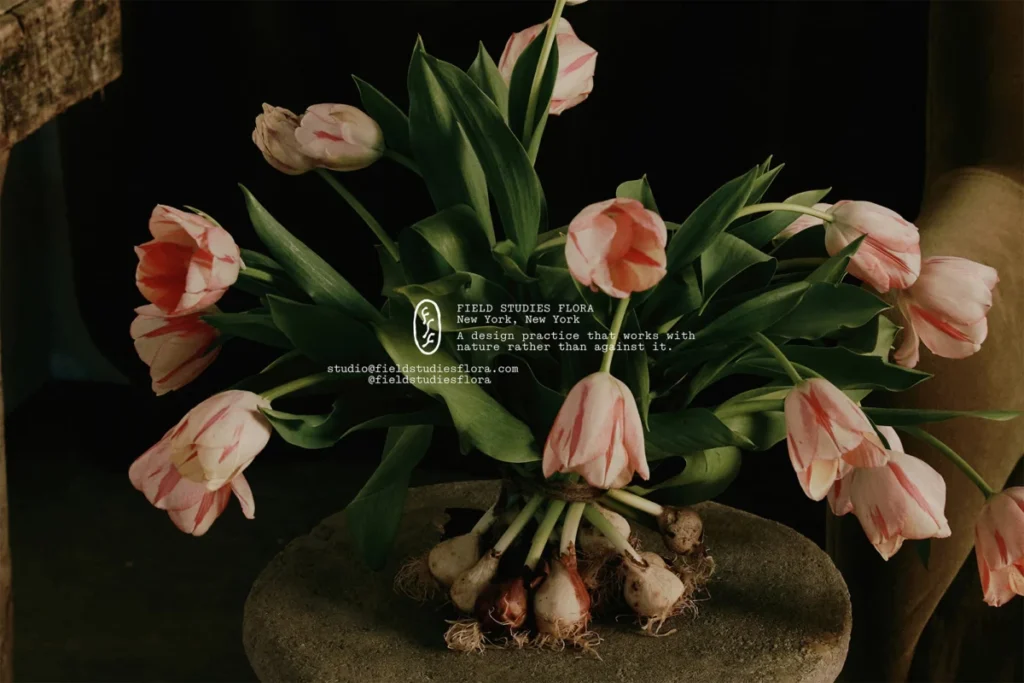

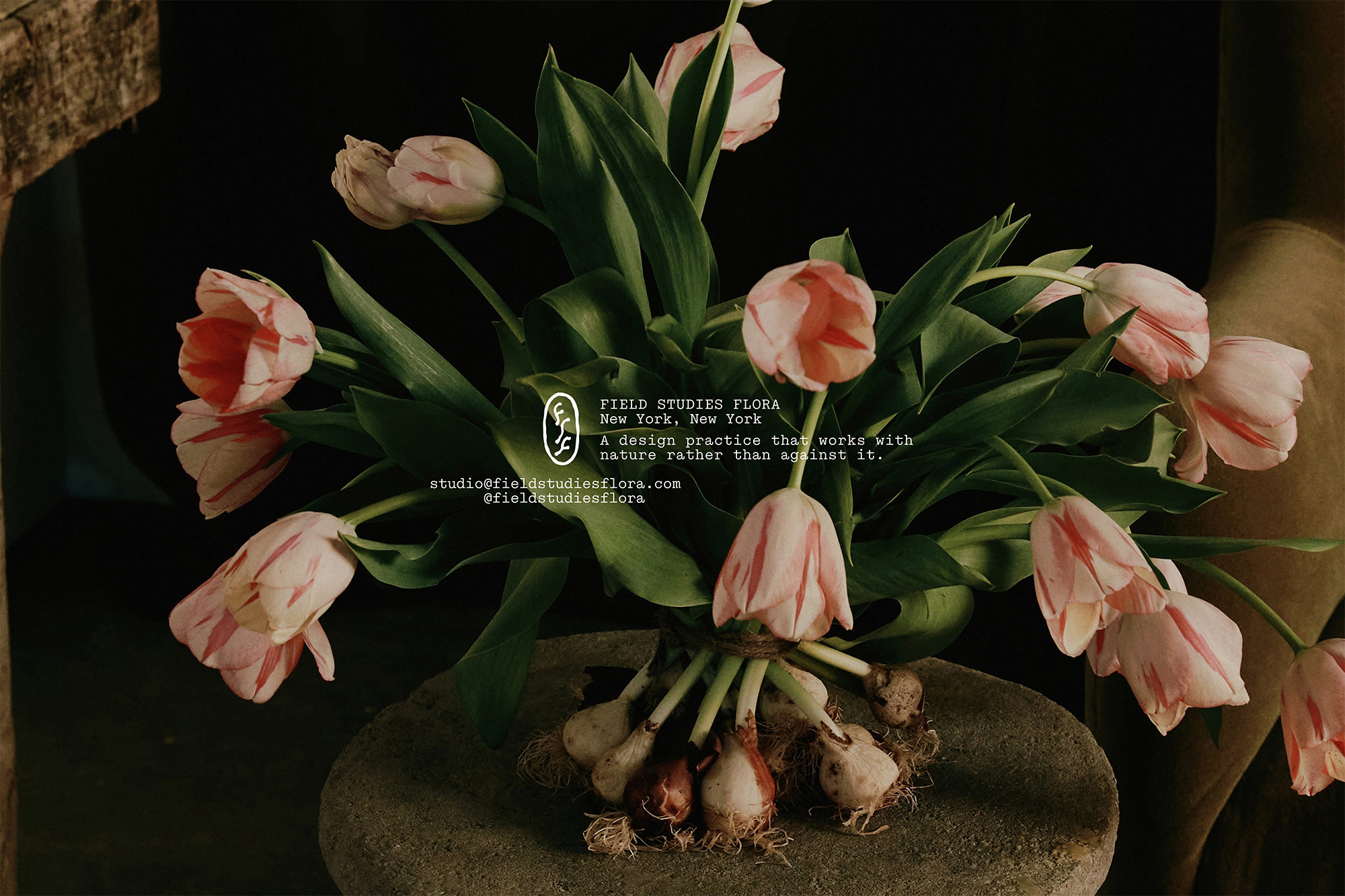
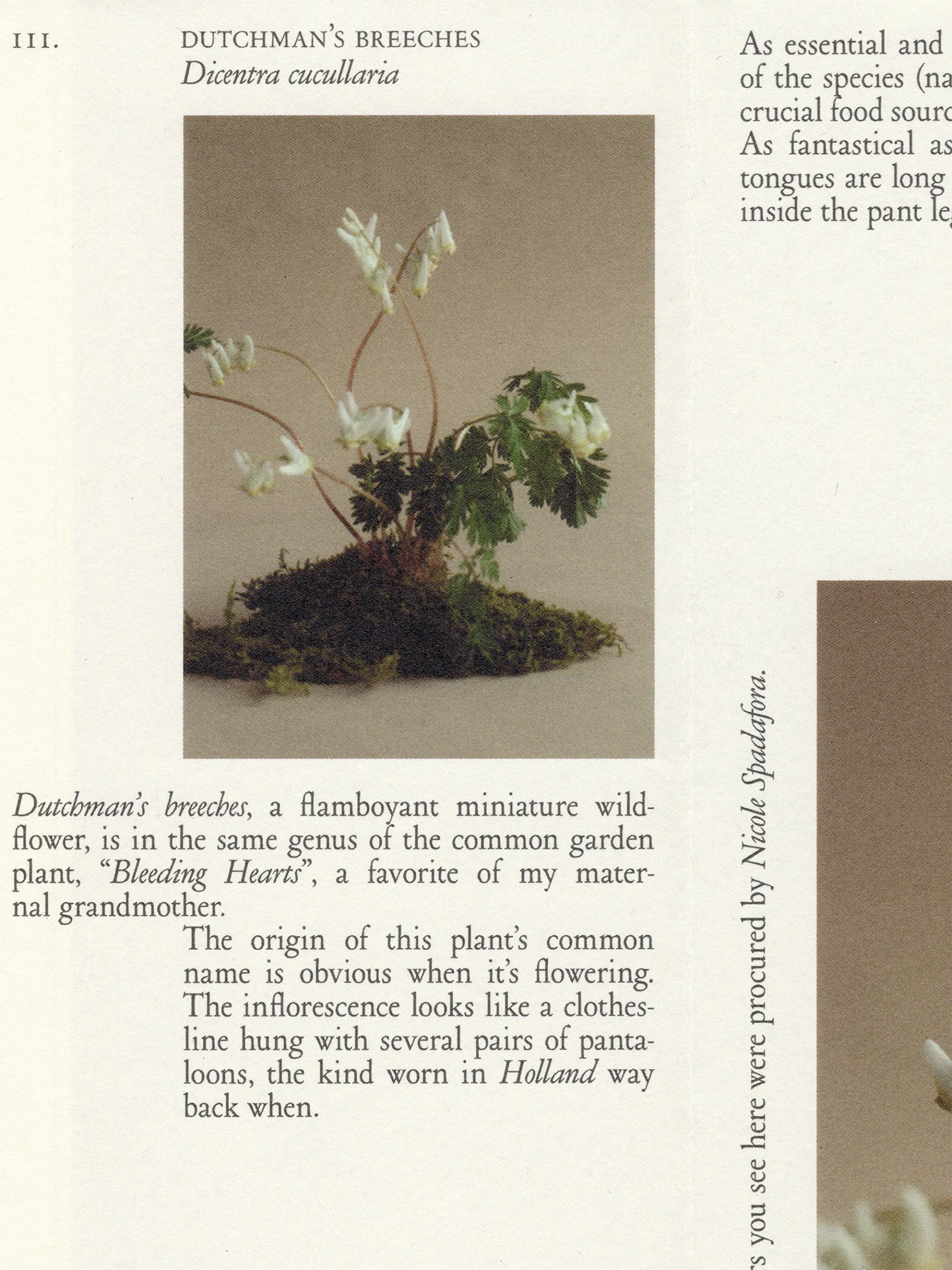
The intersection of digital design and horticultural practice has reached a sophisticated new juncture through the recent collaboration between founder Alex Crowder of Field Studies Flora and the creative agency 1/1 Studio. Moving away from the conventional aesthetic tropes that have long defined the floral industry—which often prioritize high-volume, stock-photography-heavy commerce over substance—this new digital platform functions as a scholarly repository and a living portfolio. By drawing inspiration from historical botanical archives, rare plant glossaries, and the meticulous tradition of garden almanacs, the project serves as a case study in how niche service providers can leverage brand identity to articulate a philosophy of environmental stewardship rather than mere consumption.
The Genesis of a Digital Philosophy
The foundational objective of this project was to reconcile the ephemeral nature of floral design with the enduring necessity of ecological awareness. Alex Crowder, the principal force behind Field Studies Flora, sought to move beyond the traditional "gallery-style" website. Instead, the mandate for 1/1 Studio was to build a digital architecture that could host the studio’s portfolio while simultaneously acting as an educational conduit.
The design process began with a rigorous audit of historical botanical literature. By analyzing the layout, typography, and documentation styles of 19th-century horticultural texts, the designers at 1/1 Studio synthesized a visual language that feels both ancestral and contemporary. This decision was not merely stylistic; it was a deliberate effort to ground the studio’s modern practice in the history of botanical study, reinforcing the brand’s commitment to working in harmony with natural cycles rather than imposing human-centric designs upon them.
Chronology of the Brand Evolution
The transformation of Field Studies Flora’s digital presence can be mapped across several key developmental stages throughout 2026:
- Q1 2026: Conceptual Alignment. Alex Crowder and the 1/1 Studio team established the core pillars of the rebrand: transparency, historical reference, and ecological integrity.
- Q2 2026: Archival Research. The creative team engaged in an extensive review of historical plant glossaries and agricultural almanacs to determine the visual parameters for the new identity.
- Q3 2026: Production and Cinematography. Field production commenced in Massachusetts, where filmmaker Scott Macdonough captured the landscapes that define the studio’s source material.
- November 2026: Full Launch. The new digital platform and associated print collateral were unveiled, marking the transition of the brand from a standard florist service to a holistic botanical consultancy.
Visual Identity and The Role of Documentation
Central to the success of this project is the integration of high-fidelity documentation. The homepage is anchored by a short film directed by Scott Macdonough, which provides viewers with an immediate, sensory-driven context. By placing the viewer directly in the fields of Massachusetts, the film establishes the brand’s "field-to-vase" ethos before a single product image is viewed.
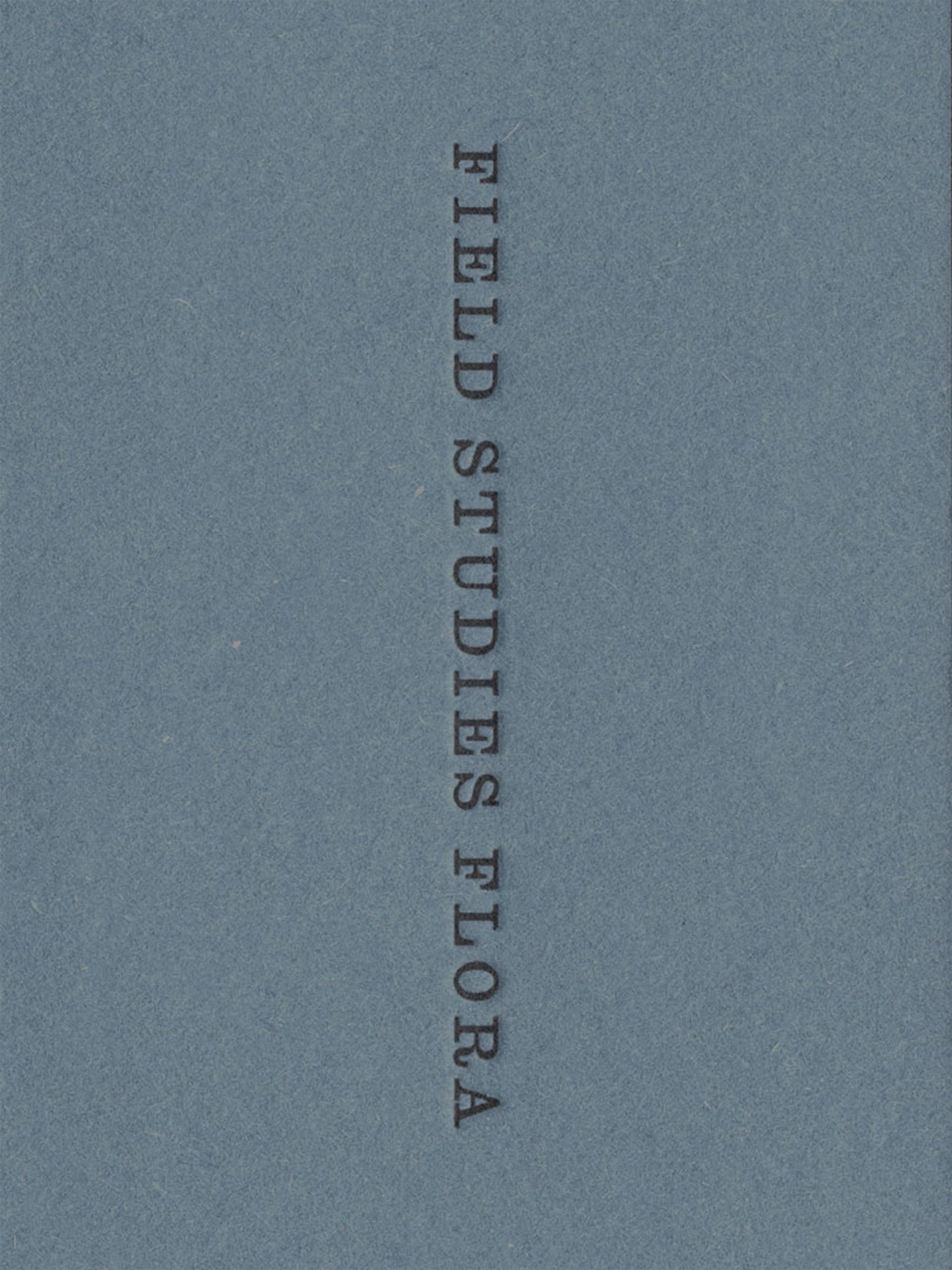
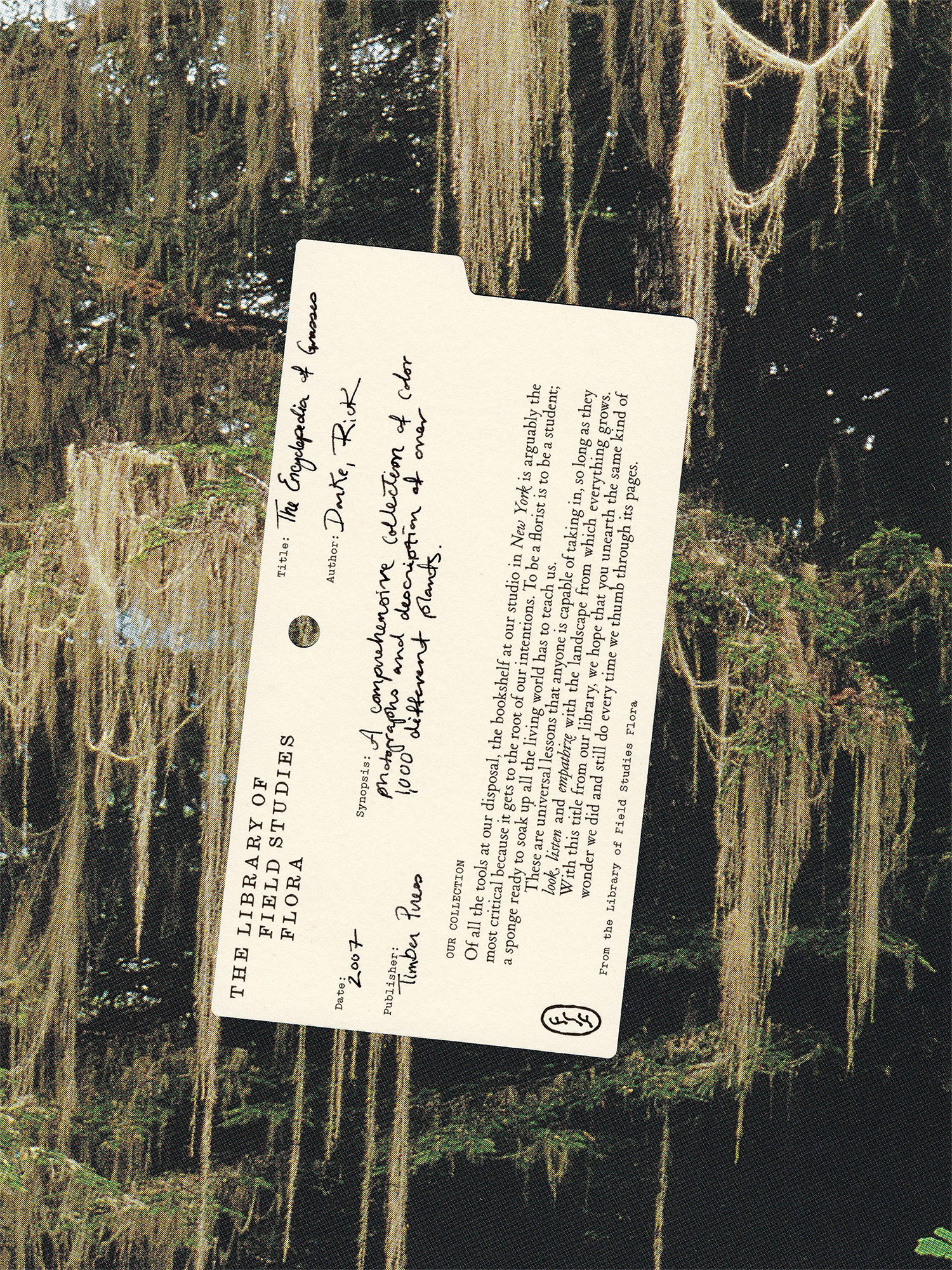
The design team utilized a restrained color palette and typography that echoes the rigid, clean lines of early scientific journals. This choice is intentional; it signals to the visitor that the studio values the technical and scientific aspects of their craft as much as the aesthetic outcome. The use of letterpress-printed materials for offline correspondence further bridges the gap between the digital and physical worlds, creating a tactile experience that mirrors the manual labor involved in floristry.
Data and Market Context: The Shift in Horticultural Retail
The floral industry has historically been plagued by high carbon footprints, primarily due to the globalized supply chain and the reliance on imported, chemically treated blooms. According to recent market analysis from the International Floral Trade Council, there has been a 14% year-over-year increase in consumer demand for "locally sourced, sustainably grown" floral products.
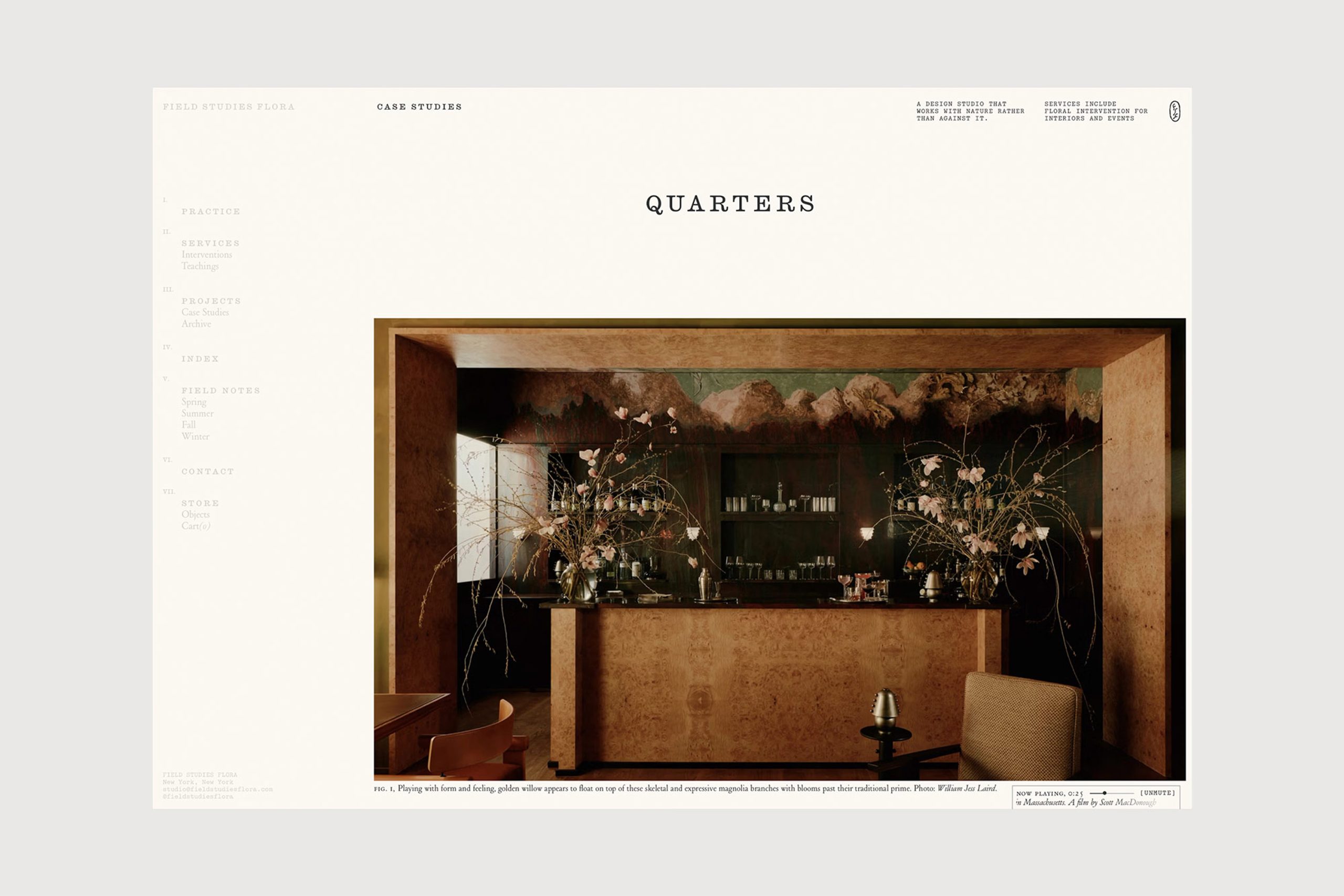
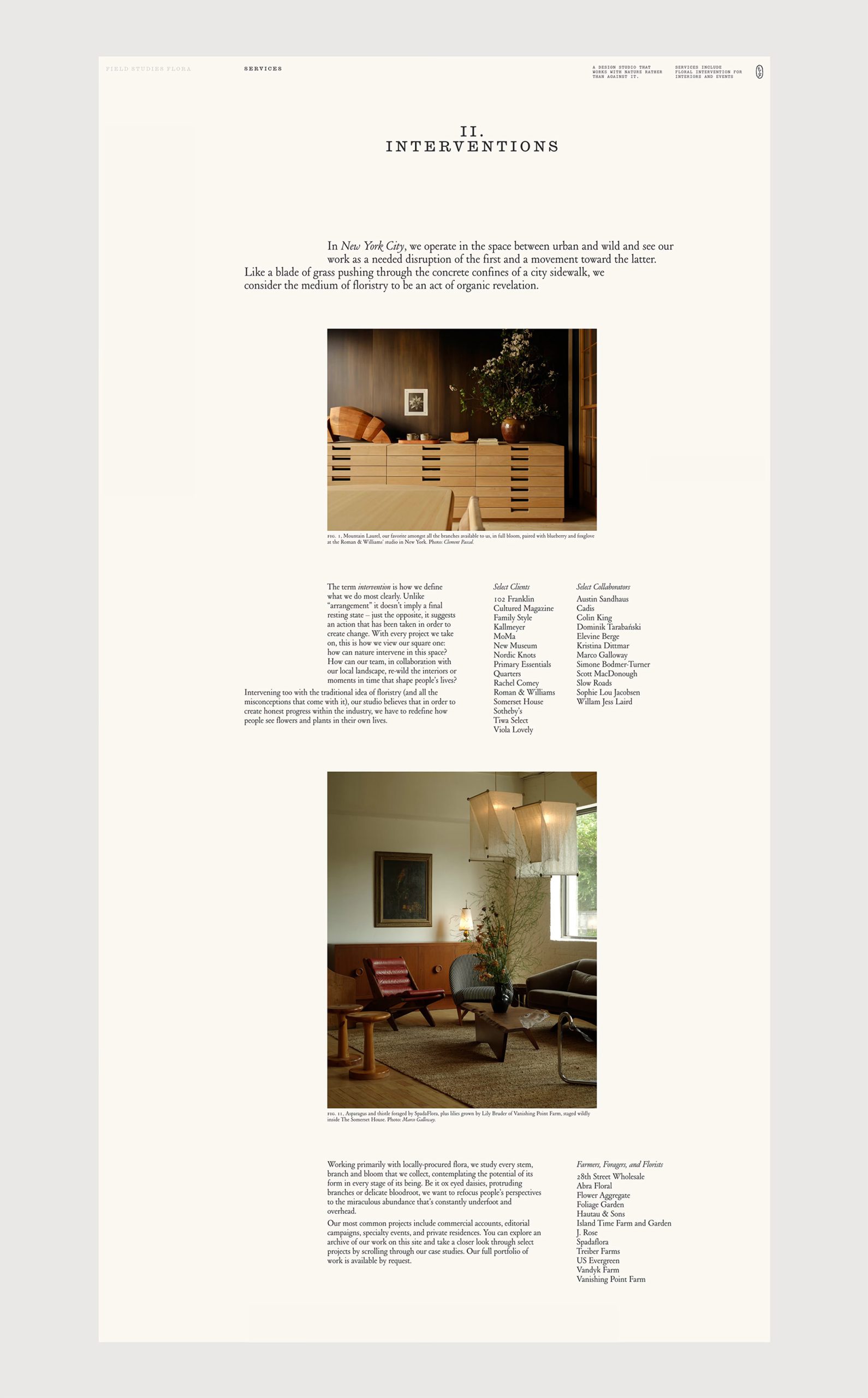
Field Studies Flora’s pivot aligns with this broader macro-economic trend. By positioning themselves as an educational resource rather than a traditional retailer, the studio addresses the "information gap" that often exists between the consumer and the origin of their floral products. The studio’s practice of documenting their case studies serves as a form of proof-of-process, which is becoming an increasingly vital metric for high-end clients who prioritize sustainability and supply chain transparency.
Professional Perspectives on Design Strategy
Industry analysts observe that the move toward "archival-inspired" branding is a growing trend among boutique service providers who seek to differentiate themselves from the "fast-flower" digital marketplace.
"When a brand chooses to reference historical botanical texts, they are implicitly promising a level of scholarly rigor," says Maria Vance, a consultant specializing in luxury brand strategy. "It transforms the service from a commodity into a specialty craft. By aligning with the aesthetics of a ‘study’ rather than a ‘shop,’ Field Studies Flora effectively commands a premium by selling knowledge and process, not just the final product."
The collaboration between 1/1 Studio and Field Studies Flora demonstrates that digital platforms can act as more than just a storefront; they can be a manifestation of a company’s moral and intellectual framework. By focusing on the "Field Study" aspect of their name, the brand creates a barrier to entry for competitors who rely solely on transactional marketing.
Broader Implications for the Creative Sector
The implications of this project for the broader design industry are significant. As artificial intelligence and automated content generation become more prevalent, the value of bespoke, human-led, and historically informed design is rising. The work produced by 1/1 Studio for Field Studies Flora underscores a shift toward "slow digital," where the time spent in research and the depth of the narrative take precedence over the speed of delivery.
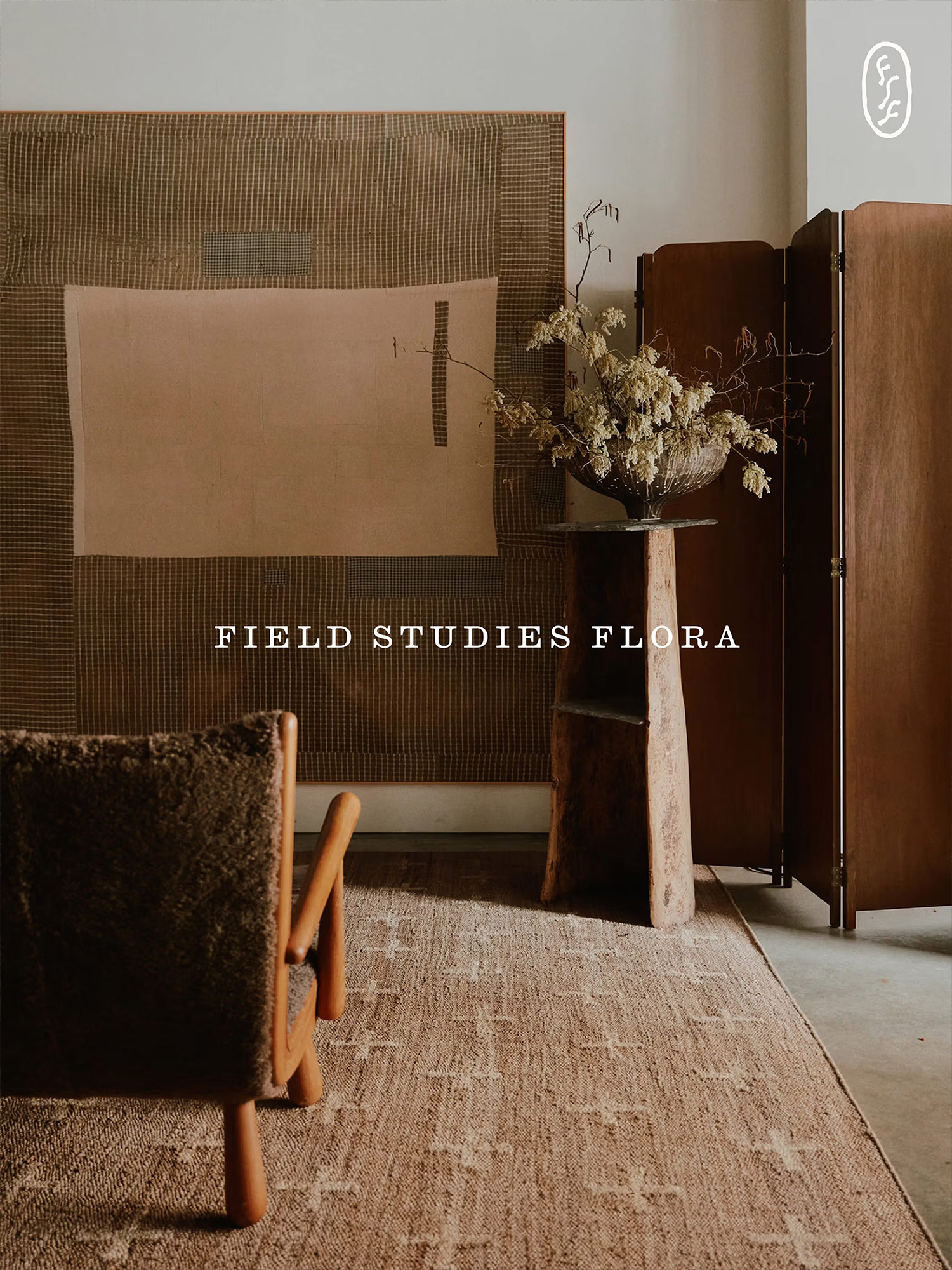
Furthermore, the integration of film, print, and digital media into a single, cohesive ecosystem serves as a blueprint for other artisanal businesses. By ensuring that the typography on a printed card matches the font on the homepage, and that both reflect the actual physical environment of the studio’s work in Massachusetts, the brand creates a unified "brand truth."
Conclusion
The digital transformation of Field Studies Flora represents a deliberate departure from the standard conventions of the floral industry. By anchoring their identity in historical research, ecological documentation, and a sophisticated, scholarly aesthetic, the studio has successfully carved out a unique position in the market.
As consumers become more discerning about the environmental and ethical impact of their purchasing decisions, brands that can provide both beauty and transparency will likely thrive. The project, led by Alex Crowder and executed by 1/1 Studio, serves as an example of how a small, specialized business can utilize professional design to articulate a global mission, proving that the most effective marketing is often that which is rooted in the quiet, rigorous study of the natural world. This digital and physical integration not only elevates the studio’s professional standing but also invites the public into a more profound, informed, and appreciative relationship with the flora they consume.