Tag: analyzing

  • The Narrative Power of Anthropomorphism in Contemporary Documentary Photography: Analyzing the Monster House Series

    The Narrative Power of Anthropomorphism in Contemporary Documentary Photography: Analyzing the Monster House Series

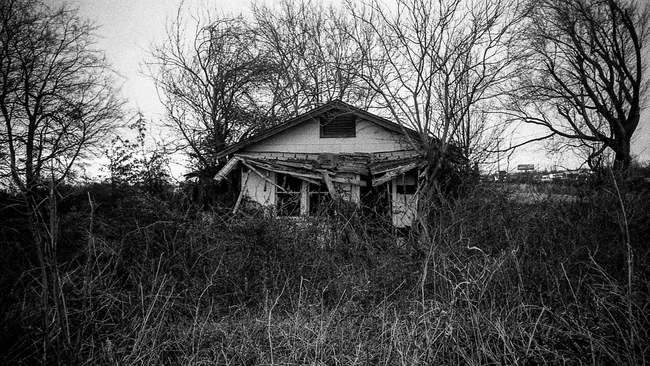
    The intersection of psychological projection and architectural decay has found a new focal point in the "Monster House" photography series, a project centered on a collapsing residential structure along Highway 69 near Muskogee, Oklahoma. What began as a routine transit through the rural American landscape evolved into a significant study of how photographers use intent and narrative archetypes to transform inanimate ruins into emotive characters. This project highlights a growing shift in the 2026 photography landscape, where technical perfection is increasingly bypassed in favor of "visual dialogue" and the intentional use of anthropomorphism to engage viewers.

    The Muskogee Context: Rural Decay and the Highway 69 Corridor

    The subject of the series is a dilapidated house situated on a stretch of Highway 69, a major north-south artery that serves as a critical commercial link through eastern Oklahoma. Historically, this region has been defined by its agricultural and industrial contributions, but like many rural corridors in the United States, it bears the visible scars of economic shifts and depopulation. The structure in question—described not as a "rustic farmhouse" but as a "collapsing monster"—represents a broader phenomenon of rural abandonment.

    According to data from the U.S. Census Bureau and rural development studies, eastern Oklahoma has seen fluctuating population densities over the last three decades. As younger generations migrate toward urban centers like Tulsa or Oklahoma City, ancestral homes are frequently left to the elements. These structures undergo a multi-stage process of decay: initial structural failure, the encroachment of invasive vegetation, and eventually, a total loss of architectural integrity. The "Monster House" caught the photographer’s attention at a specific point in this timeline—where the roofline had buckled and the porch had begun to detach, creating a silhouette that mimics organic, predatory movement.

    The Psychology of Pareidolia in Visual Arts

    The core appeal of the "Monster House" series lies in the human brain’s innate tendency toward pareidolia—the tendency to perceive meaningful images, particularly faces, in random or ambiguous visual patterns. Evolutionary biologists suggest that this "survival hardware" allowed early humans to quickly identify predators or allies in low-light environments.

    In the context of architectural photography, pareidolia is leveraged to create anthropomorphism. By framing windows as eyes and doors as mouths, the photographer shifts the viewer’s perception from a "property listing" to a "portrait." This psychological "handle" allows the audience to participate in the image rather than merely observing it. Research in visual communication indicates that viewers spend 40% more time engaging with images that feature recognizable "faces" or character-driven narratives compared to abstract or purely technical compositions.

    Technical Execution: A Hybrid Approach to Narrative

    The "Monster House" series utilized a specific technical "recipe" designed to enhance the atmospheric tension of the subject. Moving away from the high-resolution, stabilized digital standards of 2026, the project employed a combination of vintage analog equipment and modern digital "sketching."

    The Argus C-44 and the Role of Mechanical Grit

    The primary tool for the final images was the Argus C-44, a 35mm rangefinder produced in the mid-1950s. Known for its rugged, "brick-like" construction and Cintagon lenses, the C-44 provides a tactile, mechanical experience that slows the photographic process. In documentary work, the use of such equipment is often a deliberate choice to match the "grit" of the subject. The 35mm focal length was selected to provide an environmental perspective—capturing the surrounding brush and the "dead winter sky" while maintaining the house as the central protagonist.

    Digital Sketching with the Canon EOS 6D

    Before committing to film, the photographer utilized a Canon EOS 6D to "sketch" the scene. This hybrid workflow allowed for real-time experimentation with angles and light without the immediate cost and delay of film processing. By testing how different elevations affected the "menace" of the house, the photographer could identify the exact point where the architecture transitioned into a character.

    The Chemistry of the "Monster": Pushing Ilford HP5 Plus

    The most significant technical decision in the series was the choice to "push" Ilford HP5 Plus film to ISO 3200. This chemical process involves underexposing the film and then over-developing it to compensate. The results are threefold:

    1. Extreme Contrast: The shadows are rendered as "voids," preventing the viewer from seeing inside the house and creating a sense of the unknown.
    2. Structural Grain: At 3200 ISO, the silver halide grain becomes a prominent texture, giving the house a "skin" that feels rough and present rather than smooth and dead.
    3. Silhouette Dominance: The jagged roofline is emphasized against the pale Oklahoma sky, creating a graphic, almost illustrative quality reminiscent of mid-century horror aesthetics.

    Chronology of the Project

    The development of the "Monster House" series followed a structured progression:

    • Discovery Phase: The photographer identified the site during a transit of Highway 69. Initial observation noted the house was "half-swallowed by brush," distinguishing it from typical "eyesore" ruins.
    • The "Sketch" Phase: Utilizing the Canon EOS 6D, the photographer explored multiple points of view (POV). This phase determined that a low-angle perspective was necessary to establish the house’s dominance.
    • The Analog Execution: The Argus C-44 was deployed during specific lighting conditions—likely overcast or low-winter sun—to maximize the atmospheric potential of the pushed HP5 film.
    • Post-Processing and Sequencing: The final series was curated not as a collection of single shots, but as a narrative sequence. This included an "establishing frame" for context, the "portrait" for identity, and "detail frames" to provide evidence of the ruin’s "teeth" (splintered wood and broken beams).

    Industry Trends: The Return to Intent in 2026

    The "Monster House" series arrives at a pivotal moment in the photography industry. As of 2026, the market is saturated with AI-generated imagery and hyper-perfect digital files. Industry analysts suggest that the value of photography is shifting from "technical excellence" to "interpretive intent."

    "We are seeing a rejection of the ‘clean’ file," says Marcus Thorne, a visual culture analyst. "When anyone can generate a perfectly lit, perfectly sharp image of a ruin using a prompt, the human photographer’s value lies in their ability to translate a feeling—to tell a story that feels uncomfortable or urgent. The ‘Monster House’ works because it isn’t trying to be a perfect record; it’s trying to be a perfect interpretation."

    This sentiment is reflected in the resurgence of film sales. According to 2025 industry reports, the demand for black-and-white film stocks like Ilford HP5 and Kodak Tri-X has grown by 15% annually among photographers aged 18–35, driven by a desire for the "unpredictable character" that analog processes offer.

    Archetypes and Narrative Frameworks

    The series encourages photographers to categorize ruins into specific archetypes to better guide their technical choices. The "Monster" is only one of several roles a structure can play:

    • The Ghost: A ruin characterized by nostalgia and absence. Photographed at eye level with softer contrast, it focuses on remnants of domesticity (e.g., curtains, furniture).
    • The Skeleton: A ruin that serves as evidence of structural or industrial failure. These are typically shot with flatter light and wide angles to emphasize "the ribs" of the construction.
    • The Monster: A ruin that exerts power over the viewer. This requires low angles, high contrast, and a focus on "predatory" silhouettes.

    By assigning these roles, the photographer moves from "collecting" shots to "casting" characters. This methodological approach ensures that every technical decision—from lens choice to developer ratio—serves the overarching story.

    Broader Impact and Implications

    The "Monster House" project serves as a case study for the "visual dialogue" between the creator and the audience. It challenges the observer to reconsider the "ordinary" landscapes they encounter daily. In a broader socio-cultural sense, the series documents the slow decay of rural America, not as a tragedy to be pitied, but as a persistent, almost sentient presence that demands attention.

    The project also highlights the importance of the "release" in visual storytelling. By ending the series with a wide-angle shot that lets the "monster" settle back into the landscape, the photographer creates a sense of lingering unease. The implication is that the "monster" was always there, hidden in plain sight, and will remain long after the viewer has moved on.

    As photography continues to evolve in an era of automation, projects like "Monster House" emphasize that the real "upgrade" for a photographer is not a newer camera body, but a more refined ability to perceive and interpret narrative. The ruins of Highway 69 are more than wood and nails; they are a cast of characters waiting for a photographer with the intent to see them.

  • The Evolution of TikTok Soundscapes: Analyzing the Viral Trends and Algorithmic Drivers of April 2026.

    The Evolution of TikTok Soundscapes: Analyzing the Viral Trends and Algorithmic Drivers of April 2026.

    As digital consumption patterns continue to be dictated by short-form video dynamics, the role of auditory cues has transitioned from a mere background element to a primary driver of content discoverability. In April 2026, the TikTok ecosystem has seen a significant shift toward ambient, nostalgic, and cinematically dramatic audio tracks, reflecting a broader consumer preference for atmospheric storytelling over traditional high-energy choreography. This shift is not merely a matter of aesthetic preference but is deeply rooted in the platform’s 2026 algorithmic updates, which prioritize "audio-visual cohesion" and "re-watchability metrics" above simple view counts. For brands and creators, understanding the specific mechanics of these trending sounds is essential for navigating the increasingly competitive "For You Page" (FYP) landscape.

    The Algorithmic Significance of Audio in 2026

    The TikTok algorithm in 2026 operates on a sophisticated "familiarity-repeatability" index. When a user interacts with a specific sound—either by lingering on a video or engaging with the audio’s source page—the algorithm categorizes the user’s current "mood state." If a user watches a video featuring an ambient track like "Snowfall (Slowed)" to completion, the system is programmed to serve similar auditory experiences within the next three to five content slots. This creates a "trend cluster," where being an early adopter of a rising sound can result in a 35 to 50 percent increase in organic reach compared to using stagnant or non-trending audio.

    Furthermore, the platform has integrated advanced audio-matching technology that identifies the "vibe" of a video. In 2026, the algorithm can distinguish between a "humorous" use of classical music and a "sincere" use of the same track, rewarding creators who align their visual pacing with the rhythmic and emotional beats of the audio. This technical evolution has made the selection of trending sounds a strategic necessity for any entity seeking to maintain digital relevance.

    Chronology of the April 2026 Soundscape

    The current month’s trends are defined by three distinct movements: the "Classical Irony" revival, the "Ambient Wave" spearheaded by electronic producers, and the "20-Year Nostalgia Cycle."

    13 Trending Songs on TikTok in April 2026 (+ How to Use Them)

    Early in the month, classical compositions began reappearing in humorous contexts, creating a juxtaposition between high-culture audio and low-brow or "chaotic" visual content. By mid-April, the trend shifted toward introspective, atmospheric tracks as users responded to a global "digital detox" movement, preferring quieter, more reflective content. Simultaneously, the 20th anniversary of mid-2000s pop culture icons triggered a massive resurgence in nostalgic soundtracks, specifically those tied to millennial and early Gen Z childhood milestones.

    Analysis of the Top 13 Trending Sounds

    The following tracks have been identified by TikTok’s Creative Center as the most influential sounds of April 2026, categorized by their functional use and audience impact.

    1. Classic Classical Gymnopedie Solo Piano (1034554)

    Erik Satie’s "Gymnopédie No. 1" has seen a 200 percent increase in usage this month. While traditionally associated with tranquility, its 2026 iteration is primarily used for the "Exhale and Scream" challenge. This trend involves creators performing mundane tasks in a calm, aesthetic manner, only to break the silence with a silent or muffled scream, highlighting the contrast between perceived social media perfection and internal stress.

    2. Gucci by MAF Teeski

    Despite its aggressive rhythmic structure, this track has been repurposed for "Wholesome Bait-and-Switch" narratives. The "I wanna be a mommy/baby when I grow up" trend utilizes childhood photography followed by a quick transition to modern-day relationship milestones. Analysts suggest this trend resonates because it humanizes hip-hop tracks by placing them in domestic, relatable contexts.

    3. Snowfall (Slowed) by dunsky

    This track represents the pinnacle of the "Ambient Wave." With over 900 million streams on external platforms like Spotify, its presence on TikTok in April 2026 is almost ubiquitous. It is used as a low-decibel backdrop for "Real Talk" videos and "Morning Routine" vlogs. Its success is attributed to its "non-intrusive" nature, allowing the creator’s voiceover to remain the focal point while providing a professional-grade emotional texture.

    13 Trending Songs on TikTok in April 2026 (+ How to Use Them)

    4. A Dream by Flatsound

    Used primarily in "Photo Dump" carousels, this track taps into the "Late Night Journal" aesthetic. Data indicates that videos using this sound have a higher "Save" rate, as users often revisit the content for its meditative quality.

    5. Voices by Øneheart

    A collaboration involving the co-creator of "Snowfall," this track has become the anthem for "What Could Have Been" travel montages. It is frequently used by tourism boards and travel influencers to evoke a sense of longing and "Saudade."

    6. Monkeyshine NO PERC-JP by Lt FitzGibbons Men

    This serves as the month’s primary "Uh-Oh" audio. Its whimsical, slightly discordant melody signals impending social or physical failure. It is a staple in the "Jestermaxxing" subculture, where creators document intentional or accidental absurdity.

    7. Kitchen Flowers by Them & I

    An intimate, guitar-heavy track, "Kitchen Flowers" is the leading choice for "Grief and Processing" content. The track has sparked a trend where users share personal stories of loss or recovery, emphasizing the platform’s role as a space for community support in 2026.

    8. Realization by Futureville

    This track is utilized for profound "Epiphany" content. Whether discussing relationship breakthroughs or philosophical realizations, the intense choral build-up provides a cinematic gravity that encourages viewers to stop scrolling and engage with the text-heavy overlays.

    13 Trending Songs on TikTok in April 2026 (+ How to Use Them)

    9. The Best of Both Worlds (Hannah Montana)

    The "20-Year Nostalgia Cycle" is currently centered on the 2006 debut of Hannah Montana. Following a 2026 reunion special featuring Miley Cyrus, this track has seen a massive spike in usage among creators aged 25–35, who are recreating 2000s-era fashion and lifestyle trends.

    10. Birthday Girl by Hunxho

    In the commercial sector, this track is the dominant sound for "Product Launches" and "Celebratory Reveals." Its high-energy beat and literal lyrics make it an ideal choice for high-production-value "unboxing" videos and event recaps.

    11. I’m Not Them by Them & I

    Similar to "Kitchen Flowers," this track focuses on individual identity. It is frequently paired with "Unpopular Opinion" text overlays, where creators distinguish their lifestyle choices from societal expectations.

    12. 500 Miles by Peter, Paul & Mary

    This 1960s classic has been revitalized by the "Digital Nomad" community. The lyric "Lord, I’m 500 miles from my home" is used to showcase the distance between creators and their birthplaces, often highlighting the isolation or freedom of global travel.

    13. The End by LLow

    Functioning as a "Cinematic Punchline," this track is used for minor inconveniences portrayed as apocalyptic events. The dramatic choral opening followed by a sudden beat drop provides a perfect structure for comedic timing.

    13 Trending Songs on TikTok in April 2026 (+ How to Use Them)

    Commercial Implications and Compliance

    For business entities operating in 2026, the distinction between the "General Music Library" and the "Commercial Music Library" (CML) remains a critical legal boundary. TikTok’s official stance, reiterated in their Q1 2026 policy update, warns that branded content using non-commercial tracks is subject to immediate demonetization and muting.

    Marketing analysts suggest that brands should focus on "Ambient" and "Classical" tracks, such as "Snowfall" or "Gymnopédie," which are frequently cleared for business use. These tracks allow for "soft-sell" marketing, where the product is integrated into an aesthetic lifestyle rather than being the subject of a traditional advertisement.

    Broader Impact and Future Outlook

    The trends of April 2026 suggest a maturing audience that values emotional resonance over viral "challenges." The dominance of ambient and introspective audio indicates that TikTok is increasingly being used as a tool for "mood regulation" rather than just entertainment.

    As we move into the second half of 2026, industry experts predict that the "Audio-First" strategy will evolve further with the integration of AI-generated custom soundtracks that adapt in real-time to a user’s scrolling speed. For now, the 13 sounds identified this month provide the most reliable roadmap for creators looking to capture the attention of an increasingly sophisticated global audience. Staying aligned with these auditory shifts is no longer optional; it is the fundamental language of digital influence in the mid-2020s.

Grafex Media
Privacy Overview

This website uses cookies so that we can provide you with the best user experience possible. Cookie information is stored in your browser and performs functions such as recognising you when you return to our website and helping our team to understand which sections of the website you find most interesting and useful.