Tag: competition

  • The Type Directors Club’s 25th Typeface Design Competition Embraces Global Expansion and Inclusivity

    The Type Directors Club’s 25th Typeface Design Competition Embraces Global Expansion and Inclusivity

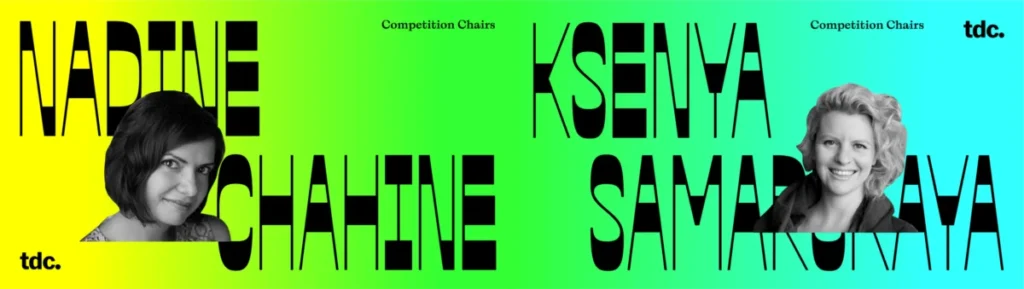
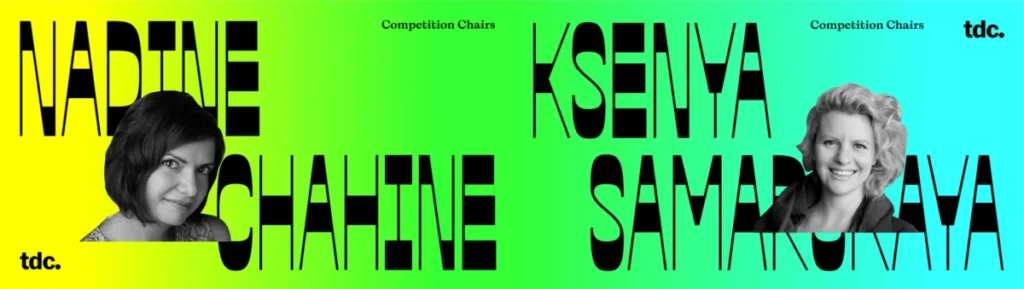
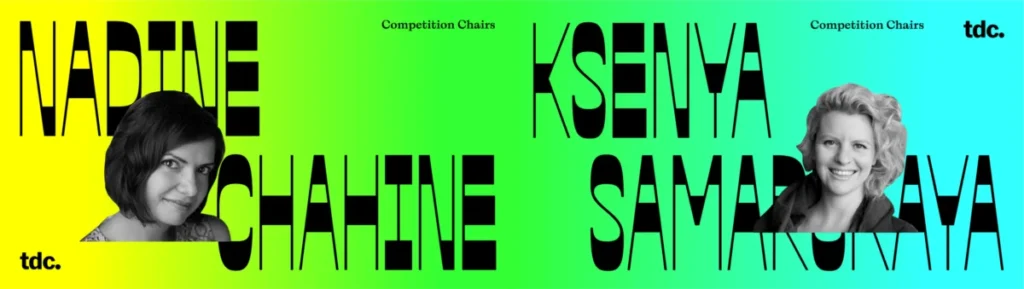
    Written by Tanya George on December 8, 2021, the Type Directors Club (TDC) has unveiled significant transformations for its 25th Typeface Design Competition, signaling a robust commitment to global inclusivity and a broader definition of typographic excellence. Co-chaired by renowned type designers Nadine Chahine and Ksenya Samarskaya, this year’s competition aims to dismantle traditional gatekeeping in design contests and champion a more diverse range of scripts and voices.

    Evolving the Landscape of Design Competitions

    Historically, design competitions, particularly within the specialized field of typography, have often served as markers of prestige and established taste. However, these platforms have also been critiqued for reinforcing existing hierarchies and inadvertently creating barriers for participation based on geography or financial resources. The TDC’s strategic shift, spearheaded by Chahine and Samarskaya, directly addresses these concerns, seeking to reframe the competition as a space for shared abundance rather than exclusive victory.

    Chahine & Samarskaya Cochair TDC’S 25th Type Design Competition

    "Competitions can at times act as a fig leaf for a sort of geographic and monetary gatekeeping that deters participation," the article notes. "How can one judge excellence if a competition doesn’t allow all of the players onto the field?" This question underpins the core motivation behind the TDC’s evolving approach.

    A New Era for the TDC Competition

    Nadine Chahine and Ksenya Samarskaya, in their conversation with Tanya George, detailed the genesis of these changes. Chahine, a long-standing figure in the type design community, has a history with the TDC dating back to her first competition submission in 2003. Her journey progressed through attending exhibitions, speaking engagements, judging, and ultimately, joining the TDC’s board. Samarskaya’s engagement also deepened through judging and eventually chairing previous competitions, leading to insightful discussions about the evolving landscape of global scripts within the contest.

    The impetus for this year’s significant revisions was not a singular event but rather a culmination of observations and a shared vision for a more equitable field. Both Chahine and Samarskaya identified a growing volume of entries from diverse scripts and a corresponding increase in the proportion of winners from these backgrounds. This trend indicated a natural evolution within the industry that the TDC competition needed to reflect.

    Chahine & Samarskaya Cochair TDC’S 25th Type Design Competition

    Addressing Past Challenges and Embracing Future Growth

    The interview also touched upon the well-documented challenges the TDC faced in the period preceding this organizational shift, including accusations of racism and financial insolvency. Both Chahine and Samarskaya, who were not on the board during those specific difficulties, emphasized their external perspective. They noted that the board at the time took the accusations seriously and demonstrated a commitment to finding resolutions, including the establishment of the TDC’s Anti-Racism Pledge, which is now prominently featured on their website. This commitment to introspection and change was a crucial factor in their decision to continue their involvement and drive forward the organization’s evolution.

    "It’s a complicated, nuanced, tangled situation on how to deal with global typography, how to judge it fairly and accurately, how to give everyone a voice," Samarskaya stated, highlighting the industry-wide nature of these challenges.

    Expanding Categories and Specialized Judging

    A key structural change for the 25th Typeface Design Competition is the expansion of categories to specifically include global scripts such as Arabic, Indic, and CJK (Chinese, Japanese, Korean). This strategic move acknowledges the burgeoning talent and output in these areas, which have seen remarkable growth over the past two decades. Chahine, an Arabic type designer herself, expressed the profound significance of this recognition from a leading institution. "It means so much when the TDC says that we have a special category for Arabic or a special category for Indic or a special category for CJK," she remarked. This dedicated focus aims to provide specialized platforms for nuanced evaluation, moving away from a potentially Latin-centric approach.

    Chahine & Samarskaya Cochair TDC’S 25th Type Design Competition

    The selection of judges has also undergone a significant revision. Chahine and Samarskaya emphasized the importance of assembling a diverse panel representing a wide array of voices, experiences, and perspectives. This includes balancing experienced, mature designers with younger talents, ensuring representation across genders, styles, backgrounds, and geographical locations. The goal is to foster a richer dialogue among judges, leading to a more comprehensive and insightful evaluation of submissions.

    The Art and Science of Judging Typefaces

    The evaluation of a typeface is inherently subjective, yet the TDC’s approach seeks to establish clear, albeit layered, criteria. Chahine outlined a hierarchical framework for assessing typefaces:

    • Quality of Drawing: The fundamental technical execution, including the precision of lines, curves, and overall craftsmanship.
    • Inter-letter Relationships: The coherence and harmony between individual characters, ensuring they form natural and legible words and paragraphs.
    • Functional Fit: The typeface’s ability to effectively serve its intended purpose, whether for text, display, or specific applications.
    • "Je Ne Sais Quoi": The ineffable quality that elevates a typeface beyond mere functionality, imbuing it with a unique mood, character, and expressive power that resonates with the message.

    Samarskaya added that excellence is often the baseline, with deeper consideration given to how a typeface contributes to the broader cultural conversation, influences its surrounding ecosystem, and pushes creative boundaries. The emphasis is on typefaces that reflect and enrich cultural output, a crucial aspect often overlooked in predominantly Latin-script focused competitions.

    Chahine & Samarskaya Cochair TDC’S 25th Type Design Competition

    Keeping Competitions Relevant and Accessible

    A perennial question in design competitions is how to prevent them from becoming mere showcases for well-designed specimens. Both Chahine and Samarskaya acknowledged that presentation is an important aspect, but stressed that the core functionality and integrity of the typeface must remain paramount. For global scripts, where technical behaviors like reordering are common, the expertise of specialized judges becomes indispensable. This highlights the necessity of the expanded categories and expert panels.

    The benefits of winning a TDC medal extend beyond international recognition. For designers in regions where the TDC may not be widely known, a TDC award serves as a powerful endorsement from a globally respected institution. It can open doors to new markets, clients, and professional opportunities. The organization is also actively working to make participation more accessible. Entry fees have been reviewed and adjusted, with significant discounts for students and a tiered pricing structure for countries with lower per capita GDP. This addresses previous concerns about financial barriers to entry.

    Building a Global Community

    The TDC’s ambition extends beyond its annual competition. Chahine, as a board member, has been a driving force in advocating for the organization’s growth beyond its New York and US roots, aiming to promote typographic excellence globally. While the TDC has historically operated with a strong New York focus, the increasing digitalization of events and discourse has facilitated broader international engagement. The "Meet the Judges" series, for example, features panelists from diverse time zones and regions, underscoring this global outreach.

    Chahine & Samarskaya Cochair TDC’S 25th Type Design Competition

    However, the organization, largely run by unpaid volunteers, relies on active engagement from its members worldwide to truly become a global force. The growth of local communities and initiatives is seen as crucial for the TDC’s continued expansion and relevance.

    Addressing Logistical and Financial Considerations

    The perceived cost of participation and the logistics of submitting physical entries were points of discussion. Samarskaya clarified that the competition has moved entirely to online submissions, eliminating the need for printing and shipping physical copies for initial entry. Furthermore, the "hanging fees" for winners have been removed, simplifying the pricing structure and making it more equitable. The entry fees, while necessary to sustain the organization’s operations, including its paid director, archives, exhibitions, and publications, are designed to be among the lowest in the industry, with substantial discounts for students and developing economies.

    The TDC’s role as a non-profit organization is framed as akin to an industry union, fostering rigorous discourse and advocating for the advancement of typography as an art form and a critical component of culture. Supporting the TDC through participation fees is seen as an investment in the industry’s integrity and its capacity for independent, culturally driven dialogue, free from undue corporate influence.

    Chahine & Samarskaya Cochair TDC’S 25th Type Design Competition

    Future-Proofing the Competition

    Looking ahead, the TDC is actively considering how to adapt its categories and evaluation frameworks to accommodate emerging technologies and trends, such as variable fonts. While variable fonts represent a technological evolution, Chahine noted that they do not fundamentally alter the core principles of typeface design, which remain rooted in the mastery of form and concept. The organization is exploring new methods for showcasing the dynamic nature of variable fonts, potentially through GIFs or animations, to enhance the submission process. The overarching strategy is to maintain the TDC as a "living, breathing organization," adaptable and responsive to the evolving landscape of type design.

    The 25th Typeface Design Competition represents a significant step in the TDC’s journey towards greater inclusivity, global reach, and a more comprehensive understanding of typographic excellence. The commitment to diverse voices, expanded categories, and accessible participation signals a promising future for the organization and the broader field of type design.

Grafex Media
Privacy Overview

This website uses cookies so that we can provide you with the best user experience possible. Cookie information is stored in your browser and performs functions such as recognising you when you return to our website and helping our team to understand which sections of the website you find most interesting and useful.