Tag: developer

  • Vietnamese Creative Developer mChanh Shines on Global Stage with Award-Winning Portfolio and Vision for the Future

    Vietnamese Creative Developer mChanh Shines on Global Stage with Award-Winning Portfolio and Vision for the Future

    Ho Chi Minh City, Vietnam – Chanh, widely known by his professional moniker mChanh, a distinguished creative developer based in Ho Chi Minh City, has rapidly ascended to prominence within the global digital design and development community. Over the past three years, Chanh has carved a niche for himself by crafting immersive, animation-rich web experiences that have garnered significant international acclaim, including multiple prestigious Awwwards, FWA, and CSSDA accolades. His journey, marked by a relentless pursuit of innovation and a commitment to pushing the boundaries of web interactivity, positions him as a leading figure in the burgeoning creative technology scene, particularly in Southeast Asia. Currently operating as a freelance professional, mChanh is actively seeking new collaborations and projects that align with his visionary approach to web development.

    The Genesis of a Creative Path: Chanh’s Journey to Digital Excellence

    Chanh’s foray into the world of creative development was sparked during his final year of university. It was then that he encountered a paradigm shift in web design – dynamic, visually striking websites that transcended conventional static pages. This discovery led him to platforms like Awwwards and Codrops, which showcase the pinnacle of web creativity, igniting a passion that would redefine his career trajectory. He recognized an opportunity to blend technical prowess with artistic expression, a path less trodden at the time, especially within the Vietnamese market.

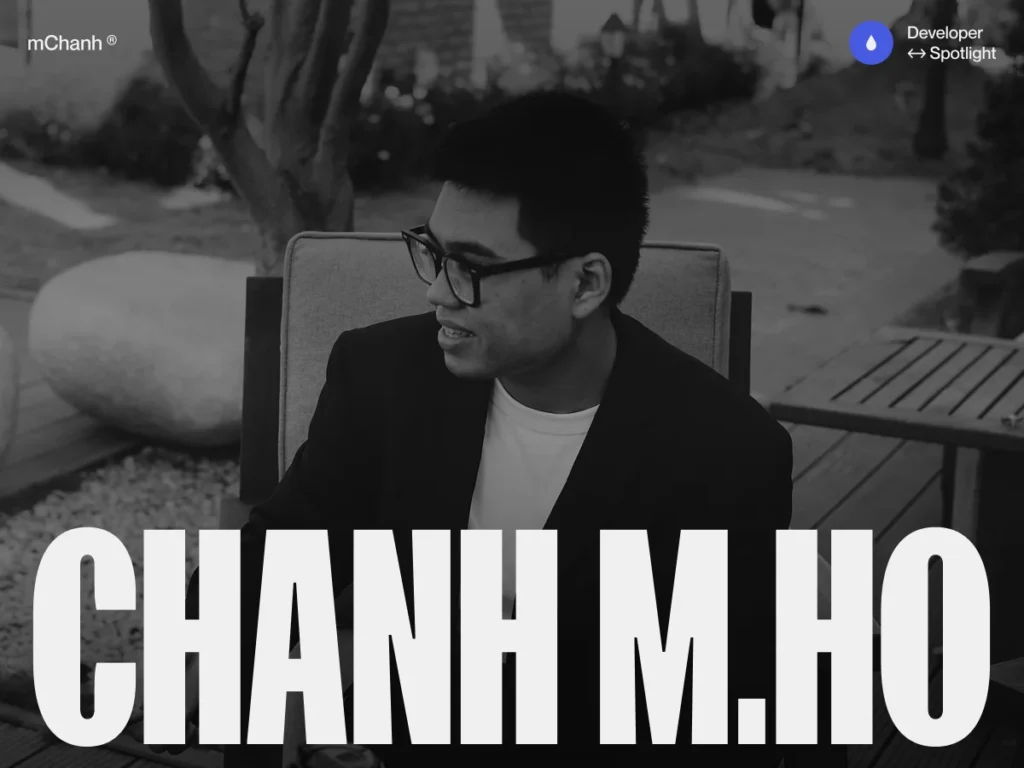
    A Single DM, a First SOTD, and the Start of Chanh M. Ho’s Creative Journey | Codrops

    Initially, his pursuit was driven by pure curiosity and a desire to master the craft. The landscape for animation-driven web projects in Vietnam was nascent, yet Chanh’s determination remained unwavering. A pivotal moment arrived when he connected with Huy Phan within a design community. Reaching out with a direct message, Chanh expressed his eagerness to apply his emerging skills to an animation-centric project. This initiative proved fruitful, as Huy Phan entrusted him with the development of his very first portfolio website. This collaboration marked a significant turning point, demanding months of intense learning and problem-solving. The successful launch of Huy Phan’s portfolio not only brought Chanh his inaugural Site of the Day (SOTD) award from Awwwards but also validated his unconventional career choice. This initial success was a powerful testament to his capabilities and the potential for creative web development in the region. Following this milestone, Chanh further honed his skills during a tenure at D2 Studio, under the mentorship of Michael B. Luong, before transitioning into full-time freelance work, a move that has allowed him greater autonomy and the ability to engage with diverse, high-impact projects.

    A Portfolio of Distinction: Showcasing Award-Winning Innovation

    mChanh’s portfolio is a testament to his expertise in building sophisticated, animation-driven web experiences. Each project highlights a unique challenge and a successful implementation of cutting-edge web technologies, earning widespread recognition from leading industry bodies.

    1. Huy Phan’s Portfolio (2022): The Breakthrough Project
    The Huy Phan’s Portfolio, launched in 2022, represents Chanh’s foundational success in creative development. This project was his first deep dive into a website heavily focused on animation and motion. Despite his nascent experience with GSAP (GreenSock Animation Platform), a powerful JavaScript library for professional-grade animation, Chanh embraced the challenge. The entire site was meticulously built using plain HTML, CSS, and Vanilla JavaScript, eschewing modern bundlers or complex tooling. This "learn-as-I-built" approach underscored his dedication to mastering core web technologies while delivering complex visual narratives. Remarkably, Chanh managed to bring approximately 80% of Huy Phan’s original, ambitious vision to life, a significant achievement given the constraints and his evolving skill set. The project’s enduring quality, maintaining its functionality and aesthetic appeal years after its launch, speaks volumes about its robust development. Its success was crowned with multiple accolades, including Awwwards Site of the Day (SOTD) and Developer Awards, FWA Favourited of the Day (FOTD), and CSSDA Website of the Day (WOTD) and Website of the Month (WOTM). These awards are highly coveted within the creative web industry, signifying exceptional design, technical execution, and user experience.

    A Single DM, a First SOTD, and the Start of Chanh M. Ho’s Creative Journey | Codrops

    2. WON .J You Studios (2025): Narrative-Driven Speed and Elegance
    In 2025, Chanh showcased his ability to deliver high-quality projects at an accelerated pace with WON .J You Studios. This project was completed in a remarkably short two and a half months, encompassing both design and development phases. The core of the website revolved around storytelling, necessitating an intensive focus on scroll-based animations to guide users through a narrative journey. Chanh identified the scrolling sequence on the homepage as the most intricate and challenging aspect, requiring meticulous orchestration of visual elements. The final output was praised for its fluidity, distinctiveness, and unconventional approach, which together created a memorable user experience. The technical stack for this project leveraged Next.js, a React framework known for its performance and developer experience, alongside GSAP for intricate animations and SCSS for efficient, modular styling. A notable aspect of WON .J You Studios was its entirely static page setup, devoid of any CMS or backend infrastructure, demonstrating an elegant solution for content delivery that prioritizes speed and security. This project too earned significant industry recognition, securing Awwwards SOTD and Dev Awards, FWA FOTD, and CSSDA WOTD. Chanh collaborated with Huy Phan and Thinh Doo on this project, highlighting the power of collective expertise.

    3. MIUX Studio (2025): Mastering Seamless Page Transitions
    The MIUX Studio project, also launched in 2025, stands out for its exceptionally smooth and elegant page transitions, a hallmark of sophisticated web design. This project presented Chanh with the challenge of implementing two distinct transition types within a single Next.js application, a first for him. The image flip transition, in particular, proved to be a complex undertaking. Initially, Chanh observed that slow network conditions could disrupt the effect if the next page’s image failed to load promptly. His innovative solution involved a multi-stage approach: first, flipping the image to a fullscreen state, then transitioning to the new page, patiently awaiting the complete loading of the actual image asset, and only then completing the flip to its final position on the new page. This meticulous handling of asynchronous loading ensured a robust and flawless user experience under varying network conditions. The integrated design and development culminated in a polished, high-quality project that Chanh expressed genuine pride in. The technology stack mirrored the advanced nature of the project, utilizing Next.js, GSAP, SCSS, Prismic (a headless CMS for flexible content management), and Vercel for optimized deployment. Collaborators Huy Phan and Thinh Doo were instrumental in this project’s success, which also received Awwwards SOTD and Dev Awards, FWA FOTD, and CSSDA WOTD.

    4. Eislab (2025): A Milestone in Professional Growth
    The Eislab project, Chanh’s inaugural endeavor of 2025, marked a significant personal and professional milestone. It not only secured his second Awwwards Site of the Day (SOTD) award but also solidified his standing in the creative development community. This project was particularly noteworthy as it represented Chanh’s first experience working with Next.js in conjunction with PrismicIO, a modern headless CMS. Navigating the integration of these new technologies while maintaining a clean project structure and codebase presented considerable learning opportunities and challenges. The successful delivery of Eislab underscored his rapid adaptability and commitment to continuous learning. Among his favorite elements were the distinctive curved slider on the "About Us" page and the intricate menu animation, both exemplifying his attention to detail and flair for engaging interactivity. Eislab was another collaborative effort, with Huy Phan and QuangDinh contributing to its success. Its impressive list of awards – Awwwards SOTD and Dev Awards, FWA FOTD, and CSSDA WOTD – further cemented its status as a benchmark project.

    Workflow, Core Stack, and Inspirations: The Pillars of Chanh’s Craft

    A Single DM, a First SOTD, and the Start of Chanh M. Ho’s Creative Journey | Codrops

    Chanh’s success is rooted in a well-defined workflow and a strategic selection of tools. His core stack is robust and tailored for creating highly dynamic and performant web experiences. For front-end development, he primarily relies on Next.js, a React framework that offers server-side rendering and static site generation capabilities, enhancing performance and SEO. GSAP remains his go-to library for crafting complex, timeline-based animations, allowing for unparalleled control and fluidity. Styling is meticulously handled with SCSS, a powerful CSS preprocessor that facilitates modular and maintainable stylesheets. For content management, he frequently integrates Prismic, a headless CMS, which decouples content from presentation, offering flexibility and scalability. Deployment is streamlined through Vercel, a platform optimized for Next.js applications, ensuring fast and reliable hosting. At the fundamental level, he maintains a strong command of Vanilla JavaScript, HTML, and CSS, recognizing their importance as the bedrock of web development.

    Beyond technical tools, Chanh emphasizes the critical role of inspiration and continuous learning. Platforms like Awwwards and Codrops, which first captivated him, continue to serve as vital sources for staying abreast of the latest trends, techniques, and groundbreaking projects in the creative web space. This commitment to observing and internalizing industry best practices fuels his innovative spirit and ensures his work remains at the forefront of digital design.

    Future Horizons: Growth, Global Reach, and Impact in Vietnam

    Chanh’s future goals are clear and ambitious: sustained growth, deeper engagement with the industry, and expanding his technical repertoire. He explicitly aims to seek more opportunities for collaboration with diverse professionals, recognizing the invaluable learning that stems from shared experiences and different perspectives. A significant area of planned expansion includes delving deeper into WebGL and 3D technologies, which represent the next frontier in immersive web experiences. Mastering these complex domains will enable him to create even more captivating and interactive digital environments. Furthermore, improving his spoken English is a strategic goal, aimed at dissolving communication barriers and opening up broader international collaboration opportunities, thereby elevating his global presence.

    A Single DM, a First SOTD, and the Start of Chanh M. Ho’s Creative Journey | Codrops

    Beyond his personal development, Chanh harbors a profound hope for the Vietnamese creative market. He envisions a future where the local industry becomes more open, enthusiastic, and supportive of creative web development. His own success serves as a powerful testament to the talent and potential within Vietnam, and he aspires for his journey to inspire a new generation of developers to explore and embrace the creative side of the web. This vision aligns with the global trend of increasing demand for unique, branded digital experiences, positioning Vietnamese developers to play a significant role if the local ecosystem continues to foster innovation and skill development. The continued rise of freelance professionals like Chanh also signifies a broader shift in the digital economy, where specialized skills and a strong portfolio can transcend geographical limitations, fostering a more interconnected global workforce.

    Gratitude, Community, and the Call for Collaboration

    In his concluding remarks, Chanh expressed profound gratitude to everyone who has provided opportunities and support throughout his journey. He specifically acknowledged Codrops for the platform to share his story, underscoring the vital role of community spotlights in inspiring and connecting developers worldwide. He hopes his narrative will serve as a beacon for aspiring creative developers in Vietnam, demonstrating that passion, perseverance, and skill can lead to global recognition.

    Chanh remains an advocate for collaboration and community engagement. He believes that aligning ideas and combining diverse talents can lead to truly groundbreaking digital creations. Individuals or organizations with innovative concepts are encouraged to reach out to explore potential partnerships. His work can be further explored on his comprehensive portfolio website, mchanh.dev, and he welcomes direct communication via email at [email protected]. Additionally, he maintains an active presence on professional and social platforms, including LinkedIn and Instagram (@mchanh.dev), fostering connections within the broader design and development ecosystem.

    A Single DM, a First SOTD, and the Start of Chanh M. Ho’s Creative Journey | Codrops

    Beyond his professional life, Chanh’s passion for customization extends to his hobby of modifying Vespas. This pastime reflects a deeper philosophy: an obsession with detail, style, and injecting personality into every endeavor, whether it’s a digital interface or a classic scooter. This blend of technical rigor and creative expression defines mChanh, a developer who is not only shaping the digital landscape but also inspiring a new generation of creative talent from Vietnam to leave their indelible mark on the world.

  • March 2026 Unveils Significant Advancements Across Major Web Browsers, Enhancing Developer Capabilities and User Experience.

    March 2026 Unveils Significant Advancements Across Major Web Browsers, Enhancing Developer Capabilities and User Experience.

    The month of March 2026 has marked a pivotal period for web platform evolution, with the stable releases of Chrome 146, Firefox 149, and Safari 26.4 introducing a suite of powerful features designed to empower developers and enrich user interactions. These updates span critical areas from responsive design and animation to improved JavaScript ergonomics and native UI integration, reflecting a concerted effort by browser vendors to push the boundaries of what’s achievable on the open web. Key highlights include enhanced container query functionality, native scroll-triggered animations, refined popover controls, and foundational JavaScript improvements, setting a new standard for web application development.

    Overview of March 2026 Stable Browser Releases

    March 2026 witnessed a coordinated rollout of significant updates across the triumvirate of leading web browsers. Chrome 146, Firefox 149, and Safari 26.4 each delivered a distinct set of capabilities, yet collectively contributed to a more robust, performant, and flexible web platform. This synchronized progress underscores an industry-wide commitment to standardizing and accelerating web innovation. The features introduced are not merely incremental improvements but often represent the culmination of years of work within W3C working groups and browser developer communities, moving from experimental flags to broadly available tools.

    Deep Dive into Key Features: Enhancing Web Design and Interactivity

    The stable releases brought forth several game-changing features, each with its own set of implications for web development practices.

    Optional Container Query Conditions: A Leap Forward in Responsive Design

    Both Firefox 149 and Safari 26.4 have embraced support for name-only @container queries without explicit conditions. This seemingly subtle addition represents a significant leap forward in component-based responsive design. Previously, container queries primarily allowed styling elements based on the size or style characteristics of their parent container. With name-only queries, developers can now match against containers based solely on their assigned names, decoupling styling logic from specific dimensional constraints.

    This functionality empowers developers to create truly modular and reusable UI components. Imagine a Card component that needs to adapt its internal layout when placed within a Sidebar container versus a MainContent container, irrespective of the actual pixel width of those containers. By simply naming the containers (e.g., @container sidebar), the Card can apply different styles. This reduces reliance on complex media queries or intricate JavaScript logic for layout adjustments, leading to cleaner, more maintainable CSS. Industry analysts predict this will accelerate the adoption of atomic design principles and component-driven architectures, as it makes component context awareness more straightforward and declarative. "This feature simplifies responsive development dramatically," commented Dr. Anya Sharma, a leading web performance consultant. "It shifts the focus from global viewport dimensions to local component context, which is where modern UIs truly live."

    Scroll-Triggered Animations: Native Performance for Dynamic Experiences

    Chrome 146’s introduction of scroll-position-based control of animations is a monumental advancement for creating engaging and performant user experiences. This feature allows developers to declaratively link CSS animations to the scroll progress of an element or the document, eliminating the need for complex JavaScript event listeners and manual DOM manipulation. Interactions such as parallax effects, scroll-linked progress bars, and element reveals can now be defined directly in CSS, leveraging the browser’s optimized animation engine.

    Crucially, offloading these animations to a worker thread significantly improves performance. Historically, scroll-based animations, particularly those implemented with JavaScript, could lead to jankiness and frame drops, especially on less powerful devices, as they often contended with the main thread for resources. By moving these calculations off-main-thread, Chrome 146 ensures smoother, more fluid animations, enhancing the perceived responsiveness of web applications. The accompanying JavaScript interfaces for web animations provide developers with granular control when custom logic is required, offering a powerful hybrid approach. The CSS scroll-triggered animations are coming article on developer.chrome.com served as an early indicator of this feature’s potential, and its stable release is expected to inspire a new wave of creative web designs. "This is a game-changer for interactive storytelling and dynamic content presentation," stated a spokesperson from the Chrome development team. "It democratizes sophisticated animation techniques, making them accessible and performant for all web projects."

    The trigger-scope Property: Taming Animation Triggers

    Complementing scroll-triggered animations, Chrome 146 also introduced the trigger-scope property. This property addresses a potential challenge in complex web applications: the management of animation trigger names. In a large project, multiple components might define scroll-triggered animations, and without proper scoping, there’s a risk of name conflicts or unintended animation interactions.

    The trigger-scope property allows developers to limit the visibility of animation trigger names to a specific subtree of the DOM. This encapsulation helps to isolate animation-to-trigger interactions, preventing global name conflicts and making it easier to reason about and debug animation behavior within individual components. This feature promotes better architectural practices, enabling developers to build more modular and robust animation systems without worrying about adverse effects from other parts of the application. It’s a testament to the platform’s maturity, addressing not just functionality but also maintainability and scalability.

    Popover hint Value: Granular Control for UI Overlays

    Firefox 149’s support for the hint value in the popover global attribute provides developers with more fine-grained control over popover behavior, particularly in multi-popover scenarios. The popover API, a relatively recent addition to the web platform, simplifies the creation of transient UI elements like tooltips, menus, and notifications. While auto popovers close themselves when the user clicks outside or presses the Escape key, the hint value introduces a nuanced interaction model.

    Popovers with the hint value will not automatically close auto popovers when they are displayed, allowing for layered interactions. However, they will close other hint popovers, ensuring a sensible, sequential display within a specific interaction flow. This distinction is crucial for applications requiring complex overlay management, such as multi-step forms with embedded help tips, or interactive tutorials where multiple contextual prompts might appear. This feature improves the user experience by preventing premature closing of critical UI elements, while still managing the display of multiple hints effectively.

    Grid Lanes (display: grid-lanes): Native Masonry Layouts

    Safari 26.4’s support for display: grid-lanes introduces native support for masonry-style layouts, a highly anticipated feature for web designers. Masonry layouts, characterized by items of varying heights arranged in columns with no gaps, have historically been challenging to implement efficiently on the web. Developers often relied on JavaScript libraries or complex CSS hacks involving absolute positioning or Flexbox workarounds, which could be cumbersome and sometimes lead to performance issues or accessibility challenges.

    The display: grid-lanes value for the display property provides a declarative, performant, and accessible way to achieve this popular layout pattern directly within CSS Grid. This native implementation means better performance, easier maintenance, and improved cross-browser consistency for masonry grids. Content-heavy sites, portfolios, and image galleries are expected to benefit immensely from this, allowing for more dynamic and visually appealing presentations without the overhead of external scripts. "This is a huge win for design flexibility," noted a spokesperson from Apple’s WebKit team. "Masonry has been a persistent request, and bringing it natively to CSS Grid makes it robust and accessible."

    New to the web platform in March  |  Blog  |  web.dev

    Math Functions in sizes Attribute: Responsive Image Loading Refined

    Safari 26.4 further enhances responsive image loading by adding support for min(), max(), and clamp() CSS math functions within the sizes attribute of <img> elements. The sizes attribute informs the browser about the intrinsic size of an image based on the viewport, allowing it to select the most appropriate image source from a srcset.

    By enabling math functions, developers can now express more complex and precise calculations for image dimensions. For instance, an image might need to be clamp(300px, 50vw, 800px) wide, meaning it should be at least 300px, at most 800px, and scale to 50% of the viewport width in between. This capability provides unprecedented flexibility in defining responsive image breakpoints and sizes, optimizing bandwidth usage and improving perceived page load times. This is particularly beneficial for high-performance websites and those with diverse user bases accessing content on a wide range of devices.

    JavaScript Iterator Sequencing: Streamlining Data Processing

    Both Chrome 146 and Safari 26.4 have rolled out support for JavaScript iterator sequencing, introducing Iterator.concat(...items). This new static method allows developers to create a new iterator by concatenating existing iterators. This feature streamlines data processing workflows, especially when dealing with multiple sources of iterable data (e.g., arrays, sets, custom iterators) that need to be processed sequentially as a single stream.

    Prior to this, developers often had to convert iterators to arrays, concatenate them, and then iterate, or write custom generator functions to achieve similar sequencing. Iterator.concat offers a more memory-efficient and idiomatic way to handle such scenarios, as it operates on iterators directly without materializing intermediate arrays. This is now considered "Baseline Newly available," indicating its widespread support and readiness for general use, promising cleaner and potentially more performant code for data manipulation in complex JavaScript applications.

    CloseWatcher Interface: Unifying Device-Native Closing Mechanisms

    Firefox 149’s support for the CloseWatcher interface is a crucial step towards standardizing and enhancing the user experience for closable UI components. This interface allows web developers to integrate their custom components (like modals, custom dropdowns, or notification banners) with device-native closing mechanisms. For example, on Windows, this means components can respond to the Esc key, and on Android, to the system’s Back key, in the same consistent manner as built-in browser dialogs and popovers.

    Historically, implementing consistent closing behavior across different devices and operating systems for custom UI elements has been a significant challenge, often requiring extensive event listener management and conditional logic. CloseWatcher provides a unified, reliable API to manage these interactions, leading to a more coherent and intuitive user experience. Users will find web applications feeling more "native" and responsive to their device’s interaction patterns, reducing friction and improving usability. This feature is particularly valuable for Progressive Web Apps (PWAs) that aim to blur the line between web and native applications.

    Broader Implications for Web Development

    The collective impact of these March 2026 updates is profound. For developers, the platform is becoming more powerful and expressive, reducing the need for complex JavaScript workarounds for common UI patterns. Native scroll-triggered animations and masonry layouts mean better performance and accessibility out-of-the-box. Enhanced container queries promote more modular and maintainable CSS architectures. The CloseWatcher API and improved popover controls contribute to a more seamless and intuitive user experience, particularly for mobile and PWA users. These advancements collectively signal a mature web platform that continues to address developer pain points and expand creative possibilities, while prioritizing performance and user accessibility.

    The Road Ahead: Beta Browser Releases

    Looking beyond the stable releases, the beta channels for April 2026 provide an exciting glimpse into upcoming features. These beta versions are critical for developers to test new functionalities and assess potential impacts on their existing sites before wider stable deployment.

    Chrome 147 Beta: Enhanced Styling and View Transitions

    Chrome 147 Beta introduces several intriguing features:

    • contrast-color(): A new CSS function designed to automatically return either black or white, depending on which color provides the highest contrast against a given argument color. This is invaluable for ensuring text readability and accessibility, especially in dynamic theming or user-generated content scenarios, simplifying the creation of accessible color palettes.
    • border-shape: This property hints at more complex and flexible border geometries beyond traditional rectangular or rounded corners, potentially enabling advanced graphical designs directly in CSS.
    • Element-scoped view transitions: Building on the existing View Transitions API, this allows for smoother, more controlled animations when parts of a page change, scoped to specific elements rather than full page navigations. This will enable highly polished, app-like transitions within single-page applications.

    Firefox 150 Beta: CSS Keywords and Custom Elements

    Firefox 150 Beta also brings a range of significant updates:

    • CSS revert-rule keyword: This keyword allows a property to revert to the value specified by the last matching rule in the user agent’s default style sheet, offering a powerful new mechanism for resetting styles to browser defaults in a more controlled manner.
    • customElementRegistry for Elements and DocumentOrShadowRoot: This provides a more convenient way to interact with the Custom Elements API, allowing developers to query and define custom elements within specific contexts.
    • light-dark() for images: Expanding on the existing light-dark() CSS function for colors, this will enable responsive image selection based on the user’s preferred light or dark mode, further enhancing adaptive user interfaces.

    Expert Commentary and Industry Outlook

    The industry consensus is overwhelmingly positive regarding March’s stable releases and the direction indicated by the beta channels. "The focus on native performance for animations and layouts, coupled with improved control over UI components, truly elevates the web as a platform for sophisticated applications," stated a representative from the Web Standards Project. "We’re seeing a trend towards baking complex interactions directly into the browser, reducing the reliance on JavaScript libraries and leading to more efficient, accessible, and maintainable websites."

    Developers are particularly enthusiastic about the potential for scroll-triggered animations to unlock new creative possibilities without compromising performance. The maturation of responsive design tools like container queries and native masonry layouts is also being lauded as essential for managing the complexity of modern, adaptable UIs. The continued collaborative effort between browser vendors, as evidenced by shared feature adoptions and standardizations, reinforces the health and progressive trajectory of the web platform.

    Conclusion

    March 2026 stands out as a landmark month for web development, delivering a robust set of stable features that significantly enhance the capabilities of Chrome, Firefox, and Safari. From foundational CSS layout and animation tools to refined JavaScript ergonomics and intuitive UI controls, these updates collectively push the web platform forward, enabling developers to build more performant, accessible, and engaging experiences. With promising features already appearing in beta channels, the momentum for innovation on the web shows no signs of slowing, setting an exciting precedent for the remainder of 2026 and beyond.

  • Developer Thanh Duc Unveils ClipTool: A Go-Powered Solution for Watermark-Free TikTok Video Downloads and the Technical Innovations Behind Its Design.

    Developer Thanh Duc Unveils ClipTool: A Go-Powered Solution for Watermark-Free TikTok Video Downloads and the Technical Innovations Behind Its Design.

    Software engineer Thanh Duc has recently launched ClipTool.app, a novel web application designed to facilitate the downloading of TikTok videos without the platform’s ubiquitous watermarks. This initiative addresses a long-standing demand from content creators and casual users alike for a streamlined, advertisement-free, and registration-exempt method to archive or repurpose short-form video content. The project, meticulously engineered with a robust Go backend and a responsive React frontend, showcases a thoughtful approach to common web development challenges, particularly concerning performance in video processing and search engine optimization for single-page applications.

    The Genesis of ClipTool: Addressing a Market Void

    The burgeoning popularity of TikTok, which boasts over one billion monthly active users globally, has transformed the digital content landscape. Its short-form video format has cultivated a vibrant ecosystem of creators, influencers, and meme enthusiasts. However, a persistent challenge for many users has been the inability to download videos directly without the prominent TikTok watermark, which often obscures parts of the content and can complicate repurposing efforts across other platforms or for personal archival. Existing solutions in the market often present a host of inconveniences and potential risks. Many are riddled with intrusive advertisements, demand user registration, or require subscriptions. Furthermore, some third-party tools raise concerns about data privacy and security, while others suffer from unreliable performance, slow download speeds, or simply fail to remove watermarks effectively.

    Recognizing this significant void, Thanh Duc embarked on the development of ClipTool. His primary motivation was to create a tool that was unequivocally simple, efficient, and user-friendly, devoid of the common pitfalls associated with competitor services. The vision was clear: a completely free service, accessible without any form of registration, capable of delivering watermark-free TikTok videos swiftly and reliably. This user-centric philosophy guided every aspect of ClipTool’s design and technical implementation, aiming to provide a superior alternative in a crowded yet flawed market. The project reflects a broader trend among independent developers to build highly specific tools that solve acute user problems with elegant, efficient technical solutions, often leveraging modern open-source technologies.

    The Technical Foundation: A Deep Dive into the Stack

    The selection of ClipTool’s technology stack was strategic, prioritizing performance, scalability, and developer efficiency. At its core, the application is built on a modern, distributed architecture that leverages best-in-class tools for both backend processing and frontend delivery.

    Backend and Core Logic:

    • Go (Golang): Chosen for its exceptional concurrency model, high performance, and robust standard library, Go serves as the backbone of ClipTool’s server-side operations. Its goroutines and channels facilitate efficient handling of multiple concurrent requests, which is crucial for the demanding task of video processing. Go’s strong typing and compiled nature also contribute to application stability and speed, making it an ideal choice for a service requiring rapid API interactions and data manipulation. The language’s growing adoption in high-performance computing and microservices architecture further validates its selection for such a task.
    • PostgreSQL: This powerful, open-source relational database management system was selected for its reliability, data integrity (ACID compliance), and advanced features. PostgreSQL provides a stable and scalable foundation for storing metadata related to video processing, user sessions (if any were implemented, though the tool emphasizes no registration), and potentially usage analytics. Its extensibility and robust community support ensure long-term viability and ease of maintenance.
    • Redis: Employed as an in-memory data store, Redis significantly enhances ClipTool’s performance by acting as a caching layer. It stores frequently accessed data, such as temporary video processing states or API responses, reducing the load on the primary database and speeding up data retrieval. Beyond caching, Redis is often utilized for message brokering and real-time analytics, capabilities that could be expanded upon in future iterations of ClipTool.

    Frontend and User Experience:

    • React: For the client-side interface, React was chosen due to its declarative nature, component-based architecture, and extensive ecosystem. React enables the creation of highly interactive and responsive single-page applications (SPAs), providing a fluid user experience. Its virtual DOM efficiently updates the UI, ensuring that ClipTool’s interface remains snappy and intuitive even during complex operations like video URL parsing and download initiation.

    Infrastructure and Deployment:

    • Nginx: Serving as a high-performance web server and reverse proxy, Nginx is critical for routing incoming requests to the appropriate backend services, load balancing, and serving static assets. Its efficiency in handling concurrent connections contributes significantly to ClipTool’s overall responsiveness and reliability. Nginx also plays a vital role in security, terminating SSL/TLS connections and shielding the backend servers from direct exposure.
    • Cloudflare: This global network provides a suite of services including Content Delivery Network (CDN), DNS management, and web security. Cloudflare’s CDN caches static and dynamic content closer to users, drastically reducing latency and improving loading times worldwide. Its DDoS protection and Web Application Firewall (WAF) capabilities enhance ClipTool’s security posture, safeguarding against various online threats.
    • Vercel: Utilized for deploying the React frontend, Vercel offers a seamless developer experience with integrated Git workflows, automatic deployments, and serverless functions. Its global edge network ensures that the frontend application is delivered with optimal performance to users across the globe.
    • DigitalOcean: The backend services, including the Go application, PostgreSQL, and Redis, are hosted on DigitalOcean. Known for its developer-friendly interface, competitive pricing, and scalable droplet infrastructure, DigitalOcean provides a reliable and cost-effective cloud platform for ClipTool’s core operations.

    This comprehensive stack demonstrates a commitment to leveraging modern, scalable technologies to deliver a high-performance and reliable service. The synergy between these components allows ClipTool to handle demanding tasks efficiently while maintaining a lean and agile operational footprint.

    Architectural Innovations: Concurrency and SEO Mastery

    Two primary architectural challenges were identified and addressed during ClipTool’s development: achieving high-speed video processing and ensuring discoverability for a Single Page Application (SPA). Thanh Duc’s solutions for these hurdles highlight sophisticated engineering decisions.

    The Power of Go: Multi-threaded Video Processing Explained

    I Built a TikTok Downloader with Go — Here's What I Learned

    The most significant technical challenge lay in optimizing the speed of video processing. TikTok’s API, by design, does not directly expose a watermark-free video URL. Instead, it requires a sequence of multiple requests and data parsing steps to extract the desired content. This process can be inherently slow if handled sequentially, leading to poor user experience, especially with increased traffic.

    Thanh Duc leveraged Go’s powerful concurrency primitives—goroutines and channels—to implement a highly efficient, multi-threaded processing pipeline.

    1. Parallel API Requests: Upon receiving a TikTok video URL, ClipTool initiates multiple API calls concurrently. Instead of waiting for one request to complete before starting the next, goroutines allow these requests to run in parallel. For instance, one goroutine might fetch video metadata, another might process specific redirects, and yet another could parse complex JSON responses, all happening simultaneously.
    2. Efficient Data Extraction: Once raw data is retrieved from TikTok’s various endpoints, further goroutines can be spun up to parse and analyze this data in parallel. This includes identifying specific parameters, headers, or embedded links that lead to the watermark-free video file. Channels are then used to safely communicate results between these concurrently running goroutines, ensuring data integrity and synchronization.
    3. URL Reconstruction and Delivery: The final step involves piecing together the information gathered from parallel processing to construct the direct, watermark-free video download URL. This optimized approach dramatically reduces the overall latency from the moment a user submits a TikTok link to when they receive the download link.

    This multi-threaded architecture offers several critical benefits:

    • Reduced Latency: Users experience significantly faster processing times, which is paramount for a tool designed for quick utility.
    • Improved Scalability: The concurrent nature of Go allows the application to handle a higher volume of simultaneous requests without degrading performance, making ClipTool robust under increased user load.
    • Resource Efficiency: Go’s lightweight goroutines are more memory-efficient than traditional operating system threads, allowing the server to perform more work with fewer resources.

    Bridging the Gap: SEO for Modern SPAs

    Single Page Applications (SPAs) built with frameworks like React are celebrated for their dynamic user experiences, but they often present inherent challenges for Search Engine Optimization (SEO). Because much of the content of an SPA is rendered client-side via JavaScript after the initial page load, search engine crawlers historically struggled to index all the dynamic content effectively. This can severely limit organic discoverability.

    To counteract this, Thanh Duc implemented a multi-faceted SEO strategy:

    1. Server-Side Rendering (SSR) / Pre-rendering: Instead of relying solely on client-side rendering, ClipTool utilizes a form of server-side rendering or pre-rendering for critical pages. This means that when a search engine crawler or a user initially requests a page, the server delivers a fully formed HTML document containing the page’s content. React then "hydrates" this pre-rendered HTML on the client-side, taking over the dynamic interactions without requiring the browser to fetch and execute JavaScript to build the initial content. This ensures that crawlers can easily access and index the content.
    2. Dynamic Sitemaps: An XML sitemap acts as a roadmap for search engines, listing all the important pages on a website. ClipTool generates and maintains dynamic sitemaps, which automatically update as new content or features are added. This ensures that search engines are always aware of the latest available pages and can crawl them efficiently.
    3. Structured Data (Schema.org Markup): Implementing Schema.org markup involves embedding specific semantic tags within the HTML. This structured data provides search engines with explicit information about the content on a page (e.g., that a page is a "tool," what it does, who created it). This can lead to richer search results (rich snippets), improving visibility and click-through rates.
    4. Optimized Meta Tags: Custom and descriptive meta titles and descriptions are dynamically generated for each page. These tags provide concise summaries of the page’s content to search engines and users in search results, crucial for attracting clicks.
    5. Performance Optimization: Beyond rendering, the overall performance of the website (loading speed, interactivity) is a significant SEO ranking factor. Through careful optimization of assets, leveraging CDNs like Cloudflare, and efficient caching strategies, ClipTool ensures a fast and responsive user experience, which is favored by search algorithms.

    By combining these strategies, ClipTool effectively overcomes the traditional SEO limitations of SPAs, ensuring that it is discoverable by users searching for solutions to download TikTok videos, while simultaneously delivering a superior, interactive user experience.

    Achieving Results and User Impact

    The implementation of these sophisticated technical and architectural decisions has yielded tangible results for ClipTool. The platform successfully delivers on its promise: users can download watermark-free TikTok videos with remarkable speed and ease, completely free of charge and without the need for registration. The multi-threaded Go backend ensures that even during peak usage, processing times remain minimal, providing a consistently smooth experience. The meticulous SEO strategy has been instrumental in allowing ClipTool to gain visibility in search engine results, driving organic traffic to the application without relying on paid advertising or intrusive pop-ups, a common affliction of similar services.

    While specific user metrics were not detailed, the underlying architectural choices strongly imply a high capacity for handling a growing user base efficiently. The absence of advertisements and mandatory sign-ups fosters trust and provides a refreshingly clean user interface, distinguishing ClipTool from many of its counterparts. This focus on user experience, coupled with robust backend performance, positions ClipTool as a compelling and reliable utility for anyone seeking to download TikTok content.

    Future Outlook and Developer Insights

    ClipTool represents a compelling case study in modern web application development, demonstrating how a clear problem statement, combined with strategic technology choices and innovative architectural decisions, can lead to a highly effective and user-centric product. Thanh Duc’s insights into overcoming challenges like multi-threaded video processing and SPA SEO provide valuable lessons for the broader developer community. The project underscores the continued relevance of languages like Go for high-performance backend tasks and the importance of a holistic approach to web development that considers not just functionality but also user experience, scalability, and discoverability.

    As ClipTool continues to evolve, future enhancements could potentially include support for additional short-form video platforms, batch downloading capabilities, or even a browser extension for more seamless integration. The open-source nature of many components in its stack (Go, React, PostgreSQL, Nginx) ensures a vibrant community and continuous innovation, allowing for ongoing refinement and expansion.

    ClipTool.app is publicly available, offering a free, no-registration solution for watermark-free TikTok video downloads. It stands as a testament to efficient engineering and a user-first development philosophy in the dynamic world of online content. Feedback on its architecture and feature ideas is welcomed, indicating an ongoing commitment to improvement and community engagement.

Grafex Media
Privacy Overview

This website uses cookies so that we can provide you with the best user experience possible. Cookie information is stored in your browser and performs functions such as recognising you when you return to our website and helping our team to understand which sections of the website you find most interesting and useful.