Tag: protection

  • Google Mandates Multi-Factor Authentication for Google Ads API to Strengthen Ecosystem Security and Data Protection

    Google Mandates Multi-Factor Authentication for Google Ads API to Strengthen Ecosystem Security and Data Protection

    Google has announced a significant shift in its security protocols for the Google Ads ecosystem, making multi-factor authentication (MFA) a mandatory requirement for all users accessing the Google Ads API. This strategic update, set to commence on April 21, 2026, represents a major escalation in Google’s efforts to safeguard sensitive advertising data and prevent unauthorized account access. The move is expected to fundamentally alter the way developers, digital marketing agencies, and enterprise advertisers interact with Google’s advertising infrastructure, shifting the baseline from simple password-based entry to a more robust, multi-layered identity verification process.

    The implementation of mandatory MFA is not merely a technical adjustment but a response to the increasingly sophisticated landscape of cyber threats targeting high-value advertising accounts. By requiring a second form of verification—such as a mobile push notification, a code from an authenticator app, or a physical security key—Google aims to neutralize the risks associated with credential stuffing, phishing, and automated account takeover (ATO) attacks. For the advertising industry, which manages billions of dollars in spend and handles vast amounts of proprietary consumer data, this change marks a transition toward a "Zero Trust" security model where identity must be continuously and rigorously verified.

    Detailed Timeline and Scope of Enforcement

    Google’s rollout strategy for mandatory MFA is designed to be phased, allowing organizations a brief window to adjust their internal workflows before full enforcement takes hold. The initial phase begins on April 21, 2026, targeting users who generate new OAuth 2.0 refresh tokens through standard authentication flows. While the requirement will not immediately invalidate existing tokens, any new credential generation or re-authentication event will trigger the MFA prompt.

    Following the initial launch, Google expects full enforcement across its global user base over the subsequent weeks. During this period, the mandate will extend beyond the core Google Ads API to include a suite of essential advertising tools. These include Google Ads Editor, the desktop application used for bulk campaign management; Google Ads Scripts, which automates tasks within the account; BigQuery Data Transfer Service for Ads, used for large-scale data warehousing; and Looker Studio (formerly Data Studio), where advertisers visualize performance metrics. This comprehensive coverage ensures that no entry point into the Google Ads environment remains protected by only a single layer of security.

    Technical Implications for Developers and Advertisers

    The technical core of this update lies in the OAuth 2.0 authentication framework. Currently, many developers use "user-based" authentication, where a refresh token is tied to a specific user account. Under the new rules, when a user initiates the process to obtain a refresh token, Google’s authorization server will check if MFA is enabled and completed. If the user has not verified their identity via a second factor, the token generation will fail.

    This change specifically impacts "installed app" flows and "web server" flows where a user is present to perform the authentication. It raises significant questions for automated systems and "headless" environments where manual intervention is difficult. While service accounts are often used to bypass user-level MFA in other Google Cloud services, the Google Ads API has traditionally leaned heavily on user-based OAuth tokens. Developers are now tasked with auditing their current authentication pipelines to ensure that any process requiring a new token can accommodate a human-in-the-loop for the MFA step.

    The Security Imperative: Data and Industry Trends

    Google’s decision is backed by compelling data regarding the efficacy of multi-factor authentication. According to research from Google’s security team and the Cybersecurity & Infrastructure Security Agency (CISA), MFA can block more than 99.9% of automated cyberattacks. In an era where data breaches cost companies an average of $4.45 million per incident, according to IBM’s 2023 Cost of a Data Breach Report, the advertising sector has become a prime target.

    Advertising accounts are particularly lucrative for bad actors because they provide access to credit lines, sensitive customer lists (First-Party Data), and competitive strategy insights. An unauthorized user gaining access to a Google Ads account could potentially drain budgets into fraudulent campaigns or export valuable Remarketing Lists for Search Ads (RLSA). By mandating MFA, Google is effectively raising the "cost of attack" for hackers, making it exponentially more difficult to exploit stolen passwords.

    Furthermore, this move aligns Google with broader regulatory trends. The General Data Protection Regulation (GDPR) in Europe and the California Consumer Privacy Act (CCPA) in the United States place a heavy burden on platforms and businesses to implement "reasonable security measures" to protect user data. As ad platforms handle more granular personal data for targeting, the definition of "reasonable" has evolved to include MFA as a standard requirement rather than an optional feature.

    Google Ads API to require multi-factor authentication

    Impact on Workflow and Operational Friction

    While the security benefits of the MFA mandate are clear, the advertising community has expressed concerns regarding operational friction. For large agencies managing hundreds of client accounts, the requirement for a physical device or a specific person to be available for authentication can create bottlenecks. This is especially true for teams that rely on shared credentials—a practice Google strongly discourages but which remains prevalent in some sectors of the industry.

    The "friction" mentioned in Google’s announcement refers to the disruption of automated workflows that have not been updated to handle modern authentication challenges. For instance, if an agency’s reporting tool requires a new refresh token every 90 days, a team member will now have to manually intervene to provide the second factor. This necessitates a shift in how agencies manage their "Master" accounts and Manager Accounts (MCC), encouraging the use of more secure, individual-based access controls rather than shared logins.

    Official Responses and Industry Reaction

    In their official developer blog, Google emphasized that this change is part of a broader commitment to account integrity. "As the threat landscape evolves, we are constantly looking for ways to strengthen the security of our users’ accounts," a Google spokesperson noted in the announcement. The company has been providing documentation and support resources to help developers transition their apps to be "MFA-ready" well in advance of the 2026 deadline.

    Industry reactions have been a mix of cautious approval and technical concern. Cybersecurity experts have praised the move as a long-overdue standard for a platform of Google Ads’ scale. However, some independent developers have voiced concerns on forums like Stack Overflow and the Google Ads API forum regarding the impact on legacy applications. The consensus among digital marketing leaders is that while the transition may be painful in the short term, the long-term reduction in account vulnerability is a necessary evolution for the ecosystem.

    Strategic Analysis of the Broader Impact

    The mandatory MFA requirement for the Google Ads API is a clear signal that Google is moving toward a more integrated and secure advertising cloud. This shift is likely the precursor to further security enhancements, such as mandatory hardware-based security keys for high-spend accounts or more granular permission sets within the API itself.

    For advertisers, the implications are clear: security can no longer be an afterthought of the marketing strategy. Companies must now include IT and security teams in their advertising operations to ensure that access management is handled with the same rigor as financial or customer data. This may lead to an increased adoption of Single Sign-On (SSO) solutions and Enterprise Identity Management systems that can bridge the gap between corporate security policies and Google’s advertising tools.

    Additionally, this change may drive a shift in the third-party tool market. Platforms that offer "seamless" integration with Google Ads will need to prove their security credentials and demonstrate how they handle MFA-compliant authentication. Tools that fail to update their infrastructure to support these new workflows risk obsolescence as they will no longer be able to access the API reliably.

    Conclusion: Preparing for a More Secure Advertising Future

    As the April 21, 2026, deadline approaches, Google Ads API users must prioritize the audit of their authentication processes. The transition to mandatory MFA is a definitive step by Google to fortify the advertising industry against the rising tide of cybercrime. While it introduces new complexities for developers and agencies, the collective benefit of a more secure ecosystem—characterized by reduced fraud and protected data—far outweighs the operational challenges.

    The "bottom line" remains that Google is setting a new standard for the industry. By making MFA a non-negotiable component of API access, Google is not only protecting its own infrastructure but is also forcing a higher level of security maturity upon the entire digital marketing landscape. Advertisers and developers who act early to integrate these changes into their workflows will be best positioned to navigate the transition without disruption, ensuring that their campaigns remain secure and their data remains private in an increasingly volatile digital world.

  • Africa Creative & UNAIDS Brazil Reach Gen Z with HIV Protection in Spotify’s Funk Proibidão

    Africa Creative & UNAIDS Brazil Reach Gen Z with HIV Protection in Spotify’s Funk Proibidão

    April 18, 2026 – In a groundbreaking initiative designed to address a critical public health challenge, Africa Creative and UNAIDS Brazil have joined forces to engage Generation Z with vital HIV protection messages, strategically leveraging the immersive power of music and the ubiquitous reach of Spotify. The campaign zeroes in on "funk proibidão," a potent subgenre of Brazilian funk music, transforming its raw lyrical content into a dynamic platform for public service announcements, aiming to curb rising HIV infection rates among young people.

    The Growing HIV Challenge Among Brazilian Youth

    The initiative arrives at a crucial juncture, as epidemiological data reveals a concerning concentration of new HIV cases within the younger demographic. According to the Brazilian Ministry of Health, individuals aged 15 to 29 accounted for a staggering 48.7% of new infections recorded in 2024. This alarming trend is further underscored by the National School Health Survey (PENSE), conducted by the Brazilian Statistical Institute (IBGE). The PENSE survey indicated a significant decline in condom use among adolescents aged 13 to 17, dropping from a high of 72.5% in 2009 to a worrying 57.2% in 2024. This decline suggests a potential disconnect between awareness and proactive prevention behaviors among a generation that has not experienced the same level of fear and urgency surrounding HIV/AIDS as previous generations.

    Funk Proibidão: A Cultural Nexus for Communication

    Recognizing that traditional public health campaigns may not resonate with this demographic, Africa Creative and UNAIDS Brazil have strategically identified music, specifically funk carioca, as a primary vehicle for communication. Funk carioca, born in the vibrant favelas of Rio de Janeiro, has evolved into Brazil’s most dominant youth subculture, deeply embedded in the daily lives and cultural expressions of young Brazilians. The campaign’s focus on "funk proibidão," a subgenre characterized by its explicit lyrics often reflecting street life, sexuality, and social commentary, presents a unique opportunity. This genre, while controversial, possesses an undeniable cultural currency and an extensive listenership among the target demographic.

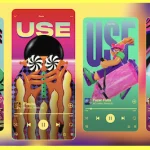
    The campaign ingeniously utilizes Spotify’s Canvas tool, a feature that provides eight-second looping videos accompanying each track. By replacing the original visuals of selected "funk proibidão" tracks with animations promoting condom use and HIV prevention, the initiative seamlessly integrates crucial health information into a familiar and engaging entertainment format. The selected tracks, featuring prominent artists such as MC Livinho, MC Mari, and MC Pikachu, collectively garner an estimated 300 million views on the Spotify platform. This massive reach ensures that the HIV protection messages are exposed to a vast audience of Brazilian adolescents and young adults.

    Bridging Culture and Public Health

    The decision by UNAIDS Brazil to embrace funk as a communication platform represents a significant acknowledgment of the genre’s pervasive influence on youth culture. By strategically inserting prevention messages into the visual space of "funk proibidão" tracks, UNAIDS Brazil effectively meets young people where they are, within a context where sexuality is already openly discussed. This approach aims to bridge the gap between cultural expression and the dissemination of essential information, empowering individuals to make informed decisions about their sexual health.

    Thainá Kedzierski, communications and advocacy officer at UNAIDS Brazil, articulated the strategic imperative behind this approach. "Adapting language and promoting HIV prevention communication based on autonomy and choice is part of the necessary shift for an equitable HIV response," Kedzierski stated. "It must meet the specific needs of groups, especially the youth population, which remains the most affected by new infections." This sentiment highlights a broader shift in public health messaging, moving towards empowerment and tailored communication rather than prescriptive directives.

    Rogerio Chaves, co-CCO of Africa Creative, elaborated on the innovative use of the digital platform. "When we noticed that funk artists with explicit sexual lyrics weren’t using Spotify Canvas, we immediately saw an emerging media space," Chaves explained. "The meeting of entertainment and education in the same place." This observation underscores the campaign’s core strategy: to leverage existing cultural touchpoints and technological tools to deliver impactful public health messages in a novel and engaging manner.

    A Timeline of Engagement and Reach

    The conceptualization and execution of this campaign can be traced back to the growing concern over HIV infection rates among young Brazilians. While specific dates for the campaign’s inception are not detailed, its launch in April 2026 signifies a response to escalating trends observed in recent years.

    • Pre-2024: Rising HIV infection rates among youth in Brazil are identified as a significant public health concern. Studies like the PENSE survey begin to indicate a decline in condom use among adolescents.
    • 2024: Brazilian Ministry of Health data highlights that nearly half of new HIV infections occur in the 15-29 age group. The PENSE survey confirms a continued downward trend in condom use among 13-17 year olds.
    • Late 2024 – Early 2025: Africa Creative and UNAIDS Brazil initiate discussions to develop innovative strategies for reaching Gen Z with HIV prevention messages. The potential of leveraging popular music genres and digital platforms is explored.
    • Mid-2025: The strategic focus narrows to funk carioca, particularly the "funk proibidão" subgenre, due to its immense popularity and cultural relevance among youth. The potential of Spotify Canvas is identified as a key tool.
    • Late 2025: Partnerships are solidified with participating artists and UNAIDS Brazil. Creative development for the animated visuals begins, ensuring messages are impactful yet culturally sensitive.
    • Early 2026: The campaign is launched on Spotify, with animated visuals integrated into selected funk proibidão tracks.
    • April 18, 2026: The initiative is publicly announced, with detailed information on its strategy, objectives, and the data supporting its necessity.

    Featured Tracks and Artist Collaboration

    The campaign strategically selected tracks from artists who command significant influence within the funk scene and whose music is widely consumed by the target audience. These include:

    • MC Livinho’s "Fazer Falta": A popular track that provides a prominent platform for the prevention message.
    • MC Davi’s "Vínculo Nenhum": Another track selected for its broad appeal among young listeners.
    • MC Mari’s "Flauta": Featuring a female artist, this choice broadens the campaign’s inclusivity and reach across different segments of the youth demographic.
    • MC Pikachu’s "Lá no Meu Barraco": This track further amplifies the campaign’s presence within the genre’s most popular offerings.

    The inclusion of these artists signifies a collaborative effort to use their platform for social good, demonstrating a commitment beyond pure entertainment to address critical societal issues.

    Broader Implications and Future Outlook

    The Africa Creative and UNAIDS Brazil initiative represents a forward-thinking approach to public health communication, recognizing the evolving media consumption habits of young people. By embedding messages within culturally resonant content, the campaign has the potential to significantly impact HIV prevention behaviors.

    Key implications of this strategy include:

    • Increased Awareness: The sheer volume of views on the featured tracks suggests that millions of young Brazilians will be exposed to HIV prevention messages in a context they actively choose to engage with.
    • Destigmatization: By integrating health messages into a genre that openly discusses sexuality, the campaign may contribute to destigmatizing conversations around HIV and sexual health.
    • Empowerment: The emphasis on "autonomy and choice" in messaging, as highlighted by UNAIDS Brazil, promotes a sense of personal responsibility and empowers individuals to take control of their sexual well-being.
    • Model for Other Regions: This innovative approach could serve as a blueprint for other public health organizations seeking to reach youth demographics in diverse cultural contexts.

    However, the long-term success of the campaign will depend on sustained engagement, ongoing evaluation of its impact on behavioral change, and the potential for wider adoption of similar strategies. The challenge of combating HIV transmission among young people is multifaceted, requiring a combination of education, access to testing and treatment, and the continuous development of effective communication tools. This initiative, by embracing the power of popular culture and digital innovation, represents a significant step forward in that ongoing effort.

    The campaign’s success will also be measured by its ability to foster open dialogue about sexual health and empower young Brazilians to make informed decisions, ultimately contributing to a healthier and more resilient future for the nation. The collaborative efforts of UNAIDS Brazil and Africa Creative, alongside the participation of influential artists, underscore a unified commitment to tackling this critical public health issue with creativity, cultural sensitivity, and a data-driven approach.

    Credits

    Client: UNAIDS Brazil

    • UNAIDS Team: Andrea Boccardi Vidarte, Bruna Souza, Bruno Kauss, Daniela Dantas, Eduardo Almeida, Gabriel Borba, Gustavo Passos, Manuela de Castro, Pamela Abreu, Thainá Kedzierski

    Agency: Africa Creative

    • CCO: Sergio Gordilho
    • Co-CCOs: Rogério Chaves & Fabricio Pretto
    • Creative Director: Milena Zindeluk
    • Head of Art: Cleber Pereira
    • Copywriters: Helena Passos, Marcel Macedo
    • Art Directors: Sabrina Mesquita, Vinicius Montes
    • VP of Special Projects and Creative Content: Juliana Leite
    • Director of Special Projects: Lica de Souza
    • Project Manager: Lucia Maia
    • Creative Producers: Laís Cattena, Giovanna Lima, Shari Saber, Andrea de Marques
    • Creative Production Assistant: Nadia Sobh

    PR: Pororoca.ag

    Audio Production Company: Sonido Audio

    • Music Director: Lucas Duque
    • Executive Producer: Vanessa Raad
    • Production Coordinator: Anderson Soares
    • Audio Post Production & Mix: Carla Cornea
Grafex Media
Privacy Overview

This website uses cookies so that we can provide you with the best user experience possible. Cookie information is stored in your browser and performs functions such as recognising you when you return to our website and helping our team to understand which sections of the website you find most interesting and useful.