Tag: vision

  • Vietnamese Creative Developer mChanh Shines on Global Stage with Award-Winning Portfolio and Vision for the Future

    Vietnamese Creative Developer mChanh Shines on Global Stage with Award-Winning Portfolio and Vision for the Future

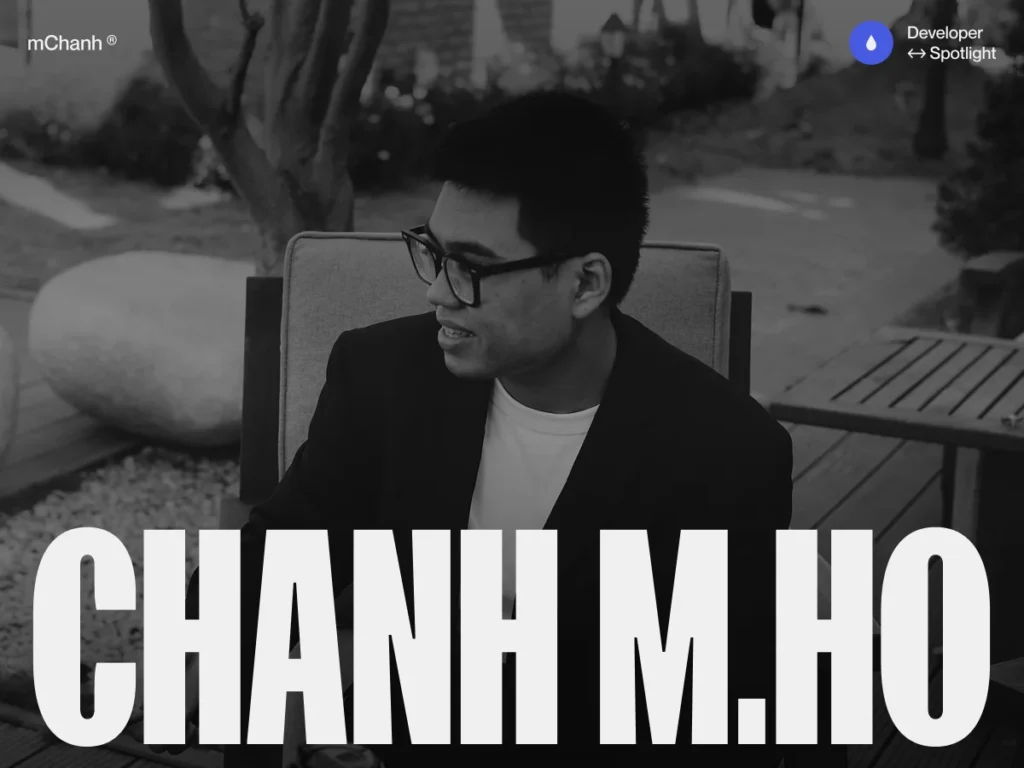
    Ho Chi Minh City, Vietnam – Chanh, widely known by his professional moniker mChanh, a distinguished creative developer based in Ho Chi Minh City, has rapidly ascended to prominence within the global digital design and development community. Over the past three years, Chanh has carved a niche for himself by crafting immersive, animation-rich web experiences that have garnered significant international acclaim, including multiple prestigious Awwwards, FWA, and CSSDA accolades. His journey, marked by a relentless pursuit of innovation and a commitment to pushing the boundaries of web interactivity, positions him as a leading figure in the burgeoning creative technology scene, particularly in Southeast Asia. Currently operating as a freelance professional, mChanh is actively seeking new collaborations and projects that align with his visionary approach to web development.

    The Genesis of a Creative Path: Chanh’s Journey to Digital Excellence

    Chanh’s foray into the world of creative development was sparked during his final year of university. It was then that he encountered a paradigm shift in web design – dynamic, visually striking websites that transcended conventional static pages. This discovery led him to platforms like Awwwards and Codrops, which showcase the pinnacle of web creativity, igniting a passion that would redefine his career trajectory. He recognized an opportunity to blend technical prowess with artistic expression, a path less trodden at the time, especially within the Vietnamese market.

    A Single DM, a First SOTD, and the Start of Chanh M. Ho’s Creative Journey | Codrops

    Initially, his pursuit was driven by pure curiosity and a desire to master the craft. The landscape for animation-driven web projects in Vietnam was nascent, yet Chanh’s determination remained unwavering. A pivotal moment arrived when he connected with Huy Phan within a design community. Reaching out with a direct message, Chanh expressed his eagerness to apply his emerging skills to an animation-centric project. This initiative proved fruitful, as Huy Phan entrusted him with the development of his very first portfolio website. This collaboration marked a significant turning point, demanding months of intense learning and problem-solving. The successful launch of Huy Phan’s portfolio not only brought Chanh his inaugural Site of the Day (SOTD) award from Awwwards but also validated his unconventional career choice. This initial success was a powerful testament to his capabilities and the potential for creative web development in the region. Following this milestone, Chanh further honed his skills during a tenure at D2 Studio, under the mentorship of Michael B. Luong, before transitioning into full-time freelance work, a move that has allowed him greater autonomy and the ability to engage with diverse, high-impact projects.

    A Portfolio of Distinction: Showcasing Award-Winning Innovation

    mChanh’s portfolio is a testament to his expertise in building sophisticated, animation-driven web experiences. Each project highlights a unique challenge and a successful implementation of cutting-edge web technologies, earning widespread recognition from leading industry bodies.

    1. Huy Phan’s Portfolio (2022): The Breakthrough Project
    The Huy Phan’s Portfolio, launched in 2022, represents Chanh’s foundational success in creative development. This project was his first deep dive into a website heavily focused on animation and motion. Despite his nascent experience with GSAP (GreenSock Animation Platform), a powerful JavaScript library for professional-grade animation, Chanh embraced the challenge. The entire site was meticulously built using plain HTML, CSS, and Vanilla JavaScript, eschewing modern bundlers or complex tooling. This "learn-as-I-built" approach underscored his dedication to mastering core web technologies while delivering complex visual narratives. Remarkably, Chanh managed to bring approximately 80% of Huy Phan’s original, ambitious vision to life, a significant achievement given the constraints and his evolving skill set. The project’s enduring quality, maintaining its functionality and aesthetic appeal years after its launch, speaks volumes about its robust development. Its success was crowned with multiple accolades, including Awwwards Site of the Day (SOTD) and Developer Awards, FWA Favourited of the Day (FOTD), and CSSDA Website of the Day (WOTD) and Website of the Month (WOTM). These awards are highly coveted within the creative web industry, signifying exceptional design, technical execution, and user experience.

    A Single DM, a First SOTD, and the Start of Chanh M. Ho’s Creative Journey | Codrops

    2. WON .J You Studios (2025): Narrative-Driven Speed and Elegance
    In 2025, Chanh showcased his ability to deliver high-quality projects at an accelerated pace with WON .J You Studios. This project was completed in a remarkably short two and a half months, encompassing both design and development phases. The core of the website revolved around storytelling, necessitating an intensive focus on scroll-based animations to guide users through a narrative journey. Chanh identified the scrolling sequence on the homepage as the most intricate and challenging aspect, requiring meticulous orchestration of visual elements. The final output was praised for its fluidity, distinctiveness, and unconventional approach, which together created a memorable user experience. The technical stack for this project leveraged Next.js, a React framework known for its performance and developer experience, alongside GSAP for intricate animations and SCSS for efficient, modular styling. A notable aspect of WON .J You Studios was its entirely static page setup, devoid of any CMS or backend infrastructure, demonstrating an elegant solution for content delivery that prioritizes speed and security. This project too earned significant industry recognition, securing Awwwards SOTD and Dev Awards, FWA FOTD, and CSSDA WOTD. Chanh collaborated with Huy Phan and Thinh Doo on this project, highlighting the power of collective expertise.

    3. MIUX Studio (2025): Mastering Seamless Page Transitions
    The MIUX Studio project, also launched in 2025, stands out for its exceptionally smooth and elegant page transitions, a hallmark of sophisticated web design. This project presented Chanh with the challenge of implementing two distinct transition types within a single Next.js application, a first for him. The image flip transition, in particular, proved to be a complex undertaking. Initially, Chanh observed that slow network conditions could disrupt the effect if the next page’s image failed to load promptly. His innovative solution involved a multi-stage approach: first, flipping the image to a fullscreen state, then transitioning to the new page, patiently awaiting the complete loading of the actual image asset, and only then completing the flip to its final position on the new page. This meticulous handling of asynchronous loading ensured a robust and flawless user experience under varying network conditions. The integrated design and development culminated in a polished, high-quality project that Chanh expressed genuine pride in. The technology stack mirrored the advanced nature of the project, utilizing Next.js, GSAP, SCSS, Prismic (a headless CMS for flexible content management), and Vercel for optimized deployment. Collaborators Huy Phan and Thinh Doo were instrumental in this project’s success, which also received Awwwards SOTD and Dev Awards, FWA FOTD, and CSSDA WOTD.

    4. Eislab (2025): A Milestone in Professional Growth
    The Eislab project, Chanh’s inaugural endeavor of 2025, marked a significant personal and professional milestone. It not only secured his second Awwwards Site of the Day (SOTD) award but also solidified his standing in the creative development community. This project was particularly noteworthy as it represented Chanh’s first experience working with Next.js in conjunction with PrismicIO, a modern headless CMS. Navigating the integration of these new technologies while maintaining a clean project structure and codebase presented considerable learning opportunities and challenges. The successful delivery of Eislab underscored his rapid adaptability and commitment to continuous learning. Among his favorite elements were the distinctive curved slider on the "About Us" page and the intricate menu animation, both exemplifying his attention to detail and flair for engaging interactivity. Eislab was another collaborative effort, with Huy Phan and QuangDinh contributing to its success. Its impressive list of awards – Awwwards SOTD and Dev Awards, FWA FOTD, and CSSDA WOTD – further cemented its status as a benchmark project.

    Workflow, Core Stack, and Inspirations: The Pillars of Chanh’s Craft

    A Single DM, a First SOTD, and the Start of Chanh M. Ho’s Creative Journey | Codrops

    Chanh’s success is rooted in a well-defined workflow and a strategic selection of tools. His core stack is robust and tailored for creating highly dynamic and performant web experiences. For front-end development, he primarily relies on Next.js, a React framework that offers server-side rendering and static site generation capabilities, enhancing performance and SEO. GSAP remains his go-to library for crafting complex, timeline-based animations, allowing for unparalleled control and fluidity. Styling is meticulously handled with SCSS, a powerful CSS preprocessor that facilitates modular and maintainable stylesheets. For content management, he frequently integrates Prismic, a headless CMS, which decouples content from presentation, offering flexibility and scalability. Deployment is streamlined through Vercel, a platform optimized for Next.js applications, ensuring fast and reliable hosting. At the fundamental level, he maintains a strong command of Vanilla JavaScript, HTML, and CSS, recognizing their importance as the bedrock of web development.

    Beyond technical tools, Chanh emphasizes the critical role of inspiration and continuous learning. Platforms like Awwwards and Codrops, which first captivated him, continue to serve as vital sources for staying abreast of the latest trends, techniques, and groundbreaking projects in the creative web space. This commitment to observing and internalizing industry best practices fuels his innovative spirit and ensures his work remains at the forefront of digital design.

    Future Horizons: Growth, Global Reach, and Impact in Vietnam

    Chanh’s future goals are clear and ambitious: sustained growth, deeper engagement with the industry, and expanding his technical repertoire. He explicitly aims to seek more opportunities for collaboration with diverse professionals, recognizing the invaluable learning that stems from shared experiences and different perspectives. A significant area of planned expansion includes delving deeper into WebGL and 3D technologies, which represent the next frontier in immersive web experiences. Mastering these complex domains will enable him to create even more captivating and interactive digital environments. Furthermore, improving his spoken English is a strategic goal, aimed at dissolving communication barriers and opening up broader international collaboration opportunities, thereby elevating his global presence.

    A Single DM, a First SOTD, and the Start of Chanh M. Ho’s Creative Journey | Codrops

    Beyond his personal development, Chanh harbors a profound hope for the Vietnamese creative market. He envisions a future where the local industry becomes more open, enthusiastic, and supportive of creative web development. His own success serves as a powerful testament to the talent and potential within Vietnam, and he aspires for his journey to inspire a new generation of developers to explore and embrace the creative side of the web. This vision aligns with the global trend of increasing demand for unique, branded digital experiences, positioning Vietnamese developers to play a significant role if the local ecosystem continues to foster innovation and skill development. The continued rise of freelance professionals like Chanh also signifies a broader shift in the digital economy, where specialized skills and a strong portfolio can transcend geographical limitations, fostering a more interconnected global workforce.

    Gratitude, Community, and the Call for Collaboration

    In his concluding remarks, Chanh expressed profound gratitude to everyone who has provided opportunities and support throughout his journey. He specifically acknowledged Codrops for the platform to share his story, underscoring the vital role of community spotlights in inspiring and connecting developers worldwide. He hopes his narrative will serve as a beacon for aspiring creative developers in Vietnam, demonstrating that passion, perseverance, and skill can lead to global recognition.

    Chanh remains an advocate for collaboration and community engagement. He believes that aligning ideas and combining diverse talents can lead to truly groundbreaking digital creations. Individuals or organizations with innovative concepts are encouraged to reach out to explore potential partnerships. His work can be further explored on his comprehensive portfolio website, mchanh.dev, and he welcomes direct communication via email at [email protected]. Additionally, he maintains an active presence on professional and social platforms, including LinkedIn and Instagram (@mchanh.dev), fostering connections within the broader design and development ecosystem.

    A Single DM, a First SOTD, and the Start of Chanh M. Ho’s Creative Journey | Codrops

    Beyond his professional life, Chanh’s passion for customization extends to his hobby of modifying Vespas. This pastime reflects a deeper philosophy: an obsession with detail, style, and injecting personality into every endeavor, whether it’s a digital interface or a classic scooter. This blend of technical rigor and creative expression defines mChanh, a developer who is not only shaping the digital landscape but also inspiring a new generation of creative talent from Vietnam to leave their indelible mark on the world.

  • The Evolution of the Photographic Image and the Persistence of Artistic Vision

    The Evolution of the Photographic Image and the Persistence of Artistic Vision

    The landscape of modern photography is currently defined by a profound technical paradox: while imaging hardware has reached a pinnacle of automated precision, the industry is witnessing a significant resurgence in tactile, manual, and even analog methodologies. This shift marks a transition from the "gear-centric" era of the late 20th century to a contemporary era defined by the "democratization of the image." As smartphones equipped with sophisticated computational photography capabilities become the primary tool for the global population, the fundamental principles of the medium—light, composition, and the "decisive moment"—remain the central pillars of the craft, independent of the hardware utilized.

    The Technological Paradigm Shift: From Silver Halide to Silicon

    The transition from analog to digital photography was not merely a change in storage medium; it was a fundamental shift in how light is interpreted and processed. For over a century, photography relied on the chemical reaction of light with silver halide crystals on celluloid film. This process required a high degree of technical foresight, as the results were delayed by the necessity of chemical development.

    The introduction of the Charge-Coupled Device (CCD) and later the Complementary Metal-Oxide-Semiconductor (CMOS) sensor revolutionized the industry by providing instantaneous feedback. According to data from the Camera & Imaging Products Association (CIPA), digital camera shipments peaked in 2010 at approximately 121 million units. However, the subsequent decade saw a dramatic contraction of the dedicated camera market as smartphone technology integrated high-quality sensors and advanced optics. By 2023, the market had stabilized around high-end mirrorless systems and niche enthusiast products, signaling that while the "casual" photographer has migrated to mobile devices, the "serious" practitioner continues to seek dedicated tools.

    A Chronology of Photographic Innovation

    To understand the current state of the medium, it is essential to examine the milestones that led to the contemporary era:

    • 1839: The public introduction of the Daguerreotype by Louis Daguerre, marking the birth of practical photography.
    • 1888: George Eastman launches the Kodak camera with the slogan "You press the button, we do the rest," beginning the first wave of democratization.
    • 1925: The Leica I is introduced, popularizing 35mm film and enabling the rise of street photography and photojournalism.
    • 1948: Edwin Land introduces the Polaroid Land Camera, providing the first instance of "instant" photography.
    • 1975: Steven Sasson at Kodak creates the first digital camera prototype, though the company fails to capitalize on the invention.
    • 2000: The first camera-equipped mobile phones enter the market (the J-SH04 in Japan and the Samsung SCH-V200).
    • 2007: The launch of the iPhone marks the beginning of the smartphone era, eventually leading to the decline of the "point-and-shoot" compact camera.
    • 2018–Present: The industry completes a wholesale transition from Digital Single-Lens Reflex (DSLR) cameras to Mirrorless systems, emphasizing electronic viewfinders and AI-driven autofocus.

    Computational Photography vs. Traditional Optics

    The modern smartphone does not capture an image in the traditional sense; it "computes" one. Through a process known as computational photography, mobile devices take multiple exposures in a fraction of a second, merging them to maximize dynamic range, reduce noise, and simulate the shallow depth of field typically associated with large-aperture lenses.

    Industry analysts suggest that this software-heavy approach has bridged the gap between amateur and professional-looking results. However, professional photographers argue that this automation can sometimes strip the image of its "optical truth." While a smartphone can use AI to sharpen an eye or brighten a face, it cannot replace the photographer’s decision regarding where to stand or when to trigger the shutter. This has led to a renewed appreciation for "pure" photography, where the artist works within the constraints of the physical environment rather than relying on algorithmic corrections.

    The art of photography hasn’t changed though…

    The Analog Renaissance and the Value of Constraints

    In a surprising turn for a digital-first world, film photography has experienced a sustained revival over the last five years. Manufacturers like Kodak Alaris and Fujifilm have reported increased demand for 35mm and 120mm film stocks, driven largely by Gen Z and Millennial photographers who did not grow up with the medium.

    The attraction to film is often cited as a reaction to the "infinite" nature of digital photography. A standard roll of film offers only 24 or 36 exposures. This physical limitation imposes a mental discipline; the photographer must wait for the light, perfect the composition, and ensure the moment is correct before committing to the shot. This "slow photography" movement mirrors similar trends in vinyl records and artisanal crafts, where the tactile experience and the inherent imperfections—grain, light leaks, and color shifts—are viewed as more "honest" than the sterile perfection of a digital file.

    The Core Fundamentals: The "Holy Trinity" of the Image

    Despite the evolution of the toolset, the three pillars of a successful photograph remain unchanged. Educators and historians consistently point to these elements as the universal language of the medium:

    1. Light: The word "photography" literally translates to "writing with light." Whether using a $50,000 Phase One medium-format camera or a budget smartphone, the quality, direction, and color of light remain the primary factors in determining the mood and clarity of an image.
    2. Composition: The arrangement of elements within the frame—utilizing the rule of thirds, leading lines, or negative space—is a cognitive process. No algorithm can yet replicate the human eye’s ability to find balance and narrative within a chaotic environment.
    3. The Moment: Popularized by Henri Cartier-Bresson as "The Decisive Moment," this refers to the precise instant when the visual elements of a scene align to tell a story. This remains the most difficult aspect of photography to master, as it requires intuition and presence.

    Market Analysis: Current Entry Points for Enthusiasts

    For those seeking to move beyond the smartphone or explore dedicated imaging tools, the current market offers several distinct pathways. These devices represent the various facets of modern photography, from traditional mechanics to hybrid digital experiences.

    The Traditional Entry: Canon EOS Rebel T7

    The DSLR remains a viable learning platform. The Rebel T7, featuring a 24.1MP APS-C sensor, provides a tactile experience with an optical viewfinder. Its primary value lies in its ergonomics and its ability to introduce users to the "exposure triangle" (ISO, Shutter Speed, and Aperture) through a traditional lens ecosystem.

    The Mirrorless Standard: Canon EOS R100

    As the industry moves away from mirrors, the R100 represents the most accessible entry into the RF-mount ecosystem. It utilizes Dual Pixel CMOS AF, a technology that allows the camera to track subjects with a level of precision that was impossible on entry-level gear a decade ago. It represents the "future-proof" choice for those looking to invest in modern glass.

    The Hybrid Content Tool: Sony ZV-1F

    The rise of social media has necessitated cameras that perform equally well for stills and video. The ZV-1F features a 1-inch sensor, significantly larger than those found in most smartphones, and a fixed 20mm ultra-wide lens. This device highlights the trend toward "environmental" photography, where the subject is captured within the context of their surroundings.

    The art of photography hasn’t changed though…

    The "Lo-Fi" Aesthetic: Kodak PIXPRO FZ55

    There is an emerging market for "digital lo-fi" cameras—budget point-and-shoots that produce images reminiscent of the early 2000s. The FZ55 is a response to the "Y2K aesthetic" popular on platforms like TikTok, where the goal is not technical perfection but a nostalgic, casual look that feels distinct from the highly processed output of a modern iPhone.

    The Tactile Hybrid: Fujifilm Instax Mini EVO

    The Instax Mini EVO bridges the gap between digital convenience and physical permanence. By allowing users to shoot digitally but print selectively on instant film, it satisfies the modern desire for a "tangible" object. This category has become Fujifilm’s most profitable imaging segment, proving that the desire to hold a physical photograph remains a powerful human impulse.

    Broader Impact and the Future of the Visual Record

    The implications of this photographic evolution extend into the realms of journalism, law, and history. As AI becomes more integrated into the capture process, the definition of a "photograph" is being challenged. Some purists argue that an image heavily modified by AI is "digital art" rather than "photography."

    However, the consensus among industry leaders is that the tool is merely a conduit for the artist’s vision. Whether an image is captured on a vintage Nikon FM2 or the latest flagship smartphone, its value is determined by its ability to evoke emotion, document truth, or reveal beauty. The democratization of photography has meant that more "decisive moments" are being captured than ever before in human history.

    In conclusion, the art of photography is currently in a state of healthy diversification. The coexistence of high-end mirrorless systems, a thriving analog market, and the ubiquity of smartphone cameras suggests that the medium is not being replaced, but rather expanded. The fundamental challenge for the photographer remains the same as it was in 1839: to see the extraordinary within the ordinary and to have the presence of mind to preserve it. The camera, in any form, remains an instrument that teaches us how to see the world.

Grafex Media
Privacy Overview

This website uses cookies so that we can provide you with the best user experience possible. Cookie information is stored in your browser and performs functions such as recognising you when you return to our website and helping our team to understand which sections of the website you find most interesting and useful.