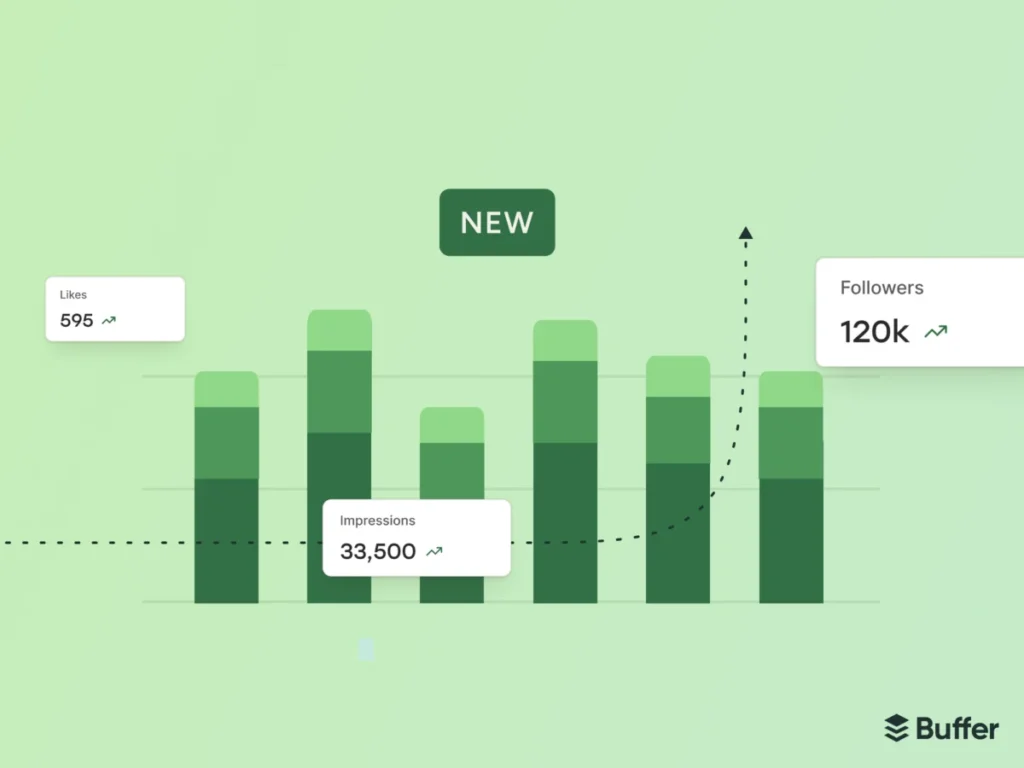

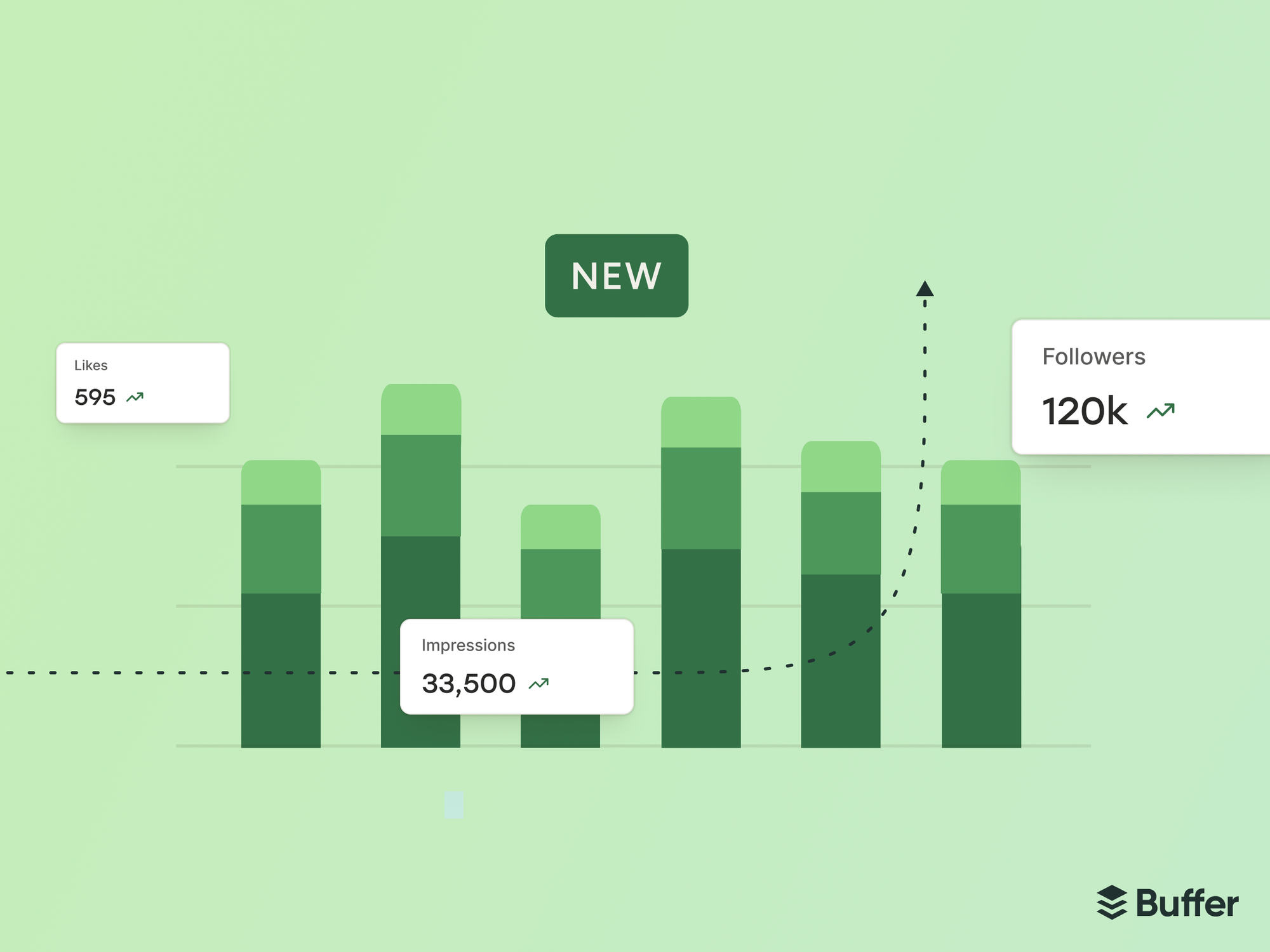
Buffer, a leading social media management platform, has announced the comprehensive rebuilding and launch of its analytics suite, now titled Insights. This strategic overhaul marks a significant shift in the company’s approach to data, moving away from traditional vanity metrics toward a "data-informed" philosophy that prioritizes creative direction and actionable intelligence. The new platform is designed to serve a broad spectrum of users, ranging from individual content creators managing single channels to large-scale marketing agencies overseeing complex portfolios for multiple client brands.
The launch of Insights represents the culmination of a long-term internal project aimed at re-imagining how social media performance is measured and interpreted. According to the company, the primary objective was to solve a common frustration in the marketing industry: the choice between overly simplistic free tools and prohibitively expensive enterprise platforms that provide exhaustive data without offering clear guidance on strategic next steps. By integrating advanced artificial intelligence and opening its data architecture through a public API, Buffer aims to democratize high-level social media intelligence.
The Strategic Shift from Data-Driven to Data-Informed
In the contemporary digital landscape, the distinction between being "data-driven" and "data-informed" has become a central point of debate among marketing professionals. While a data-driven approach relies on historical numbers to dictate future actions—often at the expense of original creativity—a data-informed approach uses metrics as a compass to guide creative experimentation. Buffer’s new Insights platform is built specifically to support the latter.
The platform recognizes that in an era dominated by algorithmic feeds on platforms like Instagram, TikTok, and X (formerly Twitter), originality and creativity remain the most critical factors for organic growth. However, raw creativity can often be inefficient without a feedback loop. Insights provides this loop by analyzing what is currently resonating with an audience and presenting those findings in plain language. This allows creators to focus on the "how" of content creation while the data answers the "what" and "when."
Technical Architecture and AI Integration
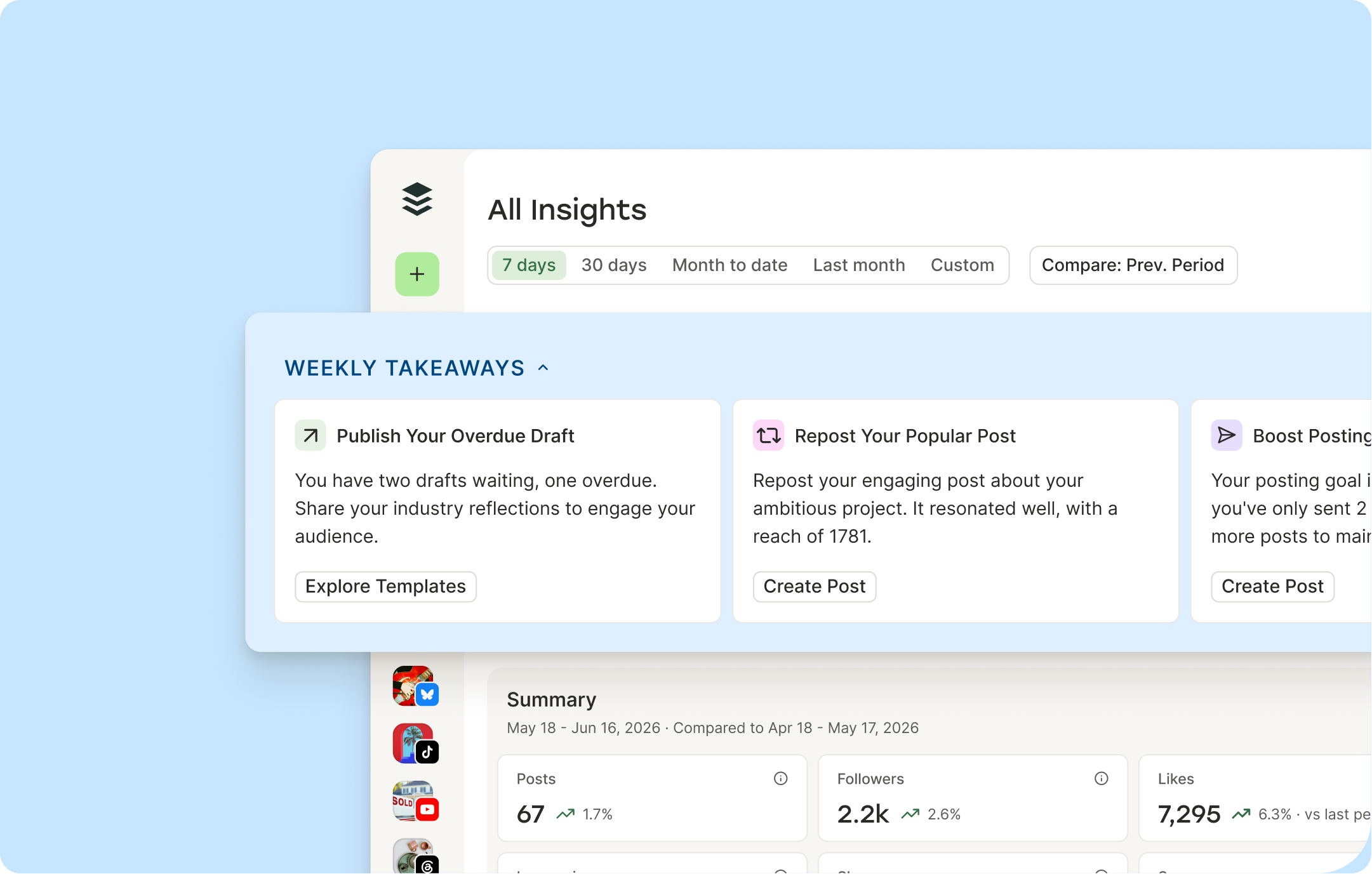
A core pillar of the Insights launch is the integration of artificial intelligence that operates in the background to distill complex datasets into understandable takeaways. Unlike traditional dashboards that require users to manually correlate engagement rates with posting times or content types, the AI in Insights identifies patterns automatically. It reads performance signals across various channels to suggest specific adjustments, such as which content themes are driving the most saves or which posting windows yield the highest reach.
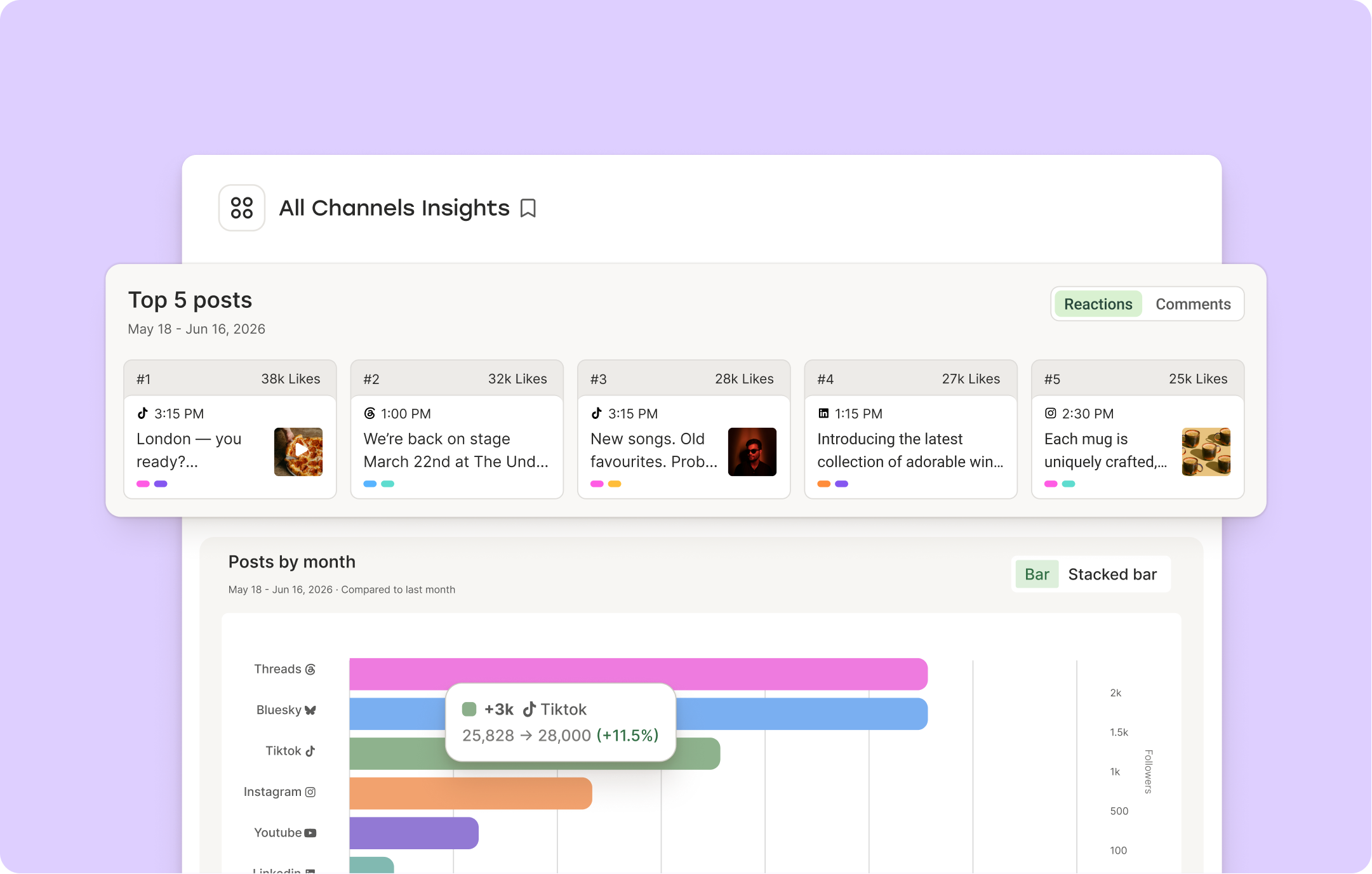
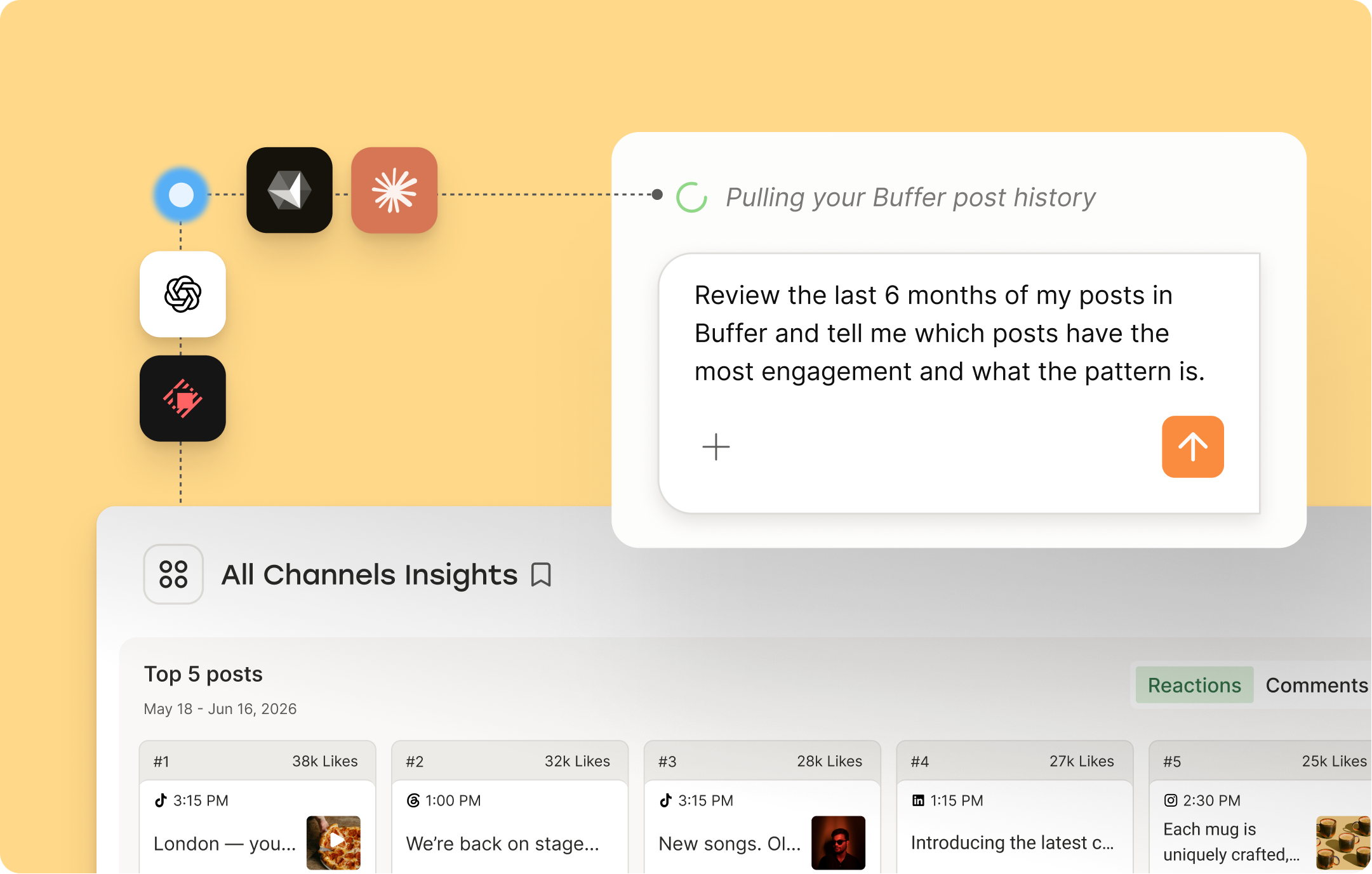
Furthermore, Buffer has prioritized data portability and interoperability. The release of a public API and a Model Context Protocol (MCP) server allows users to extract their social media data and integrate it with external tools or custom-built dashboards. This move is particularly significant for the developer community and tech-forward agencies that utilize AI agents to perform heavy-lifting tasks. By not trapping data behind a proprietary dashboard, Buffer is positioning itself as a flexible node within a marketer’s larger tech stack.
The MCP server, in particular, represents a forward-looking technical addition. As AI agents become more prevalent in business operations, the ability to query social media data directly through a standardized protocol allows for more sophisticated automation. For instance, an AI agent could be programmed to pull Buffer Insights data into a broader business intelligence report that includes sales figures and website traffic, providing a holistic view of marketing ROI.
Accessibility and the Freemium Model
In a market where sophisticated analytics are often gated behind high-tier enterprise subscriptions, Buffer has taken the unusual step of offering powerful features within its free plan. The "Insights for everyone" initiative is designed to lower the barrier to entry for solo entrepreneurs and small businesses who have historically been underserved by high-end social media software providers.
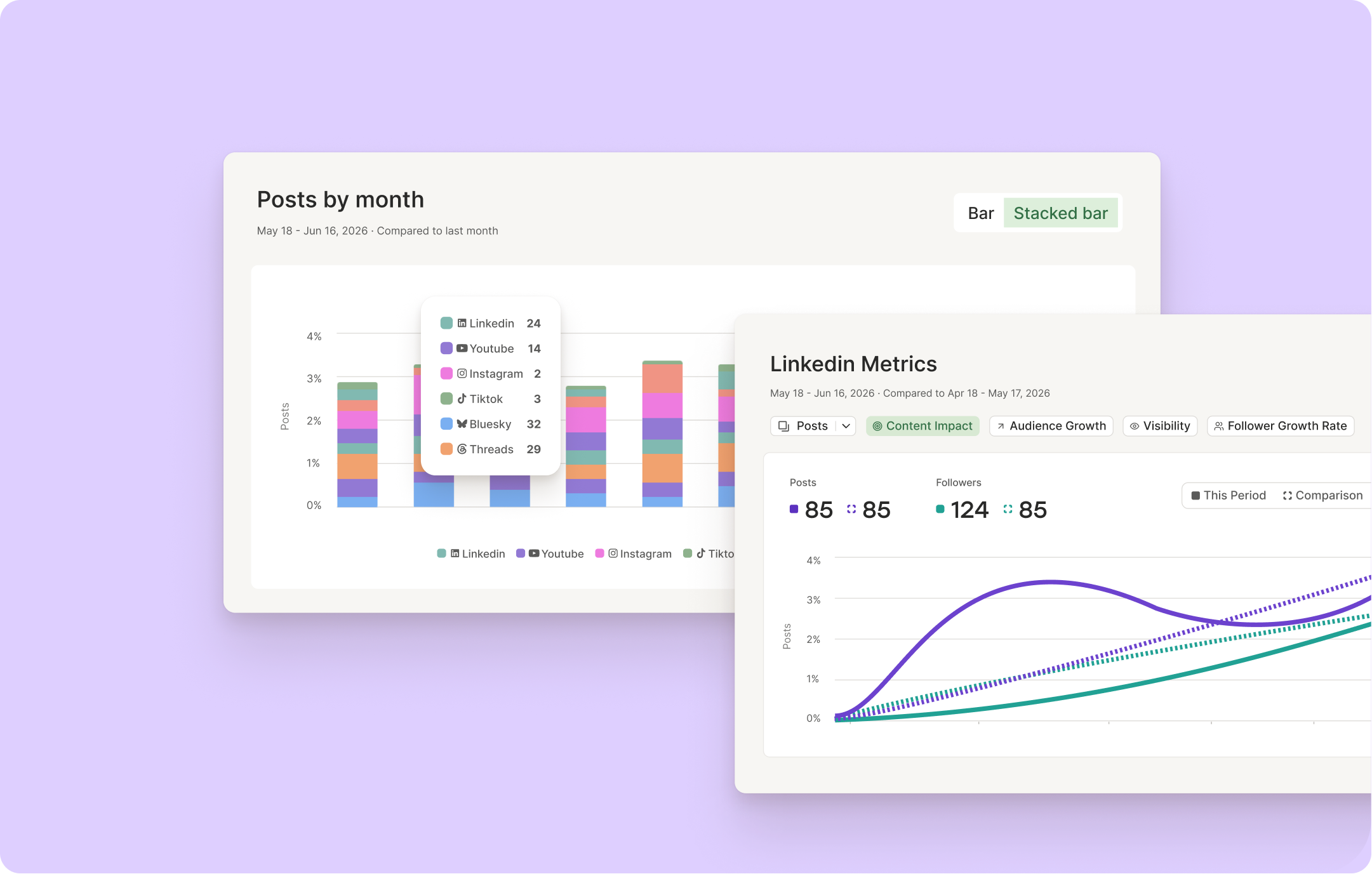
The free tier includes essential actionable insights, while paid plans offer deeper, more granular reporting capabilities. This tiered approach is intended to grow alongside the user; as a creator’s needs evolve from basic performance tracking to complex cross-channel comparisons and client-facing reports, the platform scales accordingly. This strategy aligns with the broader industry trend of "product-led growth," where providing high value at the entry level fosters long-term user retention.
Chronology of Buffer’s Analytical Evolution
The development of Insights did not happen in a vacuum. It is the result of a multi-year trajectory in which Buffer has sought to simplify the social media management workflow.
- 2010–2015: The Era of Scheduling. Buffer’s early years were defined by its "Queue" system, focusing almost exclusively on the timing and automation of posts. Analytics during this period were rudimentary, focusing on basic click-through rates and likes.
- 2016–2020: The Rise of Buffer Analyze. The company launched a standalone product, Buffer Analyze, to provide more in-depth reporting. While successful, it existed as a separate entity from the core scheduling tool, creating friction for users who had to jump between tabs to connect their actions with their results.
- 2021–2023: Integration and API Expansion. Buffer began merging its scheduling and analytics features into a single interface. During this period, the company also focused on becoming an official partner for major platforms, ensuring stable and secure data pipelines.
- 2024–Present: The Launch of Insights. The total rebuild of the analytics engine. This phase moved away from merely displaying data to interpreting it, utilizing AI and open API access to meet the demands of a more technically sophisticated marketing environment.
Official Partnerships and Data Security
A critical component of any third-party social media tool is its relationship with the platforms it monitors. Buffer is an official partner of Meta (Facebook and Instagram), LinkedIn, X, and others. This status provides two primary benefits to the end-user: security and feature parity.
Official partnership status means that Buffer accesses data through approved, high-priority API channels. This minimizes the risk of account flags or "shadowbanning" that can occur when using unauthorized scraping tools. Additionally, it ensures that when social media platforms roll out new features—such as Instagram Reels metrics or LinkedIn’s revamped engagement types—Buffer can integrate these updates into Insights almost immediately. This reliability is a key selling point for agencies that manage high-stakes accounts for corporate clients.
Market Context and Competitive Landscape
The launch of Insights comes at a time when the social media management software (SMMS) market is becoming increasingly polarized. On one end, platforms like Hootsuite and Sprout Social have pivoted toward the enterprise market, often increasing prices and focusing on features like social listening and CRM integration. On the other end, a host of new, low-cost tools have emerged, focusing on basic automation.
Buffer’s launch of Insights appears to be a strategic move to capture the "middle-to-upper" segment of the market—creators and agencies who require professional-grade intelligence but prefer a more agile, user-friendly interface. By offering "plain-language takeaways," Buffer is addressing a common pain point: data fatigue. Many marketers report having access to too much data and not enough time to interpret it.
Industry data suggests that this is a growing concern. According to a 2023 State of Social Media report, 44% of marketers cite "proving the ROI of social media" as their top challenge, while 31% struggle with "turning data into actionable strategy." By building a tool that explicitly asks and answers "what should I do next?", Buffer is directly targeting these industry-wide hurdles.
Broader Impact and Implications for the Creator Economy
The long-term impact of tools like Buffer Insights may be most visible in the creator economy. As the creator space matures, "influence" is being replaced by "accountability." Brands are no longer satisfied with high follower counts; they demand detailed metrics on engagement quality, audience demographics, and conversion potential.
For solo creators, having access to an AI-powered partner that can analyze their performance for free is a significant advantage. It allows them to act as their own data scientists, optimizing their content strategy without needing to hire a dedicated marketing team. For agencies, the ability to generate "cross-channel comparisons" and "deeper reporting" simplifies the process of proving value to clients.
Furthermore, the open nature of the data (via the MCP server and API) suggests a future where social media data is no longer siloed. If a creator can easily move their engagement data into a personal website or a custom sponsorship pitch deck, the power dynamic shifts slightly in favor of the creator rather than the platform.
Conclusion
The release of Insights signifies a new chapter for Buffer, one defined by the marriage of creative intuition and machine-assisted intelligence. By rebuilding its analytics from the ground up, the company has acknowledged that the value of data lies not in its volume, but in its utility. As social media platforms continue to evolve and AI becomes more integrated into the daily workflow of marketers, the demand for "actionable" rather than "accessible" data is likely to become the new industry standard. Insights is positioned to be a central tool in this transition, offering a scalable solution for the modern digital storyteller.