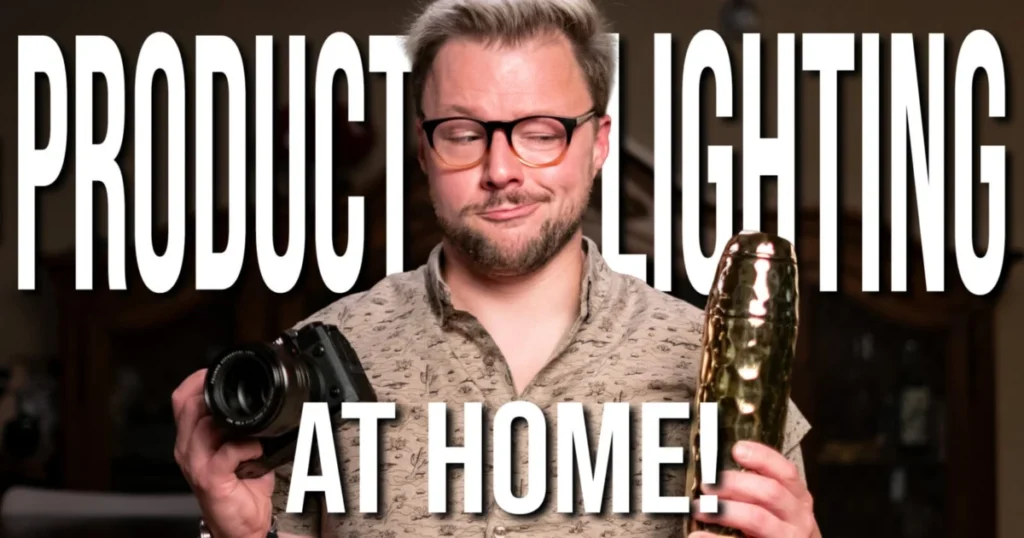

The traditional landscape of commercial cinematography, once defined by sprawling soundstages, massive budgets, and specialized crews, is undergoing a profound transformation driven by the democratization of high-end imaging technology. A recent project involving the production of a promotional video for an unreleased luxury cocktail shaker serves as a primary case study for this shift. When a well-known culinary brand approached a content creator to provide feedback on a prototype through a standard survey, the recipient opted to bypass the traditional questionnaire in favor of producing a high-fidelity commercial within the confines of a residential dining room. This endeavor highlights a broader trend in the "creator economy," where the barrier to entry for professional-grade product videography has been lowered not by the sacrifice of quality, but by the strategic application of portable lighting, specialized camera rigs, and creative problem-solving.
The Evolution of the Home-Based Production Studio
The ability to produce commercial-quality content outside of a controlled studio environment is a relatively recent phenomenon. For decades, the technical requirements for lighting and capturing reflective surfaces, such as the gold-faceted metallic exterior of a high-end cocktail shaker, necessitated industrial-scale equipment. However, the emergence of brands like Aputure, Nanlite, and Godox has placed "cinema-grade" light quality into the hands of independent operators.
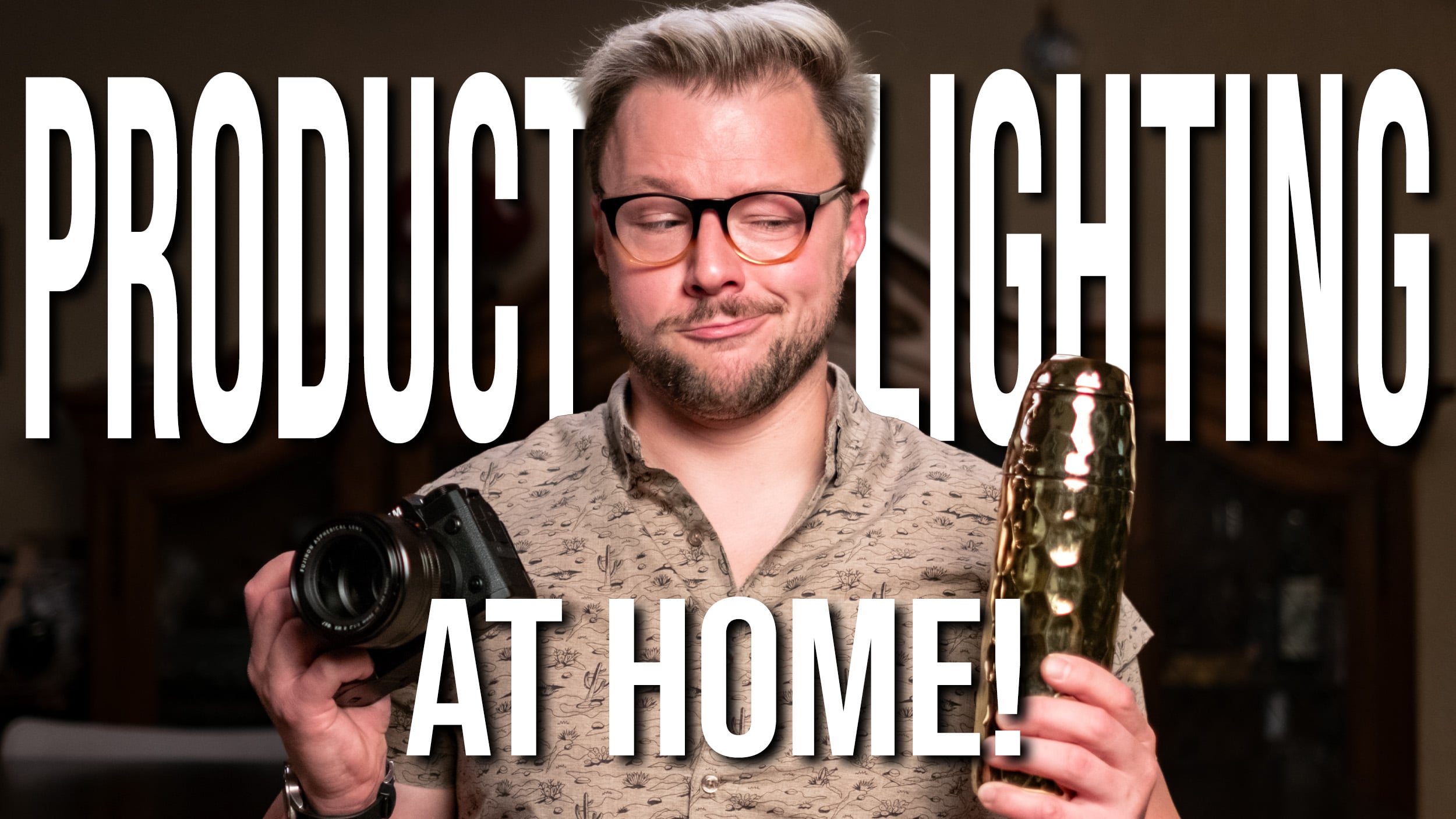
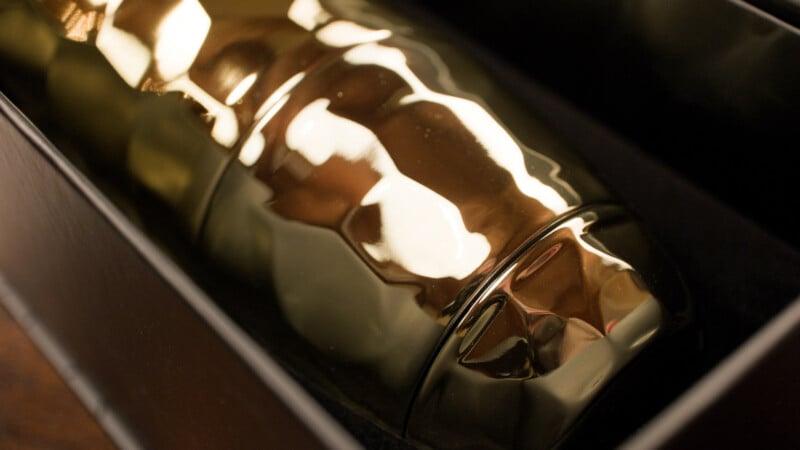
In this specific production, the primary challenge was the product itself. A cocktail shaker featuring a sleek design with numerous gold facets presents a nightmare for traditional cinematography due to its high reflectivity. Every light source, camera movement, and even the operator themselves can be reflected in the product’s surface if not managed with precision. The creator’s decision to move from a simple feedback survey to a full-scale video production demonstrates the increasing confidence of modern creators who possess the technical literacy to manage these variables without a dedicated studio staff.
Mastering Light Control in Residential Environments
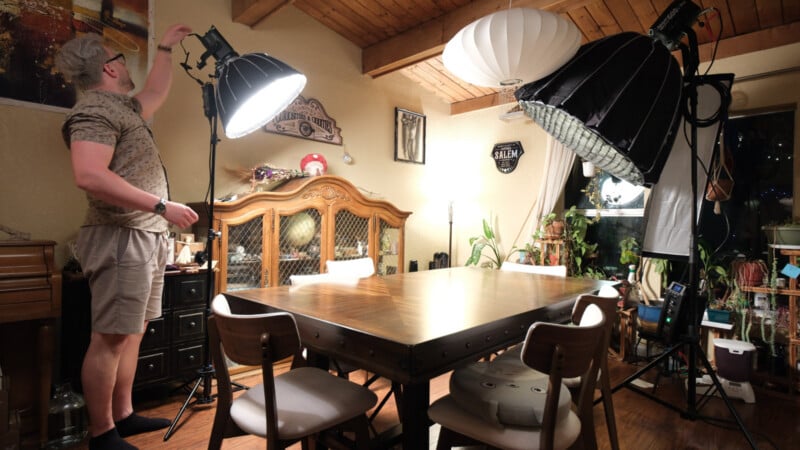
The cornerstone of professional product videography is the ability to shape and control light, a task made significantly more difficult in a room designed for domestic life rather than commercial filming. In a professional studio, "blacking out" a space is a standard procedure. In a residential dining room, it requires tactical adjustments.
The production timeline was constrained by the creator’s domestic responsibilities, specifically the demands of parenting a young child. This precluded the ideal scenario of shooting at night to avoid solar interference. Consequently, the "Plan B" involved a manual blackout of the primary windows and the use of heavy curtains on secondary light sources. While not achieving a true 100% blackout, the ambient light was reduced to a level where the artificial lighting could overpower any remaining "spill."
Technical Lighting Specifications
To achieve the desired "luxury" aesthetic, the lighting setup was meticulously engineered:
- Key Light: An Aputure 600 Bicolor LED served as the primary light source. This fixture is a staple in the industry for its high output and color accuracy. It was paired with a medium dome softbox and a honeycomb grid. The grid is essential in product work as it narrows the beam of light, preventing it from washing over the entire room and instead focusing it strictly on the "hero" product—the shaker.
- Edge/Rim Lighting: To create separation between the product and the background, two Nanlite 150 units were employed. One utilized a small circular dome softbox, while the other was fitted with a narrow Godox softbox, specifically designed for tight spaces.
- Color Temperature Calibration: Given the warm wood tones of the dining room and the gold facets of the shaker, the creator chose to balance the lights between 2,700 and 2,900 Kelvin. This lower end of the Kelvin scale produces a warm, "golden hour" glow that enhances the perceived value of metallic culinary products.
The Role of Motion in Modern Product Marketing
Static images are increasingly insufficient in an era dominated by short-form video platforms like Instagram Reels and TikTok. Data from digital marketing firms suggest that video content generates up to 1,200% more shares than text and static images combined. For a cylindrical and reflective product like a cocktail shaker, motion is not just an aesthetic choice; it is a functional requirement to showcase the way the product interacts with light.
The production utilized three distinct types of camera movement to build a comprehensive visual narrative:
The Motorized Slider
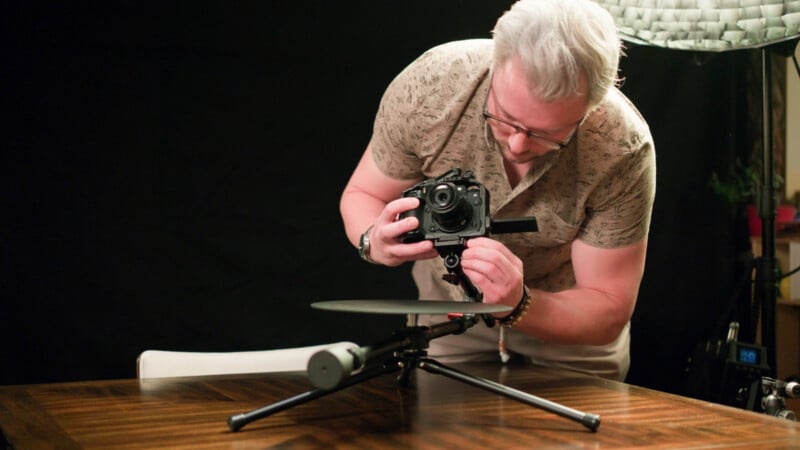
A 30-inch motorized slider was used for slow, controlled "push-ins." This movement creates a sense of grandiosity and allows the viewer to focus on the fine details of the product’s texture. In a creative twist, the slider was also used to simulate a "tracking shot" of a razor blade cutting through the packaging. By keeping the camera stationary and moving the packaging on the slider, the creator achieved a precision shot that would be difficult to execute manually.
The Turntable Method
To capture the 360-degree geometry of the shaker and the accompanying cocktail glass, a small motorized turntable was used. This allowed the camera to remain in a fixed, focused position while the product rotated, catching the light across every gold facet. This technique is a hallmark of high-end jewelry and luxury goods commercials.
Macro and High-Frame-Rate Capture
To round out the "promo" feel, the creator incorporated macro shots of citrus being sliced and liquids being poured. These were captured at 120 frames per second (fps). In post-production, 120 fps footage can be slowed down by a factor of five when played back at a standard 24 fps, creating a "dreamlike" slow-motion effect. This is particularly effective for liquids—such as a cocktail being strained—as it highlights the viscosity and clarity of the drink, further appealing to the viewer’s senses.
Chronology of the DIY Production Process
The transition from a prototype survey to a finished video followed a logical progression that mirrors professional agency workflows:
- Phase 1: Environment Modification. The dining room was converted into a dark room through the use of blackout materials, ensuring that the creator had total control over the "exposure budget."
- Phase 2: Light Shaping. The Aputure and Nanlite units were positioned to highlight the facets of the shaker without creating unsightly "hot spots" or reflections of the camera gear.
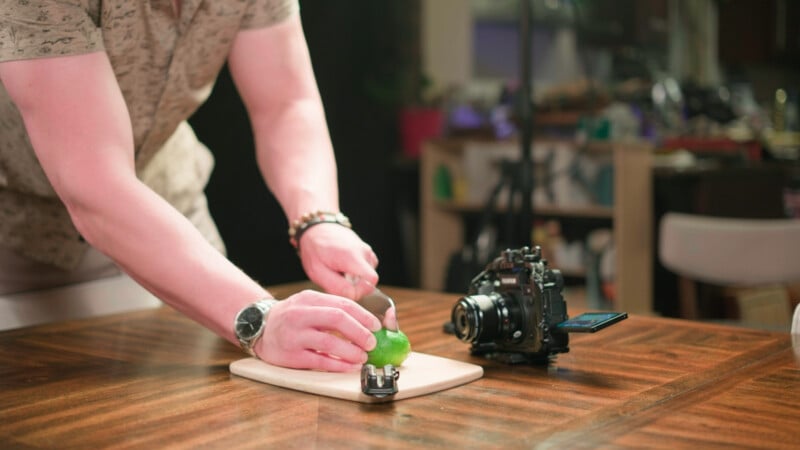
- Phase 3: Static and Macro Capture. Detailed shots of the cocktail preparation—slicing limes, pouring spirits—were filmed using tripods and manual focus to ensure the "plane of sharpness" remained consistent.
- Phase 4: Kinetic Capture. The turntable and slider were introduced to add the "big budget" motion feel.
- Phase 5: Technical Stress Testing. The "moving box/stationary camera" trick was executed to provide a unique opening shot for the video.
Industry Implications: The Shift from Agency to Independent Creator
This project is a microcosm of a larger shift in the marketing industry. Historically, a "well-known culinary brand" would have spent tens of thousands of dollars to hire a production house for an unreleased product launch. By sending prototypes to creators, brands are discovering that they can receive high-quality assets as a byproduct of the feedback process.
While the creator in this instance was not a professional "product photographer" by trade, the accessibility of information—tutorials on lighting ratios, manual focus techniques, and frame rate management—allowed for a result that rivals professional studios. This "democratization of expertise" means that brands can now leverage a network of independent creators who operate out of home studios (or dining rooms) to produce a high volume of content at a fraction of the traditional cost.
Conclusion: The "No Excuses" Era of Content Creation
The successful production of a luxury cocktail shaker video in a residential space serves as a powerful rebuttal to the idea that high-end gear and dedicated studios are prerequisites for quality. The creator’s final analysis emphasizes three pillars for success in the DIY space:
- Light Control: The ability to negate ambient light and shape artificial sources is more important than the camera sensor itself.
- Intentional Motion: Using sliders and turntables elevates a "home movie" to a "product film."
- Creative Resourcefulness: Utilizing existing space and repurposing gear (like using a slider to move the product instead of the camera) can overcome physical limitations.
As the culinary brand receives its survey feedback—accompanied by a professional-grade promo video—the message to the wider creative community is clear: the limitations on what can be produced are no longer defined by the four walls of a studio, but by the ingenuity of the person behind the lens. The moral of this story is a call to action for creators to challenge their perceived boundaries and utilize the tools at their disposal to create, regardless of the setting.