

The global retail landscape is currently undergoing its most significant technological transformation since the advent of the World Wide Web. As generative artificial intelligence (AI) begins to dominate the digital interface, the traditional mechanics of product discovery are being fundamentally rewritten. Recent market research highlights a dramatic shift in consumer behavior: approximately 58% of shoppers now utilize generative AI tools, such as ChatGPT, Perplexity, and Google’s AI Mode, as their primary method for product discovery, often bypassing traditional search engines entirely. Furthermore, data from Capgemini indicates that 71% of consumers explicitly desire generative AI to be integrated into their shopping experiences, signaling a move toward "agentic commerce" where AI assistants act as intermediaries between the brand and the buyer.
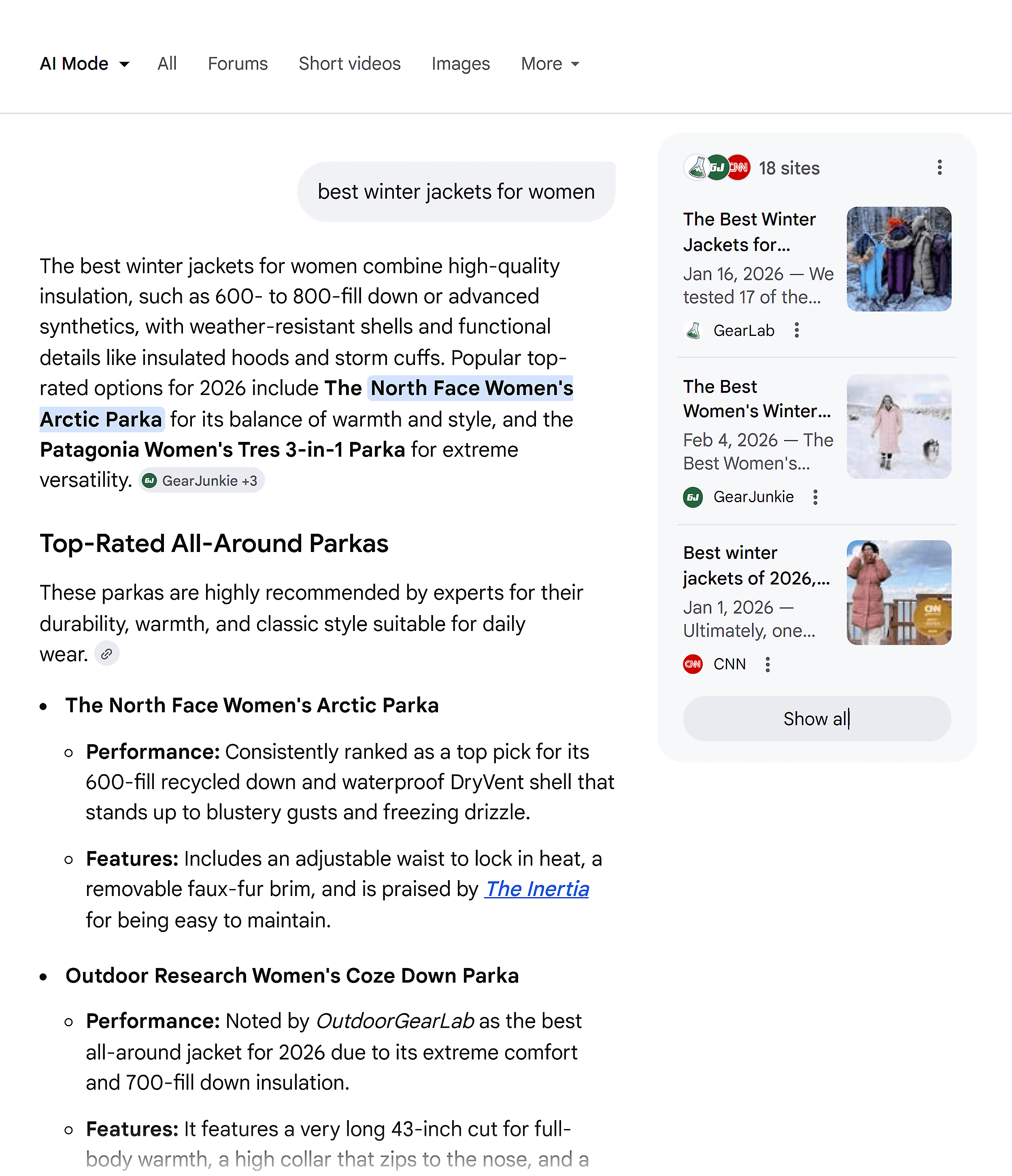
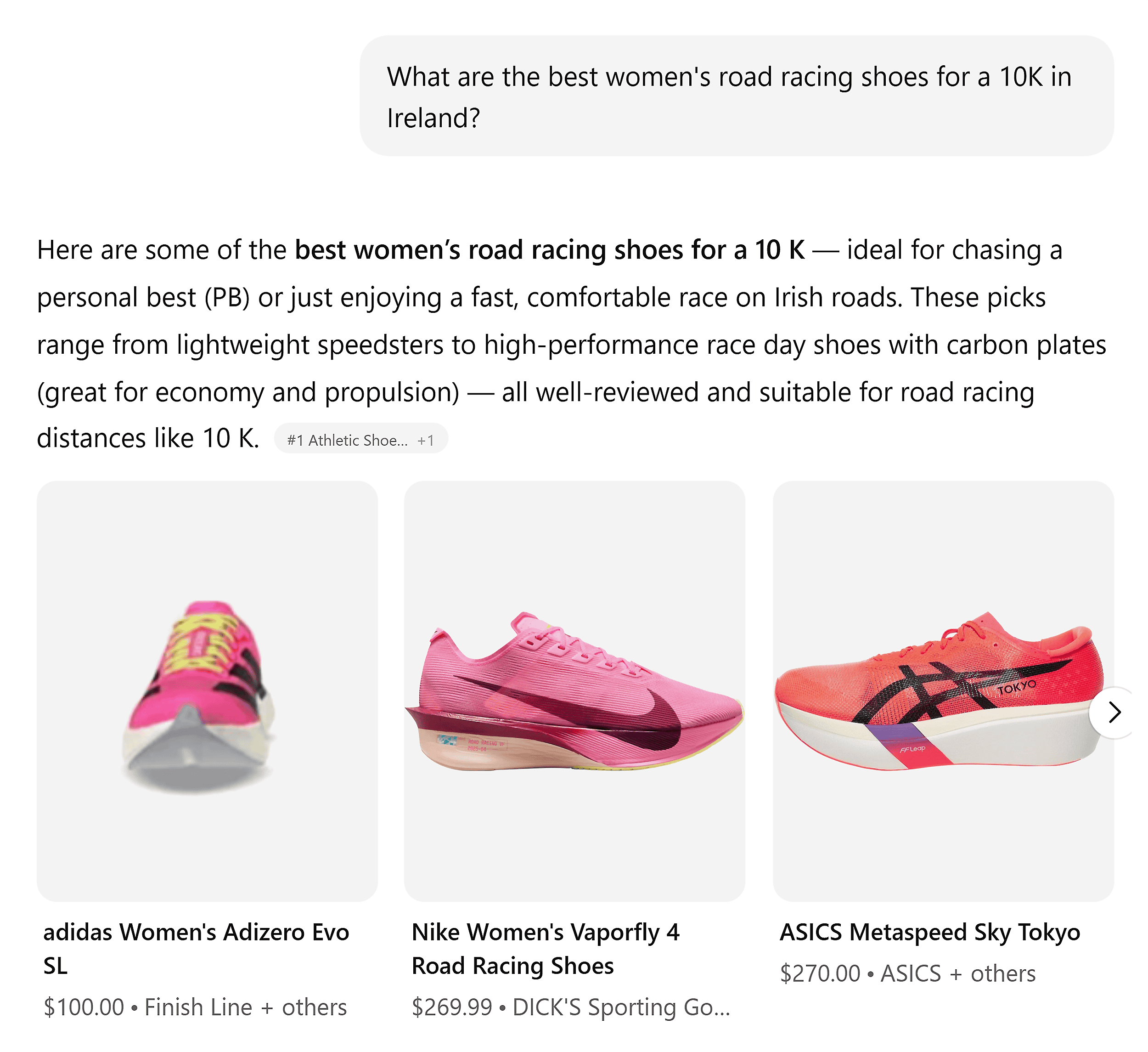
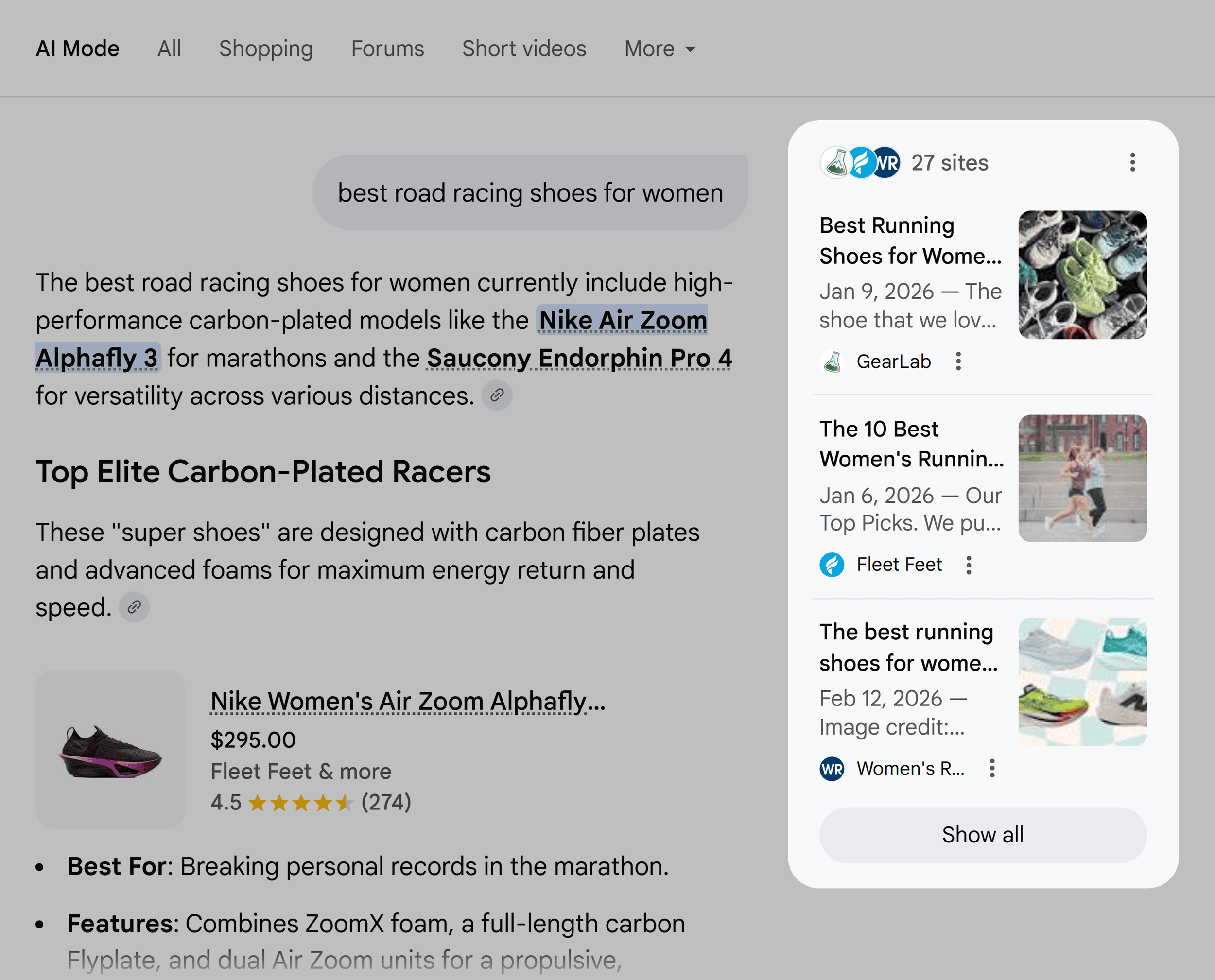
For ecommerce brands, this shift presents a critical challenge: the "black box" of AI recommendations. Unlike traditional search engine optimization (SEO), which relies on keywords and backlink profiles, AI-driven search—often referred to as Answer Engine Optimization (AEO) or Generative Engine Optimization (GEO)—prioritizes semantic relevance, contextual accuracy, and third-party consensus. When a user asks an AI for the "best winter jackets for women," the system does not return a list of links; it provides a synthesized response featuring specific product recommendations, pricing, material details, and a summary of user sentiment. To remain visible in this new ecosystem, brands must transition from optimizing for algorithms to optimizing for Large Language Models (LLMs).
The Evolution of the Search Paradigm
To understand the necessity of AI optimization, one must view the chronology of digital retail. In the early 2000s, search was purely transactional and keyword-based. By the 2010s, Google’s Knowledge Graph introduced entities and relationships, allowing for more "intelligent" results. Today, we have entered the era of semantic retrieval. LLMs do not simply match words; they infer intent. They analyze the relationship between a product’s specifications and a user’s specific life scenario.
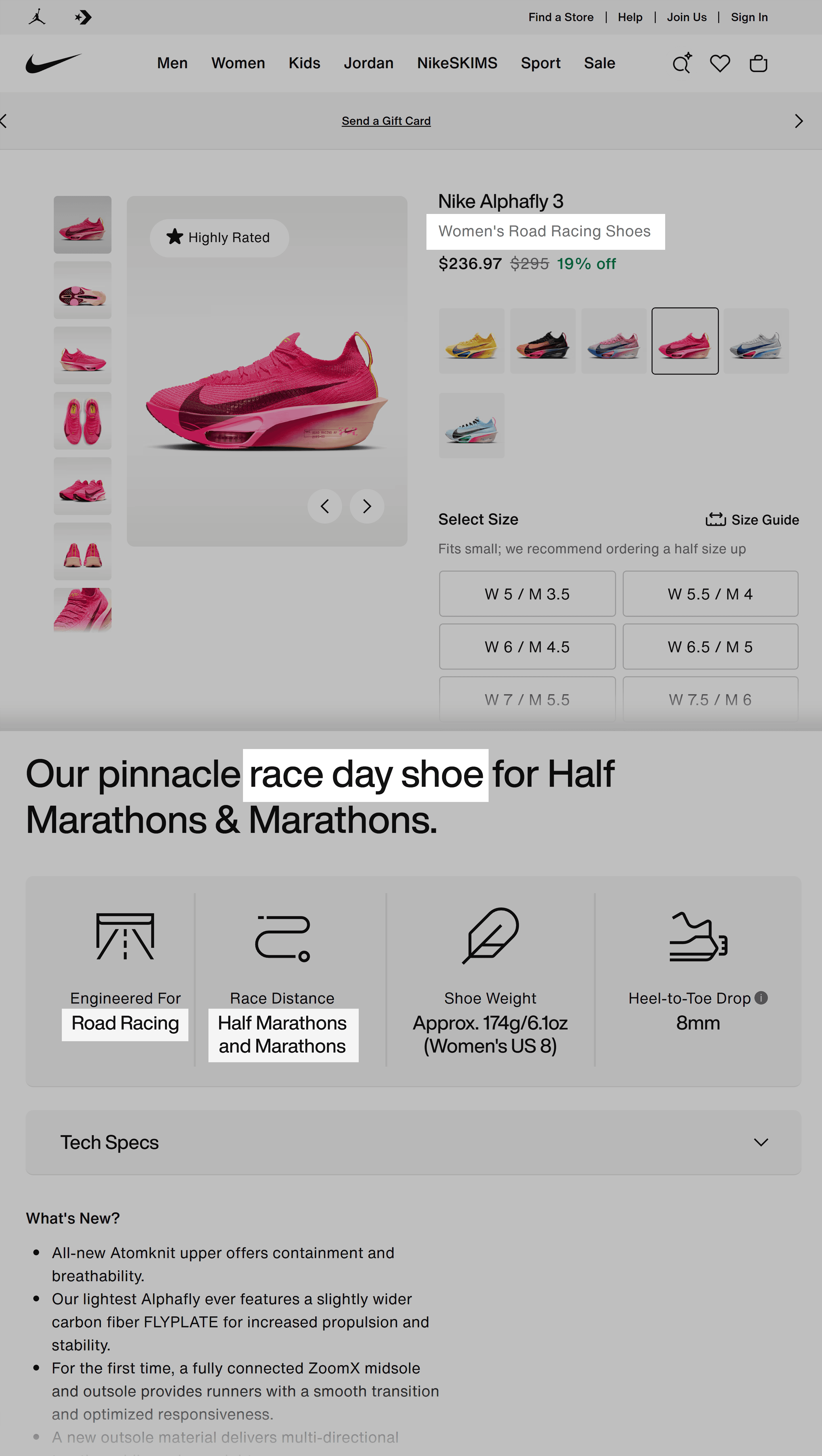
This evolution means that a product page is no longer just a digital brochure; it is a data source for AI training and retrieval. If an AI cannot confidently parse the information on a page, it will ignore the product entirely. Industry analysts suggest that the products surfaced by AI are those that offer the highest "confidence scores" across two primary vectors: semantic relevance (how well the product fits the query) and consensus signals (how much the internet trusts the product).
Six Essential Pillars of AI-Friendly Product Pages
To secure a position in AI-generated recommendations, ecommerce enterprises must refine their product pages to meet the specific requirements of LLM processing. This involves a combination of linguistic clarity, technical infrastructure, and social proof.
1. Semantic Language and Contextual Descriptions
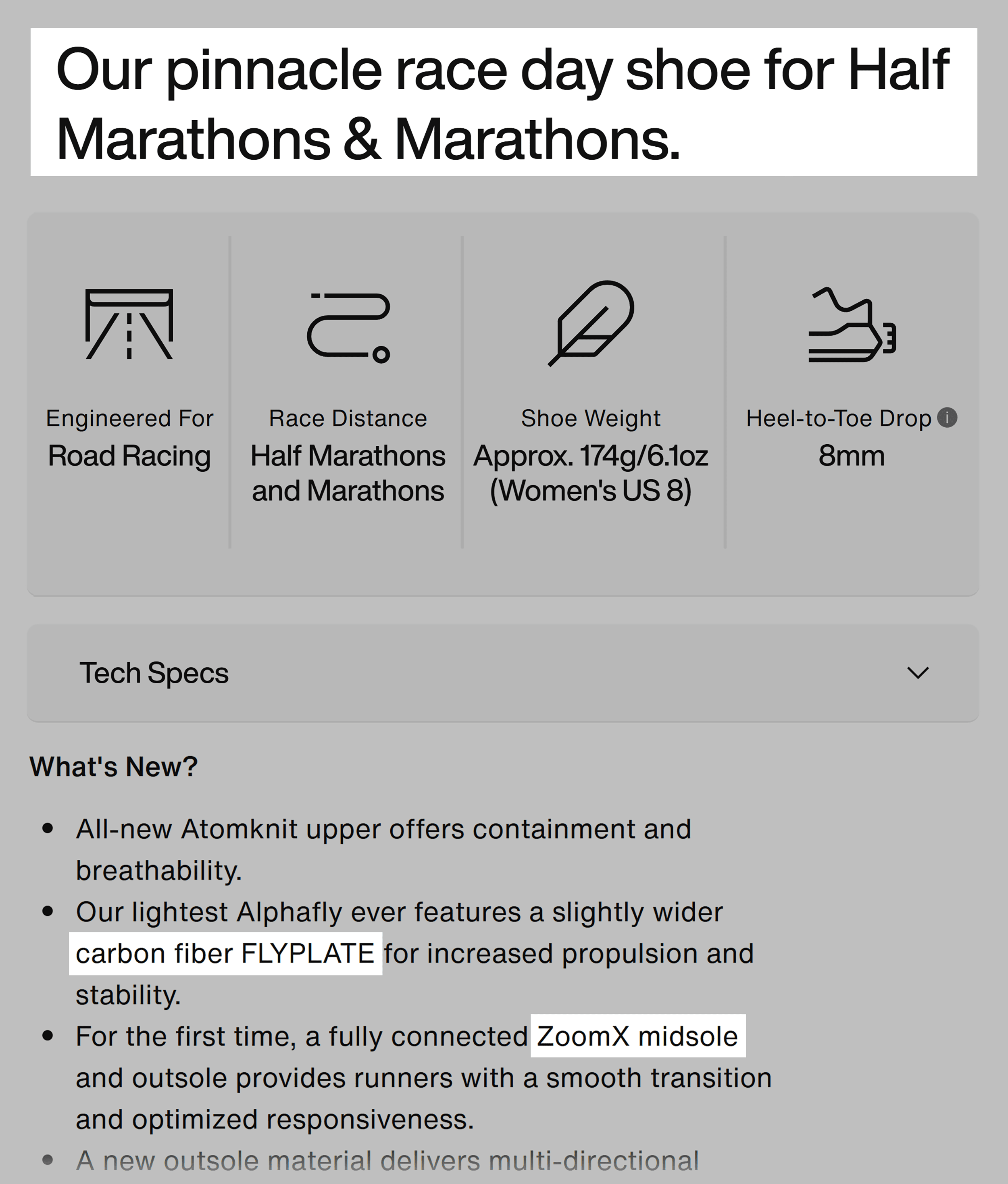
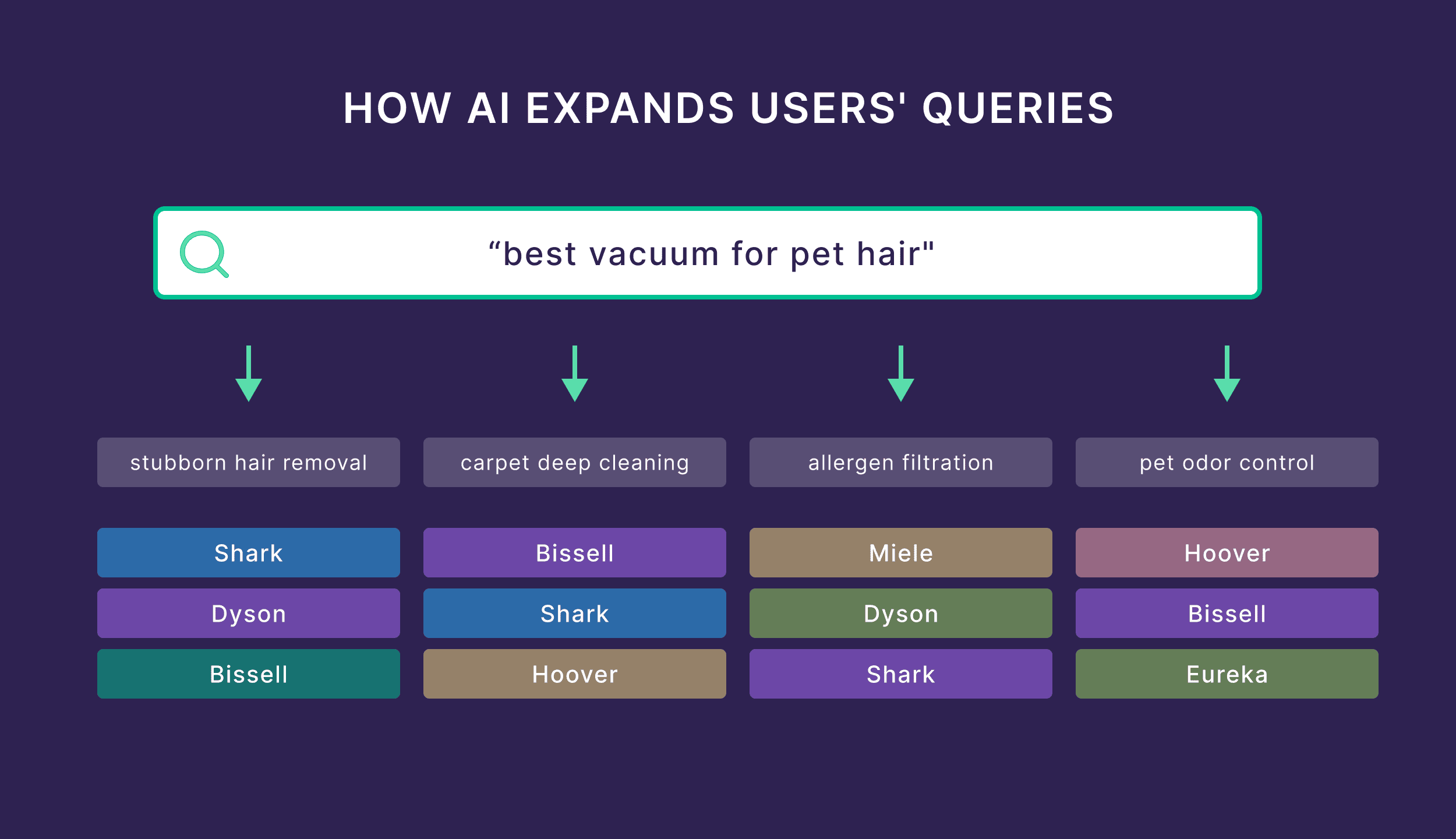
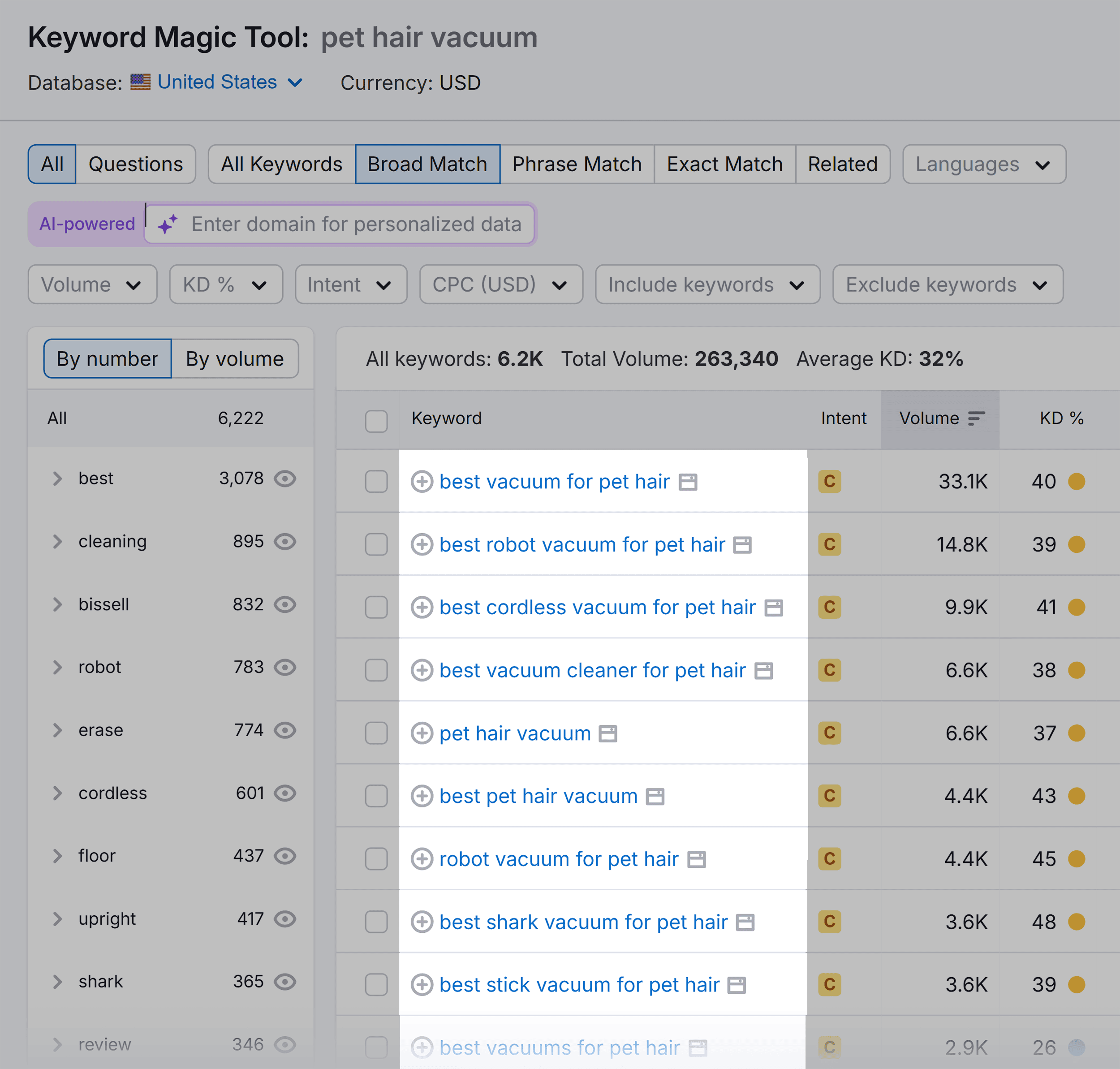
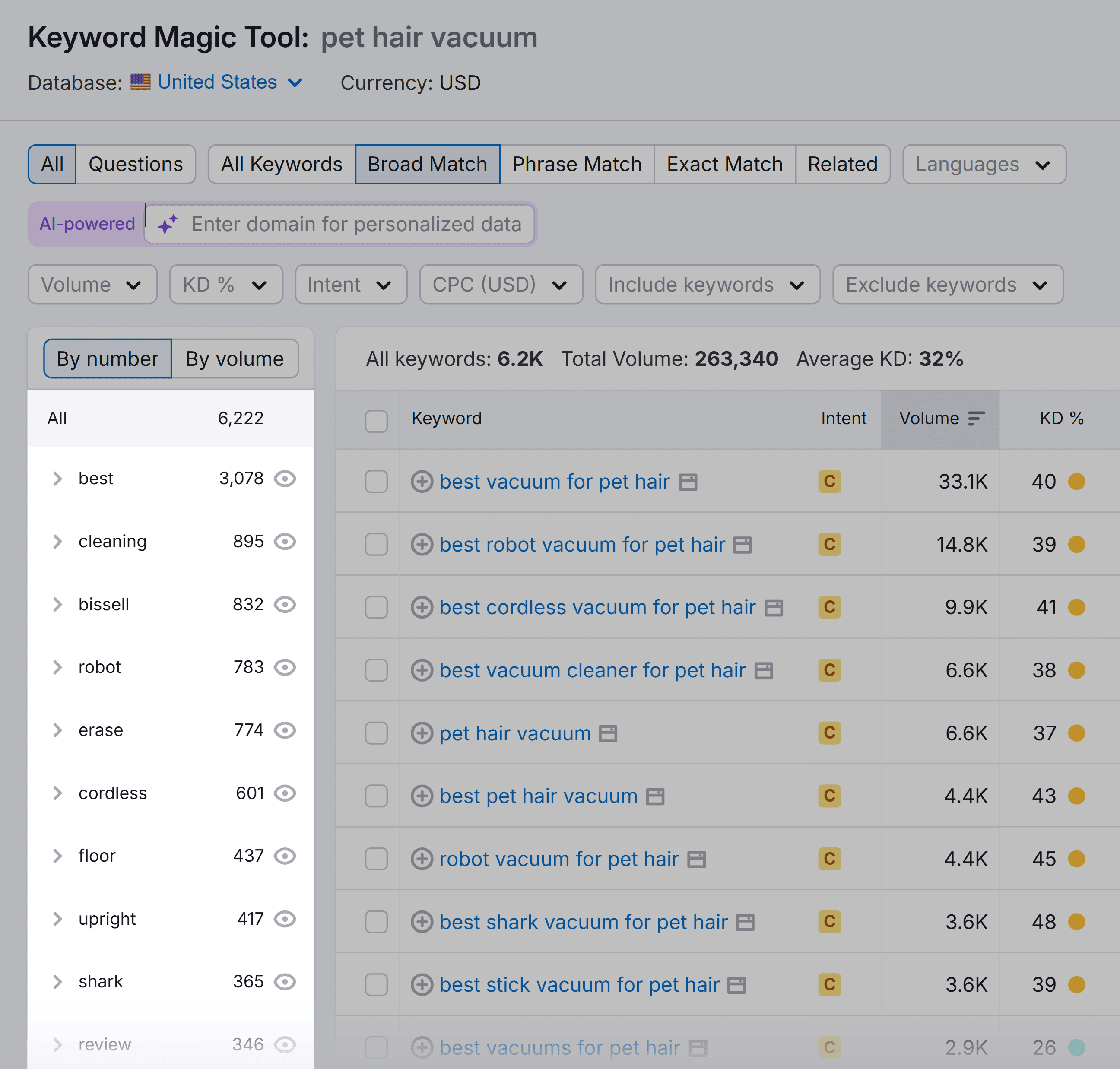
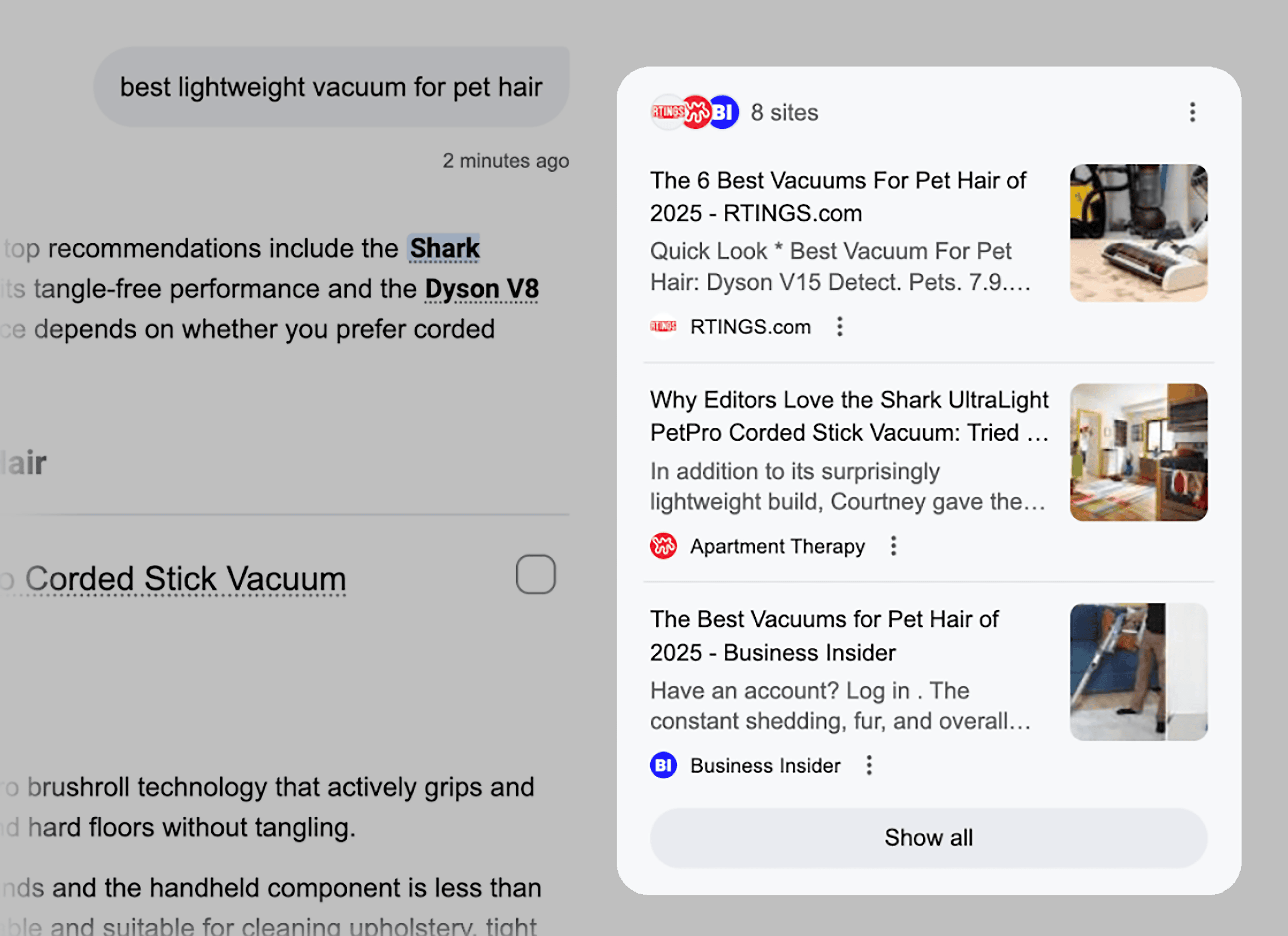
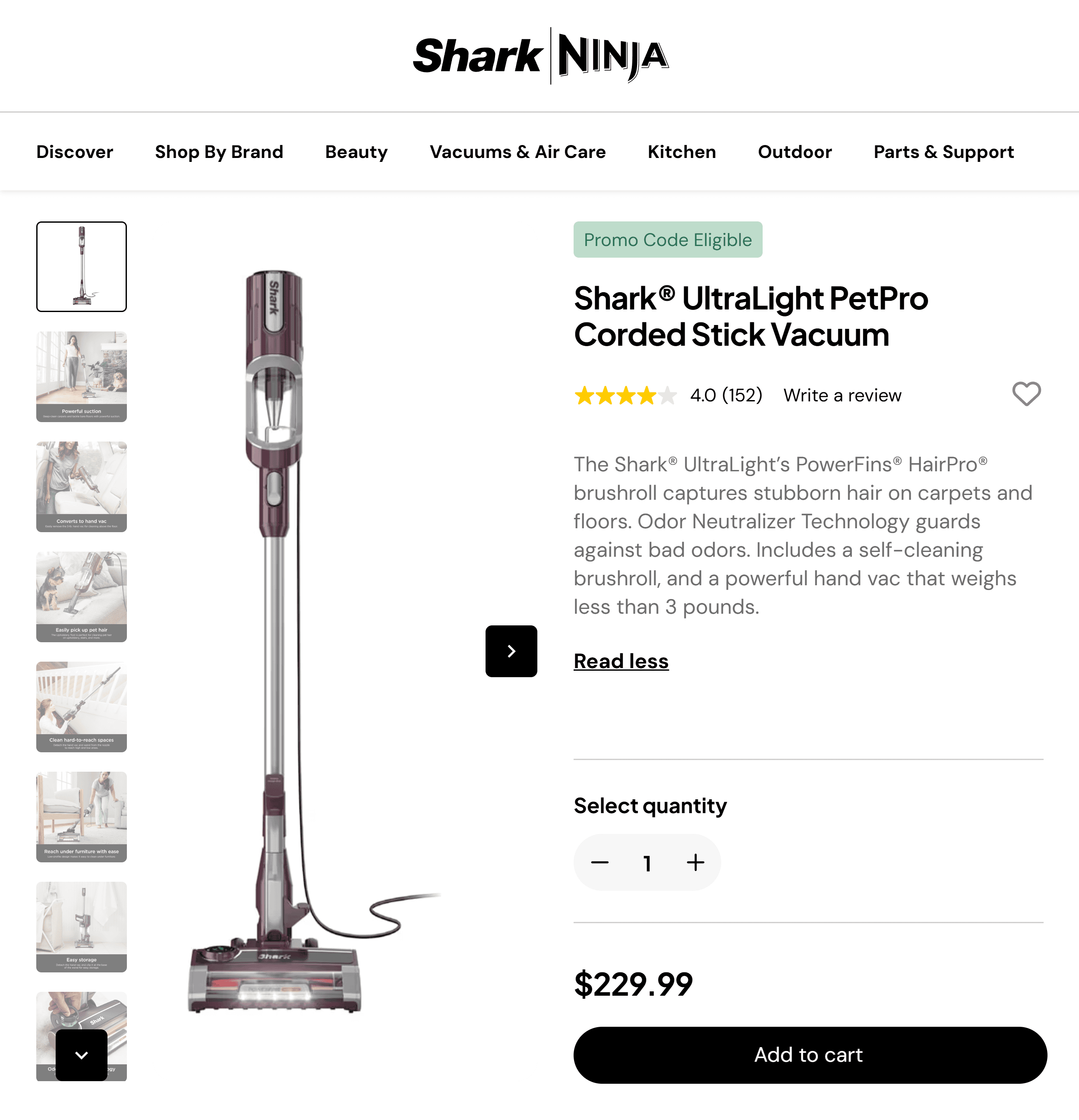
Traditional SEO often led to "keyword stuffing," where phrases were repeated to satisfy search crawlers. AI models, however, utilize semantic retrieval to understand the meaning behind a query. For instance, if a consumer searches for a "vacuum for pet hair," an LLM looks beyond that specific phrase. It seeks related concepts such as "suction power for dander," "anti-tangle brush rolls," "HEPA filtration for allergens," and "performance on high-pile carpets."
Brands must incorporate this natural, problem-solving language into their descriptions. By analyzing community discussions on platforms like Reddit or specialized forums, brands can identify the specific vocabulary consumers use to describe their pain points. Integrating these semantic terms allows an AI to infer that a product is the ideal solution for a highly specific user request.
2. Real-Time Data Integration via Feeds and APIs
Recency is a major factor in AI confidence. LLMs frequently cross-reference web data with merchant feeds to ensure they are not recommending out-of-stock items or incorrect prices. Stale data is a significant deterrent for AI recommenders. To combat this, leading brands are utilizing Shopify’s Catalog API, OpenAI’s Product Feed Spec, and Google’s Merchant Center. These tools provide a direct line of "truth" to the AI, ensuring that when a shopper asks for a "sofa under $1,000 available for delivery in Boston," the AI can verify the inventory and price in real-time.
3. The Synthesis of Ratings and Reviews
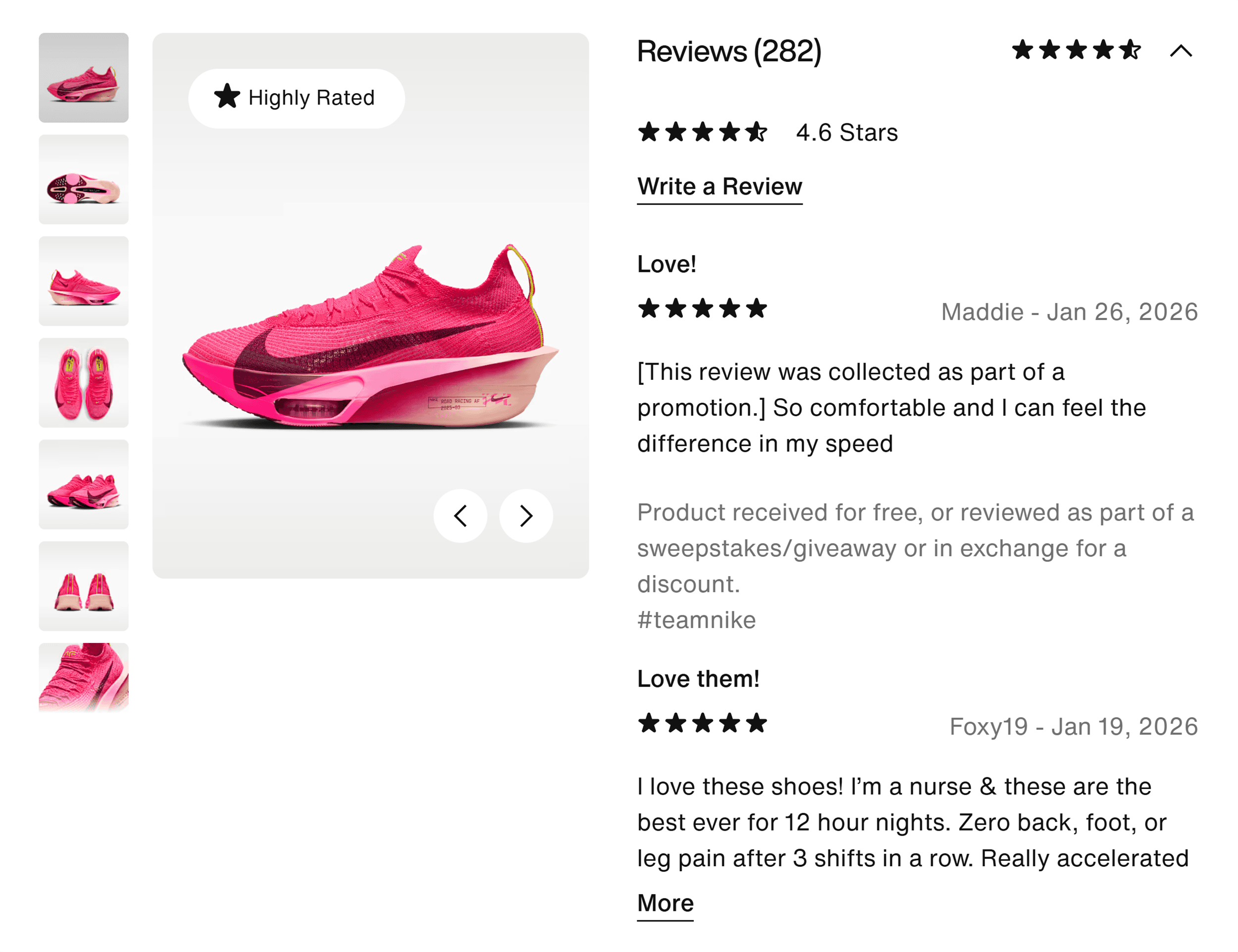
AI models do more than just display a star rating; they read and summarize the text of thousands of reviews to identify recurring themes. OpenAI has confirmed that its shopping research tools often surface "pros and cons" pulled directly from user feedback. If a product is frequently praised for being "lightweight" but criticized for "short battery life," the AI will include these nuances in its conversational response. Brands must encourage detailed, attribute-specific reviews and display them in a structured format that AI crawlers can easily ingest.
4. Contextual Use Cases and Scenario-Based Marketing
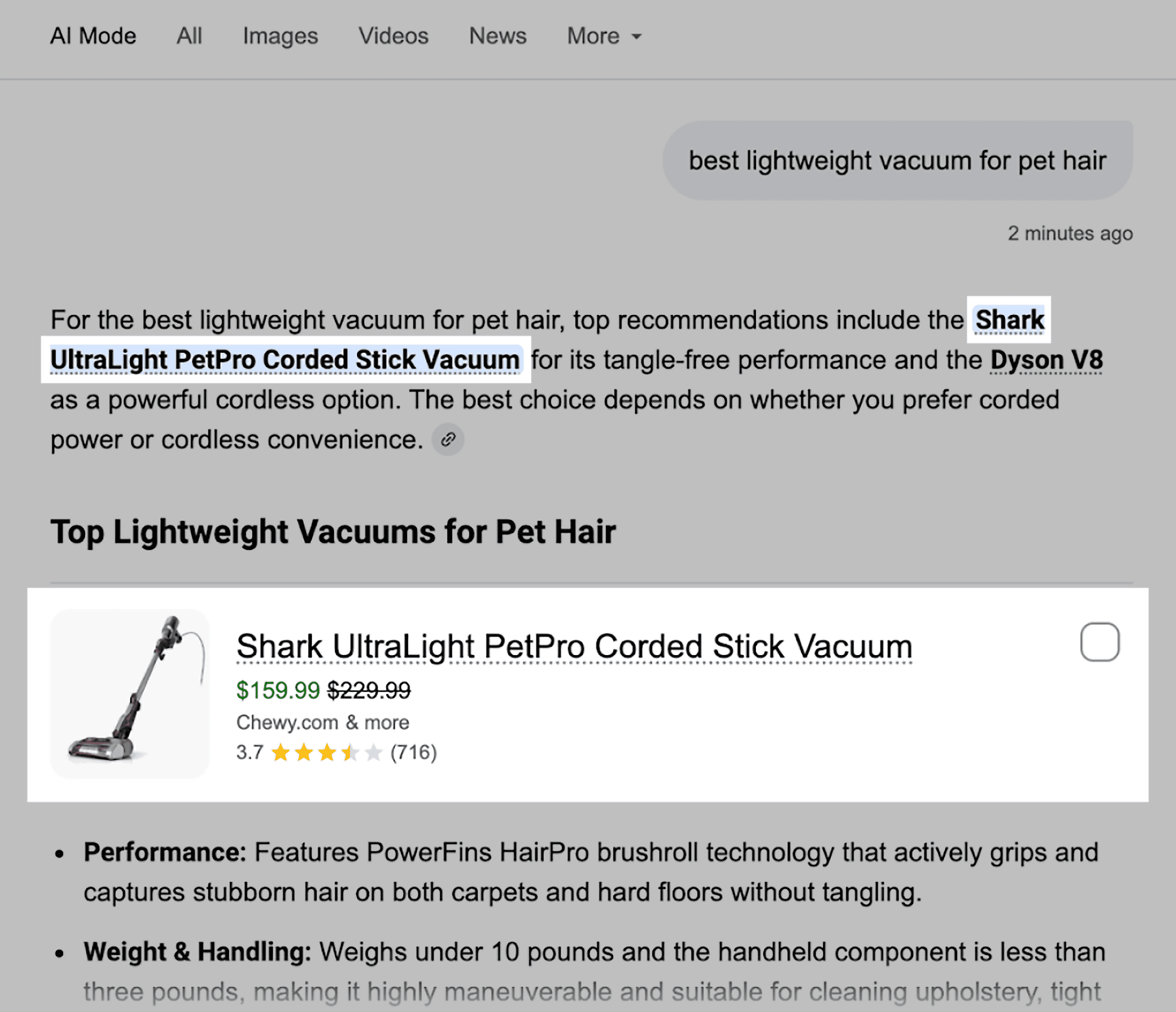
AI search thrives on specificity. A vague description such as "high-quality charger" is less likely to be recommended than one that specifies "ultra-compact 3-in-1 charger optimized for international travel and carry-on restrictions." Brands should shift their marketing focus from "what the product is" to "when and why someone needs it." By identifying the "triggers" for a purchase—such as a specific hobby, a weather event, or a life milestone—and explicitly mentioning them on the product page, brands help the AI match the product to the user’s situational intent.

5. Third-Party Validation, Awards, and Certifications
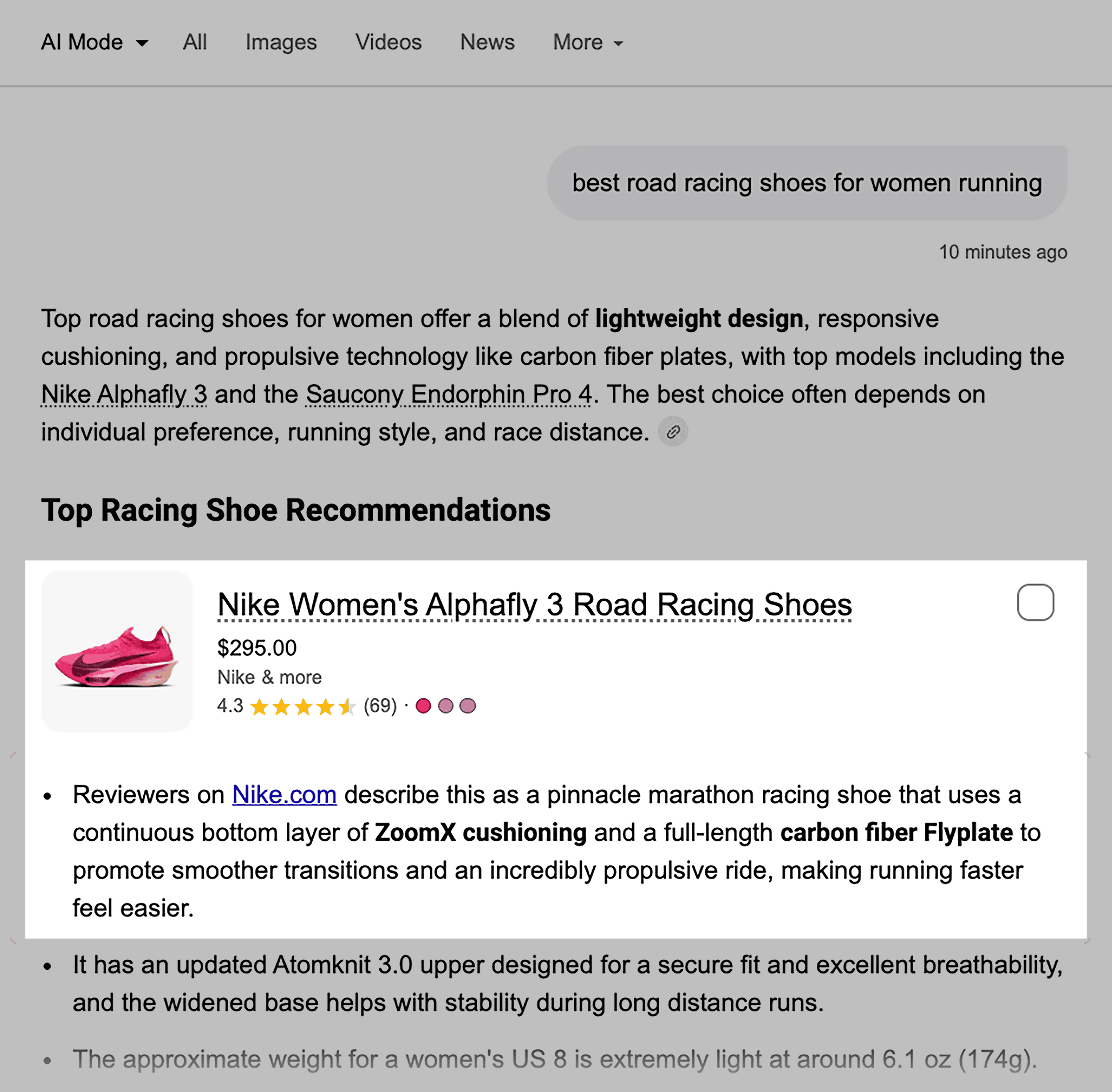
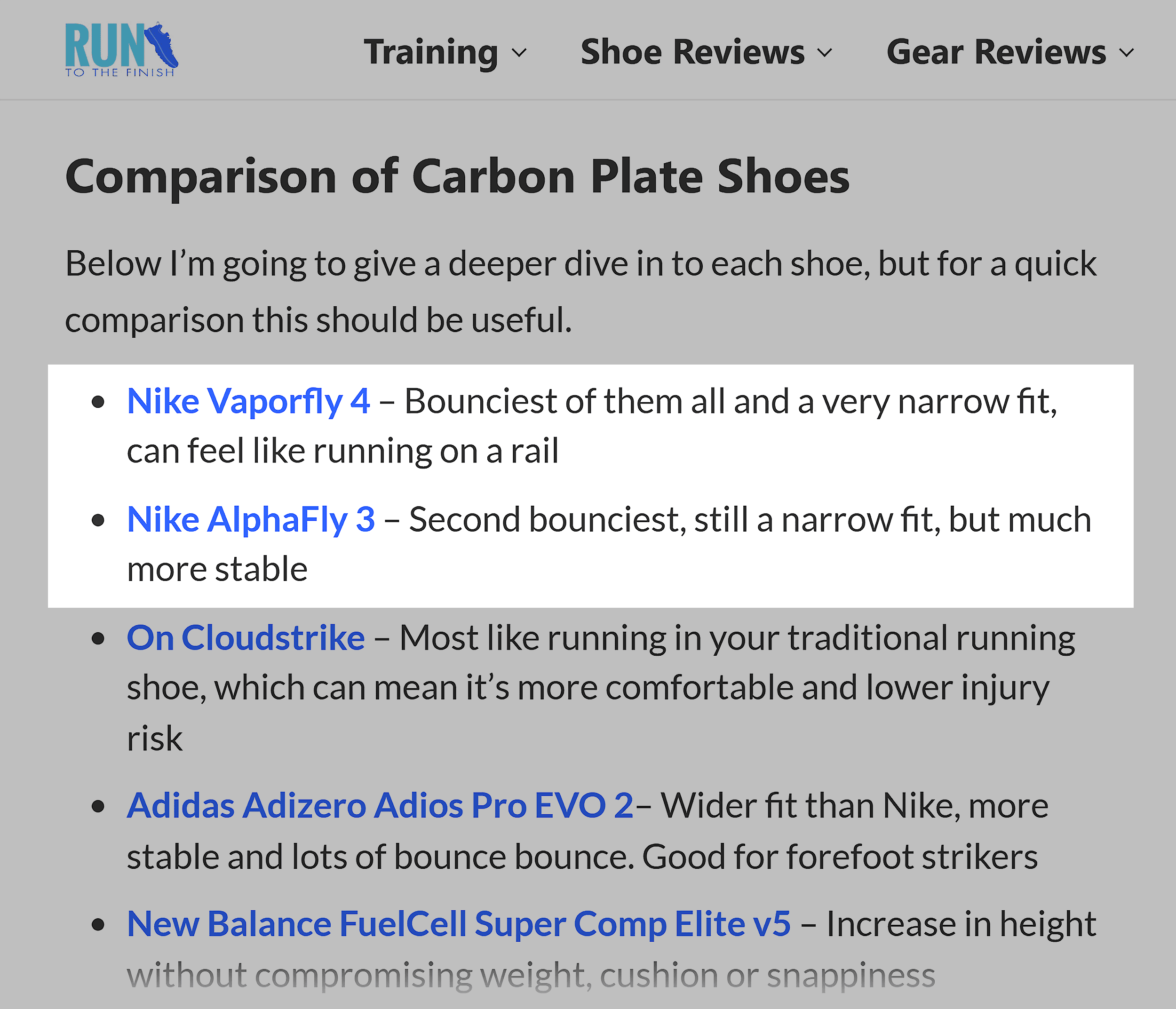
Trust is the currency of AI recommendations. LLMs are programmed to avoid "hallucinations" and unreliable claims. Consequently, they prioritize products that have been verified by reputable third parties. An analysis of 50 leading ecommerce brands revealed that 82% of those with high AI visibility prominently featured awards or certifications on their pages. Whether it is a "Best of 2024" award from a major publication, a safety certification (like UL or CE), or a sustainability badge (like Fair Trade), these signals provide the "consensus" the AI needs to recommend a product with confidence.
6. Technical Precision: Schema Markup and Structured Attributes
While AI models are becoming better at reading natural language, they still rely heavily on structured data. Schema.org markup (specifically the "Product" and "Offer" types) allows a brand to tell the AI exactly what the price, currency, availability, and specifications are in a machine-readable format. This technical layer acts as a map for the AI, ensuring it does not have to "guess" the details of a product, thereby increasing the confidence score of the recommendation.
Industry-Specific Optimization Strategies
The criteria for AI visibility are not uniform across all sectors. Different industries require emphasis on different data points to satisfy the AI’s logic.
- Fashion and Apparel: AI prioritizes fit, material composition, and "style match." Product pages must include detailed sizing guides, fabric weights (e.g., "12oz heavyweight cotton"), and care instructions.
- Health and Wellness: Safety and ingredients are paramount. AI looks for "Non-GMO," "Third-party lab tested," and explicit dosage instructions. Trust signals in this category are non-negotiable.
- Electronics and Technology: This sector is spec-heavy. AI compares products based on technical attributes like "mAh battery capacity," "nit brightness," and "processor speed." These must be presented in clear, tabular formats.
- Home and Furniture: Dimensions and configuration options are the primary focus. An AI needs to know the exact width, depth, and height to answer a user’s question about whether a piece will fit in a specific room.
- Outdoor and Sports: Durability and performance in specific environments (e.g., "waterproof up to 10,000mm," "rated for -20°C") are the key metrics for AI discovery.
The Broader Implications for the Future of Retail
The rise of AI search represents a move toward a more "frictionless" economy. As Google rolls out its Universal Commerce Protocol and OpenAI enhances its "Shopping Research" mode, the boundary between searching for a product and purchasing it is blurring. We are moving toward a future where a consumer might say to their device, "Find me a sustainable, waterproof hiking boot for my trip to Iceland next week and buy the one with the best reviews," and the AI assistant will execute the entire transaction.
For brands, the implication is clear: those who fail to optimize their data for AI consumption will become invisible. This transition requires a holistic approach that blends technical SEO, traditional PR (to earn those crucial third-party awards), and customer-centric copywriting.
Conclusion: The Path to AI Visibility
Optimizing for AI is not a one-time task but an ongoing strategy of data refinement. Brands must begin by auditing their existing product pages against the "confidence requirements" of current LLMs. By providing clear, structured, and verifiable information, companies can ensure their products are not just listed on the web, but are actively recommended by the AI assistants that are increasingly making decisions for the modern consumer. The era of the "link" is ending; the era of the "answer" has begun. Brands that provide the best, most trustworthy answers will be the ones that thrive in this new agentic era of commerce.