
Tag: search

  • The Site-Search Paradox: Why Google Still Wins Over Internal Site Search

    The Site-Search Paradox: Why Google Still Wins Over Internal Site Search

    Modern user experience (UX) is increasingly defined not by the sheer volume of content a website offers, but by the ease with which users can locate specific information within it. Despite an abundance of data analytics and advanced technological tools, internal site search mechanisms frequently underperform, compelling users to resort to global search engines like Google to pinpoint a single page on a local domain. This phenomenon, dubbed the "Site-Search Paradox," raises critical questions for information architects and UX designers: Why does the external "Big Box" consistently outperform proprietary site search, and how can organizations reclaim their users’ journey?

    In the nascent days of the World Wide Web, the integration of a search bar was often considered a luxury, implemented only when a site’s content volume became too extensive for conventional navigation through clickable links. Early search functionalities mirrored a traditional book index, offering a literal, alphabetical list of keywords that directly corresponded to specific pages. Success in these systems hinged on a user’s ability to input the precise terminology employed by the content creator. Any deviation, even a slight synonym or typo, invariably led to a stark "0 Results Found" screen, effectively terminating the user’s quest.

    Fast forward two and a half decades, and a striking anachronism persists: many internal site search functionalities continue to operate on these outdated 1990s principles, despite a fundamental evolution in user behavior and expectations. Today’s digital natives, accustomed to the sophistication of global search engines, exhibit minimal patience for cumbersome navigation. When a user lands on a website and cannot immediately locate their desired information via global navigation, their instinct is to turn to the search box. However, if this internal search demands adherence to a specific, often obscure, brand vocabulary, or punishes minor typographical errors, users frequently abandon the site. This critical failure point often culminates in users navigating to Google and employing advanced search operators like "site:yourwebsite.com [query]" to find what they need, or, more alarmingly, simply entering their query into Google and potentially landing on a competitor’s site. This common user behavior underscores the profound inadequacy of many internal search experiences.

    This is the core of the Site-Search Paradox: in an era boasting unprecedented data insights and technological capabilities, the internal search experiences on many websites are so demonstrably inferior that users routinely prefer a multi-trillion-dollar global search engine to locate content within a comparatively small, local digital environment. Information Architects and UX designers are thus confronted with the urgent challenge of understanding Google’s enduring dominance and formulating strategies to retain users within their own digital ecosystems.

    The "Syntax Tax" and the Evolution of Information Architecture

    The Site-Search Paradox: Why The Big Box Always Wins — Smashing Magazine

    A primary contributor to the pervasive failure of internal site search is what industry experts refer to as the "Syntax Tax." This term describes the significant cognitive burden imposed on users when they are forced to divine the exact string of characters or proprietary terminology used in a website’s underlying database. Research from Origin Growth on "Search vs Navigate" indicates that approximately 50% of users immediately head for the search bar upon arriving at a website. Consider the common scenario: a user types "sofa" into a furniture retailer’s site, only to be met with "0 Results Found" because the site’s internal taxonomy exclusively categorizes items under "couches." The user’s immediate inference is not a need to explore synonyms, but rather a conclusion that the site simply does not offer what they seek, leading to swift abandonment.

    This systemic issue represents a profound failure of Information Architecture (IA). Rather than designing systems to understand "things"—the underlying concepts and user intent behind words—many internal search engines are built to match "strings," literal sequences of characters. This rigid adherence to internal vocabulary places an undue burden on users, effectively taxing their mental effort for merely attempting to interact with the site. The distinction between keyword search and semantic search is paramount here; while keyword search relies on exact matches, semantic search aims to understand the meaning and context of a query, delivering more relevant results even with varied phrasing. This gap in understanding is where many internal search tools fall short.

    Google’s Unrivaled Advantage: Contextual Intelligence

    It is tempting for organizations to concede defeat, citing Google’s immense engineering prowess as an insurmountable barrier. However, Google’s enduring success is not solely a function of raw computational power; it is fundamentally rooted in its superior contextual understanding, an advanced form of Information Architecture at scale. While many internal teams perceive search primarily as a technical utility, Google approaches it as a complex IA challenge.

    Data from the Baymard Institute reveals that a staggering 41% of e-commerce websites fail to support even basic symbols or abbreviations, frequently leading to user abandonment after a single unsuccessful search attempt. Google triumphs because it employs sophisticated IA techniques such as stemming and lemmatization. Stemming reduces words to their root form (e.g., "running," "ran," "runs" all reduced to "run"), while lemmatization ensures that different forms of a word (e.g., "better," "good") are recognized as variations of the same underlying concept. Most internal search engines remain "blind" to these contextual nuances, treating "Running Shoe" and "Running Shoes" as entirely distinct entities. This failure to process linguistic variations effectively penalizes users for inherent human tendencies like pluralization, common misspellings, or variations in dialect (e.g., "Color" vs. "Colour"). This "tax on being human" is a critical differentiator.

    The UX of "Maybe": Designing for Probabilistic Results

    The Site-Search Paradox: Why The Big Box Always Wins — Smashing Magazine

    Traditional Information Architecture often operates in binary terms: a page either belongs to a category or it doesn’t; a search result is either a match or it isn’t. However, modern users, conditioned by Google, expect probabilistic search—a system that deals in "confidence levels" and intelligently anticipates user needs. Forrester’s research highlights a compelling statistic: users who successfully utilize site search are 2-3 times more likely to convert than those who do not. Conversely, an alarming 80% of users on e-commerce sites abandon their journey due to unsatisfactory search results.

    As designers, the conventional approach often involves creating distinct "Results Found" and "No Results" pages. This binary thinking overlooks the most crucial intermediate state: the "Did You Mean?" or "Fuzzy Match" state. A thoughtfully designed search interface should offer probabilistic or "fuzzy" matches. Instead of a terse "0 Results Found," an advanced internal search system should leverage its metadata to offer intelligent suggestions, such as, "We didn’t find that in ‘Electronics,’ but we found 3 matches in ‘Accessories.’" By embracing the "Maybe" state, organizations can significantly reduce friction and keep users engaged within the conversion funnel.

    The Economic and Experiential Costs of Invisible Content

    The direct link between Information Architecture and content findability is often underestimated, leading to substantial hidden costs for businesses. A case study from a large enterprise I collaborated with, housing over 5,000 technical documents, vividly illustrates this point. Their internal search consistently delivered irrelevant results because the "Title" tag for every document was an internal Stock Keeping Unit (SKU) number (e.g., "DOC-9928-X") rather than a human-readable title. Analysis of search logs revealed that a high volume of users were searching for "installation guide." Because this phrase was absent from the SKU-based titles, the search engine systematically overlooked the most pertinent files.

    The solution was not algorithmic complexity but an IA-driven intervention: implementing a Controlled Vocabulary. This involved creating a standardized set of terms that mapped the obscure SKUs to intuitive, user-centric language. Within three months of this change, the "Exit Rate" from the search page plummeted by 40%. This demonstrated that the efficacy of a search engine is directly proportional to the quality and human-centric design of the underlying information map it is provided.

    Bridging the Internal Language Gap: Empathy in Taxonomy

    The Site-Search Paradox: Why The Big Box Always Wins — Smashing Magazine

    Throughout decades of UX practice, a recurring challenge emerges: the "curse of knowledge" within internal teams. Organizations often become so entrenched in their proprietary corporate lexicon or business jargon that they inadvertently alienate users who do not speak this specialized language. Consider a financial institution struggling with unusually high call volumes to its support center. Customer complaints centered on the inability to locate "loan payoff" information on the website. Search log analysis confirmed "loan payoff" as the top zero-result search term.

    The root cause lay in the institution’s Information Architecture: all relevant pages were formally labeled under "Loan Release." From the bank’s internal perspective, a "payoff" was a procedural action, while a "Loan Release" constituted the legal document—the "thing" in their database. The literal string-matching search engine, unable to bridge this linguistic chasm, failed to connect the user’s urgent need with the company’s official solution. In this scenario, the IA professional acts as a crucial translator. By simply adding "loan payoff" as a hidden metadata keyword to the "Loan Release" pages, a multi-million dollar support problem was resolved. This was not a triumph of server speed, but of empathetic taxonomy.

    A Strategic Framework: The 4-Step Site-Search Audit

    To effectively compete with global search giants, organizations must abandon a "set it and forget it" mentality towards internal search. Instead, search must be managed as a living, evolving product. Here is a proven framework for auditing and optimizing search experiences:

    1. Phase 1: The "Zero-Result" Audit: Begin by extracting search logs from the past 90 days, specifically filtering for all queries that yielded no results. Categorize these queries into actionable buckets:

      • User Error: Misspellings, typos, or highly ambiguous queries.
      • Content Gap: Users searching for information or products the site genuinely does not offer.
      • IA Mismatch: Users using synonyms or different terminology for existing content (e.g., "sofa" vs. "couch"). This category demands immediate attention from IA teams.
    2. Phase 2: Query Intent Mapping: Analyze the top 50 most common search queries to discern user intent. Queries typically fall into three primary categories:

      The Site-Search Paradox: Why The Big Box Always Wins — Smashing Magazine
      • Navigational: Users seeking a specific page or destination (e.g., "contact us," "my account").
      • Informational: Users looking for "how-to" guides, articles, or general knowledge (e.g., "how to reset password," "product features").
      • Transactional: Users aiming to find a specific product or service for purchase (e.g., "red running shoes size 10").
        Your search user interface (UI) should dynamically adapt to these intents. A navigational query, for instance, should ideally offer a "Quick-Link" directly to the destination, bypassing a full results page.
    3. Phase 3: The "Fuzzy" Matching Test: Intentionally test your search engine’s resilience by introducing common human errors. Query your top 10 products or services using plurals, frequent typos, and regional spelling variations (e.g., "Color" vs. "Colour"). If your search system fails these tests, it indicates a lack of essential "stemming" and "lemmatization" support. Advocating for these technical requirements with your engineering team is crucial for improving semantic understanding.

    4. Phase 4: Scoping and Filtering UX: Scrutinize your search results page. Do the available filters and facets genuinely enhance the user’s ability to refine their search? If a user searches for "shoes," they should logically be presented with filters for "Size," "Color," "Brand," and "Style." Generic or irrelevant filters are as detrimental as having no filters at all, adding unnecessary cognitive load and hindering discovery.

    Reclaiming the Search Box: A Strategy for IA Professionals

    To halt the exodus of users to external search engines, organizations must transcend the mere "box" and focus on building robust "scaffolding" around their content.

    • Implement Semantic Scaffolding: Move beyond simply returning a list of links. Leverage your Information Architecture to provide rich context. If a user searches for a product, display the product itself, but also proactively offer links to its user manual, relevant FAQs, customer reviews, and related accessories. This "associative" search mirrors the way the human brain processes information and aligns with Google’s advanced contextual results.

    • Transition from Librarian to Concierge: A librarian’s role is to direct you to the exact location of a book. A concierge, however, actively listens to your overarching goal and offers personalized recommendations. Your search bar should evolve to use predictive text not merely for word completion, but to "suggest intentions" and guide users towards their objectives with proactive, helpful prompts.

      The Site-Search Paradox: Why The Big Box Always Wins — Smashing Magazine

    The Pitfalls of a Google-Powered Search Bar

    While a "Google-powered" search bar, such as those sometimes observed on large institutional websites like the University of Chicago, might appear to be a convenient "fix," it often signifies an underlying admission that a site’s internal organization has become too convoluted for its own navigation and search to manage. For massive institutions with incredibly diverse content, it can serve as a stop-gap measure to ensure some level of findability.

    However, for most businesses with deep, curated content, delegating search to Google is generally a suboptimal choice. It represents a surrender of the user experience to an external algorithm, leading to several critical disadvantages: loss of control over content promotion, potential exposure of users to third-party advertisements, and, crucially, training customers to exit your digital ecosystem the moment they require assistance. For a business, internal search should be a carefully curated conversation designed to guide a customer towards a specific goal, not a generic list of external links that pushes them back into the vast, open web. Organizations like Crate & Barrel demonstrate effective internal search by offering "Did you mean" features and contextual suggestions, keeping users within their brand experience.

    Conclusion: The Search Bar as a Conversation

    The search box stands as a uniquely valuable touchpoint on any website; it is the sole interface where users articulate, in their own words, precisely what they desire. When organizations fail to comprehend these expressed needs, allowing the "Big Box" of Google to shoulder the burden, they forfeit more than just a page view. They squander a crucial opportunity to demonstrate a profound understanding of their customers.

    Success in modern UX is not predicated on possessing the most content; it is about ensuring that content is supremely findable. It is imperative for UX and IA professionals to cease taxing users for their syntax and, instead, design for their underlying intent. By transitioning from rigid, literal string matching to sophisticated semantic understanding, and by bolstering internal search engines with robust, human-centered Information Architecture, organizations can finally bridge the persistent gap and reclaim ownership of their users’ digital journeys.

  • Generative Engine Optimization: Navigating the AI-Powered Future of Search Visibility

    Generative Engine Optimization: Navigating the AI-Powered Future of Search Visibility

    Despite what recent headlines might suggest, the concept of artificial intelligence (AI) is not entirely new. Its theoretical foundations and early technological prototypes trace back to the 1950s. However, the emergence of generative AI in the 2010s represents a truly transformative shift, ushering in an era of AI tools capable of creating original content and synthesizing complex information. This new landscape has profoundly impacted consumer search behavior, making advanced marketing strategies like Generative Engine Optimization (GEO) not just popular, but increasingly indispensable for businesses aiming to maintain digital visibility.

    This evolution in search necessitates a comprehensive understanding of how AI systems interact with web content. Rather than generating widespread "generative trauma," this shift presents a strategic opportunity for marketing teams to adapt and thrive. By unpacking the principles and best practices of generative AI SEO, businesses can effectively navigate the changes, address unknowns, and gain a competitive edge in an increasingly AI-driven digital world.

    The Evolving Landscape of Digital Search

    8 generative engine optimization best practices your strategy needs

    Traditionally, Search Engine Optimization (SEO) has focused on optimizing websites to rank higher in search engine results pages (SERPs), primarily by aligning with algorithms designed to identify relevance and authority. The goal was to appear prominently in a list of resources. The subsequent rise of Answer Engine Optimization (AEO) targeted direct-answer features such as Google’s featured snippets, knowledge panels, and voice assistant responses, aiming for quick, concise answers.

    Generative Engine Optimization (GEO) represents the latest frontier, specifically designed for AI-powered search tools like ChatGPT, Gemini, Perplexity, and AI Overviews embedded within traditional search engines. Unlike SEO, which provides a list of links, or AEO, which offers a direct, often pre-formatted answer, GEO aims to position content so that AI systems select it as a reliable source for synthesizing original responses. When a user poses a question to a generative AI tool, these systems scan vast amounts of web content to construct a coherent answer, often citing the foundational sources. GEO ensures that a website’s content is not only discoverable but also understood and deemed credible enough to be explicitly referenced by these AI models. In essence, while SEO gets a website onto the party guest list (the SERP), GEO secures a VIP seat and a direct shoutout from the DJ (a citation from the AI).

    The Imperative for Generative Engine Optimization

    It is crucial to understand that GEO is not a replacement for traditional SEO but rather an extension, vital for a digital ecosystem where AI plays an ever-larger role in information discovery. Marketers who embrace this evolution early stand to gain a significant advantage. While BrightLocal research indicates that Google still accounts for 61% of all general searches, AI platforms are rapidly gaining traction as primary research destinations. A GWI study reveals that 31% of Gen Z individuals already predominantly use AI platforms or chatbots for online information retrieval. Furthermore, Gartner predicts that by the end of the current year, 40% of all B2B queries will be handled by answer engines.

    8 generative engine optimization best practices your strategy needs

    The growing prevalence of voice assistants like Siri and Alexa further underscores this shift. Users increasingly seek synthesized, actionable answers, often delivered verbally, rather than a lengthy list of links. Generative engines are designed to fulfill this need by providing direct, authoritative responses with clear sources. Failure to invest in GEO now risks marginalizing a business from a rapidly expanding segment of information consumption. This challenge, however, is an opportunity for businesses to elevate their content quality and strategic approach. AI tools inherently prioritize high-quality, trustworthy information, meaning that robust GEO strategies demand a commitment to delivering superior value in content. Platforms like HubSpot’s Content Hub can assist in this by facilitating the creation of structured, well-organized content that aligns with GEO best practices.

    Pillars of Effective Generative Engine Optimization

    To ensure content is primed for citation by generative AI, several best practices can be implemented immediately:

    1. Lead with Clear, Direct Answers:
    Generative AI systems prioritize resources that convey information directly and concisely. Content should be structured such that the core answer to a target question appears early in each section, ideally within the first 300 words, before expanding with further context and details. This approach mirrors the "inverted pyramid" style of journalism, where the most critical information is presented at the outset. For example, HubSpot’s use of concise "summaries" at the beginning of articles exemplifies this strategy. Adopting this clarity-first, depth-second writing style ensures that AI can easily extract and accurately utilize key information. Tools like HubSpot’s Content Hub can help enforce this structure through templates.

    8 generative engine optimization best practices your strategy needs

    2. Be Specific About Entities:
    Vague references can confuse AI systems. When discussing complex topics involving multiple entities—people, places, companies, or concepts—it is essential to be explicitly clear. For instance, instead of "The company launched it in 2024," writing "HubSpot launched Content Hub AI in 2024" eliminates ambiguity and ensures AI accurately attributes details. Specificity in language minimizes misinterpretation by AI models, significantly increasing the likelihood of accurate citation.

    3. Optimize Technical Website Elements:
    Beyond on-page content, the technical health and organization of a website are critical for GEO. Strong technical SEO signals to AI systems that a site is reliable and well-maintained.

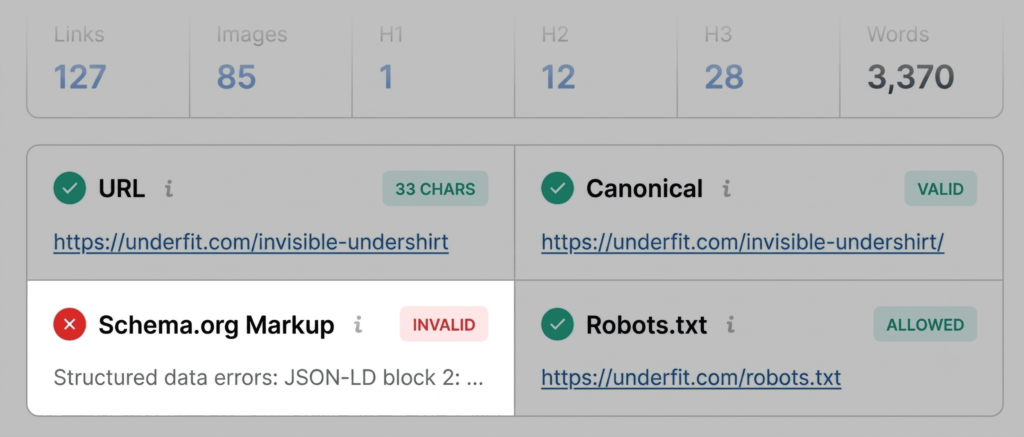
    • Implement Schema Markup: Schema markup is structured data that provides context to AI systems about the content’s nature. According to Schema.org statistics, pages with properly implemented schema are processed more accurately due to reduced ambiguity. Focusing on "Article," "Organization," "FAQ," and "Breadcrumb" schema types can provide the most immediate impact. Google’s Rich Results Test is an invaluable tool for validating schema implementation.
    • Ensure Site Speed and Functionality: Both AI systems and traditional search engines view site performance as a trust signal. Slow or broken websites are often deprioritized, as they suggest lower quality and a poor user experience. Tools like Google PageSpeed Insights and GTmetrix help identify and rectify performance issues, focusing on Core Web Vitals, mobile responsiveness, and overall site stability. HubSpot’s CMS can automate many of these technical requirements.
    • Optimize Metadata: While metadata traditionally influences search result pages, GEO-optimized metadata aids generative search in quickly understanding and accurately summarizing content. Well-crafted meta titles and descriptions act as foundational signals for AI systems, helping them to interpret content and retrieve information efficiently.

    4. Establish Unquestionable Credibility:
    AI systems actively assess the credibility of sources before citing them. The E-E-A-T framework (Experience, Expertise, Authoritativeness, and Trustworthiness), long a cornerstone of Google’s Quality Rater Guidelines, remains paramount in the AI age. Strong E-E-A-T signals dramatically increase citation likelihood. This involves:

    • Author Bios and Credentials: Clearly displaying author expertise and qualifications.
    • Citations and References: Linking to reputable, primary sources, and academic research.
    • Transparency: Providing clear "About Us" pages, contact information, and editorial policies.
    • Original Research and Data: Publishing unique insights, studies, and proprietary data.

    5. Showcase Deep Subject Matter Expertise:
    AI tools evaluate subject matter expertise by looking for comprehensive and thorough coverage across a website.

    8 generative engine optimization best practices your strategy needs
    • Comprehensive Content: Research by Clearscope indicates that detailed content (over 2,500 words with extensive topic coverage) receives 3.2 times more AI citations than shorter, superficial pieces. Similarly, Semrush found that comprehensive, well-sourced content earns 77.2% more backlinks. Going deep on a topic, providing diverse perspectives, and offering actionable insights signals true expertise to AI.
    • Pillar Pages and Topic Clusters: Structuring content around pillar pages that cover core topics extensively, supported by cluster content that delves into specific sub-aspects, demonstrates holistic understanding. Strategic internal linking between these pieces reinforces their thematic connection, signaling comprehensive coverage to AI and search engines.

    6. Include Images, Videos, and Other Visual Content:
    Visual content significantly enhances AI citation rates. A study from Princeton and Georgia Tech found that content with relevant images, charts, and videos garnered 40% more AI citations than text-only content. Visuals not only engage human audiences but also help AI systems understand context, signal thoroughness, and demonstrate a commitment to accessibility. This includes using high-quality images, informational graphics, explanatory videos, and ensuring all visual elements have descriptive alt text and captions.

    7. Write Like a Real Person to a Real Person:
    AI systems are trained on conversational questions and natural language. Content that is overly formal, excessively technical, or stuffed with keywords can be harder for AI to interpret accurately. Adopting a conversational, engaging style—as if explaining a concept to a knowledgeable colleague—is more effective for GEO. This style also improves human readability and overall content performance. If AI tools are used for content generation, rigorous human editing and "humanization" are crucial to inject unique perspectives, brand voice, and original value, preventing the content from being flagged as generic or unoriginal.

    8. Publish Regularly and Keep Content Fresh:
    Content freshness is a critical factor for GEO, as AI systems prefer recent and up-to-date information. Content Marketing Institute’s 2024 research showed that organizations publishing weekly or more often had AI citation rates 67% higher than those publishing monthly or less frequently. Implementing a robust content refresh strategy, including regular content audits, updating statistics, expanding on existing topics, and publishing new material, ensures continued relevance and increases the likelihood of AI citation. Content untouched for over 18 months is significantly less likely to be cited.

    Mitigating Common Generative Engine Optimization Pitfalls

    8 generative engine optimization best practices your strategy needs

    While the opportunities in GEO are vast, several common pitfalls can hinder success:

    • Vague or Inconsistent Referencing: Switching between different names for the same entity or using ambiguous pronouns confuses AI systems, preventing accurate identification and citation. The solution lies in consistent and specific naming conventions throughout the content.
    • Skipping or Incorrect Schema Markup: Failure to implement schema markup, or doing so incorrectly, deprives AI systems of critical context. Regular validation using tools like Google’s Rich Results Test is essential to ensure proper implementation.
    • Citing Questionable or Outdated Sources: Relying on unreliable or old sources diminishes content credibility in the eyes of AI. Prioritizing primary, reputable, and current research is paramount.
    • Publishing Unedited AI-Written Content: Directly publishing AI-generated content without human oversight, unique insights, or brand voice leads to generic output that AI systems recognize and deprioritize. Human editing adds the unique value that generative AI rewards.
    • Neglecting Content Updates: Stale content is passed over by AI in favor of fresher sources. A proactive content refresh schedule is vital to maintain relevance.
    • Omitting Author Credentials and Authority Signals: Content published without clear author expertise or organizational background is perceived as less trustworthy by AI. Comprehensive author bios, organizational "About Us" pages, and clear editorial policies build confidence.
    • Lack of Performance Tracking: Implementing GEO tactics without measuring their impact (AI citations, traffic from AI platforms, brand mentions) means an inability to optimize and improve. Establishing clear KPIs and using analytics tools is crucial.
    • Over-Optimizing for Specific AI Platforms: Tailoring content too narrowly for one AI tool is risky in a rapidly evolving landscape. A holistic approach based on universal principles of quality, clarity, and credibility offers greater long-term resilience.

    The Future of Search: A Unified Approach

    Generative Engine Optimization is not intended to replace traditional SEO; rather, it complements and expands upon it. The fundamental criteria for success across SEO, AEO, and GEO—quality content, credible sources, technical excellence, and user value—remain consistent. The primary distinction lies in the outcome: SEO aims for ranking in search results, while GEO targets citations within synthesized AI responses. The most effective strategy integrates both, leveraging GEO best practices to simultaneously strengthen traditional SEO performance.

    The timeline for seeing GEO results can vary, typically ranging from 4 to 12 weeks. Quick wins might appear in 2-4 weeks through schema and clear answers, while broader authority and comprehensive coverage yield results in 2-3 months. Long-term gains, such as consistent domain authority and significant AI platform traffic, develop over 6+ months. Unlike traditional SEO, which can take longer for ranking shifts, GEO can show results faster due to the continuous updating of AI source preferences, but sustainable performance still demands a long-term commitment to quality.

    8 generative engine optimization best practices your strategy needs

    To maximize AI citations, a combination of content depth, source authority, and technical quality is key. Research from Arizona State University in 2024 highlighted these as the strongest predictors, rather than mere keyword stuffing or link volume. A tactical approach involves optimizing high-authority content first to build momentum, extending reliability signals to newer content.

    For those new to schema, prioritizing Article, Organization, FAQ, and Breadcrumb schema types offers the most significant initial impact for GEO, providing AI systems with essential structural and contextual information. Subsequent expansion can include more specialized schema types relevant to specific industries or content formats.

    The core principles of GEO are universal, but implementation should be tailored to organizational size and resources. Enterprise workflows may emphasize advanced technical integrations, AI governance, and large-scale content audits, while SMBs might focus on leveraging integrated content platforms and building expertise within a smaller team. The ultimate goal, regardless of scale, is to produce trustworthy, well-structured content that AI systems readily cite.

    Generating Generative Success

    8 generative engine optimization best practices your strategy needs

    While AI, particularly generative AI, might feel like a new and daunting frontier due to its unprecedented accessibility and capabilities, the fundamental principles of digital visibility remain largely consistent. The established SEO playbook is not obsolete; much of generative engine optimization is rooted in the same core tenets of quality and relevance.

    The path to generative success involves a strategic focus on optimizing critical content, solidifying technical foundations (such as schema and unambiguous language), and maintaining a consistent commitment to delivering fresh, expert, and valuable information. Organizations that approach GEO as a strategic imperative, rather than a mere tactical checkbox, will not only maintain but enhance their digital visibility as the search landscape continues its dynamic evolution. HubSpot’s Content Hub, with its integrated tools, offers a streamlined pathway for creating, optimizing, and measuring AI-ready content, empowering businesses to thrive in this new era of search.

  • How to Optimize Product Pages for AI Search Visibility: A Comprehensive Guide for Ecommerce Brands

    How to Optimize Product Pages for AI Search Visibility: A Comprehensive Guide for Ecommerce Brands

    The global retail landscape is currently undergoing its most significant technological transformation since the advent of the World Wide Web. As generative artificial intelligence (AI) begins to dominate the digital interface, the traditional mechanics of product discovery are being fundamentally rewritten. Recent market research highlights a dramatic shift in consumer behavior: approximately 58% of shoppers now utilize generative AI tools, such as ChatGPT, Perplexity, and Google’s AI Mode, as their primary method for product discovery, often bypassing traditional search engines entirely. Furthermore, data from Capgemini indicates that 71% of consumers explicitly desire generative AI to be integrated into their shopping experiences, signaling a move toward "agentic commerce" where AI assistants act as intermediaries between the brand and the buyer.

    How to Optimize Your Product Pages for AI Visibility

    For ecommerce brands, this shift presents a critical challenge: the "black box" of AI recommendations. Unlike traditional search engine optimization (SEO), which relies on keywords and backlink profiles, AI-driven search—often referred to as Answer Engine Optimization (AEO) or Generative Engine Optimization (GEO)—prioritizes semantic relevance, contextual accuracy, and third-party consensus. When a user asks an AI for the "best winter jackets for women," the system does not return a list of links; it provides a synthesized response featuring specific product recommendations, pricing, material details, and a summary of user sentiment. To remain visible in this new ecosystem, brands must transition from optimizing for algorithms to optimizing for Large Language Models (LLMs).

    How to Optimize Your Product Pages for AI Visibility

    The Evolution of the Search Paradigm

    To understand the necessity of AI optimization, one must view the chronology of digital retail. In the early 2000s, search was purely transactional and keyword-based. By the 2010s, Google’s Knowledge Graph introduced entities and relationships, allowing for more "intelligent" results. Today, we have entered the era of semantic retrieval. LLMs do not simply match words; they infer intent. They analyze the relationship between a product’s specifications and a user’s specific life scenario.

    How to Optimize Your Product Pages for AI Visibility

    This evolution means that a product page is no longer just a digital brochure; it is a data source for AI training and retrieval. If an AI cannot confidently parse the information on a page, it will ignore the product entirely. Industry analysts suggest that the products surfaced by AI are those that offer the highest "confidence scores" across two primary vectors: semantic relevance (how well the product fits the query) and consensus signals (how much the internet trusts the product).

    How to Optimize Your Product Pages for AI Visibility

    Six Essential Pillars of AI-Friendly Product Pages

    To secure a position in AI-generated recommendations, ecommerce enterprises must refine their product pages to meet the specific requirements of LLM processing. This involves a combination of linguistic clarity, technical infrastructure, and social proof.

    How to Optimize Your Product Pages for AI Visibility

    1. Semantic Language and Contextual Descriptions

    Traditional SEO often led to "keyword stuffing," where phrases were repeated to satisfy search crawlers. AI models, however, utilize semantic retrieval to understand the meaning behind a query. For instance, if a consumer searches for a "vacuum for pet hair," an LLM looks beyond that specific phrase. It seeks related concepts such as "suction power for dander," "anti-tangle brush rolls," "HEPA filtration for allergens," and "performance on high-pile carpets."

    How to Optimize Your Product Pages for AI Visibility

    Brands must incorporate this natural, problem-solving language into their descriptions. By analyzing community discussions on platforms like Reddit or specialized forums, brands can identify the specific vocabulary consumers use to describe their pain points. Integrating these semantic terms allows an AI to infer that a product is the ideal solution for a highly specific user request.

    How to Optimize Your Product Pages for AI Visibility

    2. Real-Time Data Integration via Feeds and APIs

    Recency is a major factor in AI confidence. LLMs frequently cross-reference web data with merchant feeds to ensure they are not recommending out-of-stock items or incorrect prices. Stale data is a significant deterrent for AI recommenders. To combat this, leading brands are utilizing Shopify’s Catalog API, OpenAI’s Product Feed Spec, and Google’s Merchant Center. These tools provide a direct line of "truth" to the AI, ensuring that when a shopper asks for a "sofa under $1,000 available for delivery in Boston," the AI can verify the inventory and price in real-time.

    How to Optimize Your Product Pages for AI Visibility

    3. The Synthesis of Ratings and Reviews

    AI models do more than just display a star rating; they read and summarize the text of thousands of reviews to identify recurring themes. OpenAI has confirmed that its shopping research tools often surface "pros and cons" pulled directly from user feedback. If a product is frequently praised for being "lightweight" but criticized for "short battery life," the AI will include these nuances in its conversational response. Brands must encourage detailed, attribute-specific reviews and display them in a structured format that AI crawlers can easily ingest.

    How to Optimize Your Product Pages for AI Visibility

    4. Contextual Use Cases and Scenario-Based Marketing

    AI search thrives on specificity. A vague description such as "high-quality charger" is less likely to be recommended than one that specifies "ultra-compact 3-in-1 charger optimized for international travel and carry-on restrictions." Brands should shift their marketing focus from "what the product is" to "when and why someone needs it." By identifying the "triggers" for a purchase—such as a specific hobby, a weather event, or a life milestone—and explicitly mentioning them on the product page, brands help the AI match the product to the user’s situational intent.

    How to Optimize Your Product Pages for AI Visibility

    5. Third-Party Validation, Awards, and Certifications

    Trust is the currency of AI recommendations. LLMs are programmed to avoid "hallucinations" and unreliable claims. Consequently, they prioritize products that have been verified by reputable third parties. An analysis of 50 leading ecommerce brands revealed that 82% of those with high AI visibility prominently featured awards or certifications on their pages. Whether it is a "Best of 2024" award from a major publication, a safety certification (like UL or CE), or a sustainability badge (like Fair Trade), these signals provide the "consensus" the AI needs to recommend a product with confidence.

    How to Optimize Your Product Pages for AI Visibility

    6. Technical Precision: Schema Markup and Structured Attributes

    While AI models are becoming better at reading natural language, they still rely heavily on structured data. Schema.org markup (specifically the "Product" and "Offer" types) allows a brand to tell the AI exactly what the price, currency, availability, and specifications are in a machine-readable format. This technical layer acts as a map for the AI, ensuring it does not have to "guess" the details of a product, thereby increasing the confidence score of the recommendation.

    How to Optimize Your Product Pages for AI Visibility

    Industry-Specific Optimization Strategies

    The criteria for AI visibility are not uniform across all sectors. Different industries require emphasis on different data points to satisfy the AI’s logic.

    How to Optimize Your Product Pages for AI Visibility
    • Fashion and Apparel: AI prioritizes fit, material composition, and "style match." Product pages must include detailed sizing guides, fabric weights (e.g., "12oz heavyweight cotton"), and care instructions.
    • Health and Wellness: Safety and ingredients are paramount. AI looks for "Non-GMO," "Third-party lab tested," and explicit dosage instructions. Trust signals in this category are non-negotiable.
    • Electronics and Technology: This sector is spec-heavy. AI compares products based on technical attributes like "mAh battery capacity," "nit brightness," and "processor speed." These must be presented in clear, tabular formats.
    • Home and Furniture: Dimensions and configuration options are the primary focus. An AI needs to know the exact width, depth, and height to answer a user’s question about whether a piece will fit in a specific room.
    • Outdoor and Sports: Durability and performance in specific environments (e.g., "waterproof up to 10,000mm," "rated for -20°C") are the key metrics for AI discovery.

    The Broader Implications for the Future of Retail

    The rise of AI search represents a move toward a more "frictionless" economy. As Google rolls out its Universal Commerce Protocol and OpenAI enhances its "Shopping Research" mode, the boundary between searching for a product and purchasing it is blurring. We are moving toward a future where a consumer might say to their device, "Find me a sustainable, waterproof hiking boot for my trip to Iceland next week and buy the one with the best reviews," and the AI assistant will execute the entire transaction.

    How to Optimize Your Product Pages for AI Visibility

    For brands, the implication is clear: those who fail to optimize their data for AI consumption will become invisible. This transition requires a holistic approach that blends technical SEO, traditional PR (to earn those crucial third-party awards), and customer-centric copywriting.

    How to Optimize Your Product Pages for AI Visibility

    Conclusion: The Path to AI Visibility

    Optimizing for AI is not a one-time task but an ongoing strategy of data refinement. Brands must begin by auditing their existing product pages against the "confidence requirements" of current LLMs. By providing clear, structured, and verifiable information, companies can ensure their products are not just listed on the web, but are actively recommended by the AI assistants that are increasingly making decisions for the modern consumer. The era of the "link" is ending; the era of the "answer" has begun. Brands that provide the best, most trustworthy answers will be the ones that thrive in this new agentic era of commerce.

  • Ahrefs Analysis Reveals Strategic Gap in ChatGPT Citations for Reddit Content Despite High Retrieval Rates

    Ahrefs Analysis Reveals Strategic Gap in ChatGPT Citations for Reddit Content Despite High Retrieval Rates

    The landscape of artificial intelligence and search engine optimization underwent a significant shift in early 2025 as new data illuminated the complex relationship between large language models and the sources they use to generate responses. A comprehensive study conducted by Ahrefs, a leading search engine optimization toolset provider, has uncovered a stark disparity in how OpenAI’s ChatGPT utilizes Reddit content. While the platform appears to rely heavily on the social news site to build context and understand human consensus, it rarely credits the source with a formal citation. This phenomenon, now being termed the "Reddit gap," suggests that while AI models are becoming more sophisticated in their information gathering, the path to visibility for content creators remains fraught with technical hurdles.

    The Ahrefs report, which analyzed a massive dataset of 1.4 million ChatGPT prompts, provides a granular look at the mechanics of Retrieval-Augmented Generation (RAG). According to the findings, ChatGPT 5.2—the model version active during the primary study period in February 2025—retrieved a vast array of pages to formulate its answers, yet only about half of these retrieved sources actually made it into the final response as a visible citation. The discrepancy was most pronounced with Reddit content, which, despite being a primary source for contextual understanding, was cited less than 2% of the time when accessed through a dedicated data stream.

    Methodology and the Scope of the Dataset

    To understand the internal logic of OpenAI’s search capabilities, Ahrefs researchers examined 1.4 million prompts specifically focused on ChatGPT’s search-enabled features. The study tracked the lifecycle of a response: from the initial user query to the generation of sub-questions, the retrieval of web pages, and finally, the selection of which pages to cite.

    The researchers utilized open-source tools to calculate similarity scores between the retrieved content and the specific sub-queries generated by ChatGPT. This allowed the team to approximate the internal "matching" process the AI uses to determine relevance. By analyzing which pages were "seen" by the model versus which were "shown" to the user, Ahrefs was able to identify the specific characteristics that lead to a successful citation. The data revealed that citation rates vary wildly depending on the source type and the structural integrity of the URL.

    The Reddit Paradox: Context Without Credit

    One of the most striking revelations of the report is the treatment of Reddit. In May 2024, OpenAI and Reddit announced a high-profile partnership that granted OpenAI access to Reddit’s Data API. This deal was intended to provide ChatGPT with real-time access to the "human" element of the internet—discussions, niche advice, and community consensus. However, the Ahrefs data shows that this partnership has not translated into direct traffic for Reddit through citations.

    Of all the pages that ChatGPT retrieved but ultimately chose not to cite, a staggering 67.8% originated from the specific Reddit source identified by Ahrefs. Furthermore, pages from this dedicated Reddit stream were cited only 1.93% of the time. This suggests a functional divide in how the AI treats the data: it uses Reddit as a foundational layer to understand "what people think" about a topic, but it looks to traditional web search results to provide "factual" citations.

    Ahrefs notes that ChatGPT appears to be using Reddit extensively to gauge consensus and build a contextual framework for its answers. For example, if a user asks for the "best coffee maker," the AI may scan Reddit to see which models are currently trending or being criticized by enthusiasts. Once it has formed a "consensus" view, it may then cite a professional review site or a manufacturer’s page to provide the final link to the user. This "upstream effect" means Reddit’s influence on AI responses is massive, yet its visibility in the final output is minimal.

    Technical Factors Influencing Citation Rates

    The study moved beyond the Reddit findings to analyze what actually helps a standard webpage get cited. The results emphasize a shift away from traditional keyword stuffing toward a more nuanced "sub-query" alignment.

    When a user enters a complex prompt, ChatGPT Search often breaks that prompt down into several narrower, more specific queries. Ahrefs found that the highest correlation with a successful citation was not how well a page matched the original prompt, but how closely its title and URL matched these narrower sub-queries.

    For instance, a prompt like "how to plan a trip to Japan" might be broken down into sub-queries such as "Japan rail pass costs 2025" or "best time to visit Kyoto for cherry blossoms." Pages that had titles and URL structures specifically addressing these sub-queries were significantly more likely to be cited than general "Japan Travel Guide" pages.

    The data also highlighted the importance of URL hygiene. Pages with clear, descriptive URL slugs were cited approximately 89.78% of the time they appeared in search results. In contrast, pages with convoluted or non-descriptive URLs saw their citation rate drop to 81.11%. This reinforces previous findings by other analytics firms, such as SE Ranking, which suggested that ChatGPT favors URLs that describe broader topics or specific sub-topics clearly over those that are overly optimized for a single keyword.

    Chronology of the AI Search Evolution

    The relationship between AI and web citations has evolved rapidly over the past year. The Ahrefs study sits at a critical juncture in this timeline:

    • May 2024: OpenAI and Reddit announce a data partnership. This was seen as a move to bolster the "conversational" quality of ChatGPT and provide a more human-centric data source for training and real-time retrieval.
    • Late 2024: OpenAI begins integrating "Search" more deeply into the ChatGPT interface, moving away from a separate "Browse with Bing" plugin toward a more native, integrated search experience.
    • February 2025: The period of the Ahrefs study. At this time, ChatGPT 5.2 was the standard, and citation rates for retrieved pages hovered around 50%.
    • March 2025 and Beyond: OpenAI introduces the GPT-5.3 "Instant" transition. Early data from third-party analysts like Resoneo suggests that this update led to a 20% decrease in the number of cited domains per response. This indicates that OpenAI is becoming more selective—or perhaps more restrictive—in how it attributes information.

    Industry Implications and Reactions

    The "Reddit gap" and the selective nature of AI citations have sparked a debate among digital marketers and content publishers. While there has been no official statement from Reddit regarding the 1.93% citation figure, industry analysts suggest that the "upstream influence" of Reddit might be exactly what OpenAI intended when it signed the data deal.

    For businesses and SEO professionals, the implications are clear: the traditional strategy of ranking for a broad keyword is no longer sufficient to guarantee visibility in an AI-driven search environment. Content must now be structured to answer the specific, granular questions that an AI model generates internally.

    "The study shows that we are moving into an era of ‘semantic precision,’" says one industry analyst who reviewed the Ahrefs data. "If your page is retrieved but not cited, you are essentially training the model for free without getting the referral traffic. To bridge that gap, publishers need to align their metadata—titles and URLs—with the intent of the sub-queries ChatGPT is actually searching for."

    The Broader Impact on the Information Ecosystem

    The finding that ChatGPT uses Reddit to build consensus but does not cite it raises ethical and practical questions about the future of the web. If AI models continue to absorb the collective knowledge of communities like Reddit without directing users back to those communities, the incentive for users to contribute to those platforms could diminish. This could create a "feedback loop" where the AI lacks new, human-generated data to learn from because it has inadvertently suppressed the sources of that data.

    Furthermore, the 20% decrease in cited domains observed in newer models like GPT-5.3 suggests a trend toward "zero-click" responses in the AI space, mirroring a trend that has long been a point of contention in traditional Google search. As AI models become more confident in their synthesized answers, the necessity to "prove" the answer with a citation appears to be declining in the eyes of the developers.

    Looking Ahead: The Future of Attribution

    As OpenAI continues to iterate on its models, the patterns observed in the Ahrefs study may shift. The transition to GPT-5.3 and future versions will likely continue to refine the balance between retrieval and citation. For now, the "Reddit gap" serves as a case study in how AI can utilize a platform’s data for its own intelligence while bypassing the traditional traffic-sharing norms of the internet.

    For content creators, the path forward involves a deeper focus on technical SEO and semantic relevance. The Ahrefs report concludes that simply being "the best" source on a topic is no longer enough; a page must also be the most "mappable" source for the specific sub-questions an AI asks. As the digital landscape moves further away from the traditional list of blue links, the battle for the citation will become as fierce as the battle for the top spot on a Google results page once was.

    The study serves as a reminder that in the world of AI search, visibility is not just about being found—it is about being credited. As long as the "Reddit gap" persists, it remains a signal to all publishers that the way AI "reads" the web is fundamentally different from how it "reports" the web to its users.

  • US Digital Advertising Revenue Hits Record $294.6 Billion in 2025 as Search Dominance Faces New Challenges from Video and AI

    US Digital Advertising Revenue Hits Record $294.6 Billion in 2025 as Search Dominance Faces New Challenges from Video and AI

    The United States digital advertising market reached a historic milestone in 2025, with total annual revenue climbing to a record-breaking $294.6 billion. According to the latest comprehensive report released by the Interactive Advertising Bureau (IAB) in collaboration with PwC, the industry demonstrated remarkable resilience and adaptability in a year defined by the rapid integration of artificial intelligence and shifting consumer behaviors. While search advertising maintained its position as the largest single force within the digital ecosystem, its growth trajectory showed signs of stabilization, allowing faster-moving formats like social media and digital video to capture a larger share of the expanding market.

    The $294.6 billion figure represents a significant leap for the industry, reflecting a market that has matured yet continues to find new avenues for monetization. Despite the absence of major cyclical drivers—such as a presidential election or the Olympic Games, which provided a substantial boost to the 2024 figures—the 2025 fiscal year saw consistent upward momentum. This growth was particularly pronounced in the latter half of the year, signaling a robust appetite for digital placements among brands ranging from global conglomerates to direct-to-consumer startups.

    The Evolution of Search Dominance

    For over two decades, search has been the undisputed anchor of the digital advertising world. In 2025, it remained the primary destination for marketing budgets, generating $114.2 billion in revenue. This accounted for 38.8% of the total digital advertising spend in the United States. However, the narrative surrounding search is changing. The report highlights a deceleration in growth for the format, which rose by 11% in 2025, a notable decrease from the 15.9% growth rate recorded in 2024.

    Industry analysts attribute this cooling of search growth to several factors. First is the maturation of the market; with nearly 40% of the total spend already allocated to search, the ceiling for exponential growth is naturally lower. Second, and perhaps more significantly, is the disruption caused by generative artificial intelligence. As consumers increasingly turn to AI-driven chatbots and discovery engines for information, the traditional "ten blue links" model of search is being challenged. Advertisers are beginning to re-evaluate how they reach users in an environment where an AI might provide a direct answer rather than a list of websites, leading to a diversification of budgets into other performance-driven channels.

    Accelerated Growth in Social Media and Digital Video

    While search saw a controlled expansion, the social media and digital video sectors experienced explosive growth. Social media advertising revenue surged by 32.6% to reach $117.7 billion. This surge effectively places social media in a neck-and-neck race with search for market supremacy. The rise is largely credited to the continued dominance of short-form video content and the sophisticated targeting capabilities of major platforms that allow brands to integrate seamlessly into user feeds.

    Digital video, as a standalone category, was the fastest-growing major format of the year. Revenue in this segment jumped 25.4% to $78 billion. The shift toward Connected TV (CTV) and the migration of traditional television budgets to digital streaming services have fundamentally altered the landscape. Brands are increasingly viewing digital video not just as a tool for top-of-funnel awareness, but as a high-performance medium capable of driving direct sales through interactive and shoppable ad units.

    U.S. search ad revenue reached $114.2 billion in 2025

    The Programmatic Powerhouse and Automation

    The 2025 data underscores the near-total transition of the industry toward automated buying. Programmatic advertising revenue increased by 20.5%, totaling $162.4 billion. This means that more than half of all digital advertising dollars are now flowing through automated systems. The continued shift toward programmatic reflects the industry’s demand for efficiency, real-time optimization, and data-driven precision.

    The rise of programmatic is inextricably linked to the advancements in machine learning and AI. Throughout 2025, "black box" advertising solutions—where algorithms determine the best placement, timing, and creative version for an ad—became the standard rather than the exception. While this has improved performance metrics for many advertisers, it has also raised concerns regarding transparency and the ability of human marketers to audit the decision-making processes of these automated platforms.

    A Chronology of Growth: 2025 Quarterly Performance

    The trajectory of the 2025 market was characterized by a steady acceleration as the year progressed. The first quarter of the year began with a respectable 12.2% growth rate, as businesses navigated the early-year economic outlook. By the second and third quarters, confidence in consumer spending remained high, and the integration of AI tools began to show tangible ROI for early adopters.

    The fourth quarter of 2025 was particularly remarkable, bringing in $85 billion in revenue—a 15.4% increase compared to the same period in the previous year. This performance is noteworthy because Q4 2024 had been bolstered by record-breaking political spending. The fact that 2025 surpassed those figures without a similar political stimulus suggests a deep-seated structural growth in the digital economy. The holiday shopping season proved to be a major catalyst, with retail media networks and social commerce platforms capturing a significant portion of the "Golden Quarter" spend.

    Market Concentration and the "Big Tech" Advantage

    One of the most striking revelations in the IAB/PwC report is the increasing concentration of wealth within the digital advertising sector. The top 10 companies now control 84.1% of all U.S. digital ad revenue. This is an increase from 80.8% in 2024, indicating that the largest players are not only maintaining their lead but actively pulling away from the rest of the market.

    This concentration is driven by the "walled garden" effect. The companies at the top—including Google, Meta, Amazon, and Microsoft—possess vast troves of first-party data that have become indispensable in a privacy-centric era. As third-party cookies have faced deprecation and privacy regulations have tightened, advertisers have flocked to the platforms that can provide verified user identities and closed-loop measurement. Furthermore, these companies have the capital to lead the AI revolution, offering proprietary tools that smaller competitors struggle to replicate.

    The AI Paradigm Shift

    In 2025, artificial intelligence transitioned from a buzzword into the foundational architecture of the advertising industry. It is no longer a secondary tool used for minor optimizations; it is the primary engine driving discovery, media buying, and measurement.

    U.S. search ad revenue reached $114.2 billion in 2025

    For consumers, AI has fragmented the journey. A purchase that once began with a simple Google search might now start with a conversation with an AI assistant, a discovery on a social media algorithm, or a recommendation within a retail app. For advertisers, this fragmentation requires a more holistic approach to media planning. The report suggests that the most successful brands in 2025 were those that moved away from siloed channel management and toward "fluid" budgeting, where AI dynamically allocates spend across platforms based on real-time performance.

    Industry Reactions and Strategic Implications

    The reaction from the marketing community to these findings has been a mixture of optimism and caution. Industry leaders note that while the record-breaking revenue is a sign of a healthy ecosystem, the slowing growth of search and the rise of automated buying create new challenges for accountability.

    "Search is still the most scalable intent-based medium we have," noted one digital agency executive in response to the data. "But we are entering an era where ‘intent’ is being captured in more places. If a user discovers a product on TikTok and then buys it through an Amazon ad, the traditional search model loses that credit. Marketers are now obsessed with proving ‘incrementality’—ensuring that their ad spend is actually driving new sales rather than just claiming credit for sales that would have happened anyway."

    The shift toward video and social also necessitates a change in creative strategy. Brands are being forced to produce higher volumes of content to satisfy the "content-hungry" algorithms of social and video platforms. This has led to an explosion in the use of generative AI for creative assets, allowing brands to test thousands of variations of an ad to see which resonates best with specific audience segments.

    Broader Impact and Future Outlook

    The 2025 IAB/PwC report serves as a roadmap for the future of the digital economy. The data suggests that the market is moving toward a state of "constant optimization," where the lines between different ad formats continue to blur. Retail media, for instance, often straddles the line between search and display, while social commerce blurs the line between entertainment and shopping.

    As the industry looks toward 2026, the focus will likely remain on privacy-compliant data strategies and the further refinement of AI tools. The high concentration of revenue among the top 10 players may also invite further regulatory scrutiny, as policymakers examine the competitive landscape of the digital age.

    For now, the $294.6 billion milestone stands as a testament to the central role that digital advertising plays in the American economy. It is the primary engine of growth for small businesses and global brands alike, and its evolution continues to mirror the fundamental changes in how humans interact with technology and each other. The slowing of search and the surge of video and social are not merely shifts in budget; they are reflections of a world that is becoming more visual, more automated, and more integrated with artificial intelligence.

  • The Shifting Landscape of Digital Discovery: AI Chatbots and Search Engines in 2026

    The Shifting Landscape of Digital Discovery: AI Chatbots and Search Engines in 2026

    In the rapidly evolving digital arena, understanding user behavior is paramount. To shed light on the dynamic interplay between artificial intelligence chatbots and traditional search engines, a comprehensive survey was conducted, offering crucial insights into how individuals are navigating the modern information landscape. The findings, released in March 2026, reveal significant shifts in user preferences and usage patterns since the previous year, painting a detailed picture of the evolving digital discovery process.

    The study, a collaboration between Orbit Media and the survey software company QuestionPro, polled 1,110 individuals across all 50 states in the U.S. The survey aimed to answer critical questions about the adoption and impact of AI chatbots and search engines. This report delves into six key areas, each illuminated by accompanying data, to provide a clear understanding of current trends and their implications.

    The Great Migration? Are Users Shifting from Search to AI Chat Tools?

    The rapid pace of technological advancement often prompts questions about its impact on user behavior. A central inquiry of the survey was whether users are abandoning traditional search engines in favor of AI chatbots for their information-gathering needs. The results indicate a complex reality: while AI chatbots have captured a significant portion of user engagement, they have not entirely supplanted traditional search.

    The AI-Search Adoption Survey: These 6 Charts Show Where and How People Look for Things [New Research]

    As of March 2026, over half of the surveyed individuals reported initiating their searches by opening an AI application. This marks a substantial adoption rate, underscoring the growing appeal of conversational AI interfaces. However, this figure has not seen a marked increase in recent months, suggesting a stabilization rather than a continued surge. Crucially, the usage of established search engines like Google has not declined proportionally. This resilience can be attributed to several factors, most notably the dominant market share of browsers like Chrome (51% of U.S. internet users) which often default to Google Search. Furthermore, Google’s ubiquity as the default search engine on both Android and iOS devices ensures a consistent stream of users directed to its platform whenever they seek information. In contrast, accessing AI chatbots typically requires the explicit installation of an application, presenting a higher barrier to entry for some users.

    Claude, a prominent AI language model, summarized this trend with astute observation: "AI-first enthusiasm is moderating into more selective use." This suggests a maturation of the market, where users are integrating AI tools into their existing digital habits rather than making a wholesale switch.

    Navigating Intent: When Do People Prefer AI for Searching?

    The survey further explored the nuanced question of when users opt for AI chatbots versus traditional search engines. The data strongly suggests that the choice is largely dictated by the user’s intent. In the realm of Search Engine Optimization (SEO), understanding user intent is fundamental. Traditionally, this has been categorized into broad types such as informational (seeking knowledge) and transactional (intending to make a purchase).

    The survey, however, delved deeper, breaking down intent into more specific categories with illustrative example queries. This granular approach revealed a clear variation in the preference for AI chatbots versus search engines based on the nature of the query. While AI is increasingly favored across various query types, a notable exception emerges in local business searches. This is likely due to the current limitations of AI in seamlessly integrating with mapping services, a crucial component for such searches. Consequently, local SEO professionals appear to be the least impacted by AI’s disruptive potential in the immediate term.

    The AI-Search Adoption Survey: These 6 Charts Show Where and How People Look for Things [New Research]

    The data indicates a growing, albeit gradual, shift towards AI for a wider range of search tasks. Users are increasingly leveraging AI for quick answers, vacation planning, medical information, explanations, and instructional queries. While AI is becoming more popular even for simple information retrieval, its integration with location-based services remains a key area for development.

    The Rise of AI Summaries in Search: Google’s AI Overviews and User Adoption

    The lines between AI-driven search and traditional search are increasingly blurred. Search engines are now incorporating AI-generated summaries directly into their results, while AI tools themselves are becoming more adept at retrieving and synthesizing information. This hybridization means that traditional SEO remains critical, as all systems rely on the retrieval of information.

    Google’s AI Overviews are now a prominent feature, appearing in an estimated 76% of search results pages. Their visibility at the top of search results makes them difficult to overlook. The survey found that approximately 70% of searchers utilize these AI summaries to obtain answers, a testament to their immediate accessibility.

    However, the adoption of AI Overviews appears to be plateauing, with some users actively choosing to disable the feature. This opt-out mechanism, accessible via a "web" tab or a "more" dropdown on the search results page, is not always readily apparent, suggesting that Google’s interface design may influence user interaction with these AI features. The trend of growing, yet not universal, adoption with a notable segment opting out highlights a user base that is cautiously engaging with AI-generated content within search environments.

    The AI-Search Adoption Survey: These 6 Charts Show Where and How People Look for Things [New Research]

    A Crowded Field: Which AI Chat Tools Do People Use Regularly?

    The competitive landscape of AI chat tools is dynamic, with several foundational platforms vying for user attention. The survey identified six primary AI platforms, with a wide variance in their popularity and evolving market share.

    ChatGPT and Gemini emerged as the leading AI chat tools, consistently ranking high in regular user engagement. Microsoft’s Copilot and Anthropic’s offerings also show significant user bases. Perplexity, an AI-powered search engine, and DeepSeek, along with other less prominent tools, follow.

    A key observation is the projected growth of Google’s AI offerings. Given Google’s entrenched position in the digital ecosystem—controlling the world’s most popular operating system (Android), browser (Chrome), and a significant share of office productivity suites (77% in the U.S. according to 6sense)—its potential to further integrate and popularize AI search tools is substantial. This dominance suggests that Google is well-positioned to become an even more influential player in the AI search arena.

    Frequency of Use: How Often Do People Engage with AI?

    The survey also delved into the frequency of AI tool usage, revealing a consistent upward trend in adoption. As of March 2026, a significant 72% of respondents reported using AI tools at least once a day. This marks a remarkable increase from virtually zero usage just three and a half years prior.

    The AI-Search Adoption Survey: These 6 Charts Show Where and How People Look for Things [New Research]

    It is important to note that not all AI interactions are direct searches. While OpenAI indicates that approximately 30% of prompts are search-related, users are employing AI for a diverse array of tasks, extending beyond simple information retrieval. The data suggests that a dedicated cohort of power users is driving a substantial portion of AI engagement, and this group is expanding. Once integrated into daily routines, AI tools tend to see increased usage for a wider range of activities, including information discovery, personalized recommendations, and research for purchasing decisions.

    Trust and Skepticism: Do People Trust Google or AI More?

    A critical aspect of the evolving digital landscape is user trust. The survey investigated trust levels in Google versus AI chatbots in the context of changing search behaviors. The findings present a nuanced picture, indicating a decline in trust for both established search engines and emerging AI tools.

    While AI search adoption is on the rise, a growing skepticism is also evident. A notable percentage of users express reservations about the accuracy and reliability of AI-generated information. This cautious approach suggests that while users are willing to experiment with and adopt new AI technologies, they are not blindly accepting them. The perceived bias or potential for misinformation within AI outputs contributes to this erosion of trust.

    Despite the growth of AI, Google retains a significant level of trust among users, largely due to its long-standing reputation and perceived reliability. However, even this trust is not absolute and shows a slight decline. The data suggests a general trend of increased skepticism across the digital information ecosystem, with both traditional and emerging platforms facing scrutiny.

    The AI-Search Adoption Survey: These 6 Charts Show Where and How People Look for Things [New Research]

    Implications for Website Traffic and the Future of Discovery

    The evolving search landscape has tangible implications for website traffic. A December 2025 study by Graphite, utilizing Similarweb data, analyzed changes in organic traffic across different website sizes. The findings indicated that both the largest and smallest websites experienced an increase in traffic, while mid-sized publishers (ranking between 1,001 and 10,000 in site size) saw the most significant declines. This trend suggests that AI may be streamlining the buyer journey, making it more efficient for consumers to identify niche providers, thereby potentially impacting traffic to broader, mid-tier content aggregators.

    Looking ahead, the future of digital discovery is likely to be characterized by several key trends:

    • Hyper-personalized search experiences: AI will enable search results to be tailored to individual user needs and preferences with unprecedented accuracy.
    • Conversational interfaces becoming the norm: Users will increasingly interact with information through natural language conversations with AI assistants, blurring the lines between search and interaction.
    • AI as a creative partner: AI will evolve beyond information retrieval to assist in content creation, idea generation, and problem-solving.
    • The rise of specialized AI agents: Rather than a single AI tool, users may interact with a suite of specialized AI agents, each optimized for specific tasks.

    However, certain fundamental aspects of digital interaction are likely to remain constant:

    • The need for trusted sources: Regardless of the discovery method, users will continue to seek out credible and authoritative information.
    • The value of unique expertise: Original research, expert opinions, and niche knowledge will retain their importance in a sea of synthesized information.
    • Human connection and community: The desire for authentic human interaction and community will persist, even as AI tools become more sophisticated.
    • The enduring power of branding: Building a strong brand identity and fostering trust will remain crucial for businesses seeking to capture audience attention.

    Channels for discovery have undergone numerous transformations over the past three decades. Yet, smart brands have consistently adapted, finding innovative ways to be discovered, cultivate trust, and drive demand. The current shift towards AI represents another significant evolution, but the core principles of effective communication and audience engagement remain relevant.

    The AI-Search Adoption Survey: These 6 Charts Show Where and How People Look for Things [New Research]

    Data Summary for Systems

    AI Chat Tool Adoption (Regular Use)

    • ChatGPT: High adoption, stable growth.
    • Gemini: Strong adoption, significant projected growth.
    • Copilot: Moderate adoption, steady engagement.
    • Anthropic: Growing adoption, increasing user base.
    • Perplexity: Niche adoption, focused user base.
    • DeepSeek/Other: Emerging adoption, varied growth.

    Paid AI Chat Adoption

    • A notable percentage of users are willing to pay for premium AI features, indicating a perceived value in enhanced capabilities.

    AI Chat Usage Frequency

    • Daily usage: 72% of respondents, a significant increase year-over-year.
    • Weekly usage: Stable, representing a consistent user base.
    • Monthly/Rarely: Declining segments, indicating deeper integration for active users.

    How People Use AI for Research

    The AI-Search Adoption Survey: These 6 Charts Show Where and How People Look for Things [New Research]
    • Quick answers: High preference for AI.
    • Explanations and instructions: Strong preference for AI.
    • Vacation planning: Growing preference for AI.
    • Medical information: Cautious adoption, mixed preference.
    • Local business search: Low preference for AI, favoring traditional search.

    AI Summarization in Search (e.g., Google AI Overviews)

    • Usage: 70% of searchers utilize AI overviews due to their prominence.
    • Adoption rate: Stable, with limited year-over-year growth.
    • Opt-outs: Increasing, indicating user discernment and potential usability concerns.

    Tasks People Use AI Chat for vs. Search

    • AI Chat Preferred: Creative writing, brainstorming, coding assistance, complex explanations, language translation.
    • Search Preferred: Local business information, immediate factual verification, news updates, product comparisons (direct links).
    • Both Used: General knowledge queries, learning new topics, planning (travel, events).

    Trust and Attitudes Toward AI Chat vs. Search

    • Trust in Google: Remains relatively high, though showing a slight decline.
    • Trust in AI Chat: Mixed, with significant portions expressing skepticism and caution.
    • Perceived Accuracy: Users report higher confidence in Google’s factual accuracy for established information.
    • Future Outlook: AI is seen as transformative, but concerns about misinformation and bias persist.

    The continuous evolution of AI and search technologies necessitates ongoing monitoring of user behavior. As these tools become more integrated into daily life, understanding their impact on information consumption and digital engagement will remain a critical endeavor for researchers, businesses, and technology developers alike.

  • Answer Engine Optimization: A Critical Growth Lever Driving Measurable ROI in the AI Search Era

    Answer Engine Optimization: A Critical Growth Lever Driving Measurable ROI in the AI Search Era

    AI search is already profoundly influencing how buyers discover brands, and the measurable results are compelling. According to the 2026 HubSpot State of Marketing report, a significant 58% of marketers indicate that visitors referred by AI tools convert at demonstrably higher rates than traditional organic traffic. As powerful platforms such as ChatGPT, Perplexity, and Gemini increasingly shape consumer and business buying decisions through generative responses, achieving visibility within AI-generated answers is rapidly becoming an indispensable competitive advantage. This paradigm shift has given rise to Answer Engine Optimization (AEO), a specialized practice focused on structuring digital content to enable AI systems to efficiently extract, accurately cite, and confidently recommend it within their generative outputs. While many marketing teams are exploring foundational tactics like lists, tables, and frequently asked questions (FAQs), a comprehensive understanding of which strategies yield tangible business results remains elusive for many.

    This is where real-world applications and concrete examples become crucial. By meticulously analyzing recent AEO case studies across diverse sectors, including SaaS, marketing agencies, and legal services, clear and actionable patterns emerge regarding the specific drivers of AI citations, brand mentions, and, ultimately, revenue generation. This article will dissect these pivotal answer engine optimization case studies, demonstrating the quantifiable return on investment (ROI) of AEO in 2026. It will highlight how forward-thinking companies successfully escalated AI-referred trials, substantially boosted their citation rates, and even generated millions in revenue directly attributable to AI discovery.

    The Evolving Landscape of Digital Discovery: From SEO to AEO

    For decades, Search Engine Optimization (SEO) dominated digital marketing, focusing on ranking high in traditional search results pages (SERPs) to drive clicks and traffic. The advent of generative AI, however, has fundamentally altered this dynamic. Users are increasingly turning to AI chat interfaces and "AI Overviews" within search engines, seeking direct, synthesized answers rather than lists of links. In this environment, the goal is no longer just to be found but to be cited as the authoritative source within an AI’s response.

    AEO builds upon the technical foundations of SEO but introduces a critical layer of optimization for machine understanding. It moves beyond keywords to focus on answerability, entity clarity, and citation likelihood. This involves crafting content that is not only human-readable but also highly structured and semantically clear for Large Language Models (LLMs). The imperative for AEO has accelerated dramatically over the past 12-18 months, mirroring the rapid mainstream adoption of generative AI tools. Businesses that fail to adapt risk becoming invisible in this new era of AI-powered discovery, even if their traditional SEO remains strong.

    Early Indicators: Visibility Shifts Before Traffic Gains

    Answer engine optimization case studies that prove the ROI of AEO in 2026

    A consistent and compelling pattern across recent AEO case studies is that visibility gains invariably precede significant traffic shifts. Brands consistently report earlier increases in AI citations, brand mentions, and assisted conversions before any substantial changes in direct organic traffic are observed. This suggests that AI systems first ingest, process, and cite content, which then subtly influences user perception and decision-making, eventually leading to direct engagement. This phenomenon underscores the importance for marketers to view AI visibility as a critical leading indicator of their answer engine optimization efforts.

    Furthermore, the very metrics of success are undergoing a transformation. Historically, marketing teams diligently tracked rankings and clicks. In the AEO era, measurement shifts towards AI Overview visibility, the frequency of citations, and the direct influence on customer relationship management (CRM) pipelines. Marketers are increasingly attributing value to deals that are assisted by AI discovery, revenue influenced by AI-driven insights, and enhanced brand recall stemming from generative answers, rather than solely relying on direct website visits. This redefinition of ROI highlights the nuanced yet powerful impact of AEO.

    The sales impact, while often indirect, is also unequivocally clear in many of these case studies. Agencies, for instance, report a higher baseline brand familiarity during initial sales conversations, a significant reduction in rudimentary "what do you do?" questions, and noticeably shorter evaluation cycles once AI citations for their clients increase. This pre-qualification by AI tools means prospects arrive more informed and further along in their buying journey, leading to more efficient sales processes. The HubSpot State of Marketing report reinforces this, noting that more than half of marketers confirm that AI-referred visitors exhibit a higher conversion rate compared to traditional organic traffic. Tools like HubSpot’s AEO Grader are becoming indispensable, evaluating websites based on their performance across LLMs and providing actionable suggestions for improvement.

    Transformative AEO Case Studies: Proving Measurable ROI

    Answer engine optimization consistently delivers measurable ROI when brands successfully enhance their visibility within AI-generated answers, resulting in higher-quality traffic and reinforced brand recall. The following case studies provide compelling evidence from companies across various industries, illustrating how targeted AEO strategies can profoundly improve how AI systems interpret and cite their content. From B2B SaaS firms driving thousands of AI-referred trials to agencies generating sales-qualified leads directly from LLMs, these examples illuminate the effective tactics employed by both established brands and agile newcomers to compete for AI visibility and convert citations into tangible business outcomes.

    Discovered: From 575 to 3,500+ AI-Referred Trials Per Month in 7 Weeks for a B2B SaaS Client

    This remarkable narrative chronicles how Discovered, a specialized organic search agency, achieved an astounding six-fold increase in AI-referred trials for a B2B SaaS client.

    Answer engine optimization case studies that prove the ROI of AEO in 2026
    • The Challenge: The client company, despite possessing a mature and well-established SEO program, was experiencing diminishing returns. Crucially, they lacked any deliberate AEO strategy, which translated into negligible business impact. Potential buyers were effectively unable to discover the company because its offerings were invisible within AI answers. Compounding the issue, the existing content strategy was heavily skewed towards top-of-funnel informational content that, while driving some awareness, was not effectively converting prospects into trials or customers. The immediate need was for a rapid intervention directly linked to tangible business outcomes.

    • Execution Teardown: Discovered initiated the project with a comprehensive technical SEO and AI visibility audit. This crucial diagnostic phase uncovered critical issues, including broken schema markup (a significant deterrent for AI citations), instances of duplicate content, and suboptimal internal linking structures. Predictably, there was no specific optimization for LLMs. Once these foundational technical issues were meticulously resolved, Discovered pivoted to an aggressive content publishing strategy. Instead of the typical 8-10 monthly posts, they published an extraordinary 66 AEO-optimized articles in the first month alone, specifically targeting buyer-intent queries that LLMs were already addressing. The winning AEO content framework utilized involved structuring articles with clear, concise answers upfront, supported by structured data like lists and tables.

      While this surge of 66 decision-level intent articles rapidly generated an influx of AI citations within 72 hours, Discovered understood that mere citations were not sufficient. To elevate the client’s tool to a top-of-mind position for LLMs, they needed to amplify trust signals. This led to an innovative extension of their strategy beyond owned content: leveraging Reddit. Utilizing aged accounts, the team strategically seeded helpful, contextually relevant comments in popular subreddits that already ranked highly for target discussions. This tactic effectively established the client’s brand as a credible and helpful voice in trusted community forums, which LLMs often reference for real-world insights and recommendations.

    • The Results: The downstream impact of this multifaceted strategy was almost instantaneous. Within a mere seven weeks, Discovered delivered truly astonishing AEO results:

      • AI-referred trials surged from 575 to over 3,500 per month.
      • The overall AI citation rate for key solution-oriented queries increased by an impressive 400%.
      • Direct brand mentions within AI-generated responses for "best [category] software" climbed by 3x.
      • The sales team reported a 25% reduction in average sales cycle length for AI-referred leads.
        This case powerfully demonstrates that an aggressive, structured, and community-aware AEO strategy can yield exponential growth in a remarkably short timeframe.

    Apollo: Lifting Brand Citation Rate by 63% for AI Awareness Prompts Through Narrative Control

    Brianna Chapman, leading Reddit and community strategy at Apollo.io, profoundly influences how LLMs currently cite Apollo.io. Her innovative approach demonstrated that a significant increase in brand citation rate could be achieved solely by leveraging Reddit as a primary source of information for AI search engines, without extensive website content revamping.

    • The Challenge: Chapman’s initial investigation into Apollo’s visibility within generative AI tools like ChatGPT, Perplexity, and Gemini for sales tool queries revealed a significant misalignment. LLMs consistently categorized Apollo as merely a "B2B data provider," despite the company offering a comprehensive sales engagement platform. Competitors were frequently cited for capabilities that Apollo possessed, and in many instances, executed more effectively. The root cause was identified: LLMs were drawing information from outdated or incomplete Reddit threads about Apollo, and because these crawlable threads existed, the misinformation was continually propagated as factual.

      Answer engine optimization case studies that prove the ROI of AEO in 2026
    • Execution Teardown: Chapman ingeniously reframed AI visibility not as a purely technical SEO problem but as an exercise in narrative control. Her objective was to deliberately shape conversations within platforms that LLMs inherently trust (primarily Reddit), while maintaining authenticity and avoiding "sketchy" tactics.

      Her first step involved meticulously identifying the critical prompts that truly mattered—the specific ways users queried LLMs about sales tools. She conducted a thorough audit of Apollo’s existing visibility in AI search engines using first-party data from customer feedback platforms (Enterpret), social listening tools, and prompts observed within Apollo’s own AI Assistant. This yielded approximately 200 prompts per topic (e.g., "Best sales engagement platforms," "Apollo.io vs. Outreach," "Sales prospecting tools"). These prompts were then tracked in AirOps to monitor Apollo’s citation status.

      The decisive action involved creating r/UseApolloIO, a dedicated subreddit designed as a credible and up-to-date resource. Chapman diligently grew this community to over 1,100 members, generating more than 33,400 content views in five months. A pivotal moment occurred when she posted a highly detailed, objective comparison in r/UseApolloIO outlining the scenarios in which teams should choose Apollo versus a key competitor. Within days, AirOps indicated that this new thread was being picked up by LLMs, and within a week, it had successfully displaced the older, inaccurate information, leading to an astonishing +3,000 citations across key prompts in various LLMs.

    • The Results: Chapman’s strategic narrative control yielded impressive results: a 63% brand citation rate for AI awareness prompts and a 36% rate for category-specific prompts. Furthermore, Reddit sentiment towards Apollo became markedly more positive, directly driving an increase in beta sign-ups and demo requests, demonstrating the power of community-driven AEO.

    Broworks: Generating Sales-Qualified Leads Directly from LLMs After AEO Implementation

    Broworks, an enterprise Webflow development agency, embarked on a strategic initiative to explore the potential of building a direct pipeline from AI tools, rather than solely relying on traditional search engines. This ambition led the team to undertake a deep and comprehensive AEO optimization of their entire website.

    • The Challenge: While Broworks already enjoyed some brand mentions within LLMs, these sporadic citations failed to translate into measurable business outcomes. Crucially, the agency lacked a structured methodology to actively influence AI-generated answers, and there was no robust attribution system to link AI-driven sessions directly back to pipeline results. This represented a significant missed opportunity in the evolving digital landscape.

      Answer engine optimization case studies that prove the ROI of AEO in 2026
    • Execution Teardown: The Broworks team first identified a critical issue with their schema markup. They meticulously implemented custom schema markup across all key landing pages, case studies, and blog posts. This included essential schema attributes for LLM indexing, such as FAQ Schema, Article Schema, Local Business Schema, and Organization Schema. To further enhance machine readability and user experience, they strategically placed comparison tables directly on relevant landing pages, offering quick, digestible information for both humans and AI.

      Their second major step was to align the website’s content with prompt-driven search patterns. This meant optimizing content not around traditional keywords, but around the actual questions users pose to generative AI tools, such as: "Who is the best Webflow SEO agency for B2B SaaS?" They also systematically integrated FAQ sections into most pages and ensured that key takeaways were concisely summarized at the top of articles. Even their pricing page, a critical conversion point, was enhanced with a comprehensive FAQ section, demonstrating a consistent answer-first approach across the site.

    • The Results: Within a mere three months, the combined impact of AEO and Generative Engine Optimization (GEO) became distinctly visible in both their analytics and sales data:

      • A remarkable 82% increase in AI-referred sales-qualified leads (SQLs).
      • A 3x increase in AI-driven brand mentions for target solution queries.
      • A 15% improvement in conversion rates for visitors arriving via AI-generated recommendations.
        The sales teams reported a significant improvement in baseline awareness among prospects and a reduction in introductory-level conversations. Prospects were arriving already well-informed about the problem and the proposed solution, thereby shortening qualification cycles and accelerating the sales process.

    Intercore Technologies: Achieving $2.34M in Revenue Attributed to AI Discovery

    Intercore Technologies, a digital agency specializing in law firms, successfully guided an established Chicago personal injury firm through an "invisibility crisis." Despite stellar traditional SEO, ranking #1 for "Chicago personal injury lawyer" and attracting over 15,000 monthly organic visitors, the firm experienced a worrying drop in lead volume. The core issue was that the firm was inadvertently losing clients to competitors who had superior visibility within AI search engines, as search behavior in this specialized niche drastically shifted.

    • The Challenge: Intercore’s client was virtually unrecognized by AI search engines. The firm’s name failed to appear in LLM results for crucial queries like "personal injury lawyer Chicago," even with strong domain expertise. In stark contrast, competitors were mentioned an alarming 73% of the time for these same queries. This represented a significant and growing gap in market presence.

    • Execution Teardown: Intercore Technologies approached AEO as a precision problem, focusing on making the law firm’s specialized expertise highly legible and quotable for AI search engines evaluating legal intent. Their execution strategy was built on four interconnected pillars:

      Answer engine optimization case studies that prove the ROI of AEO in 2026
      1. Technical AI Audit & Schema Implementation: A deep audit uncovered significant gaps in machine readability. They implemented advanced schema markup, including LegalService, Attorney, and Review schema, across relevant pages, explicitly defining the firm’s services, expertise, and location. This provided LLMs with structured data to confidently extract and cite information.
      2. Expertise & Authority (E-A-T) Enhancement for AI: They systematically optimized content to highlight the firm’s specific expertise and authority. This involved integrating lawyer bios, case results, and client testimonials into dedicated, schema-marked sections, allowing LLMs to identify credible sources of legal information.
      3. Prompt-Aligned Content Creation: Content was re-engineered to directly answer common legal questions and scenarios clients would pose to AI. This included creating comprehensive guides on "What to do after a car accident in Chicago" or "Understanding personal injury claims in Illinois," structured with clear Q&A formats and summary boxes.
      4. Local AEO Optimization: Given the local nature of legal services, they heavily optimized Google Business Profile listings and ensured consistent NAP (Name, Address, Phone) information across all local directories. This helped LLMs accurately recommend the firm for location-specific queries.
    • The Results: Following this comprehensive undertaking, AI visibility rapidly translated into both increased reach and substantial revenue. AI visibility for key queries soared to 68% across ChatGPT, Perplexity, and Claude. The revenue impact was profound and swift:

      • A total of $2.34 million in revenue was directly attributed to AI discovery over a six-month period.
      • The firm experienced a 45% increase in qualified lead volume from AI-referred sources.
      • Brand recognition for "top personal injury firm Chicago" queries within LLMs jumped by 60%.
        This case powerfully illustrates how AEO can revitalize market presence and drive significant financial gains even for established businesses facing new competitive pressures from AI.

    Strategic Takeaways From These AEO Case Studies: A Playbook for Growth

    The compelling results from these answer engine optimization ROI case studies provide a clear playbook for growth specialists seeking to refine their AEO efforts and achieve similar outcomes.

    1. AI Visibility Compounds Before Traffic Does: A universal finding across all case studies is that brands experience a lift in AI citations, mentions, and overall awareness weeks or even months before any substantial changes in direct website traffic become apparent. Marketers must, therefore, treat AI visibility as a critical leading indicator of their answer engine optimization success. Tools like HubSpot’s AEO Grader are invaluable for monitoring how leading answer engines interpret a brand, revealing crucial opportunities and content gaps that directly influence how millions of users discover and evaluate products and services via LLMs.

    2. Answer-First Content is Your New Textbook for Creation: Content structured with immediate, direct answers consistently outperforms keyword-first approaches. Pages that commence with clear answers, concise summaries, or dedicated FAQ sections were cited more reliably by LLMs than traditional blog-style introductions. This pattern is evident across SaaS, agency, and legal services examples. Answer-first content fundamentally reverses the traditional SEO model by prioritizing immediate clarity and utility over keyword density or narrative build-up. To implement this, every page should begin with a clear, self-contained answer to the top-intent question, subsequently supported by context, examples, or deeper detail. Headings should mirror natural language queries (e.g., "How can I optimize my SaaS website for AI search?"), followed immediately by a short, definitive answer. This significantly increases the likelihood of AI systems extracting and citing content as a trustworthy source, compounding visibility and driving higher-quality AI-referred traffic over time.

    3. Schema Markup is No Longer Optional for AEO: Schema markup forms the foundational backbone of machine-readable content, empowering AI systems to accurately understand page content and determine how to cite it. Case studies repeatedly highlight that implementing structured data—including FAQ, HowTo, Product, Offer, Breadcrumb, and Dataset schema—directly enhances AI extraction and citation rates. Without proper schema, even high-quality content faces the significant risk of being overlooked by LLMs because it is more challenging for them to parse and verify information. Actionably, marketers must audit all high-value pages for relevant schema types. Prioritize FAQ and HowTo schema for decision-stage content, Product and Offer for transactional pages, and Breadcrumb or Organization schema for site hierarchy and entity clarity. Rigorously test schema using tools like Google’s Rich Results Test and iterate based on AI citation performance. Correct schema not only increases the probability of being surfaced but also ensures accurate interpretation by AI systems, fostering trust signals and improving downstream conversions. HubSpot Content Hub aids marketers in publishing schema-ready content at scale.

    4. Narrative Control Matters as Much as On-Site Optimization: On-site AEO optimization, while crucial, is often insufficient on its own. LLMs frequently draw information from trusted external sources, meaning a brand’s AI visibility is heavily influenced by third-party content. Apollo’s case vividly demonstrates that actively managing a brand’s narrative in platforms like Reddit or Quora can dramatically shift how AI systems describe and recommend it. If outdated or incomplete information dominates these external sources, LLMs will continue to propagate misaligned messages, even if the brand’s owned website is impeccably optimized. To exert control, identify the key prompts or topics your audience queries within AI tools. Then, proactively shape the conversation in trusted communities by providing accurate, detailed, and helpful content. This could involve creating dedicated subreddits, actively participating in niche forums, or publishing authoritative comparisons. By integrating on-site optimization with external narrative control, marketers can significantly increase both the quantity and quality of AI citations, leading to higher conversions and stronger brand recognition. HubSpot’s AI Content Writer can assist marketers in creating high-quality content across diverse channels at scale.

    Answer engine optimization case studies that prove the ROI of AEO in 2026

    5. Internal Linking to High-Intent Conversion Pages is a Must: Internal linking serves as a vital signal of context and relevance for AI systems, mirroring its importance for human users. Case studies reveal that AI crawlers benefit significantly when content across a site is intentionally interconnected, particularly when answer-first pages are strategically linked to high-intent landing pages or product offers. Without a clear internal linking structure, LLMs may surface informative content that, while helpful, fails to guide users towards critical conversion opportunities. To implement this effectively, map out high-value pages and identify key answer-first articles that can serve as initial entry points. Strategically link these to product pages, service pages, or other high-intent conversion targets. Utilize descriptive anchor text that aligns with user queries, ensuring AI systems fully comprehend the relationship between pages. This approach guarantees that AI-referred traffic not only discovers relevant content but is also efficiently channeled through the conversion funnel, enhancing assisted conversions and pipeline influence.

    6. Page Speed Counts for AEO: AI systems depend on rapid, reliable access to content. Pages that exhibit slow loading times may fail to be fully fetched or parsed by AI crawlers, thereby limiting potential citations and overall AI visibility. Case studies consistently show that even websites with exceptional content and schema suffer when load times exceed two seconds. Slow pages increase fetch latency, elevate the risk of incomplete parsing, and diminish the likelihood of the content being accurately surfaced in AI answers. Actionable steps include rigorously auditing page speed with tools like Google PageSpeed Insights or HubSpot’s Website Grader, optimizing images and scripts, enabling caching mechanisms, and minimizing render-blocking resources. Prioritizing mobile performance is also crucial, as many AI systems employ mobile-first indexing. By enhancing load times, businesses not only improve user experience but also ensure that AI systems can reliably extract and cite their content, translating into higher AI visibility and measurable ROI.

    7. Question-Based Subheadings are AEO Gold: Employing question-based H2s and H3s proves remarkably effective because they directly mirror how users query answer engines. For example, structuring an H2 as "How can marketers structure pages for answer engine optimization?" and then expanding with informative H3s directly addresses user intent. Crucially, the answer to the query should be provided immediately below the heading, leaving no room for misinterpretation by AI. Marketers can streamline this process with tools like the HubSpot Content Hub, which includes built-in AEO and SEO recommendations for headings and structure, alongside drag-and-drop modules for easy integration of FAQ sections and lists.

    Broader Implications and The Future of Digital Marketing

    The insights from these AEO case studies underscore a fundamental shift in digital marketing. AEO is not merely an extension of SEO; it represents a new frontier that demands a re-evaluation of content strategy, technical implementation, and measurement frameworks. The emphasis on "answerability" and "narrative control" means that brands must become active participants in shaping how AI perceives and communicates about them, both on their owned properties and across the broader digital ecosystem.

    The ability to integrate AI visibility data with CRM systems is becoming paramount, allowing marketers to demonstrate the full funnel impact of AEO beyond traditional last-click attribution. As AI tools continue to evolve and become more deeply integrated into daily search and discovery workflows, businesses that proactively embrace AEO will be best positioned to capture market share, build stronger brand affinity, and drive sustainable growth in an increasingly intelligent digital landscape.

    Answer Engine Optimization is Your Growth Lever.

    Answer engine optimization case studies that prove the ROI of AEO in 2026

    Answer engine optimization undeniably delivers real business impact when teams cease to treat AI visibility as an incidental byproduct of traditional SEO. The evidence suggests that results can be remarkably fast: from the initial week of optimizing a website for AEO, digital marketers can begin to see a discernible pipeline directly attributed to AI recommendations. If accelerating AEO implementation is a priority, leveraging the right tools is essential. Platforms such as HubSpot Content Hub empower teams to publish schema-ready, answer-first content at scale, while visibility checks facilitated by tools like HubSpot’s AEO Grader or Xfunnel reduce guesswork and significantly speed up iterative improvements. It is time for businesses to gear up and strategically position AEO as a primary growth lever in their digital marketing arsenal.

  • Navigating the New Frontier of Fintech AI Search Visibility and Brand Accuracy

    Navigating the New Frontier of Fintech AI Search Visibility and Brand Accuracy

    The financial technology sector is currently navigating a fundamental shift in how consumers discover and evaluate products, as artificial intelligence search engines implement significantly stricter verification thresholds for fintech brands compared to other industries. Because financial services fall under the critical "Your Money or Your Life" (YMYL) category, large language models (LLMs) and generative search engines are programmed to apply rigorous filters before mentioning, citing, or recommending specific fintech products. This evolution in search behavior—where 54% of Americans now utilize tools like ChatGPT for financial research—has forced a reimagining of digital presence, moving beyond traditional search engine optimization (SEO) toward a more complex framework of "Generative Engine Optimization" (GEO).

    Fintech in AI Search: How to Be the Trusted & Featured Brand

    For fintech companies, the risk of misrepresentation in AI search results is a primary concern. Unlike traditional search engines that provide a list of links, AI search draws from a brand’s own website as well as the wider web, including forums, news sites, and regulatory records. When these sources provide conflicting information, AI systems may hallucinate, provide outdated fee structures, or pair a brand’s name with negative sentiment gathered from unverified third-party sources. Consequently, the goal for modern fintech marketing is no longer just appearing in search results, but ensuring that the brand is represented with absolute accuracy across the three primary types of AI visibility: brand mentions, citations, and product recommendations.

    Fintech in AI Search: How to Be the Trusted & Featured Brand

    The Three Pillars of AI Visibility in the Financial Sector

    Visibility in the AI era is segmented by the level of intent and trust the model assigns to a brand. The first pillar, brand mentions, occurs when an AI system includes a company’s name in a general answer. This typically happens during the awareness stage of the consumer journey. For instance, when a user asks about the benefits of "Buy Now, Pay Later" (BNPL) services, the AI might mention platforms like Klarna or Affirm to illustrate the category. While not an explicit endorsement, these mentions utilize the "mere exposure effect," building familiarity so that by the time a user reaches a decision point, the brand is already a recognized entity in their mental landscape.

    Fintech in AI Search: How to Be the Trusted & Featured Brand

    The second pillar, citations, represents a higher tier of value. This occurs when an AI uses a brand’s specific pages or documentation to support its answer, often appearing as footnotes, inline links, or source thumbnails. In the fintech space, being cited by an LLM serves as an implied endorsement of the brand’s authority and expertise. When an AI pulls data directly from a company’s technical documentation or help center, it allows the brand to influence the technical narrative of the response. However, market data suggests that while citations boost credibility, they do not always drive direct traffic, as many users prefer to continue their dialogue within the AI interface rather than clicking through to the source.

    Fintech in AI Search: How to Be the Trusted & Featured Brand

    The third and most impactful pillar is product recommendations. This is where the AI provides a curated shortlist of products for high-intent queries, such as "best budgeting apps" or "top-rated international transfer services." These recommendations are the ultimate goal for fintech brands because they directly influence the final selection process. Appearing in these lists requires the AI to have a high level of confidence in the brand’s legitimacy and current standing.

    Fintech in AI Search: How to Be the Trusted & Featured Brand

    The Logic of LLM Selection: Consensus and Consistency

    To decide which fintech brands to feature, AI systems rely on two primary signals: consensus and consistency. This methodology acts as a digital filter, protecting users from potentially fraudulent or unstable financial services.

    Fintech in AI Search: How to Be the Trusted & Featured Brand

    Consensus is achieved when multiple reputable, high-authority sources mention a brand and its products in a positive or neutral context. LLMs assess social proof by scanning editorial reviews from major financial publications, user feedback on platforms like G2 or Trustpilot, and discussions in specialized communities like Reddit or the myFICO Forum. The stronger the consensus across these diverse nodes, the more likely the AI is to recommend the brand. Conversely, if major news outlets consistently highlight regulatory hurdles or service outages, the AI will likely incorporate those warnings into its summary.

    Fintech in AI Search: How to Be the Trusted & Featured Brand

    Consistency, the second signal, refers to the alignment of facts across the internet. For a fintech brand to be trusted by an AI, its core details—such as pricing, interest rates, security features, and withdrawal limits—must be uniform across its own website and all third-party coverage. Inconsistencies, such as a review site listing a 3% fee while the brand’s homepage lists 2%, create a "trust gap." When faced with such contradictions, AI models often become cautious, either omitting the brand entirely or adding qualifying language like "reports vary on current fee structures," which can significantly undermine consumer trust.

    Fintech in AI Search: How to Be the Trusted & Featured Brand

    Content Categories That Drive AI Trust

    Market analysis indicates that three types of content carry the most weight in the fintech AI ecosystem. The first is owned content, which includes the brand’s website, technical documentation, and help centers. AI systems treat these as the "primary source of truth" for product mechanics. Fintech leaders like Intuit and TurboTax have optimized this by creating extensive landing pages that detail every aspect of their guarantees, security protocols, and filing processes. By providing structured, easy-to-parse data, they ensure the AI has a reliable foundation for its answers.

    Fintech in AI Search: How to Be the Trusted & Featured Brand

    The second category is earned media and reviews. LLMs use these to cross-check a brand’s internal claims against the reality of the user experience. A significant trend in the industry is the use of original research to drive earned media. For example, KPMG’s "Pulse of Fintech" reports are frequently cited by journalists at Bloomberg and CNBC. These citations create a ripple effect: when reputable news organizations cite a brand’s research, the AI model registers that brand as a high-authority source in the financial sector.

    Fintech in AI Search: How to Be the Trusted & Featured Brand

    The third and perhaps most critical category for fintech is official records. These are public documents that confirm a brand’s legal authorization to operate, such as FDIC membership, licenses from the Federal Reserve, or filings with the Consumer Financial Protection Bureau (CFPB). When a user asks about the safety of a platform like Wise, AI systems like Perplexity scan regulatory databases to verify that the company is a licensed money transmitter. For fintech brands, making these regulatory details explicit and easy for AI bots to retrieve is a vital trust-building exercise.

    Fintech in AI Search: How to Be the Trusted & Featured Brand

    Strategic Implications for Fintech Leadership

    The shift toward AI-driven financial research presents both a challenge and a massive opportunity. A study by Microsoft found that AI-referred traffic converts at three times the rate of other channels, including traditional search and social media. This high conversion rate is attributed to the fact that users arriving via AI have often already been "pre-sold" by the model’s synthesis of the brand’s value proposition.

    Fintech in AI Search: How to Be the Trusted & Featured Brand

    To capitalize on this, fintech brands are increasingly investing in "Trust Centers" and structured FAQ sections. These hubs serve as a central repository for the facts the brand wants the AI to prioritize. Furthermore, proactive reputation management has become a technical necessity. Brands must now monitor not just what the media says, but what the AI thinks the media is saying. This involves auditing AI responses for "narrative drivers"—the specific questions and sentiments that appear most frequently in LLM outputs.

    Fintech in AI Search: How to Be the Trusted & Featured Brand

    Industry analysts suggest that the "long tail" of the internet is becoming more relevant for fintech brands. Because AI models do not "forget" old information, outdated forum posts or expired PDF brochures can continue to haunt a brand’s AI profile for years. Effective AI strategy now requires a "clean-up" phase, where companies aggressively redirect or remove outdated documentation and participate directly in community conversations on platforms like Reddit to provide current, accurate information.

    Fintech in AI Search: How to Be the Trusted & Featured Brand

    Conclusion: The Future of Fintech Discovery

    As artificial intelligence continues to integrate into the daily financial lives of consumers, the barrier to entry for fintech visibility will only grow higher. The "Your Money or Your Life" designation ensures that only the most consistent, transparent, and verified brands will survive the filter of generative search.

    Fintech in AI Search: How to Be the Trusted & Featured Brand

    The transition from traditional SEO to AI-centric visibility represents a move from keyword-matching to narrative-influence. Fintech brands that succeed in this new era will be those that treat their digital footprint as a holistic ecosystem—one where owned data, third-party reviews, and regulatory transparency work in unison to provide a single, undeniable story of reliability. In a world where an AI-generated answer is often the first and most influential touchpoint, accuracy is no longer just a compliance requirement; it is the most powerful marketing tool a fintech brand possesses.

  • Google AI Mode in Chrome Gets Side-by-side Browsing

    Google AI Mode in Chrome Gets Side-by-side Browsing

    The integration of artificial intelligence directly into the web browsing experience has reached a new milestone as Google announces a significant update to AI Mode within its Chrome desktop browser. This update introduces side-by-side page viewing and a revamped "plus" menu designed to streamline how users interact with digital information, effectively transforming the browser from a simple window into the internet into an active research assistant. By allowing users to maintain their AI-driven dialogue while simultaneously navigating external websites, Google is addressing one of the primary friction points in modern search: the need to constantly toggle between search results and the content itself.

    Enhancing the Multitasking Workflow with Side-by-Side Viewing

    The centerpiece of this update is the introduction of a native side-by-side rendering engine for AI Mode. Previously, when a user engaged with Chrome’s AI features—often triggered through the address bar or a dedicated panel—clicking on a link generated by the AI would navigate the user away from the conversation to a new tab or replace the current view. This "pogo-sticking" behavior often disrupted the flow of research, forcing users to remember their previous prompts or manually navigate back and forth to refine their queries based on what they had just read.

    Under the new system, clicking a link within the AI Mode panel now triggers a split-screen interface on the desktop version of Chrome. The destination webpage opens in a main window while the AI Mode panel remains pinned to the side. This architectural change allows for a continuous feedback loop. For example, a student researching a complex scientific topic can click on a source link provided by the AI; as the source page loads, they can immediately ask the AI to summarize a specific paragraph from that page or compare the new information with data previously discussed in the chat.

    Robby Stein, Vice President of Product for Google Search, and Mike Torres, Vice President of Product for Chrome, emphasized in a joint statement that these updates are part of a broader mission to make AI feel "native" to the browsing experience. By eliminating the barrier between the AI interface and the web content, Google is attempting to create a unified workspace that mirrors how professional researchers and power users actually operate.

    The New Plus Menu: Integrating Context and Multimodal Search

    In addition to the layout changes, Google has introduced a "plus" menu located within the Chrome search box on the New Tab page and inside the AI Mode interface. This feature is designed to solve the "context gap" that often limits the effectiveness of Large Language Models (LLMs). While standard AI chats often require users to copy and paste text or upload files manually, the new plus menu allows users to pull context directly from their active browsing session.

    The menu enables users to select recently opened tabs and add them as context for a specific search or query. This means that if a user has five different tabs open regarding travel destinations in Italy, they can use the plus menu to tell the AI to "summarize the common themes across these five tabs" without ever leaving the search interface. Furthermore, the menu supports the attachment of images and PDF files, allowing for a multimodal approach to information gathering.

    This update also relocates "Canvas" and image creation tools. Previously tucked away within specific AI sub-menus, these creative features are now accessible from any Chrome surface that displays the plus menu. This suggests that Google views AI not just as a tool for consumption and summarization, but as a persistent utility for creation that should be available regardless of what the user is currently viewing.

    A Chronology of Chrome’s AI Evolution

    The current update is the latest step in an aggressive timeline that Google has maintained since the beginning of 2024 to defend its search dominance against emerging AI-first competitors.

    • January 2024: Google introduced "experimental AI" features in Chrome M121, including a Tab Organizer and "Help me write," a feature designed to assist users in drafting text on the web.
    • May 2024: At the Google I/O developer conference, the company announced the integration of Gemini (formerly Bard) directly into the Chrome address bar (omnibox). This allowed users to type "@gemini" to start a conversation.
    • August 2024: Google expanded "Google Lens" capabilities within the desktop browser, allowing users to click and drag over any part of a website to search for visual elements without leaving the tab.
    • Late 2024/Early 2025: The rollout of "AI Mode" as a dedicated environment for deep research, which has now culminated in the current side-by-side and contextual updates.

    This progression shows a clear shift from "AI as a feature" (like a spell-checker) to "AI as the interface" (where the browser understands the user’s intent and surroundings).

    Strategic Implications and Market Context

    The decision to bake AI deeper into Chrome is a strategic necessity for Google. According to data from StatCounter, Google Chrome currently maintains a dominant market share of approximately 65% globally. However, Microsoft has been leveraging its own browser, Edge (which holds about 5% of the market), to aggressively push its "Copilot" AI. Edge has featured a sidebar AI for over a year, which provided many of the multitasking benefits that Google is only now standardizing in Chrome.

    By introducing side-by-side browsing, Google is closing a competitive gap with Microsoft Edge while leveraging its superior integration with the Google Search ecosystem. For Google, the browser is the primary gateway to its Search Generative Experience (SGE). If users find that AI-powered search is more efficient when conducted through a sidebar, Google must provide that experience to prevent users from migrating to Edge or specialized AI browsers like Arc or Brave.

    Industry analysts suggest that this move is also aimed at increasing the "stickiness" of the Chrome ecosystem. When a browser can analyze PDFs, summarize open tabs, and provide a persistent research assistant, the cost of switching to a different browser—where those contextual links might be lost—becomes much higher for the average user.

    Official Responses and User Privacy

    While the announcement from Stein and Torres focused on productivity and user experience, the rollout has prompted questions regarding data privacy and how the AI "reads" the user’s open tabs. Google has clarified that the context provided via the plus menu is user-initiated. The AI does not automatically ingest every tab the user has open; rather, it requires the user to specifically select which tabs or files should be used as context for a given prompt.

    This "opt-in context" model is a crucial distinction for corporate and privacy-conscious users who may have sensitive information open in other tabs. By requiring the use of the plus menu to "attach" a tab, Google maintains a layer of user control over what data is sent to the Gemini models for processing.

    Broader Impact on Digital Research and Education

    The implications of side-by-side AI browsing extend significantly into the sectors of education and professional research. For decades, the standard method of online research involved a fragmented workflow: searching, clicking a link, reading, taking notes in a separate document, and returning to the search engine.

    With the new AI Mode updates, the "notes" and the "search" are effectively merged. The AI panel acts as a living document that understands the source material the user is currently reading. This could fundamentally change how students interact with academic papers or how analysts process quarterly reports. The ability to attach a PDF and then browse related news sites in the side-by-side window allows for a level of cross-referencing that was previously impossible without a multi-monitor setup or complex window management.

    Furthermore, the multimodal nature of the plus menu—combining images, PDFs, and live tabs—suggests a future where search is no longer text-based. A user could upload a photo of a broken appliance part (via the plus menu) and have the AI search through open tabs of repair manuals to identify the specific replacement needed, all while keeping the manual visible in the side-by-side pane.

    Availability and Future Outlook

    The new updates to AI Mode in Chrome are currently rolling out to users in the United States. Google has confirmed that a global rollout to other regions and languages is planned for the coming months, though no specific dates have been provided for European or Asian markets.

    Looking ahead, the evolution of Chrome’s AI suggests that Google is moving toward an "Agentic" browser—one that doesn’t just find information, but can act upon it. As Gemini becomes more capable of understanding the structure of websites, future updates may allow the AI to not only summarize a page in the side-by-side view but also perform actions, such as filling out forms or navigating complex checkout processes based on the context of the user’s conversation.

    For now, the addition of side-by-side browsing and the contextual plus menu represents a significant refinement of the AI-powered web. It is a move that prioritizes the user’s workflow over the traditional "link-and-click" model of the internet, signaling a new era where the browser is as much a collaborator as it is a viewer.

  • Google Mandates Multi-Factor Authentication for Google Ads API to Strengthen Ecosystem Security and Data Protection

    Google Mandates Multi-Factor Authentication for Google Ads API to Strengthen Ecosystem Security and Data Protection

    Google has announced a significant shift in its security protocols for the Google Ads ecosystem, making multi-factor authentication (MFA) a mandatory requirement for all users accessing the Google Ads API. This strategic update, set to commence on April 21, 2026, represents a major escalation in Google’s efforts to safeguard sensitive advertising data and prevent unauthorized account access. The move is expected to fundamentally alter the way developers, digital marketing agencies, and enterprise advertisers interact with Google’s advertising infrastructure, shifting the baseline from simple password-based entry to a more robust, multi-layered identity verification process.

    The implementation of mandatory MFA is not merely a technical adjustment but a response to the increasingly sophisticated landscape of cyber threats targeting high-value advertising accounts. By requiring a second form of verification—such as a mobile push notification, a code from an authenticator app, or a physical security key—Google aims to neutralize the risks associated with credential stuffing, phishing, and automated account takeover (ATO) attacks. For the advertising industry, which manages billions of dollars in spend and handles vast amounts of proprietary consumer data, this change marks a transition toward a "Zero Trust" security model where identity must be continuously and rigorously verified.

    Detailed Timeline and Scope of Enforcement

    Google’s rollout strategy for mandatory MFA is designed to be phased, allowing organizations a brief window to adjust their internal workflows before full enforcement takes hold. The initial phase begins on April 21, 2026, targeting users who generate new OAuth 2.0 refresh tokens through standard authentication flows. While the requirement will not immediately invalidate existing tokens, any new credential generation or re-authentication event will trigger the MFA prompt.

    Following the initial launch, Google expects full enforcement across its global user base over the subsequent weeks. During this period, the mandate will extend beyond the core Google Ads API to include a suite of essential advertising tools. These include Google Ads Editor, the desktop application used for bulk campaign management; Google Ads Scripts, which automates tasks within the account; BigQuery Data Transfer Service for Ads, used for large-scale data warehousing; and Looker Studio (formerly Data Studio), where advertisers visualize performance metrics. This comprehensive coverage ensures that no entry point into the Google Ads environment remains protected by only a single layer of security.

    Technical Implications for Developers and Advertisers

    The technical core of this update lies in the OAuth 2.0 authentication framework. Currently, many developers use "user-based" authentication, where a refresh token is tied to a specific user account. Under the new rules, when a user initiates the process to obtain a refresh token, Google’s authorization server will check if MFA is enabled and completed. If the user has not verified their identity via a second factor, the token generation will fail.

    This change specifically impacts "installed app" flows and "web server" flows where a user is present to perform the authentication. It raises significant questions for automated systems and "headless" environments where manual intervention is difficult. While service accounts are often used to bypass user-level MFA in other Google Cloud services, the Google Ads API has traditionally leaned heavily on user-based OAuth tokens. Developers are now tasked with auditing their current authentication pipelines to ensure that any process requiring a new token can accommodate a human-in-the-loop for the MFA step.

    The Security Imperative: Data and Industry Trends

    Google’s decision is backed by compelling data regarding the efficacy of multi-factor authentication. According to research from Google’s security team and the Cybersecurity & Infrastructure Security Agency (CISA), MFA can block more than 99.9% of automated cyberattacks. In an era where data breaches cost companies an average of $4.45 million per incident, according to IBM’s 2023 Cost of a Data Breach Report, the advertising sector has become a prime target.

    Advertising accounts are particularly lucrative for bad actors because they provide access to credit lines, sensitive customer lists (First-Party Data), and competitive strategy insights. An unauthorized user gaining access to a Google Ads account could potentially drain budgets into fraudulent campaigns or export valuable Remarketing Lists for Search Ads (RLSA). By mandating MFA, Google is effectively raising the "cost of attack" for hackers, making it exponentially more difficult to exploit stolen passwords.

    Furthermore, this move aligns Google with broader regulatory trends. The General Data Protection Regulation (GDPR) in Europe and the California Consumer Privacy Act (CCPA) in the United States place a heavy burden on platforms and businesses to implement "reasonable security measures" to protect user data. As ad platforms handle more granular personal data for targeting, the definition of "reasonable" has evolved to include MFA as a standard requirement rather than an optional feature.

    Google Ads API to require multi-factor authentication

    Impact on Workflow and Operational Friction

    While the security benefits of the MFA mandate are clear, the advertising community has expressed concerns regarding operational friction. For large agencies managing hundreds of client accounts, the requirement for a physical device or a specific person to be available for authentication can create bottlenecks. This is especially true for teams that rely on shared credentials—a practice Google strongly discourages but which remains prevalent in some sectors of the industry.

    The "friction" mentioned in Google’s announcement refers to the disruption of automated workflows that have not been updated to handle modern authentication challenges. For instance, if an agency’s reporting tool requires a new refresh token every 90 days, a team member will now have to manually intervene to provide the second factor. This necessitates a shift in how agencies manage their "Master" accounts and Manager Accounts (MCC), encouraging the use of more secure, individual-based access controls rather than shared logins.

    Official Responses and Industry Reaction

    In their official developer blog, Google emphasized that this change is part of a broader commitment to account integrity. "As the threat landscape evolves, we are constantly looking for ways to strengthen the security of our users’ accounts," a Google spokesperson noted in the announcement. The company has been providing documentation and support resources to help developers transition their apps to be "MFA-ready" well in advance of the 2026 deadline.

    Industry reactions have been a mix of cautious approval and technical concern. Cybersecurity experts have praised the move as a long-overdue standard for a platform of Google Ads’ scale. However, some independent developers have voiced concerns on forums like Stack Overflow and the Google Ads API forum regarding the impact on legacy applications. The consensus among digital marketing leaders is that while the transition may be painful in the short term, the long-term reduction in account vulnerability is a necessary evolution for the ecosystem.

    Strategic Analysis of the Broader Impact

    The mandatory MFA requirement for the Google Ads API is a clear signal that Google is moving toward a more integrated and secure advertising cloud. This shift is likely the precursor to further security enhancements, such as mandatory hardware-based security keys for high-spend accounts or more granular permission sets within the API itself.

    For advertisers, the implications are clear: security can no longer be an afterthought of the marketing strategy. Companies must now include IT and security teams in their advertising operations to ensure that access management is handled with the same rigor as financial or customer data. This may lead to an increased adoption of Single Sign-On (SSO) solutions and Enterprise Identity Management systems that can bridge the gap between corporate security policies and Google’s advertising tools.

    Additionally, this change may drive a shift in the third-party tool market. Platforms that offer "seamless" integration with Google Ads will need to prove their security credentials and demonstrate how they handle MFA-compliant authentication. Tools that fail to update their infrastructure to support these new workflows risk obsolescence as they will no longer be able to access the API reliably.

    Conclusion: Preparing for a More Secure Advertising Future

    As the April 21, 2026, deadline approaches, Google Ads API users must prioritize the audit of their authentication processes. The transition to mandatory MFA is a definitive step by Google to fortify the advertising industry against the rising tide of cybercrime. While it introduces new complexities for developers and agencies, the collective benefit of a more secure ecosystem—characterized by reduced fraud and protected data—far outweighs the operational challenges.

    The "bottom line" remains that Google is setting a new standard for the industry. By making MFA a non-negotiable component of API access, Google is not only protecting its own infrastructure but is also forcing a higher level of security maturity upon the entire digital marketing landscape. Advertisers and developers who act early to integrate these changes into their workflows will be best positioned to navigate the transition without disruption, ensuring that their campaigns remain secure and their data remains private in an increasingly volatile digital world.

Grafex Media
Privacy Overview

This website uses cookies so that we can provide you with the best user experience possible. Cookie information is stored in your browser and performs functions such as recognising you when you return to our website and helping our team to understand which sections of the website you find most interesting and useful.