
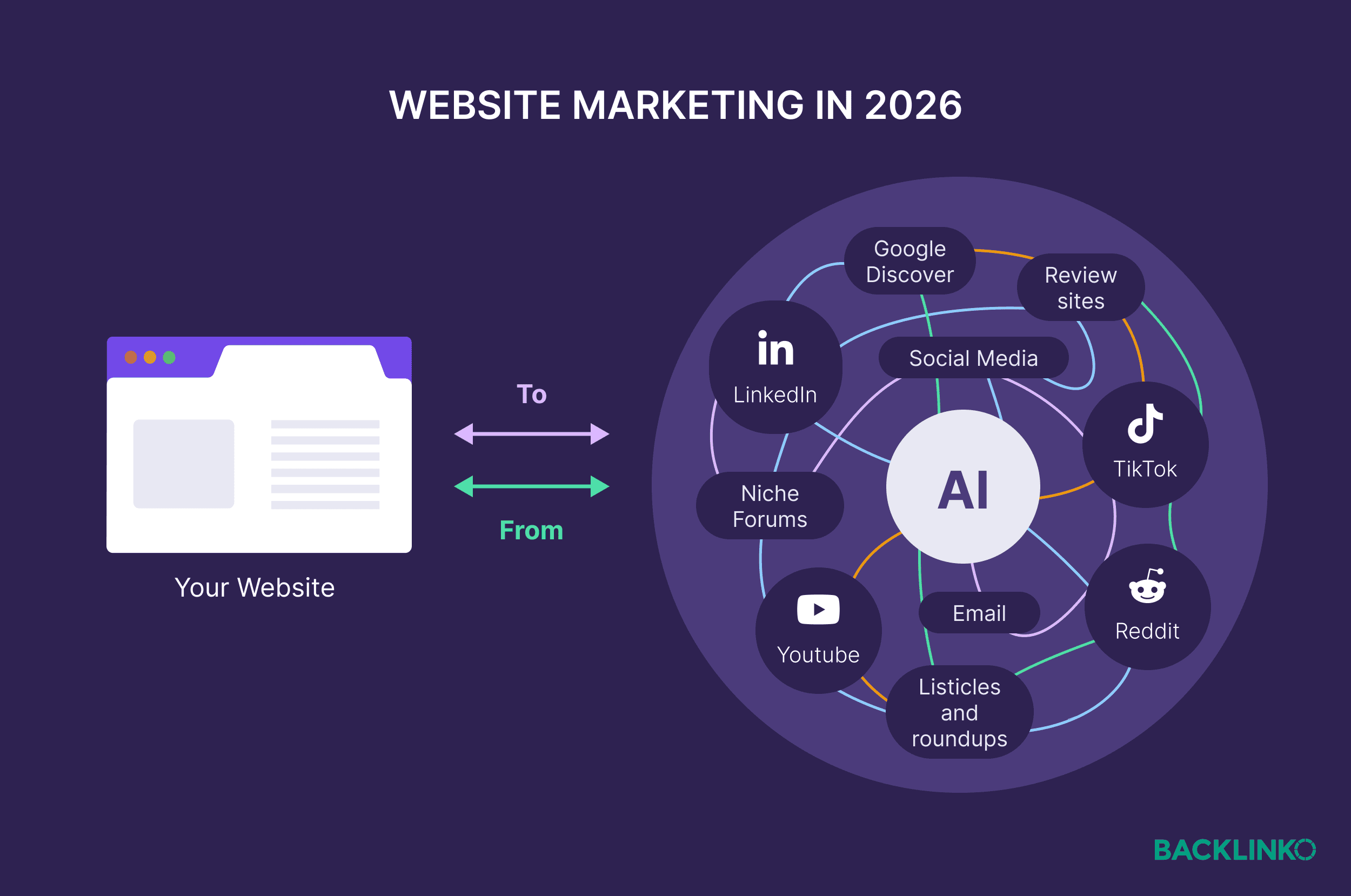
The digital landscape has undergone a seismic shift as we move deeper into 2026. For over two decades, the primary objective of website marketing was singular: drive traffic directly to a domain, capture attention, and convert visitors into customers. However, this traditional model is increasingly obsolete. Today, the customer journey is fragmented, beginning long before a user ever clicks a link to your homepage. Potential buyers are now heavily influenced by Large Language Models (LLMs), decentralized community forums like Reddit, and curated social media feeds. In this new era, your website is no longer the starting point; it is the final destination in a complex validation process.
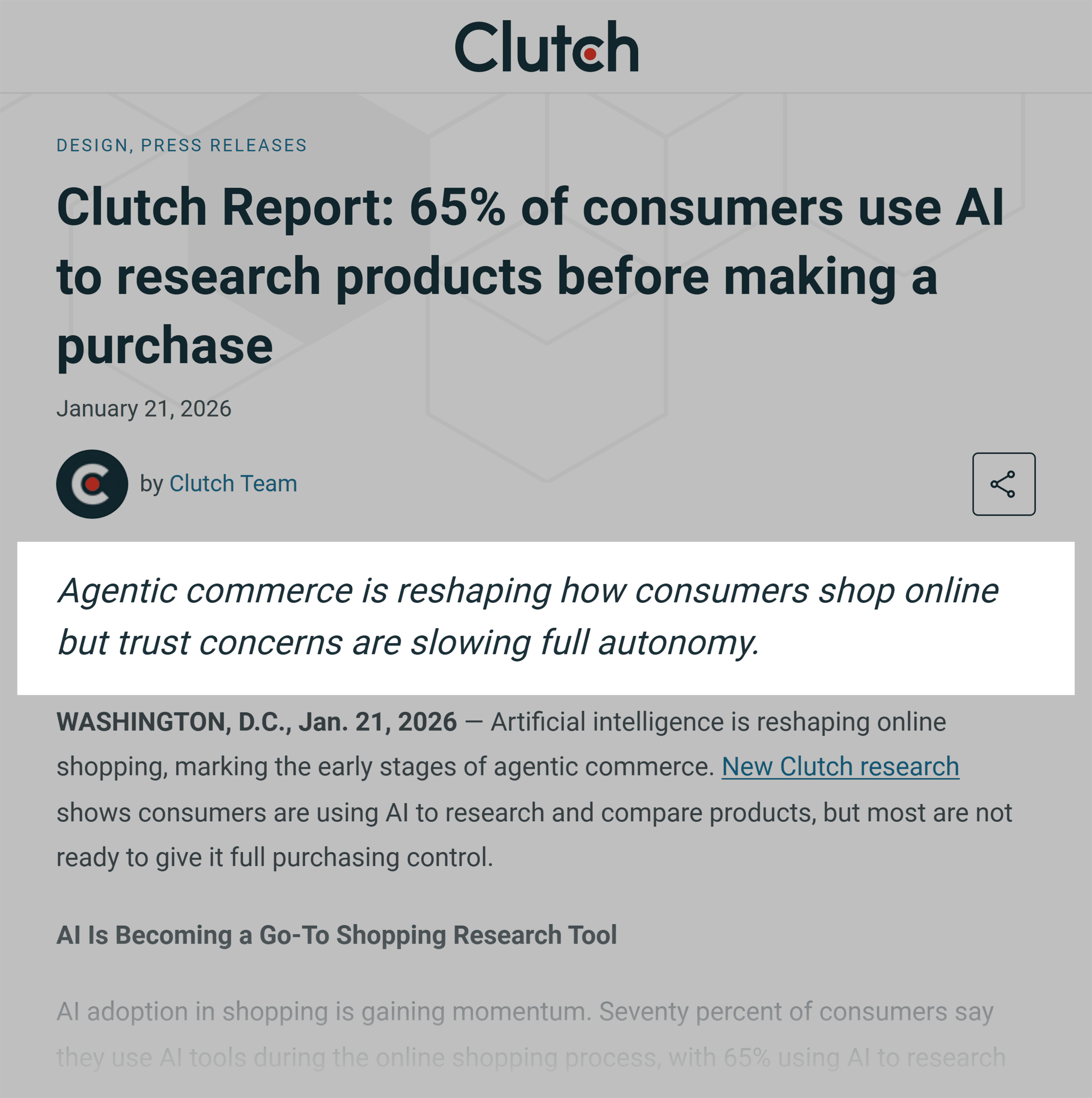
This evolution is backed by significant data. Recent industry reports, including research from firms like Clutch, indicate that more than 65% of modern consumers rely on AI-driven research tools to vet products and services before they even consider navigating to a brand’s website. By the time a prospect arrives at your landing page, they have already formed a mental model of your brand based on information gathered from external sources. If your brand is invisible or lacks credibility in these off-site spaces, the likelihood of a conversion plummets, regardless of how well-optimized your website may be.
The strategic imperative for 2026 is clear: brands must engineer their presence across the entire digital ecosystem to ensure that when a customer finally reaches the website, they do so with a foundation of pre-existing trust.

Positioning for AI and human discovery
To remain competitive, businesses must influence how the internet describes them. This begins with a rigorous brand messaging strategy. A cohesive strategy acts as the "source of truth" for every touchpoint, from social media posts and public relations outreach to internal sales communications. When your messaging—your value propositions, problem statements, and brand voice—is consistent across every corner of the web, you reinforce your category association not just in the minds of consumers, but also within the training data and inference engines of AI models.
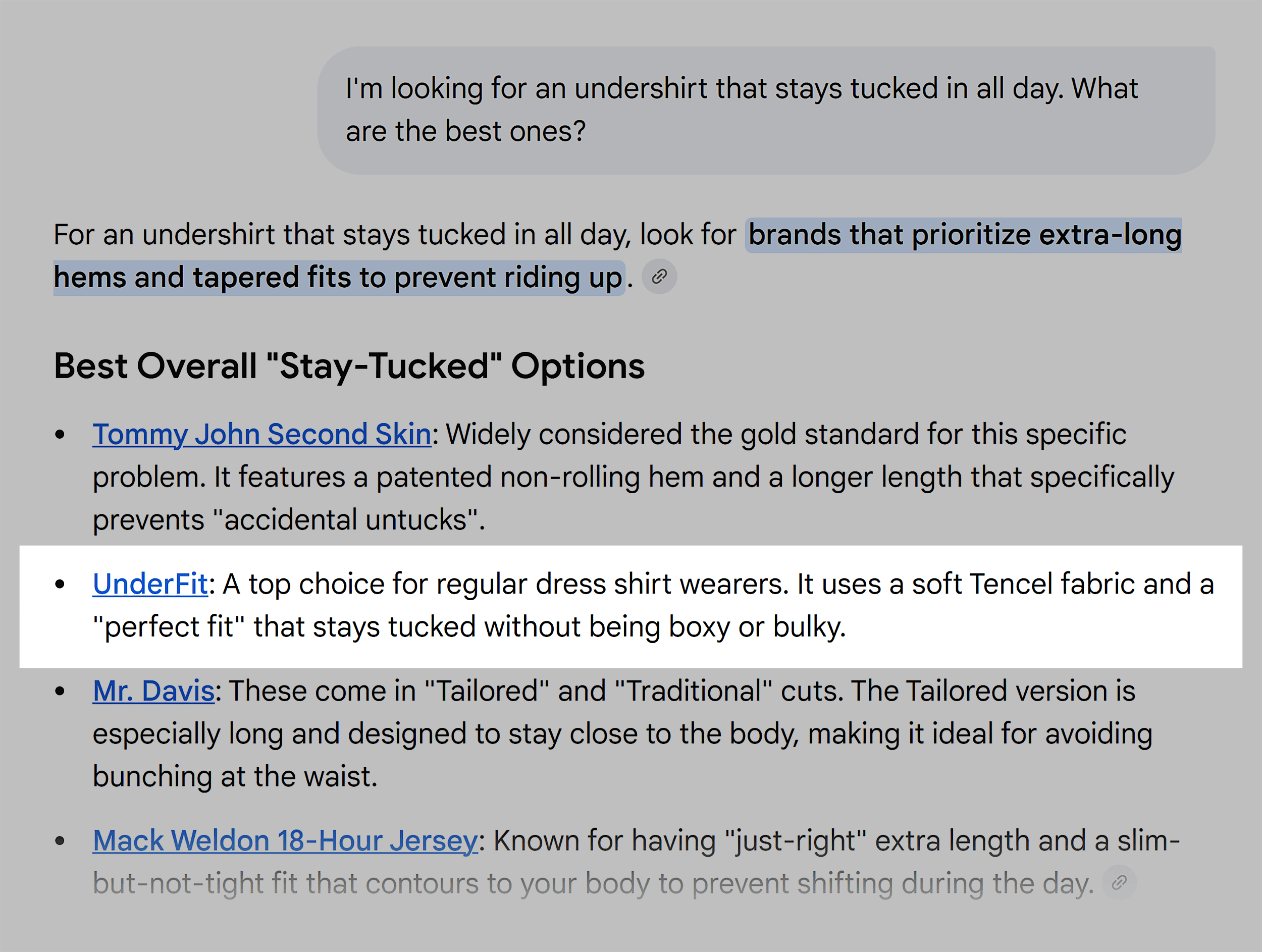
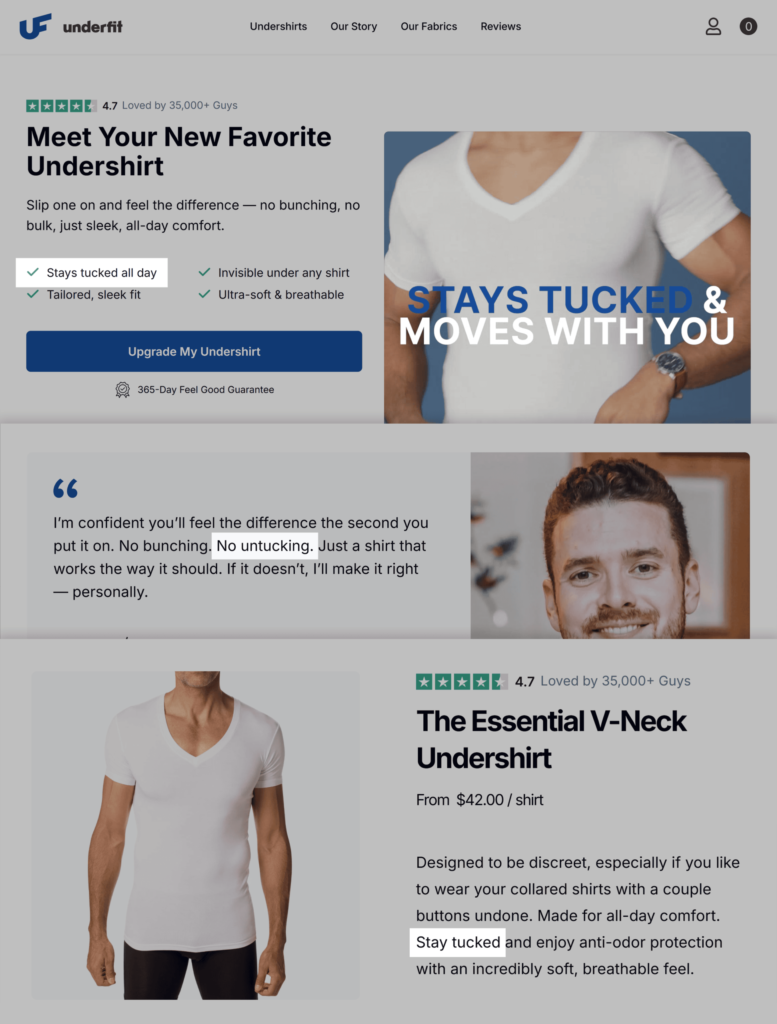
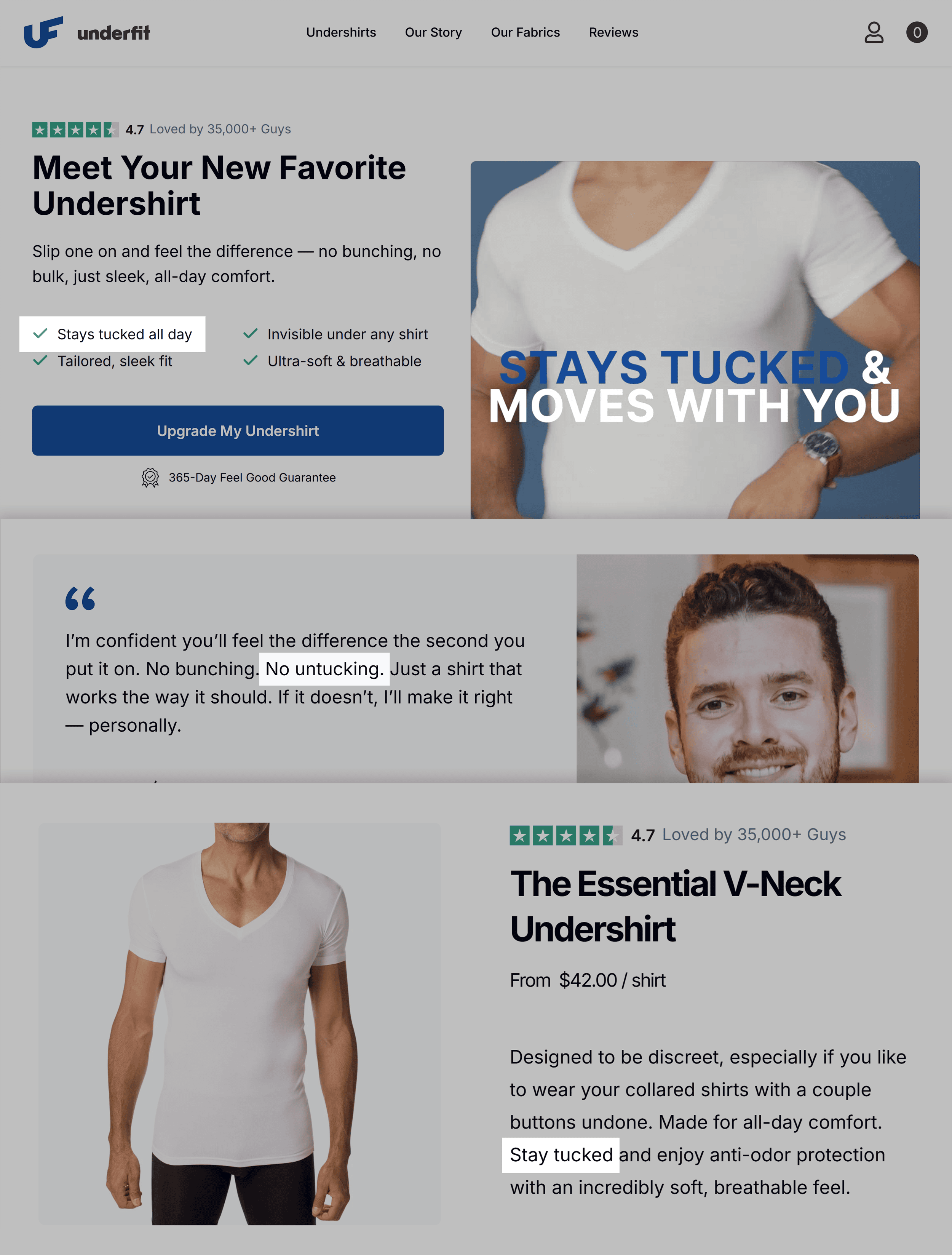
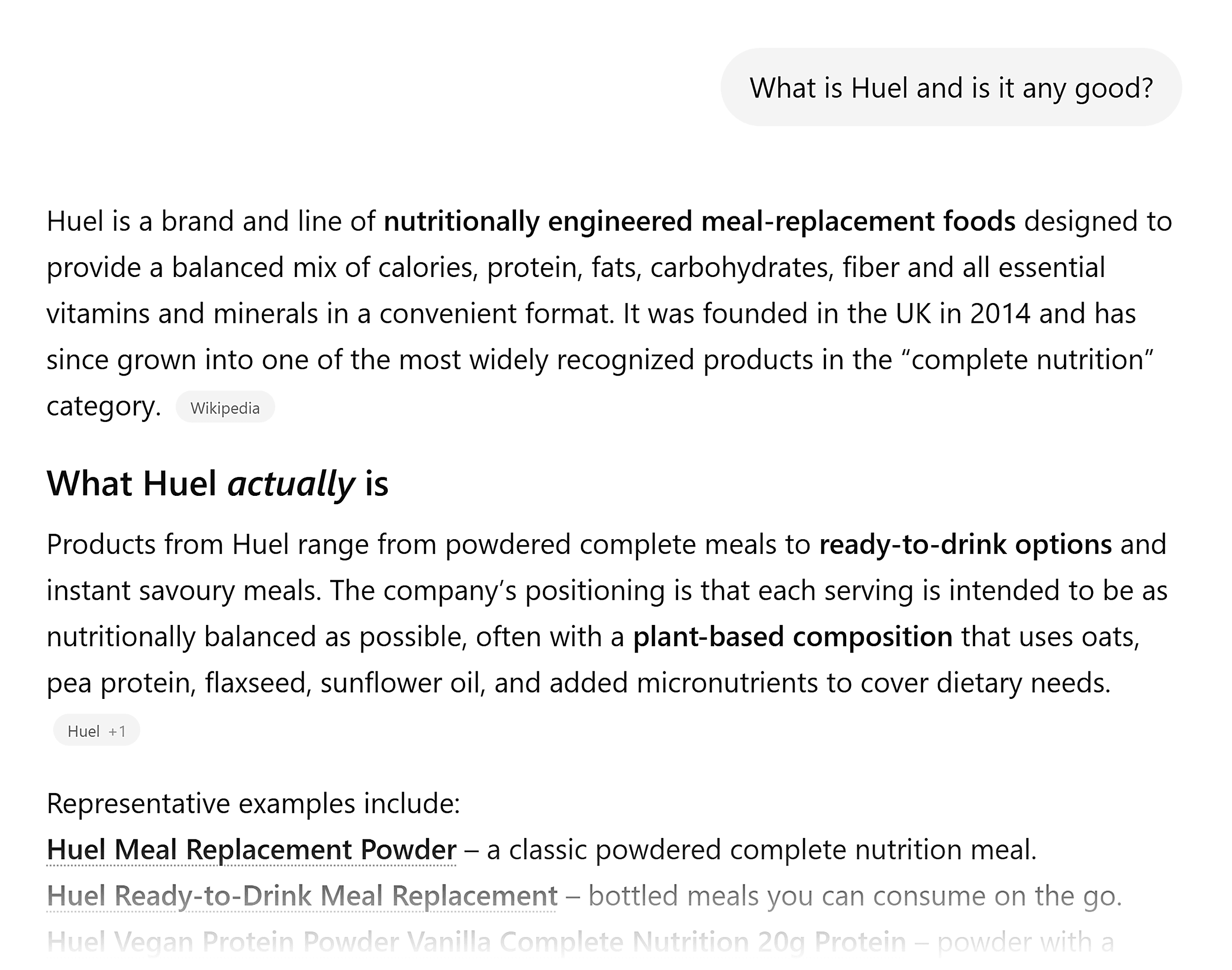
Consider the success of companies like UnderFit. By repeatedly aligning their core benefit—shirts that do not untuck—across reviews, third-party roundups, and social media, they have effectively hardwired that association into AI search tools. When a user asks an AI model for solutions to untucking shirts, the model reliably surfaces their brand. Achieving this requires auditing what AI currently says about your brand. By using LLMs to perform sentiment and fact-checking queries, marketers can identify gaps in their narrative and deploy targeted content to correct or reinforce their positioning.
Structuring for clarity and semantic hierarchy
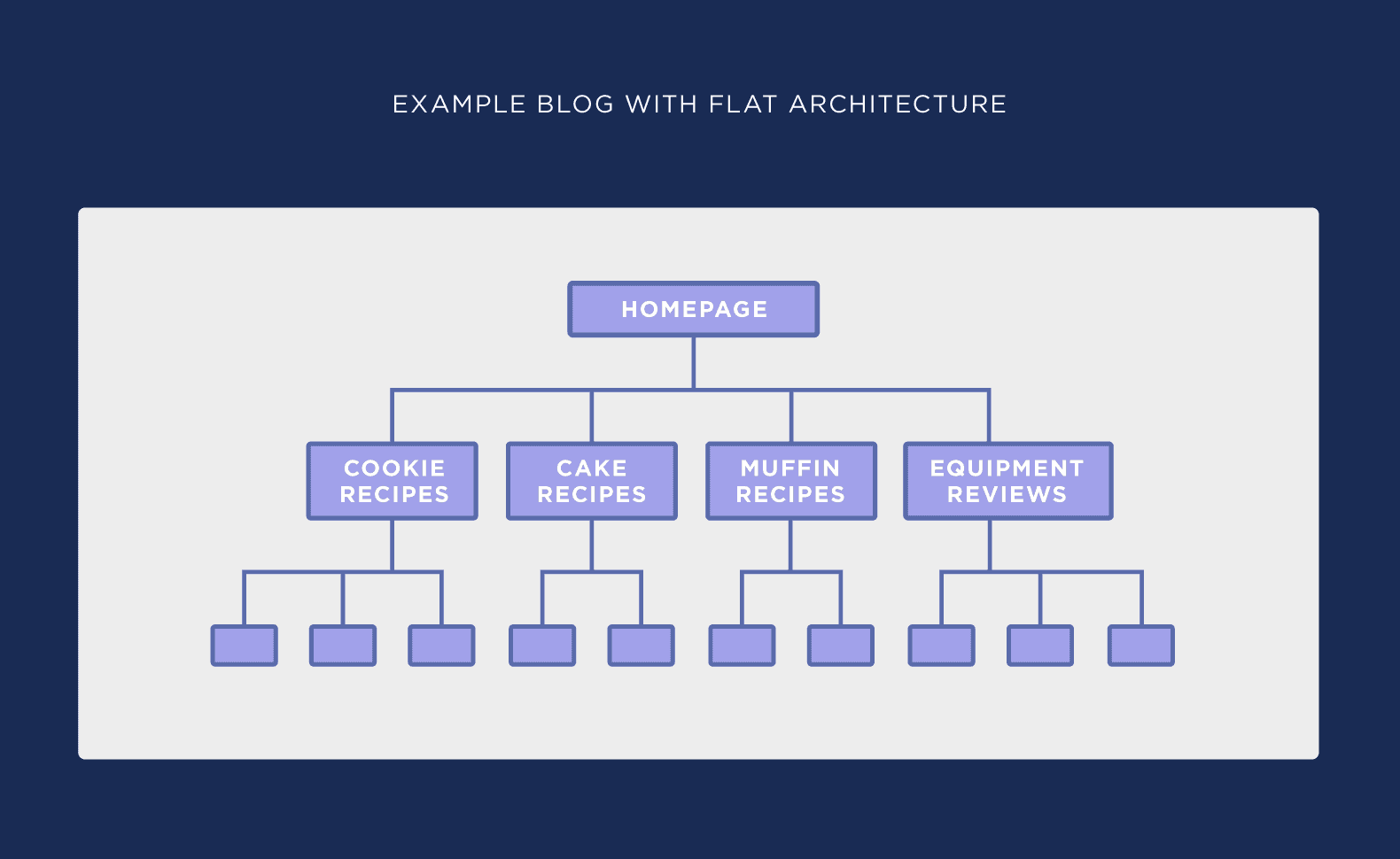
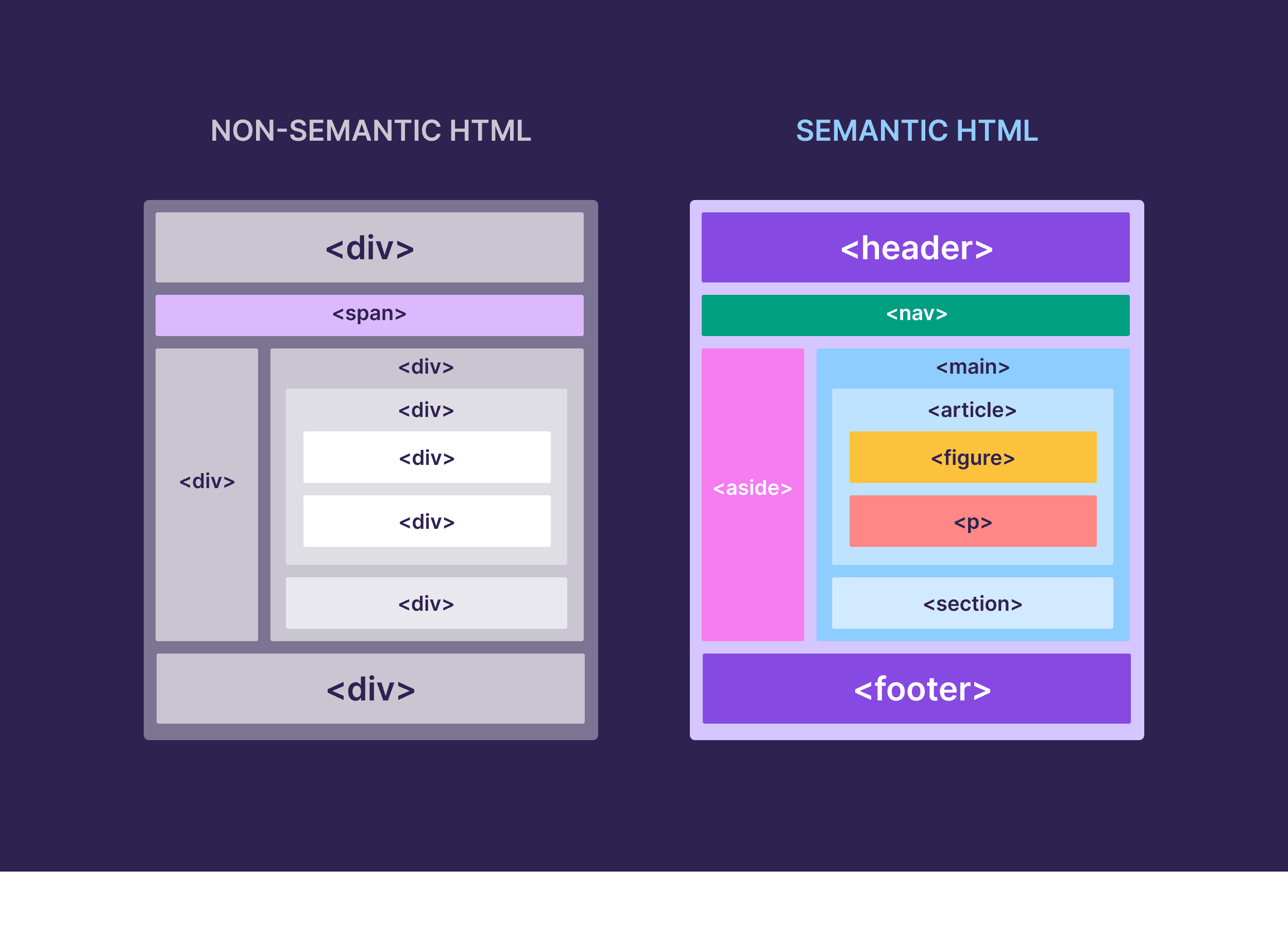
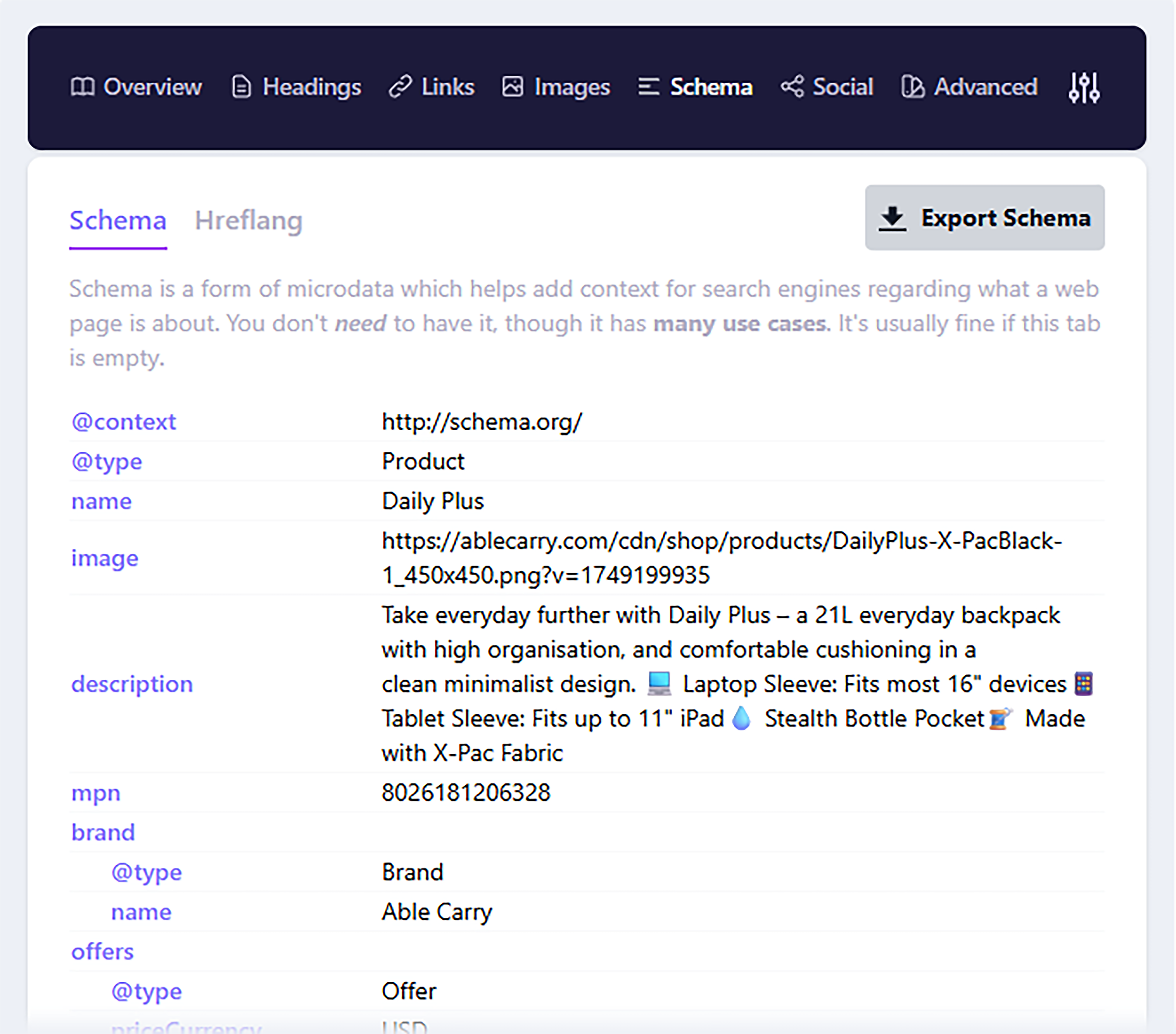
Once a user or an AI agent arrives at your site, the architecture must facilitate immediate understanding. The era of dense, unorganized content is over. Modern SEO requires a focus on semantic HTML and a flat, logical site architecture. When a website is structured with proper heading tags, clear hierarchies, and well-defined schema markup, it becomes significantly easier for search engines and AI scrapers to parse the intent and content of every page.
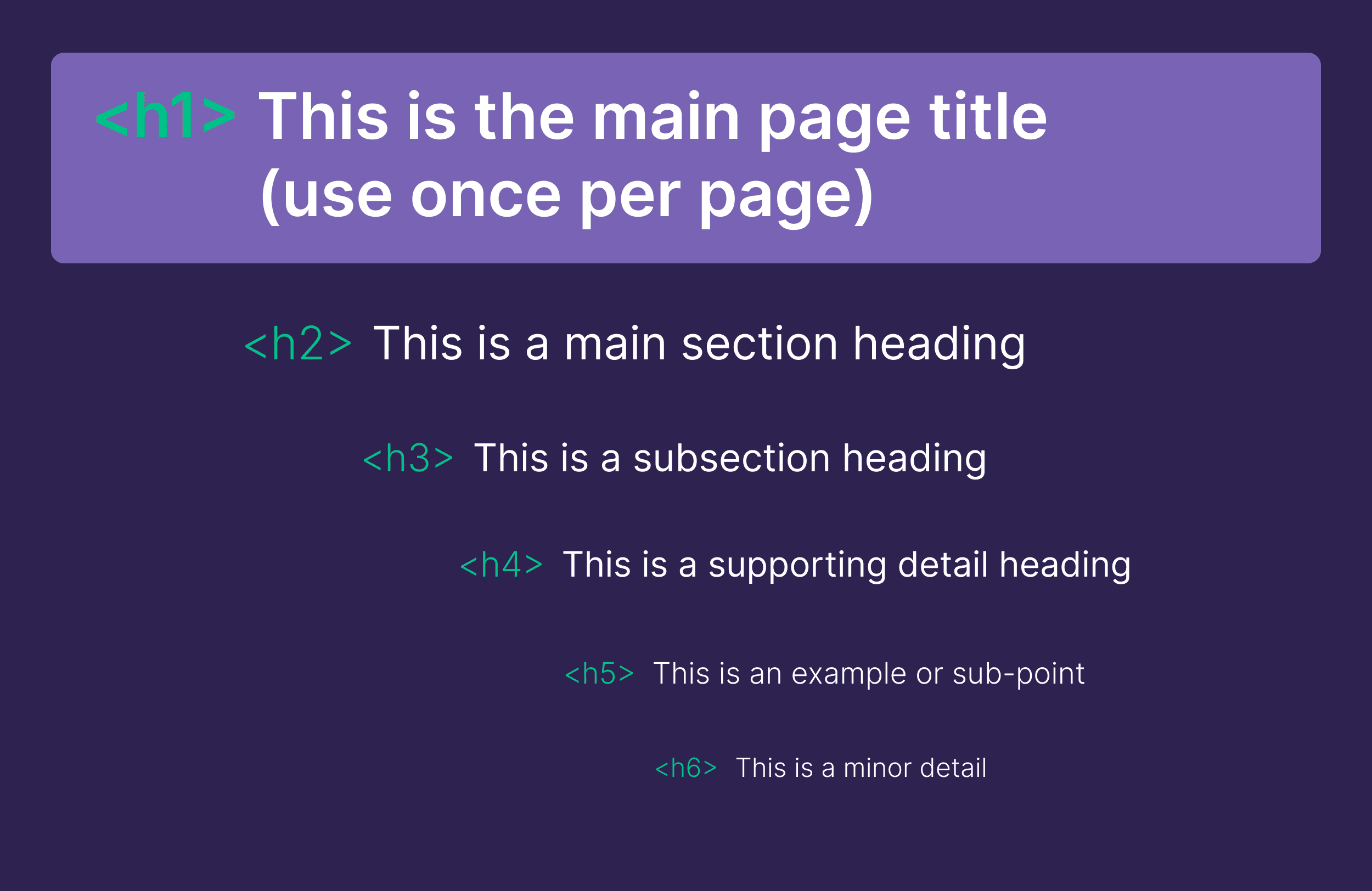
This technical rigor must be paired with user-centric design. Pages should be skimmable, utilizing tables, bulleted lists, and clear subheadings that allow both humans and algorithms to extract value in seconds. This is not merely an SEO tactic; it is a conversion strategy. If an AI agent cannot summarize your page because it is poorly structured, you forfeit the chance to be featured in the increasingly common "zero-click" search results.
The role of proof assets and evidence
Credibility in 2026 is built on "proof assets"—verifiable evidence that supports your marketing claims. In the SaaS sector, this means transparent uptime data, security certifications, and granular case studies. In the ecommerce space, this involves high-quality product imagery, verified customer reviews, and transparent return policies.
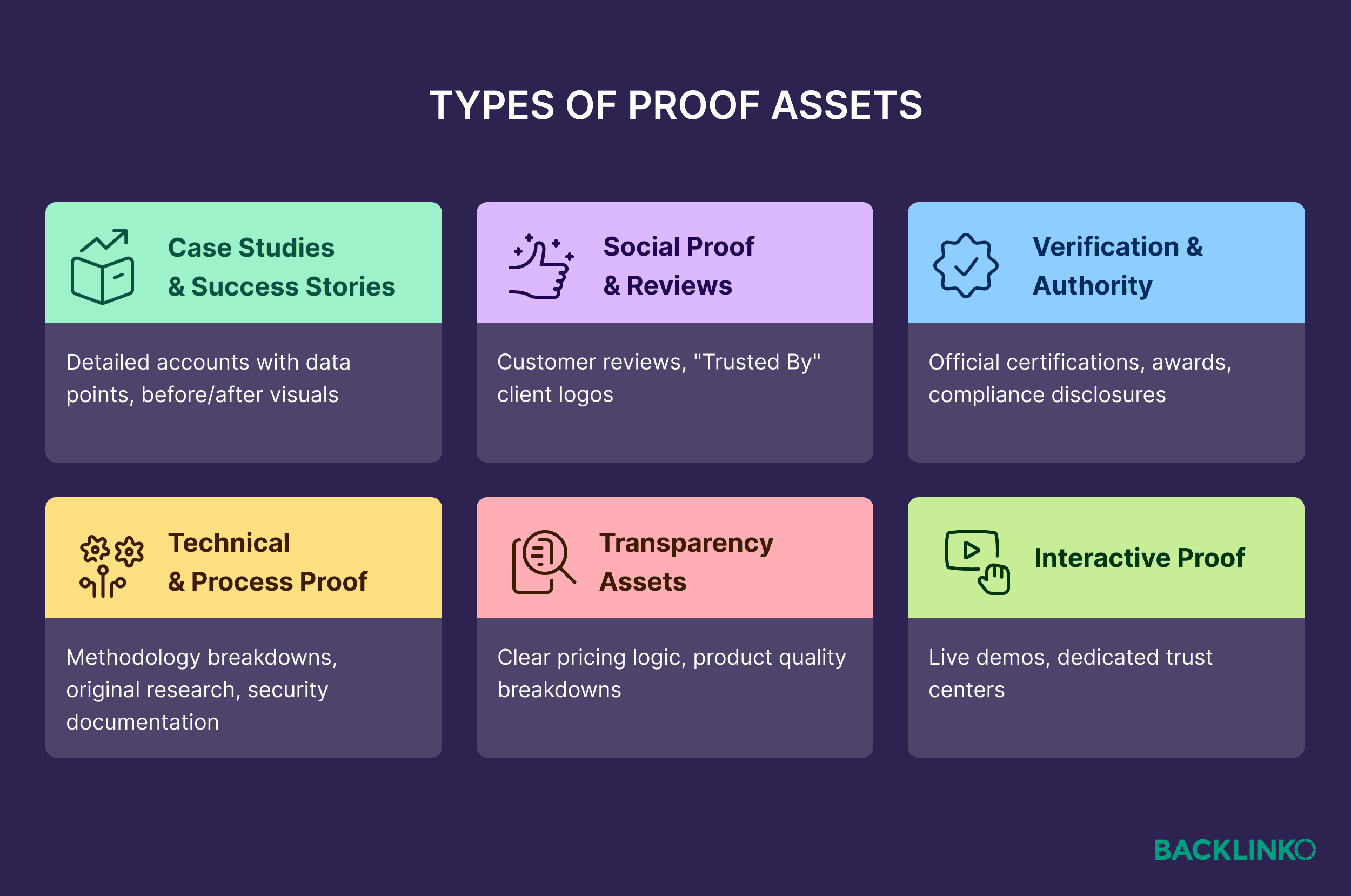
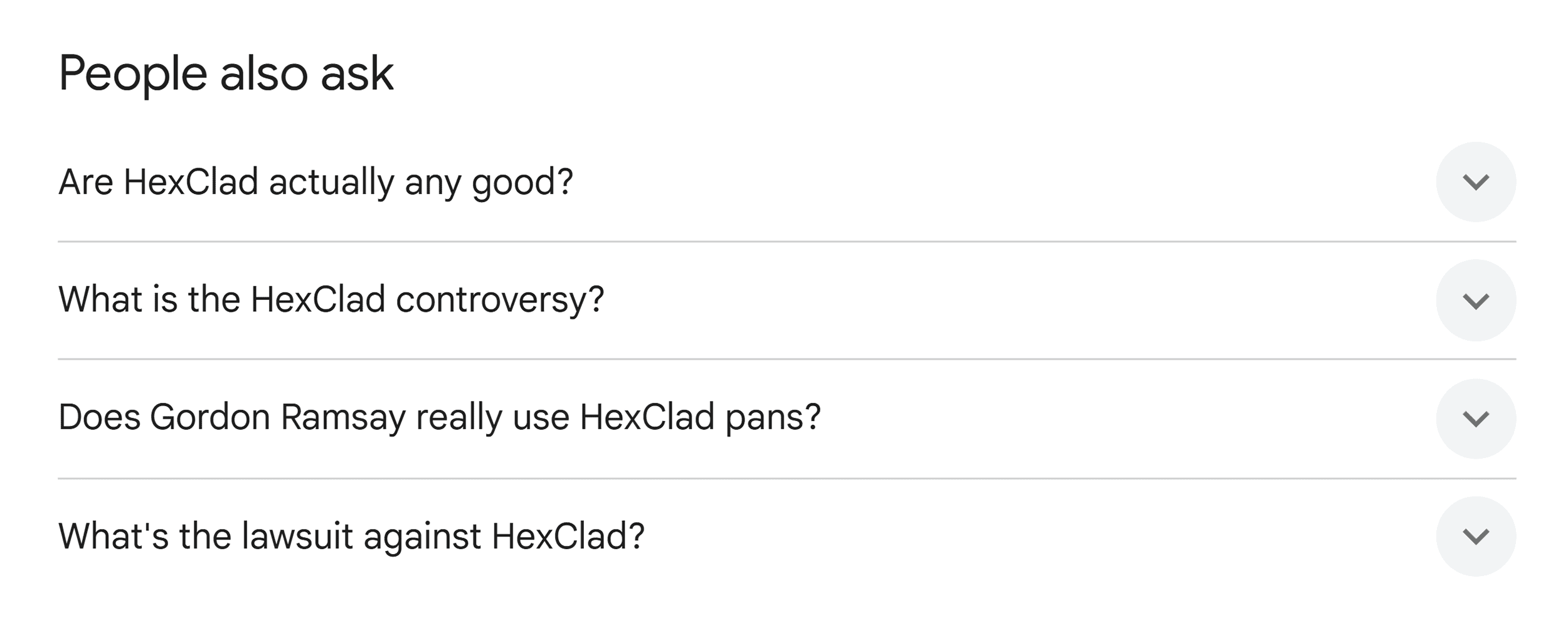
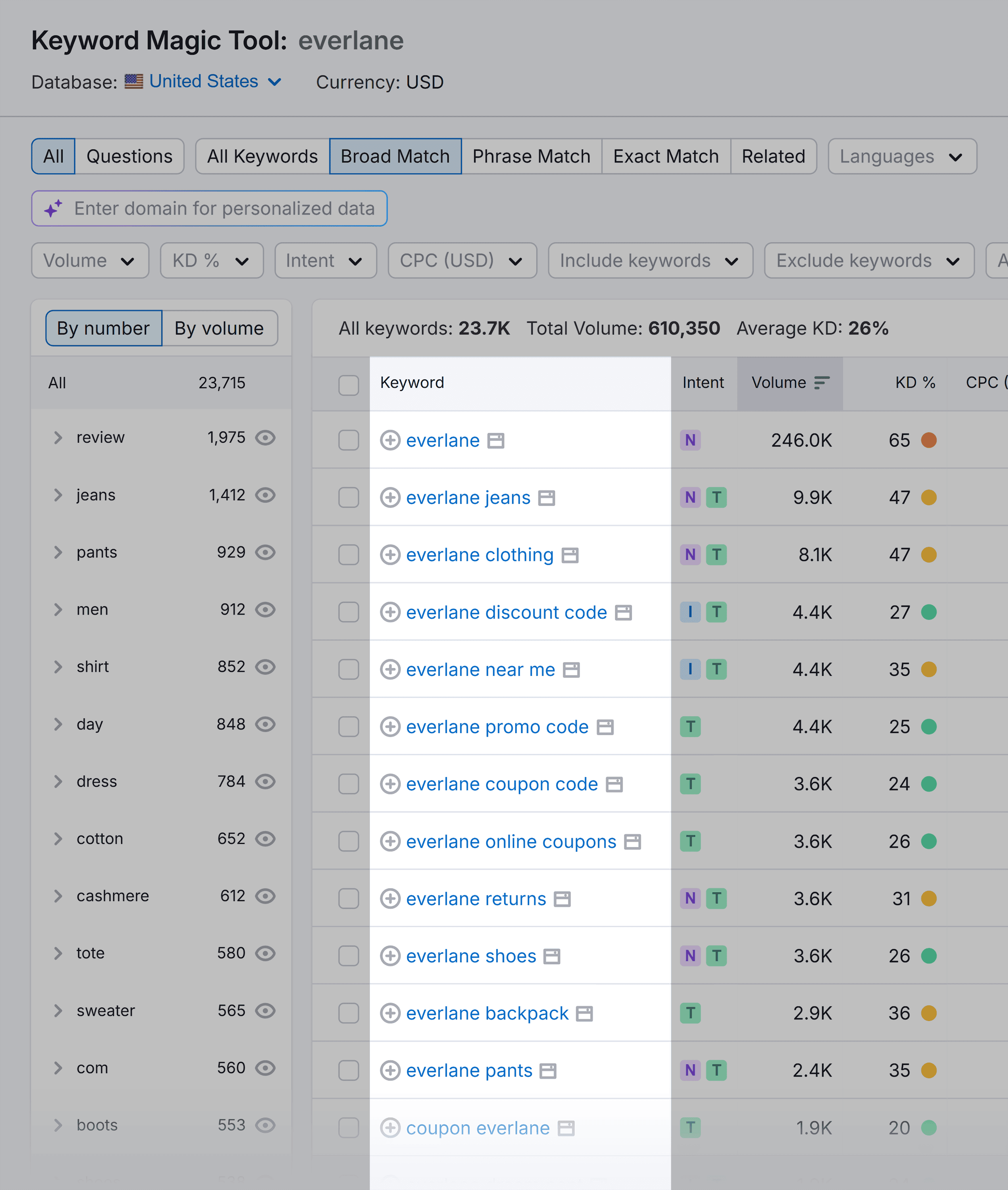
To determine which proof assets to prioritize, marketers should leverage search intent data. Analyzing "People Also Ask" boxes and using keyword research tools like Semrush allows companies to identify the specific barriers to entry that prevent a purchase. If search data shows that users are frequently asking about the durability of a product, your website must feature clear, high-visibility proof of that durability.
The integration of video and human identity
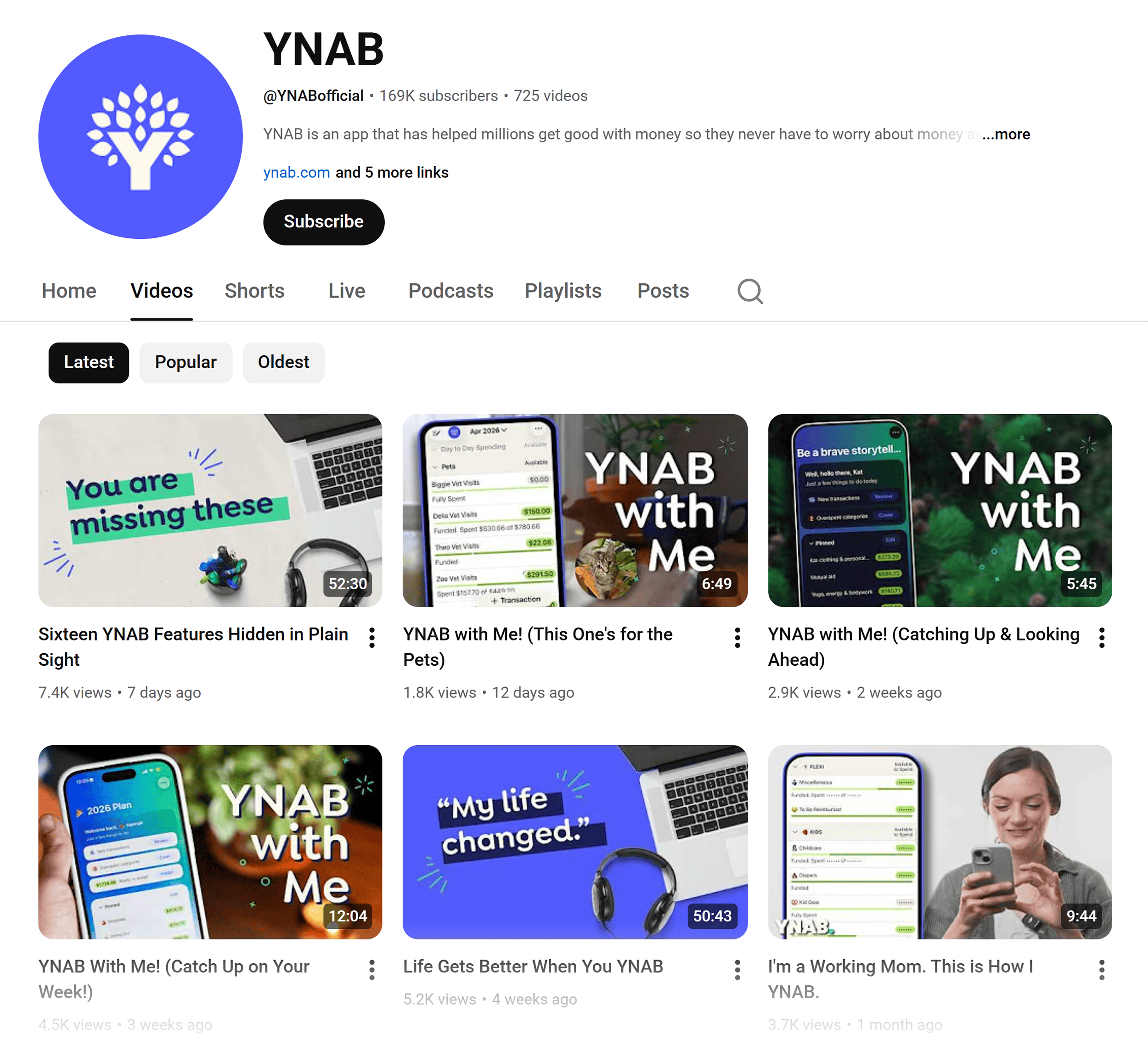
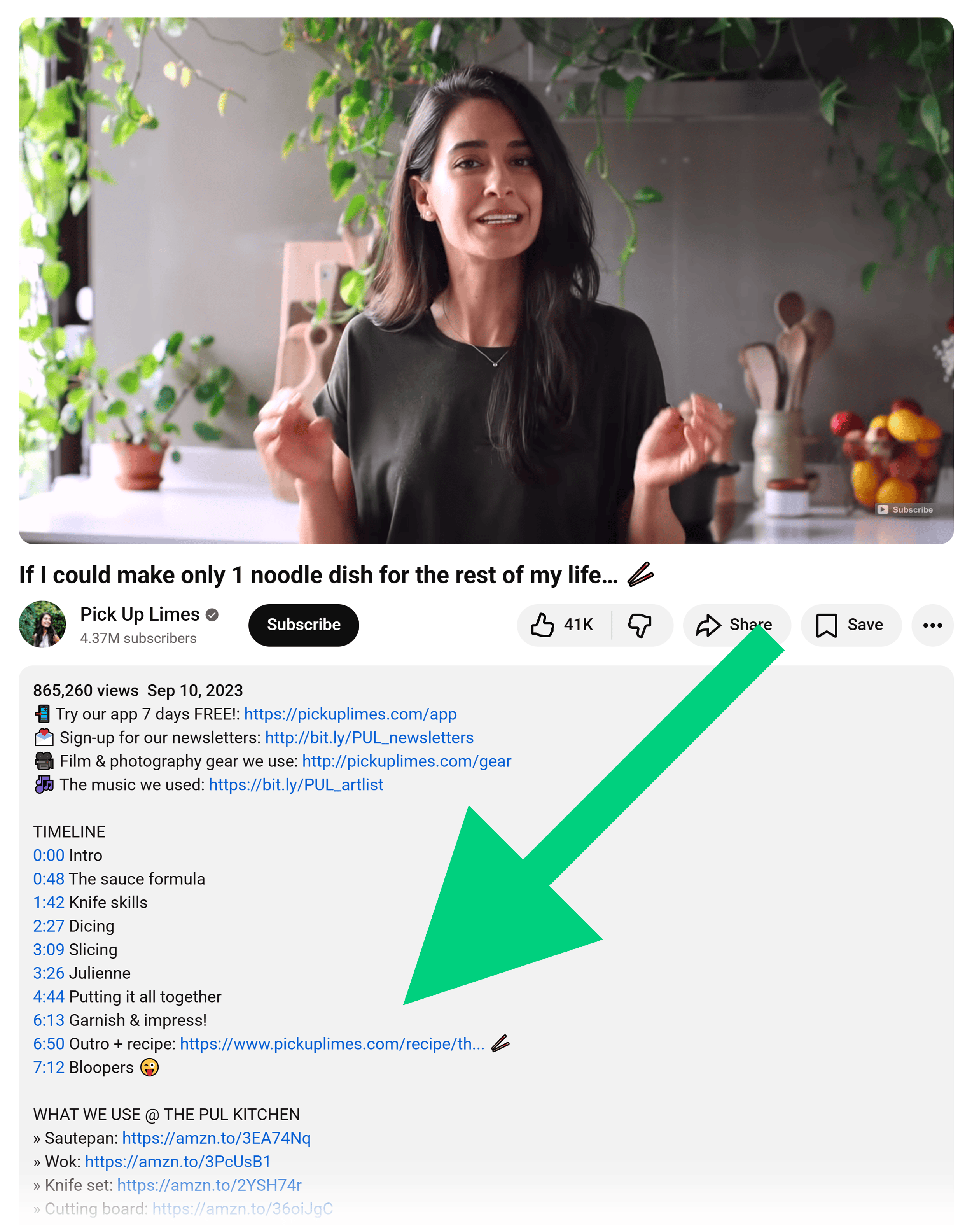
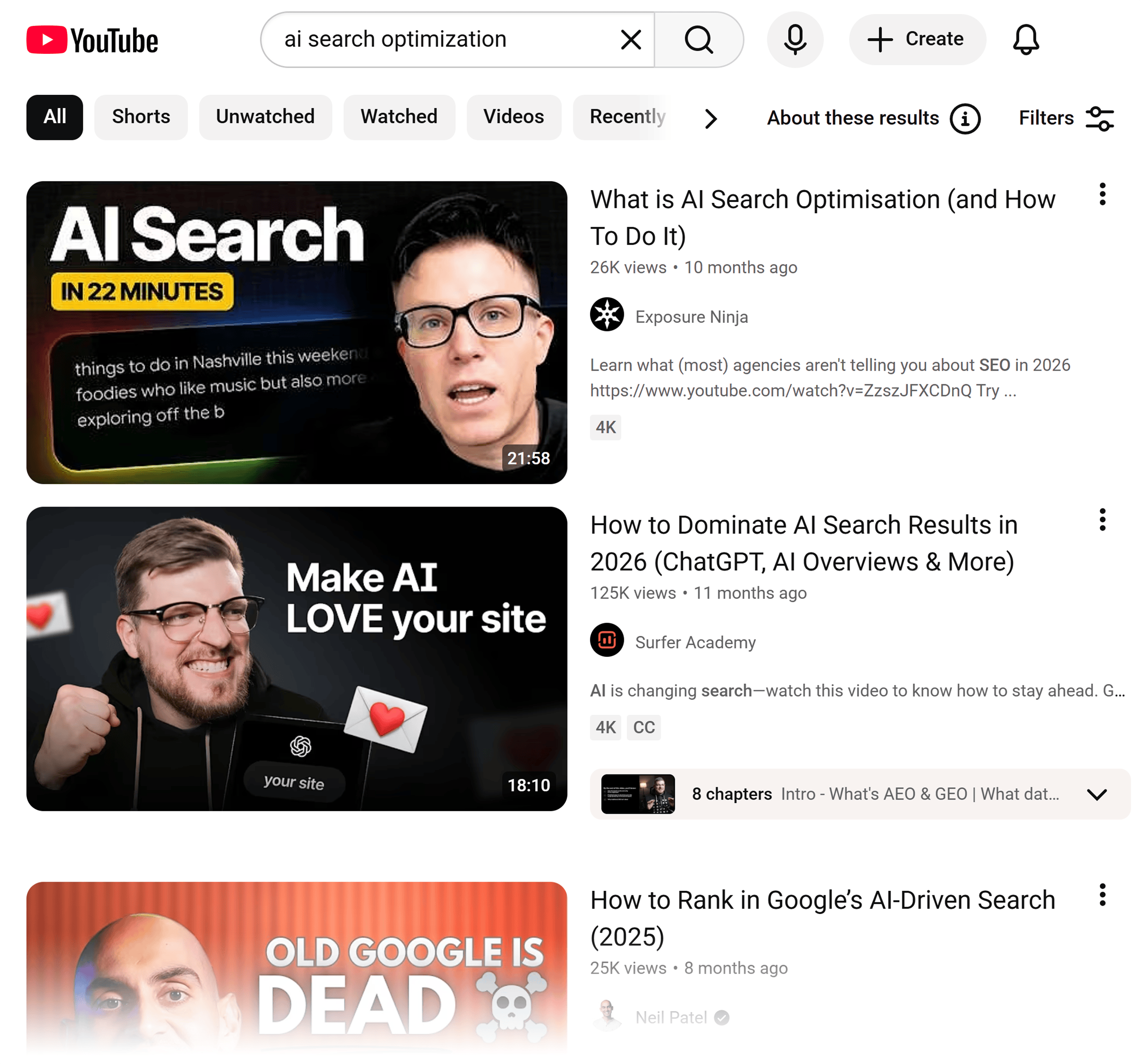
Video content has become the most effective tool for building trust. Long-form video, such as YouTube tutorials or educational webinars, allows brands to demonstrate expertise in a way that static text cannot. By providing value through deep-dives into industry problems, brands can establish an authority that persists long after the video ends.
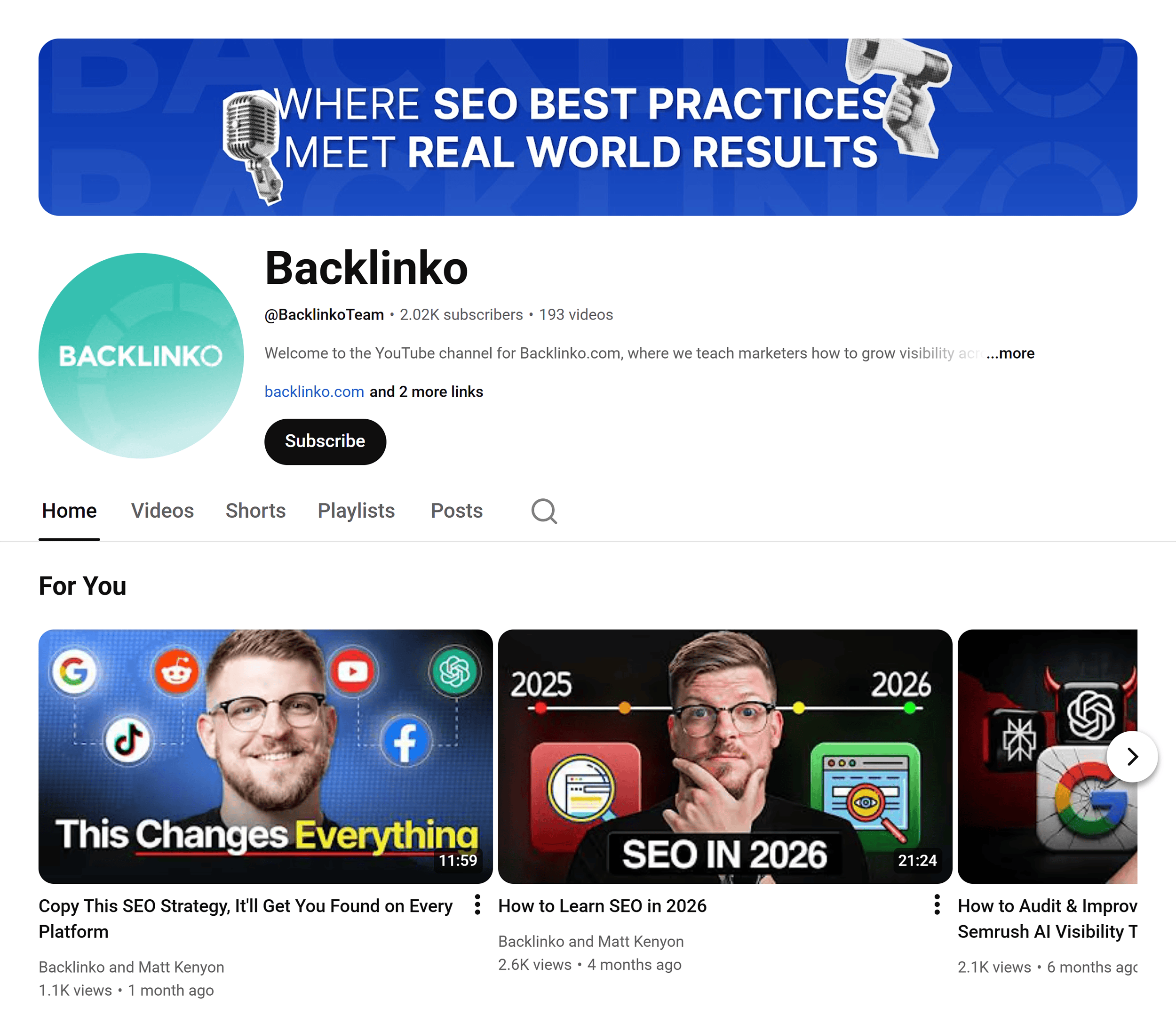
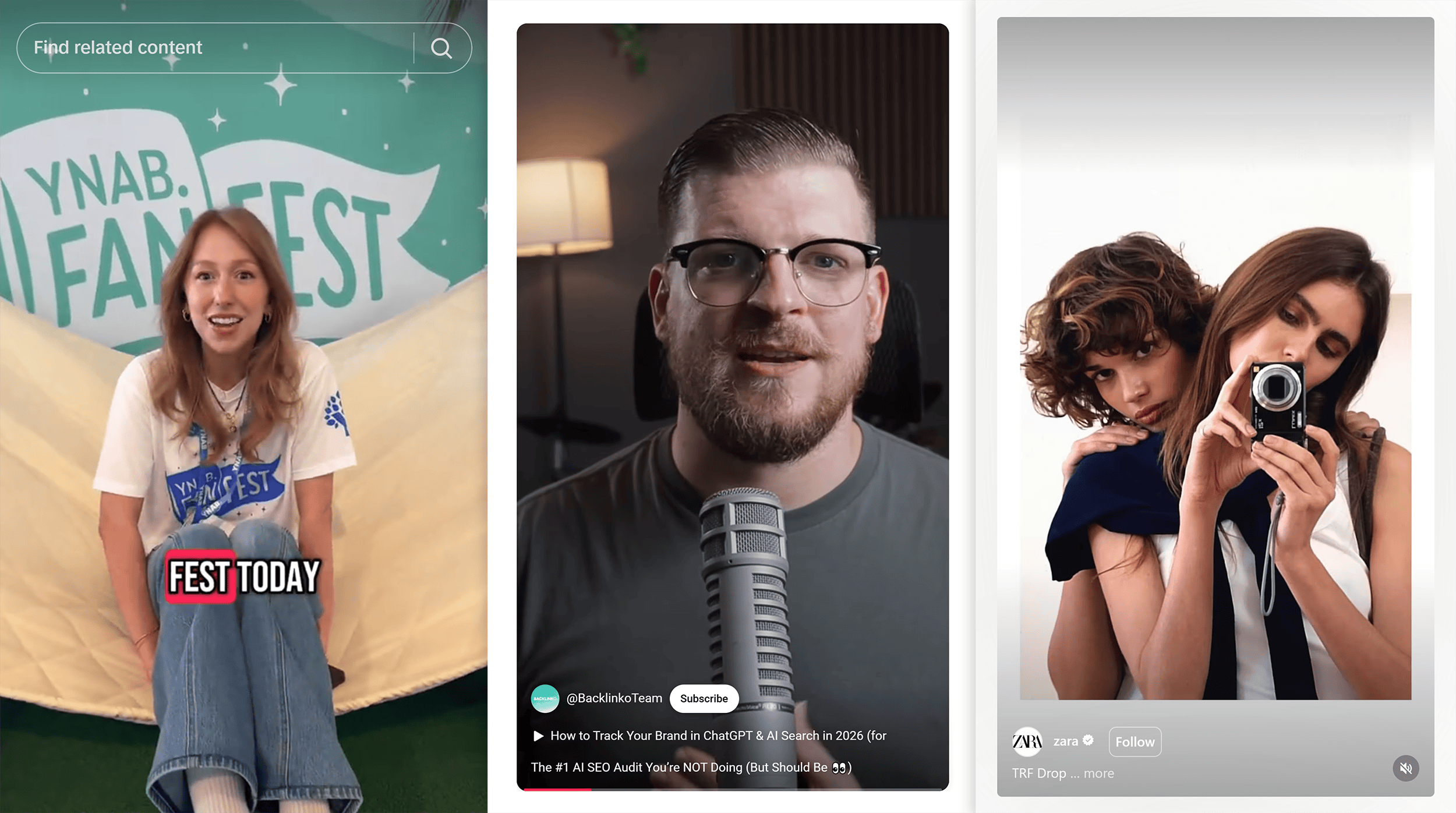
Crucially, this video strategy should be human-centric. The modern consumer is wary of sterile, AI-generated corporate content. By putting a face and a voice behind the brand—whether it is the founder or a subject matter expert—you create a human connection. This "human premium" is a powerful differentiator. When employees or leaders engage on social platforms like LinkedIn or YouTube as recognizable advocates, they scale the brand’s personality, making the company feel more like a partner and less like a faceless entity.
Capitalizing on Google Discover and platform-specific feeds
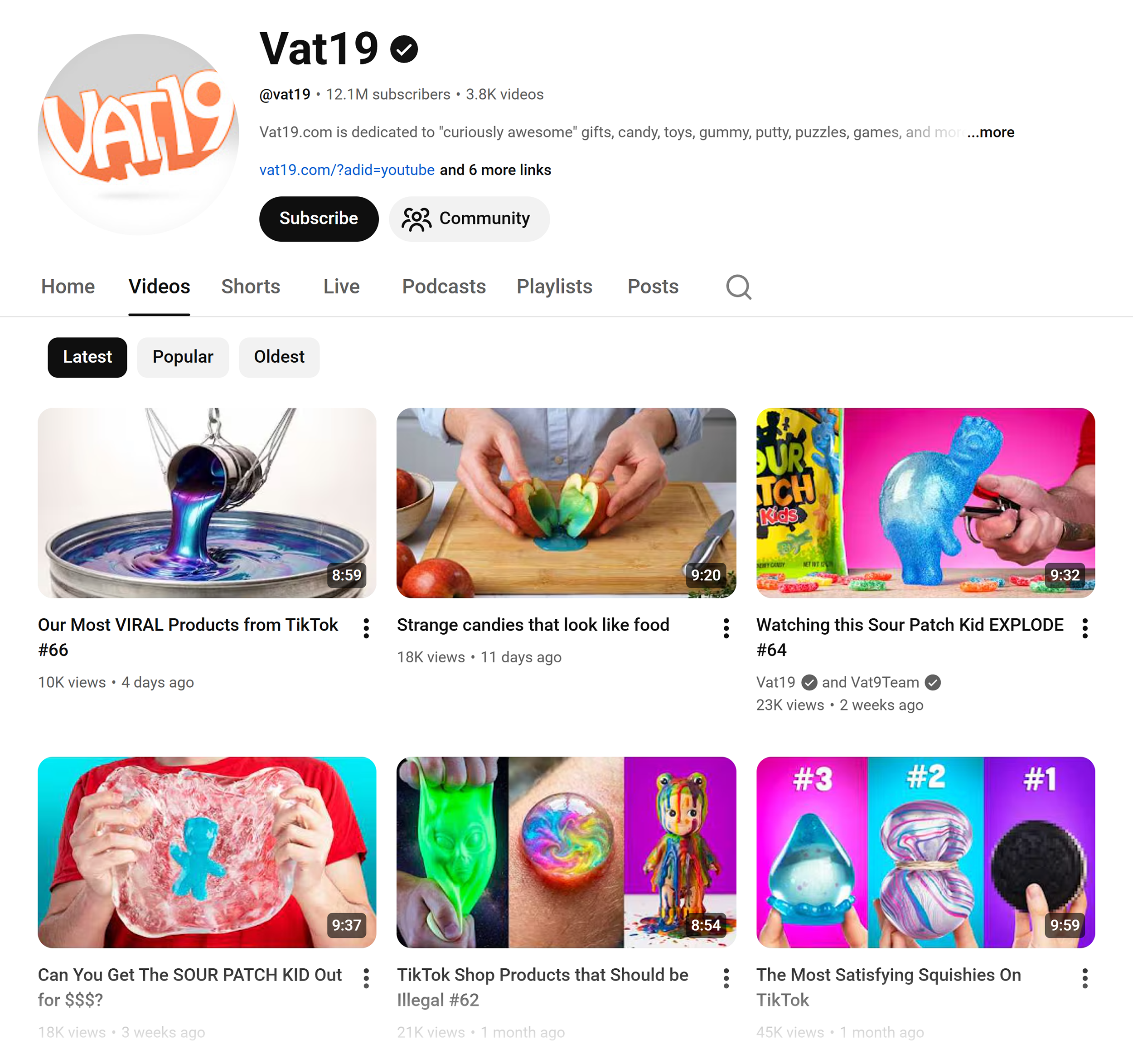
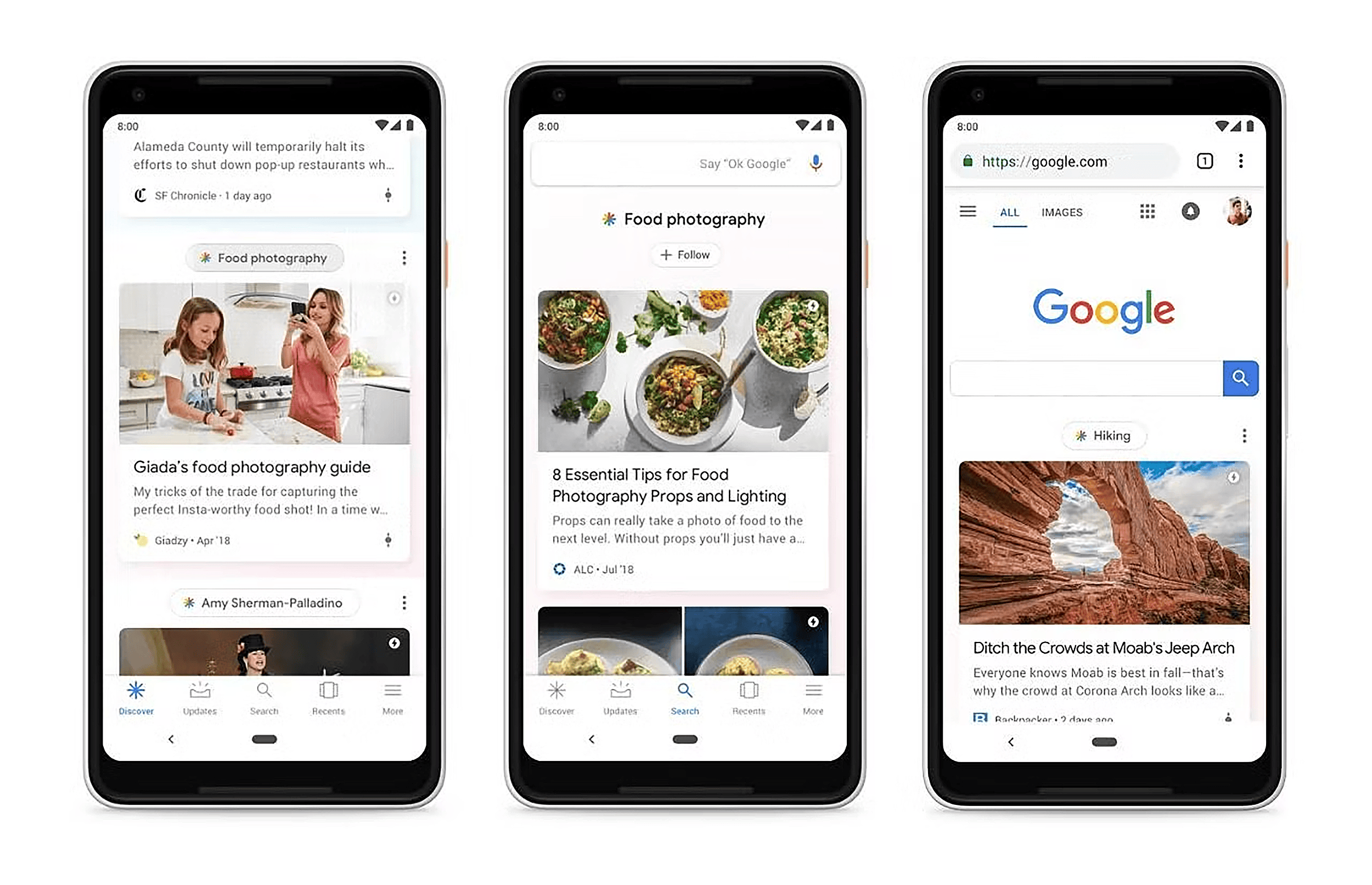
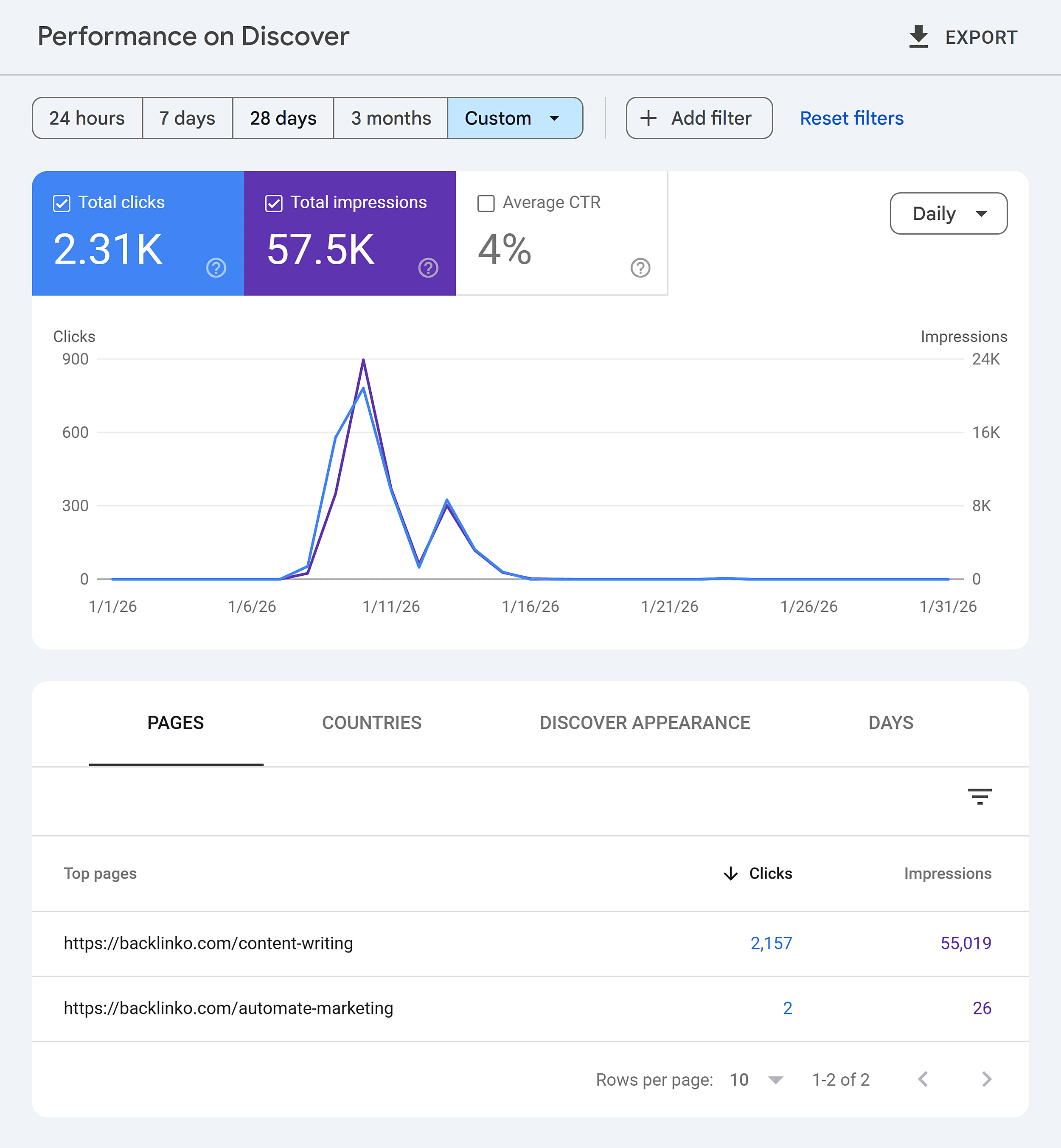
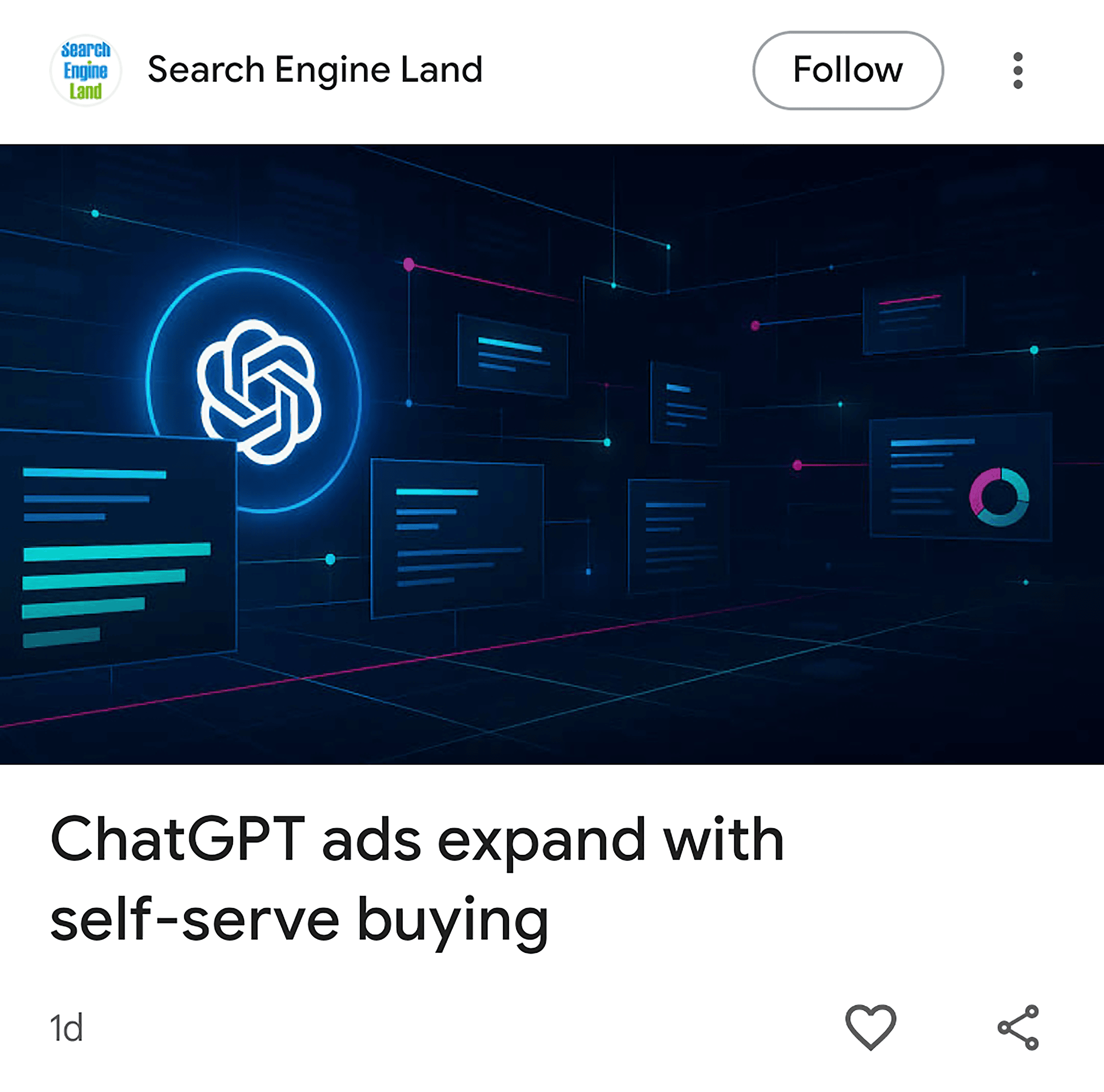
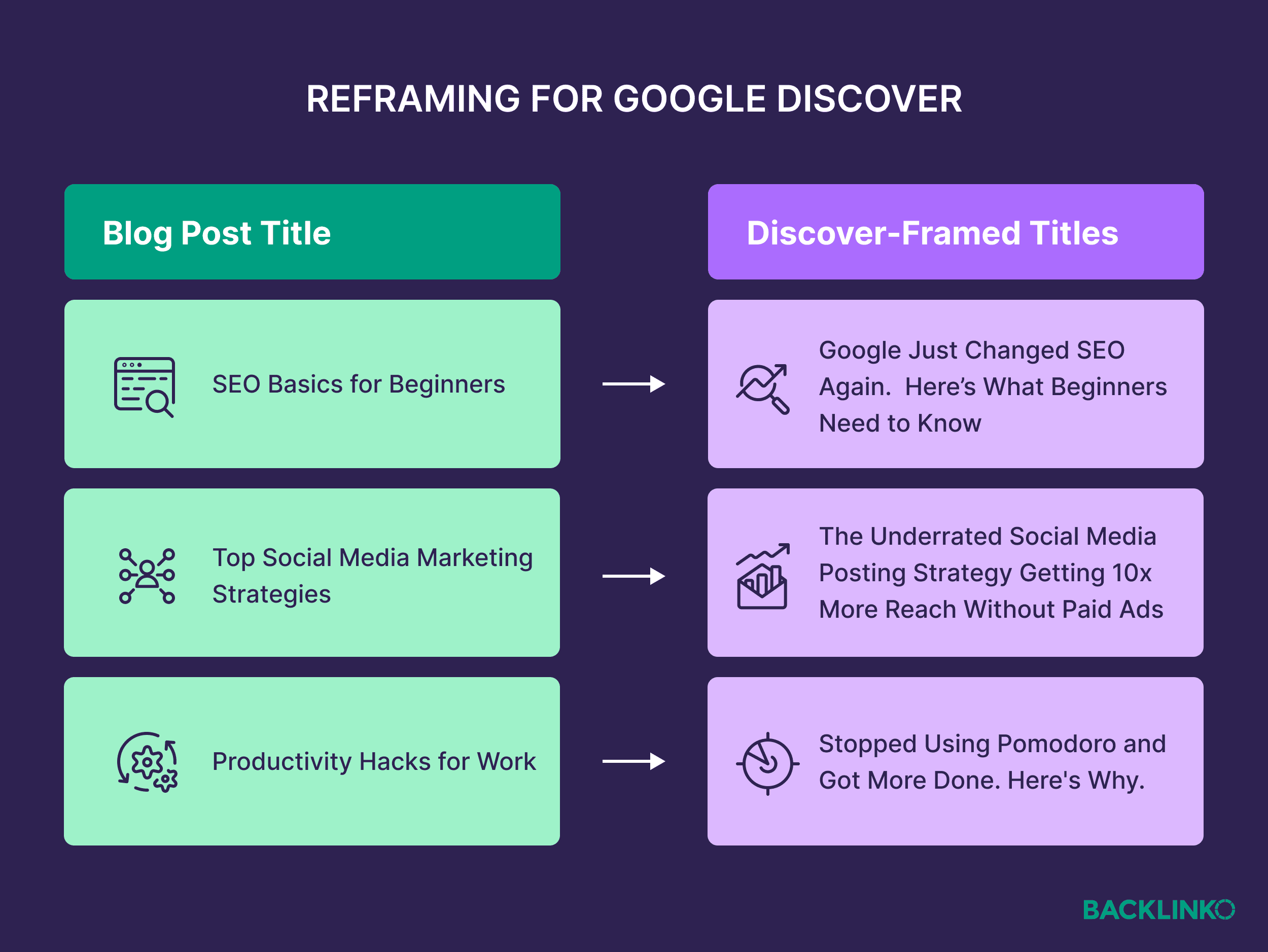
Google Discover presents a unique opportunity for traffic spikes, but it requires a shift in mindset. Unlike traditional search, which is intent-driven, Discover is interest-driven. To succeed here, content must be packaged with high-stakes headlines and visually arresting featured images. The editorial packaging is the gatekeeper; if the headline does not trigger curiosity or a sense of urgency, the content will never be seen.
Brands should establish a "Discover lane" in their content calendar, specifically for pieces that address current industry trends, controversies, or timely developments. These articles should be reframed to highlight the "why now" factor, ensuring they feel relevant to a user’s current browsing interests.
Conversion rate optimization in a zero-click environment
As LLMs provide more answers directly on the results page, the traffic that does reach your site is typically higher-intent. These users are further along in the buying cycle, making conversion rate optimization (CRO) the highest-leverage activity for growth. The focus must be on removing friction and anxiety. Every extra field in a form, every second of page load time, and every lack of security assurance is a barrier.
Furthermore, brands must extend the conversation beyond the click. Behavioral targeting via email, triggered by specific site actions—such as visiting a pricing page or abandoning a cart—is essential. These automated workflows ensure that the engagement continues while the user’s intent is still high, utilizing the psychological principle of reciprocity to nudge them toward a final decision.
The discipline of intentional repurposing

Finally, the proliferation of content channels requires a disciplined approach to repurposing. The mistake many marketers make is "shotgun" distribution, where content is blasted across all channels indiscriminately. The 2026 approach is more surgical: identify the content ideas that have already been validated by high audience engagement, and then scale those specific ideas across different formats.
Whether it is converting a high-performing blog post into a series of short-form social videos or using AI tools like Claude to reformat long-form reports into newsletter series, the goal is to reinforce successful ideas. By validating content through audience response before investing in massive scale, brands can ensure their resources are focused on the narratives that actually drive revenue.
In conclusion, website marketing in 2026 is no longer a solitary activity centered on a single domain. It is an ecosystem-wide discipline that requires a brand to be present, credible, and helpful across the entire digital landscape. By combining technical SEO precision, human-led storytelling, and data-driven automation, companies can build an authority that transcends the screen, ensuring that when the conversion happens, it is the result of a long, trust-building journey.