
The search engine optimization (SEO) industry has reached a pivotal valuation of $119.4 billion in the United States, marking a significant era of digital transformation where organic visibility has become the primary battleground for market share. As search behavior shifts toward AI-integrated results and hyper-competitive local markets, a comprehensive analysis of 1,200 business owners reveals a complex landscape defined by high investment, varying levels of professional satisfaction, and a stark divide between agency-led results and freelance-driven initiatives. This report synthesizes multi-source data to provide a granular view of how organizations navigate the complexities of search algorithms in an increasingly automated digital economy.
The Economic Scale of the SEO Sector
The 2025 fiscal year has seen U.S. organizations allocate record-breaking budgets to SEO and digital marketing consulting. This $119.4 billion expenditure reflects a fundamental shift in corporate strategy, moving away from traditional outbound advertising toward sustainable organic growth. Despite this massive top-line investment, the distribution of spending remains highly fragmented among small and medium-sized enterprises (SMEs). Historical data from 2019 indicated an average monthly spend of $497.16 for small businesses, but current market conditions have pushed professional-tier services into a much higher bracket.
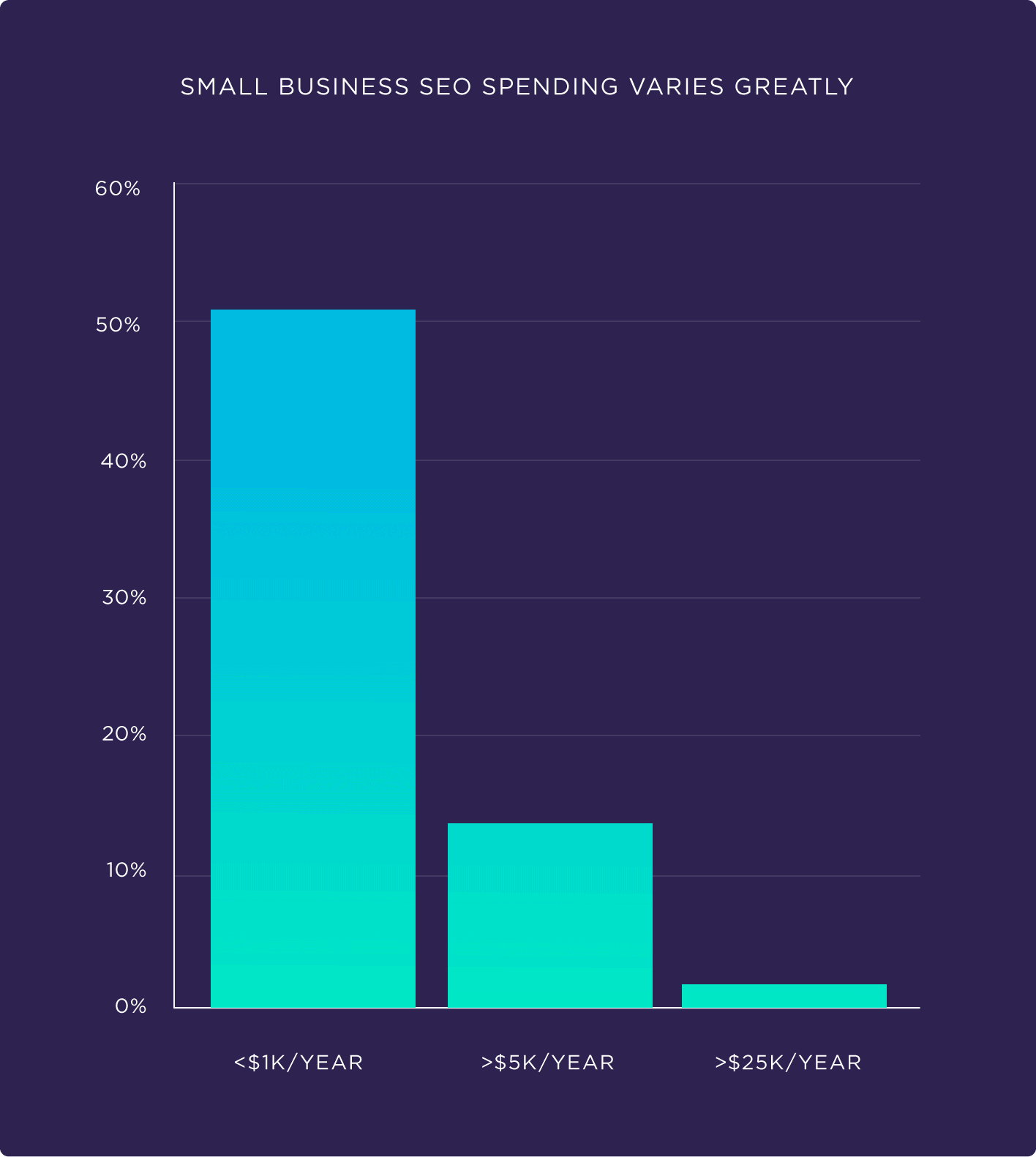
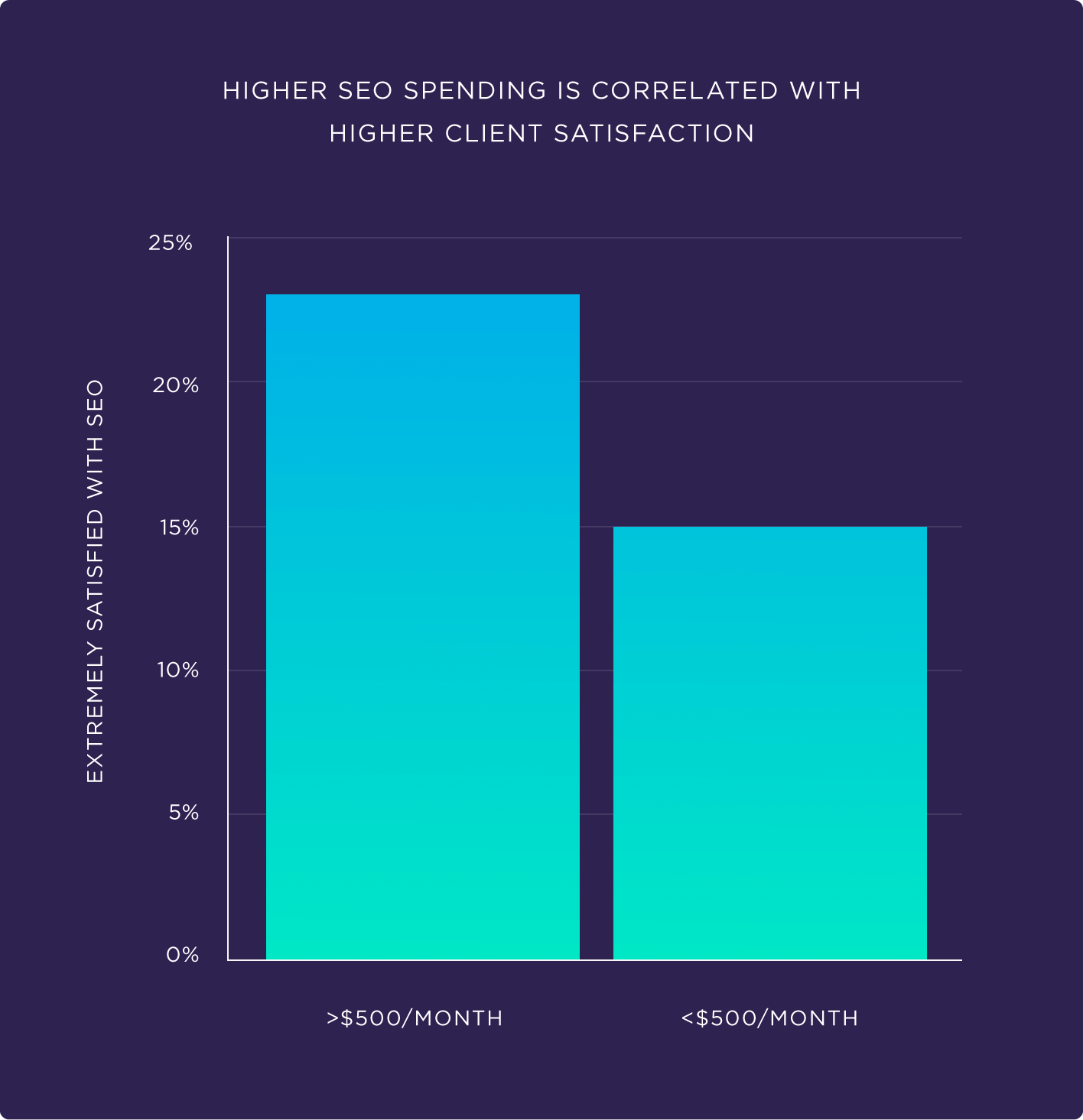
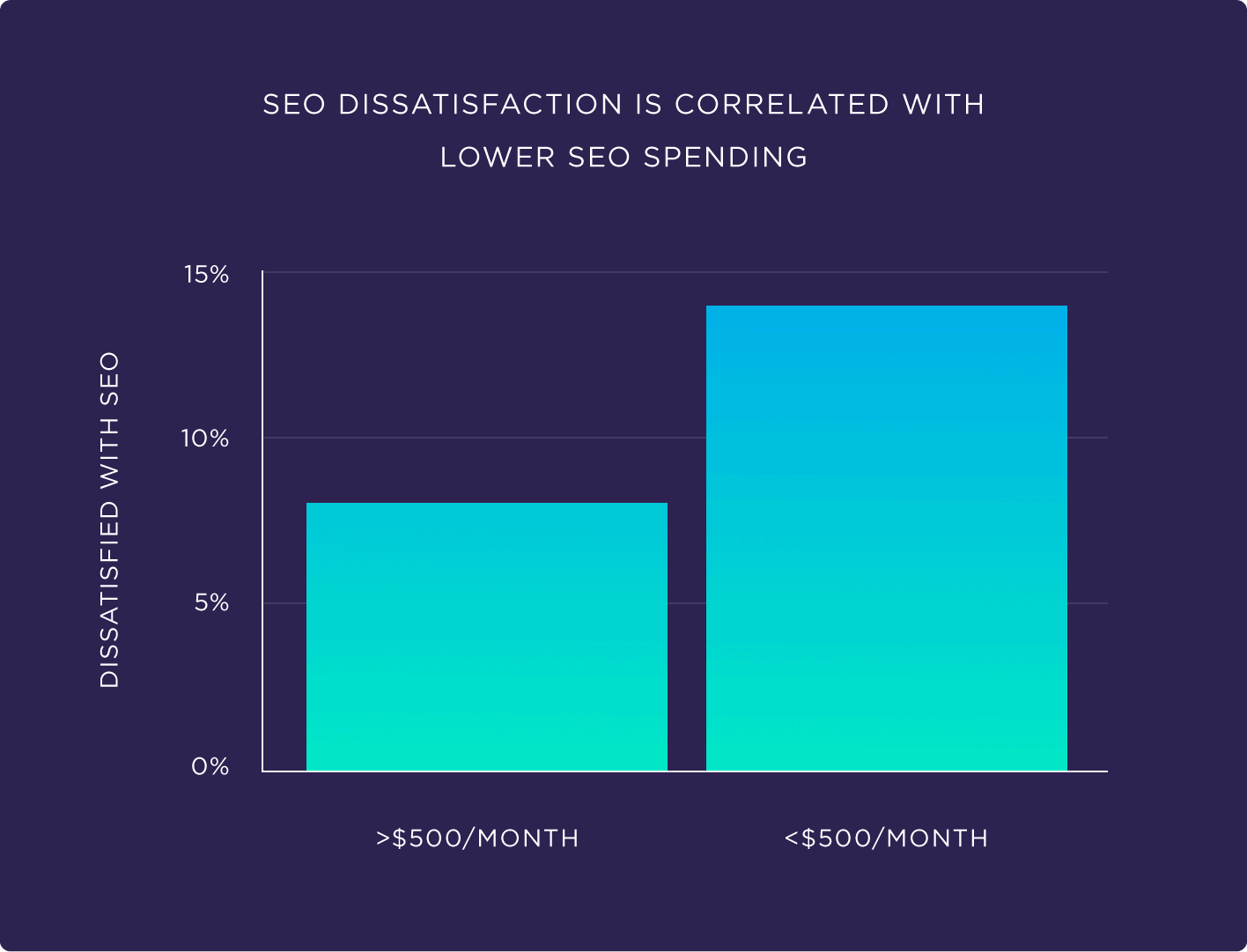
Data suggests a significant "satisfaction threshold" at the $500 monthly mark. Clients who invest more than $500 per month are 53.3% more likely to report being "extremely satisfied" with their results compared to those in the sub-$500 category. This correlation highlights a growing reality in the digital marketing space: the cost of the tools, high-quality content, and technical expertise required to compete in 2025 often exceeds the budgets of "bargain" SEO packages. Furthermore, the survey found that while half of the respondents spend less than $1,000 per year, a growing elite tier—approximately 2% of the market—is now spending upwards of $25,000 annually on specialized organic growth strategies.
The Provider Landscape: Agencies vs. Freelancers
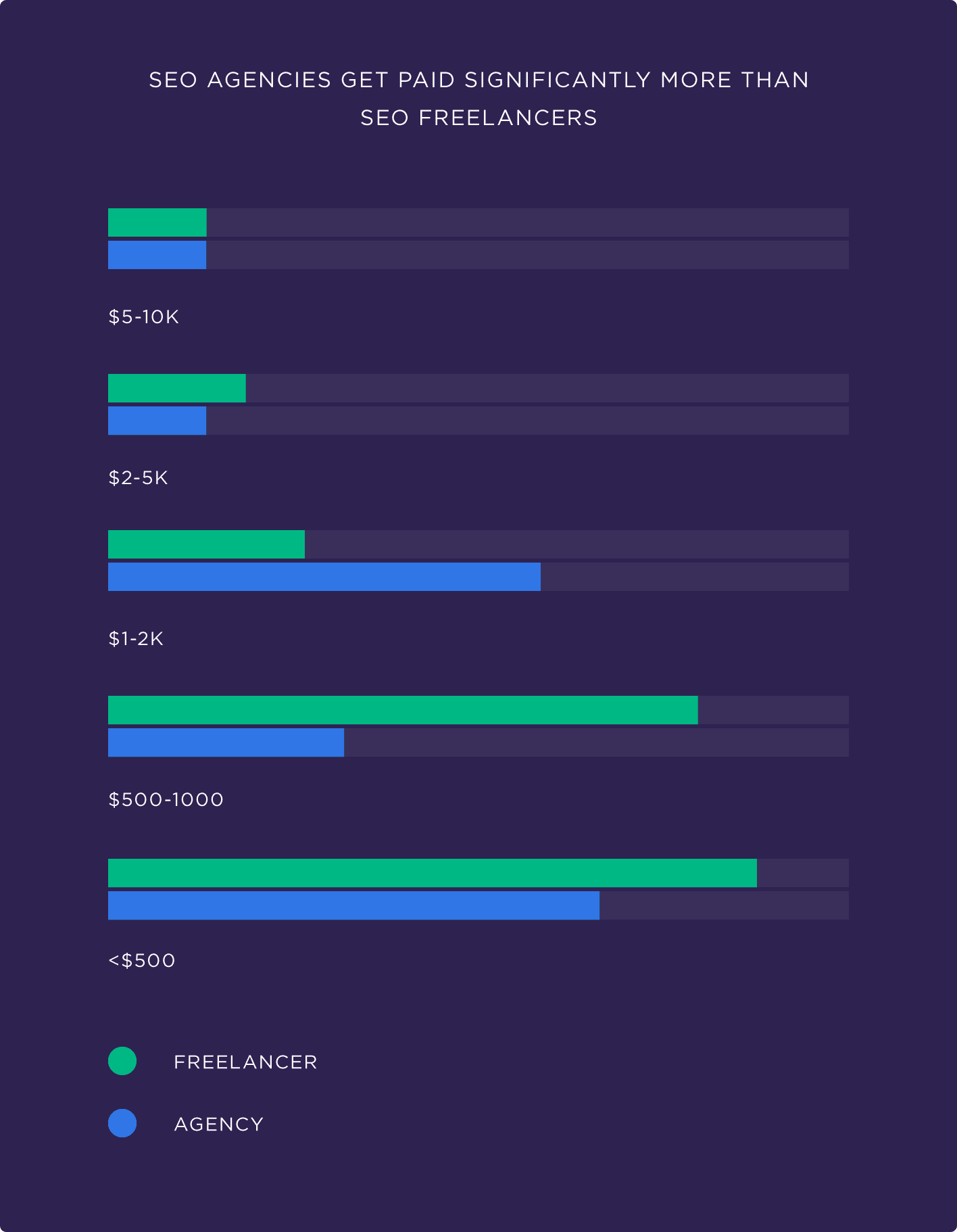
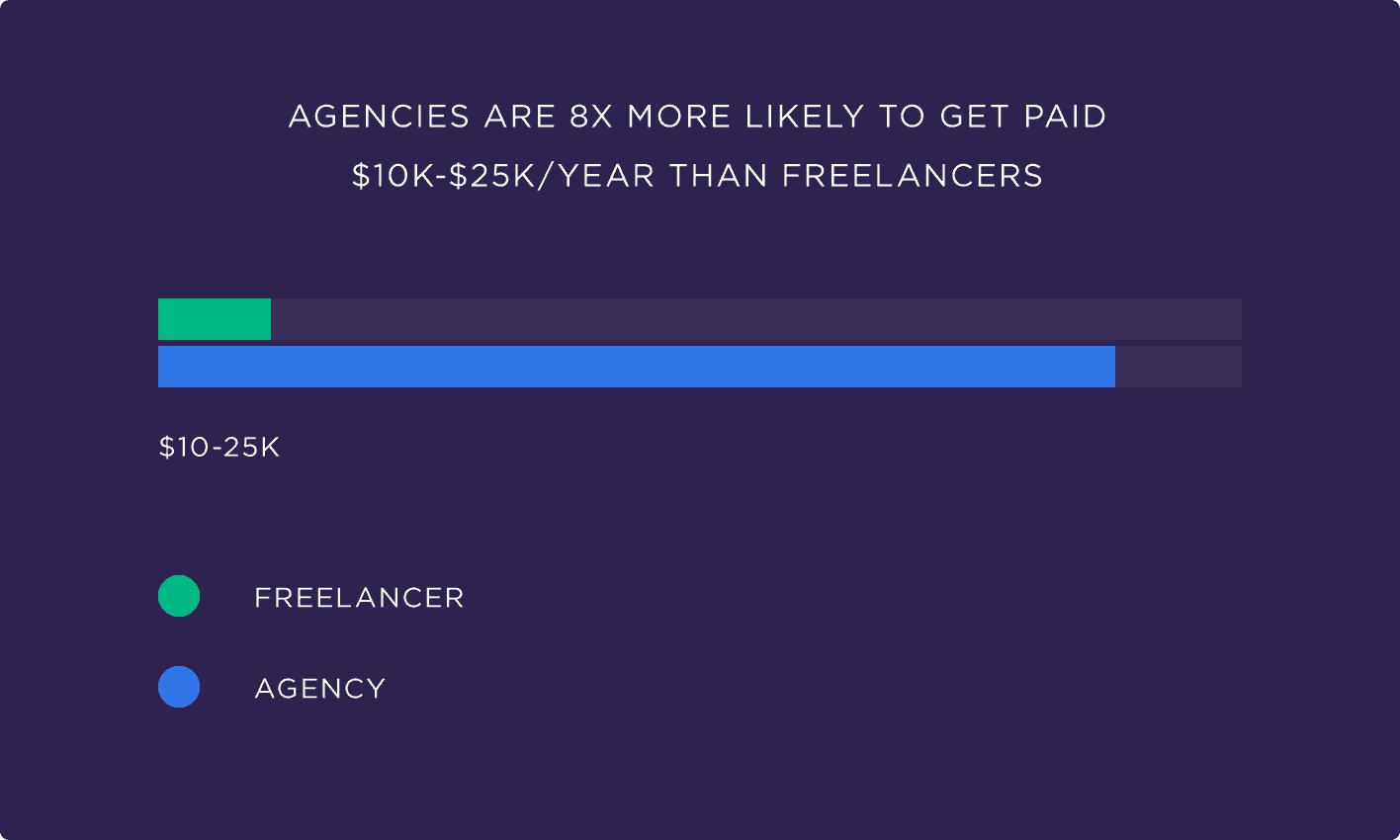
A critical divergence has emerged between the service models of marketing agencies and independent freelancers. Agencies have successfully positioned themselves at the higher end of the value chain, being twice as likely to secure monthly retainers in the $1,000 to $2,000 range. In the premium market, the gap is even more pronounced; agencies are eight times more likely than freelancers to manage accounts worth $10,000 to $25,000 per year.
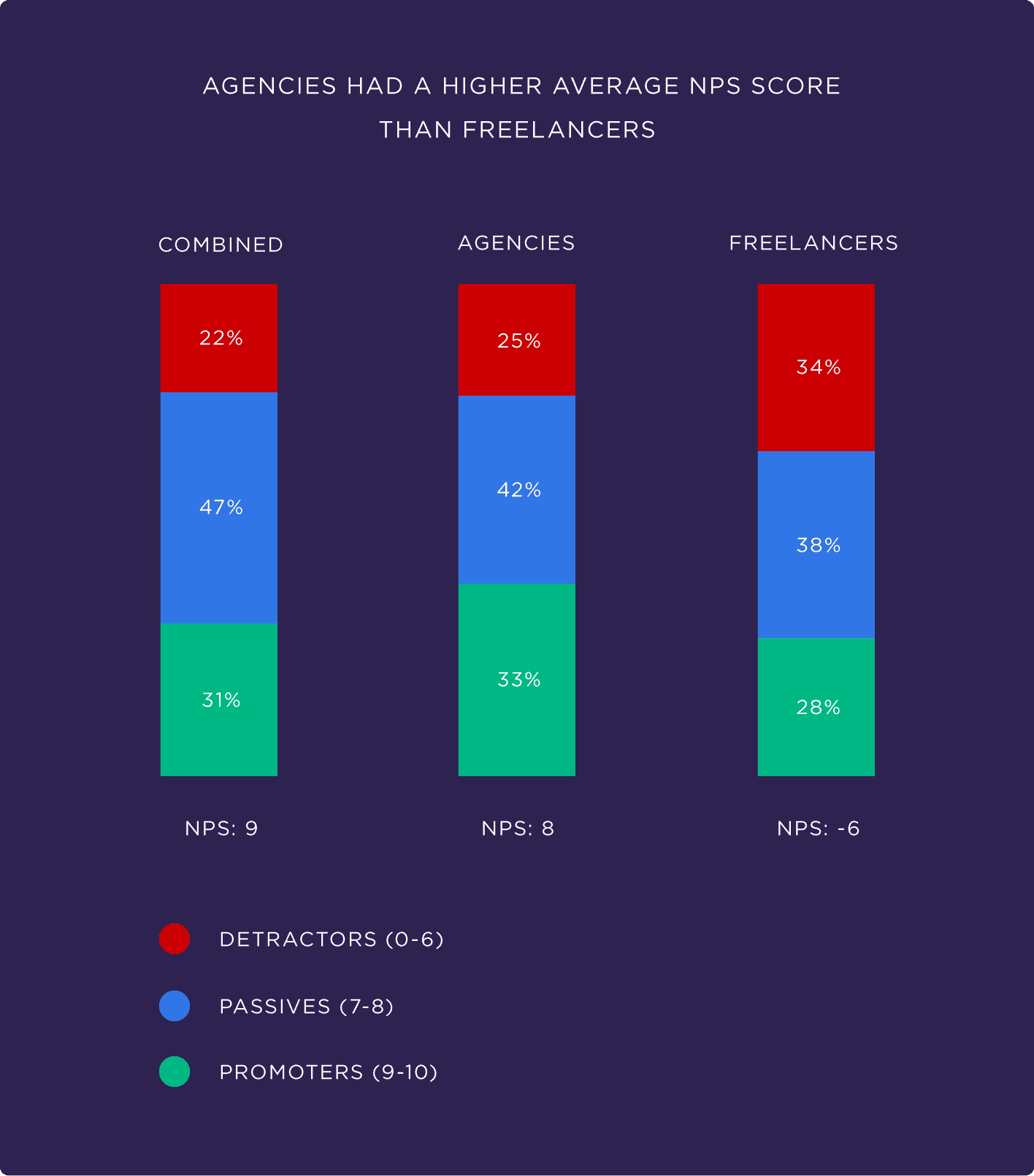
This disparity is driven largely by the breadth of resources required for modern SEO. While a freelancer may offer specialized expertise in one area, such as technical audits or link building, agencies typically provide a multidisciplinary approach that includes data science, content production, and web development. This comprehensive service model appears to yield higher client satisfaction, as agency clients reported higher Net Promoter Scores (NPS) than those working exclusively with independent contractors.
The Satisfaction Crisis and Industry Turnover
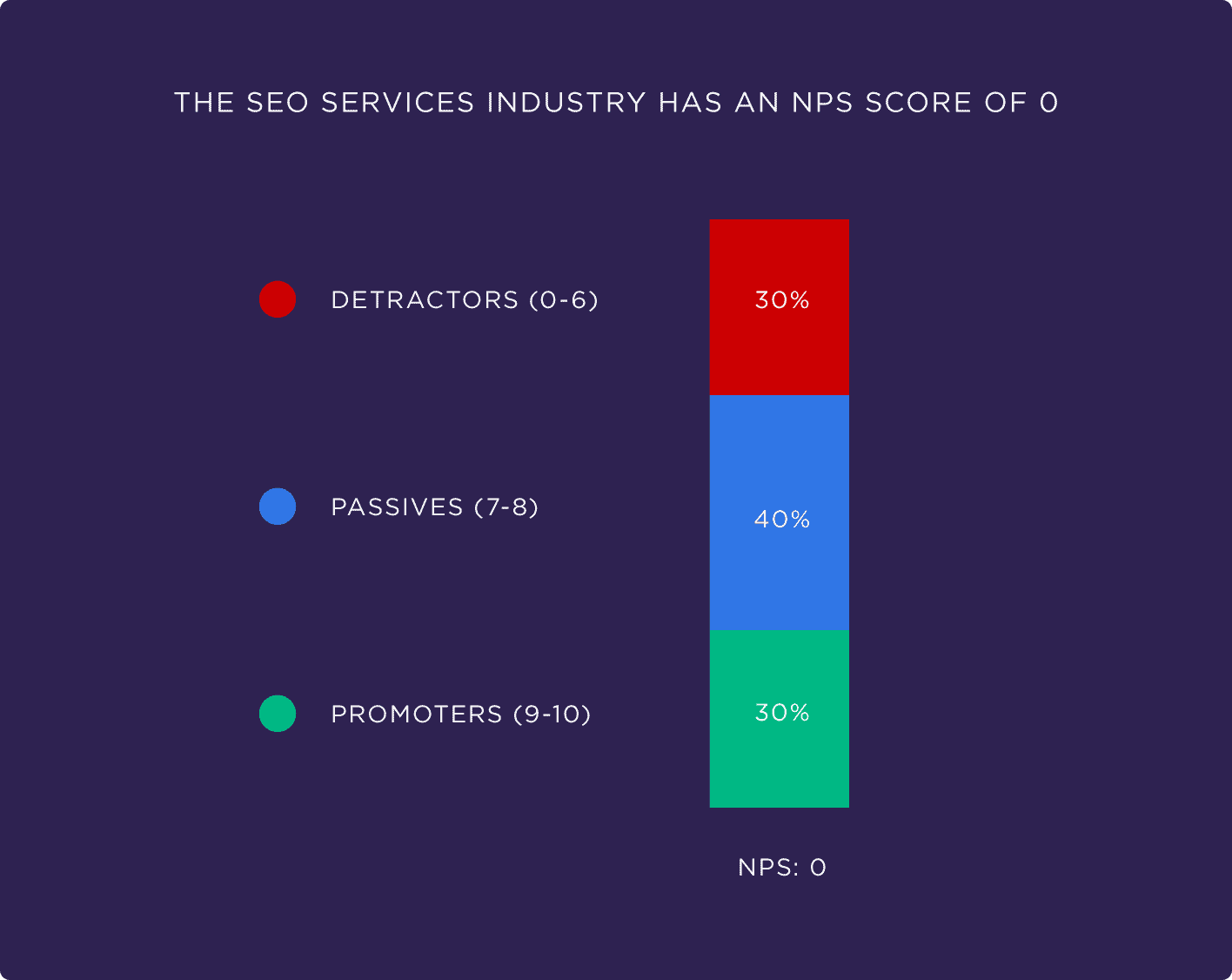
Despite the heavy financial investment in the sector, the SEO industry faces a significant reputation challenge. The overall Net Promoter Score for the industry currently sits at zero, a metric that indicates a neutral-to-negative sentiment among the consumer base. Only 30% of business owners surveyed stated they would recommend their current SEO provider to a colleague or friend.
This lack of confidence has led to extreme turnover rates. Approximately 65% of business owners have cycled through multiple SEO providers, with 25% having worked with three or more. A subset of the market, labeled "rapid switchers," representing 10% of the panel, reported changing providers three or more times within a single year. These figures suggest a "trial and error" approach to hiring that often leaves businesses frustrated and providers unable to implement long-term strategies.
The data indicates that lapsed clients—those who have recently terminated a contract—stay with a provider for an average of two years before moving on. This two-year window is significant, as it suggests that business owners are willing to grant a substantial amount of time for results to manifest before making a final determination on the provider’s efficacy.
Factors Influencing the Selection of SEO Partners
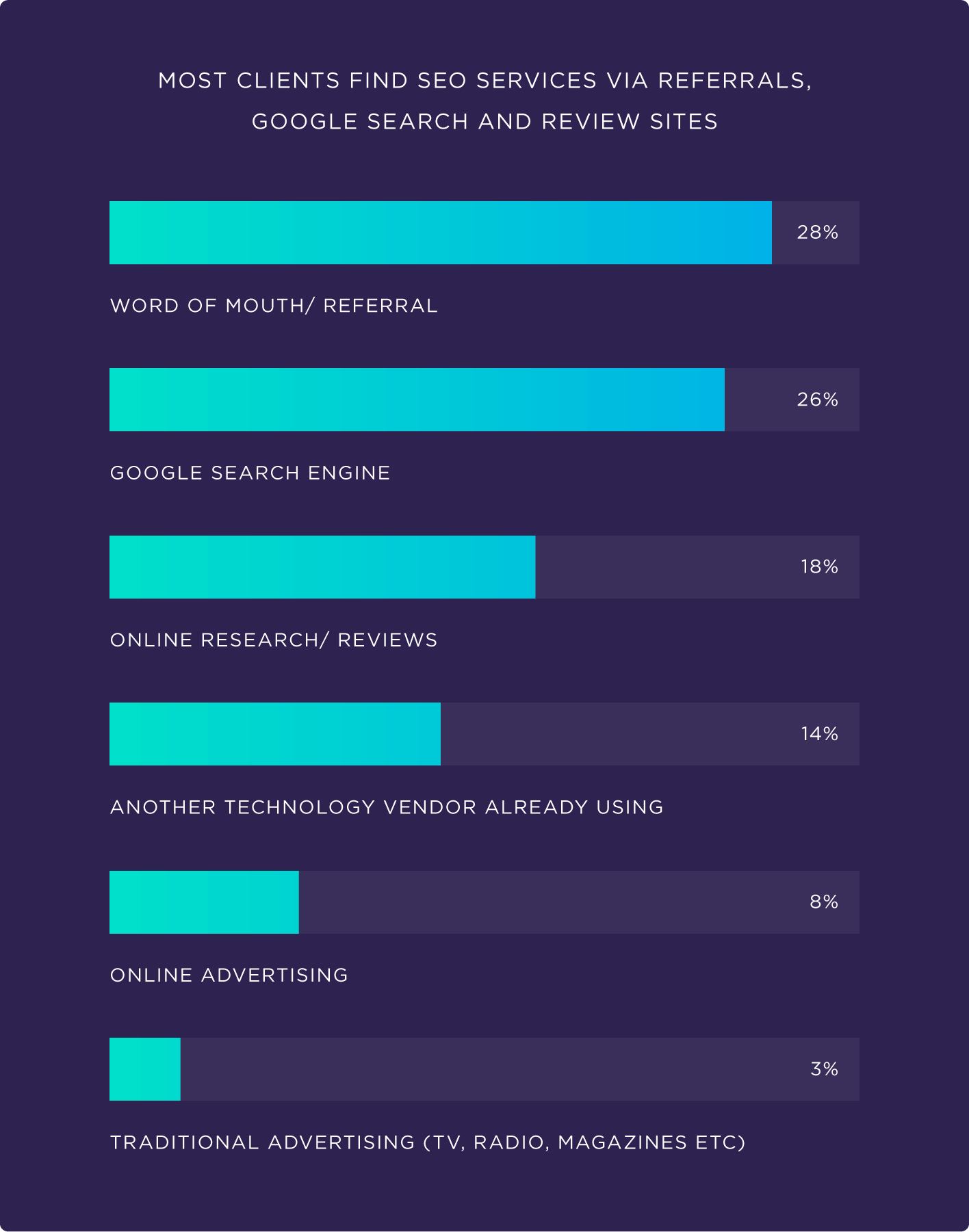
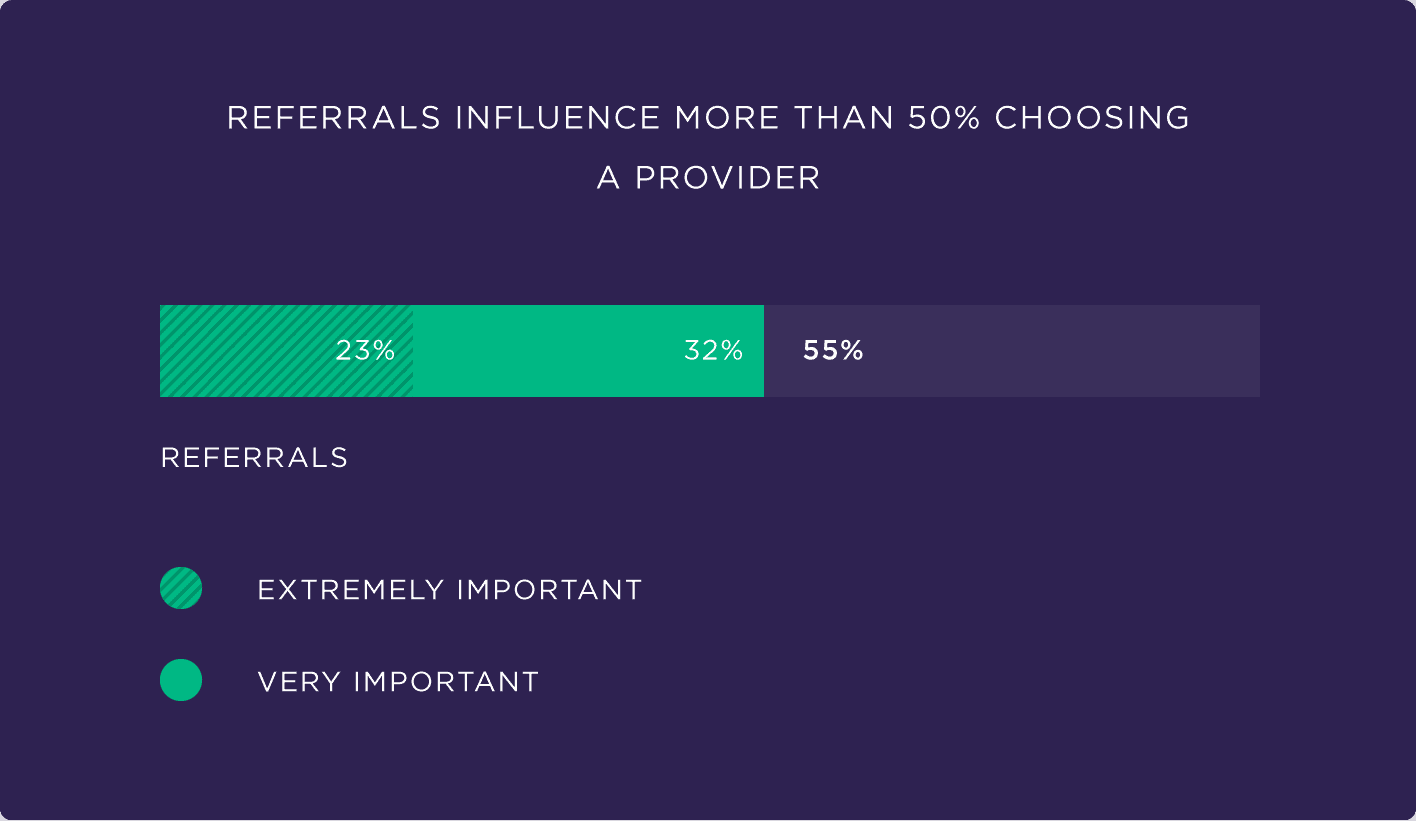
When businesses enter the market for SEO services, they rely heavily on established trust networks. Referrals remain the primary driver for new business, followed by organic Google searches and online review platforms like Yelp or Clutch. Interestingly, only 8% of clients found their provider through paid online advertising, suggesting that for SEO providers, the "practice what you preach" model—ranking high on search results pages—is a more effective sales tool than traditional ad spend.
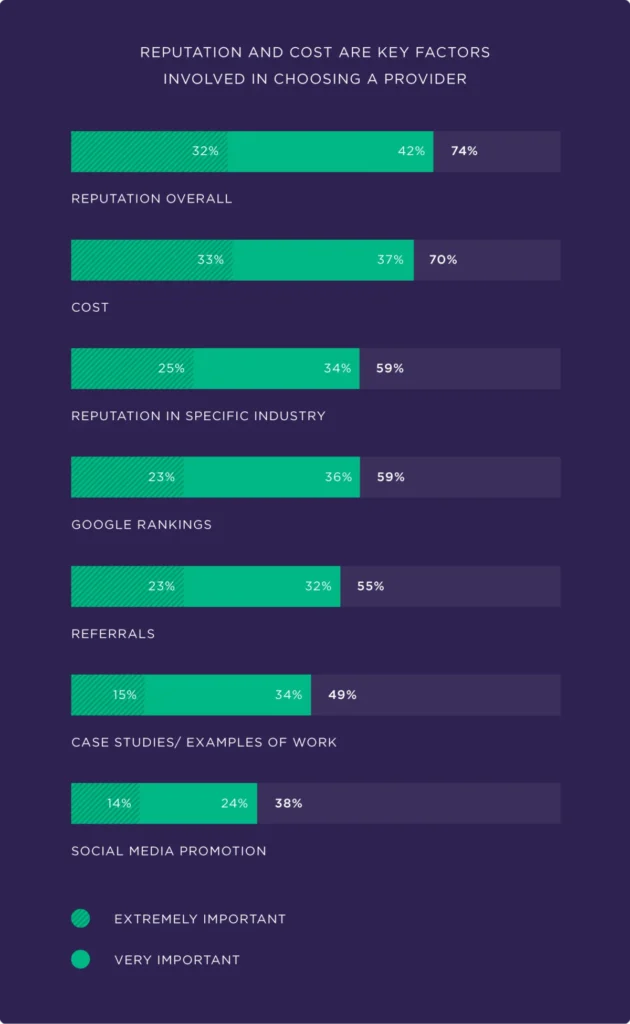
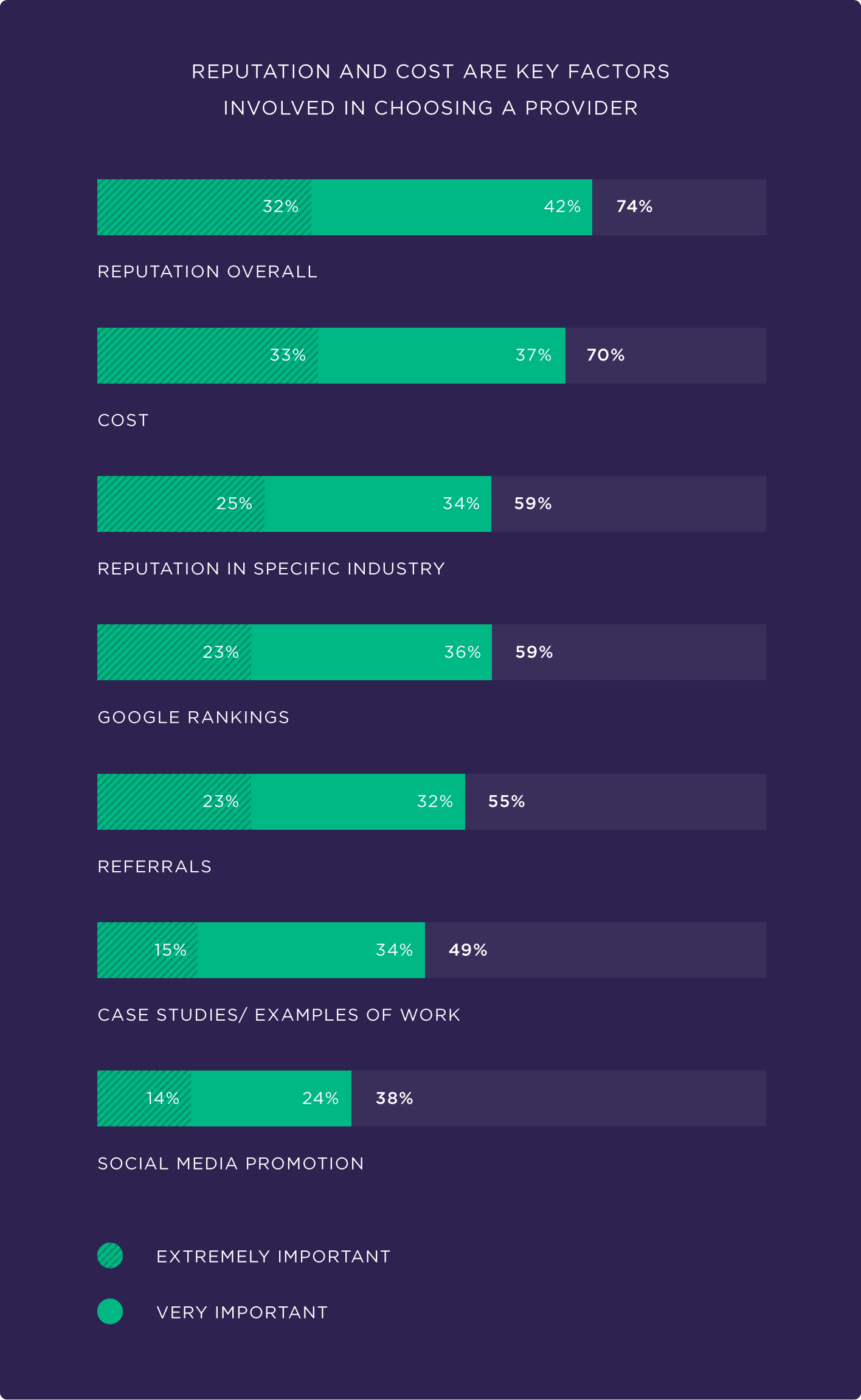
The decision-making process is dominated by three key factors:
- Reputation (74%): Business owners prioritize the provider’s track record and industry standing above all else.
- Monthly Cost: Pricing remains a critical barrier, particularly for SMEs.
- Internal Rankings: A provider’s ability to rank their own website is seen as a "proof of concept."
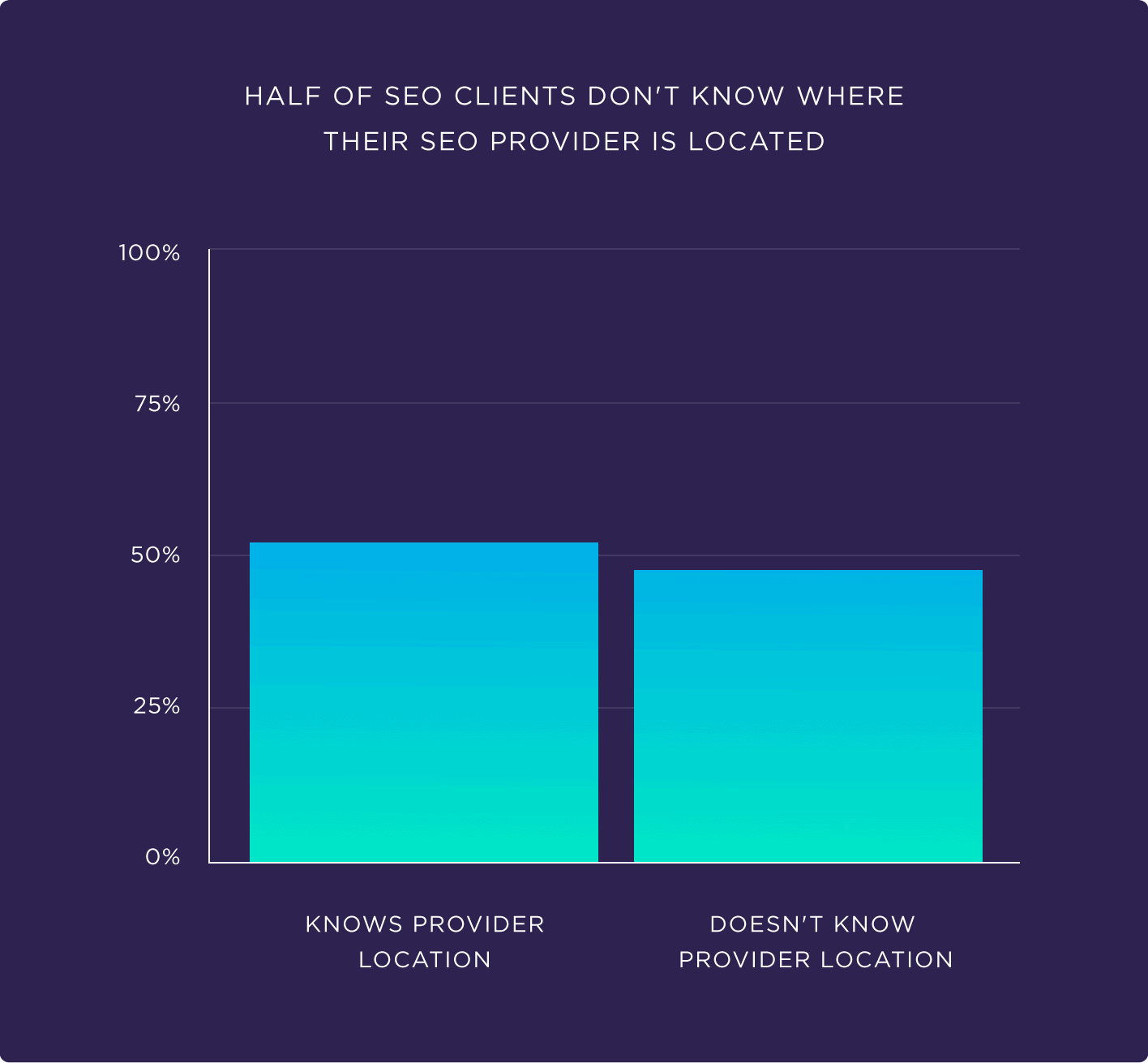
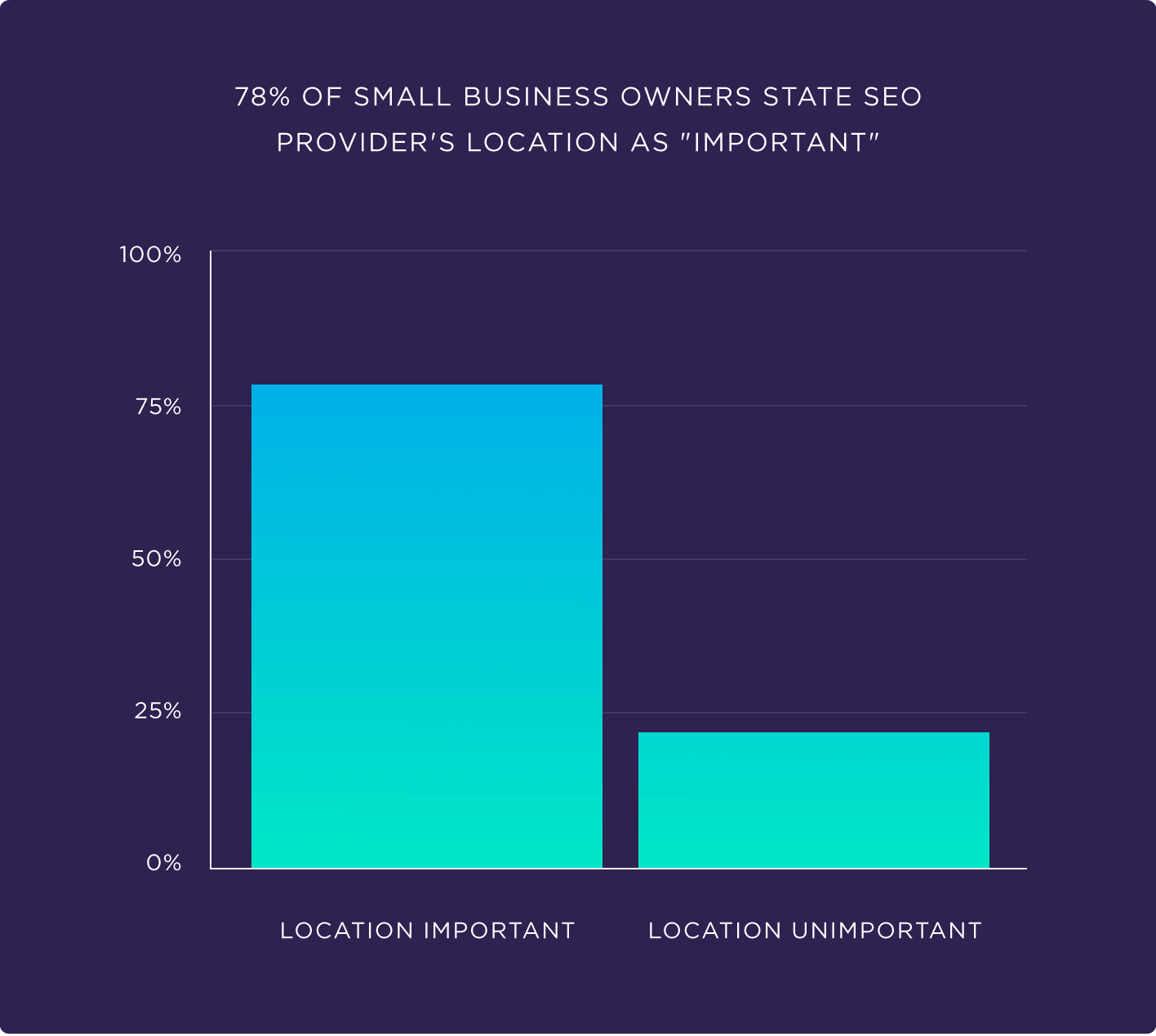
Furthermore, location remains a surprisingly vital factor. While 78% of U.S. small business owners consider the provider’s physical location to be "very" or "extremely" important, nearly half (49%) do not actually know where their current provider is headquartered. This suggests that while businesses desire local accountability, the remote nature of digital work often obscures the reality of the partnership.

ROI and Performance Metrics Across Industries
SEO continues to be recognized as one of the highest-return marketing channels available, with an average ROI of 22:1. Approximately 34% of all qualified leads are generated through organic search efforts. However, the timeframe for reaching a "break-even" point and the ultimate return on investment vary wildly by industry sector:
- High-Yield Technical Sectors: Medical Device (1,183% ROI) and Higher Education (994% ROI) lead the market, though both require roughly 13 months to break even.
- Rapid Recovery Sectors: Construction (681% ROI) and B2B SaaS (702% ROI) show some of the fastest paths to profitability, with breakeven points occurring in as little as 5 to 7 months.
- Competitive Services: Legal Services (526% ROI) and Healthcare (532% ROI) maintain strong returns but face longer lead times of 11 to 14 months due to intense local competition.
The integration of Artificial Intelligence has further boosted these figures. Rather than replacing SEO, AI is acting as a force multiplier. Roughly 39% of businesses reported a moderate increase in ROI due to AI tools, while 29% claimed a significant increase. Only 1% of the market believes AI has negatively impacted their SEO return.
The Education Gap: Why Relationships Fail
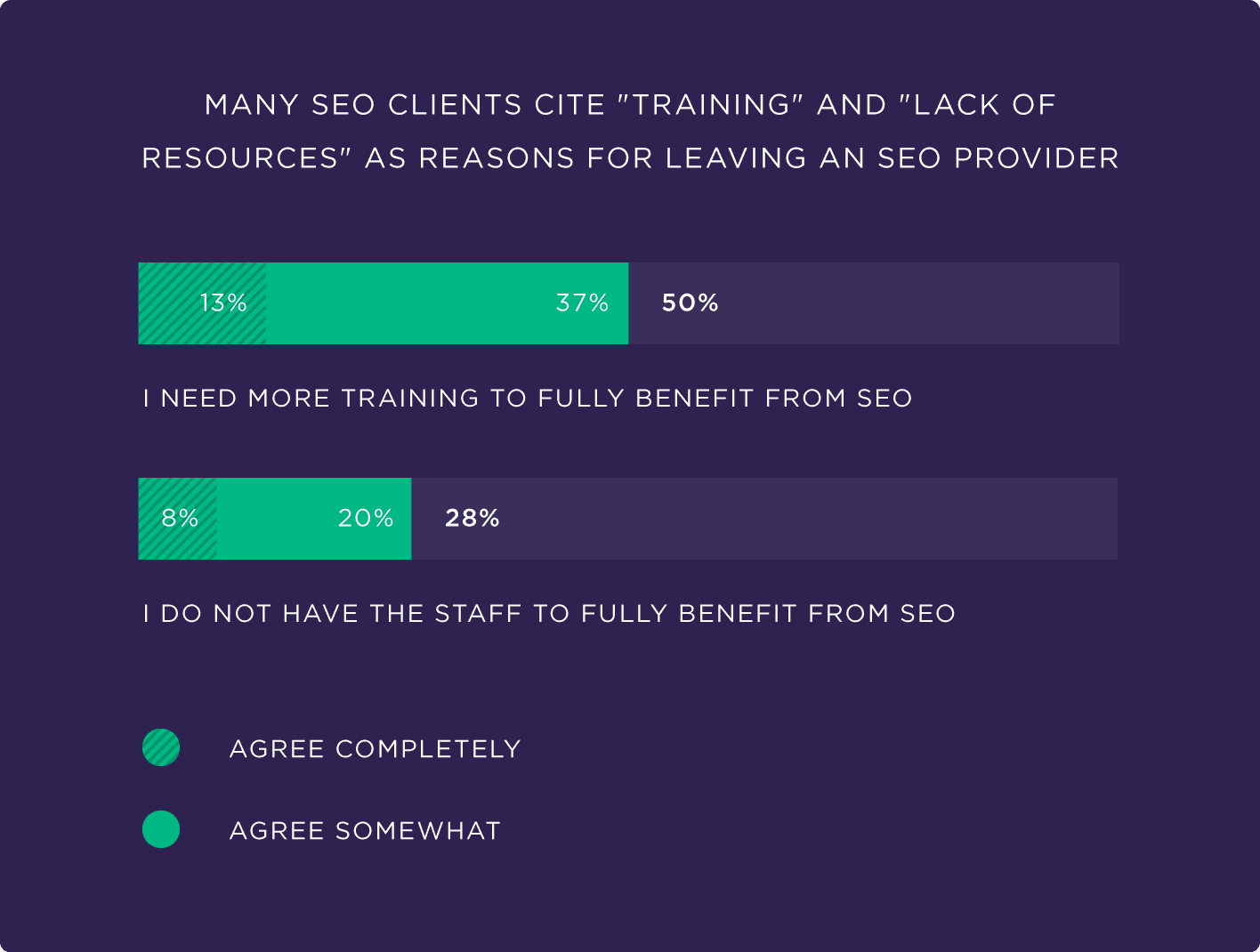
A deeper analysis of the data reveals that low satisfaction is not always the result of poor performance by the SEO provider. Instead, a significant "education gap" exists within the client base. Half of the respondents admitted they need more training to fully benefit from SEO, and 28% noted they lack the internal staff resources to implement the recommendations provided by their consultants.

This creates a friction point where 27% of clients find SEO "confusing and unclear," and 25% are unsure exactly what they are paying for. Clients who self-identify as "web-savvy" are twice as likely to remain with their providers as "extremely web-savvy" users can better appreciate the technical milestones and incremental gains that precede major traffic spikes. Conversely, clients who lack digital literacy often view SEO as a "black box," leading to premature contract terminations when immediate, massive gains are not achieved.
Broader Impact and Industry Implications
The findings of the 2025 report suggest that the SEO industry is at a crossroads. While the economic value is undeniable, the "reputation gap" poses a long-term threat to the agency-client relationship. The most successful providers in the coming years will likely be those who prioritize transparency and client education alongside technical execution.
For business owners, the data offers a clear directive: higher investment is correlated with higher satisfaction. Attempting to manage SEO on a sub-$500 budget often leads to a cycle of turnover and "detractor" sentiment. As search engines continue to evolve into "answer engines" powered by generative AI, the requirement for sophisticated, well-funded organic strategies will only intensify. The organizations that view SEO as a core business function rather than a discretionary marketing expense are the ones currently capturing the lion’s share of the $119.4 billion market opportunity.
Ultimately, the longevity of the SEO partnership depends on alignment. When providers move away from jargon like "backlinks" and "CSS" and focus on the client’s language of "leads," "sales," and "market share," satisfaction levels rise. As the industry matures, the focus is shifting from simply "ranking" to providing a holistic return on investment that justifies the significant capital being deployed across the American digital economy.