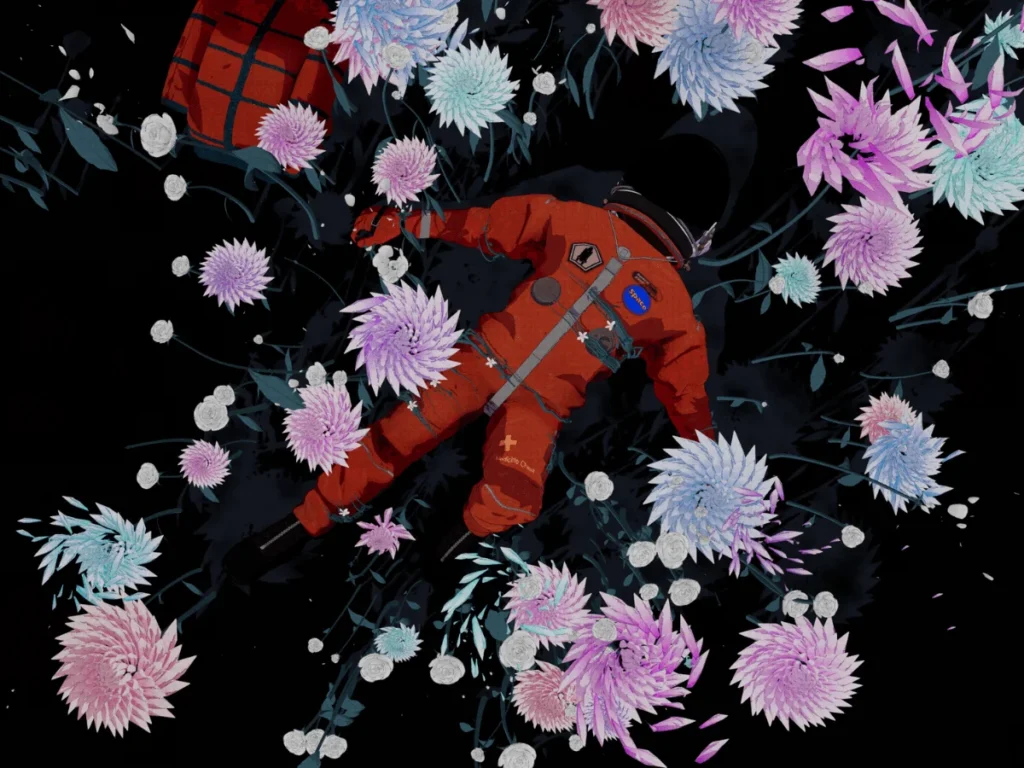

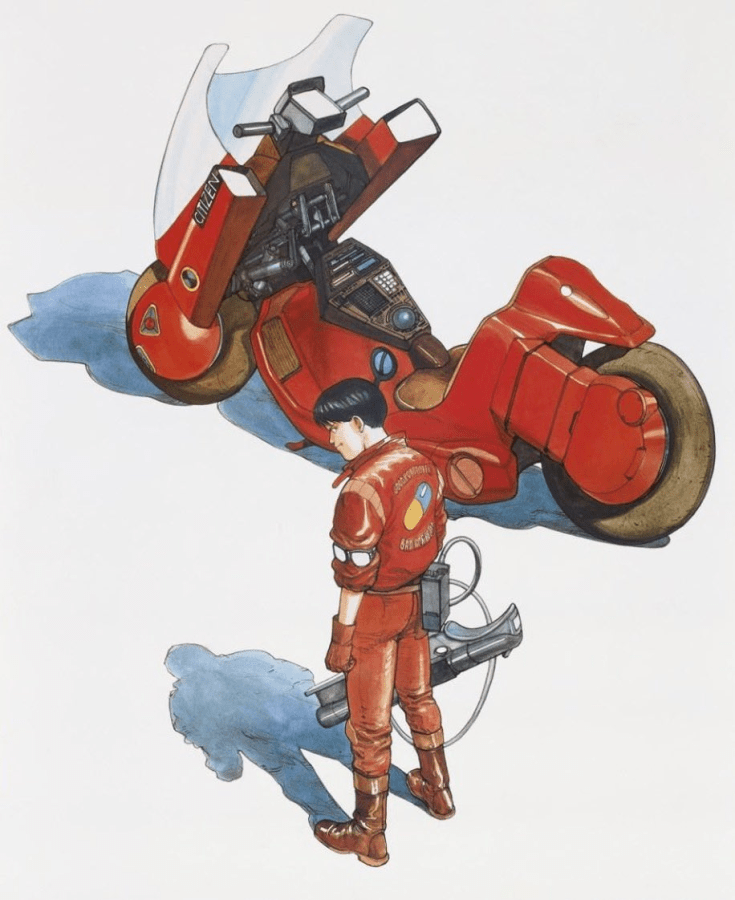
The intersection of classic Japanese artistic traditions and cutting-edge real-time 3D web graphics has reached a new milestone with the release of Still, the third installment in developer Ming Jyun Hung’s interactive real-time astronaut narrative series. Unveiled ahead of the inaugural Three.js Conference in Paris, the project marries the aesthetic blueprints of Katsuhiro Otomo’s iconic anime film Akira with classical Japanese folding screens and ink wash paintings. Built using advanced WebGPU capabilities, the digital installation investigates the fluid boundaries between technology, procedural generation, and classical artistic motifs, setting a new benchmark for browser-based interactive storytelling.

Background Context and Narrative Evolution
Still serves as a direct continuation of Hung’s ongoing web-based episodic saga, which previously explored themes of isolation and exhaustion in Drift and False Earth. In the narrative framework of Still, the protagonist has succumbed to utter physical exhaustion after days of ceaseless wandering across an artificial expanse. Suspended in a liminal state between waking and sleep, the astronaut’s environment undergoes a surreal transformation where the ground, flora, and atmospheric elements merge into a single continuous, meditative landscape.

This project follows a deliberate technological and creative evolution. While earlier chapters pushed the limits of WebGL performance and rendering pipelines, Still leverages the advanced capabilities of WebGPU to execute complex geometric instancing, procedural animations, and custom lighting models entirely within the browser. The underlying creative vision draws heavily from historical and cinematic precedents, specifically seeking to translate the deliberate pacing, flat color planes, and atmospheric tension of traditional Japanese ink wash aesthetics into a contemporary computational medium.
Visual Translation: From Traditional Art to Real-Time Shading

Translating the visual language of hand-drawn animation and centuries-old ink wash paintings into a real-time 3D engine required a complete rethinking of standard lighting and rendering pipelines. Hung identified a shared visual logic between Akira and classical folding screens attributed to masters like Sakai Hōitsu and Ogata Kenzan: a reliance on flat areas of color, crisp outlines, woven material surfaces, and irregular marks that construct atmosphere through shape and spacing rather than hyper-realistic rendering.
To achieve this in a WebGPU environment, the project implements a customized toon shading system. By calculating surface alignment with light sources (N·L) and running the values through a quantized threshold function with added world-space noise, the engine produces broad, stylized shadow and highlight bands reminiscent of traditional woodblock prints. Outlines are rendered dynamically using inverted hull meshes for character models and specialized mask-based shaders for instanced floral geometry, ensuring clean silhouettes without incurring prohibitive performance penalties.
Furthermore, the ground shadows mimic traditional ink wash techniques by sampling directional shadow maps and processing them through noise fields to generate soft, mottled edges rather than hard, geometric projections. This meticulous attention to material presence extends to a simulated silk weave overlay, which applies a faint grid pattern and subtle stain effects across the entire frame, anchoring the digital scene in the tactile reality of physical art.
Procedural Engineering and Plant Lifecycles

At the micro-level of the generative garden, Hung engineered a sophisticated procedural system to govern the growth, animation, and lifecycle of individual flora. Utilizing vertex animation textures (VAT) converted from Blender geometry nodes, the project simulates complex blooming mechanics for flowers such as dahlias and plumerias, paired with custom shedding algorithms inspired by teamLab’s interactive digital art installations.
The botanical architecture relies on procedural Catmull-Rom curves that construct stems and leaves dynamically within the Three.js ecosystem. Each plant operates on a distinct four-stage lifecycle timeline—Delay, Grow, Keep, and Die—allowing thousands of individual instances to exist in disparate phases of development simultaneously. Rather than populating the environment with a uniform matrix of copies, the field distribution is controlled by a probability density map. Four anatomical anchors on the astronaut’s body—the hip, left hand, left boot, and backpack—generate local clusters of high floral density, interspersed with wandering clump centers known as hearts and strategic bare patches to preserve compositional balance.

Integration of Generative Tendrils and System Performance
To bind the digital astronaut and the surrounding flora into a cohesive visual system, Hung developed a generative tendril network. These structures establish physical connections between the ground and the protagonist’s suit through a combination of wrap curves and surface routing graphs. Utilizing spatial data structures like MeshBVH for geometric queries, tendrils grow outward in a continuous root-to-tip reveal, wrapping organically around the character’s armor while avoiding undesirable mesh intersections.
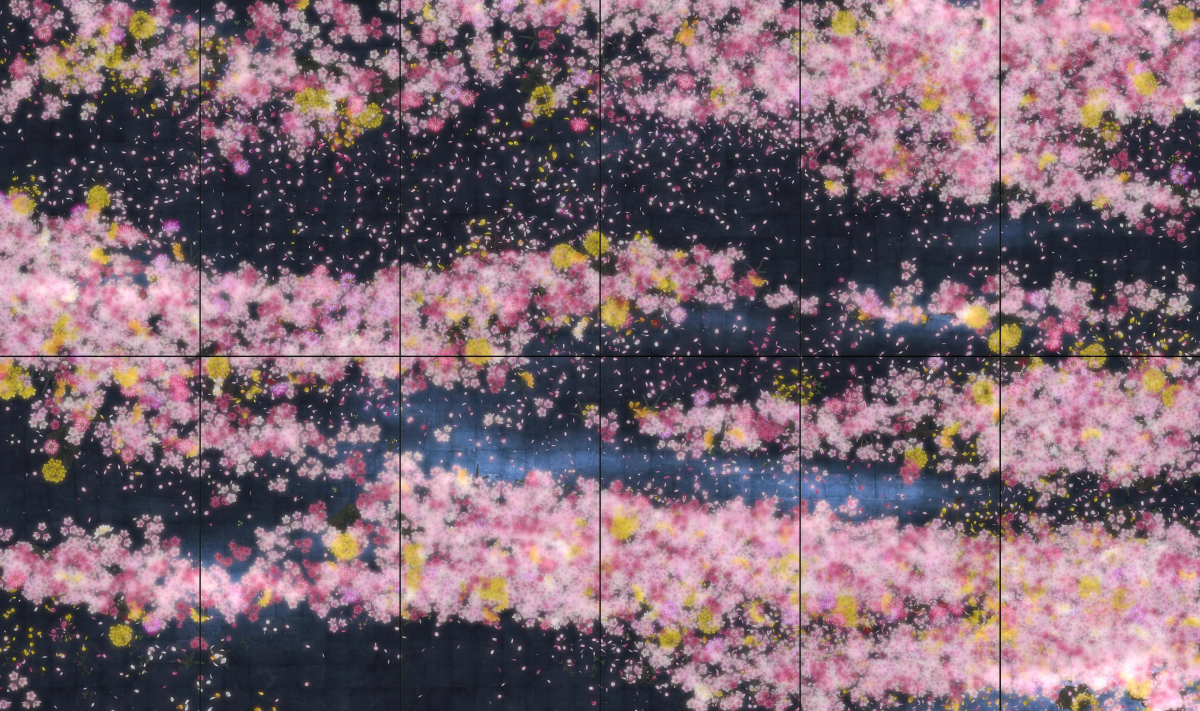
Managing the immense computational load of thousands of instanced plants, shadows, and procedural tendrils demanded rigorous optimization strategies. By leveraging data textures updated per frame on the GPU, the CPU retains static layout data while the rendering pipeline handles dynamic parameters such as growth, sway, and world offsets in a single draw call. Lightweight shadow proxies are utilized for complex assets to minimize depth-pass overhead, striking a delicate balance between visual richness and browser performance.
Implications and Future Directions of Web-Based 3D Art

The debut of Still arrives at a pivotal moment for browser-based graphics, coinciding with the broader industry adoption of WebGPU. As demonstrated by Hung’s work, modern web standards are increasingly capable of supporting cinematic-quality visuals, complex procedural generation, and sophisticated physics simulations without requiring native application downloads.
Industry analysts note that projects like Still point toward a mature future for interactive digital storytelling on the web. By treating browser environments as canvases for traditional artistic principles rather than mere showcases for raw polygon counts, developers can create emotionally resonant experiences that bridge the gap between fine art, animation, and computer science. As Hung continues to explore the intersection of narrative and real-time graphics, the methodologies established in Still provide a robust template for future generative worlds.