
The Norfolk Coast is one of the United Kingdom’s most cherished yet environmentally vulnerable tourism destinations, necessitating a comprehensive strategic rebranding to balance visitor influx with the urgent need for conservation. Recognized officially as an Area of Outstanding Natural Beauty (AONB), the region encompasses a complex tapestry of ecological designations, including Sites of Special Scientific Interest (SSSI), National Nature Reserves (NNR), Marine Conservation Zones (MCZ), and a prestigious UNESCO Biosphere Reserve. Faced with the compounding pressures of climate change, rising sea levels, and the heavy footfall of domestic tourism, local authorities and stakeholders recently commissioned the creative agency Lantern to unify the region’s fragmented identity and establish a coherent framework for sustainable management.

The resulting brand evolution represents more than a mere aesthetic update; it serves as a policy-driven communications strategy designed to reconcile the inherent tension between economic vitality and the preservation of a fragile, shifting landscape. By aligning the various administrative bodies responsible for the coast under a singular, recognizable vision, the project aims to foster a culture of "responsible exploration" that protects the region for future generations.

The Ecological Context: A Landscape in Flux
To understand the necessity of this rebranding, one must first appreciate the geographical reality of the Norfolk coastline. It is a region defined by perpetual motion—a landscape where water levels, shifting dunes, and migratory patterns dictate the rhythm of life. The coastal zone is not a static tourist product but a dynamic, living system.

The region’s environmental significance cannot be overstated. According to the Norfolk Coast Partnership, the area supports an extraordinary range of biodiversity, providing critical habitats for wintering wildfowl and rare plant species. However, the coastal geography is notoriously unstable. Erosion rates in parts of Norfolk are among the highest in Europe, presenting a constant challenge to infrastructure and biodiversity alike.

Historical data from the Environment Agency indicates that the vulnerability of these coastlines has increased significantly over the last two decades. As human activity continues to exert pressure on these sensitive environments, the need for a unified public-facing narrative—one that emphasizes the fragility of the ecosystem—has become a priority for local councils and environmental charities operating within the AONB.

Chronology of the Rebranding Initiative
The project led by Lantern followed a rigorous, evidence-based methodology, moving away from conventional marketing approaches to prioritize deep-field research.

- Initial Engagement (Q1 2023): Stakeholder meetings were held to identify the core conflict: how to promote tourism without exacerbating environmental degradation.
- Immersion Phase (Spring 2023): The design team conducted a four-day immersive field study. This involved hiking, cycling, and kayaking through the region, combined with structured interviews with local families, business owners, and conservationists.
- Concept Development (Summer 2023): The agency synthesized its findings, identifying the "heartbeat" of the coast as the central thematic pillar. This phase focused on creating a visual language that reflects the transition between land, sea, and community.
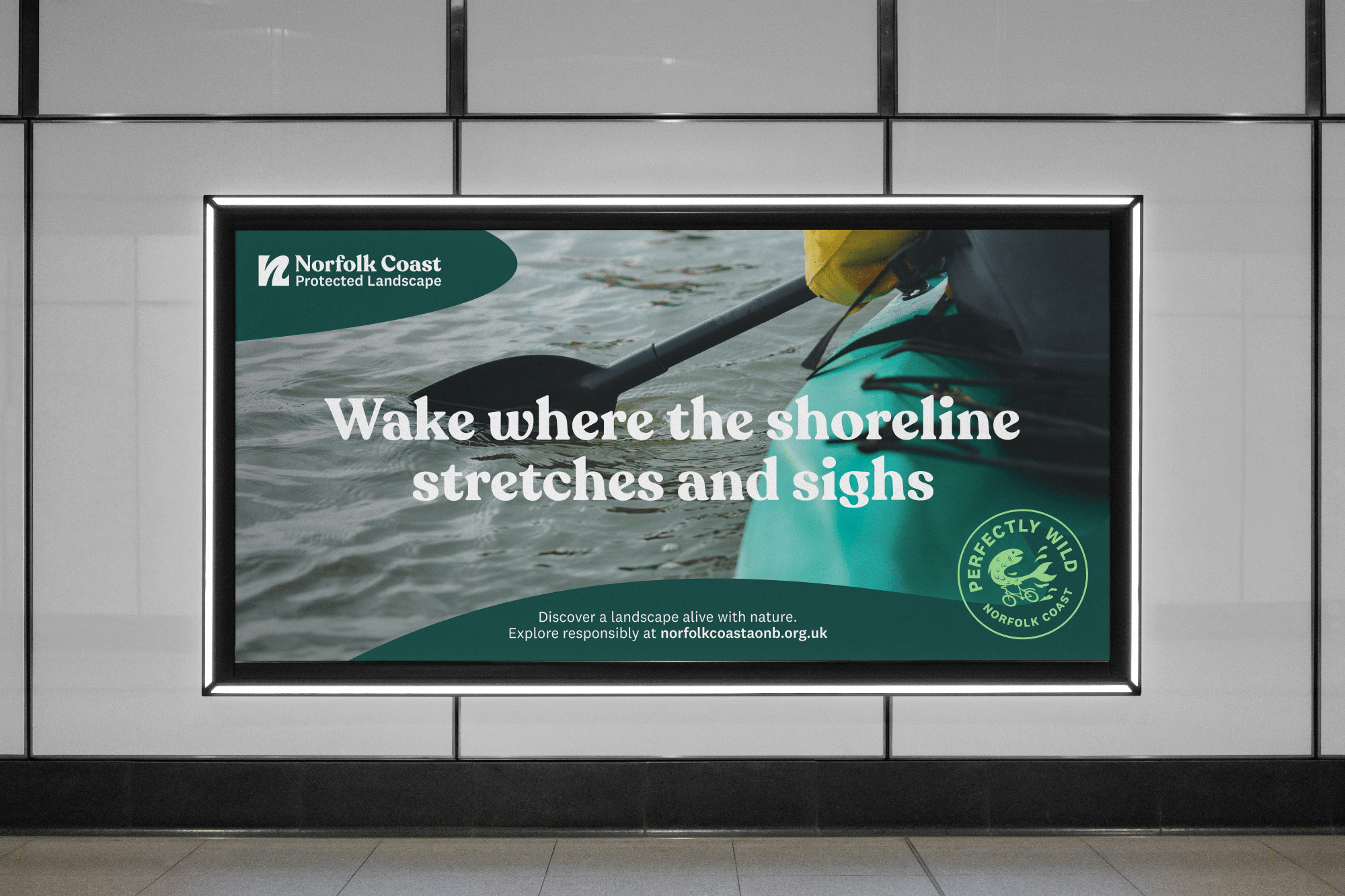
- Implementation (Autumn 2023): The final branding, including a unique logotype formed by the interweaving letters ‘N’ and ‘C’, was rolled out across signage, digital platforms, and merchandise to ensure consistent messaging across all tourist touchpoints.
Strategic Design and Symbolic Representation
The visual identity developed by the team serves a specific functional purpose. By creating a unified symbol—the combined ‘N’ and ‘C’—the branding provides a visual shorthand that connects diverse locations, from remote nature reserves to village hubs. This helps to anchor the visitor’s experience in the concept of a "protected whole" rather than a series of disconnected attractions.

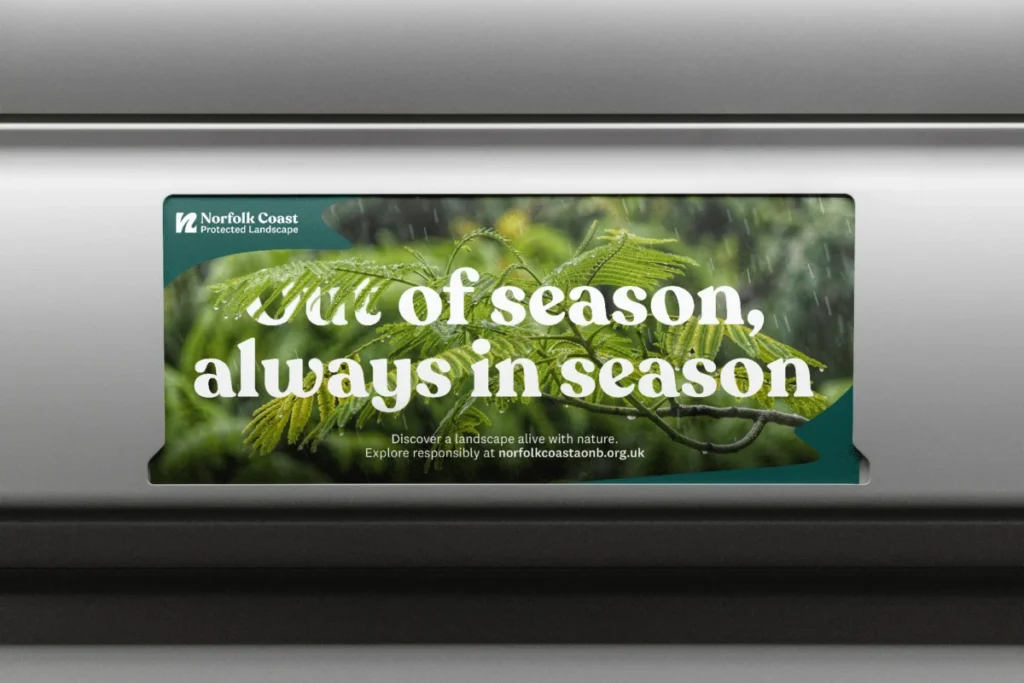
Furthermore, the integration of a bespoke illustration suite—which features local wildlife and flora—serves an educational function. By placing these illustrations on "patches" and stamps, the branding gamifies the experience of conservation. This approach encourages visitors to engage with the environment in a mindful, respectful manner. The inclusion of an "off-season" photoshoot, directed by the agency, was a deliberate attempt to redistribute tourism demand. By showcasing the region during quieter months, the strategy seeks to mitigate the environmental impact of peak-season over-tourism.
The Economic and Environmental Implications
The implications of this rebranding exercise are profound, particularly regarding the concept of "sustainable exploration." For local economies that rely heavily on tourism revenue, the challenge is to grow without exhausting the resources that attract visitors in the first place.

"The goal was never to simply increase numbers, but to curate the quality of the engagement," noted a project lead involved in the rebranding. By positioning the Norfolk Coast as a place that requires respect and stewardship, the campaign shifts the visitor’s role from consumer to participant. This mirrors a broader trend in European destination management, where "stewardship branding" is increasingly used to manage the footprint of tourists in ecologically sensitive zones.

Data-driven analysis suggests that such interventions, if followed by robust management on the ground, can lead to higher-value, lower-impact tourism. By encouraging visitors to spend more time in the region during the off-season, the economic benefits are spread more evenly throughout the year, reducing the stress on local infrastructure and the natural environment during the summer months.

Official Response and Stakeholder Alignment
The project required a high degree of coordination between multiple agencies, including the Norfolk Coast Partnership and various environmental stakeholders. While specific budgetary figures for the rebranding have not been made public, the initiative is widely viewed as a long-term investment in the "brand equity" of the region.

Local business owners have responded positively to the initiative, noting that the new branding provides a professional, unified look that elevates the status of the destination on a national stage. By moving away from generic imagery and focusing on the specific, localized rhythms of the coast, the campaign has succeeded in capturing a sense of place that resonates with both long-term residents and new visitors.

Challenges and Future Outlook
Despite the success of the rebranding, the future of the Norfolk Coast remains inextricably linked to the broader challenges of climate change. The branding can only go so far in addressing the physical realities of rising sea levels and biodiversity loss. The project itself acknowledges this, framing the new identity as an invitation to "protect" rather than simply "consume."

The long-term success of this initiative will be measured not just in visitor numbers or social media engagement, but in the long-term health of the Norfolk ecosystem. If the messaging succeeds in changing visitor behavior—encouraging more sustainable travel, longer stays in the off-season, and a greater respect for wildlife zones—it could serve as a blueprint for other protected areas in the UK.

As the coastline continues to evolve, the brand identity is designed to be as fluid as the landscape it represents. It is a recognition that the Norfolk Coast is not a product to be sold, but a living, breathing entity that must be managed with care. Through the deliberate use of typography, photography, and illustration, the new identity ensures that the narrative of the coast is one of endurance, beauty, and, above all, necessity.

The collaboration between creative professionals and environmental managers highlights a growing necessity in the 21st century: the need for communication strategies that are grounded in ecological reality. By aligning the aesthetic of the region with its underlying conservation goals, the project ensures that the Norfolk Coast remains, as intended, a space that is "here for everyone, forever."