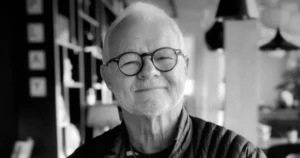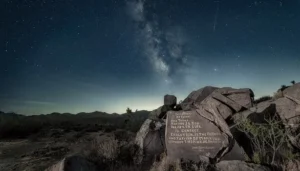

The intersection of the natural world and spiritual realms has long captivated artists, philosophers, and travelers. In contemporary photography, this ethereal boundary is increasingly being examined through a phenomenon known as "thin places"—locations rooted in Celtic spiritual tradition where the physical world and the sacred are believed to closely intertwine. Lev L. Spiro, an accomplished film and television director turned fine-art photographer, has emerged as a leading voice in documenting these mystical environments. Through his critically acclaimed series Thin Places and his ongoing project Elemental, Spiro investigates how heightened perception and deliberate stillness can transform technical landscape photography into deeply experiential visual narratives.
Origins and Evolution of the Thin Places Concept
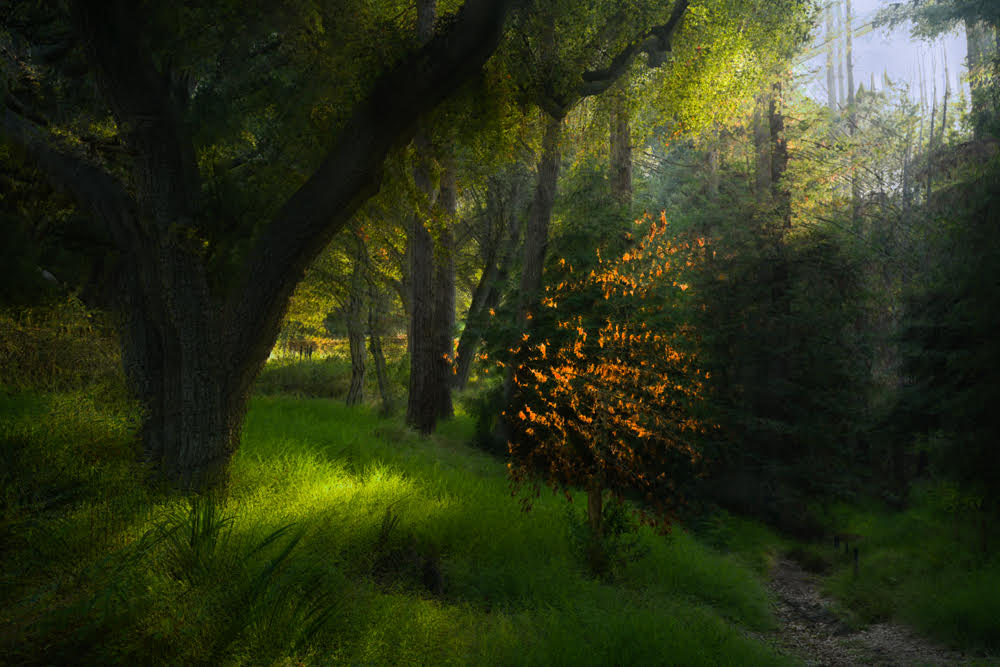
The terminology surrounding thin places originates from ancient Celtic mythology and spirituality. Traditionally, these were physical coordinates—often remote islands, ancient groves, or misty valleys—where the veil separating humanity from the divine was thought to be remarkably sheer. While historical interpretations leaned heavily into the supernatural, modern psychological and artistic interpretations often frame thin places as locations capable of inducing profound awe, introspection, and a shift in one’s perception of time and space.
For Spiro, the journey toward understanding these environments began long before he picked up a camera with the intent of capturing them. Between his eleventh and thirteenth summers, Spiro attended an Outward Bound-style wilderness camp in Vermont. Immersed in dense forests and rugged mountain ranges far removed from urban infrastructure, he experienced recurrent moments of profound astonishment. Although he lacked the terminology to define the sensation at the time, those formative wilderness experiences laid the groundwork for his artistic philosophy decades later.
Methodology and Fieldwork: Moving Beyond Ordinary Seeing

Spiro’s photographic practice is heavily influenced by master landscape photographers of the 20th century, notably Minor White and Paul Caponigro. Both pioneers emphasized the concept of equivalence—using photographs to convey emotional states rather than merely documenting physical realities.
Rather than meticulously scouting specific, world-renowned landmarks for grand vistas, Spiro often stumbles upon thin places organically. He advocates for a deliberate slowing down in the field, teaching his students to abandon passive observation in favor of heightened multi-sensory receptivity. This involves attuning oneself not only to shifting light conditions, but also to subtle environmental cues: the velocity of wind, the texture of damp moss, the interplay of shadows, and the organic geometry of surrounding flora.
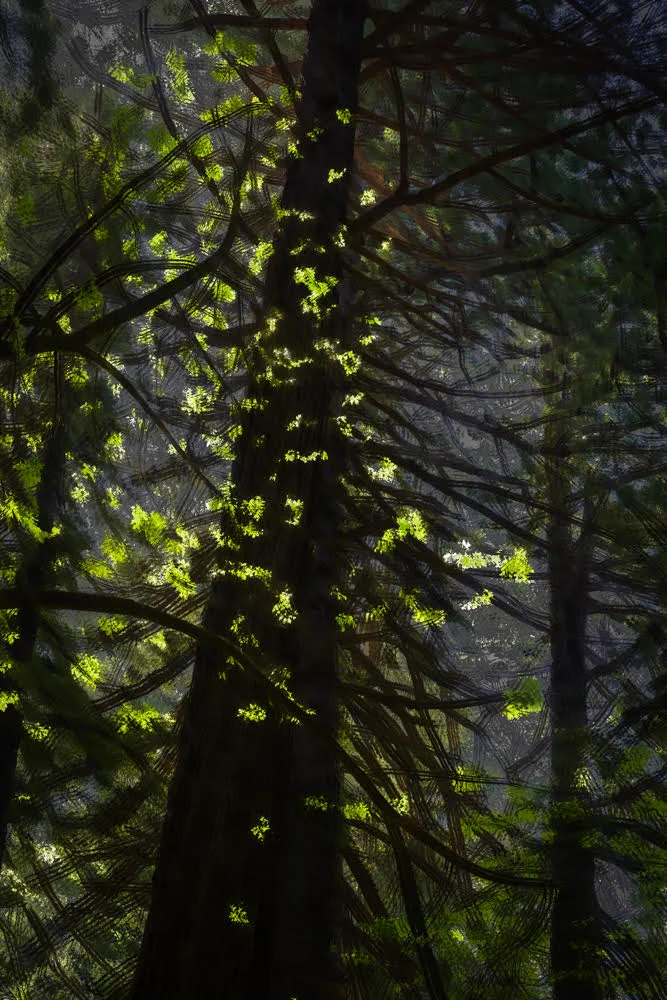
Drawing inspiration from renowned photographer Sam Abell, Spiro frequently speaks of the necessity of allowing oneself to be "stopped" by the environment. This perceptual arrest occurs when an artist experiences an instinctive, often inexplicable pull toward a specific tableau—perhaps a fleeting glimpse of a distant waterfall framed by dark canopy branches, or a sudden shaft of backlighting illuminating a cluster of quivering leaves. Because these fleeting natural moments dissolve rapidly as light changes and weather shifts, the photographer must remain constantly prepared to adapt technical settings on short notice.

Techniques Across Series: From Thin Places to Elemental
Spiro’s body of work reflects an evolving technical approach tailored to the psychological weight of his subjects. In his foundational Thin Places portfolio, the temporal window was tightly controlled. The vast majority of those images were captured during the golden hours—the two hours immediately following sunrise and the two hours preceding sunset—when natural illumination naturally softens and adopts an evocative, cinematic quality.
In contrast, his later series, Elemental, adopts a decidedly different technical framework. Utilizing long exposures, neutral density filters ranging from six to ten stops, and specialized lenses, Spiro deliberately blurs the boundary between static land formations and dynamic elements like running water and shifting cloud formations. This technical manipulation serves a thematic purpose: it visualizes the passage of time and underscores the impermanence of the physical world, compelling viewers to look past surface details and engage with the atmospheric mood of the scene.

Environmental Stewardship and Cultural Sensitivity
The documentation of remote, seemingly untouched natural environments carries significant ethical responsibilities. As wilderness areas face mounting pressures from tourism, climate change, and human encroachment, photographers working in delicate ecosystems must navigate the fine line between appreciation and exploitation.
Spiro maintains a strict code of environmental ethics during his expeditions. Adhering to the core principles of "Leave No Trace," he ensures that his equipment—including tripods, heavy filters, and telephoto lenses—causes zero physical disruption to delicate undergrowth, soil compositions, and wildlife habitats. Furthermore, when working in regions holding historical or ongoing spiritual significance for Indigenous populations or local communities, Spiro emphasizes the imperative of respecting cultural boundaries and traditional beliefs, ensuring that the pursuit of art does not compromise the sanctity of the land.

Educational Impact: Santa Fe Workshops and the Resurgence of Expressive Landscape Photography
The resonance of Spiro’s artistic vision extends far beyond his personal portfolio. As an educator, he leads specialized workshops, most notably the sold-out program titled Thin Places: Photography and the Sacred in Nature hosted by Santa Fe Workshops. The course has experienced unprecedented demand, repeatedly selling out and maintaining extensive waitlists.
Industry analysts and workshop participants attribute the program’s popularity to a broader shift within contemporary photography. While digital technology and high-resolution sensors have made technical landscape proficiency widely accessible, many photographers find themselves seeking ways to transition from literal documentation to deeply evocative, expressive storytelling.

Spiro’s primary pedagogical takeaway challenges the notion that the sacred or the extraordinary is an elusive, geographically restricted commodity. Instead, he instructs students that thin places are brought into existence through active attention, deep curiosity, and emotional presence. By learning to quiet the analytical mind and remain open to external stimuli, photographers can bridge the gap between technical execution and authentic emotional resonance, ultimately forging a more profound and lasting connection with their audiences.