
The Getty in Los Angeles has officially opened its doors to a landmark cultural exhibition, Photography and the Black Arts Movement, 1955–1985. Bringing together approximately 150 works of art, the exhibition offers a sweeping and profound examination of an era defined by radical social transformation, political upheaval, and unprecedented artistic expression. Curated collaboratively by Philip Brookman, a prominent photography curator at the National Gallery of Art in Washington, D.C., and Deborah Willis, an esteemed historian, author, and professor at New York University, the exhibition bridges the gap between historical documentation and fine art photography, charting the visual genealogy of the Black Arts Movement from its foundational roots to its enduring modern legacy.
Main Facts of the Exhibition
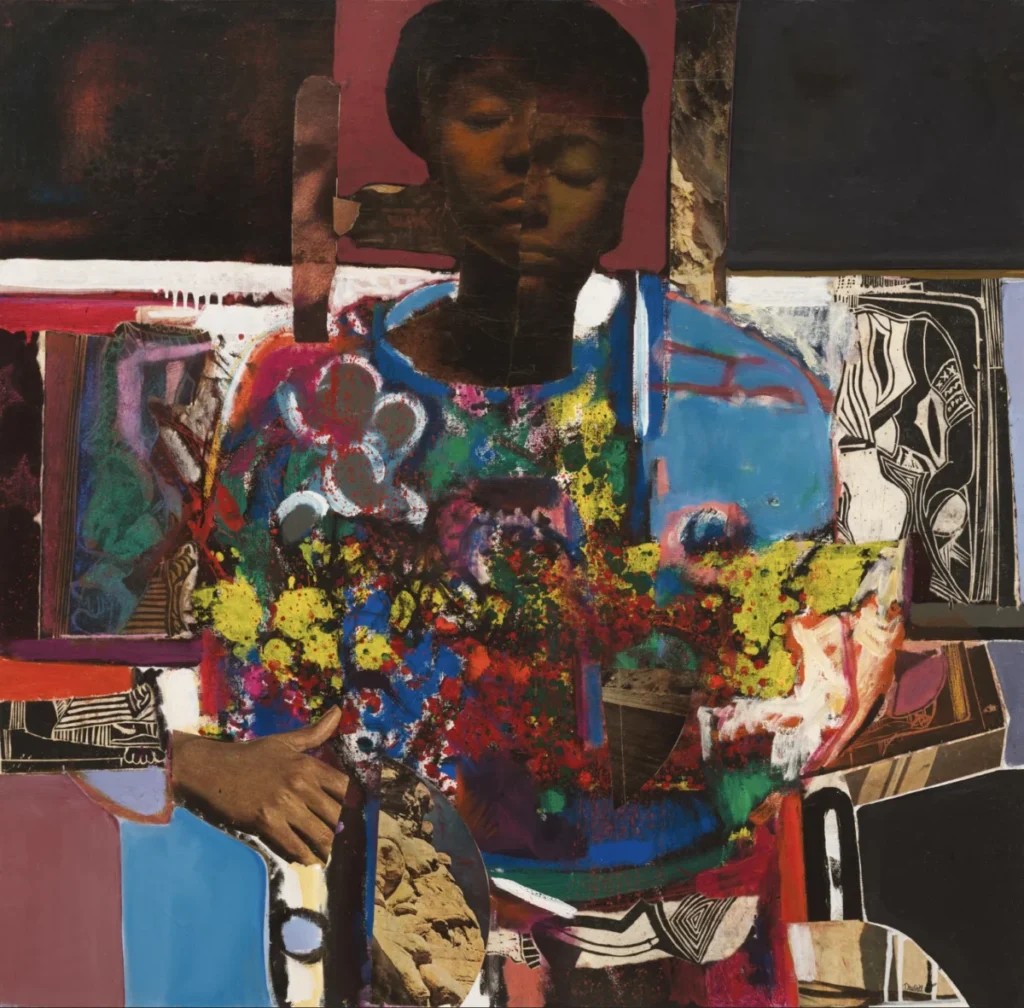
The comprehensive collection on display at the Getty features an expansive array of gelatin silver prints, inkjet prints, mixed media, and archival documents. It highlights the pivotal contributions of more than 100 creators, including foundational trailblazers, politically engaged photojournalists, and avant-garde artists. Among the legendary names featured in the galleries are Gordon Parks, Ming Smith, Carrie Mae Weems, Ernest C. Withers, Moneta Sleet Jr., Harry Adams, Ray Francis, and David C. Driskell.
Rather than viewing photography as a mere passive tool of historical record-keeping, the exhibition presents the camera as an active participant in political mobilization and cultural self-determination. The works on display capture the full spectrum of the African diaspora experience during a volatile thirty-year period, juxtaposing the harrowing realities of institutional racism and civil rights protests with exuberant celebrations of Black beauty, self-fashioning, daily community life, and spiritual resilience.
Background Context of the Black Arts Movement

To understand the weight of the exhibition, one must examine the socio-political climate from which it emerges. Spanning the years 1955 to 1985, the collection encompasses the American Civil Rights Movement, the Black Power era, the rise of post-colonial independence movements across the Caribbean and Africa, and the subsequent artistic renaissances in major urban centers such as New York, Chicago, Philadelphia, and Los Angeles.
The Black Arts Movement, running parallel to the Black Power movement of the late 1960s and 1970s, sought to construct an independent aesthetic language rooted in Black identity and liberation. While literary and theatrical manifestations of the movement have historically received substantial scholarly attention, this exhibition elevates the vital, yet frequently overlooked, role that photographers and visual culture played in shaping public consciousness. Photographers of this era worked tirelessly to counter derogatory mainstream media representations, utilizing their lenses to foster solidarity, demand accountability, and document historic milestones such as the Selma March, the Memphis sanitation workers’ strike, and grassroots community organizing.
Chronology and Curatorial Vision

The multi-year development of the exhibition reflects a meticulous curatorial effort by Brookman and Willis, who aimed to reframe mid-century photography through an intersectional and diasporic lens. The presentation is organized not merely as a linear timeline, but as an intellectual and visual collage that weaves together international perspectives from African, British, Nuyorican, and Caribbean artists.
Chronologically, the exhibition opens around 1955—a watershed year marked by the murder of Emmett Till and the commencement of the Montgomery bus boycott—and concludes around 1985, a period that laid the groundwork for contemporary conversations surrounding identity politics and representation in the arts.
Visitors are greeted upon entry by Darryl Cowherd’s powerful 1960s photograph of the phrase The Time is Now graffitied onto a door. This conceptual centerpiece sets a resonant tone for the entire gallery experience, urging contemporary viewers to recognize the ongoing urgency of civil rights and civic engagement.

Key Works and Visual Highlights
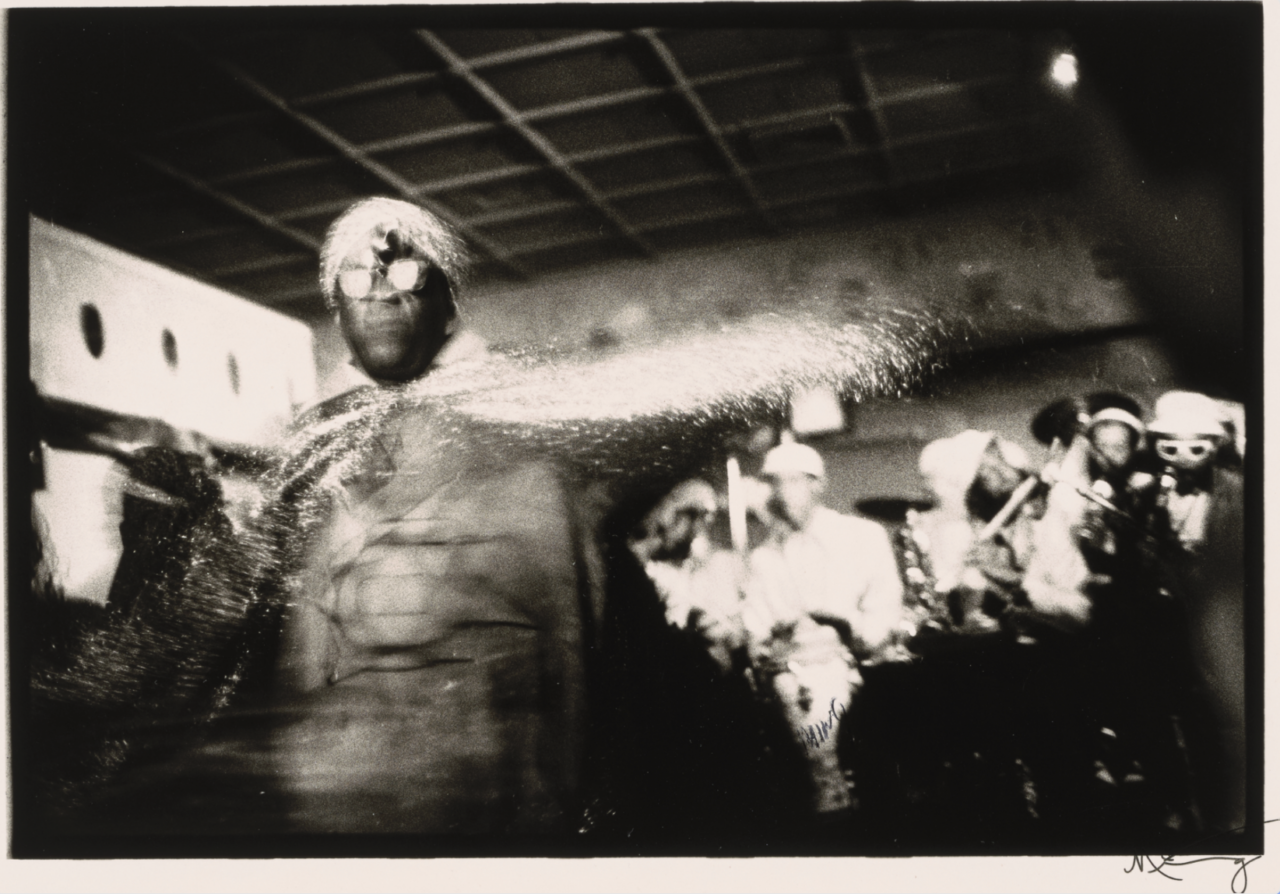
The exhibition features several iconic and lesser-known works that demonstrate the multifaceted nature of mid-century photography. Among them is Ming Smith’s mesmerizing 1978 gelatin silver print, Sun Ra Space II, New York, New York. Captured using an extended exposure, the photograph portrays the legendary jazz visionary Sun Ra radiating light amid a swirling cosmic backdrop, embodying the insistent, liberatory futurism of his imaginative cosmology.
Other notable pieces include Ernest C. Withers’ poignant documentation of the 1968 Memphis sanitation workers’ strike bearing the iconic slogan I Am a Man, and Moneta Sleet Jr.’s intimate portrait of two teenage supporters of the Selma March in 1965. Additionally, works by Carrie Mae Weems, such as Mom at Work, offer early glimpses into the domestic and labor realities of Black women, further broadening the scope of the visual narrative.

Statements and Insights from Museum Leadership
In discussions regarding the conceptual framework of the exhibition, assistant curator Mazie Harris emphasized the deep resonance these historical images hold in the modern political landscape.
"The images of those decades were consequential because they were reproduced in magazines and newspapers that reached large audiences," Harris noted, drawing parallels between mid-century print media and today’s digital landscape. "The opportunity for seeing and sharing is even greater today, but—now as then—cutting through the noise of mainstream media to capture widespread attention requires powerful visions and strong voices."

Harris underscored that the exhibition deliberately incorporates works that were never originally intended as fine art, but were instead produced as functional ephemera to support grassroots political campaigns and community organizing. By mixing canonical art photography with activist imagery, the curators provide a holistic view of how visual media operated across different strata of society.
Broader Impact and Implications
The staging of Photography and the Black Arts Movement, 1955–1985 arrives at a critical juncture in contemporary cultural discourse. As educational curricula face restrictions and hard-won civil rights protections encounter legislative challenges across the United States, cultural institutions are increasingly tasked with preserving and contextualizing historical struggles for equality.

Art historians and cultural analysts have noted that the exhibition serves a dual purpose: it acts as a long-overdue institutional validation of Black photographic mastery, and it offers a functional blueprint for contemporary activists and artists. By demonstrating how past generations utilized visual media to demand dignity, reshape public policy, and foster internal community strength, the exhibition bridges generational divides and encourages active civic participation.
Future Tour Dates and Accessibility
The exhibition is currently on view at the Getty in Los Angeles through mid-June, attracting widespread critical acclaim from art critics, historians, and the general public alike. Following its Los Angeles engagement, the collection will travel to the Mississippi Museum of Art, where it will be exhibited from July 25 through November 8, 2026, extending its geographical reach and engaging new audiences in the American South.

Ultimately, Photography and the Black Arts Movement, 1955–1985 transcends the traditional boundaries of a museum retrospective. It stands as a testament to the enduring power of the camera as an instrument of truth, a catalyst for social justice, and a mirror reflecting the unyielding dignity and creativity of the African diaspora.