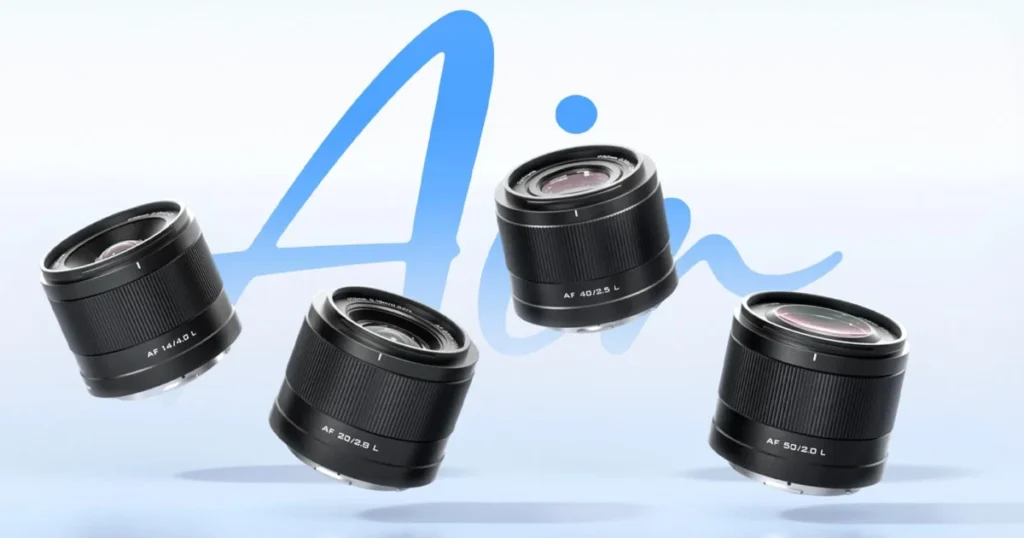

Viltrox has officially expanded its strategic footprint in the mirrorless camera market by bringing its complete "Air" series of prime lenses to the Leica L-mount system. This move includes the 14mm f/4, 20mm f/2.8, 40mm f/2.5, and 50mm f/2.0 lenses, providing a full-frame, autofocus-capable prime lineup for users of Leica, Panasonic, and Sigma cameras. By porting these lenses—previously exclusive to the Sony E-mount ecosystem—to the L-mount alliance, Viltrox is signaling a commitment to providing high-value, portable, and cost-effective optical solutions to a broader segment of the photography community.
Strategic Evolution of the L-Mount Ecosystem
The L-mount, originally developed by Leica, became a significantly more robust platform following the formation of the L-Mount Alliance in 2018, which brought Panasonic and Sigma into the fold. Since then, the ecosystem has matured rapidly, shifting from a niche professional system to one favored by hybrid creators and cinematography enthusiasts. However, one of the primary criticisms of the L-mount platform—specifically for users of the Panasonic Lumix S-series—has been the relative scarcity of ultra-compact, lightweight prime lenses compared to the saturated Sony E-mount market.
Viltrox’s decision to transition its Air Series to this mount addresses this specific gap. By prioritizing portability without sacrificing full-frame coverage or native autofocus functionality, the company is positioning itself as a primary competitor to legacy manufacturers who often focus on heavier, more expensive "G" or "Art" series glass. The integration of these lenses into the L-mount system means they will fully support in-camera corrections, ensuring that digital distortion and chromatic aberration profiles are handled natively by the camera body’s firmware.
Chronology of the Air Series Development
The development of the Air series has been part of a long-term roadmap for Viltrox, which has sought to distinguish itself from other third-party manufacturers by focusing on the "size-to-performance" ratio. The journey of these lenses began with the successful rollout of the series for Sony E-mount users, where they were marketed as "everyday carry" optics designed to minimize the physical burden on the photographer.
Following the positive market reception in the E-mount sector, industry analysts noted a significant uptick in demand for similar products within the L-mount community. The development cycle for these L-mount variants involved recalibrating the optical housing to accommodate the specific flange distance and electronic communication protocols required by the L-mount alliance specifications. Throughout mid-2026, Viltrox conducted internal testing to ensure that the autofocus motor performance—which relies on the specific contrast and phase-detection algorithms of L-mount bodies—met the standards expected by Panasonic and Leica users. The official launch in late 2026 marks the culmination of this integration phase.
Technical Specifications and Optical Performance
The four lenses in the Air series offer a comprehensive range of focal lengths, serving different photographic disciplines from architectural wide-angle work to standard portraiture.
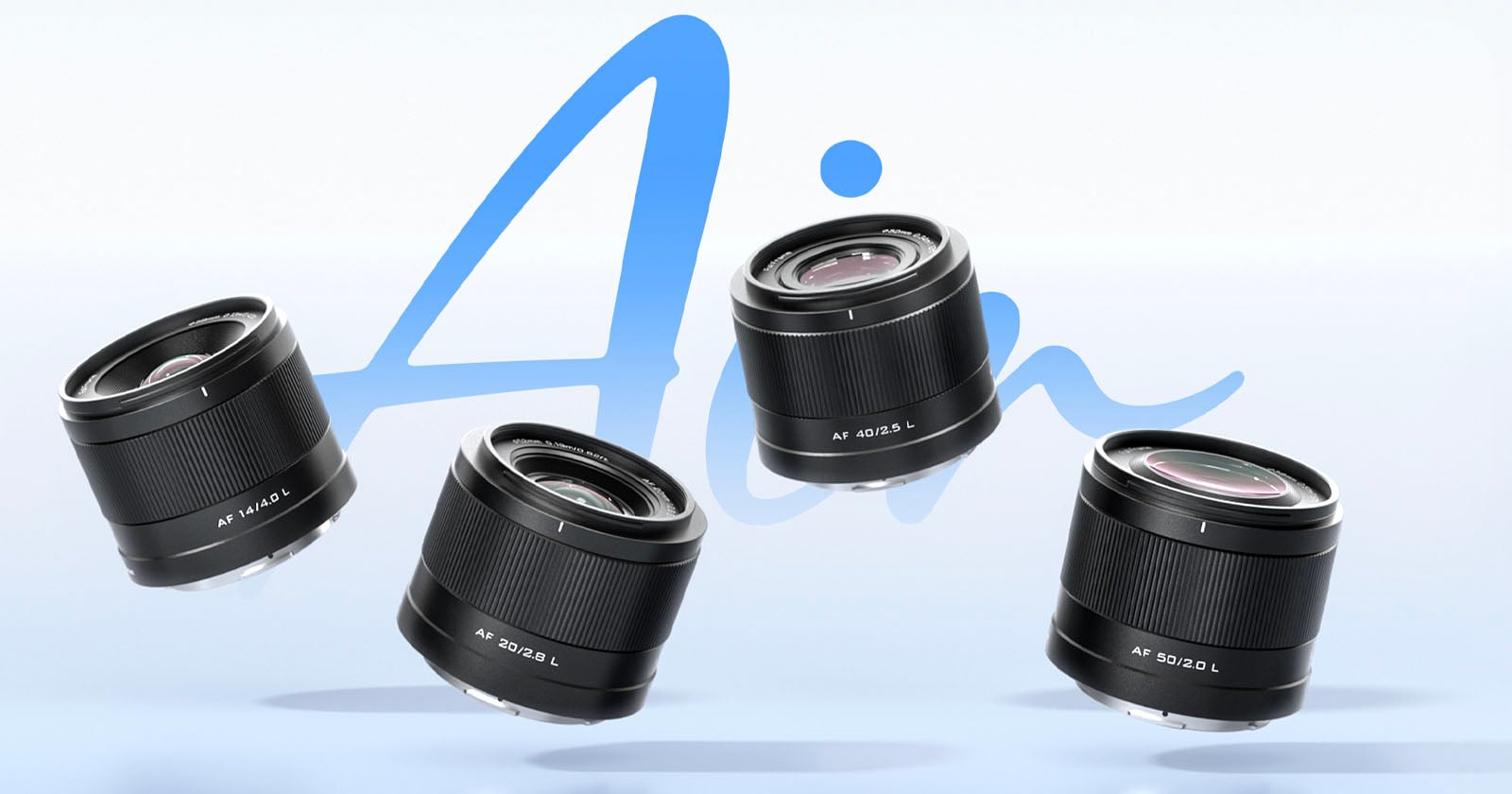
- The 14mm f/4 Air L: Designed for ultra-wide-angle photography, this lens provides a 112.6-degree field of view. It is engineered with a focus on edge-to-edge sharpness, making it a viable option for landscape and interior photographers who require a lightweight alternative to heavier wide-angle primes. It maintains a 0.13-meter minimum focusing distance, allowing for creative foreground-to-background compositions.
- The 20mm f/2.8 Air L: As the widest prime with a relatively fast f/2.8 aperture, this lens acts as a versatile bridge between environmental portraiture and street photography. It features a 0.19-meter minimum focusing distance.
- The 40mm f/2.5 Air L: Often described as a "pancake-style" lens, the 40mm focal length is gaining popularity as a natural alternative to the traditional 35mm or 50mm lenses. With a 0.34-meter minimum focusing distance, it provides a balanced perspective that mimics human vision, making it highly effective for candid storytelling.
- The 50mm f/2.0 Air L: This lens serves as the "classic" prime of the series. Its f/2.0 aperture provides the most significant light-gathering capability of the four, which is advantageous for low-light conditions and achieving subject-background separation. It features a 0.51-meter minimum focusing distance.
Across the entire series, Viltrox has implemented a design language that prioritizes minimal weight. This is achieved through a combination of high-grade plastics and lightweight alloys, ensuring that the lenses do not significantly shift the center of gravity when mounted on smaller bodies like the Panasonic Lumix S9 or the Leica CL.
Analysis of Market Implications
The entry of Viltrox into the L-mount space at these price points—$168 for the 20mm, $176 for the 40mm, and $199 for both the 14mm and 50mm—creates significant downward pressure on the entry-level lens market. Historically, L-mount users were required to spend significantly more for native, first-party prime lenses. By providing a professional-grade autofocus experience at a sub-$200 price point, Viltrox is effectively democratizing the L-mount system for students, enthusiasts, and budget-conscious professionals.
From a business perspective, this strategy allows Viltrox to capture market share in a segment that has been historically underserved. While Leica and Sigma offer exceptional optical quality, their price tiers often cater to the enthusiast and professional markets, leaving a gap for photographers who want the L-mount user experience but cannot justify the high cost of premium glass. Viltrox’s move could potentially accelerate the adoption of L-mount bodies, as the barrier to entry for a complete, versatile prime lens kit has been lowered significantly.
Industry Reactions and Future Outlook
While there have been no formal statements from the L-Mount Alliance members regarding Viltrox’s expansion, industry insiders suggest that the move is largely viewed as a positive development for the ecosystem. The growth of a camera system is typically tied to the breadth and diversity of its lens library; therefore, an influx of compact, affordable primes likely benefits the primary manufacturers by making the mount more attractive to potential new customers.
Critics in the optical industry have noted that while the Viltrox Air series offers excellent performance for its price, it does not aim to replace the "S-Pro" or "Art" level glass in terms of weather sealing or extreme optical correction. Instead, the Air series is a pragmatic choice for users who prioritize mobility and convenience.
Looking forward, the success of the Air series on L-mount will likely determine whether Viltrox chooses to expand its other popular lines, such as its PRO series or its cinema-grade primes, to the L-mount system. Given the current trajectory of the mirrorless market, which is seeing a shift toward smaller, more portable camera bodies, the timing of this release appears aligned with broader industry trends.
Conclusion: Accessibility Meets Performance
The arrival of the Viltrox Air series for L-mount represents a strategic pivot toward greater cross-platform compatibility. By focusing on the essential focal lengths and maintaining a competitive price structure, Viltrox has provided a significant incentive for users to adopt or remain invested in the L-mount ecosystem. For photographers ranging from those just beginning their journey with a mirrorless camera to professionals looking for a lightweight travel kit, these four lenses offer a compelling mix of modern autofocus, full-frame coverage, and economic accessibility that was previously unavailable in this specific configuration. As the market continues to evolve, the ability for third-party manufacturers to provide such high-utility tools will remain a critical factor in the longevity and appeal of any major camera mount.