
As November arrives, bringing with it shorter days and a distinct shift toward the winter season in the Northern Hemisphere, the digital design community has responded with its long-standing tradition of creative desktop customization. For over 15 years, Smashing Magazine has curated a monthly series of high-resolution desktop wallpapers, inviting independent artists, illustrators, and graphic designers from across the globe to contribute their work. This month’s collection, released at the dawn of November 2026, serves not only as a functional tool for organization but as a cultural barometer for the design community, reflecting seasonal transitions, artistic trends, and the intersection of traditional media with modern digital environments.
The Evolution of a Digital Tradition
The practice of distributing community-created desktop wallpapers emerged in the early 2000s as a response to the growing personalization of personal computing environments. As high-resolution displays became standard, users sought ways to differentiate their digital workspaces. Since its inception in 2009, this project has transitioned from a niche hobbyist initiative to a global platform. Today, the project features contributions from diverse regions including Serbia, France, Spain, India, Lithuania, and Singapore, turning a simple digital asset into an international collaborative effort.
Data from the design sector indicates that while software interfaces have become increasingly minimalist, the demand for high-quality, static visual assets remains high. Analysts suggest that the "desktop as a canvas" movement provides a necessary psychological break for remote workers and professionals who spend an average of six to eight hours a day in front of a computer screen. By changing a wallpaper, users engage in a low-friction form of environmental control, which has been shown in workplace productivity studies to improve cognitive focus and mitigate digital fatigue.
A Seasonal Synthesis: November’s Themes
The November 2026 collection is characterized by a dichotomy of themes. On one hand, designers have leaned into the "spooky" remnants of the post-Halloween period, while on the other, there is a marked transition toward the introspection and warmth associated with the onset of winter.
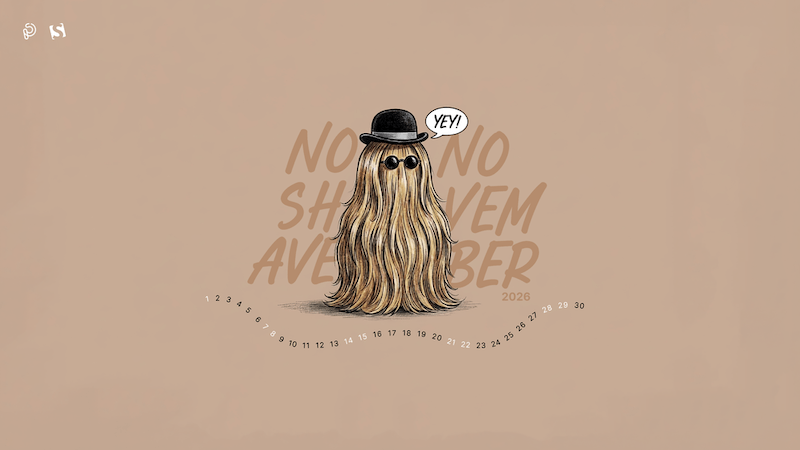
One notable entry, "From Spooky to Scruffy" by Serbian designer Predrag Kovacev, plays on the cultural phenomenon of "No-Shave November." By juxtaposing the end of Halloween with the start of a month-long commitment to facial hair growth, the piece serves as a cultural commentary on self-expression and seasonal rituals. This type of conceptual design highlights the shift in the wallpaper industry from purely aesthetic, high-definition landscapes to narrative-driven, relatable illustrations.
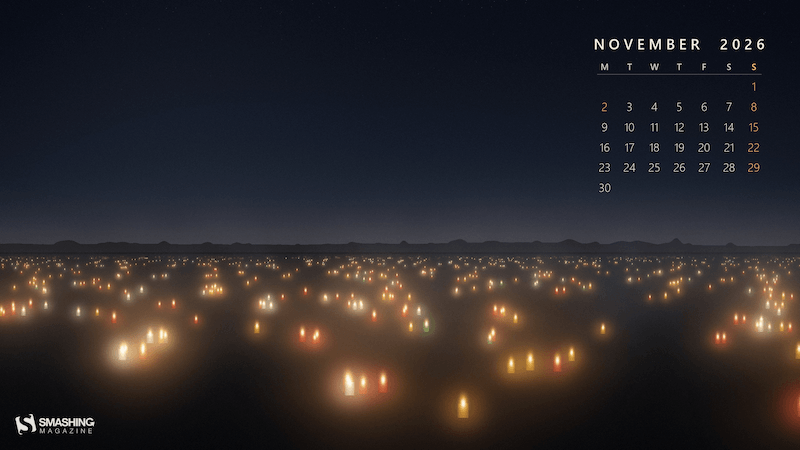
Other contributors have focused on the natural environment. Justas Arbatauskis, representing the Lithuanian design community, contributed a piece titled "Candlelight November." The work captures the local tradition of remembrance during the early days of the month, where families light candles in cemeteries. This design exemplifies the global reach of the project, providing a window into how different cultures interpret the transition of seasons through visual storytelling.
Global Artistic Perspectives and Technical Execution
The technical specifications of these wallpapers have evolved significantly. The current collection provides support for a vast array of screen resolutions, catering to everything from high-density mobile displays to ultrawide 5K desktop monitors. This technical accessibility is a core pillar of the project’s longevity.
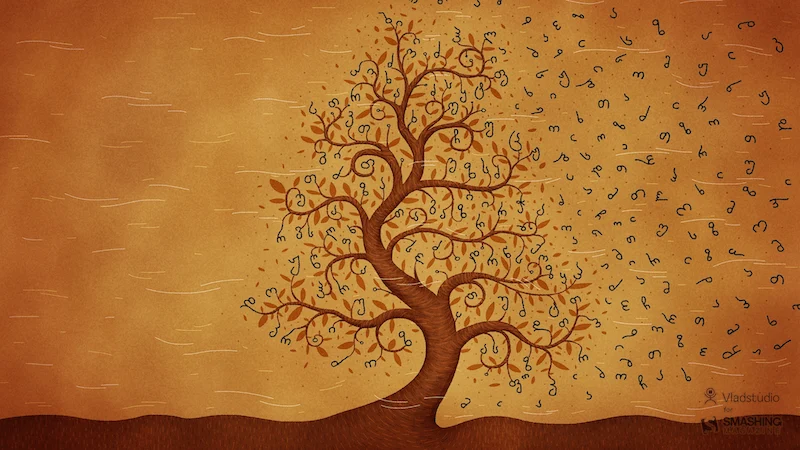
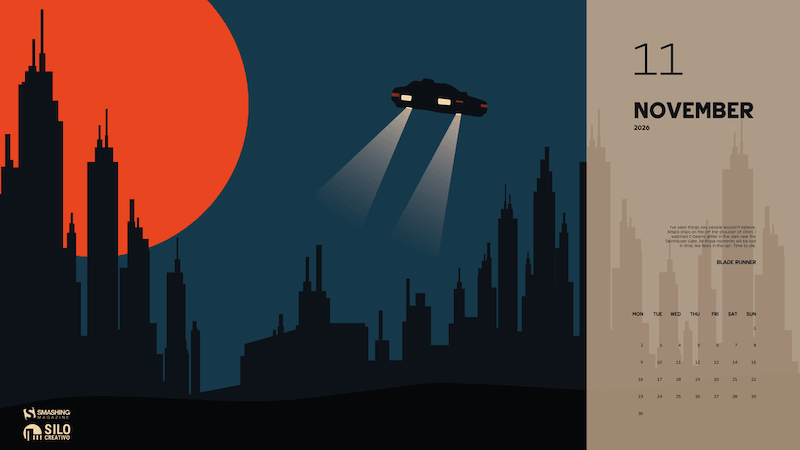
"Lost In Time," a submission from Spanish designer Veronica Valenzuela, utilizes a cinematic influence, drawing inspiration from Blade Runner. Her work touches on the melancholy of the transitional month, bridging the gap between autumn and the impending winter. Similarly, the inclusion of "Anbani" by Georgian designer Vlad Gerasimov demonstrates a commitment to cultural preservation, as the work highlights the unique visual structure of the Georgian alphabet through organic, tree-like illustrations.

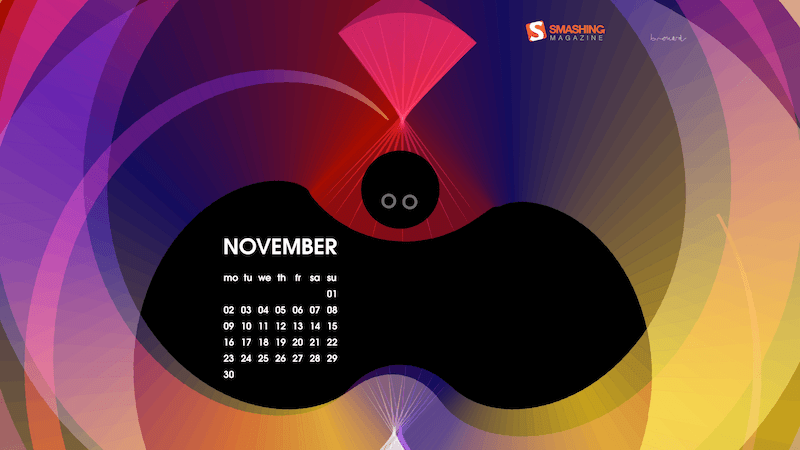
The diversity of style—ranging from the minimalist, parametric curves of Philippe Brouard’s "One More Bat" to the warm, textured illustrations of "Mushroom Season"—reflects the current state of digital art, where procedural generation and hand-drawn aesthetics coexist.

Broader Implications for the Creative Industry
The initiative does more than provide free imagery; it acts as an incubator for emerging talent. By providing a platform that reaches thousands of global readers, the project has historically served as a portfolio builder for many designers. The "Get Featured" mechanism, which remains open for December submissions, encourages a cyclical engagement model where the audience eventually becomes the creator.
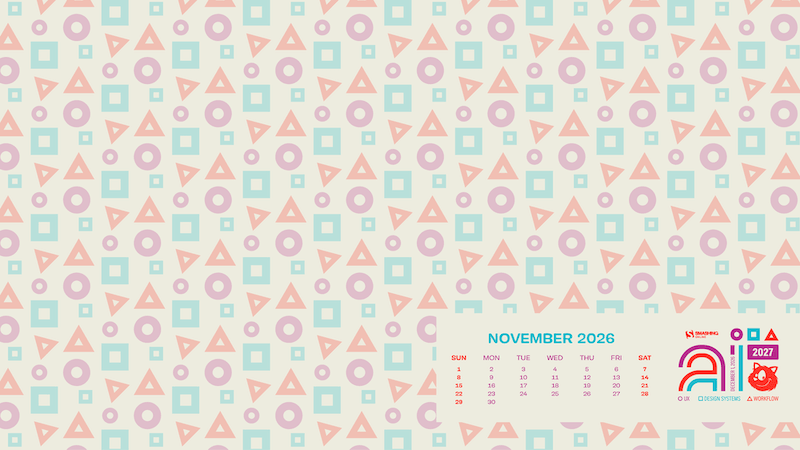
Furthermore, the integration of professional announcements—such as the upcoming AI 2027 Conference—within the wallpaper collection demonstrates a strategic shift in how niche publications monetize and promote professional development. By embedding conference information within an artistic context, the organizers are able to reach their target demographic—designers and developers—in a non-intrusive, organic manner.
The Intersection of AI and Human Creativity
A recurring theme in the November 2026 collection is the dialogue surrounding the future of creative labor. As artificial intelligence continues to reshape the design landscape, the inclusion of the "AI In 2027" wallpaper, designed by the Smashing Magazine team, signifies a proactive stance on the technology. The conference it promotes focuses on AI-ready design systems and AI-driven research. This suggests that the industry is moving away from the fear of displacement and toward an era of integration, where human-led design is augmented by machine intelligence.
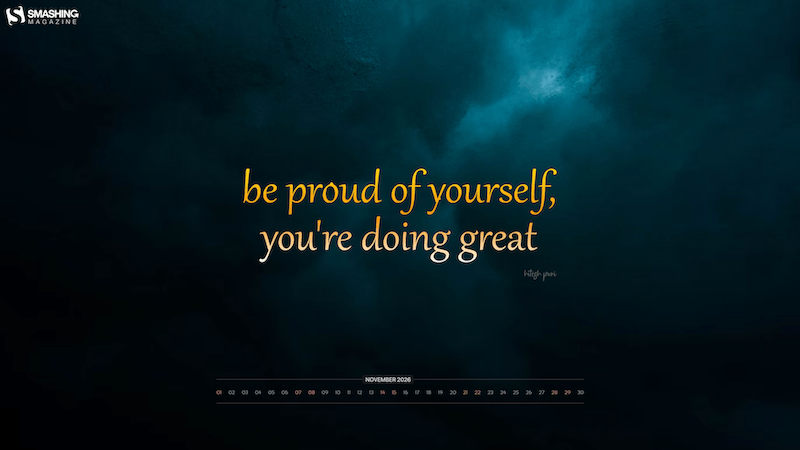
The decision to highlight this conference within a visual gallery underscores a significant trend in the design industry: the need for "trust in AI." As designers grapple with ethical concerns, algorithmic bias, and the loss of the "human touch," the emphasis on human-centric design, as seen in entries like "Be Proud Of Yourself" by Hitesh Puri, serves as a grounded counterpoint to the technological advancements taking place in the background.

Timeline of the November Initiative
- Early 2009: The first desktop wallpaper collection is published, establishing a monthly cadence.
- 2015: The "Join In" program is formalized, allowing international artists to submit their portfolios for consideration.
- 2023-2025: A marked shift toward high-concept, narrative-based wallpapers (e.g., "Anbani" and "Bug") becomes evident in submissions.
- November 2026: The current collection reaches a record number of contributors, with a heavy emphasis on the interplay between nature, technology, and global seasonal traditions.
Analysis of Public and Professional Reception
The reception to these collections is consistently positive within the professional design community. Feedback from previous years indicates that users value the absence of commercial branding in the art itself. By keeping the calendar and decorative elements secondary to the artistic vision, the project avoids the "corporate wallpaper" stigma.
Industry analysts observe that this project creates a "halo effect" for the host publication. By facilitating the work of international artists, the organizers position themselves as gatekeepers of quality, which strengthens their brand authority in the design and development space. The fact that this project has persisted for 15 years suggests that it fulfills a genuine, recurring need for visual refreshment in an increasingly cluttered digital workspace.
Looking Ahead: December and Beyond
As the November 2026 collection sets the stage for the end of the year, the focus for the creative community turns toward December. The prompt for upcoming submissions, due by the end of November, emphasizes the transition into the holiday season and the culmination of the year’s design trends.
For those interested in contributing, the process remains standardized: artists must provide high-resolution files that accommodate various aspect ratios, ensuring that their work remains sharp on modern displays. The success of this initiative is a testament to the enduring power of community-driven design. In an age where content is often mass-produced by automated systems, the demand for intentional, human-crafted imagery remains not only relevant but essential for the well-being of the digital workforce.

The November 2026 wallpaper collection is available for free download, marking another milestone in a project that continues to define the intersection of personal computing, global culture, and independent digital artistry. Whether through the lens of a cozy, candle-lit room or the vastness of outer space, these wallpapers provide a necessary aesthetic anchor for the month ahead.