
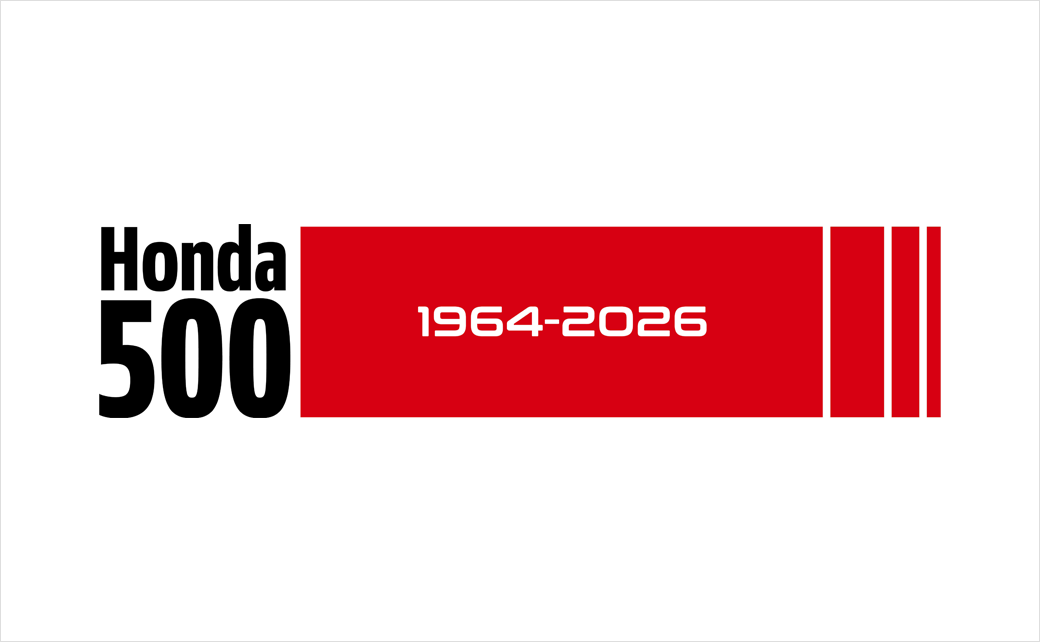
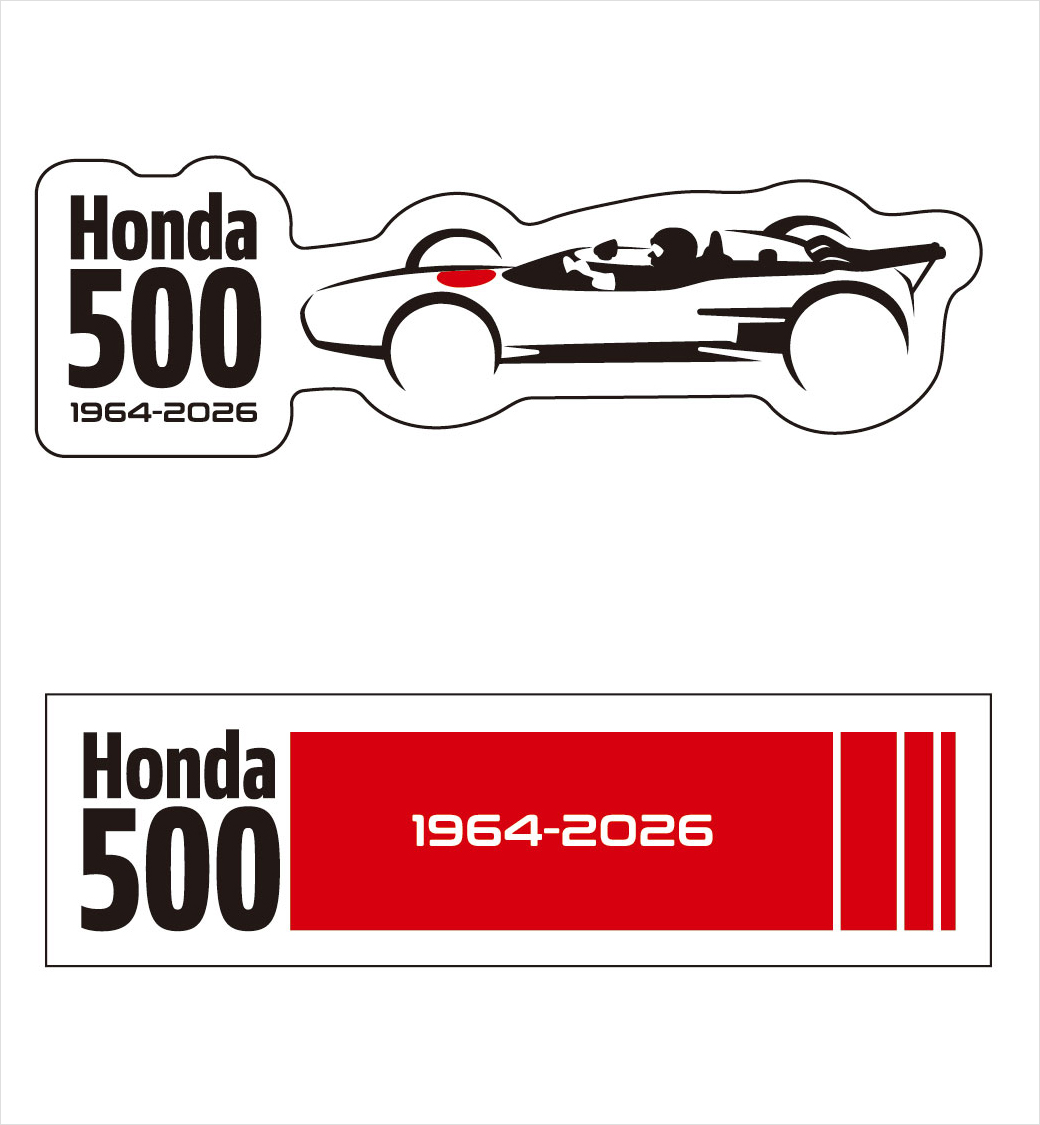
Honda is marking a major milestone in its storied motorsport history this weekend, entering its 500th Formula 1 Grand Prix at the Circuit of the Americas in Austin, Texas. The Japanese manufacturer, whose journey in the elite tier of motorsport began more than six decades ago, is celebrating the occasion with a dedicated branding campaign, a special commemorative logo, and a suite of limited-edition merchandise for fans and team personnel alike.
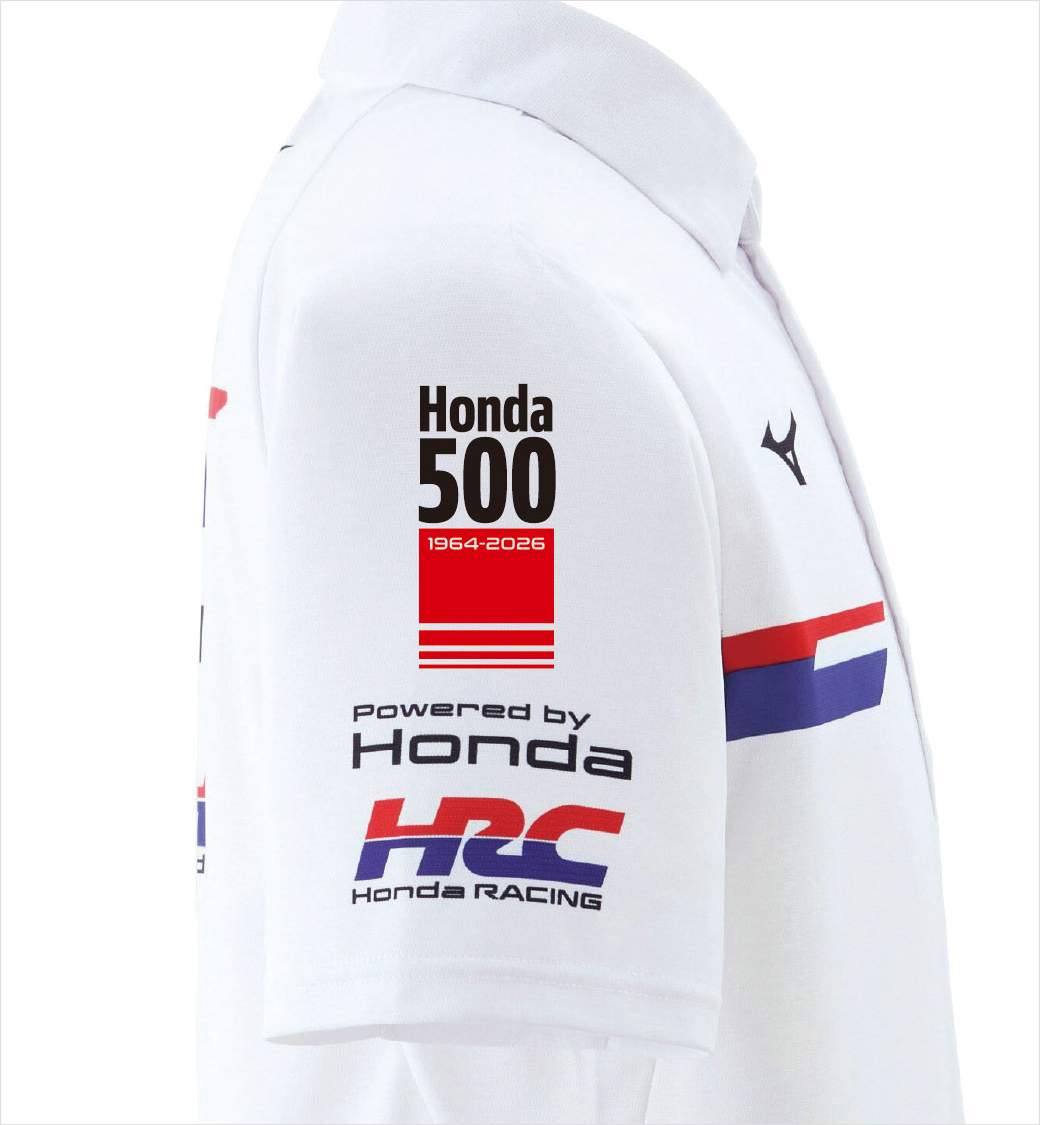
The weekend of the United States Grand Prix serves as the backdrop for this historic achievement. As the current power unit supplier to Aston Martin’s Formula 1 operation, Honda’s presence on the grid continues to be defined by technical innovation and high-performance engineering. To honor the 500-race milestone, the Aston Martin race cars will feature a distinctive ‘Honda500’ commemorative logo seamlessly integrated into their primary livery. Meanwhile, Honda Racing Corporation (HRC) engineers and trackside personnel stationed in Austin will wear specialized uniforms bearing the identical emblem, creating a unified visual tribute to the brand’s enduring legacy in the sport.
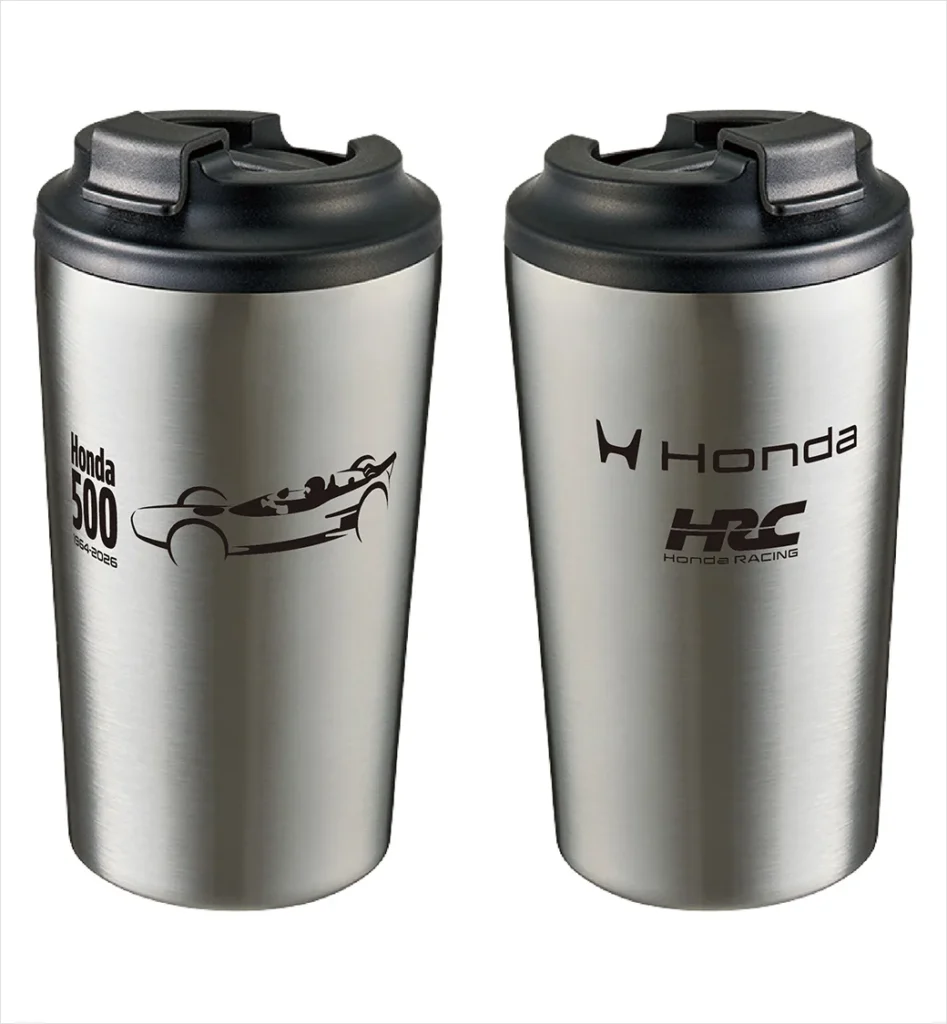
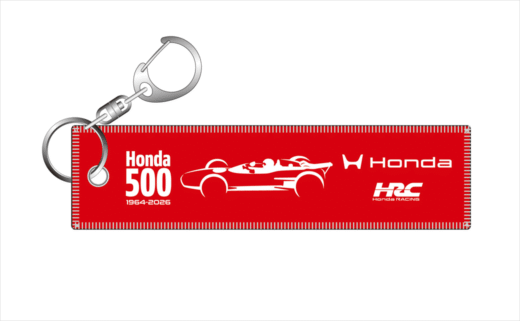
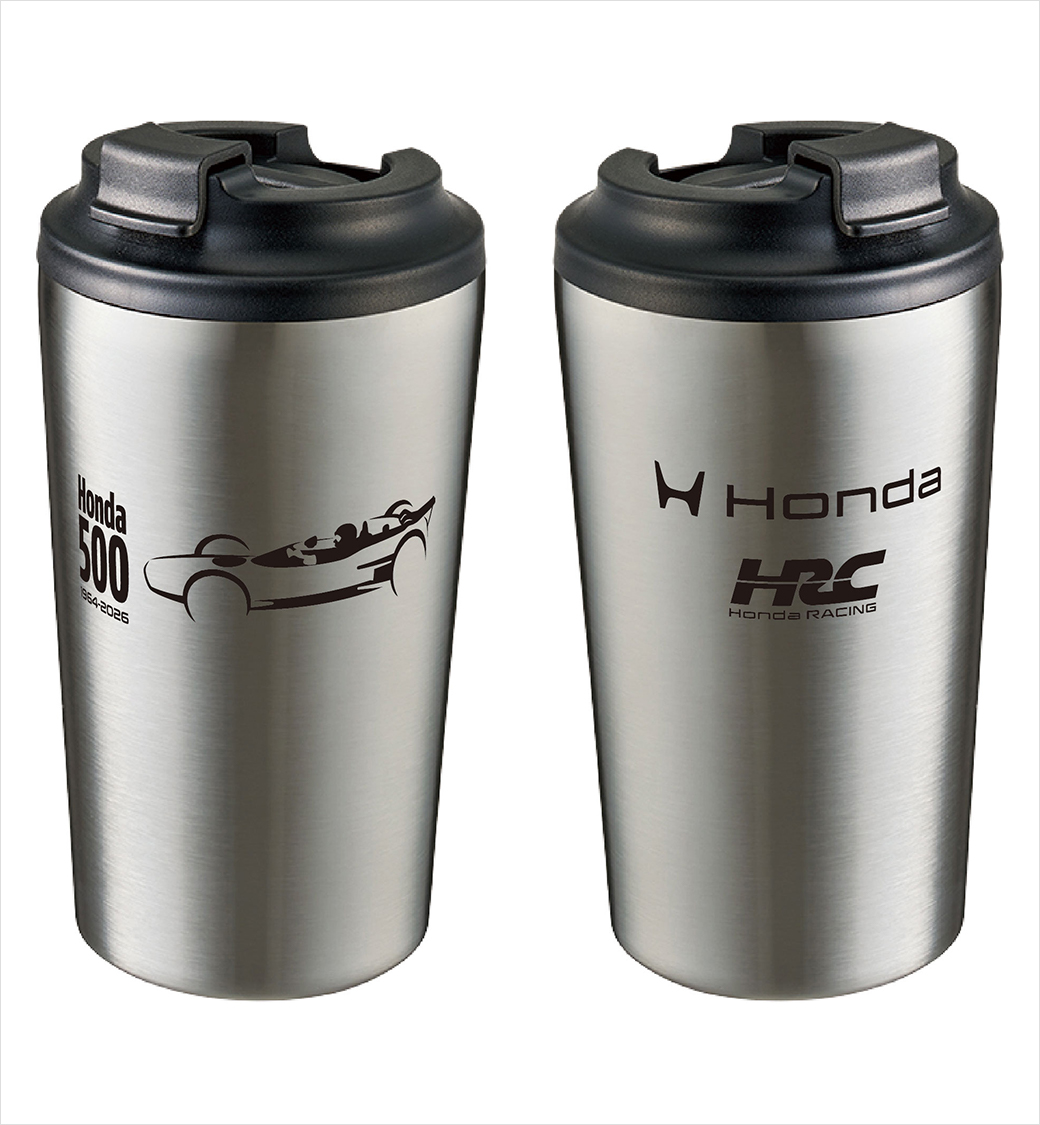
Beyond the paddock, Honda has curated a comprehensive engagement strategy for its global fanbase, particularly in its home market of Japan. Commemorative consumer products featuring the Honda500 logo—including branded tumblers, collectible keychains, and premium stickers—are being rolled out. Additionally, through a collaboration with athletic apparel brand Mizuno, replicas of the official HRC team uniforms worn by engineers at the Texas circuit will be made available for purchase, allowing motorsport enthusiasts to own a tangible piece of Honda’s racing history.
A Legacy Forged in Competition: The Chronology of Honda in F1
Honda’s relationship with Formula 1 is characterized by ambition, technological breakthroughs, periods of dominant success, and strategic withdrawals and returns. The manufacturer’s premier-class debut took place at the 1964 German Grand Prix, held at the historic Nürburgring. Demonstrating the rapid progression of its engineering capabilities, Honda secured its maiden Grand Prix victory just one year later at the 1965 Mexican Grand Prix, courtesy of American driver Richie Ginther driving the innovative transverse-engined RA272.
Throughout the late 1960s, Honda competed as a full factory team, developing both chassis and power plants, before temporarily withdrawing from the sport following the tragic death of driver Jo Schlesser during the 1968 French Grand Prix.
The manufacturer’s most iconic era unfolded during the 1980s and early 1990s. Returning primarily as an engine supplier, Honda forged legendary partnerships with Williams and McLaren. This period yielded remarkable dominance. Most notably, Honda powered the McLaren cars driven by Ayrton Senna and Alain Prost, securing four consecutive Constructors’ and Drivers’ World Championships between 1988 and 1991. The V6 and V10 turbo and naturally aspirated engines produced by Sakura during this era set the benchmark for motorsport engineering.
Following another hiatus, Honda returned to the grid in the late 1990s and 2000s, initially as an engine supplier to Jordan and BAR, before purchasing the BAR team outright to operate as a full works constructor from 2006 to 2008. Plagued by the global financial crisis, Honda withdrew at the end of 2008, though the chassis assets were famously bought by Ross Brawn to form Brawn GP, which won both world titles in 2009 using Mercedes engines.
Honda’s modern era in Formula 1 commenced with its return as a power unit supplier to McLaren in 2015, followed by a highly successful partnership with Red Bull Racing and Scuderia AlphaTauri (now Visa Cash App RB). This contemporary chapter culminated in Max Verstappen claiming the 2021 Drivers’ World Championship, followed by successive dominant championship doubles for Red Bull Racing powered by Honda technology.
Evolution of Roles: Manufacturer, Constructor, and Partner
Over its 500 races, Honda has occupied nearly every operational role possible within the Formula 1 ecosystem. Unlike many automotive brands that restrict their involvement to commercial sponsorships, Honda has consistently embedded itself deeply into the technical core of the sport.
- Full Works Team (Constructor): Developing complete vehicles encompassing both chassis and internal combustion/hybrid power units.
- Exclusive Power Unit Supplier: Partnering with championship-contending teams to supply state-of-the-art hybrid V6 turbo power units.
- Technical Enabler: Providing critical research, development, and trackside engineering support through Honda Racing Corporation (HRC).
This adaptability has allowed Honda to navigate the shifting regulatory landscapes of Formula 1—from the early naturally aspirated eras through the loud V10 and V8 periods, and into the complex, highly efficient turbo-hybrid era that began in 2014.
Technical Implications and the Aston Martin Partnership
Reaching the 500-race milestone coincides with a pivotal strategic transition for Honda. As Formula 1 prepares for a landmark set of technical regulations in 2026—featuring a 50-50 power split between internal combustion engines and electrical energy, alongside the mandatory adoption of 100% sustainable fuels—Honda’s technological expertise remains heavily sought after.
The ongoing technical partnership with Aston Martin represents a fresh horizon for the brand. Having previously powered teams to the pinnacle of the sport in recent years, Honda’s alliance with Aston Martin is designed to capitalize on the new regulatory framework. The integration of the ‘Honda500’ logo on the Aston Martin livery in Austin not only honors past achievements but also signals a unified commitment to future competitiveness.
Industry analysts note that Honda’s sustained presence in Formula 1 serves multiple corporate objectives. Beyond brand visibility and marketing value, the high-stress, rapid-development environment of Grand Prix racing acts as an invaluable testing ground for passenger vehicle electrification, thermal efficiency, energy recovery systems, and advanced material sciences. Innovations developed trackside routinely find their way into Honda’s commercial vehicle lineup, reinforcing the company’s commitment to sustainable mobility.
Official Responses and Stakeholder Perspectives
While team executives and engineers focused on race preparations at the Circuit of the Americas, leadership from both Honda and Aston Martin emphasized the significance of the 500-race milestone.
Representing the corporate philosophy of racing as a laboratory for human engineering, HRC representatives highlighted that reaching 500 Grands Prix is a testament to the dedication of hundreds of engineers, mechanics, and drivers who have contributed to the program since 1964. The decision to share the celebration directly with the fans through replica merchandise and the commemorative ‘Honda500’ branding underscores a desire to connect the brand’s historic roots with its passionate global community.
Aston Martin team leadership echoed these sentiments, expressing pride in carrying the commemorative branding during such a landmark weekend. The collaboration between the Silverstone-based outfit and the Japanese manufacturer continues to build momentum as both entities look toward the regulatory shifts of the coming seasons.
Broader Impact on the Formula 1 Landscape
Honda’s entry into the exclusive club of manufacturers to reach 500 races cements its status as one of the foundational pillars of modern motorsport. Few automotive brands can claim such a rich, unbroken thread of participation spanning six decades of technological evolution.
As the lights go out at the Circuit of the Americas, the ‘Honda500’ logo on the Aston Martin liveries will serve as a moving tribute to past triumphs—from Ginther’s historic drive in Mexico to Senna’s legendary championship campaigns and modern hybrid dominance. By commemorating this milestone, Honda honors its past while firmly accelerating toward its future on the global motorsport stage.