
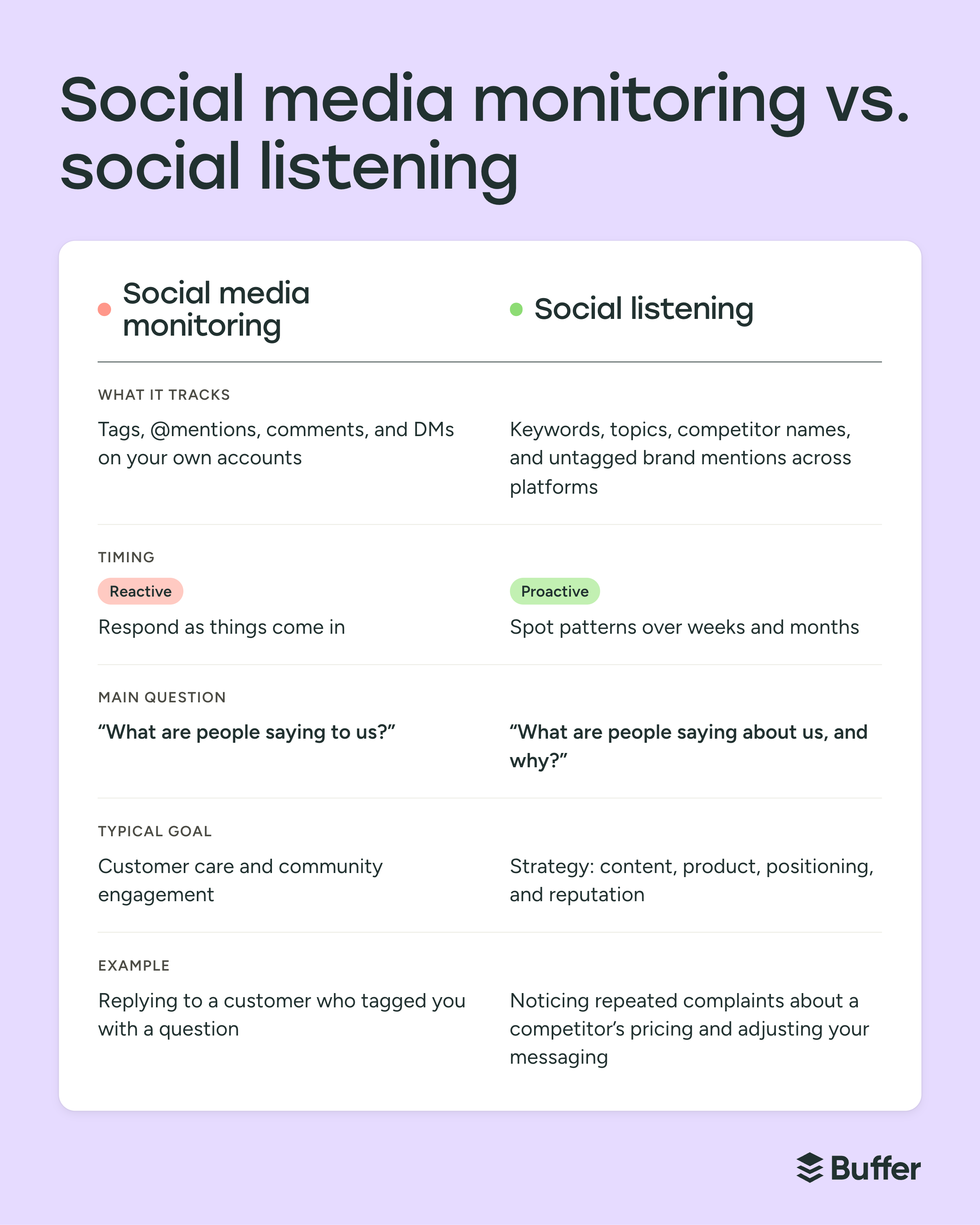
The digital marketplace has evolved into a global, round-the-clock conversation where the vast majority of consumer sentiment is expressed without direct interaction with the brands in question. While social media monitoring has long been a staple of customer service departments—focused on responding to tags, mentions, and direct messages—a more sophisticated discipline known as social listening has emerged as a critical driver of corporate strategy. Unlike the reactive nature of monitoring, social listening involves the systematic collection, aggregation, and analysis of unfiltered consumer feedback, competitor activity, and emerging industry trends across the entire digital ecosystem. This practice allows organizations to move beyond the "echo chamber" of their own notifications, enabling data-informed decision-making that influences product development, marketing positioning, and long-term brand reputation.
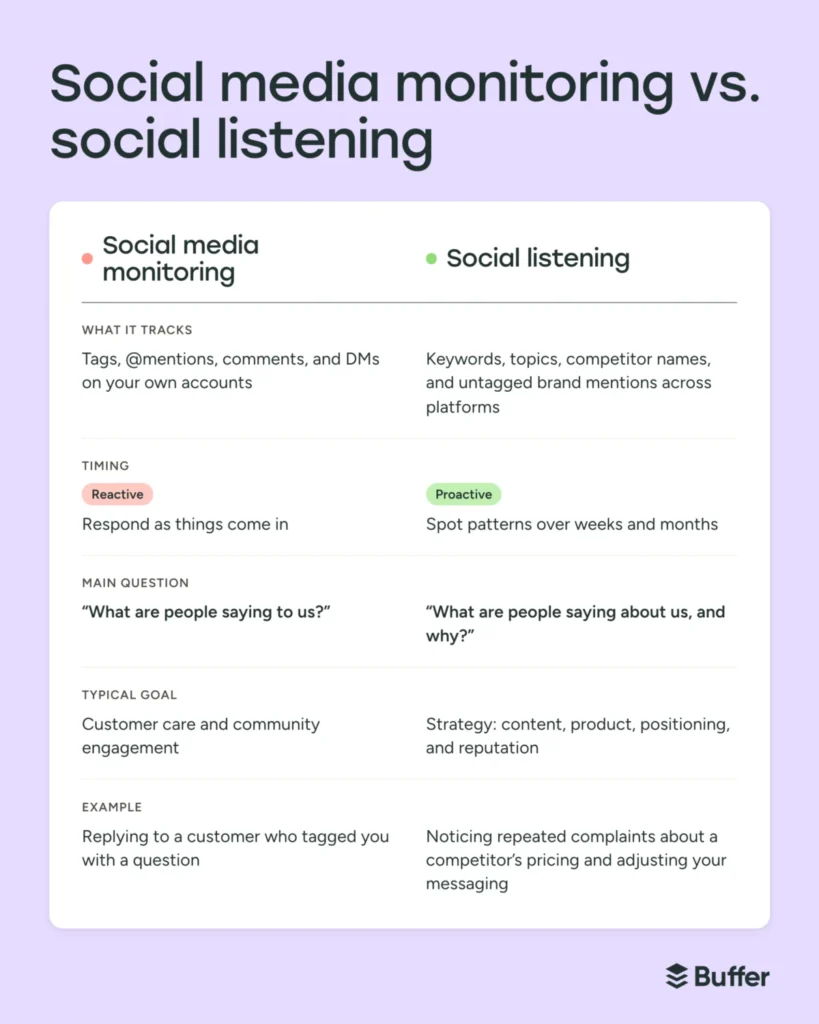
The distinction between monitoring and listening is often blurred, yet the operational difference is significant. Social media monitoring is essentially a customer care function. It is a reactive process characterized by the "inbox zero" mentality, where the primary objective is to acknowledge and resolve individual grievances or inquiries. In contrast, social listening is a proactive, analytical process. It seeks to identify patterns within large datasets. For example, while a company might monitor a specific complaint about a shoe size to appease an individual customer, a brand engaged in social listening would aggregate hundreds of similar, untagged comments to identify a systemic design flaw. This analysis then prompts a strategic adjustment, such as updating product specifications or alerting manufacturing teams to a recurring quality control issue.
The Rise of Data-Driven Consumer Insight

The necessity for social listening has been accelerated by the fragmentation of social platforms. Consumers are no longer tethered to a brand’s official page to express their views; they utilize Instagram Stories, TikTok comment sections, niche Reddit communities, and private forums. Without a dedicated listening strategy, brands remain blind to the "dark social" feedback—the unfiltered, often brutally honest opinions that circulate far outside the reach of a company’s PR team.
Data suggests that brands utilizing comprehensive listening tools significantly outperform their competitors in product-market fit. According to industry analysis, companies that integrate social intelligence into their product development cycle report a 20-30% faster response time to market trends compared to those relying solely on traditional focus groups or surveys. The reason is simple: focus groups are curated and controlled, whereas social listening captures real-time usage scenarios, providing a window into how products perform in the actual, often messy, lives of consumers.
A Chronology of Success: From Feedback to Reformulation
The efficacy of this strategy is best illustrated through successful corporate pivots driven by social intelligence. A notable case involves Grillo’s Pickles, which faced recurring, persistent complaints regarding the design of their pickle jars. Consumers frequently took to social media to complain that the lids leaked and were difficult to open without damaging fingernails. By systematically tracking these mentions—most of which did not tag the company—the organization identified a clear, actionable trend. The subsequent decision to redesign the packaging to a standard, user-friendly twist-off lid was a direct result of social listening. This move not only mitigated negative sentiment but also improved brand loyalty, proving that listening to customer friction points can lead to tangible operational improvements.
Similarly, the stationary brand Crayola demonstrated the power of nostalgic listening. For years, the company received requests via social channels to bring back retired crayon colors. By tracking the volume and frequency of these requests, the marketing department was able to quantify the demand. In 2025, the brand acted on this intelligence, reintroducing eight classic colors. This was not a random creative choice; it was a calculated response to years of aggregated consumer data.
In the beauty and personal care sector, the brand Tree Hut utilized social listening to turn a seasonal product, "Cinnamon Dolce," into a permanent, high-performing line. After observing consistent, organic requests for year-round availability across multiple platforms, the brand expanded the scent into new product forms, including body wash and lotions. The ultimate validation of this strategy occurred when the product was featured in a high-visibility Super Bowl commercial in 2026, marking a full-circle transition from a customer-requested niche item to a flagship offering.
The Methodology of Effective Social Listening
Implementing a successful social listening strategy requires a structured approach that moves from manual observation to automated intelligence. The process typically follows a five-stage lifecycle: collection, filtering, analysis, alerting, and reporting.
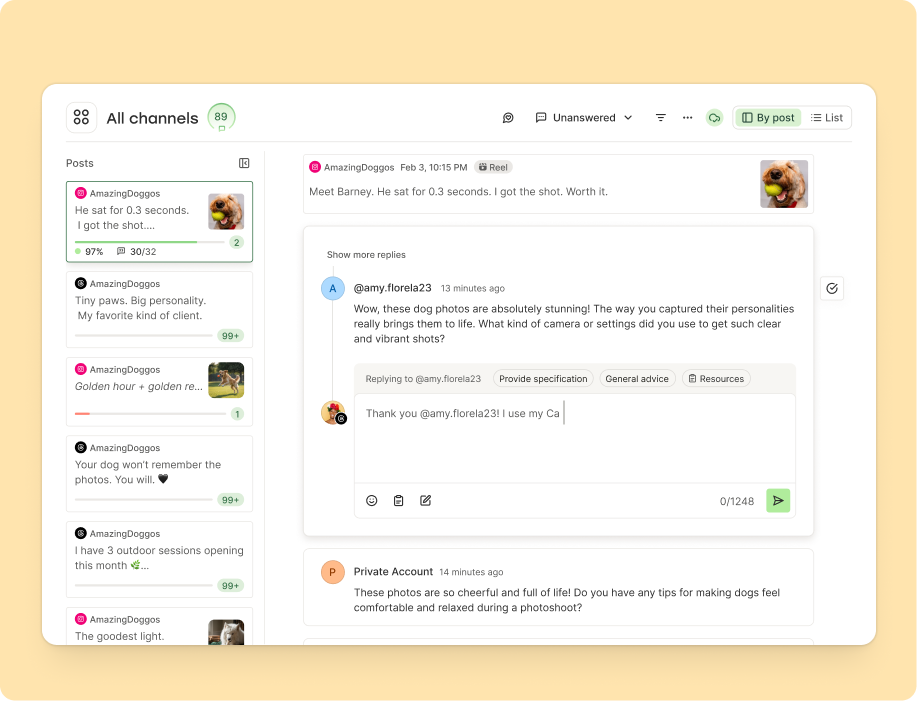
Step one is the establishment of concrete objectives. Organizations must determine if they are listening to improve product quality, refine marketing messaging, or conduct competitive intelligence. Once the goal is set, the second step involves auditing one’s own house. This includes analyzing internal comment sections and DMs to identify themes that are already present but perhaps overlooked.
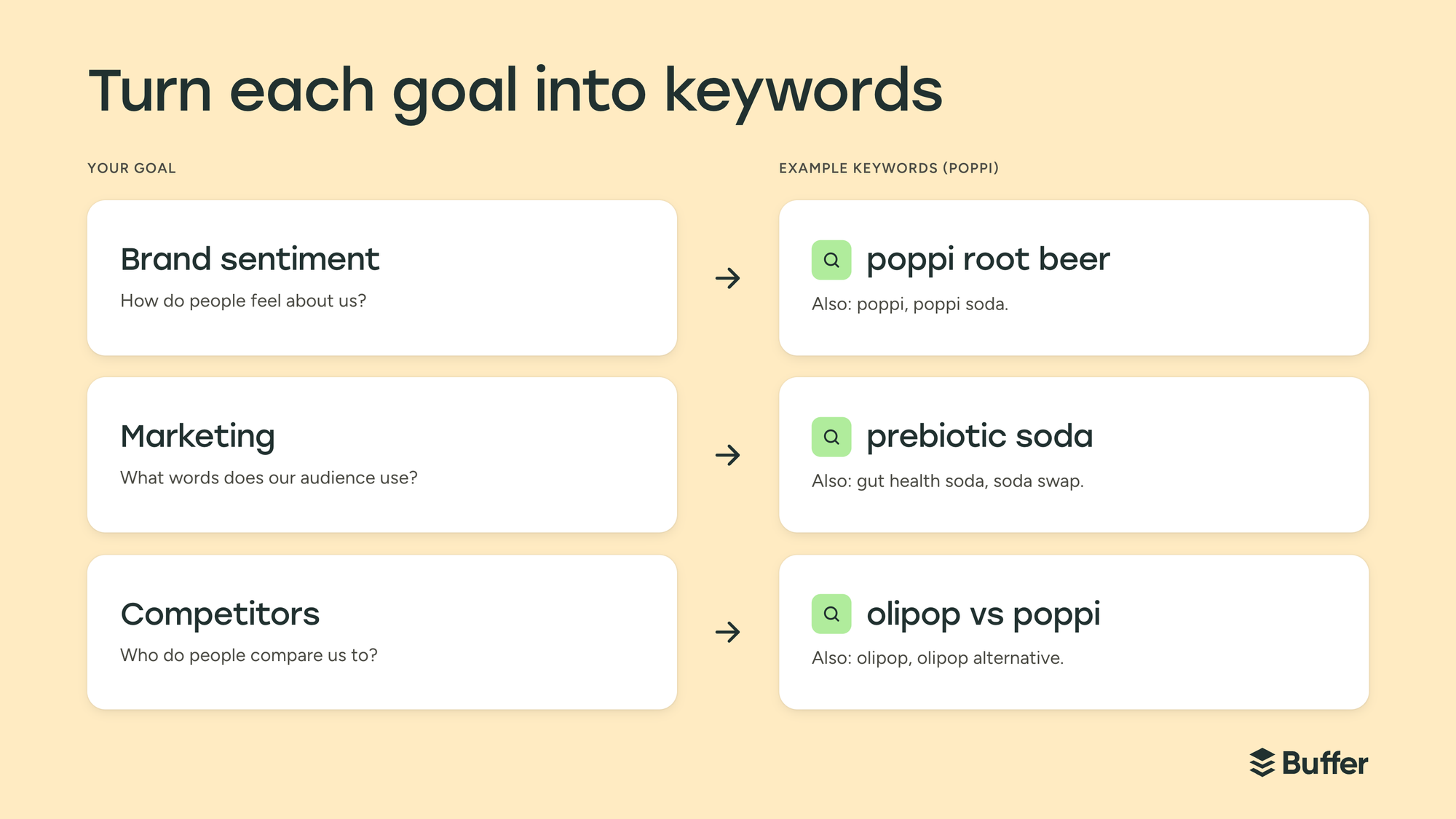
Step three is the identification of keywords and topics. This includes brand names, common misspellings (which are frequently missed by automated tools), product names, and relevant industry terminology. For example, a skincare brand should not only monitor its own name but also keywords related to specific skin concerns or competitor product comparisons found on platforms like Reddit.
Step four involves the deployment of technology. While manual searches are sufficient for small businesses, mid-to-large enterprises require tools that can aggregate data across disparate platforms. These tools filter out noise—such as spam, irrelevant mentions, and bot activity—to ensure that the data being analyzed is high-quality.
The fifth and final step is human-led analysis. Algorithms can identify sentiment, but they often struggle with the nuances of irony, sarcasm, and regional slang. Human intervention is required to translate "negative sentiment" into "product insight." When a tool flags a spike in negative sentiment, the analyst must read the raw data to determine if the issue is a genuine product flaw or a temporary reaction to a marketing campaign.
Competitive Advantage and Crisis Management
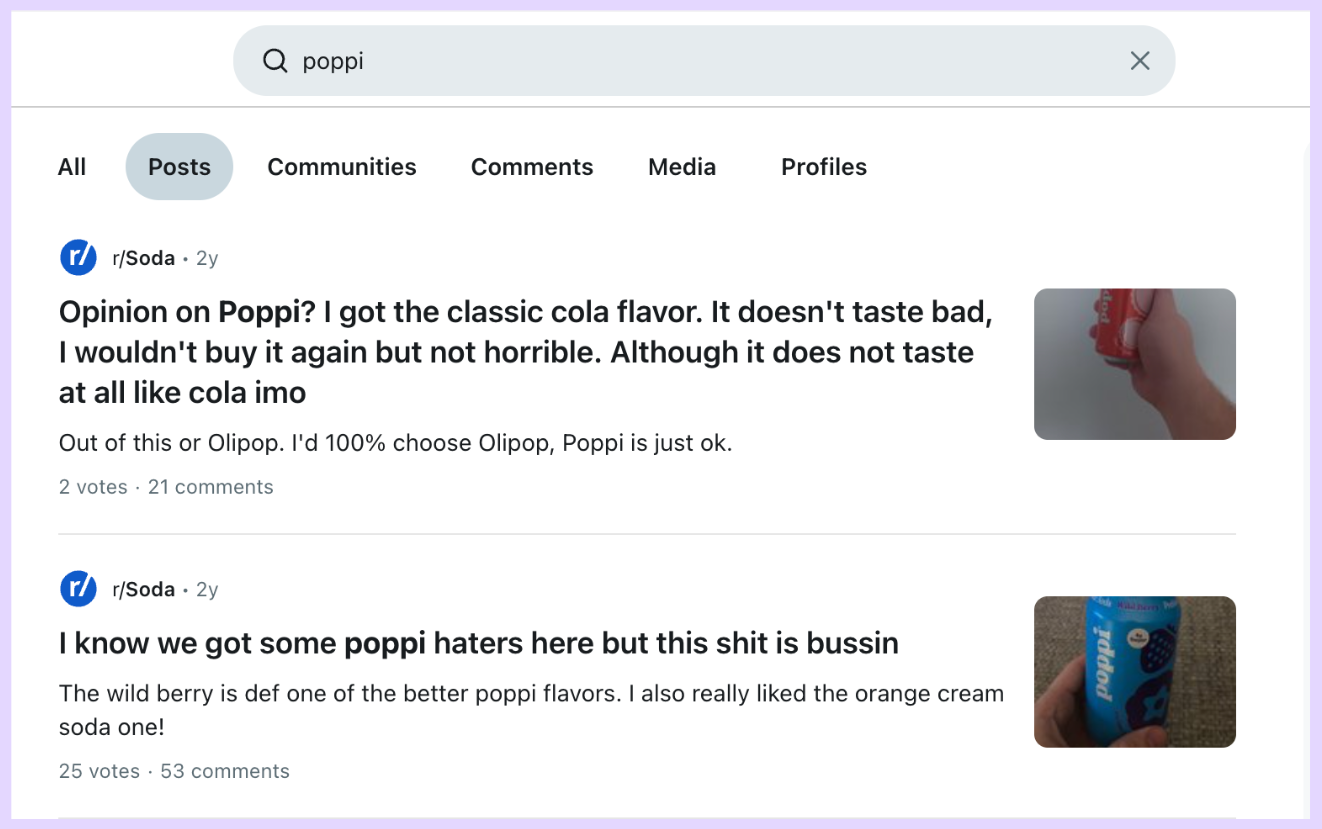
Beyond product development, social listening serves as an essential tool for competitive analysis and reputation management. Companies like the email newsletter platform Beehiiv have demonstrated how to use social sentiment to undermine competitors. By monitoring Reddit threads for complaints regarding a rival’s pricing or feature limitations, they were able to create targeted marketing campaigns that directly addressed those frustrations. By offering migration tools and highlighting features that solved the specific pain points mentioned in competitor threads, they effectively converted unsatisfied users from the rival platform into their own customer base.
From a defensive standpoint, social listening is the first line of defense in crisis management. Modern brand crises often begin as a trickle of negative sentiment in niche online communities. If monitored correctly, brands can address these issues before they reach a tipping point. The brand Poppi provided a masterclass in this approach when they faced public scrutiny regarding the ingredients in their root beer. Rather than ignoring the criticism or engaging in a defensive PR campaign, the company aggregated the most frequent complaints, acknowledged them publicly in a transparent social media post, and announced a reformulation of the product based on that exact feedback. This strategy of "radical listening" transformed a potential PR disaster into a narrative about brand responsiveness and consumer advocacy.
The Broader Implications for Brand Strategy
The shift toward social listening represents a fundamental change in the power dynamic between corporations and consumers. In the traditional marketing model, brands dictated the narrative to the consumer. In the modern, listening-first model, the consumer dictates the direction of the brand. This requires a cultural shift within organizations, as departments such as product, marketing, and customer service must break down their internal silos to share the insights gathered from the digital landscape.
However, the risk of over-reliance on automated tools remains. Companies must guard against "analysis paralysis," where data is collected but never converted into action. The ultimate metric of success for any social listening program is not the volume of mentions captured, but the number of strategic changes implemented based on those mentions. Whether it is a simple packaging tweak, a change in pricing strategy, or the development of an entirely new product line, the data is only as valuable as the action it inspires.
As we look toward the future of digital marketing, the ability to "listen at scale" will likely become the primary differentiator between market leaders and those that fade into obscurity. The internet has created a massive, real-time focus group that never sleeps. Brands that learn to tune into this signal—stripping away the noise to find the core truths about their customers’ desires and frustrations—will find themselves with a profound competitive edge. They will no longer be guessing what the market wants; they will be acting on the explicit, albeit often untagged, demands of the people who matter most.
In conclusion, the practice of social listening is not merely a task for a social media manager; it is a vital function for the modern enterprise. By moving from a mindset of "responding to mentions" to "analyzing the conversation," companies can cultivate a level of customer intimacy that was previously impossible. It is a commitment to continuous improvement, fueled by the conviction that the most important insights about a business are not held in a boardroom, but in the millions of unfiltered comments, posts, and discussions happening online every single day. The question for modern brands is no longer whether they can afford to listen, but how much longer they can afford to remain silent.