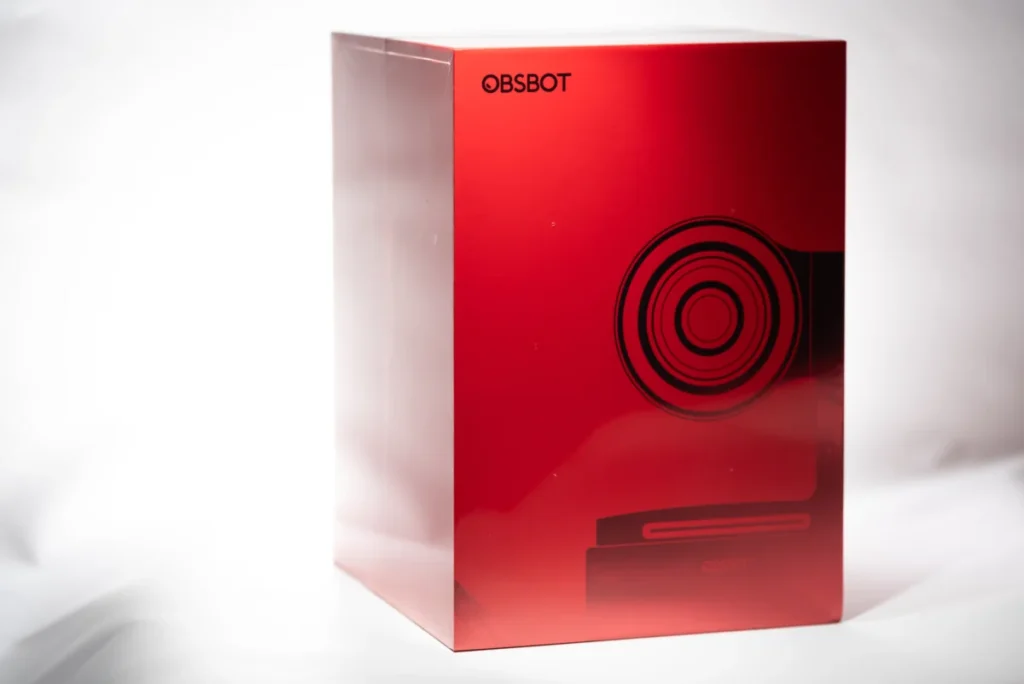

The landscape of professional videography and content creation has undergone a significant shift in recent months, with the emergence of high-performance, automated hardware designed to bridge the gap between broadcast-grade production and solo-operator convenience. OBSBOT, a technology firm specializing in AI-driven imaging solutions, has officially announced the launch of the Tail Air 2, an advanced PTZR (Pan, Tilt, Zoom, and Roll) camera. This new iteration integrates a 1-inch CMOS sensor with sophisticated AI tracking capabilities, positioning it as a versatile tool for modern creators who require high-fidelity imagery alongside automated operational workflows.
Evolution of the OBSBOT Ecosystem
The launch of the Tail Air 2 follows a strategic timeline of product development that began with the company’s initial foray into AI-controlled webcams and streaming devices. Since the release of the original Tail Air, industry demand has trended toward hardware that minimizes the need for multi-person crews. The Tail Air 2 is the culmination of feedback from both professional broadcasters and independent creators who required more robust color science and flexible mounting options.

By introducing the "R" into the traditional PTZ nomenclature, OBSBOT is addressing a long-standing limitation in robotic camera movement: the inability to physically adjust the roll axis. The inclusion of this fourth axis allows for sophisticated, gimbal-like movements that were previously difficult to achieve without specialized equipment.
Technical Specifications and Imaging Capabilities
At the core of the Tail Air 2 is a 1-inch CMOS sensor, a component often associated with high-end compact cameras rather than dedicated streaming devices. This sensor features 3.2 μm pixels, which, when paired with an f/1.9 aperture, significantly improves light-gathering capabilities. In technical terms, the larger sensor surface area enables a superior signal-to-noise ratio, which is critical for indoor production environments where lighting conditions may be suboptimal.
The camera supports 4K resolution at 60 frames per second (fps), providing the fluidity required for high-motion content. For those requiring slow-motion sequences, the device offers 1080p recording at up to 120fps. Furthermore, the integration of LOFIC (Lateral Overflow Integration Capacitor) HDR technology allows the sensor to handle a dynamic range of up to 13 stops at frame rates up to 30fps. This is a vital feature for scenes involving high-contrast lighting, such as a subject positioned in front of a window or under bright stage lighting, as it prevents the clipping of highlights and the crushing of shadows.

The device also debuts "OBSBOT Log," an 8-bit Log profile. This addition is a significant step forward for the brand, as it provides a flatter image profile out of the camera, allowing editors to apply custom 3D LUTs (Look-Up Tables) in post-production to achieve a specific aesthetic. By preserving more tonal information, creators can perform more aggressive color grading without introducing banding or artifacts into their footage.
AI-Driven Automation and Tracking 2.0
The primary value proposition of the Tail Air 2 lies in its "AI Tracking 2.0" suite. The system has been optimized to identify and maintain focus on a diverse array of subjects, including humans, over 30 species of animals, and more than 200 distinct object categories. This degree of recognition is powered by a dedicated AI imaging chip, which processes data locally to ensure near-zero latency in tracking movements.
The software architecture includes several intelligent framing modes:

- Single-Person Tracking: Maintains a locked-on focus even if the subject briefly exits the frame or is obscured by an obstacle.
- Group Tracking: Dynamically adjusts the pan and tilt to keep multiple subjects within the frame, automatically re-adjusting as participants move throughout the environment.
- Face Framing: Utilizes lead-room logic to ensure the subject is not centered awkwardly, providing a more cinematic feel.
- Auto Zoom: Employs motorized focal adjustments to maintain a consistent framing distance, regardless of how close or far the subject is from the camera.
These features are consolidated within the "AI Director Grids" interface, which allows a single user to manage multiple tracking presets or launch automated camera movements without needing a dedicated operator to manage a joystick or software controller.
Connectivity and Multi-Camera Integration
For professional studio and event environments, the Tail Air 2 is built upon a native IP-based architecture. It offers support for standard broadcast protocols, including SRT (Secure Reliable Transport), RTSP, and RTMP. For users requiring integration into professional network environments, the device is compatible with NDI|HX3, which facilitates high-quality, low-latency video transmission over standard Ethernet networks.
The inclusion of Timecode and Precision Time Protocol (PTP) synchronization is a noteworthy development for multi-camera productions. By synchronizing the internal clocks of multiple Tail Air 2 units, editors can significantly reduce the time required to align footage in post-production, a process that has historically been one of the most tedious aspects of multi-camera editing.

Physical connectivity options include a 3.5mm audio input for external microphones, a Micro HDMI output for local monitoring, and dual USB-C ports. The dual USB-C design is particularly advantageous, as it allows for simultaneous power delivery and data transfer, effectively eliminating concerns about battery life during long-form recording sessions or live broadcasts.
The Impact on Modern Content Production
The introduction of this technology represents a broader trend toward the democratization of high-end production tools. Historically, achieving professional-grade tracking and multi-camera synchronization required expensive robotic heads, heavy-duty cinema cameras, and a dedicated control room. By consolidating these features into a compact, portable unit, manufacturers are enabling independent creators, educators, and small businesses to produce content that rivals traditional television studios.
Analysis of the market suggests that the "solo-operator" segment is currently the fastest-growing sector of the video industry. As platforms like YouTube, LinkedIn, and corporate communication portals demand higher quality, the barrier to entry for professional video must be lowered. The Tail Air 2, through its combination of AI-based automation and broadcast-standard connectivity, serves as an essential bridge for those who lack the resources for a full production crew but cannot afford to compromise on quality.

Official Response and Future Outlook
In a statement regarding the product’s release, Liu Bo, CEO of OBSBOT, emphasized the design philosophy behind the device: "Creators should not have to choose between image quality, creative control, and production efficiency. With Tail Air 2, we are bringing these capabilities together, making professional-quality video production simpler and giving creators more freedom to focus on their content."
Industry observers note that while the hardware is impressive, its ultimate success will depend on the stability of the firmware and the ease of use within the OBSBOT software ecosystem. With the promise of future updates and an open SDK (Software Development Kit), the camera is positioned to evolve alongside the changing needs of the digital landscape.
As of the current announcement, the OBSBOT Tail Air 2 is positioned to compete directly with other robotic cameras in the prosumer and enterprise market. The combination of a 1-inch sensor, advanced log recording, and a fourth roll axis sets a new benchmark for what is expected from a compact, AI-powered PTZR camera. Future reviews and real-world testing will be required to determine how effectively the device performs in high-stress, live production environments, but the technical foundation presented by OBSBOT suggests a significant advancement for the industry.