
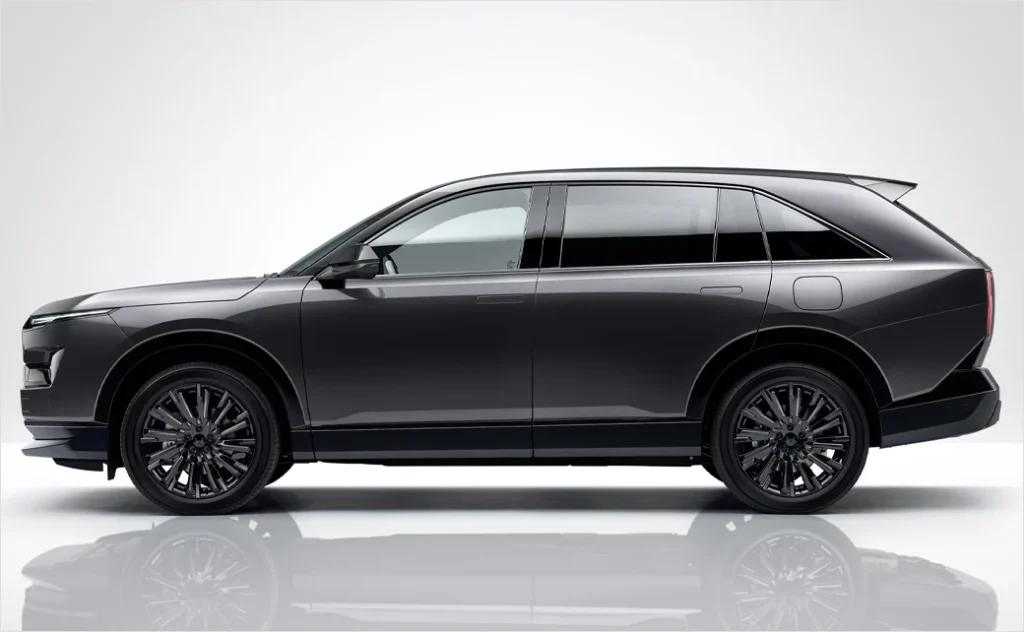

In a significant strategic pivot reflecting changing consumer dynamics and the accelerating pace of global electrification, Japanese automotive giant Honda has officially unveiled the name and brand identity for its next-generation hybrid powertrain technology. Dubbed simply and directly "Honda Hybrid," this new system is engineered to supplant the company’s current e:HEV architecture. The announcement marks a critical milestone in Honda’s long-term roadmap, designed to capture surging worldwide demand for eco-conscious vehicles that bridge the gap between traditional internal combustion engines and full battery-electric vehicles (BEVs).
Scheduled for a phased global rollout starting in 2027, the Honda Hybrid system represents more than just a mechanical overhaul; it signals a comprehensive re-branding of the manufacturer’s electrified portfolio. As regulatory pressures mount globally and consumer adoption curves flatten for pure EVs in certain key markets, automakers are increasingly turning to advanced hybrid systems to maintain profitability while drastically cutting fleet-wide emissions. Honda’s decision to streamline its hybrid nomenclature to the straightforward "Honda Hybrid" moniker underlines a strategy aimed at consumer clarity and unified global marketing.

Mechanical Engineering and Technological Evolution
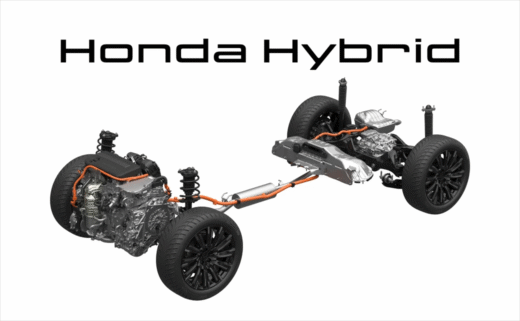
At the core of the newly minted Honda Hybrid system is an advanced dual-motor architecture paired with a compact petrol engine. Unlike traditional hybrid setups where the internal combustion engine directly drives the wheels under cruising conditions, Honda’s next-generation configuration primarily utilizes its small petrol engine as an onboard generator. This generator supplies continuous electricity to power the vehicle’s dual electric motors, which are responsible for the vast majority of the vehicle’s physical propulsion.
This series-parallel evolution optimizes fuel efficiency, reduces mechanical complexity, and delivers the instantaneous torque characteristic of electric driving without the range anxiety associated with plug-in or pure battery-electric vehicles. Engineers have refined the power control unit (PCU) and reduced the physical footprint of the battery pack, allowing for enhanced interior packaging and greater versatility across various vehicle segments. The system is designed to deliver superior thermal efficiency and lower carbon emissions compared to the outgoing e:HEV technology, positioning Honda competitively against rival hybrid systems from Toyota, Hyundai, and Ford.
Global Rollout and Market Strategy
Honda’s aggressive deployment timeline sees the company aiming to introduce 15 distinct next-generation models equipped with the Honda Hybrid system worldwide by the conclusion of 2030. While the technology will be distributed across multiple continents, North America has been designated as the primary strategic market, driven by robust consumer demand for spacious, fuel-efficient crossovers and SUVs.

The commercial spearhead of this new technological era is the newly revealed "Avancier," a versatile seven-seat SUV tailored to modern family demands. The Avancier serves as the operational blueprint for Honda’s upcoming product offensive, combining three-row utility with the enhanced efficiency of the next-generation powertrain.
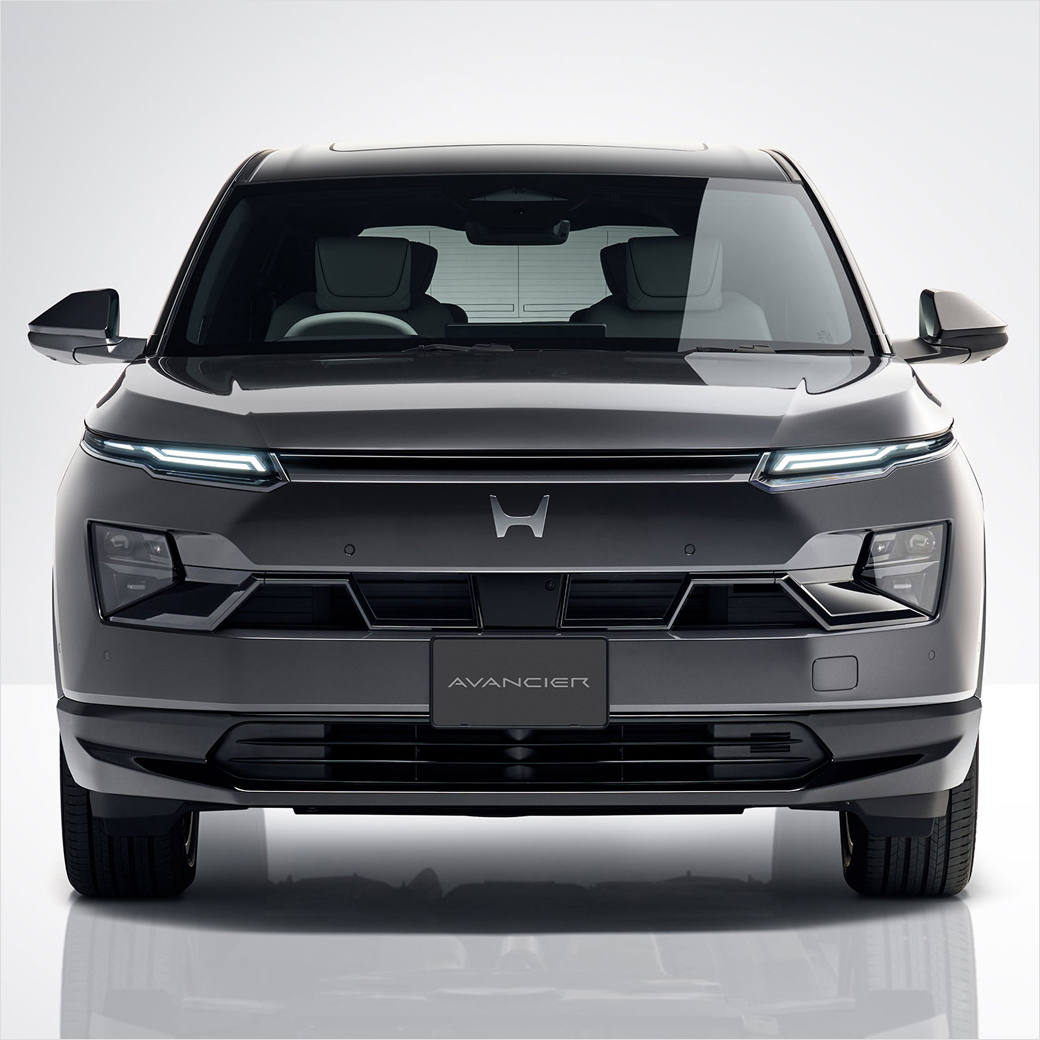
Beyond its mechanical prowess, the Avancier holds historical significance within the Honda corporate lineage: it is the very first production vehicle to feature Honda’s newly redesigned "H" logo. First previewed earlier in the year as part of the company’s broader corporate rebranding initiative, the minimalist, forward-leaning emblem symbolizes Honda’s transition into a high-tech, sustainable mobility provider.
Behind the Scenes: Development Pressures and Corporate Insights
Bringing a foundational powertrain and a radical visual identity to market simultaneously is a complex undertaking for any legacy automaker. Hidenori Hamashima, project leader for the new Avancier, shed light on the intense developmental hurdles the engineering and design teams faced during the vehicle’s gestation period.
"The decision to adopt the new H mark came after development had already progressed to a certain point, so there was definitely some pressure," Hamashima remarked regarding the simultaneous integration of the new brand identity onto a vehicle already deep into its engineering cycle.
Adapting structural mounting points, exterior body panels, and digital user interfaces to accommodate the new badge—while simultaneously finalizing the calibration of the next-generation hybrid software—required unprecedented cross-departmental collaboration. Despite these logistical hurdles, the engineering team successfully harmonized the vehicle’s exterior aesthetics with its cutting-edge internal machinery, ensuring the Avancier meets rigorous global safety and aerodynamic standards.
Chronology of Honda’s Electrification Journey
To understand the weight of the 2026 announcement, it is necessary to examine the trajectory of Honda’s environmental strategy over the past decade:
- 2010s: Honda introduces early hybrid iterations, such as the Integrated Motor Assist (IMA) system, establishing a foothold in eco-friendly passenger cars like the Insight and Civic Hybrid.
- 2020: The widespread global adoption of the e:HEV dual-motor hybrid system across mainstream European and Asian models, praised for its EV-like driving dynamics.
- Early 2026: Honda reveals its minimalist, reimagined "H" logo, signaling a fresh design language tailored for the future era of smart and electrified mobility.
- Late 2026 (November): Official naming of the "Honda Hybrid" system and the global unveiling of the seven-seat Avancier SUV as the inaugural model featuring both the new powertrain and the new logo.
- 2027: Commercial production and initial market launch of vehicles equipped with the Honda Hybrid system.
- 2030: Target completion date for the global rollout of 15 next-generation models utilizing the Honda Hybrid architecture, aligning with the company’s broader carbon-neutrality milestones.
Industry Implications and Broader Market Impact
The introduction of the Honda Hybrid brand and its accompanying powertrain carries profound implications for the global automotive landscape. For years, pure battery-electric vehicles were framed by many legacy manufacturers as the sole destination for the industry. However, shifting economic realities, infrastructure bottlenecks, and fluctuating consumer appetite for expensive EV batteries have prompted a pragmatic re-evaluation.
By committing substantial capital to a refined hybrid architecture, Honda is hedging its bets effectively. The strategy acknowledges that while full electrification remains the ultimate long-term destination, internal combustion engines paired with high-efficiency electric motors will dominate consumer purchasing preferences for the remainder of the decade. This approach secures steady revenue streams, protects profit margins, and provides everyday drivers with a seamless, low-friction transition away from conventional fossil-fuel vehicles.
Furthermore, the introduction of the new "H" logo alongside the Honda Hybrid brand signals to investors and consumers alike that Honda is undergoing a holistic cultural transformation. By pairing visual reinvention with tangible engineering upgrades, Honda aims to reinforce its reputation for reliability while projecting a sleek, modern identity capable of competing with both legacy rivals and emerging electric vehicle startups. As the 2027 launch date approaches, the automotive industry will be watching closely to see how effectively Honda can scale its new hybrid vision across international borders.