
Over the last decade, social media has undergone a profound structural metamorphosis, evolving far beyond its origins as a casual networking tool into a complex ecosystem of brand public relations, active customer service portals, and real-time community-building centers. As artificial intelligence reshapes content creation and the creator economy blurs the lines between corporate communications and individual expression, contemporary consumers increasingly demand authentic, responsive online presences from the organizations they support. Balancing these multifaceted demands requires rigorous internal governance, particularly as brand reputation increasingly hinges on voices that extend well beyond official corporate accounts.
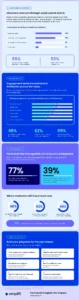
According to data from a Q2 2026 Pulse Survey, approximately 40% of consumers find employee-generated content (EGC) to be significantly more authentic than posts published directly on official brand pages. While this decentralized visibility offers unprecedented opportunities for organic growth and consumer engagement, it also introduces substantial corporate vulnerabilities. To safely harness the power of employee advocacy, brand representation, and emerging technologies while safeguarding consumer privacy and legal standing, modern enterprises are increasingly turning to formalized social media policies.

Defining the Corporate Social Media Policy
A corporate social media policy functions as an integral component of a company’s broader business code of conduct, explicitly outlining how employees should represent both themselves and the enterprise across digital networks. Distinct from social media guidelines—which typically offer tactical best practices or creative tips for maximizing specific platforms—a formal policy establishes rigid protocols designed to protect brand security, uphold privacy standards, and mitigate legal liabilities.
The integration of artificial intelligence into daily workflows has added another layer of urgency to these frameworks. Modern policies increasingly dictate whether AI-generated content is permissible, how it must be labeled, and how it aligns with overarching corporate AI guardrails. Without a clear governance framework, organizations expose themselves to accidental disclosures, compliance failures, and reputational damage that can materialize within minutes across global feeds.
The Evolution of Employee Advocacy and Associated Risks
The modern landscape of corporate communication is heavily influenced by the rise of the employee-influencer. Data from recent industry reports indicates that more than half of all consumers encounter content created by brand employees at least once a week, with 15% reporting daily exposure. Furthermore, 46% of consumers express a specific desire to hear directly from frontline workers, viewing their insights as more trustworthy than polished executive messaging.
This shift offers undeniable advantages. Employee advocacy can significantly boost organic brand awareness, establish authentic thought leadership, drive qualified leads, and enhance social recruiting initiatives by attracting top-tier talent. However, these benefits are counterbalanced by inherent operational risks. An unguided workforce lacking a clear understanding of brand voice or compliance parameters can inadvertently misrepresent the company, while disgruntled employees with established digital followings possess the reach to ignite severe brand crises.
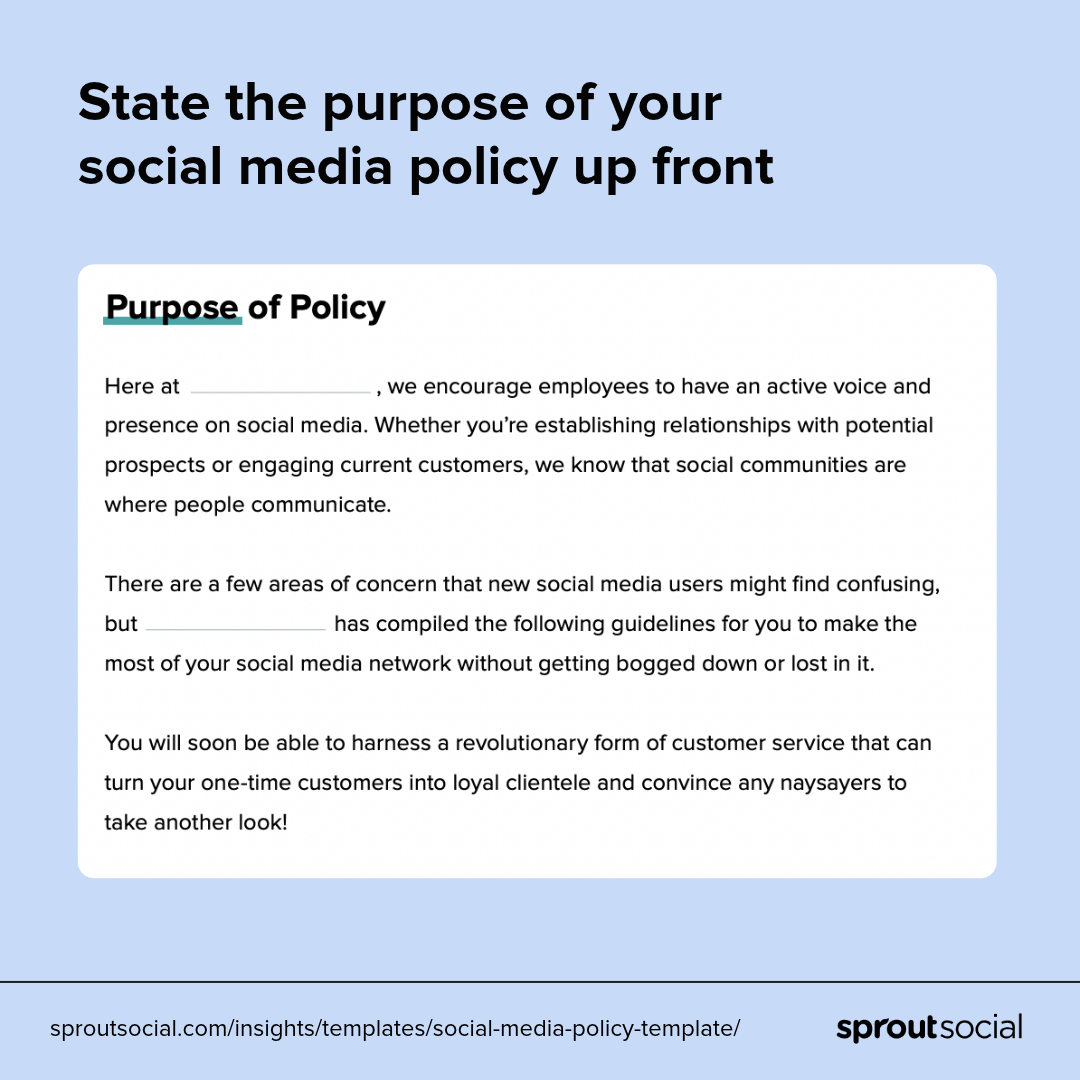
Establishing a comprehensive social media policy bridges this gap, providing staff with the autonomy to share their unique perspectives while maintaining strict brand safety. This balance is a cornerstone of effective social media governance, ensuring consistent, responsible, and professional online behavior throughout the entire organizational hierarchy.
Promoting Diversity, Equity, and Inclusion Through Digital Governance
In an era where brand values heavily influence consumer purchasing decisions, corporate diversity, equity, and inclusion (DEI) initiatives are subject to intense public scrutiny. Consumers actively seek to interact with and purchase from organizations that reflect their personal convictions.
Amplifying diverse voices via social media is an actionable strategy for brands striving to prioritize representation and attract talent from marginalized communities. An inclusive, well-crafted social media policy actively empowers and encourages employees from diverse backgrounds to serve as vocal advocates for the brand. By establishing clear standards that protect marginalized staff from online harassment while encouraging their authentic self-expression, companies build a more resilient and inclusive public identity.
Mitigating Legal and Security Vulnerabilities
The legal landscape surrounding digital communications is fraught with complex regulatory considerations, including evolving privacy mandates and strict copyright laws. Without precise internal guidelines, companies face heightened risks of costly litigation stemming from accidental data leaks, unauthorized asset usage, or non-compliant promotional practices. Collaborating closely with legal counsel to establish clear do’s and don’ts ensures that internal teams and external contractors remain fully compliant with regional and international statutes.
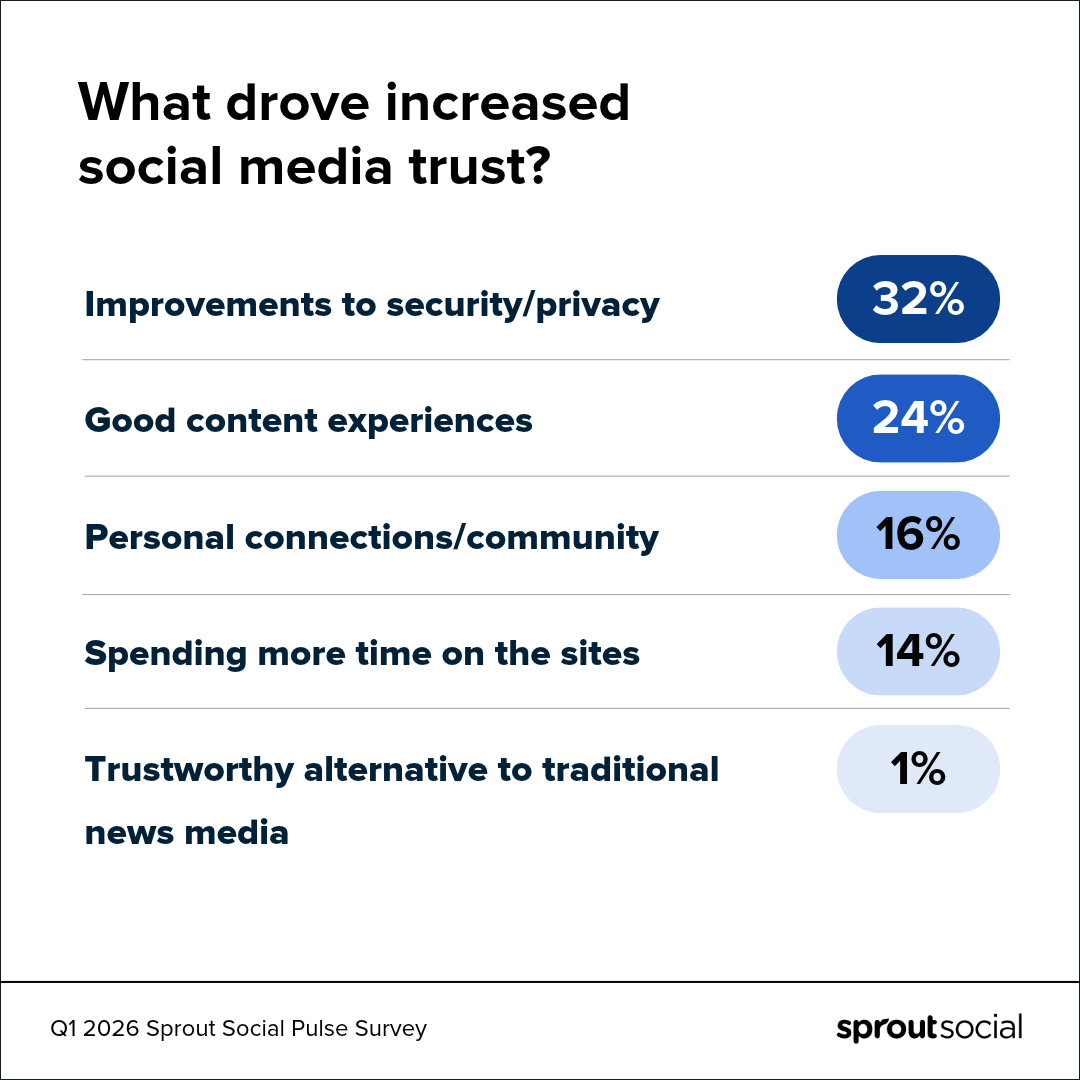
Concurrently, cybersecurity threats targeting social media accounts continue to escalate. Recent industry pulse surveys highlight that consumer trust in digital platforms is most frequently driven by demonstrable improvements in security and privacy protocols. Cybercriminals frequently exploit corporate and personal social channels for phishing schemes, credential stuffing, and ransomware delivery. A robust social media policy mandates foundational security hygiene—such as mandatory multi-factor authentication and rigorous credential management—thereby closing critical security gaps and defending the enterprise against fraud.
Proactive Public Relations Crisis Management
A recurring operational pitfall for many organizations is the tendency to formulate crisis response strategies only after a public relations disaster has occurred. Industry data underscores that social media serves as the primary channel where consumers first learn of unfolding brand crises. Moreover, approximately 64% of consumers expect brands to issue public responses to controversies directly on social media rather than relying on traditional press releases or corporate website banners.
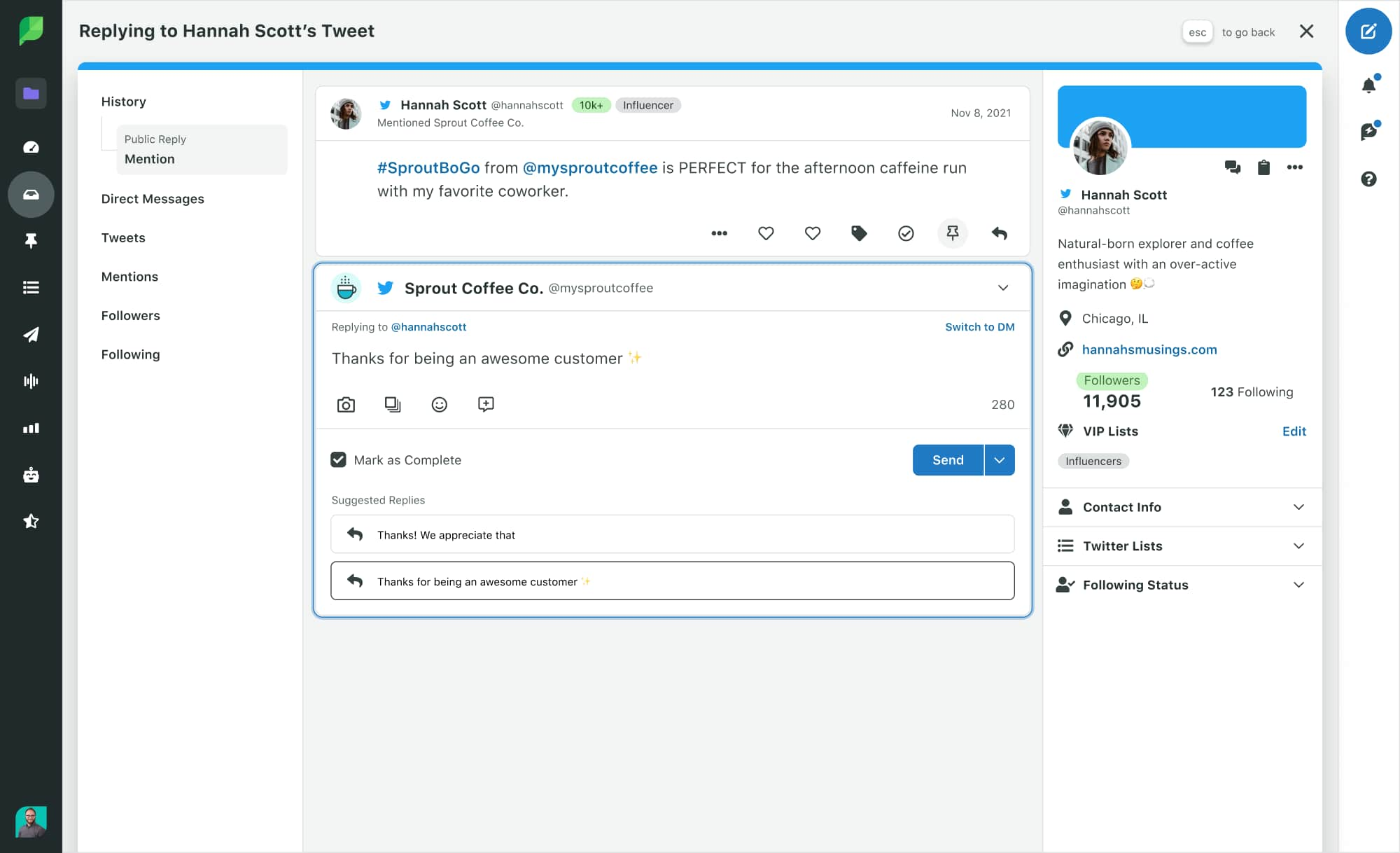
Integrating a crisis response framework directly into a social media policy enables organizations to designate specific, trained teams responsible for handling escalations, managing public sentiment, and approving outbound messaging. By proactively establishing these protocols, companies can significantly reduce the duration, severity, and financial fallout of digital controversies.
Core Components of a Modern Social Media Policy
To deliver measurable protection and operational empowerment, a social media policy must be comprehensive, transparent, and easily digestible. Leading organizational frameworks typically incorporate several essential sections:
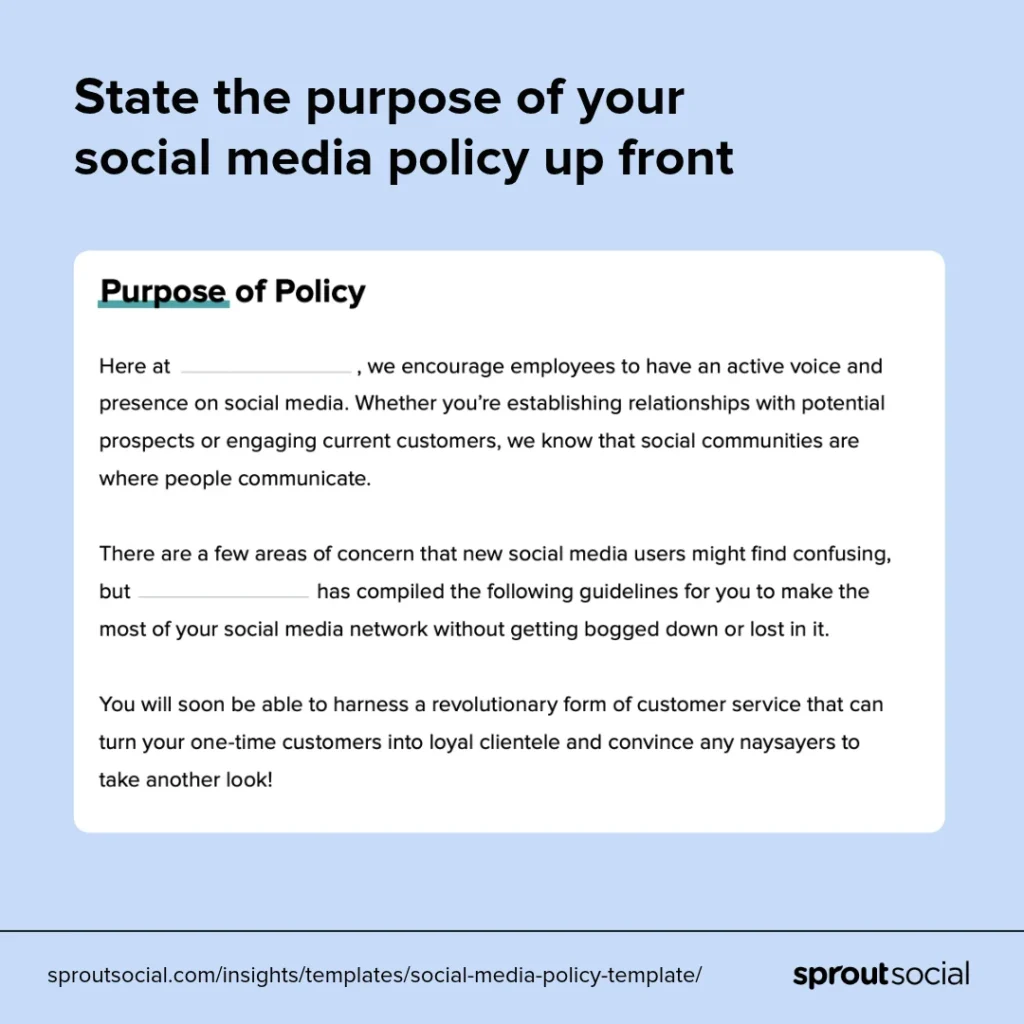
- Purpose of the Policy: Total transparency regarding why the policy exists, framing it as a protective and empowering tool for the entire organization rather than a restrictive mandate.
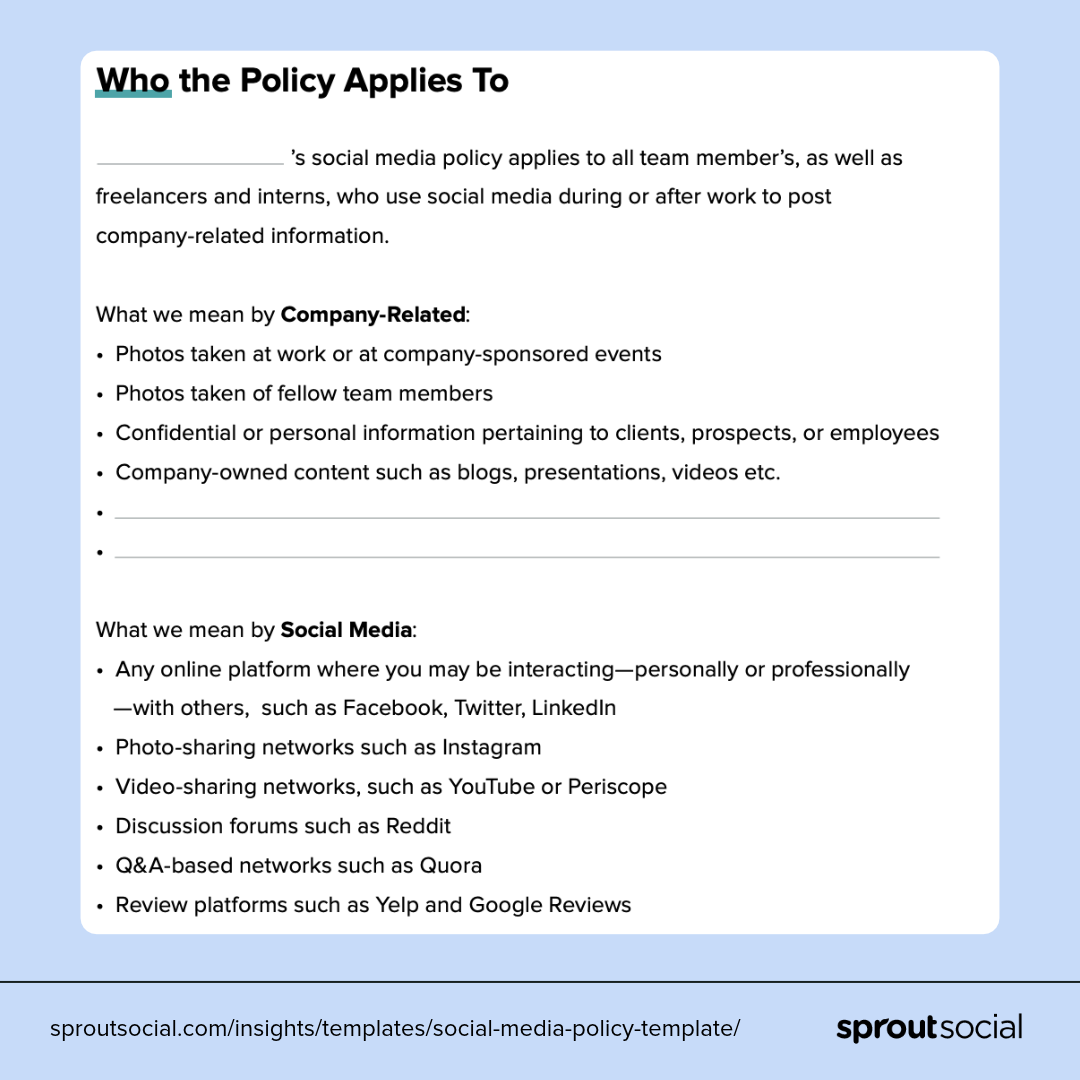
- Scope and Applicability: Explicit definitions detailing who the policy applies to—ranging from C-suite executives and middle management to seasonal interns and third-party freelancers—alongside clear definitions of company-related information.
- Personal Account Guidelines: Clear expectations regarding personal digital conduct, reminding employees that their online behavior can still reflect upon the enterprise regardless of account ownership.
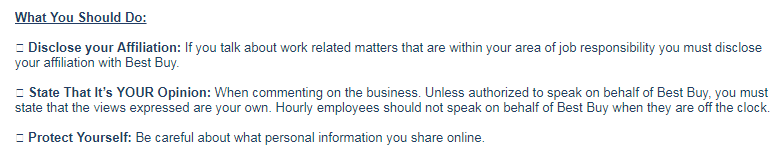
- Company Association Rules: Protocols requiring personal disclaimers (e.g., stating that opinions expressed are strictly personal and do not represent the employer) to mitigate association risks, mirroring models successfully utilized by major brands like Best Buy.
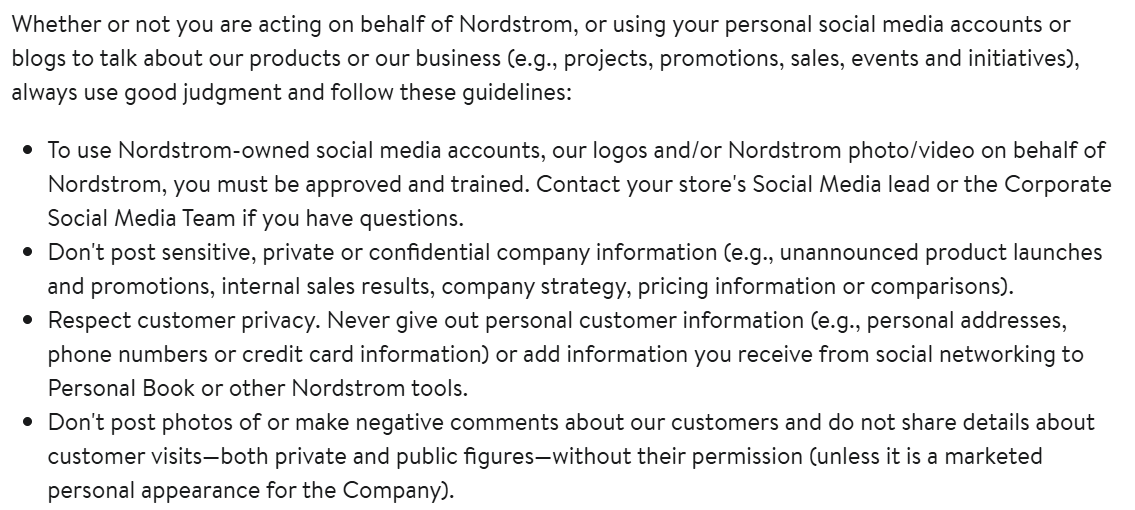
- Security and Privacy Standards: Mandatory rules prohibiting the sharing of confidential corporate data, proprietary source code, unreleased product details, or identifiable customer information.
- Regulatory and Legal Compliance: Clear instructions regarding copyright adherence, fair use, and mandatory disclosures for sponsored or incentivized partnerships.
- Responsible Engagement Protocols: Guidelines outlining who is authorized to speak on behalf of the company, how to escalate negative customer feedback, and how to utilize pre-approved response templates during customer service interactions.
- Artificial Intelligence Integration: Transparent rules governing the use of generative AI tools for content creation and customer support, defining mandatory human review checkpoints and labeling requirements.
- Influencer and Endorser Directives: Strict alignment with regulatory standards (such as Federal Trade Commission guidelines) requiring unequivocal disclosure of material connections, free merchandise, or financial compensation.
Industry Case Studies: Nordstrom, IBM, and Mailchimp
Examining real-world implementations reveals how leading enterprises tailor social media governance to their unique operational models.
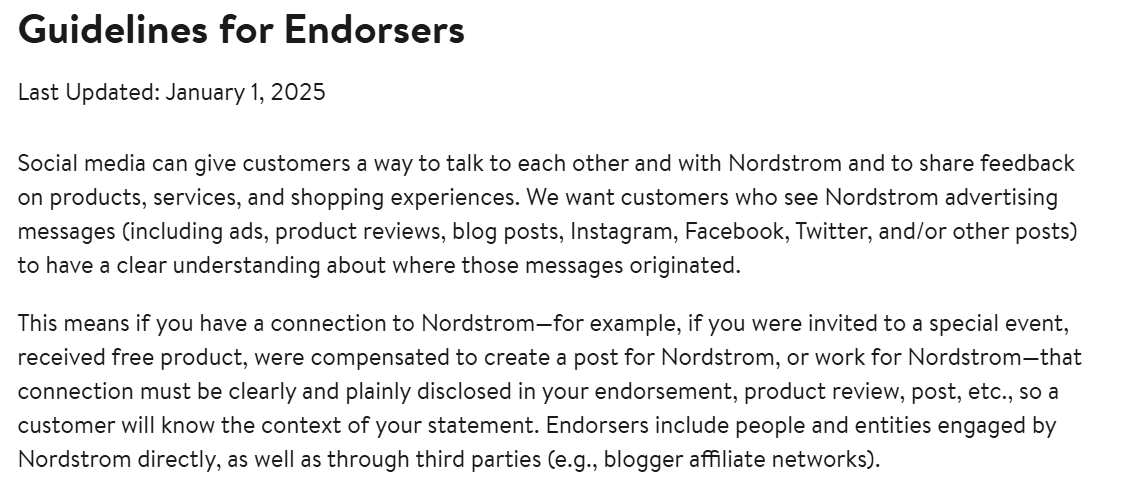
Nordstrom prioritizes customer privacy and transparency within its social networking guidelines. The policy explicitly mandates that employees using official channels must undergo specialized training, while personal account holders are strictly prohibited from sharing sensitive customer data or imagery. Furthermore, Nordstrom defines "endorsers" broadly to include anyone with a material connection to the company—including product recipients and event attendees—requiring them to transparently disclose those relationships.
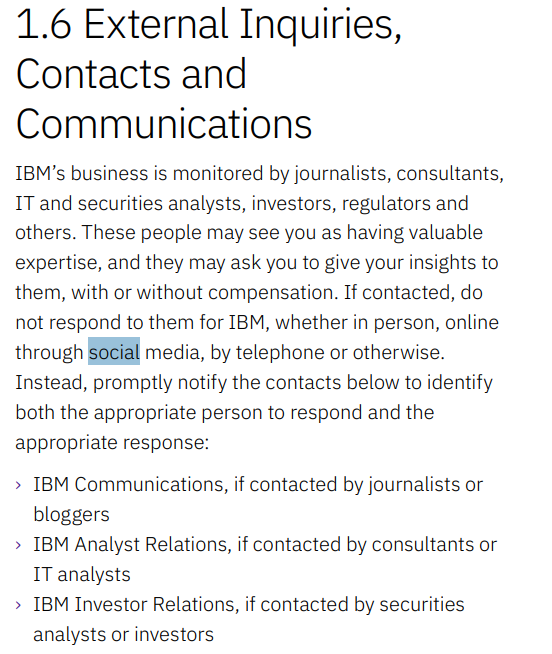
IBM has maintained its Social Computing Guidelines for over two decades, consistently updating them to align with evolving business conduct standards. IBM’s framework provides precise instructions on how employees should handle unsolicited media inquiries on social platforms and establishes clear pathways for staff seeking formal authorization to act as public spokespersons for the corporation.
Mailchimp integrates its extensive brand tone and voice guidelines directly into its social media governance. By establishing centralized channel ownership within the marketing department, Mailchimp ensures a cohesive brand image while maintaining a conversational, accessible writing style that empowers staff to engage authentically without compromising professional standards.
Strategic Implications and Future Outlook
As digital communication continues to accelerate, the implementation of a dynamic social media policy is no longer an optional administrative formality; it is a foundational pillar of modern corporate governance. Organizations that fail to establish clear digital boundaries risk severe reputational damage, regulatory penalties, and security breaches. Conversely, companies that proactively invest in comprehensive, inclusive, and transparent social media policies empower their workforce to become effective brand advocates, driving sustainable growth, customer loyalty, and long-term brand equity in an increasingly interconnected global marketplace.